


Disclosure: This article contains affiliate links. We may earn a commission from purchases at no extra cost to you, which helps our travel content.
The first time someone told me Timbuktu was a real place—not just a metaphor for 'the middle of nowhere'—I was already in my thirties. Now, standing in this legendary desert city with sand beneath my boots and the Saharan sun warming my shoulders, I'm humbled by how wrong that perception was. Timbuktu was once the intellectual heart of Africa, a crossroads where scholars gathered and knowledge flourished. Its libraries held hundreds of thousands of manuscripts on subjects ranging from astronomy to zoology, poetry to mathematics. While much has been lost to time, conflict, and the harsh desert climate, what remains is nothing short of miraculous. After years of exploring culinary traditions across continents, this journey into Mali's literary heritage offered me a different kind of nourishment—one that feeds the mind rather than the body, but proves equally essential to understanding our shared human experience.

The Desert's Fragile Treasure
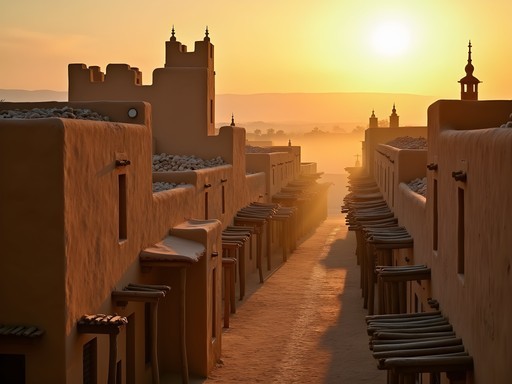
The drive into Timbuktu prepares you for something extraordinary. As our 4x4 navigated the final stretches of sand-swept road, the ancient city emerged from the desert haze like a mirage refusing to disappear. My guide Ibrahim, a Tuareg man whose family has lived here for generations, pointed to mud-brick buildings that seemed to grow organically from the earth.
'People think we are at the end of the world,' he said with a knowing smile. 'But for centuries, we were at its center.'
Timbuktu's golden age (12th-16th centuries) saw it become a nexus of trade, where salt, gold, and ivory changed hands—but most precious was knowledge. Scholars and students traveled months across the Sahara to study here. The evidence of this intellectual flowering survives in the manuscripts, many rescued from destruction during the 2012 jihadist occupation.
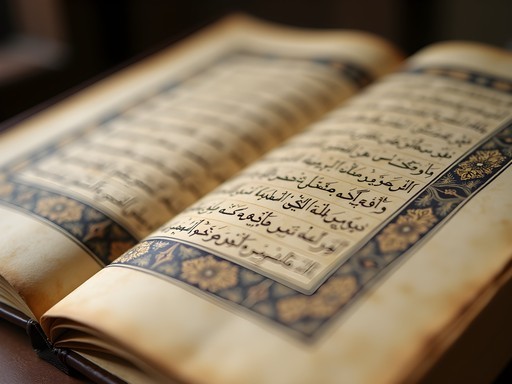
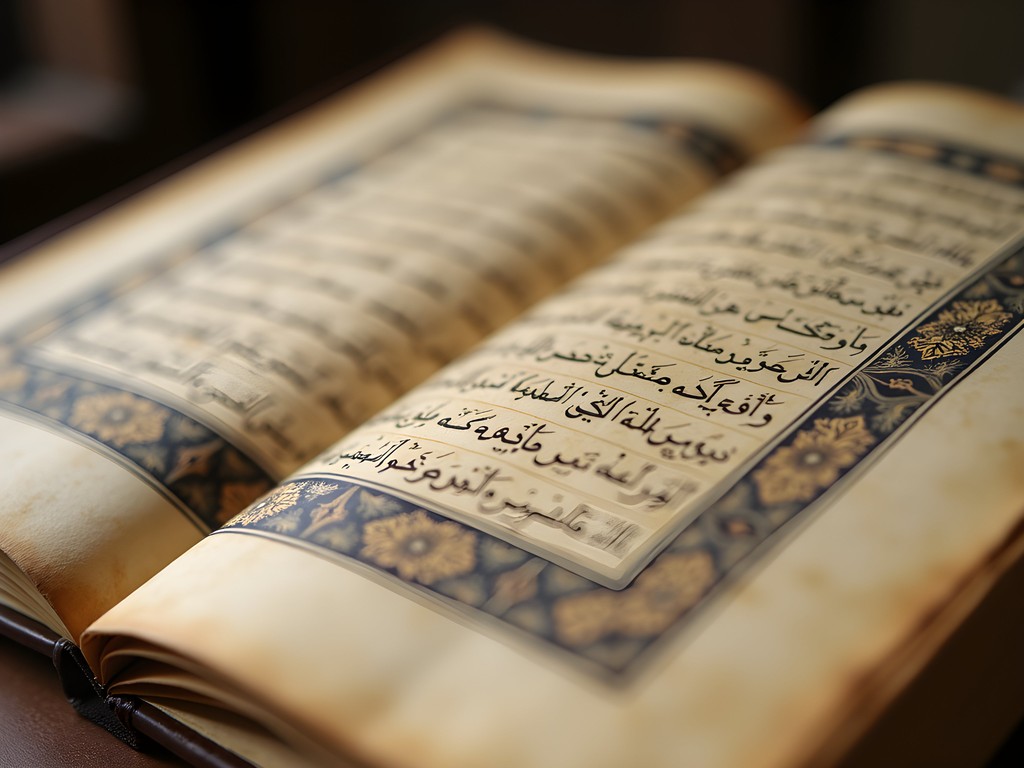
On my first morning, I visited the Ahmed Baba Institute, named for a 16th-century Timbuktu scholar. The air inside was cool and carefully regulated—a stark contrast to the desert heat. A conservator wearing cotton gloves gently displayed a manuscript written in elegant Arabic script with marginal notes in various African languages. The document, a treatise on ethics and governance, was nearly 600 years old.
'Each page we preserve is a victory against time,' the conservator told me, carefully returning the manuscript to its acid-free container.
Later, I used my portable light to photograph (where permitted) some of the intricate geometric designs decorating manuscript covers—the same patterns I'd later see echoed in the city's architecture.
💡 Pro Tips
- Visit the Ahmed Baba Institute early in the day when fewer tourists are present
- Hire a local guide with manuscript knowledge—they'll access collections tourists can't see alone
- Bring cash for manuscript viewing fees as credit cards aren't widely accepted
The Manuscript Guardians
What makes Timbuktu's literary heritage truly remarkable isn't just the manuscripts themselves, but the families who've preserved them through generations of political upheaval, climate challenges, and external threats.
On my third day, I was invited to visit the home of Abdelkader Haidara, whose family has safeguarded manuscripts for over 500 years. The invitation came after a chance conversation at Café Sahara, where I'd been enjoying sweet mint tea and attempting to practice my rudimentary Bambara with the owner.
'You truly want to understand our manuscripts?' an elderly man at the next table asked in French. 'Then you must see how they live with us.'
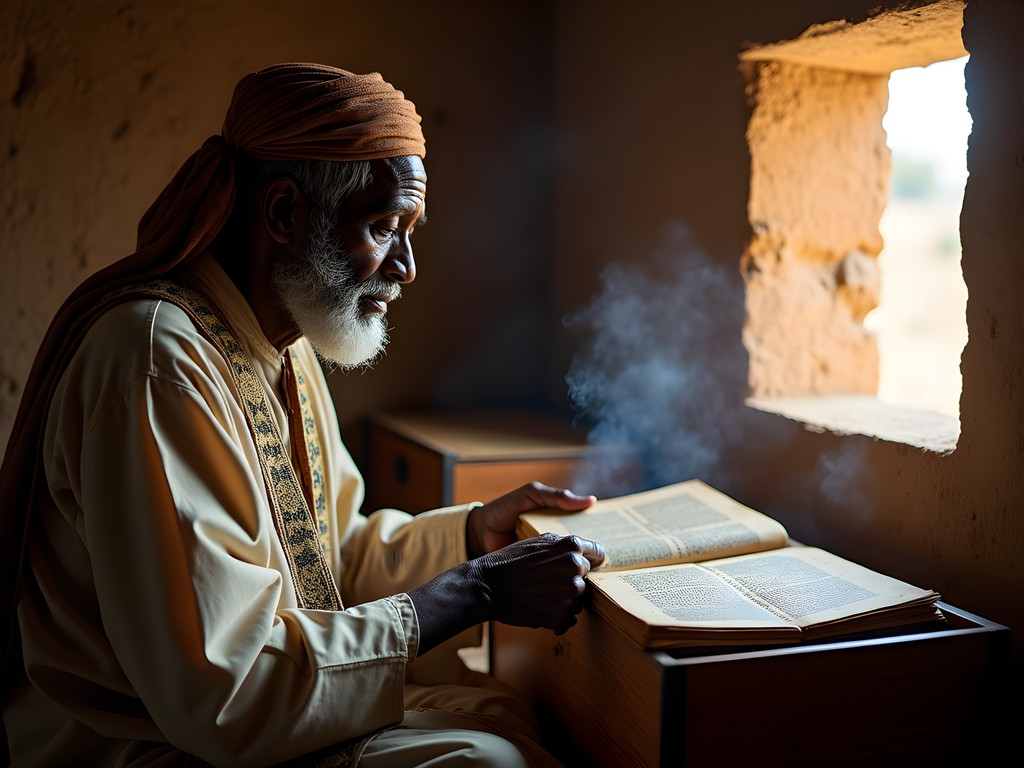
The next morning, I followed narrow, winding streets to a modest mud-brick home. Inside, the temperature dropped dramatically—the thick walls providing natural insulation against the desert heat. Haidara, a dignified man in his seventies, led me to a small room where wooden chests contained his family's collection.
'During the crisis,' he explained, referring to the 2012 occupation, 'we smuggled hundreds of manuscripts to safety in Bamako. Some traveled by donkey cart, others hidden beneath vegetables in river boats.'
He showed me a 16th-century medical text with detailed illustrations of medicinal plants—many still used by traditional healers today. I couldn't help but think of the recipe books I've collected from families across Brazil and beyond. Like those culinary traditions, these manuscripts represent knowledge passed through generations, adapted and preserved through love and determination.
Back at my guesthouse that evening, I recorded the day's experiences in my travel journal, trying to capture the profound sense of historical continuity I'd witnessed.
💡 Pro Tips
- Always ask permission before photographing private manuscript collections
- Bring small, thoughtful gifts from your home country when visiting local families
- Learn basic greetings in French and Bambara to show respect to manuscript guardians
Navigating Modern Timbuktu
Timbuktu today exists in a complex balance between its storied past and challenging present. The security situation has improved since 2013, but remains fluid. As a solo traveler who's navigated everything from Rio's favelas to remote Canadian wilderness, I still approached this journey with careful planning.
My accommodations at La Maison were simple but comfortable—a mud-brick guesthouse run by a French-Malian couple who provided invaluable local insights. My room had solar-powered electricity (mostly reliable), a ceiling fan (essential), and a shared bathroom with sporadic running water. At about 40,000 CFA (roughly $70 USD) per night including breakfast, it represented the mid-range option in a city with limited tourist infrastructure.
Moving around Timbuktu requires patience and flexibility. The city is compact enough to explore on foot, though the sandy streets and intense heat make morning and late afternoon the only sensible times for walking. For ventures to outlying areas, I arranged transportation through my guesthouse.
Internet connectivity proved surprisingly workable with my portable hotspot, which allowed me to upload photos and research manuscript details each evening. However, power outages are common, so I kept my devices charged whenever electricity was available.
Food options center around Malian staples—millet with various sauces, grilled meats, and fish from the Niger River. As someone who explores cultures through cuisine, I found these simple meals fascinating windows into local life. The night market near Sankore Mosque offered the most authentic food experience, though those with sensitive stomachs might prefer the restaurants catering to NGO workers and the occasional tourist.
While Timbuktu sees few independent travelers these days, those who make the journey find themselves welcomed with genuine curiosity and appreciation. Several times, I was spontaneously invited to join families for tea—a three-glass ritual that proceeds from strong and bitter to increasingly sweet, symbolizing how friendship should develop.

💡 Pro Tips
- Register with your embassy before traveling to Timbuktu due to the fluid security situation
- Bring twice as much cash as you think you'll need—ATMs are unreliable or nonexistent
- Pack a headlamp for inevitable power outages and early morning/evening walks

Beyond Books: Timbuktu's Living Heritage
While Timbuktu's manuscripts represent its most famous cultural treasure, the city's living traditions proved equally fascinating. On my fifth day, I participated in a traditional calligraphy workshop organized by a local cultural association.
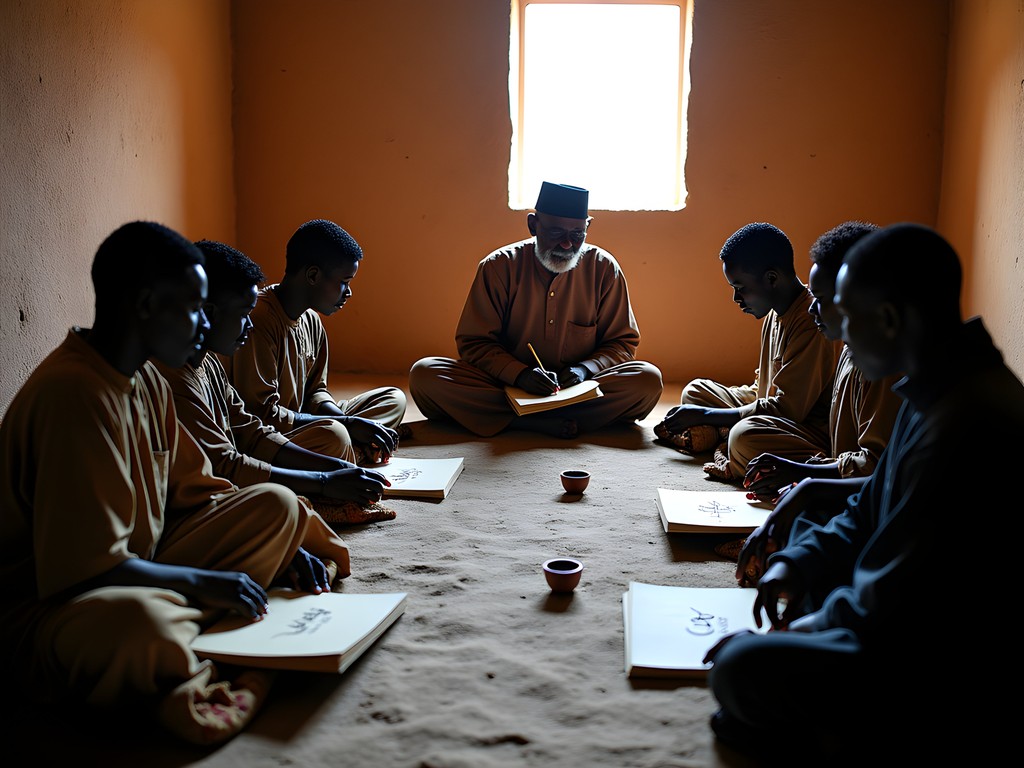
The master calligrapher, Mahmoud, welcomed our small group into his workshop—a simple room with low cushions surrounding a central mat covered in papers, ink pots, and hand-cut reed pens. Through a translator, he explained how Timbuktu developed its own distinctive script variations, influenced by North African, West African, and Middle Eastern traditions.
'In the old days,' he said, demonstrating a flowing stroke with his pen, 'a scholar's handwriting was like his fingerprint. People could identify who wrote a text just by seeing the script style.'
For three hours, we practiced basic letter forms using traditional techniques. My attempts looked childish next to Mahmoud's elegant script, but the experience connected me to centuries of scholars who had mastered this art form in this very city.
Later that week, I attended a musical performance where local musicians played instruments I recognized from my travels across West Africa—the kora (21-string harp-lute), talking drums, and ngoni (desert lute). What made this performance special was how the musicians incorporated recitations of poetry from Timbuktu's manuscript collections, bringing ancient words back to life through song.
The music reminded me of the fado I'd come to love in Portugal—both traditions expressing a profound sense of saudade or longing. I recorded portions of the performance using my audio recorder, capturing the haunting melodies that seemed to rise naturally from the desert landscape.
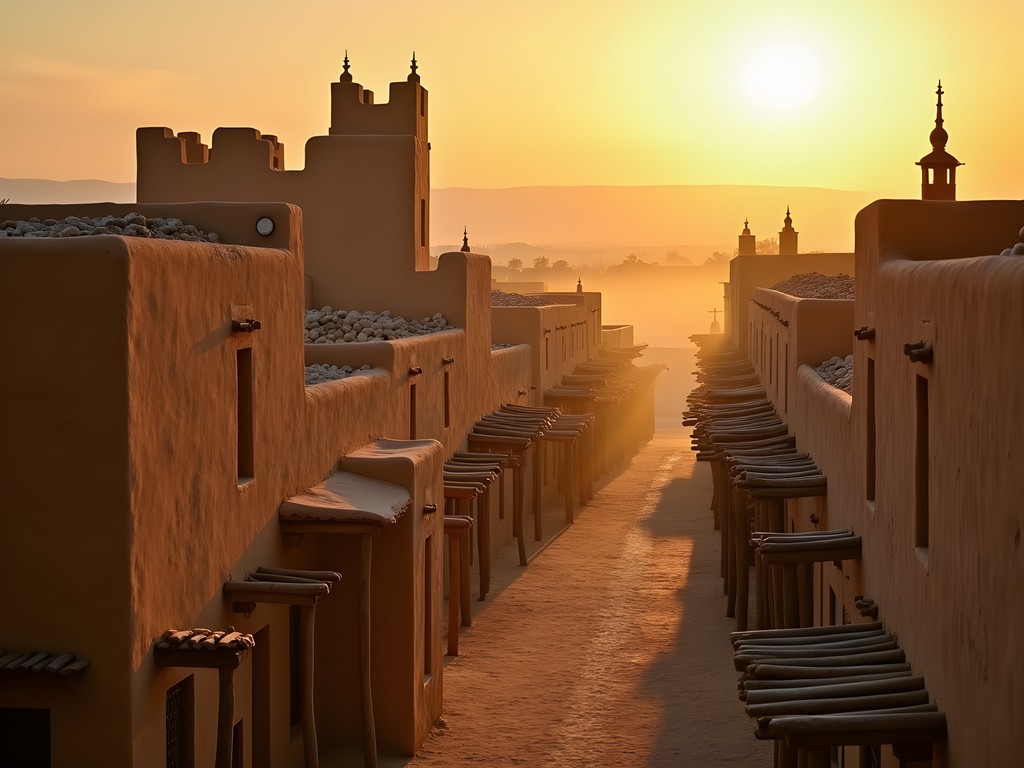
Each evening, I joined other guests at my guesthouse on the rooftop terrace. As the heat of the day subsided, we watched the city transition to night—mud minarets silhouetted against deepening blue skies, the call to prayer echoing across neighborhoods, cooking fires sending thin columns of smoke into the still air. These moments of quiet observation became as valuable as my manuscript explorations.
💡 Pro Tips
- Book cultural workshops through established organizations like Centre Culturel Tombouctou
- Attend Friday evening music performances at Maison des Artisans for authentic local music
- Purchase manuscript reproductions rather than originals—authentic antiques require export permits
The Desert's Uncertain Future
My final days in Timbuktu were spent contemplating the fragility of this remarkable heritage. Climate change threatens the city in multiple ways—advancing desertification, increasingly unpredictable rainfall, and extreme temperature fluctuations that challenge traditional preservation methods.
At the Centre for Historical Documentation, I spoke with Dr. Aminata Touré, who oversees digitization efforts to create permanent records of manuscripts before they deteriorate further.
'We are racing against time,' she explained, showing me the careful process of photographing each page. 'The physical documents may not survive another century, but their knowledge can live forever digitally.'
The work is painstaking and expensive. Each manuscript requires special handling, and the digital equipment must function in challenging conditions. Yet the team's dedication was inspiring—a modern continuation of Timbuktu's centuries-old tradition of knowledge preservation.
On my last morning, I rose before dawn to climb to the roof of my guesthouse. As the first light touched the city's eastern edge, I watched Timbuktu gradually emerge from darkness—first as shadowy outlines, then revealing its earthen textures and subtle colors.
This ancient intellectual capital has endured invasions, occupation, climate extremes, and changing political fortunes. Its greatest strength lies not in imposing monuments or grand architecture, but in the resilience of its people and their determination to safeguard their heritage.
As the sun cleared the horizon, I thought about the parallels between preserving manuscripts and preserving culinary traditions—both require dedication to maintaining knowledge that could easily be lost. In both cases, the true value lies not just in preservation but in keeping these traditions alive and meaningful for future generations.
When I finally descended for breakfast, I found myself already planning how I might return—perhaps to volunteer with one of the digitization projects or to help develop sustainable tourism initiatives that could support conservation efforts.
💡 Pro Tips
- Donate to manuscript preservation efforts through UNESCO's Mali Heritage Project
- Purchase locally-made manuscript boxes that support traditional artisans
- Consider volunteering with digitization projects if you have relevant technical skills
Final Thoughts
Timbuktu defies simple categorization. It's simultaneously a living symbol of intellectual achievement, a fragile heritage site, and a community facing profound challenges. For the solo traveler willing to embrace its complexities, it offers insights available nowhere else on earth. As I boarded the small aircraft that would begin my journey home, I carried with me not just photographs and journal entries, but a transformed understanding of how knowledge persists against seemingly impossible odds. The manuscripts of Timbuktu remind us that what we often call 'lost' history isn't necessarily gone—sometimes it's simply waiting to be rediscovered by those willing to look beyond conventional narratives. If you make this journey, come with patience, respect, and a willingness to listen. The desert speaks softly, but its stories will echo in your mind long after you've returned to more familiar landscapes.
✨ Key Takeaways
- Timbuktu's manuscript collections represent one of humanity's most remarkable and endangered cultural treasures
- Local families have preserved these documents through centuries of challenges, often at great personal risk
- The city offers unique insights into African intellectual history that challenge Eurocentric historical narratives
- Sustainable tourism can play a vital role in supporting preservation efforts and local economies
📋 Practical Information
Best Time to Visit
November to February (cooler temperatures, 25-30°C)
Budget Estimate
$1,200-1,800 USD for one week (excluding flights to Mali)
Recommended Duration
5-7 days
Difficulty Level
Challenging





Comments
Marco Flores
Fantastic piece, Tyler. I spent three days in Timbuktu last year and it completely changed my perspective on African history. One thing I'd add for anyone considering a visit - bring cash (CFA francs) because there are basically no ATMs, and respect photography restrictions around the manuscripts. Some families are understandably protective. The sunset from the dunes just outside the city is absolutely spectacular. Also, my guidebook had some really specific info about local guides that I couldn't find anywhere else online.
citylover
good tip about the cash! didn't even think about that
roamstar7683
those manuscript photos are amazing
explorepro8538
What tour company did you use? Looking into this for maybe 2027
islandmood
those manuscript photos are incredible!
Lillian Diaz
Tyler, this resonates so deeply. I had a similar experience in Chinguetti, Mauritania - another ancient desert library town that nobody seems to know about. There's something profoundly moving about standing in these places where scholars studied mathematics, astronomy, and philosophy centuries ago while Europe was in the Dark Ages. The narrative we're taught about history is so incomplete. Thank you for documenting this and bringing attention to Mali's intellectual heritage. The world needs to know these stories.
escapefan
This brings back memories! I visited West Africa back in 2019 and Timbuktu was on my list but couldn't make it happen due to the security situation at the time. The whole concept of these family libraries preserving manuscripts for generations is just mind-blowing. Tyler, did you get to see the Ahmed Baba Institute? I've read so much about their conservation efforts. Also curious what time of year you went - the desert heat must be brutal in summer!
Tyler Gutierrez
Yes! The Ahmed Baba Institute was incredible. I went in February which was perfect - warm but not scorching. Definitely avoid summer months if possible.
Amanda Morris
Tyler, this brought back so many memories. I visited Timbuktu in 2019 just before things got more complicated security-wise. The dedication of the manuscript custodians absolutely floored me - families who've protected these texts for generations, often at great personal risk. I met one guardian whose family smuggled manuscripts out in metal trunks during the 2012 occupation. The stories these people carry are as valuable as the manuscripts themselves. How did you find the security situation when you visited? I've been wanting to return but keeping an eye on travel advisories.
dreamking
is it safe to go now? looks amazing but worried
coffeeexplorer
How did you get there? What's the best way to reach Timbuktu?
Tyler Gutierrez
I flew into Bamako and then took a small chartered flight to Timbuktu. There are also boats along the Niger River during certain seasons, but you really need to check current conditions and travel advisories before planning anything.
redlife
wow didn't know this place existed!
citylover
OMG I had the exact same reaction when I first learned Timbuktu was real!! I always thought it was just something people said lol. This post is incredible Tyler. The part about the manuscript guardians literally risking their lives to save those texts during the conflict... I got chills. Really makes you think about what we take for granted with our libraries and museums. The photos of those ancient manuscripts are stunning. Has anyone else been? Is it safe to visit now?
roamstar7683
been wondering the same thing about safety
Marco Flores
The security situation is still complex. I visited in 2024 and you definitely need to go with an organized tour and check current advisories. Worth it though - absolutely unforgettable experience.
Venture X
Premium card with 2X miles, $300 travel credit, Priority Pass