Disclosure: This article contains affiliate links. We may earn a commission from purchases at no extra cost to you, which helps our travel content.
There's something almost mystical about the way the Atlantic crashes against the rugged coastline of Cascais, a rhythm that has called to seafarers and healers for centuries. My grandmother would have recognized this immediately as baraka – blessed energy – the same force she channeled in her Algerian healing practices. After a particularly draining period supporting refugee families in Marseille, I found myself drawn to this Portuguese coastal haven, seeking both solitude and connection. What began as a simple escape transformed into a profound journey through Cascais's lesser-known cultural treasures, neighborhood rituals, and healing traditions that have sustained its communities through centuries of change. This guide isn't about checking tourist boxes; it's about immersing yourself in the authentic pulse of a place where the sea doesn't just shape the landscape – it shapes the people.

Finding Your Sanctuary: Where to Stay as a Solo Traveler
The neighborhood you choose in Cascais becomes your anchor, the place that shapes your entire experience. After years of social work in cramped urban spaces, I've developed a keen sense for environments that nurture rather than drain energy.
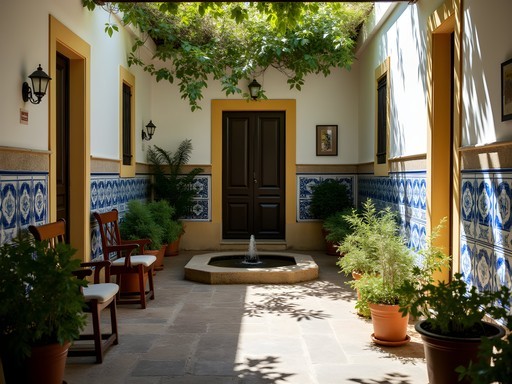
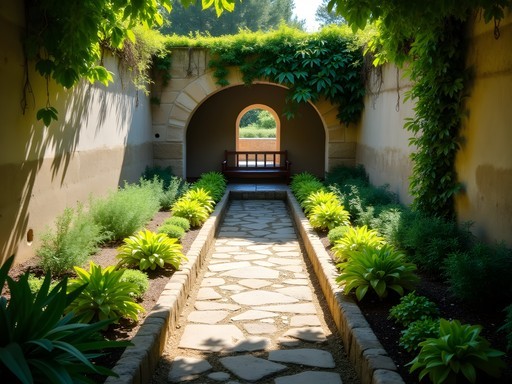
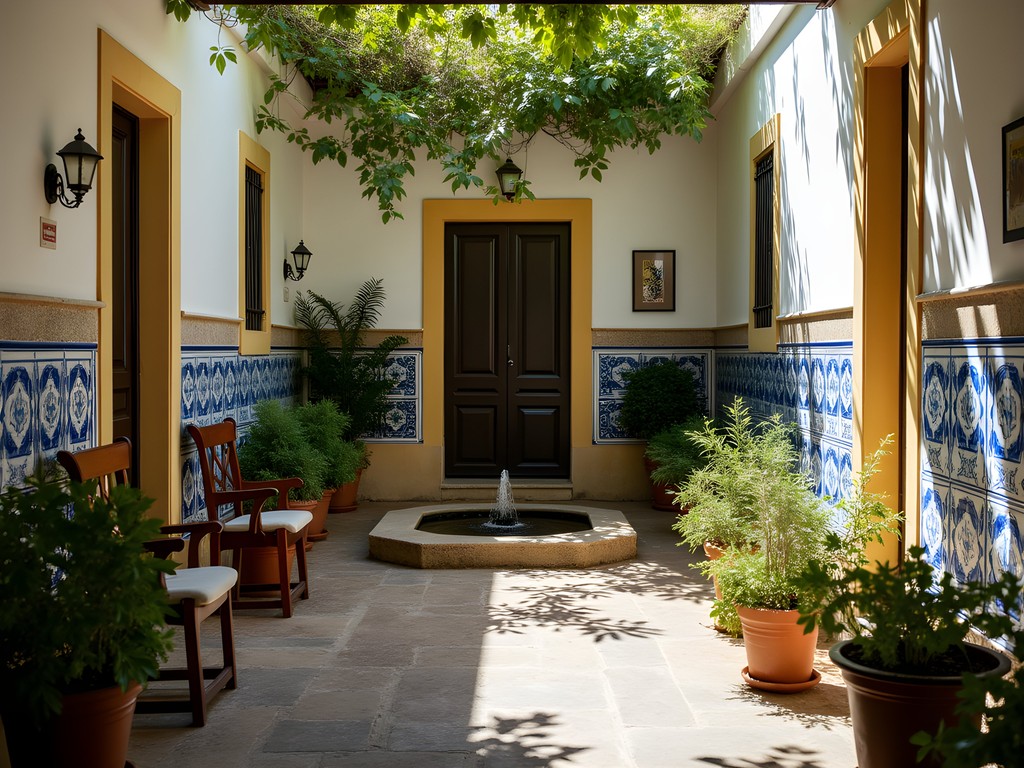
For solo travelers seeking both community and tranquility, I recommend the historic center with its winding cobblestone streets. The area around Praça 5 de Outubro pulses with life but maintains pockets of serenity. I found my perfect base at a family-run guesthouse called Casa Vela, where three generations of women maintain a property filled with hand-painted azulejos and medicinal herb gardens that reminded me powerfully of my grandmother's home.
If you prefer more solitude, consider the residential area near Boca do Inferno. Here, apartment rentals offer stunning ocean views and the constant therapeutic sound of waves. I spent three nights in a modest but perfectly situated apartment that became my writing sanctuary, complete with a small balcony where I performed my morning breathing rituals.
The Monte Estoril area offers a middle ground – upscale but not pretentious, with excellent transportation connections and proximity to healing sea pools. Whatever your choice, look for accommodations with communal spaces where you can connect with others when desired, but with private retreats for processing the day's experiences.
💡 Pro Tips
- Choose accommodations with a kitchen to prepare simple meals with local market ingredients
- Request rooms facing inner courtyards rather than streets for better sleep quality
- Local guesthouses often offer weekly rates that can reduce your accommodation costs by 20-30%
The Healing Waters: Beaches Beyond the Postcards
The therapeutic properties of seawater have been recognized across Mediterranean cultures for millennia. My grandmother would collect specific seaweeds from Algerian shores for poultices and remedies – a tradition I've found echoes of in Cascais's relationship with its coastline.
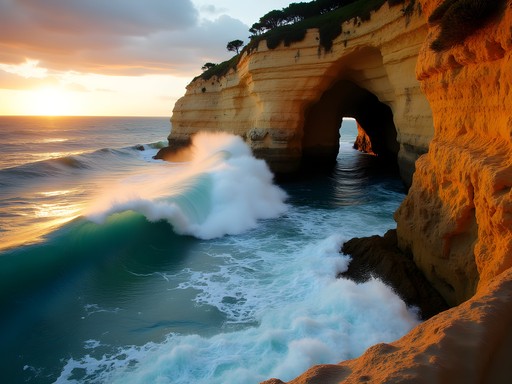
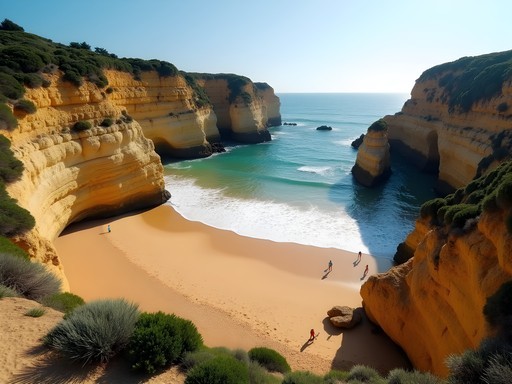
While Praia da Conceição and Praia da Duquesa draw crowds, solo travelers seeking both connection to nature and moments of reflection should venture further. Praia da Cresmina, a 15-minute bus ride west, offers powerful Atlantic waves and dramatic rock formations. Early mornings here belong to local elders performing gentle movements in the shallow waters – a practice believed to ease joint pain and restore energy balance.
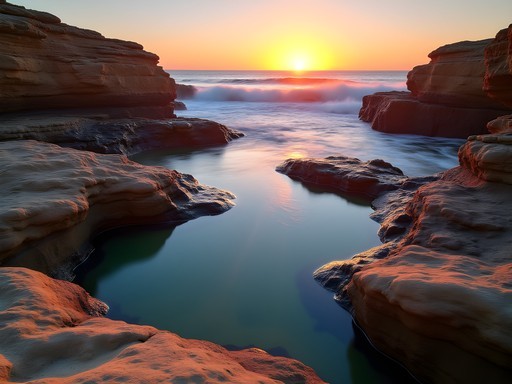
For a truly transformative experience, visit the natural tide pools at Boca do Inferno at sunrise. I spent three consecutive mornings here with my travel journal, documenting the changing colors of the sky while elderly Portuguese women collected specific seaweeds they later told me were used in traditional remedies for respiratory conditions.
Praia da Rainha, though small and central, offers a unique energy – tucked between cliffs and accessible by a narrow staircase, it creates natural boundaries that solo travelers often appreciate. Here I met Maria, an 86-year-old who has bathed daily in these waters for decades and attributes her remarkable vitality to this ritual.
For those seeking community, join the informal swimming groups that gather at Praia da Poça around 8am. These multi-generational gatherings welcome newcomers and often share knowledge about local healing traditions connected to the sea.

💡 Pro Tips
- Visit beaches before 9am or after 6pm to experience them without crowds
- Bring a small container to collect sea salt from natural formations – locals use it in purifying baths
- Pack a lightweight Turkish towel rather than bulky beach towels – they dry quickly and double as wraps for evening sea breezes
Neighborhood Rhythms: Finding Community in Local Rituals
My work with displaced communities has taught me that understanding a place means understanding its daily rhythms and rituals. In Cascais, these patterns reveal themselves to the patient observer willing to step away from tourist pathways.
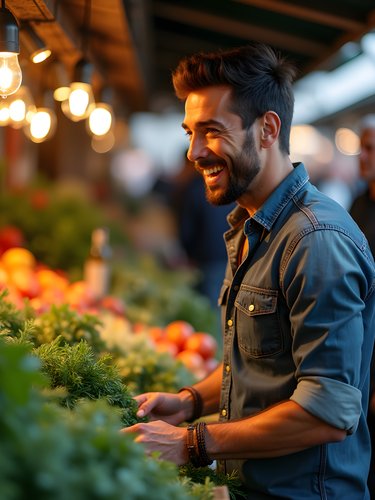
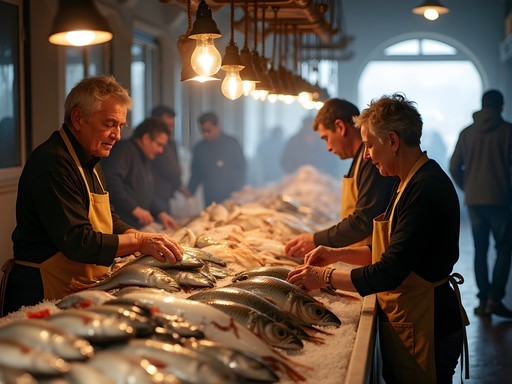
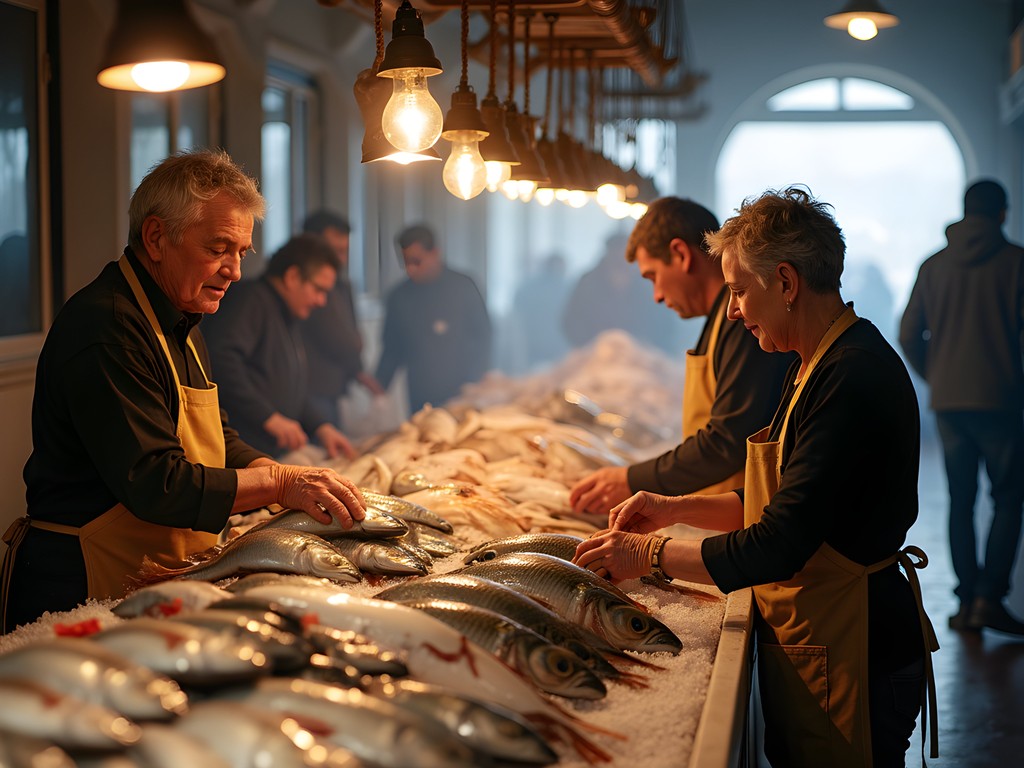
Start your morning at Mercado da Vila, arriving by 7:30am when fishermen's wives arrange the day's catch in meticulous displays. The market women – many from families who have held the same stalls for generations – engage in a beautiful call-and-response as they announce their offerings. Ask about the small bundles of herbs sometimes sold alongside fish – these are traditional cooking companions with medicinal properties.
By mid-morning, the Jardim Visconde da Luz fills with retired men playing intense games of chess and cards. Though initially reserved with outsiders, I found that respectful observation eventually led to invitations to join their games, revealing stories of Cascais before tourism transformed the economy.
For a window into family traditions, visit the Parque Marechal Carmona around 6pm when multi-generational families gather for early evening picnics. I was repeatedly invited to share meals after showing interest in traditional food preparation methods. My pocket translator proved invaluable during these encounters, helping me understand nuanced conversations about family recipes and herbal remedies.
The most revealing neighborhood ritual occurs Sundays after church, when residents of the old town gather at specific pastelarias. Each family has their traditional spot, and the selection of pastries carries social significance I'm still decoding. Pastelaria Bijou near the church has been serving the same families since 1935, and the owners remember everyone's preferences.
💡 Pro Tips
- Bring small gifts from your home region to share with locals who welcome you into conversations
- Learn basic Portuguese greetings and courtesy phrases – even imperfect attempts are deeply appreciated
- Observe local customs before participating – note how residents interact in markets and public spaces

Sacred Spaces: Finding Solitude in a Tourist Town
Every traveler – particularly those journeying alone – needs places of retreat and reflection. In Cascais, these sanctuaries exist alongside but separate from the tourist path, spaces where silence and contemplation remain possible even in high season.
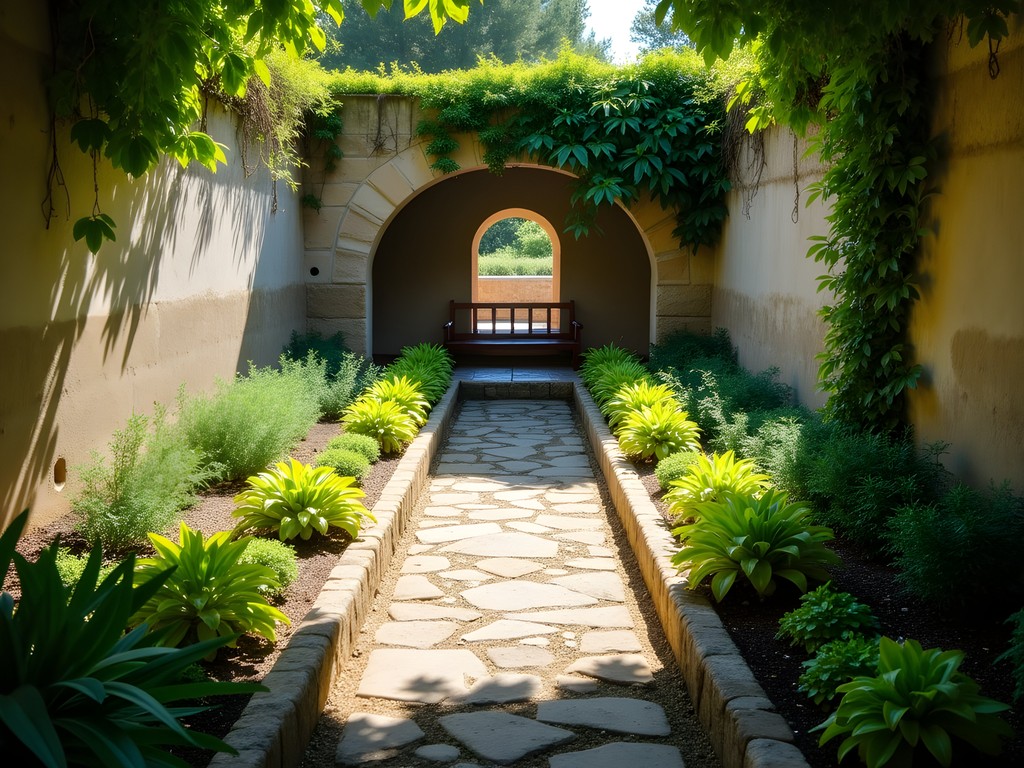
The Convent of Nossa Senhora da Piedade, often overlooked by visitors rushing to more famous sites, maintains a small herb garden where nuns once cultivated medicinal plants. The caretaker, Senhora Fátima, sometimes shares stories of traditional remedies if approached with genuine interest. I spent an afternoon sketching the garden's layout in my travel sketchbook, noting plants my grandmother would have recognized from her healing practice.
For those seeking natural meditation spaces, the hidden cove beneath the Santa Marta Lighthouse offers remarkable solitude, especially during early mornings. Local legend claims the unusual rock formations here amplify the healing properties of the surrounding water – a belief I found echoed in similar coastal sites across the Mediterranean.
The Parque da Gandarinha contains several secluded benches beneath ancient trees where elderly residents practice quiet breathing exercises at dawn. When I asked one gentleman about this practice, he explained it as respiração ancestral – ancestral breathing – passed down through generations for maintaining vitality.
Perhaps the most powerful solitary experience comes from following the coastal path beyond Guia toward the wild beaches of Guincho as the sun sets. This liminal space between civilization and wilderness creates what my grandmother would call a barzakh – a threshold where different worlds meet. I encountered several locals gathering specific plants from the coastal scrub, later learning these were ingredients in traditional remedies for respiratory conditions aggravated by sea air.
💡 Pro Tips
- Visit sacred sites and quiet spaces early morning (before 9am) or late afternoon (after 5pm) to avoid crowds
- Bring a small offering (flowers or candles) when visiting religious sites as a sign of respect
- Pack a lightweight scarf to cover shoulders when entering churches and convents unexpectedly
Culinary Medicine: Solo Dining with Purpose
Dining alone while traveling need not be an exercise in isolation – in Cascais, it becomes an opportunity to understand the profound connection between food and wellbeing that permeates Portuguese culture. My grandmother always said, "Food is your first medicine," a philosophy I've found deeply embedded here.
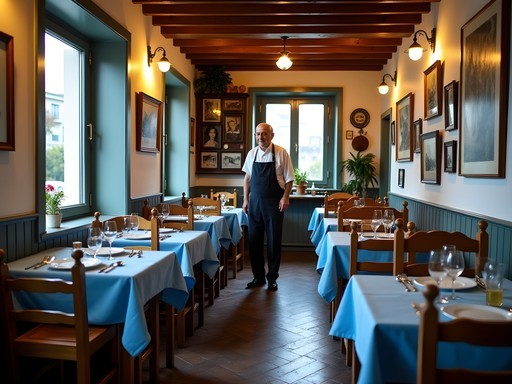
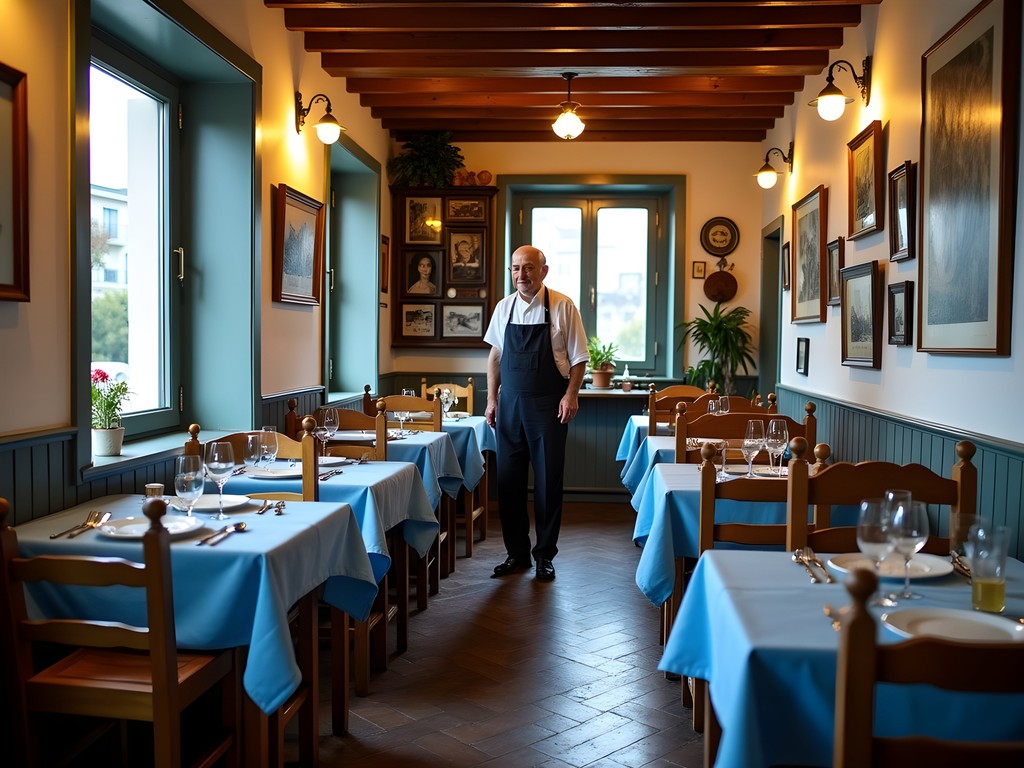
Skip the tourist-oriented restaurants along the main promenade and seek out tascas – small family-run establishments where daily specials reflect what was available at the morning market. Tasca da Linha near the train station serves a rotating menu of sea-to-table dishes, often featuring forgotten fish varieties with specific health associations in Portuguese folk medicine.
For solo diners seeking connection, the communal tables at Mercado da Vila's food hall create natural opportunities for conversation. I spent several lunches here with my travel phrase book engaging with locals about traditional preparations of bacalhau (salt cod) – a food Portuguese grandmothers prescribe for everything from strength to fertility.
Don't miss the opportunity to participate in the ritual of ginjinha – sour cherry liqueur infused with medicinal herbs. At A Ginjinha Cascais, elderly patrons take their daily small glass as both pleasure and prevention against various ailments. The proprietor, Senhor Manuel, explained to me how his grandfather adjusted the herbal blend seasonally to address different health concerns.
Perhaps most meaningful for the solo traveler is finding a regular breakfast spot where you're recognized and welcomed daily. Pastelaria Oceano became my morning ritual, where owner Ana noticed my interest in traditional remedies and began sharing her family's recipes for therapeutic teas – including a remarkable blend for digestive health containing fennel harvested from specific coastal locations.
💡 Pro Tips
- Ask for the 'prato do dia' (dish of the day) rather than English menus for more authentic and affordable options
- Learn the phrases for dietary restrictions in Portuguese and carry them written down for kitchen staff
- Look for restaurants where local elderly people dine – they prioritize quality and traditional preparation methods
Final Thoughts
As I packed my bags on my final morning in Cascais, Senhora Ana from the pastelaria pressed a small packet of her family's digestive tea blend into my hands – a gesture that encapsulates what makes solo travel to this coastal haven so profound. Beyond the postcard beaches and tourist attractions lies a living treasury of cultural knowledge, healing traditions, and community rituals that welcome the mindful traveler. In Cascais, I found not just beautiful landscapes but a reminder of what my grandmother always taught me: that the most powerful healing comes from connection – to place, to tradition, to the wisdom carried by ordinary people. Whether you're seeking solitude for reflection or meaningful encounters with local culture, Cascais offers both in abundance. The question isn't whether you should visit alone, but rather, how deeply are you willing to listen to the stories this coastal community has been telling for generations?
✨ Key Takeaways
- The most authentic experiences in Cascais come from early morning explorations when locals perform traditional rituals
- Building relationships with small business owners creates opportunities to learn about cultural healing traditions
- Solo travel in Cascais is ideal for those seeking both reflective solitude and meaningful community connections
- The therapeutic traditions connected to the sea and coastal plants offer insight into Portuguese approaches to wellbeing
📋 Practical Information
Best Time to Visit
May-June or September-October for mild weather and fewer tourists
Budget Estimate
€75-120/day including mid-range accommodation, local meals, and transportation
Recommended Duration
5-7 days to establish local connections and discover hidden spots
Difficulty Level
Moderate - Requires Comfort With Independent Exploration And Basic Portuguese Phrases


Comments
redvibes
This guide is SO good! The part about Senhora Ana and the tea blend made me tear up a little haha. That's what travel is really about - those unexpected human connections. Going to Portugal in March and definitely adding Cascais to the itinerary now. Thanks for writing this!!
wildway
Love the photos!
happypro
Quick question - what's the best area to stay for someone who wants to be close to everything but not in the super touristy zone? Your sanctuary section mentioned a few neighborhoods but I'm still deciding!
redvibes
not the author but I stayed near the train station last summer and it was perfect - walkable to everything
Douglas Bradley
I'd recommend the area around Jardim Visconde da Luz. It's residential enough to feel authentic but still central. You'll be among locals doing their daily routines.
Douglas Bradley
Great piece, Liam. I visited Cascais two years ago and completely agree about the beaches beyond the main tourist spots. Praia da Rainha was my favorite - so small and tucked away that most tour groups miss it entirely. The local pastelarias are where the real magic happens though. I found that staying near the fish market gave me access to the authentic morning rhythms you mentioned. The way you captured the Atlantic's presence in the town's identity is spot-on. Did you make it out to Cabo da Roca while you were there?
roampro
Praia da Rainha looks amazing! Adding to my list
roampro
This is exactly what I needed!! Been thinking about Cascais for ages but wasn't sure about going solo. Your section about finding community in the local rituals really hit home. Love how you made it feel less intimidating!
wildway
same! the vibe seems perfect for solo travel
beachlife_dreamer
Those beach photos are absolutely stunning! Is the water really that blue? Planning to visit in May!
Liam Mohamed
It really is! May is perfect timing - warm enough to swim but before the summer crowds arrive.
springwanderer
The water is even more vibrant in person. Don't miss Praia do Guincho if you're into surfing or just want to see some impressive waves!
Taylor Moreau
Liam, your section on 'Sacred Spaces' resonated deeply. I've been to Cascais numerous times for business, but never experienced it quite like you described. On my last trip, I took your advice and visited Boca do Inferno at sunrise - not another soul in sight! I'd add that the Biblioteca Municipal is another wonderful quiet refuge when you need a break from the crowds. Their garden courtyard is practically empty most weekdays and they don't mind if you bring coffee. I used my pocket translator to chat with the elderly gentleman who tends the garden - he shared fascinating stories about Cascais during the war years.
springwanderer
Just got back from Cascais last week and your post captures the soul of the place perfectly! I discovered that hidden beach you mentioned - Praia da Cresmina - and spent a whole afternoon watching the surfers while journaling. The tide pools were magical at sunset. I also stumbled upon a small neighborhood festa near Bairro do Rosário that wasn't in any guidebook. The locals invited me to share their grilled sardines and homemade wine. Truly one of those moments that make solo travel special.
explorebackpacker
Those unexpected local moments are the best! Did you need to rent a car to get to the hidden beaches or was public transport okay?
springwanderer
I actually used the bikes from the Cascais bike sharing program - it's free! Perfect way to explore the coastline at your own pace. Just get there early to snag one.
explorebackpacker
Your grandmother's connection to this place makes the whole post feel so personal! I'm heading to Cascais next month for my first solo trip. Any specific cafes where I might find that local community vibe you mentioned?
Liam Mohamed
Thanks! Definitely check out Café Galeria in the old town - it's where Senhora Ana's pastelaria is. The locals gather there around 4pm daily. Just order a bica (Portuguese espresso) and you'll fit right in!
explorebackpacker
Perfect, adding it to my list! Can't wait to try that digestive tea blend you mentioned.
smartguy
Great post! Quick tip for solo travelers - the little yellow Cascais bikes are free to use with ID and perfect for exploring the coastline to Guincho Beach. Just get there early as they run out fast. I cycled the route three times during my stay and discovered something new each time. The bike path is super safe and well-maintained.
winterlegend
Those bikes saved me so much money! Did you find that little seafood shack halfway to Guincho? No sign, just a blue door - best grilled octopus of my life!
smartguy
Missed that! Now I need to go back just for the octopus!
Venture X
Premium card with 2X miles, $300 travel credit, Priority Pass