

Disclosure: This article contains affiliate links. We may earn a commission from purchases at no extra cost to you, which helps our travel content.
The Portuguese coastline has fascinated me for years, not merely for its stunning aesthetics but for the remarkable ecological interplay between land and sea. Cascais, with its dramatic limestone formations and diverse marine ecosystems, offers a perfect laboratory for the adventure-minded traveler. As a biologist who's traversed coastlines worldwide documenting natural pigments and traditional crafts, I've found few places that combine natural wonder and adrenaline-inducing activities quite like this gem just 30 minutes from Lisbon.

The Geological Marvel of Boca do Inferno
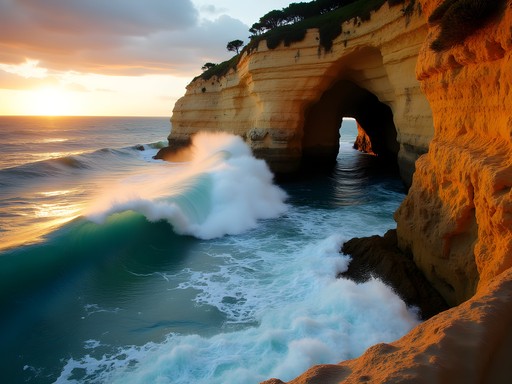
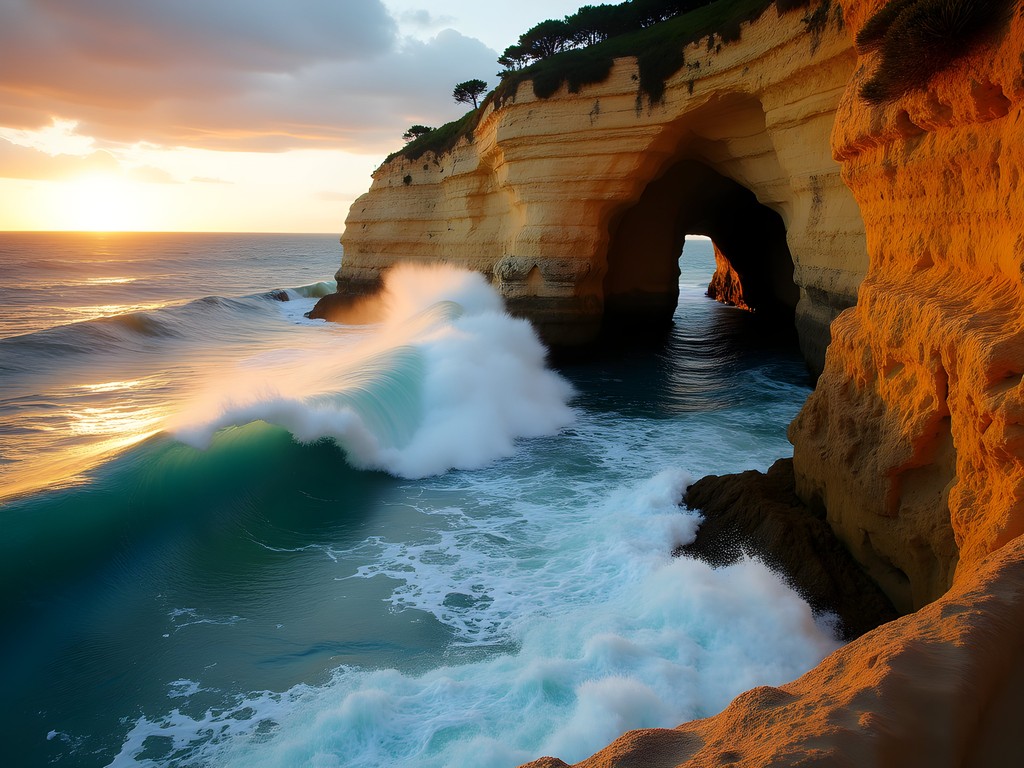
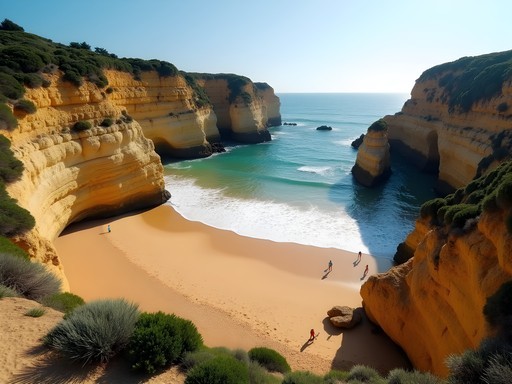
My scientific curiosity always leads me first to Boca do Inferno ('Hell's Mouth'), where millions of years of oceanic persistence have carved a spectacular natural arch and cave system into the limestone cliffs. The geological formation process here mirrors what I've studied in marine environments worldwide—persistent wave action gradually dissolving calcium carbonate structures to create these dramatic features.
Visiting during high tide offers the most dramatic experience, as waves crash through the arch with thunderous force, creating magnificent spray patterns that catch the golden Portuguese light. I recommend arriving with a waterproof phone pouch to safely capture these dramatic moments without risking your electronics. The surrounding cliffs provide excellent vantage points for photography, particularly during the 'golden hour' before sunset when the limestone takes on a warm amber glow reminiscent of the traditional ceramic glazes I've documented throughout Portugal.
For the geology enthusiasts, the visible stratification in the cliff faces tells a compelling story of the region's formation over millions of years—a natural historical record that I find endlessly fascinating.
💡 Pro Tips
- Visit at high tide for the most dramatic wave action
- Follow the clifftop path for progressively better viewpoints
- Bring polarized sunglasses to cut glare and see the true colors of the rock formations
Surfing the Atlantic Swells: A Scientific Approach
As both a biologist and an adventure enthusiast, I've always been fascinated by the physics of surfing—the perfect convergence of oceanography, meteorology, and human athleticism. Cascais and its neighboring Guincho Beach offer some of Portugal's most consistent surf breaks, suitable for various skill levels.
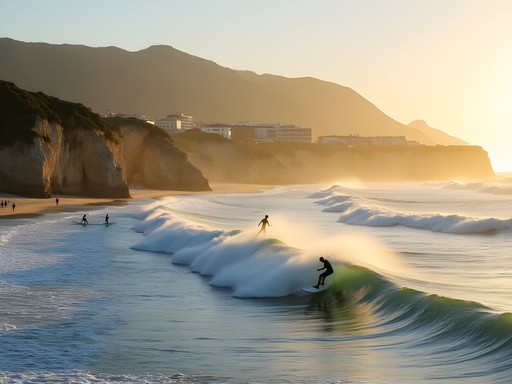
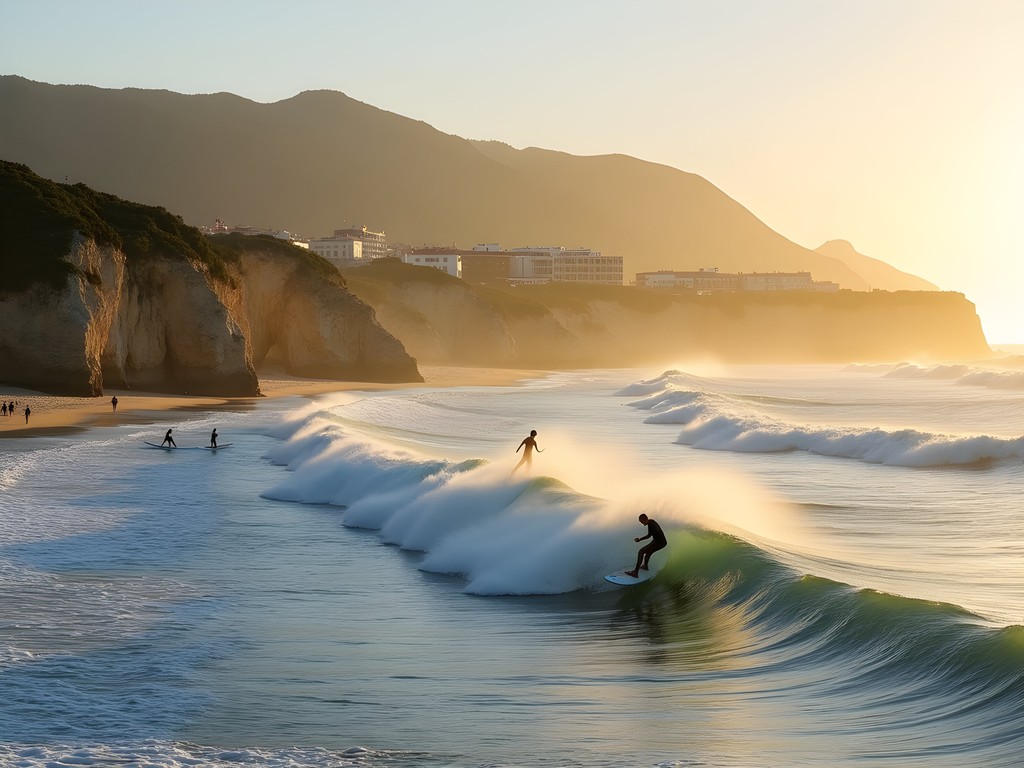
During my week in Cascais, I dedicated three mornings to surfing at Praia de Carcavelos, where the beach break provides forgiving conditions for intermediate surfers like myself. The water temperature in summer hovers around 18-20°C (64-68°F), comfortable enough with a spring wetsuit that provides just enough thermal protection without restricting movement.
What makes surfing here particularly interesting from a scientific perspective is observing how the continental shelf topography influences wave formation. The underwater canyon systems offshore channel Atlantic swells toward the coast in fascinating patterns that create predictable breaks. For those wanting to understand this phenomenon better, I recommend booking a lesson with the local surf schools who explain these natural dynamics as part of their instruction.
After analyzing tide charts and swell predictions (a habit from my research days), I found that early mornings consistently offered the cleanest conditions before the afternoon winds picked up. The diversity of marine life visible while waiting for waves—from various fish species to occasional dolphin pods—added another layer of biological interest to the experience.
💡 Pro Tips
- Check surf forecasts on Magic Seaweed for Carcavelos and Guincho beaches
- Book lessons with Moana Surf School for excellent technical instruction
- Consider renting rather than bringing your own board for convenience
Sea Cave Exploration: Where Biology Meets Adventure
The limestone coast between Cascais and Sintra harbors a network of sea caves that represent both geological wonders and unique microhabitats. As someone who's studied marine ecosystems professionally, exploring these caves by kayak became the perfect blend of scientific observation and adventure.
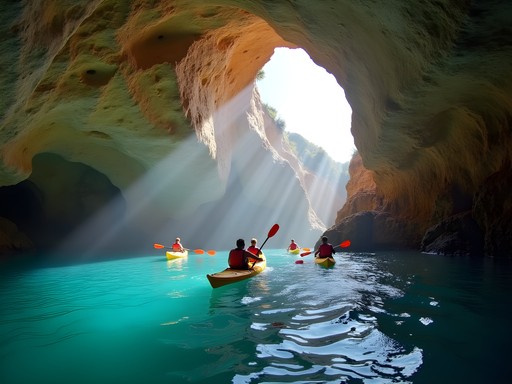
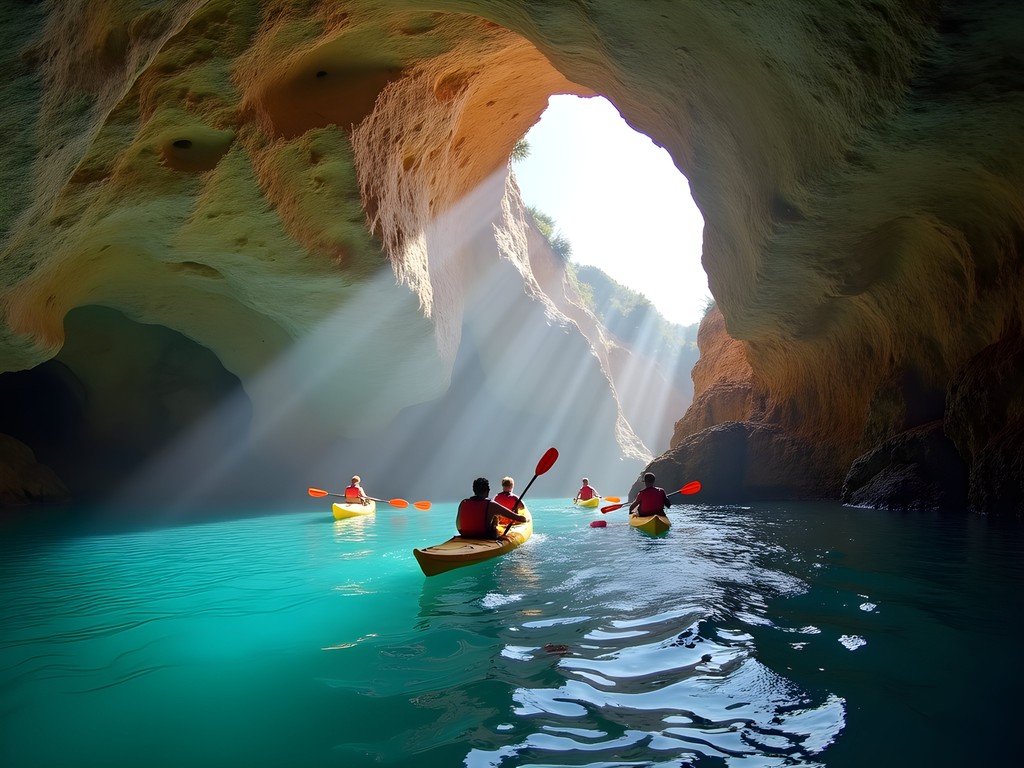
I booked a half-day sea kayaking tour with Cascais Water Adventures that departed from Cascais marina, equipped with my dry bag backpack to protect my research journal and camera. Our guide, Miguel, possessed an impressive knowledge of local marine biology that satisfied even my professional curiosity.
The ecological transition zones within these caves—where sunlight penetrates in diminishing gradients—create fascinating microhabitats. In the cave entrances, I observed diverse algae species and invertebrates adapted to intermittent light conditions. Deeper inside, where darkness prevails, different adaptation strategies become evident.
Paddling through narrow passages that open into spectacular chambers, I was reminded of similar limestone formations I'd studied in Vietnam's Ha Long Bay, though here the Atlantic's more turbulent waters have carved more dramatic features. The waterproof headlamp I brought proved essential for examining the ceiling formations and spotting the small bats that occasionally make these caves their home.
The interplay of light, water, and stone creates an almost otherworldly experience, particularly when sunbeams penetrate through ceiling apertures, illuminating the turquoise water from above—a phenomenon best observed during mid-day excursions.
💡 Pro Tips
- Book sea cave kayaking tours at least 2 days in advance during peak season
- Wear quick-dry clothing as you'll inevitably get splashed
- Bring a waterproof camera or phone case to document the cave interiors

Coastal Hiking: The Sintra-Cascais Natural Park
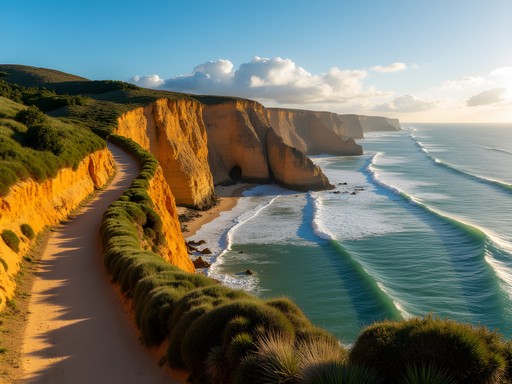
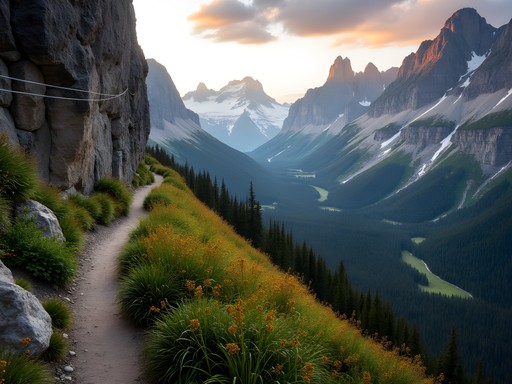
The coastal hiking trails connecting Cascais to Cabo da Roca (Europe's westernmost point) traverse the Sintra-Cascais Natural Park, offering an exceptional opportunity to observe the region's biodiversity and geological features on foot. As a biologist, these trails provided me with a comprehensive transect of the coastal ecosystem.
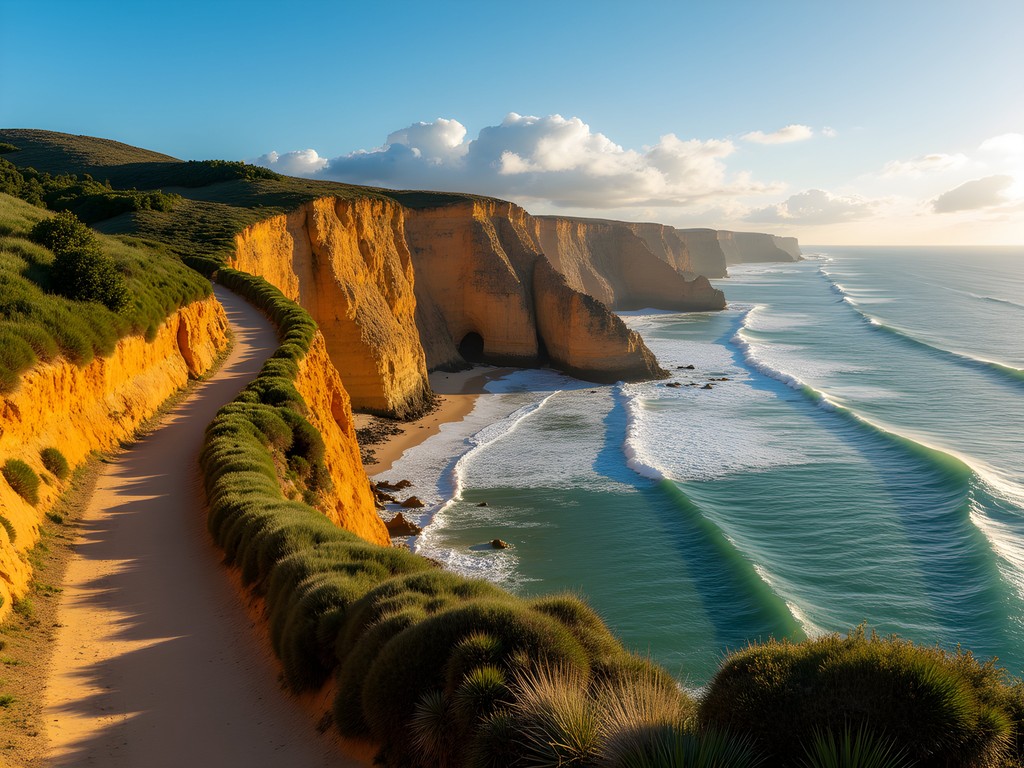
I dedicated a full day to hiking the most scenic portion from Praia da Adraga to Cabo da Roca, an intermediate 7km trail that showcases dramatic cliff formations, endemic flora, and unparalleled Atlantic vistas. The microclimate here supports a fascinating array of plant species adapted to salt spray and strong winds—evolutionary adaptations that parallel coastal environments I've studied worldwide.
My trekking poles proved invaluable on the occasionally steep and rocky sections, providing stability while reducing impact on my knees. The trail alternates between clifftop paths and brief descents to hidden beaches, creating a rhythmic journey through varying ecological zones.
What struck me most was the remarkable adaptation of the vegetation—from wind-sculpted pines to specialized coastal succulents that have developed strategies for water conservation despite constant salt exposure. These botanical observations reminded me of similar adaptations I've documented in coastal Morocco, though here the Atlantic influence creates distinct evolutionary pressures.
The birdlife along these cliffs adds another dimension of interest, with peregrine falcons and various seabird species nesting in the vertical rock faces. I recommend carrying compact binoculars to observe these aerial hunters in action—a highlight for any nature enthusiast.
💡 Pro Tips
- Start early to avoid afternoon heat and crowds at viewpoints
- Download the trail map on AllTrails as cell service is spotty
- Pack more water than you think you'll need as there are few refill points
Cultural Immersion: Connecting with Local Artisans
While Cascais offers abundant natural adventures, my research background in traditional crafts inevitably draws me to explore the cultural dimensions of any destination. Between adrenaline-fueled activities, I discovered that Cascais harbors a thriving community of artisans whose work reflects the region's maritime heritage.
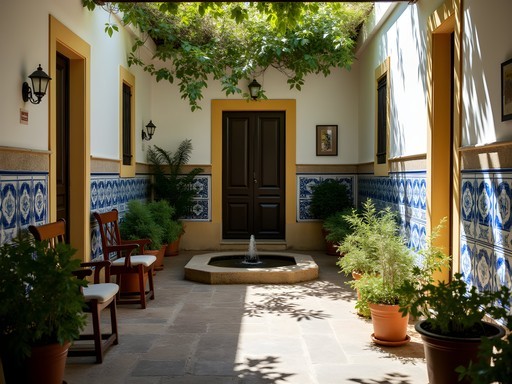
In the old town, I spent a fascinating afternoon at the studio of Teresa Martins, a ceramic artist whose glazing techniques incorporate natural pigments derived from local mineral deposits—a perfect intersection of my scientific and artistic interests. Her blue tones, reminiscent of the varying depths of the Atlantic waters visible from Cascais' shores, employ traditional methods that date back centuries.
Nearby, at the small weekend artisan market near Casa das Histórias Paula Rego, I found António, a craftsman creating traditional fishing lures using techniques passed down through generations. His workshop demonstrated the intimate knowledge of marine life that local fishermen have developed—an ethnographic dimension of marine biology that often goes undocumented in academic research.
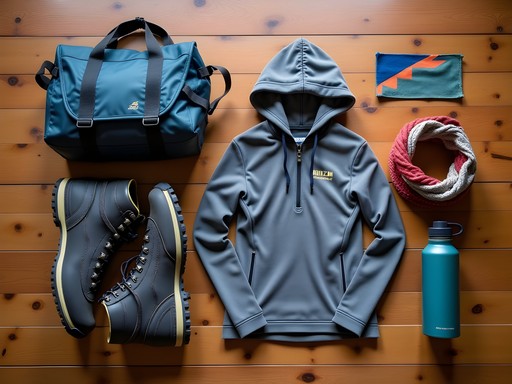
For those interested in bringing home meaningful souvenirs that support local craftsmanship, I recommend the travel scarf with hidden pocket. I found this invaluable for securely carrying my phone and wallet while exploring the market, and it doubles as protection against the persistent sea breeze that defines Cascais' microclimate.
These cultural encounters provided valuable context for understanding the human relationship with the coastal environment—how the same natural forces that create adventure opportunities have shaped local traditions and livelihoods over centuries.

💡 Pro Tips
- Visit the artisan market on weekend mornings before it gets crowded
- Ask artisans about the natural materials they use—most are happy to explain their techniques
- Look for ceramics with traditional Portuguese patterns that incorporate marine elements
Final Thoughts
Cascais represents what I value most in travel destinations—places where natural wonders create not only opportunities for adventure but windows into understanding ecological processes and human adaptations. From surfing Atlantic swells to exploring limestone caves and hiking windswept cliffs, this coastal gem offers a perfect laboratory for the scientifically-minded adventure seeker.
What distinguishes Cascais from other coastal destinations I've explored is the accessibility of its diverse experiences. Within a compact geographical area, solo travelers can move easily between adrenaline-inducing activities and moments of scientific wonder or cultural discovery. The well-developed infrastructure supports independent exploration while preserving the authenticity that makes this region special.
As climate change continues to impact coastal environments worldwide, I encourage travelers to approach these adventures with awareness and respect. The geological formations, marine ecosystems, and cultural traditions that make Cascais extraordinary have evolved over millennia but remain vulnerable to both global pressures and tourism impacts. By engaging thoughtfully with this remarkable coastline—observing, learning, and treading lightly—we contribute to preserving these experiences for future generations of adventurers and scientists alike.
✨ Key Takeaways
- Cascais offers an ideal blend of adventure activities and natural wonders within easy reach for solo travelers
- The geological and ecological diversity creates multiple adventure environments in a compact area
- Combining adventure with cultural experiences provides deeper understanding of the region's connection to the sea
- Summer offers ideal conditions for most activities, though spring and fall provide less crowded experiences
📋 Practical Information
Best Time to Visit
June through September, with July-August offering warmest temperatures but larger crowds
Budget Estimate
€100-150/day including accommodations, activities and meals
Recommended Duration
5-7 days
Difficulty Level
Moderate
Comments
happybuddy
is this good for beginners? never surfed before
Casey Andersson
Absolutely! Cascais has several surf schools that cater specifically to beginners. The instructors are patient and the beach breaks are much gentler than some of the more intense spots up the coast. You'll be standing up by your second lesson, I promise!
exploreperson
THIS IS EXACTLY WHAT I NEEDED!! Going to Portugal in September and was only planning Lisbon but now Cascais is definitely happening. The Sintra-Cascais hiking trail looks incredible! How long does it take to do the full coastal section? Also is it well marked or should I download a map?
Michael Cook
The full trail from Cascais to Cabo da Roca is about 8km and takes 3-4 hours depending on how many photo stops you make. It's well-marked with blue and yellow trail markers. I used offline maps just in case but honestly didn't need it. Bring water—there aren't many facilities along the way.
exploreperson
perfect thank you!!
dreamguide
Love the photos!
Casey Andersson
Taylor, this brought back memories! I spent three weeks in Cascais two years ago and fell completely in love with Guincho Beach at sunset. The way the cliffs catch that golden light is pure magic. I stayed at a boutique hotel near the marina and would wake up early to watch the fishing boats come in—there's something deeply romantic about that morning ritual. The locals at the fish market were incredibly warm once they realized I was genuinely interested in their catch, not just taking photos. Did you get a chance to explore any of the seafood restaurants in the old town? I found this tiny place that served the most incredible percebes.
exploreperson
omg percebes are SO GOOD!! had them for the first time in cascais and now i'm obsessed
happybuddy
This looks amazing!
travelmood
how sketchy is the cave exploration? do you need a guide or can you just go?
Michael Cook
I went solo last summer and some caves are accessible at low tide without guides, but I'd recommend checking tide schedules carefully. The larger sea caves near Boca do Inferno are best with a kayak tour operator—the currents can be unpredictable. Safety first on this one.
travelmood
cool thanks! will look into the kayak tours
WaveCatcher92
Great post! I'm a beginner surfer - are there any spots in Cascais suitable for newbies like me?
WaveCatcher92
Thanks so much! Carcavelos sounds perfect. I've got my beginner surfboard ready to go, but might take a lesson first day to get oriented.
Taylor Hassan
Absolutely! Carcavelos Beach is perfect for beginners - gentle waves, sandy bottom, and plenty of surf schools. Guincho is more for intermediate/advanced when the swell picks up. Let me know if you need specific school recommendations!
springdiver
Just got back from Cascais and WOW your guide was spot on!! The sea cave exploration was the highlight of my trip - we went with a local guide who pointed out all these amazing marine ecosystems inside the caves that I would've totally missed otherwise. The way the light filters through some of the openings is absolutely magical! One tip to add: if you're doing the coastal hike, start EARLY in the morning. We began at 7am and had the trail almost entirely to ourselves until around 10:30. By noon it was getting pretty crowded with day-trippers from Lisbon. Also found this amazing little seafood place in the old town called Marisco na Praça - get the grilled octopus if you go!
Taylor Hassan
So glad you had an amazing time! That early morning hiking tip is absolutely essential - the light is better for photos then too. And yes, Marisco na Praça is one of my favorites as well!
PortugalFan2025
Those cave photos are incredible! Adding this to my Portugal itinerary for sure.
HikingEnthusiast
Is November too cold for the coastal hikes? Planning a trip but worried about weather.
Bryce Diaz
November can actually be perfect for hiking - temperatures around 15-18°C (60-65°F), way fewer crowds, and the dramatic stormy seas make for incredible views. Just bring a good windbreaker as the coastal gusts can be strong!
Venture X
Premium card with 2X miles, $300 travel credit, Priority Pass