
Disclosure: This article contains affiliate links. We may earn a commission from purchases at no extra cost to you, which helps our travel content.
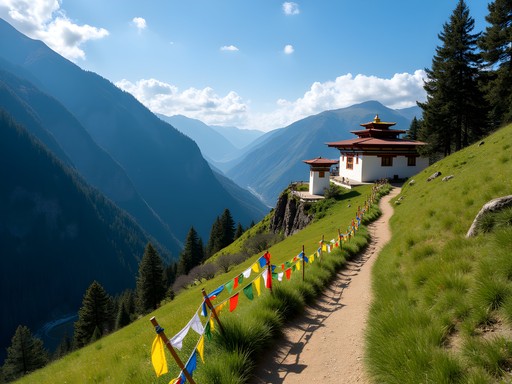
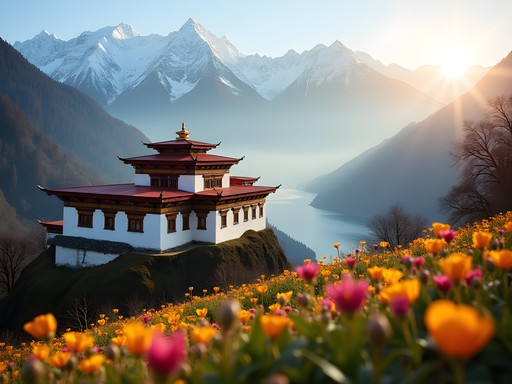
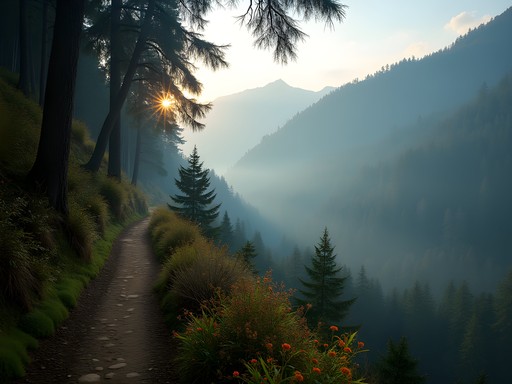
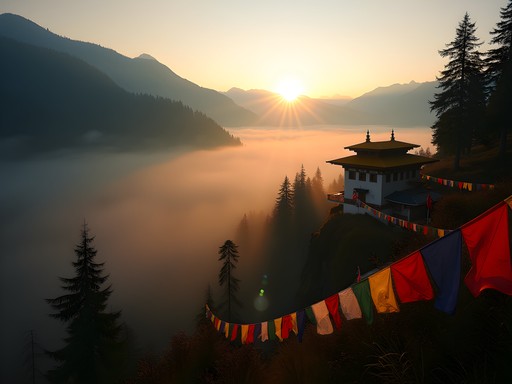
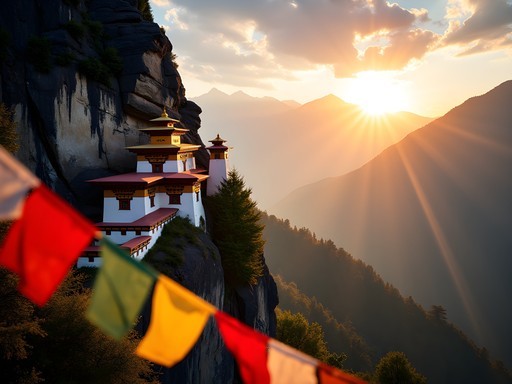
Standing at the edge of Jakar's pine-scented valley, where prayer flags snap in the crisp Himalayan breeze, I felt that familiar dual perspective taking hold—my mother's appreciation for design evident in the intricate woodwork of distant monasteries, my father's environmental sensibilities awakened by the pristine landscape before me. The Bumthang Valley isn't just Bhutan's spiritual heartland; it's a trekker's revelation that manages to balance profound cultural immersion with surprisingly accessible adventure.

Preparing for Bumthang: Gear and Cultural Considerations
My safety inspector instincts kick into high gear when planning remote treks, and Bumthang deserves thoughtful preparation. The valley sits at approximately 2,600 meters, making altitude acclimation essential but manageable for most trekkers. Spring brings moderate temperatures—warm days (15-20°C) and cool nights (often dropping below 5°C).
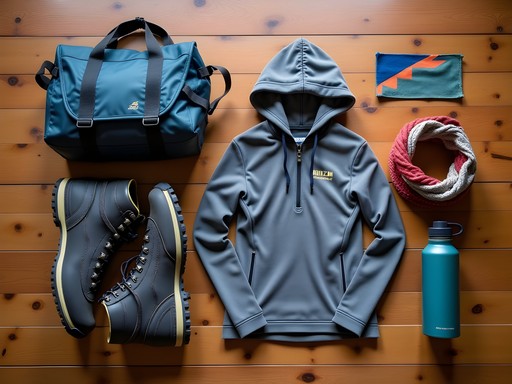
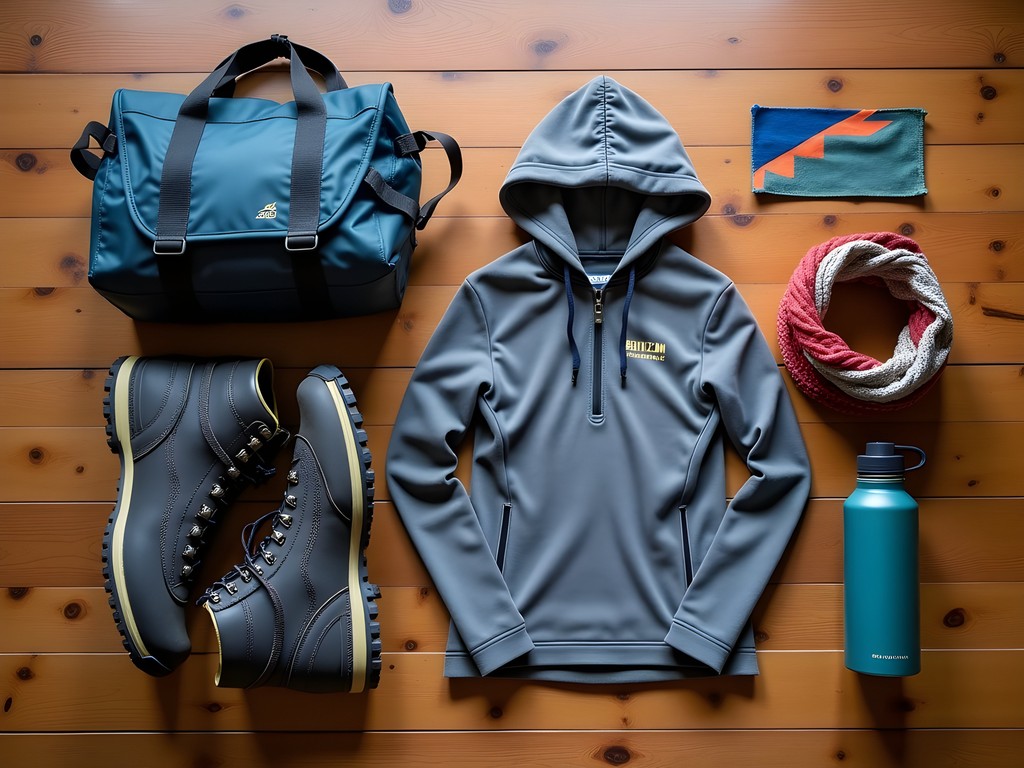
Layering became my mantra here. I relied heavily on my merino wool base layers which regulated temperature beautifully while trekking between valleys and monasteries. Unlike synthetic materials, merino continues insulating even when damp from unexpected rain or stream crossings (which happened twice during my journey).
Equally important is understanding Bhutanese cultural protocols. When visiting monasteries, I always carried a light scarf to cover my shoulders and removed my hiking shoes before entering sacred spaces. These boots proved perfect for Bumthang's varied terrain—supportive enough for rocky paths yet comfortable for long days exploring temple complexes.
💡 Pro Tips
- Pack a headlamp with extra batteries for early morning temple visits
- Bring US dollars in small denominations for rural areas where card payment isn't available
- Learn basic Dzongkha phrases—locals genuinely appreciate the effort
The Tang Valley Trek: A Sustainable Adventure
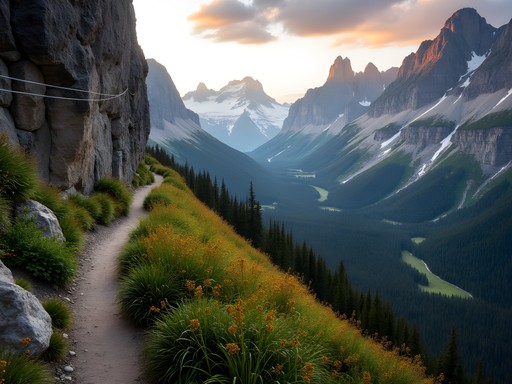
The Tang Valley trek became the cornerstone of my Bumthang experience—a perfect intermediate challenge that balances physical exertion with cultural immersion. This 12km route connects several remote villages and monasteries while showcasing Bhutan's commitment to environmental preservation.
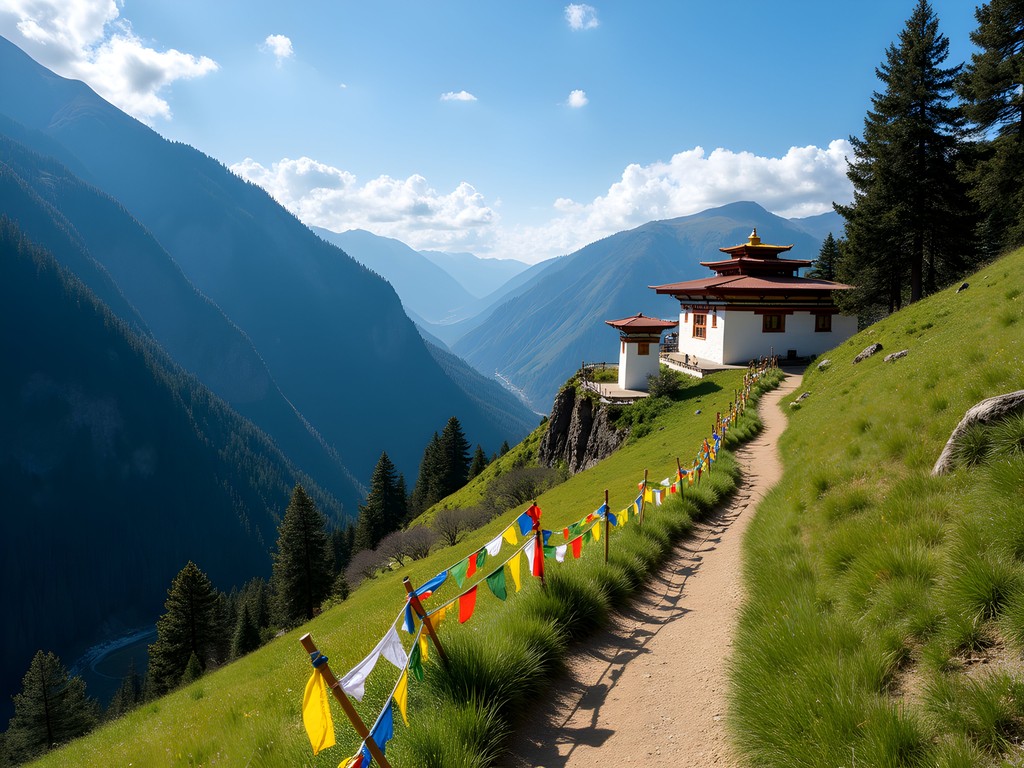
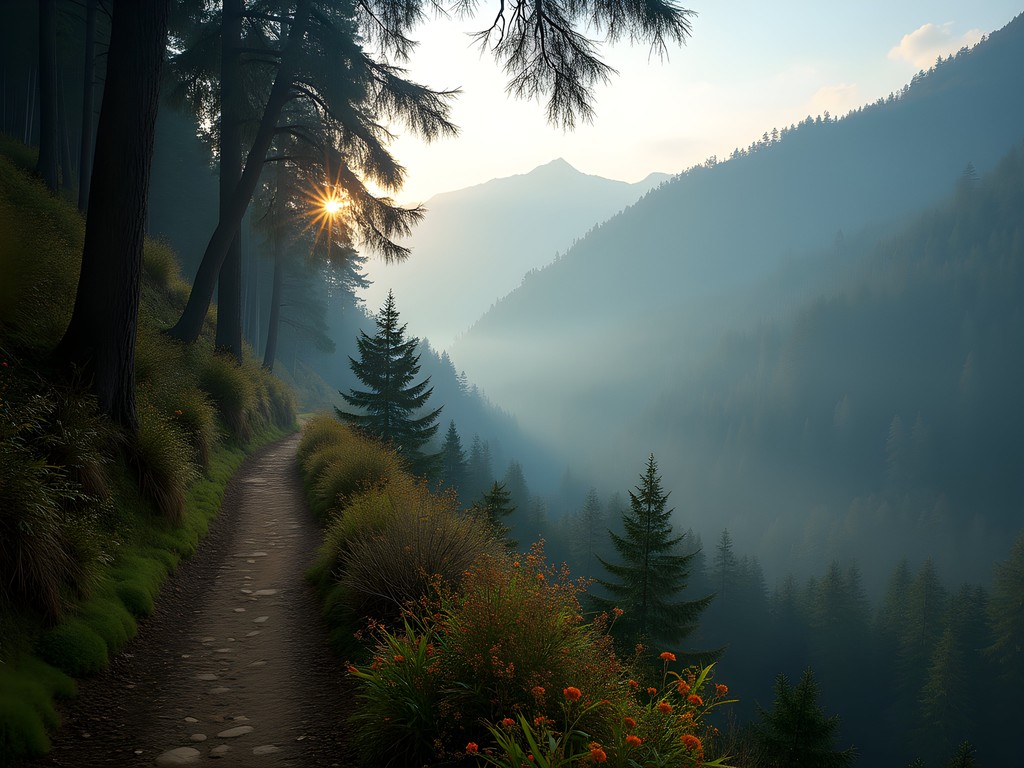
Starting from Jakar, I arranged a local guide through my guesthouse (mandatory for most treks in Bhutan). We began at the Mebar Tsho (Burning Lake), a sacred site where the water appears to shimmer with flames in certain light. The trail then climbs steadily through blue pine forests managed under Bhutan's remarkable constitutional mandate to maintain 60% forest coverage.
My trekking poles proved invaluable during steeper sections, particularly when navigating muddy patches after spring rain. These adjustable poles saved my knees on descents and provided crucial stability when crossing the occasional wooden footbridge spanning mountain streams.
What struck me most was the absence of litter—a testament to Bhutan's environmental consciousness and the country's sustainable tourism model. My guide explained how the mandatory daily tourist fee ($200-250) directly funds conservation efforts, healthcare, and education.
💡 Pro Tips
- Hire a local guide not just for regulations but for rich cultural context
- Trek clockwise around monasteries to follow Buddhist tradition
- Carry a reusable water filter bottle to reduce plastic waste
Sacred Encounters: Kurjey Lhakhang and Beyond
The Bumthang Valley houses some of Bhutan's most significant religious sites, and my methodical exploration of these sacred spaces revealed architectural ingenuity that would impress any design enthusiast.
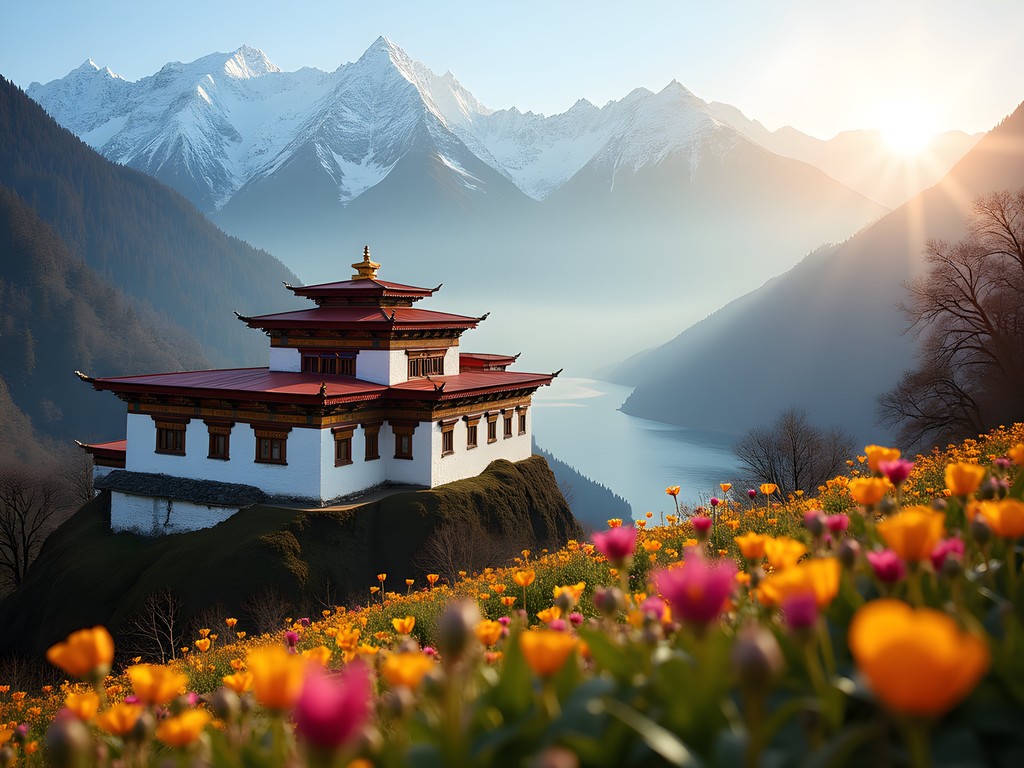
Kurjey Lhakhang complex, a collection of three temples built over centuries, became my favorite morning destination. Arriving just after sunrise meant I could observe morning prayers and the intricate butter lamp rituals. The main temple contains a cave where Guru Rinpoche meditated, leaving his body imprint on the rock (kurjey means 'body imprint').
Navigating temple etiquette requires preparation. I kept my travel meditation cushion in my daypack, which proved invaluable during longer monastery visits. Unlike typical tourist cushions, this sustainable buckwheat-filled option provided proper support during hour-long meditation sessions that spontaneously developed when I was invited to join local practitioners.
Jambay Lhakhang, one of Bhutan's oldest temples, dates back to the 7th century. My guide explained how the temple was built in a single day as part of 108 temples constructed to pin down a demoness spread across Tibet and Bhutan. The engineering precision required to create these perfectly aligned structures across such challenging terrain is remarkable even by modern standards.
💡 Pro Tips
- Visit monasteries in early morning to witness daily rituals
- Bring small, respectful offerings of food or butter lamp donations
- Ask permission before photographing inside temples (often prohibited)

Sustainable Homestays and Local Cuisine
My commitment to sustainable travel led me to choose family homestays over conventional hotels in Jakar. These experiences provided authentic cultural immersion while ensuring tourism dollars directly benefited local families.
My host family in Chumey Valley welcomed me into their traditional farmhouse with its distinctive rammed earth construction and elaborately painted wooden details. The thermal properties of these traditional buildings impressed me—cool during warm days yet retaining heat through chilly nights without excessive energy consumption.
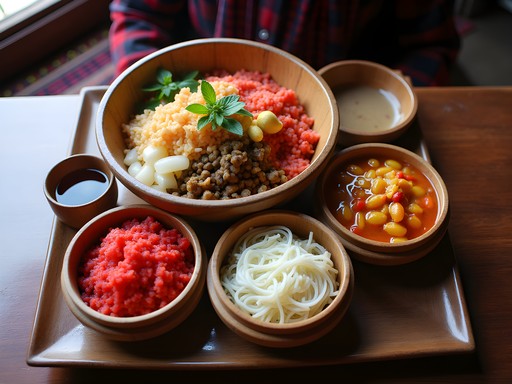
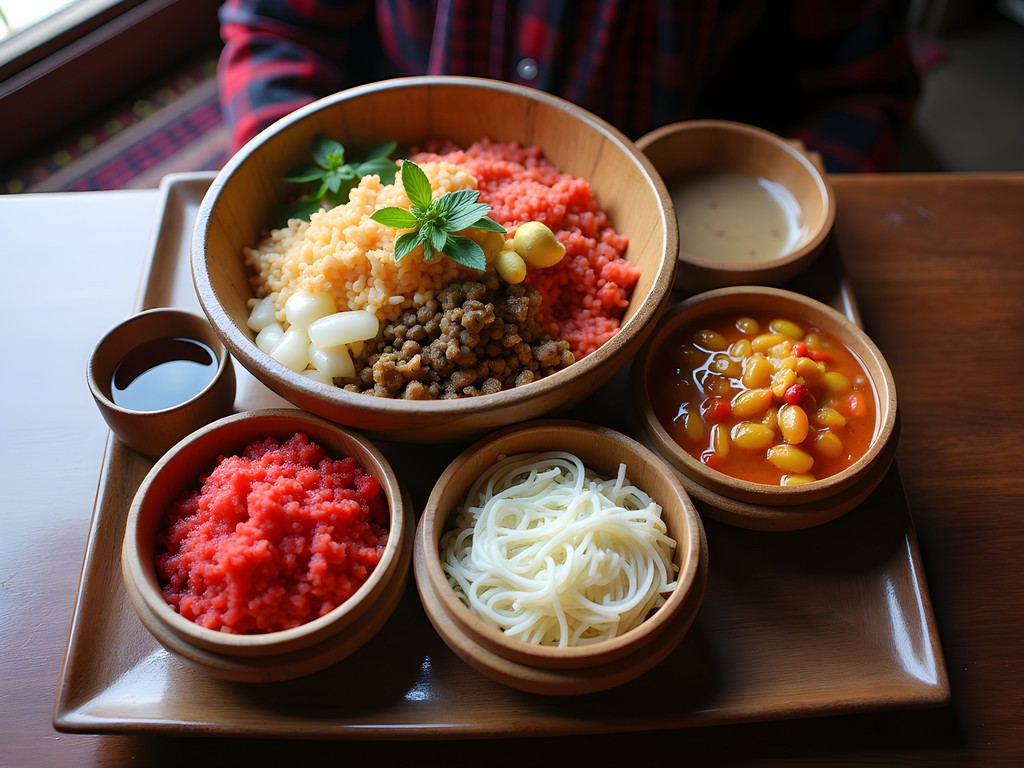
Mealtimes became cultural exchanges. I learned to appreciate ema datshi (chili cheese stew) and red rice while sharing stories across language barriers. For sensitive Western stomachs, I recommend bringing a digestive enzyme supplement to help with the adjustment to Bhutanese cuisine's rich dairy and chili components.
Each morning, my host family served butter tea (suja) in handcrafted wooden cups. I now treasure my handcrafted wooden tea cup purchased from a local artisan—a sustainable alternative to disposable drinkware that connects me to Bhutanese traditions with every use. These traditional cups are carved from single pieces of wood using techniques passed down through generations.
💡 Pro Tips
- Request cooking lessons from homestay hosts for authentic cultural exchange
- Bring small gifts from your home country to share with host families
- Try eating with your hands (right hand only) as locals do—it's part of the experience
Wildlife Encounters and Conservation Efforts
The Bumthang Valley's biodiversity surprised me. My professional background in safety inspection has trained me to document observations methodically, and I found myself filling notebook pages with wildlife sightings and ecological patterns.
During a dawn hike near Tharpaling Monastery, I spotted the elusive red panda in a bamboo thicket—a flash of russet fur that validated Bhutan's conservation success. The country's commitment to remaining carbon negative (absorbing more carbon than it produces) is evident in its pristine forests and protected wildlife corridors.
Birdwatchers should bring quality optics. My compact monocular proved perfect for spotting Himalayan monal pheasants with their iridescent plumage. Unlike traditional binoculars, this lightweight monocular slipped easily into my pocket yet provided 12x magnification—essential for wildlife observation without adding bulk to my daypack.
The connection between Bhutan's Buddhist principles and conservation ethics became clear during conversations with my guide. The concept of interdependence and respect for all sentient beings translates into practical protection for habitats and species. This holistic approach to conservation—balancing human needs with ecological preservation—offers valuable lessons for sustainable development worldwide.
💡 Pro Tips
- Dawn and dusk offer best wildlife viewing opportunities
- Maintain silence on forest trails to increase wildlife sighting chances
- Support local conservation initiatives through donations or volunteer work
Final Thoughts
As my week in Jakar drew to a close, I found myself sitting cross-legged on a monastery floor, watching butter lamps flicker against ancient murals while monks chanted their evening prayers. The Bumthang Valley had delivered exactly what my dual heritage has always sought in travel—the perfect integration of cultural depth with environmental consciousness.
For solo travelers seeking meaningful adventure beyond the usual tourist circuits, Jakar offers rare treasures: trails where you might be the only foreigner for days, monasteries where genuine spiritual practices continue uninterrupted by tourism's demands, and ecological systems functioning in remarkable balance.
What makes Bhutan special isn't just its dramatic landscapes or preserved traditions—it's the intentional approach to development that prioritizes Gross National Happiness over mere economic growth. As travelers, we can learn from this philosophy, carrying its wisdom back to our own communities.
When you visit, tread lightly on these sacred trails. Listen more than you speak. And perhaps, like me, you'll find yourself planning your return before you've even left.
✨ Key Takeaways
- Bumthang Valley offers intermediate trekking with exceptional cultural immersion
- Homestays provide the most authentic and sustainable accommodation option
- Spring brings ideal trekking conditions with moderate temperatures and blooming rhododendrons
- Hiring local guides supports the community while providing invaluable cultural context
📋 Practical Information
Best Time to Visit
Spring (March-May) and Fall (September-November)
Budget Estimate
$200-250 per day (including mandatory tourist fee)
Recommended Duration
5-7 days
Difficulty Level
Intermediate

Comments
wanderlustwanderer
Just got back from Bhutan myself, though I only spent two days in Bumthang before heading to Punakha. Wish I'd read this before going - I completely missed the Tang Valley trek! The homestay experience was incredible though. My host family taught me to make ema datshi (chili cheese) which I've been attempting to recreate at home with limited success. Did anyone else struggle with the altitude? I found myself getting winded just walking around Jakar for the first day or so. The locals kept telling me to drink suja (butter tea) to help acclimatize.
nomadlife
The altitude got me too! First day was rough but the butter tea definitely helped. And don't feel bad about the ema datshi - I think it's impossible to replicate without those specific Bhutanese chilies!
wanderlustwanderer
Glad it wasn't just me! And you're right about the chilies - I brought some back but they're already losing their flavor. Guess I'll just have to return to Bhutan! 😄
greennomad
Those prayer flags against the mountains! 😍 Your photos are stunning!
Marco Flores
Ellie! You've captured the soul of Bumthang perfectly. Your description of Kurjey Lhakhang took me right back to when I was there in 2024. I remember sitting silently watching monks prepare for a ceremony, the smell of juniper incense thick in the air. One thing I'd add for anyone planning a similar trek - the temperature swings in the valley are intense! I was sweating during day hikes but freezing at night. My down jacket was a lifesaver. Also, don't miss the hot stone baths in Jakar after a long trek - perfect for soothing tired muscles. The family who hosted me added local herbs to the water that turned it an amazing deep purple color. Still trying to figure out what that plant was!
roamninja
Beautiful post! I'm planning to visit Jakar next spring. How difficult would you rate the Tang Valley trek for someone with moderate fitness? And did you need any special permits for the monasteries?
Ellie Watanabe
The Tang Valley trek is moderate - some steep sections but nothing technical. With average fitness you'll be fine if you pace yourself! For monasteries, your guide will handle permits, but bring modest clothing that covers shoulders/knees, and remember some inner temples restrict access for non-Buddhists. Hope that helps!
roamninja
Super helpful, thanks! Did you book your guide in advance or find one locally?
Ellie Watanabe
I booked through the Bhutan Tourism Council about 2 months ahead. Definitely recommend advance booking - the good guides get booked quickly!
nomadlife
This post brings back so many memories! I trekked through Bumthang last year and it was absolutely life-changing. Those prayer flags against the mountain backdrop still show up in my dreams sometimes. The homestays were definitely the highlight for me too - nothing beats sitting around a bukhari stove sharing butter tea with a local family while they tell stories about the valley's history. Did you try ara (the local rice wine)? The family I stayed with insisted I drink at least three cups!
Ellie Watanabe
Yes! I tried ara on my second night there. Quite potent, wasn't it? I think I was feeling the effects well into my morning hike the next day, haha!
nomadlife
Potent is an understatement! 😂 I made the mistake of accepting refills and paid for it on a steep mountain trail the next morning!
tripway
WOW this looks incredible!! The photos of those prayer flags are stunning. Bhutan has been my dream destination forever and this just convinced me to finally book it!!! 🙏✨
greenbackpacker
What's the etiquette for visiting the monasteries? Can you go inside all of them or are some off-limits?
globemaster
How hard is the trekking? I'm not super experienced.
springwalker5188
Tang Valley is moderate. If you can do day hikes at home you'll be fine. Just take it slow with the altitude!
Sophia Gomez
Ellie, your description of Kurjey Lhakhang brought back so many memories! I visited Bumthang during a business trip to Bhutan last year and managed to squeeze in a day trek. The homestay experience was absolutely transformative—my host family taught me how to make ema datshi, and we spent the evening sharing stories by the bukhari. One thing I'd add for readers: bring a good headlamp for the homestays. Power cuts are common, and you'll want hands-free light for navigating at night. The cultural immersion is worth every moment of rustic accommodation!
greenbackpacker
Did you book the homestay in advance or just show up?
Sophia Gomez
My tour operator arranged it, but I've heard you can book through the Bhutan Tourism Council website too. Definitely recommend arranging ahead during peak season!
Sophia Gomez
Ellie, this brought back so many memories! I did a similar trek through Bumthang last spring and stayed with a family near Kurjey Lhakhang. The homestay experience was honestly the highlight - learning to make ema datshi with my host mother, hearing stories about the monastery's history over butter tea. One tip I'd add: bring small gifts for homestay families (I brought tea and school supplies for the kids). Also, the weather can shift really quickly in the valley, so layers are essential. My rain jacket saved me more than once! Did you make it to Jakar Dzong at sunset? The golden hour light there is unreal.
roamwanderer
Great tip about the gifts! Adding that to my list
Venture X
Premium card with 2X miles, $300 travel credit, Priority Pass