
Disclosure: This article contains affiliate links. We may earn a commission from purchases at no extra cost to you, which helps our travel content.
There's something uniquely powerful about standing alone at the epicenter of history. As I watched cherry blossoms flutter across the Peace Memorial Park in Hiroshima, I felt that peculiar duality that solo travelers know well—complete solitude yet profound connection. This wasn't my first solo adventure in Japan, but Hiroshima had always felt like a pilgrimage I needed to make on my own terms, at my own pace. The city exists in fascinating contrast—a place of immeasurable tragedy transformed into a beacon of resilience and hope. As an instructional designer who's spent years documenting how design principles manifest across cultures, I found Hiroshima's intentional rebuilding particularly compelling. This spring, I finally carved out a week between projects to explore this remarkable city, not just as a witness to its painful past, but as an observer of its vibrant present and hopeful future. What I discovered was a masterclass in how thoughtful design—both in physical spaces and cultural narrative—can transform even the darkest chapters of human history into something that educates, heals, and inspires.

Finding Peace in the Past: Hiroshima's Memorial Sites
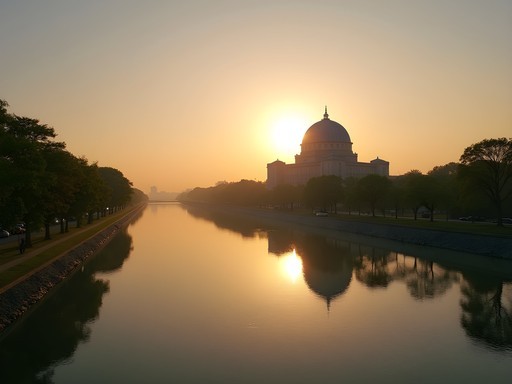
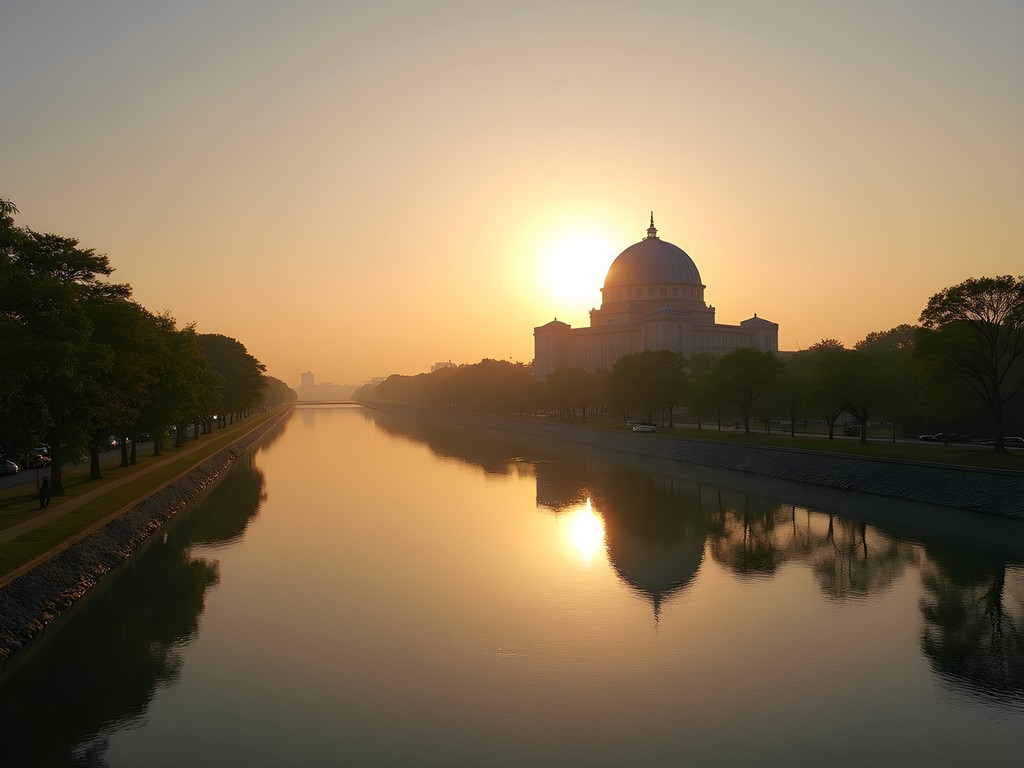
The Atomic Bomb Dome stands like a haunting sentinel at the edge of the Motoyasu River—its skeletal dome preserved exactly as it remained after August 6, 1945. I arrived early, before the tour groups descended, and spent a full hour simply sitting across the river, sketching the structure's twisted metal frame in my travel journal. There's something about the physical act of drawing that forces you to truly see a place, to notice details that might otherwise blur past in a quick photo opportunity.
The Peace Memorial Museum requires emotional fortitude but rewards with profound insight. I recommend setting aside at least three hours here—not because of its size, but because the exhibits demand contemplation. The personal artifacts affected me most deeply: a child's charred lunch box, watches frozen at 8:15 a.m., shadows permanently etched into stone steps. I found myself repeatedly reaching for my pocket translator to fully comprehend the detailed testimonials from survivors.
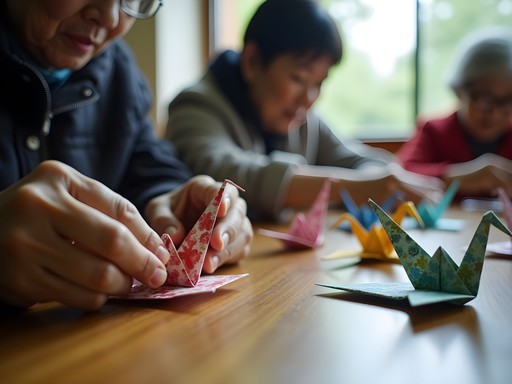
The Children's Peace Monument, with its cascades of colorful paper cranes, offers a necessary counterbalance to the museum's heaviness. I joined a group of local schoolchildren folding cranes, their teacher translating as we shared stories across generations and cultures. This impromptu connection became one of my most cherished memories from Hiroshima.
As the afternoon light softened, I walked the entirety of Peace Memorial Park, stopping at each monument to read its inscription. The experience is deliberately designed to move visitors through stages of reflection—from confronting harsh reality to contemplating reconciliation and, finally, to embracing hope for the future.
💡 Pro Tips
- Visit the A-Bomb Dome at sunrise before crowds arrive for quiet reflection
- Rent the audio guide at the Peace Memorial Museum—it provides crucial context
- Bring tissues and take emotional breaks when needed in the museum's contemplation spaces
Shukkei-en: Finding Solitude in a Pocket Universe
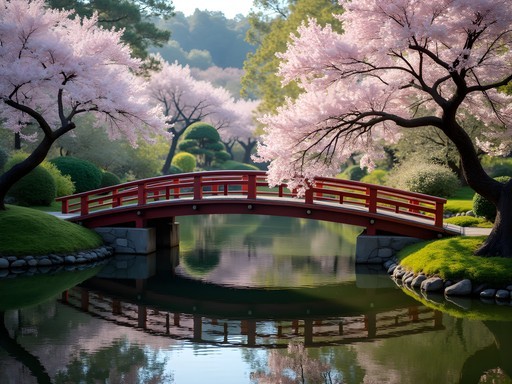
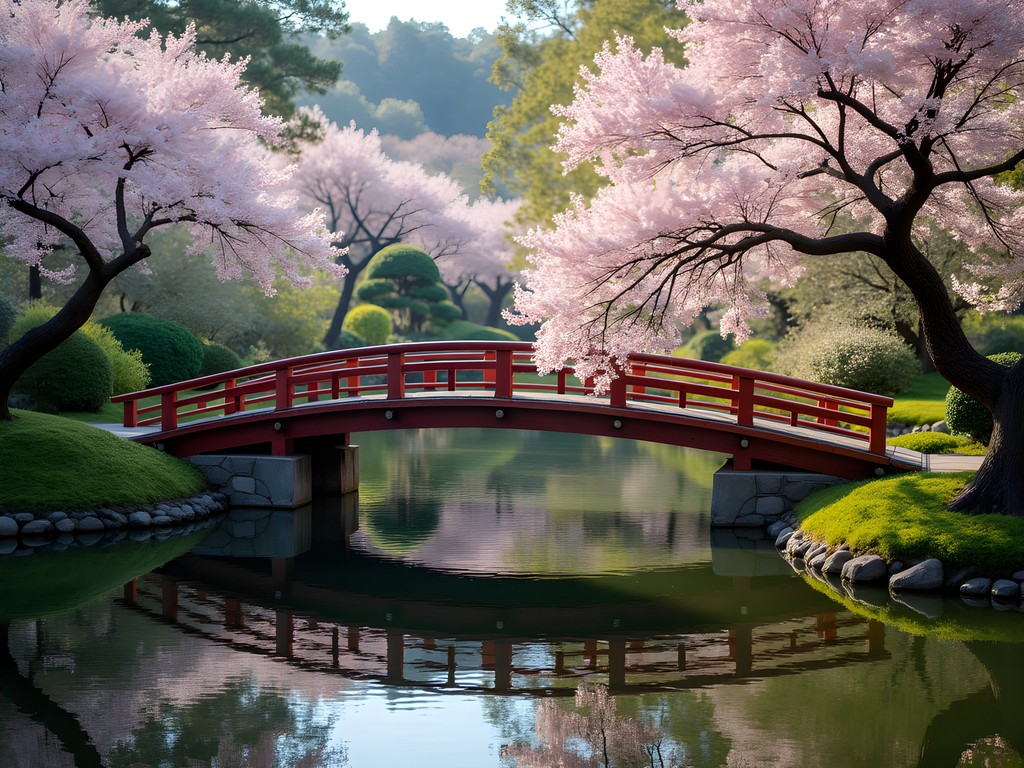
When the weight of history became too heavy, I retreated to Shukkei-en Garden, a 400-year-old landscape masterpiece that somehow survived the atomic blast. The name translates to 'shrunken scenery garden,' an apt description for this miniature world where every view has been meticulously crafted to evoke China's most famous landscapes.
As a designer, I was fascinated by how the garden uses forced perspective and carefully positioned elements to create the illusion of vast distances within a relatively compact space. The koi-filled pond at the center serves as both a mirror and a canvas, reflecting seasonal changes while creating a sense of expansiveness.
Solo travel allows for unhurried appreciation, and I spent an entire afternoon here with my travel sketchbook and a small watercolor set, attempting to capture the garden's shifting moods as spring clouds drifted overhead. An elderly groundskeeper, noticing my interest, silently guided me to hidden viewpoints tourists typically miss—a kindness to a solo traveler I won't forget.
The garden's teahouse offers traditional matcha and seasonal wagashi (Japanese confections) that change monthly to reflect nature's progression. I treated myself to this experience, watching cherry petals drift onto the pond's surface while contemplating the garden's survival through Hiroshima's darkest hour.
What struck me most was how the garden embodies the Japanese concept of ma—the meaningful space between things. In a city with such a complex relationship to its past, Shukkei-en offers that necessary space between remembrance and renewal, a place where silence speaks volumes and beauty emerges from careful intention.
💡 Pro Tips
- Visit on weekday mornings when local seniors practice tai chi but tourist numbers are low
- The garden changes dramatically with the seasons—spring brings cherry blossoms, autumn offers fiery maple leaves
- Bring a small sketchbook—the garden staff appreciate artists and often share historical insights
Miyajima: A Sacred Island Retreat
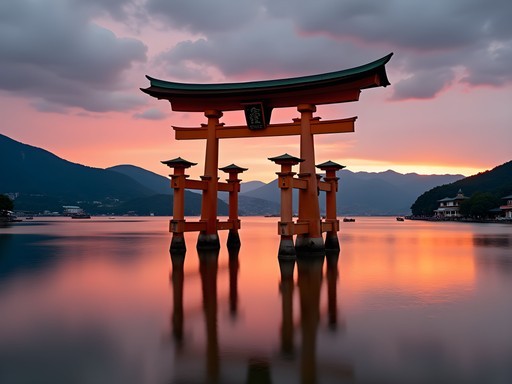
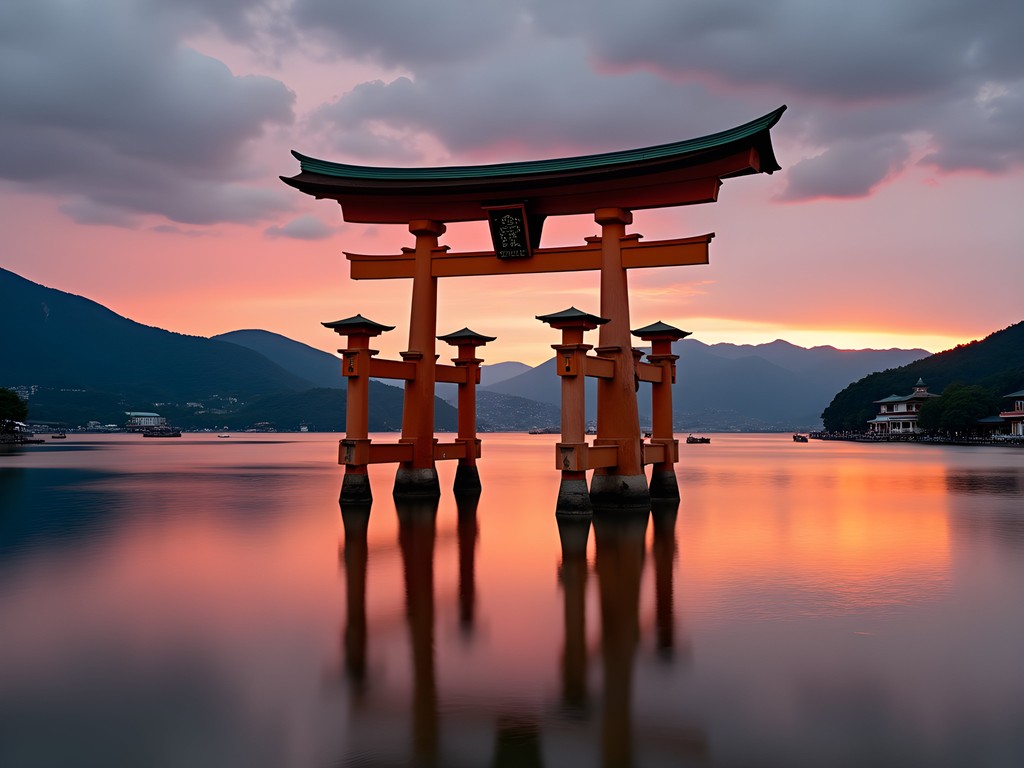
No visit to Hiroshima is complete without a day trip to Miyajima Island, home to the iconic 'floating' torii gate of Itsukushima Shrine. The 30-minute ferry ride from Miyajimaguchi pier offers spectacular views of the mainland and serves as a perfect transition from urban exploration to sacred space.
I deliberately chose to stay overnight on the island, booking a modest ryokan that allowed me to experience two distinct versions of Miyajima: the daytime island crowded with day-trippers, and the evening sanctuary where deer roam freely through empty streets and the famous gate glows with subtle illumination.
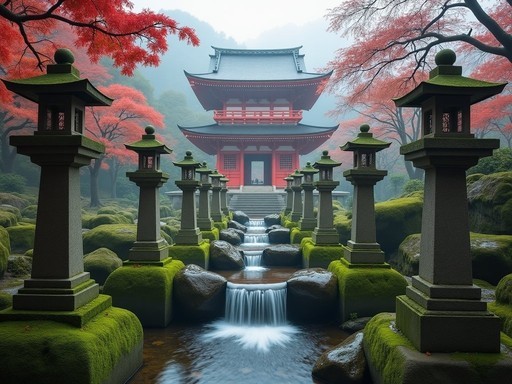
The island's Mt. Misen offers the region's best hiking, with three trails of varying difficulty leading to the summit. I chose the challenging Daisho-in route, which winds through ancient forests and past moss-covered stone lanterns. My hiking poles proved essential on the steeper sections, especially when navigating around curious macaque monkeys that occasionally blocked the path.
At the summit (1,755 feet), panoramic views stretch across the Inland Sea to Hiroshima and beyond. I shared this spectacular vista with just two other hikers—a stark contrast to the bustling shrine below. The descent brought me to Daisho-in Temple, where I participated in the meditative practice of spinning metal sutra cylinders lining the staircase, each revolution said to bestow the same blessing as reading the sacred text inside.
Timing is everything on Miyajima. High tide submerges the base of the great torii gate, creating the famous 'floating' effect, while low tide allows visitors to walk right up to its massive vermilion columns. I planned my visit using tide charts, experiencing both perspectives—first watching the gate emerge from morning mist while seemingly suspended on water, then examining the barnacle-encrusted base up close as afternoon tide receded.
💡 Pro Tips
- Check tide schedules before visiting—the floating torii is most impressive at high tide
- Stay overnight to experience the island without day-trippers (after 5 PM)
- The ropeway to Mt. Misen is convenient but hiking offers more rewarding views and fewer crowds

The Art of Solo Dining in Hiroshima
Solo dining can be intimidating in Japan, but Hiroshima offers numerous options where single travelers are welcomed rather than merely accommodated. The city's food scene reflects its resilience—traditional dishes alongside creative innovations that emerged in the post-war period.
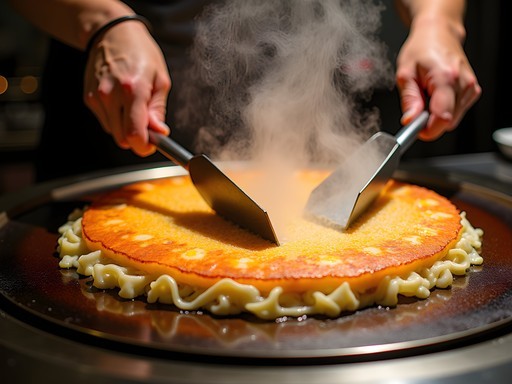
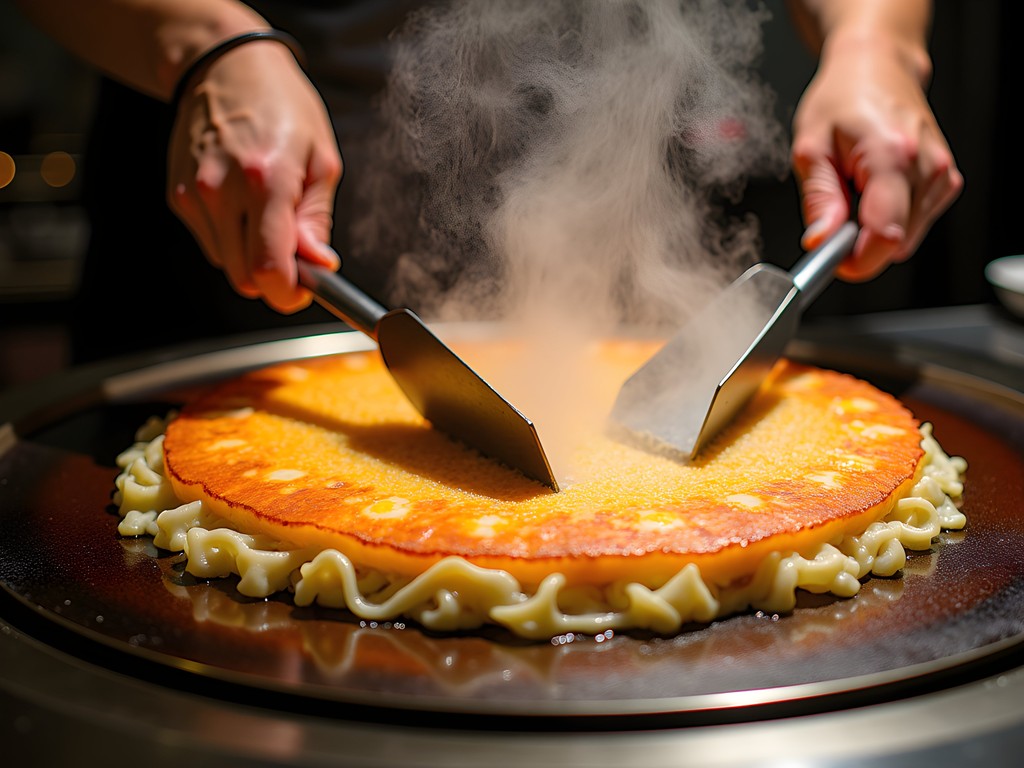
Okonomiyaki, Hiroshima's signature dish, differs significantly from its Osaka counterpart. The layered savory pancake includes noodles and is assembled with theatrical flair on tabletop grills. At Okonomimura, a multi-story building housing dozens of tiny okonomiyaki restaurants, I discovered that counter seating is perfect for solo diners. Chefs engage customers in conversation while creating personalized versions of this local specialty. I became so enamored with the preparation process that I purchased a cooking spatula similar to those used by the chefs, determined to recreate the dish at home.
For a more contemplative dining experience, I sought out Shokado-style bento boxes at traditional restaurants near Shukkei-en Garden. These compartmentalized meals, originally inspired by artists' paint boxes, present seasonal ingredients as edible art. The aesthetic consideration given to even casual meals reflects the Japanese concept of mindfulness through design that resonates deeply with my instructional design background.
Street food around Hiroshima Station provided both sustenance and social connection. Momiji manju (maple-leaf shaped cakes) vendors often offered samples and conversation, while yatai (food stalls) serving grilled oysters—another local specialty—provided casual standing counters where brief exchanges with fellow diners came naturally.
Unexpectedly, I found Hiroshima's emerging craft coffee scene to be particularly solo-traveler friendly. At Obscura Coffee Roasters, I lingered for hours in a window seat, alternating between people-watching and updating my travel journal, while baristas periodically shared information about their single-origin beans sourced from regions I'd previously visited.
💡 Pro Tips
- Look for restaurants with counter seating for comfortable solo dining experiences
- Visit Okonomimura between 2-5 PM to avoid lines and receive more personalized attention from chefs
- Carry a small notebook for food recommendations—locals love suggesting their favorite spots when they see you documenting your culinary journey
Connecting Through Cultural Workshops
Solo travel can occasionally trigger loneliness, but I've found that participating in hands-on cultural activities creates natural connections while deepening appreciation for local traditions. Hiroshima offers several workshops specifically designed to welcome individual participants.
At Hiroshima Mokuga, I joined a traditional woodblock printing class where the instructor demonstrated how this ancient art form has been adapted to create contemporary pieces reflecting Hiroshima's journey. Working alongside local artists, I created a simple print incorporating the symbolic paper crane. The three-hour workshop flew by in focused concentration, the rhythm of carving tools and printing barens creating a meditative atmosphere that transcended language barriers.
The Hiroshima Prefectural Art Museum regularly hosts calligraphy demonstrations where visitors can try their hand at shodo (Japanese calligraphy). My attempts at brushwork earned encouraging smiles from the elderly master, who adjusted my hand position with gentle guidance. The character I practiced—和 (wa), meaning harmony—seemed particularly appropriate given Hiroshima's evolution into a city of peace.
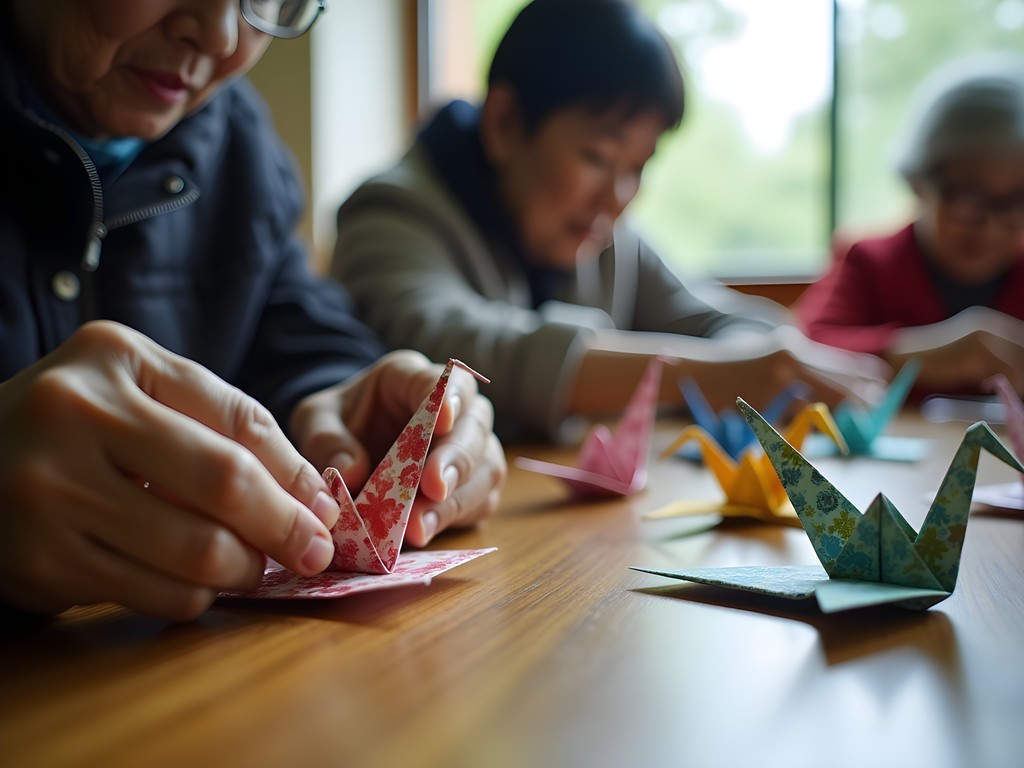
Perhaps the most meaningful workshop experience came at a small community center near my accommodation, where I stumbled upon a weekly gathering of survivors and descendants creating paper cranes for the Children's Peace Monument. Though my folding technique needed considerable improvement, I was welcomed warmly into their circle. We communicated through my limited Japanese, their sparse English, and the universal language of creative work done side by side.
For those interested in traditional crafts with practical applications, I recommend the bamboo basket weaving workshop at Miyajima's traditional crafts center. The instructor provided a craft tool kit that made the intricate process more manageable for beginners. My small, imperfect basket became both a useful souvenir and a tangible reminder of the patience required to create something meaningful by hand.
💡 Pro Tips
- Book workshops at least 2-3 days in advance through your accommodation or the tourist information center
- Bring a small gift from your home country to share with instructors—this simple gesture often leads to deeper cultural exchange
- Photography is usually permitted in workshops, but always ask before taking pictures of people or techniques
Final Thoughts
As my train pulled away from Hiroshima Station, I found myself already planning a return visit. This city, which had initially drawn me through its historical significance, had revealed itself as so much more—a living testament to human resilience, thoughtful design, and the power of intentional remembrance. Solo travel here offered something uniquely valuable: the space to process complex emotions at my own pace, balanced with unexpected moments of connection that transcended language and cultural differences. Hiroshima doesn't just preserve history; it transforms it into a foundation for building a more peaceful future. For the solo traveler seeking both introspection and inspiration, few destinations offer such profound rewards. Whether you're folding paper cranes alongside locals, contemplating design in ancient gardens, or simply sitting quietly by the river at dusk, Hiroshima invites you to be not just a witness to history, but a participant in its ongoing story of hope.
✨ Key Takeaways
- Solo travel in Hiroshima offers unique opportunities for both reflection and unexpected human connection
- Balance emotionally heavy historical sites with restorative experiences in gardens and traditional workshops
- Staying overnight on Miyajima Island provides a completely different experience than a day trip
- Participating in hands-on cultural activities creates natural social interactions for solo travelers
📋 Practical Information
Best Time to Visit
March-May (spring) or October-November (fall)
Budget Estimate
$100-150 per day including mid-range accommodation, meals, and activities
Recommended Duration
5-7 days (including overnight on Miyajima)
Difficulty Level
Beginner
Comments
coolpro8086
Did you feel safe walking around at night as a solo traveler? Thinking about booking but a bit worried about navigating alone after dark.
Maya Reyes
Absolutely! Hiroshima felt incredibly safe even late at night. The main areas are well-lit and there are always people around. I walked back to my hotel around 10pm several times with no concerns at all.
Haley Hamilton
Japan in general is one of the safest countries I've traveled solo. You'll be fine!
bluechamp8725
Going there next month!! So pumped after reading this
sunnyfan
you're gonna love it! bring comfy shoes, you'll be walking a lot
roamphotographer
WOW this makes me want to go RIGHT NOW!! The way you described the cherry blossoms in the Peace Park gave me chills. Adding Hiroshima to my bucket list!
Taylor Moreau
Excellent piece, Maya. I've been to Hiroshima twice on business and managed to carve out personal time on both occasions. Your section on solo dining particularly struck a chord - there's something liberating about sitting at a counter, watching the chef work, without the need for conversation. The streetcar system is also remarkably efficient for getting around. For anyone visiting, I'd recommend getting a day pass - makes hopping between sites much more economical.
Haley Hamilton
Maya, this really resonated with me. I visited Hiroshima during my first backpacking trip through Japan in 2019, and like you, I found myself completely unprepared for the emotional weight of it all. I remember sitting on a bench near the A-Bomb Dome, watching schoolchildren on a field trip, and just feeling this overwhelming sense of hope mixed with sorrow. The way you captured that duality is perfect. One thing I'd add for solo travelers - the hostel scene in Hiroshima is fantastic. I stayed at a place near Hondori and met other travelers who became friends for the rest of my journey. Sometimes solo travel needs those moments of connection too.
bluechamp8725
Which hostel?? I'm looking for a good one there
explorevibes
This is so inspiring!! How many days would you recommend for Hiroshima? Planning my first solo trip to Japan and feeling nervous but excited!
Maya Reyes
I'd say 3 days minimum - one for the memorial sites, one for Miyajima, and one to just wander and eat! You'll love it.
winterpro
Beautiful photos!
sunnyfan
Hiroshima really hits different when you're traveling solo. I went last spring and spent like 3 hours just sitting in the Peace Park. The museum is heavy but so important. Did you try okonomiyaki at Nagata-ya? That place was incredible and the chef was super friendly even though I barely spoke Japanese.
Maya Reyes
Yes! Nagata-ya was amazing. The chef actually showed me how they layer everything. Such a warm experience.
explorevibes
Adding this to my list!! Love finding places where locals are friendly to solo travelers
Hannah Woods
Maya, I noticed you mentioned the challenge of dining alone in Japan. One tip for other solo travelers reading this: many ramen places and counter-service restaurants in Hiroshima actually cater perfectly to solo diners. I found myself having lovely conversations with locals at these counters, despite my limited Japanese. The staff at Ichiran even seemed to prefer solo diners with their individual booths! Did you try any of the local sake while there? The Hiroshima region produces some excellent varieties that paired wonderfully with the local cuisine.
summerseeker7903
Just got back from my Hiroshima trip and followed your counter dining advice, Hannah. It was perfect! Had amazing conversations with a local salaryman who insisted I try his favorite sake. Such a memorable experience!
Hunter Thompson
Brilliant post Maya! I visited Hiroshima last autumn and completely agree about Miyajima - that island is absolutely magical. Did you manage to catch the sunset from Mount Misen? I hiked up there solo and it was one of those moments where being alone actually made it more powerful, you know? Also your bit about the Peace Museum hit home. I wasn't prepared for how emotional it would be. Spent nearly 3 hours there just processing everything.
Maya Reyes
I didn't make it up Mount Misen sadly - ran out of time! Now I have a reason to go back though. And yes, the museum... I actually had to step outside twice. It's heavy but so important.
Venture X
Premium card with 2X miles, $300 travel credit, Priority Pass