

Disclosure: This article contains affiliate links. We may earn a commission from purchases at no extra cost to you, which helps our travel content.
The first time I visited Hiroshima was with my father when I was sixteen. As we stood before the skeletal dome of the Atomic Bomb building, he quietly said, 'Remember, Diego, history isn't just what happened, but how we choose to remember it.' Twenty-one years later, I've returned to Hiroshima numerous times, each visit peeling back another layer of this resilient city's complex narrative. While the Peace Memorial Park rightfully stands as the city's most significant historical landmark, Hiroshima's story extends far beyond this solemn reminder of nuclear devastation. The city has over 1,400 years of rich history that predates August 6, 1945, and a remarkable renaissance that followed. On my most recent weekend trip this spring, I made it my mission to explore the lesser-known historical sites that reveal Hiroshima's multifaceted identity—places where ancient traditions, samurai legacies, and post-war resilience tell stories that many visitors never hear.

1. Mitaki-dera: The Temple of Three Waterfalls
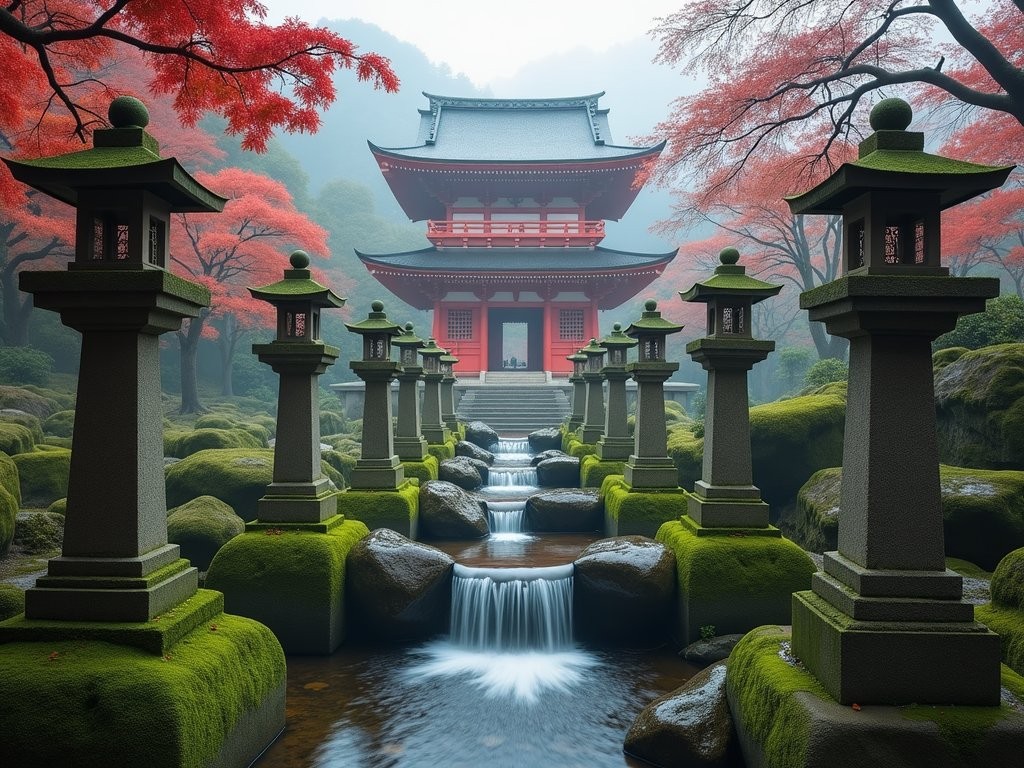
Tucked away on the wooded slopes of Mount Mitaki lies one of Hiroshima's most atmospheric yet overlooked temples. Mitaki-dera (Three Waterfalls Temple) dates back to 809 CE and offers a spiritual experience far removed from the city center's hustle.
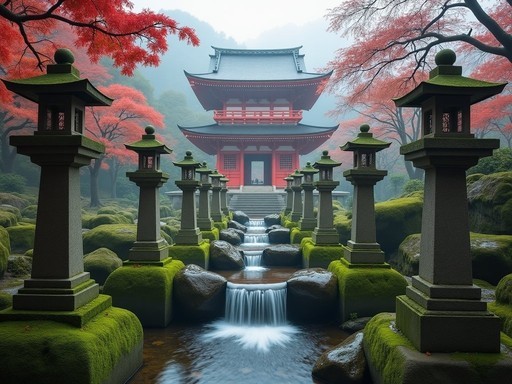
On a misty spring morning, I made the 20-minute journey from Hiroshima Station to Mitaki Station, then hiked the gentle uphill path to the temple entrance. The moment you step through the vermilion gate, the urban world dissolves into a landscape of moss-covered stone lanterns, weathered jizo statues, and the soothing sound of cascading water.
What makes Mitaki-dera particularly significant is its connection to the atomic bombing. The temple houses a small wooden pagoda painted in striking vermilion—Tahoto Pagoda—which was relocated from Wakayama Prefecture as a memorial to atomic bomb victims. Standing before it, surrounded by Japanese maples and the gentle mist from the waterfalls, creates a moment of contemplation that feels distinctly different from the more formal atmosphere of the Peace Park.
The temple complex features three natural waterfalls (hence the name), with stone paths winding between them. The main hall houses a healing Buddha, to which locals have been praying for centuries during times of illness. After the bombing, many survivors came here seeking both physical and spiritual healing.
I spent nearly two hours exploring the temple grounds, photographing the weathered stone monuments with my travel camera. Its small size makes it perfect for documenting historical sites without drawing attention or disturbing the contemplative atmosphere.
💡 Pro Tips
- Visit early morning (before 9 AM) to have the temple almost entirely to yourself
- Wear comfortable hiking shoes as the paths can be slippery, especially after rain
- Bring a small offering (¥100) for the temple to support its maintenance
2. Fudoin Temple: Surviving the Inferno
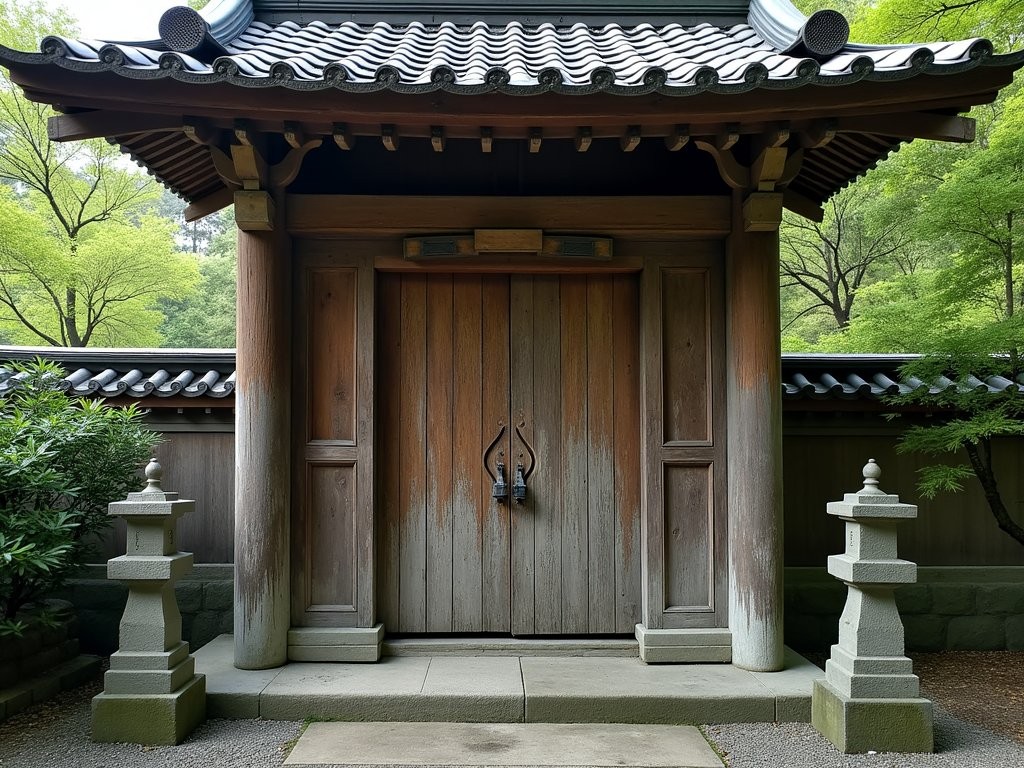
Just a 15-minute bus ride from central Hiroshima lies Fudoin Temple, a remarkable survivor of the atomic blast. Built in 1540 during the Muromachi period, this temple stands as one of the few pre-war structures that remained largely intact despite being only 2.5 kilometers from the hypocenter.
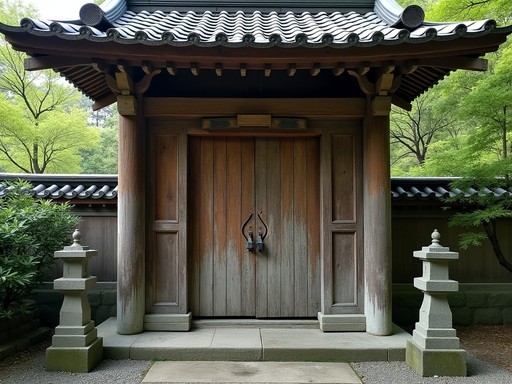
Walking through its wooden gate feels like stepping into a time portal—one of the rare places in Hiroshima where you can experience pre-1945 architecture firsthand. The main hall and the two-story gate are designated Important Cultural Properties of Japan, their wooden frames having withstood the force that leveled most of the city.
What struck me most during my visit was the temple's collection of scorched roof tiles, carefully preserved as silent witnesses to the bombing. A monk explained to me that the temple was shielded by the nearby hills, which absorbed much of the blast wave. Still, burn marks are visible on parts of the structure, creating a poignant juxtaposition between preservation and destruction.
The temple's principal deity, Fudo Myoo (the Immovable One), seems particularly appropriate given the building's resilience. This fierce-looking deity is believed to transform anger into salvation—perhaps a fitting metaphor for Hiroshima's own transformation from atomic devastation to a city of peace.
I spent about an hour exploring the temple grounds, taking time to appreciate the detailed woodwork of the main hall and the peaceful inner garden. The fewer tourists here compared to central sites meant I could sit quietly on the wooden veranda, listening to the occasional temple bell and contemplating the structure's remarkable survival.
If you're documenting historical sites like I was, I'd recommend bringing a travel journal to record your observations and impressions. I've found that writing by hand helps me process these powerful historical experiences in a way that digital notes cannot match.
💡 Pro Tips
- Check opening hours before visiting as they can be limited (typically 9 AM-4 PM)
- Take the #6 bus from Hiroshima Station to Fudoin-mae stop
- Look for the burn marks on the wooden gate pillars—subtle but powerful reminders of the temple's survival
3. Hiroshima Castle: The Phoenix Fortress
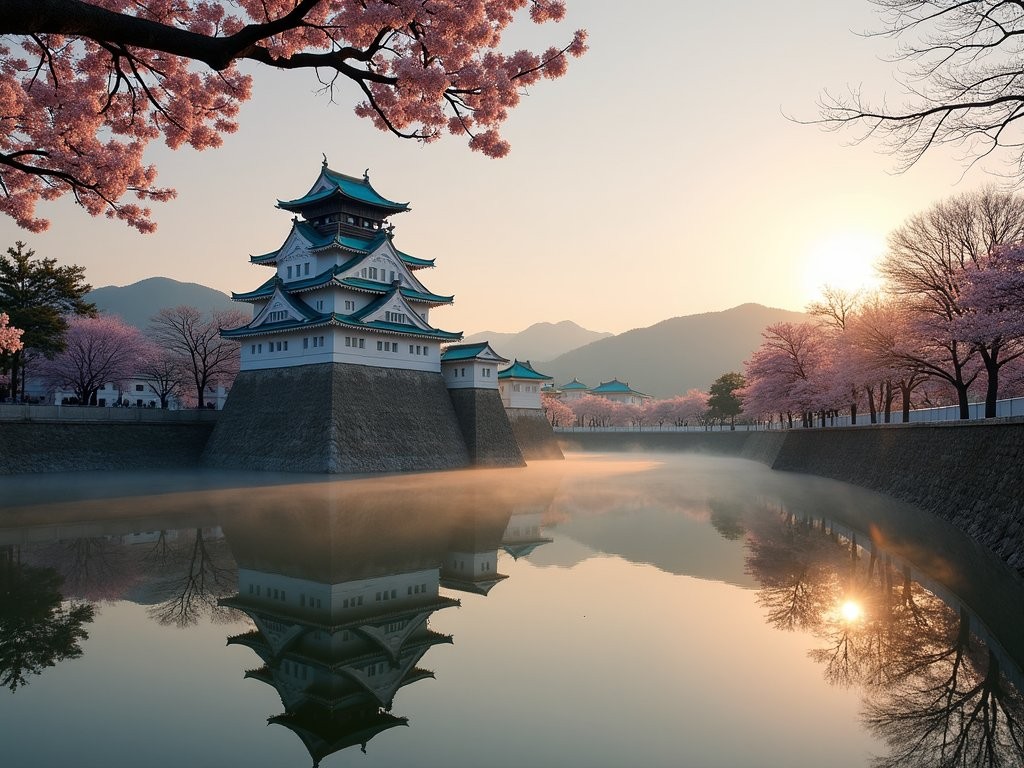
While not exactly hidden (it's quite visible on the Hiroshima skyline), many visitors overlook Hiroshima Castle in favor of spending more time at the Peace Park. However, this reconstructed 16th-century castle offers a crucial window into the city's pre-war identity and feudal history.
Originally built in 1589 by the powerful daimyo Mōri Terumoto, the castle was completely destroyed in the atomic bombing. What stands today is a faithful reconstruction completed in 1958—a concrete structure with a wooden façade that houses an excellent museum detailing Hiroshima's military and feudal history.
As someone with Japanese heritage, I find myself drawn to these reconstructed historical sites that represent Japan's phoenix-like ability to rebuild. The castle's five stories contain artifacts that survived the bombing, samurai armor, and interactive exhibits that explain the castle's role as the seat of power in the region.
What many visitors miss, however, are the castle grounds themselves. The sprawling 350,400 square meter site includes ruins of the original stone foundations, moats, and several reconstructed guard towers. I spent an early morning walking these grounds, mapping the original layout in my mind and imagining how the castle town once functioned as the beating heart of the region.
The most fascinating aspect for me was learning about the castle's nickname, Rijo (Carp Castle), which later gave the Hiroshima baseball team their name—the Hiroshima Toyo Carp. These cultural connections between feudal history and modern identity highlight how deeply historical consciousness runs in everyday Hiroshima life.
If you're planning to explore multiple historical sites in Hiroshima, consider investing in a good guidebook that provides historical context. While information is available at the sites themselves, having deeper background knowledge significantly enriches the experience.
💡 Pro Tips
- Visit early on weekdays to avoid school groups that often tour the castle
- Don't skip the top floor observation deck for panoramic views of modern Hiroshima
- Allow time to explore the outer defensive walls and moat system, where you'll find fewer tourists

4. Hiroshima Prefectural Industrial Promotion Hall Remnants
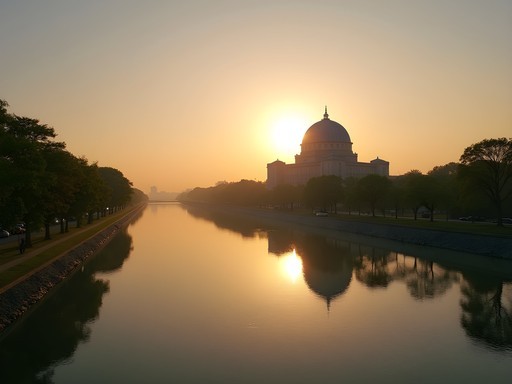
While the A-Bomb Dome (formerly the Hiroshima Prefectural Industrial Promotion Hall) is the city's most iconic structure, few visitors know that additional remnants of the building lie somewhat hidden from the main memorial.
On my recent visit, I made a point to locate these lesser-known fragments. About 30 meters behind the dome, partially obscured by trees, lie several large concrete segments that were once part of the building's eastern wing. Unlike the dome itself, which is carefully preserved in its immediate post-bomb state, these fragments have been left to weather naturally, with plants growing around and sometimes through them.
These overlooked remnants offer a different perspective on the bombing's aftermath. While the dome itself has become an international symbol, these scattered concrete pieces feel more intimate and less curated. Sitting quietly beside them early one morning, I watched as locals jogged past, some pausing briefly in acknowledgment, others continuing their daily routines—a living demonstration of how Hiroshima has integrated its traumatic past into everyday life.
What makes these fragments particularly significant is that they're gradually deteriorating with time and weather, unlike the carefully preserved dome. They represent the natural process of decay that would have claimed all evidence of the bombing had conservation efforts not been implemented.
During my visit, I recorded my observations and reflections using my portable recorder, which I've found invaluable for capturing my thoughts and ambient sounds at historical sites. The audio diary I created captures both my observations and the subtle sounds of the Motoyasu River flowing nearby—creating a multisensory memory that photographs alone cannot provide.

💡 Pro Tips
- Visit early morning or evening when the main A-Bomb Dome area is less crowded
- Look for the path that leads behind the dome toward the river to find these fragments
- Bring binoculars to observe architectural details of both the dome and fragments without crossing barriers
5. Hiroshima Andersen: A Literary Phoenix
One of my most unexpected discoveries in Hiroshima was learning about a bakery with profound historical significance. Hiroshima Andersen, located in the Hatchobori shopping district, isn't just any bakery—it was the first business to rebuild and reopen in the devastated downtown area after the atomic bombing.
Founded by Shunji Murai in 1946, less than a year after the bombing, the bakery was named after Hans Christian Andersen, symbolizing hope and the power of storytelling in dark times. Murai chose to sell bread—still somewhat unfamiliar in the Japanese diet of that era—as a symbol of Western reconstruction aid and a new beginning for the city.
Today, the original bakery has evolved into a local chain, but the main store in Hatchobori maintains its historical significance with a small exhibition area that includes photographs of the devastated city and the original bakery's humble beginnings. The current building features a distinctive fairy-tale façade with motifs from Andersen's stories, standing as a whimsical contrast to the somber history it represents.
During my visit, I spoke with an elderly staff member whose parents had been among the bakery's first customers. She explained that in those desperate post-war days, the aroma of fresh bread wafting through the destroyed city became a powerful symbol of renewal—a sensory reminder that life would continue.
I spent about an hour at the bakery, sampling their signature curry bread and Danish pastries while examining the historical photographs. What struck me most was how this seemingly ordinary business embodies Hiroshima's pragmatic approach to remembrance: honoring the past while actively building a future.
The experience reminded me why I always pack a pocket translator when exploring historical sites in Japan. The device allowed me to translate the Japanese-only historical captions beneath the photographs, revealing details about the bakery's founding that I would have otherwise missed.

💡 Pro Tips
- Visit around 10 AM when fresh bread comes out of the oven and the bakery is less crowded
- Ask the staff about the historical photos—some older employees have family connections to the original bakery
- Try the curry bread, a recipe that dates back to the bakery's early post-war days
6. Rai Sanyo Shiseki Museum: The Forgotten Intellectual
In a quiet residential area about 20 minutes by bus from central Hiroshima stands a traditional Japanese house that few foreign visitors ever see. This is the former residence of Rai Sanyo (1780-1832), one of Japan's most influential historians and scholars of the late Edo period.
Rai's magnum opus, "Nihon Gaishi" (Unofficial History of Japan), helped shape the intellectual foundation for Japan's modernization by critiquing the shogunate system and advocating for imperial restoration. His writings influenced many of the samurai who would later lead the Meiji Restoration, fundamentally transforming Japan from feudal isolation to modern nation-state.
The modest house where he spent his final years has been preserved as the Rai Sanyo Shiseki Museum. What makes this site particularly remarkable is that it survived the atomic bombing despite being only 1.5 kilometers from the hypocenter. The traditional wooden structure was protected by a small hill, leaving it as one of the few authentic Edo-period buildings remaining in Hiroshima.
During my visit, I was the only visitor—a stark contrast to the crowded Peace Park. The caretaker, an elderly man with encyclopedic knowledge of Rai's work, seemed genuinely pleased to share the site's history with a foreign visitor. He showed me Rai's study, where the scholar wrote while overlooking a meticulously maintained Japanese garden that remains largely unchanged since the Edo period.
The museum contains Rai's original manuscripts, writing implements, and personal effects. What fascinated me most was seeing his handwritten notes in the margins of Chinese classics—evidence of the cross-cultural intellectual exchange that characterized Japanese scholarship of that era. As someone with multicultural heritage myself, I appreciate these historical reminders that Japanese intellectual tradition has always been engaged in dialogue with other cultures, despite periods of isolation.
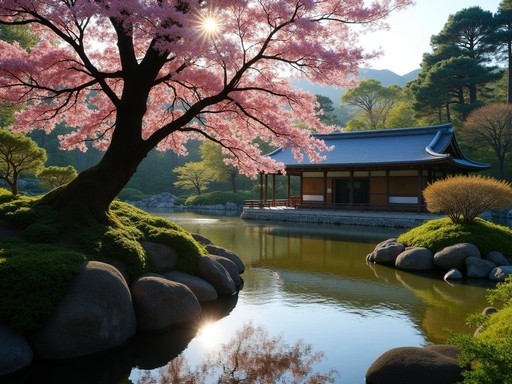
The garden deserves special mention—designed according to traditional principles, it's meant to be viewed from the house's tatami rooms, creating living landscape paintings that change with the seasons. In spring, the weeping cherry tree creates a focal point that perfectly frames the garden's central pond.

💡 Pro Tips
- Call ahead to confirm opening hours as they can be irregular
- Take bus #6 from Hiroshima Station to Kokuzenji-mae stop
- Remove shoes before entering the house and bring socks if you're uncomfortable going barefoot on tatami
7. Atomic Bomb Memorial Mound: The Forgotten Victims
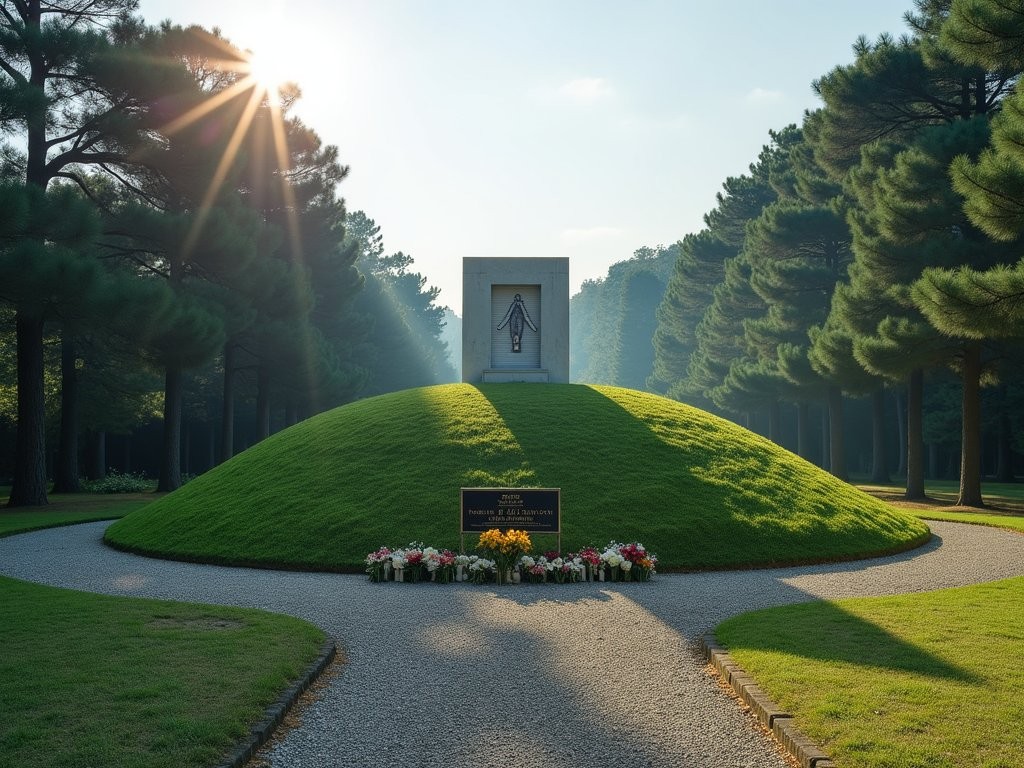
Perhaps the most solemn site on this list lies within the Peace Memorial Park itself, yet is frequently overlooked by visitors focused on the more prominent cenotaph and museum. The Atomic Bomb Memorial Mound (Atomic Bomb Victims Memorial Mound) is a simple, grass-covered mound that contains the ashes of approximately 70,000 unidentified victims of the bombing.
What makes this site particularly significant is that it continues to serve an active funerary function. When construction projects in Hiroshima uncover previously undiscovered remains of bombing victims—something that still happens occasionally—those remains are cremated and interred here. The most recent addition was in 2019, when remains found during a building renovation were added to the mound.
The site features a small, white cubical memorial structure with a simple inscription that reads "Rest in Peace" in Japanese. Inside this structure is a registry of all known names of those whose ashes are interred in the mound. What struck me during my visit was the fresh flowers and incense—evidence that for many Hiroshima families, this remains an active site of mourning and remembrance, not merely a historical monument.
I visited early one morning and found an elderly woman carefully arranging flowers at the site. Through limited conversation, I learned she comes weekly to honor family members whose remains were never individually identified. Her continued devotion, more than 75 years after the bombing, offered a powerful reminder that for many in Hiroshima, the atomic bombing isn't distant history but lived family experience.
The Memorial Mound sits in a quieter section of the Peace Park, surrounded by carefully tended pine trees that provide a sense of respectful seclusion. The atmosphere here differs markedly from the more educational and demonstrative main areas of the Peace Park—this is a place primarily for reflection and remembrance.
Visiting historical sites with such emotional weight requires proper preparation. I always carry a water bottle during these explorations, as the emotional impact of such places can be physically draining, particularly in Hiroshima's humid spring weather.
💡 Pro Tips
- Visit early morning or evening when the Peace Park is less crowded for a more contemplative experience
- Observe proper etiquette by maintaining silence and not photographing mourners who may be visiting
- Consider bringing a small flower offering as a sign of respect
Final Thoughts
As I stood at the Atomic Bomb Memorial Mound on my final morning in Hiroshima, watching the early light filter through the pine trees, I reflected on how these lesser-known sites had transformed my understanding of the city. Hiroshima isn't merely a symbol of atomic devastation or a one-dimensional peace memorial—it's a complex tapestry of resilience, cultural preservation, and thoughtful remembrance. From the hidden concrete fragments behind the A-Bomb Dome to the surviving temple structures and the humble bakery that signaled rebirth, these sites tell a more nuanced story than the standard tourist narrative. They remind us that Hiroshima's history extends both long before and far beyond August 6, 1945. As travelers seeking deeper connections to the places we visit, we owe it to ourselves—and to the communities that welcome us—to look beyond the obvious landmarks and discover these quieter keepers of memory. Next time you visit Hiroshima, I hope you'll seek out these seven sites and perhaps discover your own hidden historical gems in this remarkable city.
✨ Key Takeaways
- Hiroshima's historical identity extends far beyond the atomic bombing, with sites dating back to the 8th century
- Several pre-war structures survived the bombing and offer authentic glimpses into pre-1945 Hiroshima
- Many significant historical sites are within easy reach of downtown but receive fraction of the visitors
- Early morning visits provide the most contemplative experience at these historical sites
- Local businesses like Hiroshima Andersen bakery played crucial roles in the city's post-war recovery
📋 Practical Information
Best Time to Visit
March-May (spring) or October-November (autumn)
Budget Estimate
¥10,000-15,000 for a weekend (excluding accommodation)
Recommended Duration
1-2 full days beyond the main Peace Park visit
Difficulty Level
Easy - All Sites Accessible By Public Transportation


Comments
Jean Wells
Having lived in Yokohama for fifteen years, I've explored Hiroshima extensively. Diego's selection here is spot-on. What strikes me most about these lesser-known sites is how they contextualize Hiroshima's history beyond 1945. The city has eight centuries of rich cultural heritage that often gets overshadowed. Mitaki-dera dates to 809 AD, and visiting it provides essential perspective. I'd add Shukkeien Garden to this list as well - another survivor that demonstrates the city's Edo period elegance. The juxtaposition of ancient temples, reconstructed castles, and atomic bomb remnants creates a unique historical narrative. Well researched piece.
journeyninja
How many days would you recommend staying in Hiroshima to see all these plus the Peace Memorial? I only have 3 days in my itinerary.
luckyway5056
3 days is perfect! Did it last year. Day 1 Peace Memorial area, Day 2 Miyajima island, Day 3 these other spots.
citynomad
Just got back from Japan. Followed your recommendations for Hiroshima - Fudoin was incredible. Thanks!
escapenomad
Love the photos! Adding these to my list.
bluelover5307
This will be my first time in Japan - is it easy to get to these places without speaking Japanese? Getting a bit nervous about navigating!
Jean Wells
Hiroshima is quite foreigner-friendly. Most signage has English, and the tram system is straightforward. I'd suggest downloading Google Maps offline for the region. The tourist information center at the station can provide English maps as well.
skyfan
Is Hiroshima Castle the original or a rebuild? The article mentions Phoenix Fortress but I'm confused if it survived the bombing or not. Planning to visit with my kids this summer and want to explain the history properly to them.
Jean Wells
It's a reconstruction. The original was destroyed in 1945 and rebuilt in 1958. The museum inside documents this extensively - actually quite educational for children.
skyfan
Thanks Jean! That's really helpful.
photonomad
That shot of the morning light through the trees at the Memorial Mound is breathtaking. I've been to Hiroshima twice and never captured anything that evocative. What time of day did you visit? The lighting is perfect!
Taylor Moreau
Excellent article, Diego. I visited Hiroshima three times for business conferences before finally exploring beyond the typical tourist circuit. Fudoin Temple particularly resonated with me - the fact that it survived the blast due to the surrounding hills is remarkable. The wooden architecture is extraordinary. One tip for business travelers with limited time: Hiroshima Castle is easily accessible during a lunch break if you're staying near the city center. The reconstruction work is well-documented inside, offering perspective on post-war rebuilding efforts. Would recommend allocating at least half a day for Mitaki-dera though.
luckyway5056
Great post! Never heard of most of these places.
wavewalker
YES!! Mitaki-dera is absolutely stunning and so peaceful! I went there last autumn and the maple trees were insane. Barely saw any other tourists either which was amazing after the crowds at the Peace Park. The hike up to the three waterfalls is totally worth it - bring good shoes though, it gets slippery near the water. Also that little tea house halfway up? Perfect spot to rest. Diego, did you try their matcha? So glad you're highlighting these spots because everyone misses them!
journeyninja
How long did the hike take you? Planning my trip now!
wavewalker
Maybe 45 mins to an hour if you take your time and stop at all three waterfalls. Totally doable!
Venture X
Premium card with 2X miles, $300 travel credit, Priority Pass