


Disclosure: This article contains affiliate links. We may earn a commission from purchases at no extra cost to you, which helps our travel content.
The first time I entered a Nairobi market twenty years ago as a young anthropologist, I was overwhelmed by the symphony of colors, scents, and voices negotiating in multiple languages. Today, after countless visits documenting East African craft traditions, I've developed an intimate understanding of where authenticity thrives amid the tourist-oriented souvenirs. Nairobi's markets aren't just shopping destinations—they're living cultural archives where traditional craftsmanship persists despite rapid urbanization, offering couples a meaningful weekend exploration of Kenya's material culture.

Maasai Market: The Rotating Treasure Hunt
The Maasai Market deserves its reputation as Nairobi's premier craft destination, but with a crucial caveat: it's nomadic. This roving marketplace operates on a predictable weekly schedule, appearing at different locations throughout the city—Tuesdays at The Junction, Wednesdays at Capital Center, Fridays along Ngong Road, and weekends at Nairobi Law Courts parking.
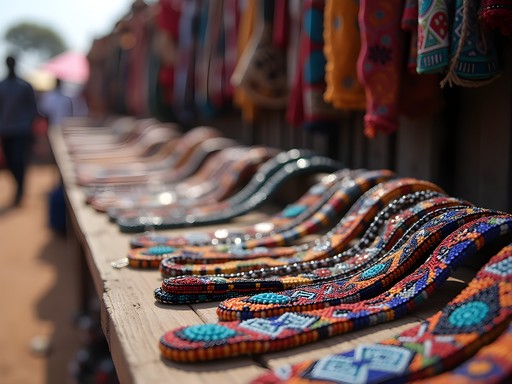
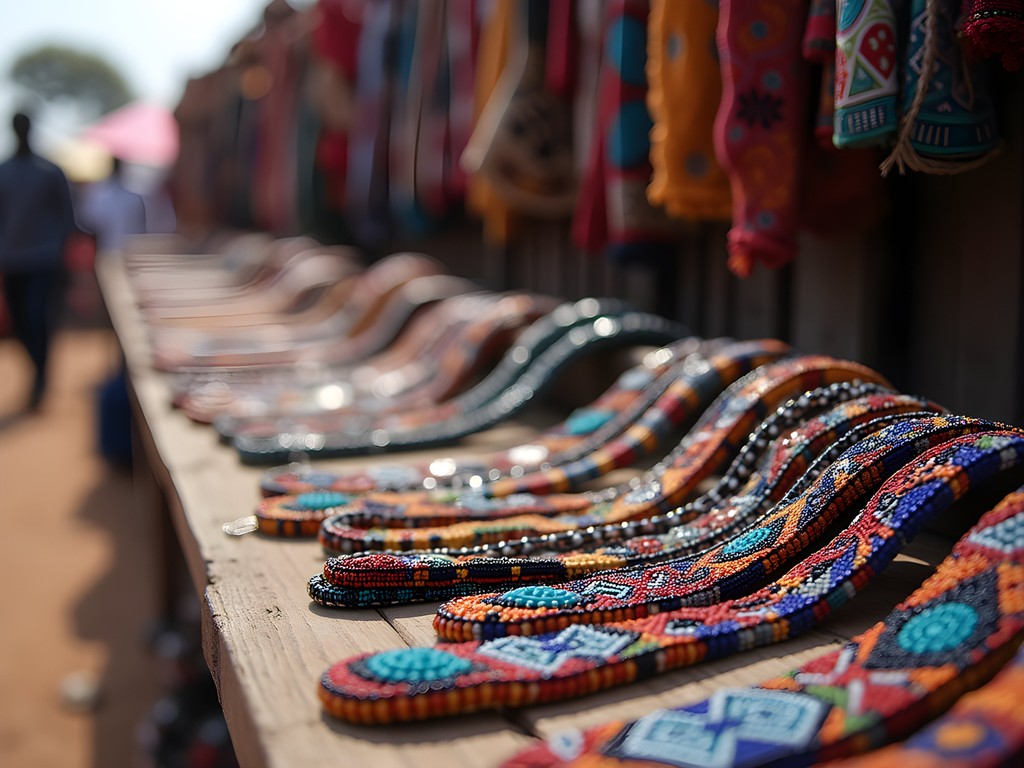
What distinguishes this market anthropologically is how it brings rural artisans directly into urban commerce without excessive middlemen. You'll find an astonishing array of beadwork—from intricate necklaces to elaborate belts—created by women's cooperatives from various ethnic communities, not just Maasai despite the market's name.
During my research visits, I've watched the evolution of certain craft forms. Traditional Maasai beadwork patterns, once strictly adhering to clan-specific color combinations and symbolic meanings, now incorporate contemporary aesthetics while maintaining core techniques. When examining beadwork, look for tight, consistent stitching and the weight of quality glass beads rather than plastic alternatives.
For textile enthusiasts, the vibrant kikoi and kanga fabrics make versatile souvenirs. I've used them as tablecloths, wall hangings, and beach wraps. For the best selection, I recommend bringing a sturdy foldable tote that compresses to pocket size but expands to hold your treasures without plastic waste.
💡 Pro Tips
- Visit early (before 10am) for the best selection and fewer crowds
- Expect to bargain, but do so respectfully—start at about 60-70% of the initial price
- Ask artisans about the meaning behind designs—many patterns have specific cultural significance
Utamaduni Craft Centre: Ethical Shopping in Langata
For couples seeking quality crafts without the intensity of open-air markets, Utamaduni Craft Centre in Langata offers a more relaxed alternative. Housed in a converted colonial residence surrounded by lush gardens, this collection of small shops operates with transparent fair trade practices that align with my commitment to ethical consumption.
What makes Utamaduni anthropologically significant is its role in preserving craft lineages that might otherwise disappear. Each shop represents different cooperative groups or family workshops, with proceeds directly supporting artisan communities. The pricing is fixed—unusual for Kenya—but reflects fair compensation rather than tourist premiums.
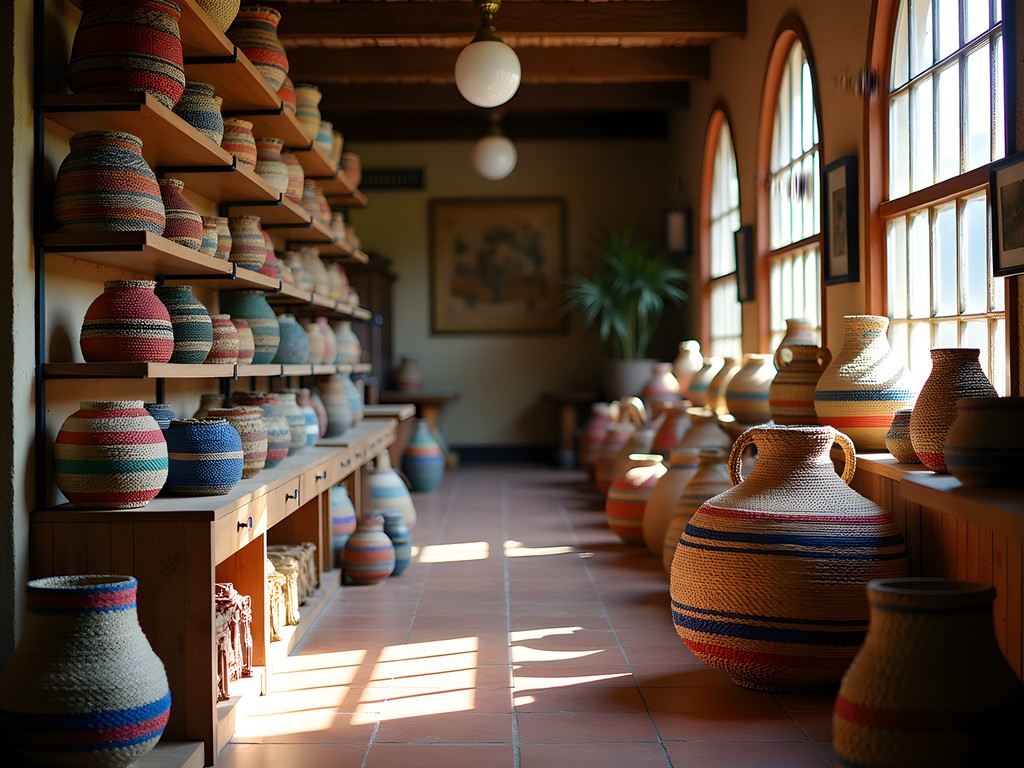
My research on textile traditions always leads me to their exceptional selection of kiondo baskets. These sisal and wool woven baskets from the Kamba and Kikuyu communities represent a fascinating adaptation of traditional techniques for contemporary markets. Originally utilitarian items for carrying produce, they've evolved into sophisticated home décor while maintaining the intricate weaving methods passed through generations of women.
The woodcarving section deserves special attention for its museum-quality Makonde pieces from eastern Kenya and neighboring Tanzania. These sculptural works often depict intertwined human figures in what's called the "tree of life" style, representing community interconnectedness. When examining woodcarvings, look for the density of the wood (typically ebony or mahogany) and the signature style of specific carving communities.
After shopping, I recommend unwinding in their garden café with Kenyan coffee. I always carry my insulated travel mug to reduce disposable cup waste while enjoying their excellent brew.
💡 Pro Tips
- Take time to read the informational cards explaining each craft's cultural context
- Look for items made from sustainable materials like olive wood rather than endangered hardwoods
- Ask about shipping options for larger purchases—they offer reliable international delivery
Kazuri Beads Workshop: From Clay to Global Market
My anthropological interest in how craft production adapts to global markets always brings me to Kazuri Beads, a social enterprise founded in 1975 as a small workshop employing disadvantaged women. Today, it's grown into a significant operation while maintaining its social mission.
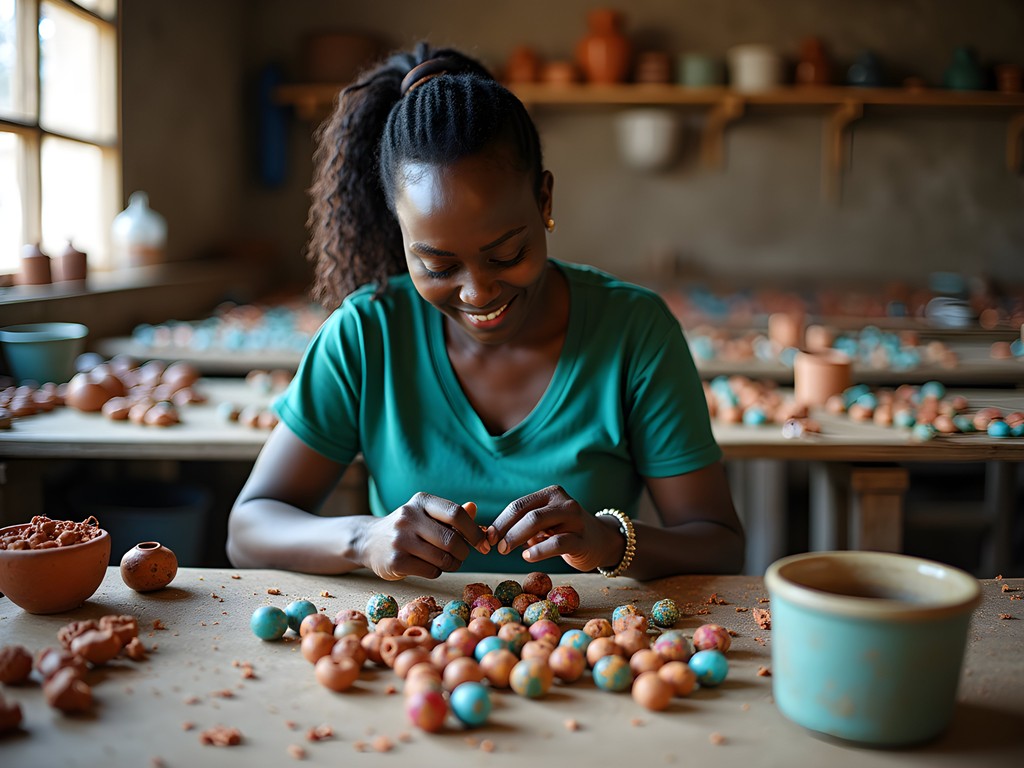
Located in Karen (named after Karen Blixen of "Out of Africa" fame), this working factory and showroom offers couples a rare opportunity to witness the complete ceramic bead production process—from raw clay to finished jewelry. What makes this experience anthropologically valuable is observing how traditional hand-forming techniques merge with contemporary design sensibilities to create products with global appeal.
The guided workshop tour takes approximately 30 minutes, showing each production stage: clay preparation, bead forming, firing, glazing, and final assembly. What consistently impresses me is how the organization has formalized traditional knowledge transfer, with senior artisans training newcomers in techniques that might otherwise be lost between generations.
In the showroom, you'll find finished jewelry pieces that range from bold statement necklaces to subtle earrings. The quality control is exceptional, with each piece inspected for consistency in size, color, and finish. Beyond jewelry, they've expanded into ceramic homewares like serving dishes and decorative tiles.
For visitors concerned about luggage space, Kazuri offers worldwide shipping. I've found their packaging to be remarkably secure—I've never had a piece break in transit. For protecting smaller ceramic pieces during travel, I recommend using a jewelry organizer with padded compartments that prevent items from colliding in your luggage.
💡 Pro Tips
- Call ahead to confirm tour times, as they occasionally change based on production schedules
- Bring cash for the small café on premises—their samosas make an excellent snack
- Consider purchasing directly from the workshop rather than from resellers in town, ensuring maximum benefit to the artisans

Spinners Web: Curated Crafts Beyond the Tourist Trail
For couples seeking high-quality Kenyan crafts without the negotiation dynamics of markets, Spinners Web in Hurlingham represents an important evolutionary step in East African craft marketing. This expansive showroom brings together over 400 suppliers from across Kenya and neighboring countries, offering consistent quality with fixed pricing.
From an anthropological perspective, what fascinates me about Spinners Web is how it bridges traditional craft production with contemporary retail expectations. Unlike tourist-oriented shops, this establishment primarily served Nairobi's expatriate and affluent local communities when it opened in the 1990s. This orientation toward discerning long-term residents rather than tourists has maintained higher quality standards.
The textile section particularly impresses me with its selection of hand-printed fabrics, from traditional batiks to innovative contemporary designs. These fabrics represent a fascinating hybrid tradition, incorporating techniques from East African coastal communities, Indian influences, and European textile technologies.
Their selection of soapstone carvings from western Kenya's Kisii region deserves special attention. These smooth, polished sculptures represent one of Kenya's most distinctive craft traditions, with techniques passed through family lineages. The stone's natural variations in color create unique patterns in each piece.
For home décor enthusiasts, their selection of hand-carved wooden salad servers and serving bowls from sustainable olive wood makes practical souvenirs that will last decades. I've used my wooden salad hands for fifteen years, and they've only grown more beautiful with age, developing a rich patina that tells the story of countless meals shared with friends.

💡 Pro Tips
- Visit on weekday mornings to have the showroom largely to yourself
- Check the small clearance section in the back for discounted items
- Ask about the provenance of specific items—staff are knowledgeable about their artisan sources
City Market: For the Adventurous Couple
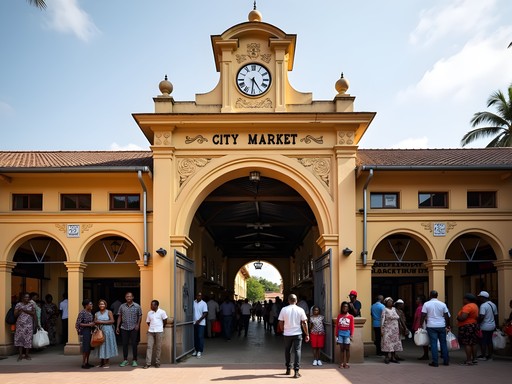
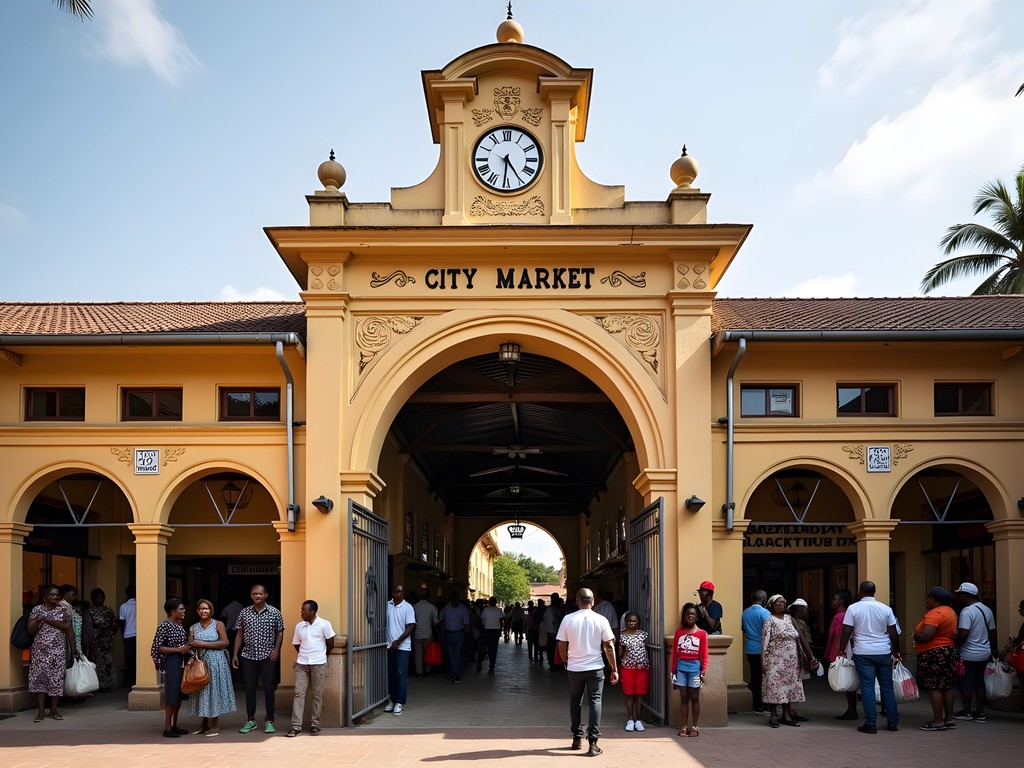
No anthropological exploration of Nairobi's material culture would be complete without visiting the bustling City Market downtown. Unlike the more tourist-oriented venues, this municipal market primarily serves local residents, offering an unfiltered glimpse into everyday Nairobi life.
The market's architecture itself tells a story—built in 1930 during British colonial rule, its design reflects European covered market traditions adapted to African commercial practices. The original colonial-era clock still marks time above the main entrance on Muindi Mbingu Street.
While the ground floor focuses on fresh produce, meat, and flowers, the upper level houses craft vendors selling everything from traditional musical instruments to contemporary fashion. What makes this market anthropologically valuable is observing how imported goods interact with local crafts, creating hybrid forms that reflect Kenya's position in global trade networks.
For textile enthusiasts, look for kitenge fabric vendors who can direct you to nearby tailors. These vibrant printed cottons can be transformed into custom clothing within 24-48 hours at reasonable prices. I've commissioned several pieces over the years, including a beautifully tailored jacket that consistently earns compliments.
The market's sensory intensity can be overwhelming for some visitors. I recommend wearing comfortable shoes with good support, as floors can be uneven and occasionally wet. My walking sandals have proven ideal for navigating such environments—secure enough for uneven surfaces yet breathable in Nairobi's warmth.
Navigating City Market requires more cultural awareness than other shopping venues. Dress modestly, keep valuables secure, and be prepared to engage with vendors who may be less accustomed to international visitors. The reward is discovering authentic crafts at local prices and experiencing the vibrant commercial heart of everyday Nairobi.
💡 Pro Tips
- Visit between 10am-2pm when all stalls are open but before afternoon crowds
- Bring small denominations of Kenyan shillings for easier transactions
- Consider hiring a local guide through your hotel for a more informed experience of the market's hidden corners
Final Thoughts
As I've witnessed across three decades of studying material culture, Nairobi's markets represent microcosms of Kenya's broader cultural dynamics—traditional practices adapting to contemporary realities, rural aesthetics finding urban expression, and artisanal knowledge navigating global economic pressures. The souvenirs you choose become more than decorative objects; they're tangible connections to the communities that created them. When you return home with a hand-carved olive wood bowl or intricately beaded jewelry, you carry with you not just an object but a thread in Kenya's ongoing cultural narrative. I encourage you to ask questions, learn makers' names when possible, and understand the contexts behind your purchases. The most meaningful souvenirs aren't necessarily the most expensive but those whose stories you can authentically share. Whether you're a first-time visitor or returning traveler, approach Nairobi's markets with curiosity, respect, and the understanding that ethical purchasing decisions help preserve craft traditions for future generations.
✨ Key Takeaways
- Research market days and locations before your trip to maximize shopping opportunities
- Budget extra time for the personalized interactions that make market shopping meaningful
- Consider how your purchases support sustainable livelihoods and cultural preservation
- Look beyond obvious souvenirs to find items with authentic connections to Kenyan daily life
📋 Practical Information
Best Time to Visit
year-round, though April-May rainy season can affect outdoor markets
Budget Estimate
$30-100 per person for quality souvenirs, depending on preferences
Recommended Duration
2-3 days to explore multiple markets without rushing
Difficulty Level
Beginner (With Moderate Street Awareness In Downtown Locations)







Comments
wildmood
Great write-up! I've been to Nairobi 4 times now and the markets never get old. One thing I'd add is that the Maasai Market schedule does change sometimes, so always check locally or ask your hotel before heading out. Also the one at High Court on Fridays tends to be the biggest with the most variety. Utamaduni is perfect if you're short on time or don't want the hassle of bargaining - fixed prices but still very reasonable. The soapstone carvings from Kisii are my favorite souvenirs to bring home.
backpacklife8488
Love the photos!
Douglas Bradley
Fantastic post, Samantha! Your anthropological perspective adds so much depth to what could otherwise be just another shopping guide. I visited the Kazuri Beads Workshop last month and was deeply moved by their social enterprise model. The tour showing how they transform clay into those vibrant beads was fascinating, and knowing my purchases directly supported single mothers made them even more meaningful. For anyone planning a visit, I'd add that Spinners Web is best on weekday mornings when it's quieter and you can really chat with some of the artisans. Also worth mentioning is Kiko Romeo in the Yaya Centre - they do incredible contemporary fashion using traditional Kenyan textiles. I documented my whole Nairobi craft journey using my travel journal which has special sections for shopping discoveries.
islandhero7645
Thanks for the Kiko Romeo tip! Heading to Nairobi next month and adding it to my list.
Douglas Bradley
Happy to help! If you're there on a Tuesday, that's when the Maasai Market is at The Village Market mall - much more organized than the downtown locations but still authentic.
islandhero7645
This brings back so many memories! The Maasai Market was sensory overload in the best way. Got some amazing soapstone carvings there last year.
Douglas Bradley
Did you manage to bargain much at the Maasai Market? I found the initial prices were always at least double what locals would pay.
islandhero7645
Oh definitely had to haggle! Started at about 1/3 of their first price and we met somewhere in the middle. Got pretty good at it by the end of the trip lol
luckymood
Just got back from Nairobi and wish I'd seen this before going! The Maasai Market was incredible but I totally missed Spinners Web. Next time!
beachbuddy
Going to Nairobi in April for the first time! Is the Maasai Market safe for tourists? And do they take credit cards or cash only?
wildmood
Cash only! And yeah it's safe during the day, just watch your bag like any market. Take small bills for bargaining.
Hunter Thompson
Definitely safe! Just keep valuables close and don't flash expensive cameras around. The vendors are lovely and it's busy with tourists and locals. Cash is king though, bring shillings.
redguide
Does Maasai Market really move to different locations? How do you know where it is?
Claire Hawkins
Yes! Different spot each day. Tuesday is Village Market, Friday at the Yaya Centre, Sunday at High Ridge. Just google 'Maasai Market schedule Nairobi' before you go - there are a few sites that keep it updated. Sunday at High Ridge was my favorite, huge selection!
mountainqueen
Is it safe to take an uber to these markets?
hikingguy
Yeah totally fine. Used Uber everywhere in Nairobi, no problems
freeguy
Love the photos!
Sage Dixon
Samantha, this brought back so many memories! I stumbled into Spinners Web completely by accident in 2019 while trying to escape a sudden downpour. Ended up spending two hours talking to the owner about the artisan cooperatives she works with. Bought this incredible woven basket that now sits in my living room and starts conversations every time someone visits. The stories behind these pieces matter so much more than the mass-produced stuff at airport shops.
Venture X
Premium card with 2X miles, $300 travel credit, Priority Pass