

Disclosure: This article contains affiliate links. We may earn a commission from purchases at no extra cost to you, which helps our travel content.
Kenya has always held a special place in my heart, a sentiment that has only deepened with each visit over my three decades of traversing the globe. While many travelers view Nairobi merely as a gateway to more distant safari destinations, I've discovered that the capital itself serves as an exceptional base for remarkable wildlife encounters. The city's unique positioning—a metropolis where urban life exists in delicate harmony with the wild—creates opportunities for day excursions that rival multi-day safaris elsewhere on the continent. During my recent summer sojourn, I explored seven magnificent wildlife destinations, all accessible within a day's journey from Nairobi's luxury accommodations. Each excursion offers something uniquely captivating for families seeking to introduce their children to Africa's magnificent fauna without sacrificing comfort or authentic experiences. Karibu to Nairobi's wild side—where unforgettable encounters await just beyond the city limits.

Nairobi National Park: The Urban Wilderness
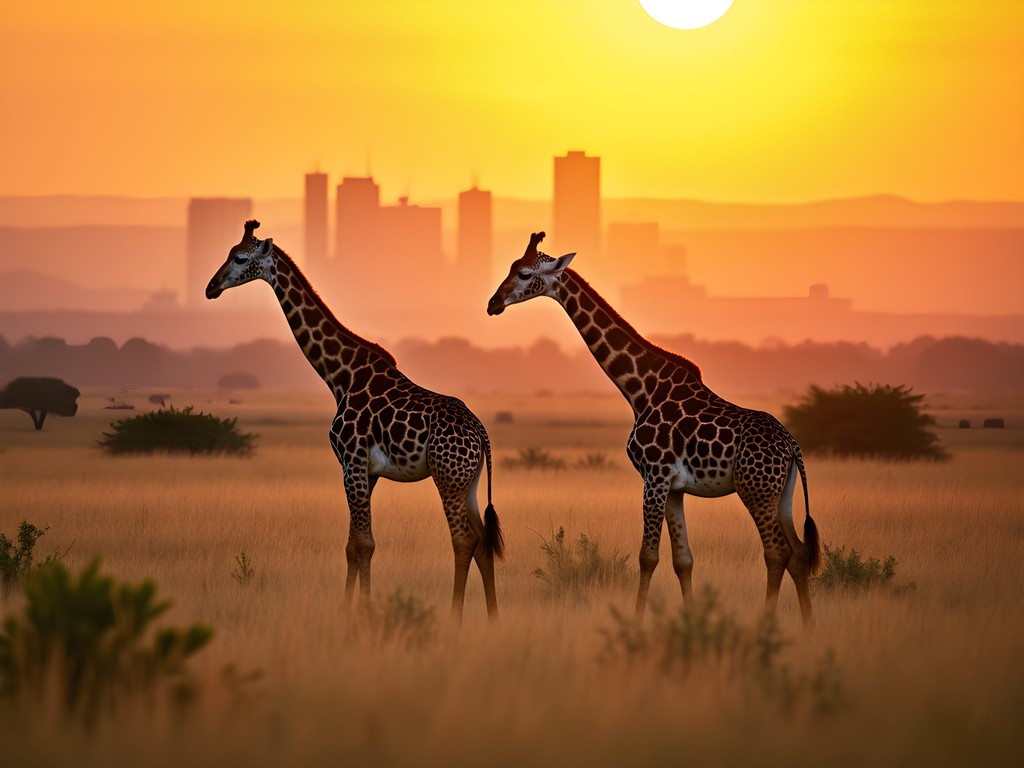
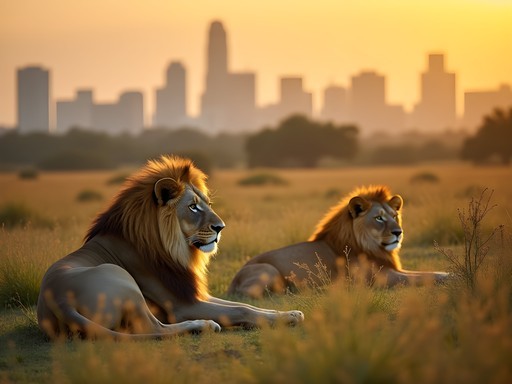
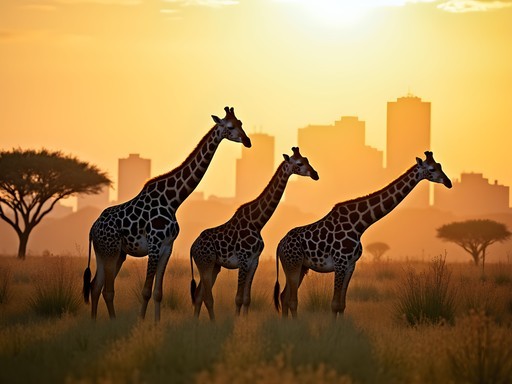
Merely a 20-minute drive from my suite at the Hemingways Nairobi, I found myself transported from urban sophistication to wild savanna with astonishing speed. Nairobi National Park defies conventional wisdom about wildlife viewing—here, giraffes stride across golden grasslands against a backdrop of skyscrapers, creating surreal photographic opportunities that my clients consistently treasure.
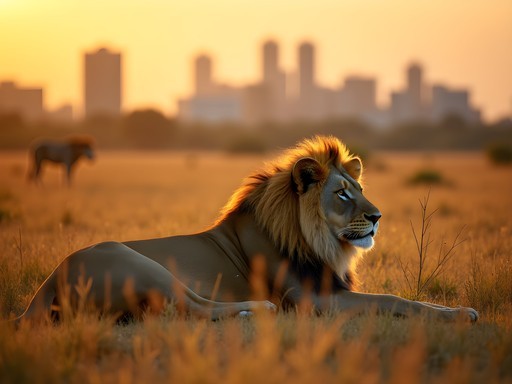
On my most recent visit, I arranged for a private guide through the hotel's concierge, allowing us to depart at dawn when the light bathes the landscape in amber hues and predators are most active. Within the first hour, we encountered a pride of lions lounging near a watering hole, their tawny coats glowing in the morning light. The juxtaposition of these apex predators against Nairobi's skyline creates an unforgettable tableau that speaks to Kenya's remarkable conservation ethos.
The park's compact nature (117 square kilometers) makes it ideal for families with children whose attention spans might not endure longer game drives. Yet this accessibility sacrifices nothing in terms of wildlife diversity—beyond the Big Five (minus elephants), over 400 bird species can be spotted here. My guide, Mwangi, whose Kikuyu ancestry gives him an intimate connection with this land, pointed out subtleties I would have missed entirely, including a serval cat camouflaged in tall grass, hunting for rodents with mathematical precision.
For photography enthusiasts, I recommend bringing a versatile telephoto zoom lens that can capture both wide landscape shots with the city backdrop and close-ups of wildlife. The park's relatively open terrain makes photography particularly rewarding, even for amateurs.
💡 Pro Tips
- Book a private safari vehicle rather than joining a group tour—the flexibility to linger at sightings is invaluable
- Visit on weekdays to avoid local weekend crowds
- Pack a quality pair of binoculars for each family member, including children
Giraffe Centre: Eye-to-Eye Encounters
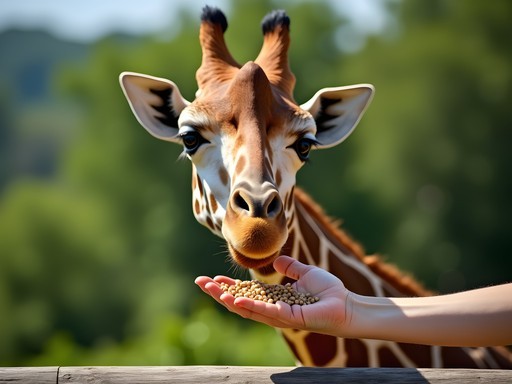
Few wildlife experiences have elicited such genuine delight from my traveling companions as feeding Rothschild giraffes at the Giraffe Centre in Langata. This conservation center, dedicated to protecting this endangered subspecies, offers an intimate encounter that transcends the typical wildlife viewing experience.
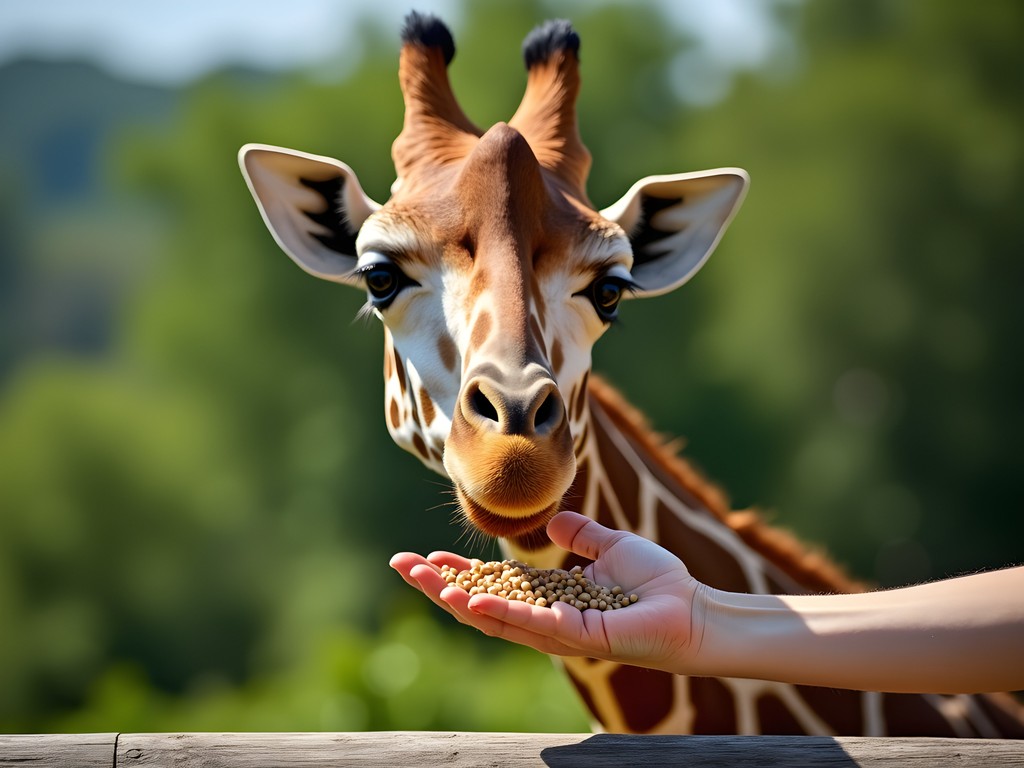
The raised wooden platform ingeniously positions visitors at eye level with these gentle giants, creating opportunities for what I call 'cross-species communion'—moments of genuine connection as these magnificent creatures delicately pluck food pellets from your hand with their prehensile tongues. For families, this controlled environment provides a perfect introduction to wildlife interaction, combining education with unforgettable tactile experiences.
During my visit last summer, I arrived shortly after opening at 9:00 AM, before tour buses descended. This timing afforded me nearly private access to Daisy, a female giraffe whose 18-inch tongue demonstrated remarkable dexterity as she retrieved treats from my palm. The center's knowledgeable guides—many speaking multiple languages—shared fascinating insights about giraffe biology and conservation challenges.
The educational aspect extends beyond casual observation. The center's lecture hall hosts informative presentations throughout the day, where conservationists explain their breeding program and reintroduction efforts. For families with school-aged children, these sessions transform an entertaining wildlife encounter into a meaningful conservation lesson.
Consider combining your visit with the adjacent Giraffe Manor if your budget permits. While staying at this exclusive boutique hotel requires booking months in advance, afternoon tea on the terrace (available to non-guests by reservation) offers a glimpse of the property's famous breakfast experience where giraffes poke their heads through windows.
💡 Pro Tips
- Visit early morning or late afternoon when giraffes are most active and crowds are thinner
- Bring hand sanitizer—giraffe saliva is surprisingly sticky
- Purchase the special 'giraffe food' on-site rather than bringing your own treats, which may not meet dietary requirements
David Sheldrick Wildlife Trust: Elephant Orphanage
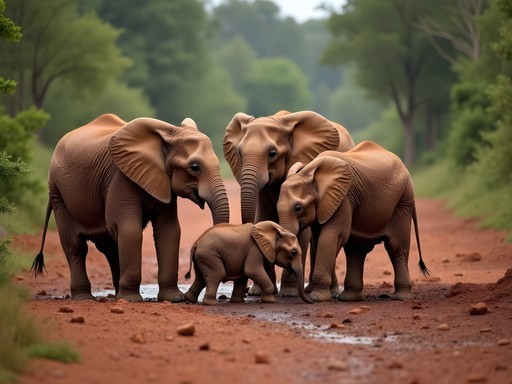
Few conservation initiatives have captured my heart as thoroughly as the David Sheldrick Wildlife Trust's elephant orphanage. Located on the edge of Nairobi National Park, this sanctuary represents conservation work at its most poignant—rescuing baby elephants orphaned by poaching or human-wildlife conflict.
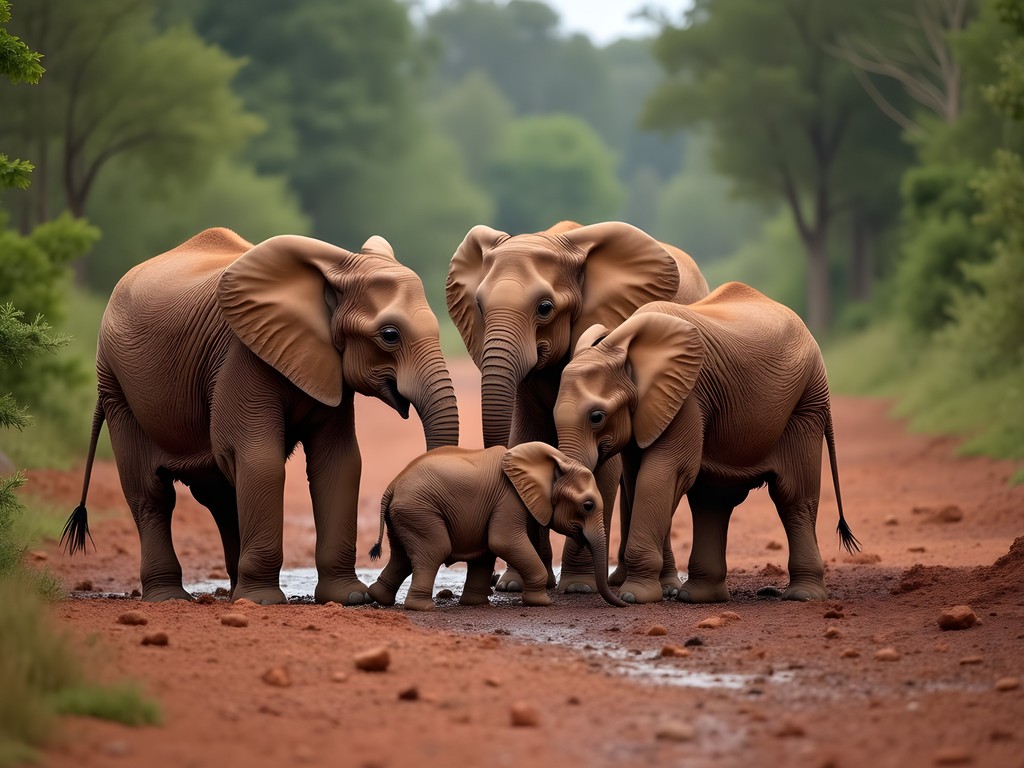
The public visiting hour (11 AM to noon daily) offers families a rare glimpse into the rehabilitation process as the young elephants emerge from the forest for their mid-day feeding and mud bath. During my most recent visit, I watched transfixed as Musiara, a 14-month-old calf rescued from Masai Mara, playfully rolled in red earth before attempting to engage his human keepers in a game of chase.
What elevates this experience beyond mere wildlife viewing is the educational narrative provided by the keepers, many of whom speak both Swahili and English. They share each orphan's rescue story, explaining the complex rehabilitation process and the ultimate goal—reintroduction to wild herds in Tsavo National Park. For children, these personalized narratives transform abstract conservation concepts into emotional connections with individual animals.
I highly recommend the Trust's foster program, which allows visitors to 'adopt' an elephant for an annual donation (starting at $50). Foster parents receive monthly updates and can arrange private afternoon visits to see their adopted elephants return from the forest. During these exclusive sessions, limited to foster parents only, you'll enjoy a more intimate experience away from the midday crowds.
For families planning extended stays in Kenya, I suggest timing your Nairobi arrival or departure to coincide with this experience. After dozens of safaris across Africa, I still find myself deeply moved watching these young elephants—their playful antics belying the trauma many have endured, their resilience a testament to both conservation expertise and the remarkable emotional intelligence of these magnificent creatures.
💡 Pro Tips
- Arrive by 10:30 AM to secure a good viewing position along the rope barrier
- Foster an elephant in advance for exclusive afternoon visiting privileges
- Bring a zoom lens for capturing detailed elephant behaviors and expressions

Lake Nakuru National Park: Flamingo Paradise
Though requiring an early departure from Nairobi (I recommend leaving by 6:00 AM), Lake Nakuru National Park rewards the ambitious day-tripper with one of Kenya's most diverse ecosystems—all within a manageable 188 square kilometers. The two-hour drive northwest through the Great Rift Valley offers spectacular vistas that serve as a scenic prelude to the main attraction.
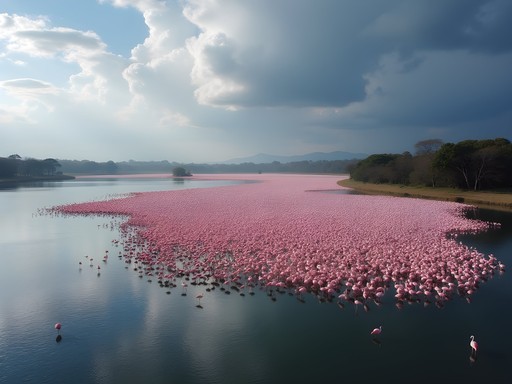
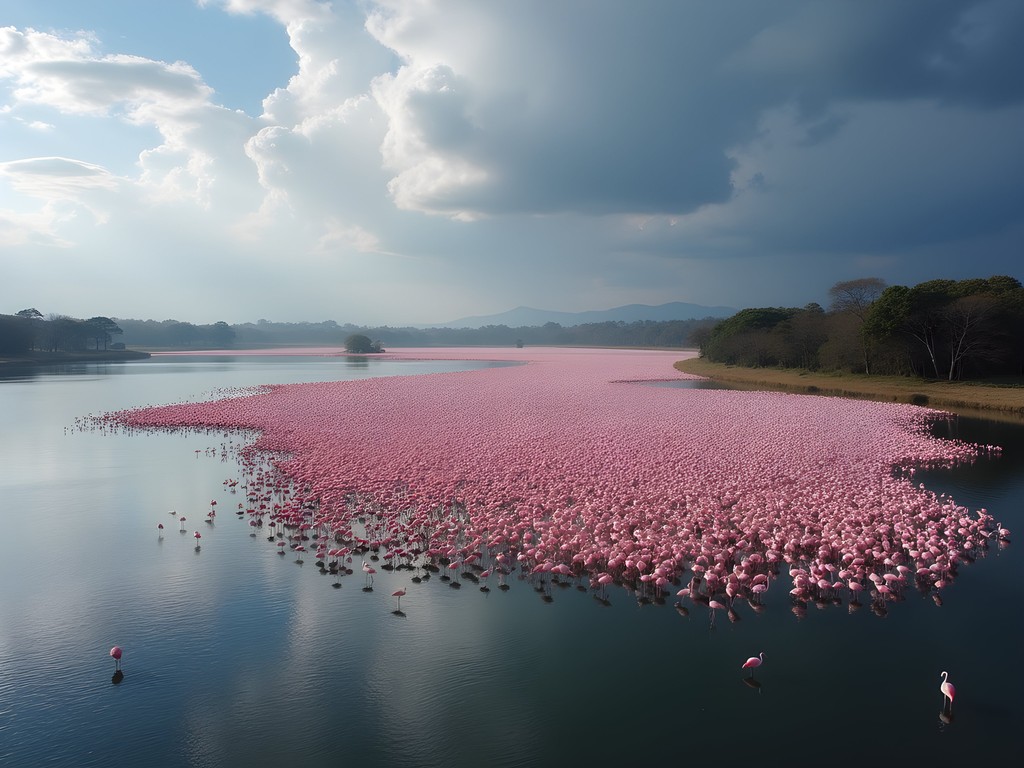
While Lake Nakuru's famous flamingo populations have fluctuated in recent years due to changing water levels, the spectacle of thousands of these birds creating a shimmering pink carpet along the lakeshore remains one of Africa's most mesmerizing natural displays. During my visit last July, I was fortunate to witness substantial numbers—though not the millions of decades past—their synchronized movements creating rippling waves of coral pink against the alkaline blue waters.
Beyond the flamingos, Nakuru offers exceptional diversity. The park hosts both black and white rhinos, making it one of the most reliable locations in Kenya to observe these endangered species. My guide, Kimani, demonstrated remarkable tracking skills, leading us to a female white rhino and her calf grazing peacefully near a euphoria thicket—a sighting that elicited gasps from my companions.
The park's elevation (approximately 1,754 meters above sea level) creates a comfortable climate even during summer months, making it suitable for families with younger children. The well-maintained roads also make this one of the more accessible safari experiences, though I still recommend arranging transportation through a reputable operator rather than self-driving.
For optimal comfort during the long day trip, I suggest investing in a quality travel pillow for the journey and bringing a reusable water bottle to stay hydrated throughout the day. The latter has proven invaluable during my extensive travels, particularly its self-cleaning feature which addresses concerns about water quality.
💡 Pro Tips
- Pack a substantial picnic lunch—the park's dining options are limited
- Bring layers as temperatures can vary significantly between morning and midday
- Visit during weekdays to avoid domestic tourism crowds from Nairobi
Hell's Gate National Park: Walking Among Wildlife
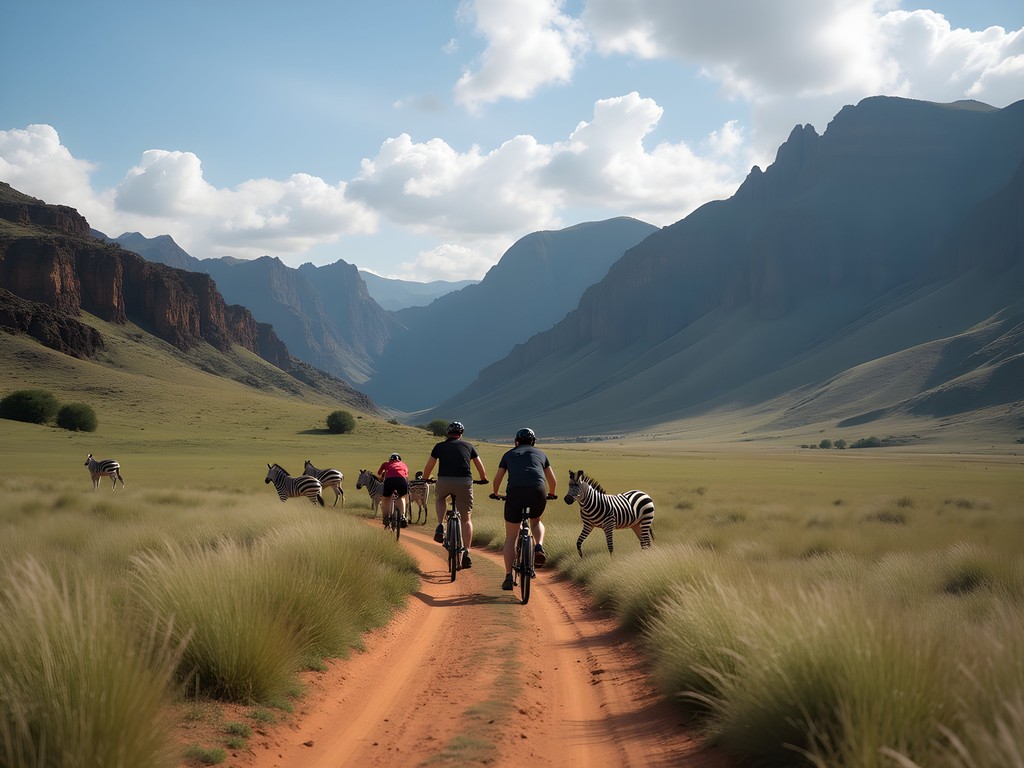
For families seeking a more active wildlife experience, Hell's Gate National Park offers a refreshing departure from vehicle-bound safaris. Located approximately two hours northwest of Nairobi near Lake Naivasha, this geological wonder allows visitors the rare opportunity to explore African wilderness on foot or bicycle—an experience that connects you to the landscape in ways impossible from behind a vehicle window.
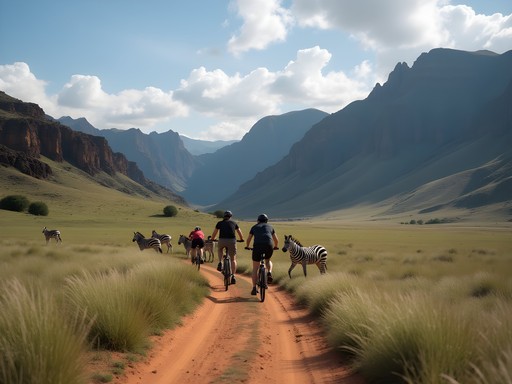
The park's dramatic scenery—towering cliffs, volcanic formations, and deep gorges—may seem familiar to Disney enthusiasts; it reportedly inspired landscapes in 'The Lion King.' But beyond cinematic recognition, Hell's Gate offers a uniquely immersive experience. During my visit last summer, I arranged bicycles through my tour operator (though rentals are available at the gate) and spent a magnificent morning cycling past grazing zebras and giraffes, the absence of engine noise allowing us to approach much closer than typically possible.
The centerpiece of any visit is the walking tour through Ol Njorowa Gorge (the 'Hell's Gate' itself), where local Maasai guides lead visitors through a narrow canyon adorned with hot springs and distinctive rock formations. My guide, Lemalon, enhanced the experience immeasurably, seamlessly switching between geological explanations and Maasai folklore about the area's formation. His command of multiple languages—including his native Maa, Swahili, English, and surprisingly competent French—allowed him to connect with every member of our diverse group.
For families with teenagers, the park's rock climbing opportunities at Fischer's Tower provide an additional adventure element. I observed several guided climbing excursions during my visit—the participants' expressions of triumph upon reaching the summit suggesting an experience worth considering for athletically inclined families.
The park's relatively low predator population makes this walking safari considerably safer than similar concepts elsewhere, though I still recommend maintaining awareness of buffalo and other potentially dangerous herbivores. The geothermal activity (including active hot springs) adds another fascinating dimension, particularly for children with scientific interests.
💡 Pro Tips
- Start cycling early morning when temperatures are cooler and animals more active
- Hire a local Maasai guide for the gorge walk—their cultural insights are as valuable as their navigational knowledge
- Apply sunscreen generously—the high altitude intensifies sun exposure
Ol Pejeta Conservancy: Rhino Sanctuary
Though pushing the boundaries of a 'day trip' at three hours each way from Nairobi, Ol Pejeta Conservancy represents such an extraordinary conservation success story that I consider it well worth the journey. This 90,000-acre private conservancy in Laikipia County has transformed from a cattle ranch to Kenya's largest black rhino sanctuary and the only place in East Africa where you can observe chimpanzees.
My relationship with Ol Pejeta spans nearly two decades, allowing me to witness its remarkable evolution firsthand. What continues to distinguish this conservancy is its innovative integration of wildlife conservation, community development, and sustainable cattle ranching—a model increasingly recognized as the future of African conservation.
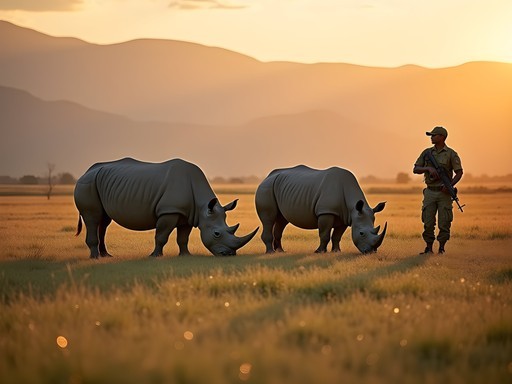
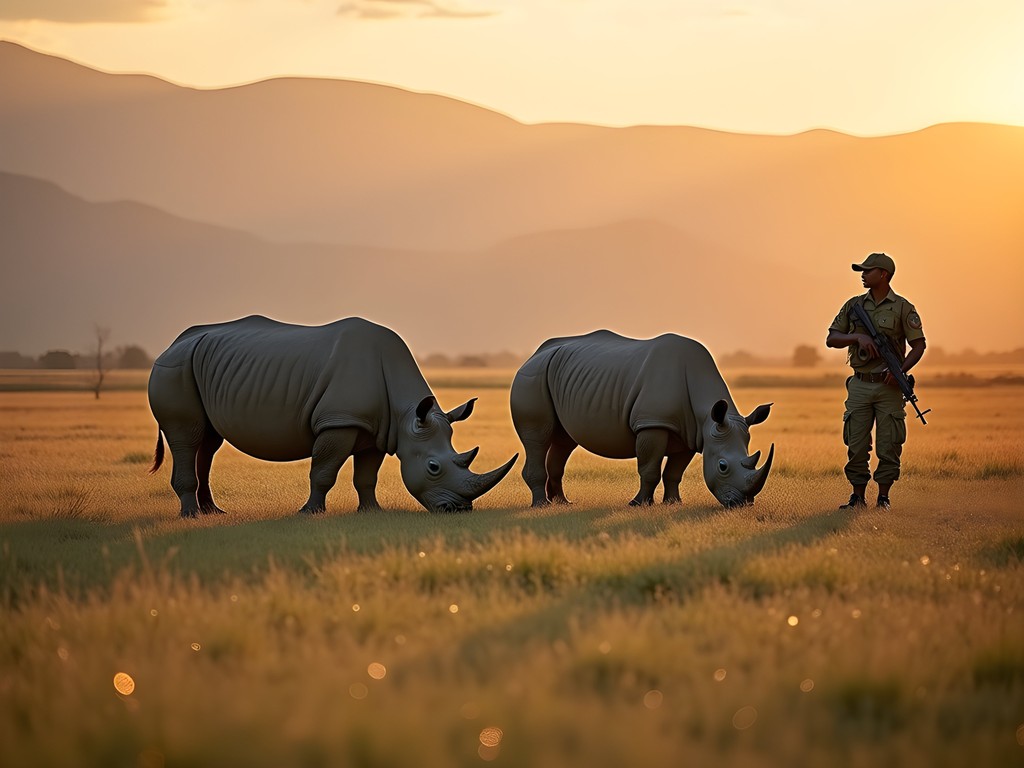
The conservancy achieved global recognition as home to Sudan, the world's last male northern white rhino who passed in 2018. Today, visitors can meet his daughter and granddaughter—Najin and Fatu—the last two northern white rhinos on Earth. Standing in their presence delivers a profound conservation message more powerful than any documentary or lecture could convey. For families, this encounter provides an unparalleled opportunity to discuss extinction and conservation in concrete, meaningful terms.
Beyond rhinos, Ol Pejeta hosts all of the 'Big Five' within its boundaries. During my most recent visit, we encountered an extraordinary pride of lions—17 individuals including several cubs—lounging near the conservancy's eastern boundary. Our guide, Jackson, demonstrated remarkable expertise, positioning our vehicle to capture perfect photographs without disturbing their rest.
For the ultimate luxury experience, I recommend the Swarovski Optik binoculars which I've carried throughout my safari journeys. While representing a significant investment, their exceptional light-gathering capabilities and crystal clarity transform wildlife viewing, particularly in challenging conditions like dawn and dusk when animals are most active.
💡 Pro Tips
- Book a private vehicle and guide through the conservancy rather than self-driving
- Participate in the 'Behind the Scenes' conservation tour for deeper insights into rhino protection
- Consider an overnight stay if your schedule permits—the conservancy's luxury tented camps offer exceptional wildlife viewing
Crescent Island: Walking Safari on Lake Naivasha
Perhaps the most unexpected wildlife experience near Nairobi can be found on Crescent Island—a private game sanctuary situated on Lake Naivasha approximately 90 minutes from the capital. What makes this destination extraordinary is not the diversity of species (though impressive) but rather the unparalleled walking safari experience it offers.
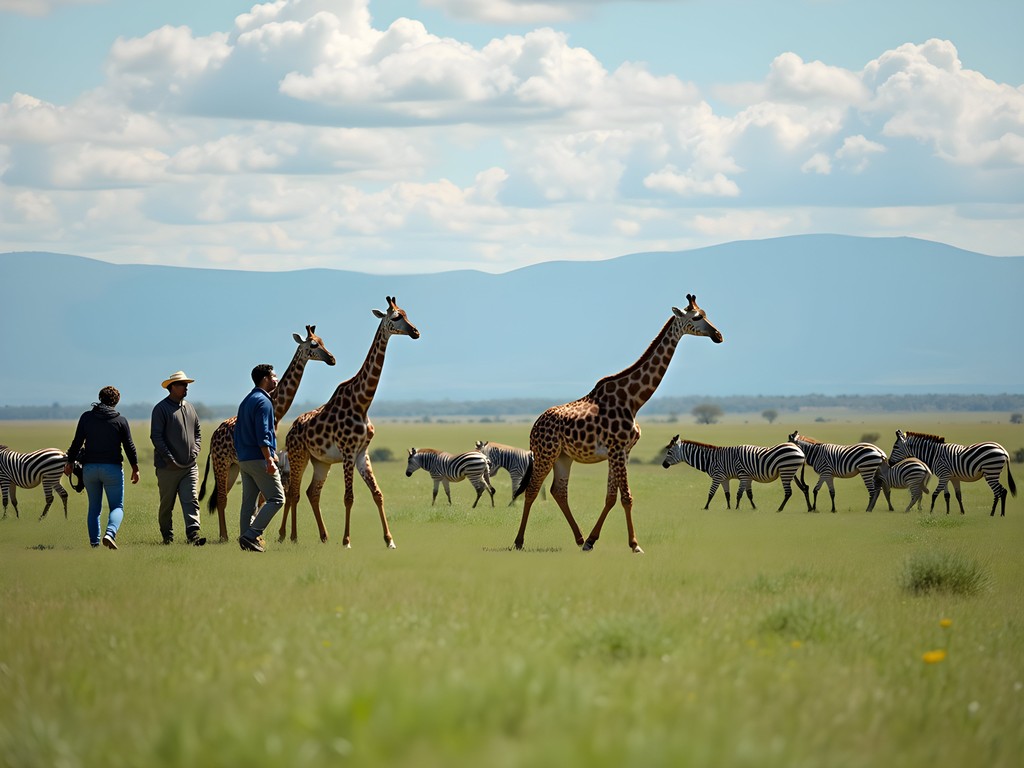
Created when rising waters transformed a peninsula into an island during the filming of 'Out of Africa,' this crescent-shaped sanctuary now hosts abundant wildlife without predators—creating a uniquely safe environment for walking among wild animals. During my visit last summer, I spent a glorious afternoon strolling within meters of giraffes, zebras, and gazelles, their behavior noticeably relaxed in the absence of vehicles.
The island's relatively small size (approximately 30 acres) makes it ideal for families with younger children who might struggle with longer excursions. The gentle terrain accommodates various fitness levels, while the absence of dangerous predators provides peace of mind for parents. My guide, Joseph, demonstrated remarkable patience with the children in our group, adjusting his pace to their enthusiasm and curiosity.
What particularly impressed me was Joseph's knowledge of the island's ecosystem. A trained naturalist rather than simply a guide, he explained the delicate balance between herbivore populations and vegetation, pointing out subtle evidence of ecological health or stress that I would have certainly overlooked. His explanation of giraffe feeding patterns—delivered while we stood merely fifteen feet from a towering male browsing on acacia—transformed casual observation into meaningful education.
For photography enthusiasts, the walking experience allows for unique perspectives impossible from vehicles. I recommend bringing a wide-angle lens to capture the extraordinary proximity to wildlife while including the dramatic backdrop of Lake Naivasha and the surrounding mountains.
The island's boat transfer adds another dimension to the experience, offering opportunities to observe hippos and abundant water birds along the journey. We spotted over 30 species during our crossing, including magnificent fish eagles and the colorful malachite kingfisher.
💡 Pro Tips
- Wear comfortable walking shoes with ankle support for uneven terrain
- Bring a wide-brimmed hat and sunscreen—shade is limited on much of the island
- Request Joseph as your guide if available—his botanical knowledge adds tremendous value
Final Thoughts
As my helicopter lifted off from Wilson Airport on my final morning in Nairobi, I gazed down at the sprawling metropolis gradually giving way to savanna, and reflected on Kenya's remarkable conservation ethos. These seven destinations represent not merely wildlife viewing opportunities, but windows into a nation that has pioneered the delicate balance between development and preservation. For families seeking to introduce children to Africa's magnificent fauna, these day trips from Nairobi offer an ideal combination of accessibility, comfort, and authentic encounters. Whether you have merely a day between international connections or a full week to explore from a luxury hotel base, these excursions deliver experiences that rival multi-day safaris elsewhere on the continent. As we say in Swahili, safari njema—may your journey be good. The wildlife of Nairobi's hinterland awaits.
✨ Key Takeaways
- Nairobi offers world-class wildlife viewing experiences accessible as day trips from luxury accommodations
- Early morning departures maximize wildlife sightings and minimize exposure to midday heat and crowds
- Combining vehicle safaris with walking experiences provides a more comprehensive understanding of Kenya's ecosystems
- Engaging knowledgeable local guides transforms casual wildlife viewing into meaningful educational experiences
📋 Practical Information
Best Time to Visit
June to September (dry season)
Budget Estimate
$500-1200 per day depending on exclusivity of experiences
Recommended Duration
5-7 days to experience multiple destinations without rushing
Difficulty Level
Intermediate



Comments
skylover
The giraffe photos are amazing!
Jennifer Rodriguez
Great roundup! I did three of these last year on a tight budget. One tip - you can actually combine Giraffe Centre with the elephant orphanage in one morning since they're relatively close. Uber between them cost me about $8. For Lake Nakuru, I went with a local tour operator I found through my hostel and split the cost with three other travelers - came out to about $45 per person including park fees and lunch. Way cheaper than the $200+ private tours. The flamingos were absolutely worth it though the numbers vary by season.
skylover
Which hostel did you stay at? Looking for budget options
Jennifer Rodriguez
Wildebeest Eco Camp in Karen. About $15/night for a dorm bed and they organize tours.
citytime
How early do you need to get to the elephant orphanage? Is it super crowded?
Jennifer Rodriguez
Get there by 10:45am at the latest! The feeding is at 11am and it fills up fast. I'd actually recommend going on a weekday if you can - weekends are packed with locals and tourists. The whole thing only lasts about an hour so don't be late.
citytime
Thanks! Super helpful
luckyninja
Going there next month! Is it safe to do these trips solo?
Frank Garcia
Yeah totally safe! Just use common sense like any big city. The tourist sites are very well organized
Frank Garcia
Great breakdown Hunter! I spent 10 days around Nairobi last year and your list captures the essentials perfectly. One thing I'd add for budget travelers - you can actually take matatus (local minibuses) to most of these spots for a fraction of the cost. Nairobi National Park has a gate accessible by public transport, and the Giraffe Centre is reachable via matatu to Karen then a short walk. Lake Nakuru is trickier without your own transport though. The contrast between urban Nairobi and the wildlife literally at the city's edge is something you don't see anywhere else in the world.
summerzone
Did the elephant orphanage last year and it was honestly one of the best experiences of my life. Just a heads up - you need to book ahead because they only do viewing at 11am and it fills up fast. The baby elephants are so playful! We also combined it with Nairobi National Park in one day which worked out really well. If you're doing Lake Nakuru, give yourself a full day - it's about 3 hours drive each way but totally worth it for the flamingos and rhinos.
freelife
Thanks for the tip! Did you rent a car or hire a driver?
summerzone
We hired a driver through our hotel. Way less stressful and he knew all the best spots
freelife
The Giraffe Centre looks amazing! Adding this to my bucket list
luckyninja
Same! Those giraffes are so cute
TravelWithTina
Those giraffe photos are absolutely stunning! What camera settings did you use?
safari_dreamer
Great post! How much time would you recommend for Lake Nakuru? Is it doable as a day trip or better as overnight?
Hunter Morales
It's doable as a day trip but it makes for a very long day (3 hours each way). If you can spare the time, I'd recommend staying overnight to catch both sunset and sunrise over the lake - the flamingo views are spectacular in that golden light!
Casey Andersson
Hunter, this brought back so many memories! I visited these same spots last year and was blown away by how accessible they are from Nairobi. The elephant orphanage was my absolute highlight - watching those baby elephants play in the mud was pure joy! For anyone planning to visit Nairobi National Park, I'd recommend going at sunrise when the animals are most active. We saw four lions lounging on a rock with the city skyline behind them - such a surreal photo opportunity. I used my telephoto lens which was perfect for wildlife shots without disturbing the animals. Did you make it to Hell's Gate National Park? That was another favorite of mine - cycling among zebras and giraffes felt unreal!
Hunter Morales
Great tip about sunrise at the park, Casey! I didn't make it to Hell's Gate this trip but it's definitely on my list for next time. Your cycling adventure sounds incredible!
wildlifefan22
I'm heading to Nairobi next month and wondering if it's worth renting a car for these day trips or if guided tours are better? Anyone have experience with both?
Casey Andersson
@wildlifefan22 I'd recommend guided tours for first-timers. The local guides know exactly where to find animals and handle all the logistics. For Nairobi National Park specifically, having someone who knows the terrain is invaluable!
Venture X
Premium card with 2X miles, $300 travel credit, Priority Pass