


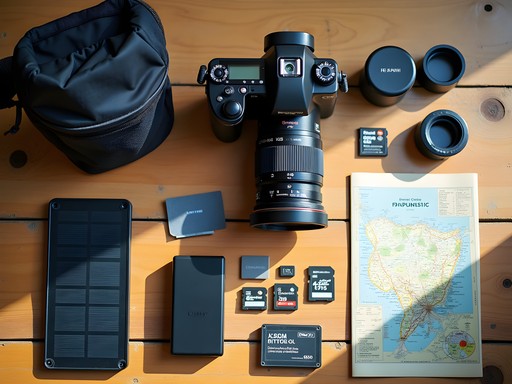
Disclosure: This article contains affiliate links. We may earn a commission from purchases at no extra cost to you, which helps our travel content.
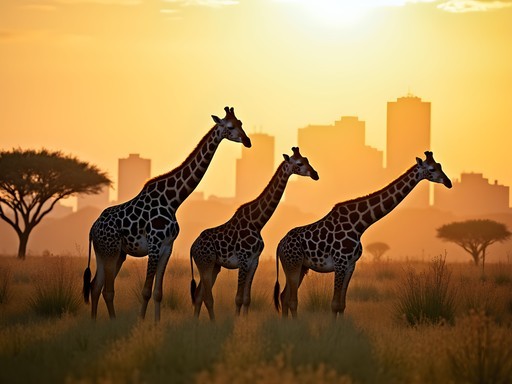
After decades of traveling with my camera, few places ignite my creative spirit like Nairobi. This vibrant metropolis—where giraffes roam against a backdrop of skyscrapers—is a photographer's terrain de jeu parfait (perfect playground). Having first visited Kenya on that life-changing company retreat 25 years ago, I've returned countless times to document this city's remarkable evolution. Whether you're tracking urban wildlife or capturing the pulse of East Africa's most dynamic city, Nairobi offers endless visual narratives waiting to be framed.

Nairobi National Park: The Urban Safari Experience
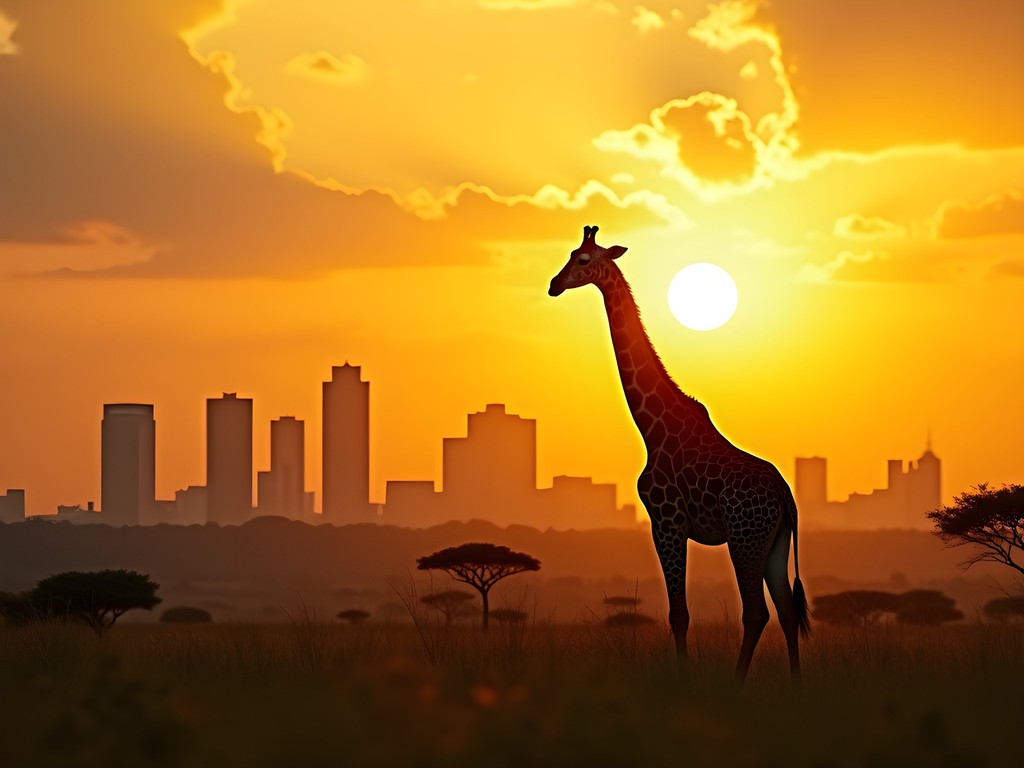
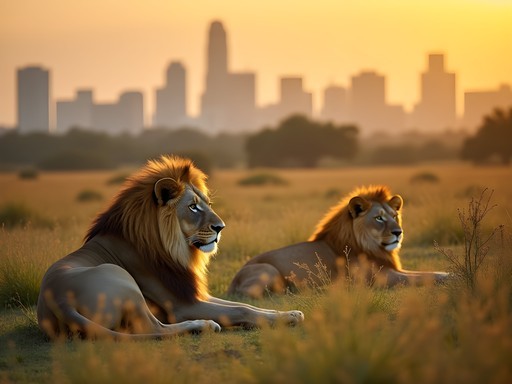
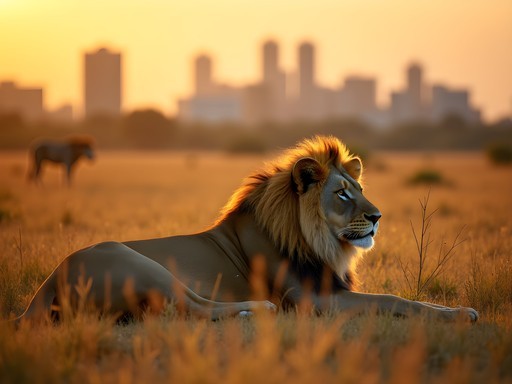
The juxtaposition of wild animals against Nairobi's skyline creates what I call a 'visual boss level' for photographers. This 117 square kilometer sanctuary, just 7km from the city center, offers an experience unlike any other urban park in the world.
On my last visit with my grandson Luc, we arrived at the east gate by 6:30 AM—the golden hour is truly golden here. The early light bathes the savanna in warm tones that make lions and zebras appear as if they've been digitally enhanced. C'est magique!
For telephoto work, I rely on my lens stabilizer to capture those crystal-clear shots of distant wildlife. The park's diverse habitats—from open grasslands to acacia woodlands—house over 400 bird species and 80 mammal species including the endangered black rhino.
What makes this park a photographer's dream is the accessibility. Unlike remote safaris requiring specialized vehicles, here you can capture incredible wildlife imagery and still be back in the city for lunch at a trendy café. It's like playing a game with multiple save points—you can always return to civilization when needed.
💡 Pro Tips
- Arrive at the park gates before sunrise for optimal lighting and active wildlife
- Book a specialized photography safari vehicle with a pop-up roof for unobstructed shots
- Use the park's elevation changes to capture dramatic compositions with the city skyline
Capturing Cultural Nairobi: Markets, Streets, and Stories
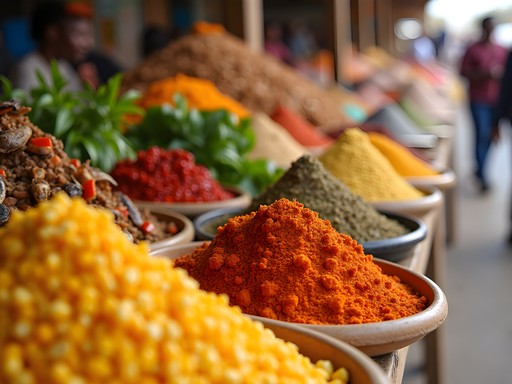
Nairobi's cultural tapestry offers endless photographic narratives beyond wildlife. The city pulses with color, movement, and humanity—elements that challenge and reward the observant photographer.
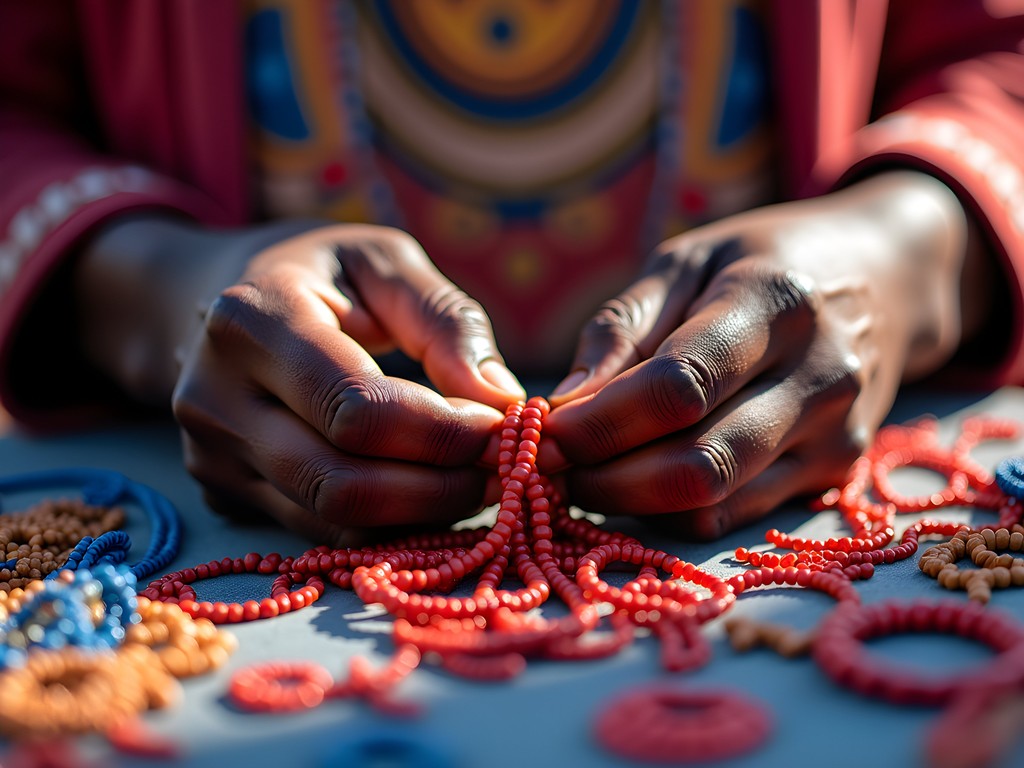
Maasai Market (which rotates locations throughout the week) remains my favorite cultural immersion. Unlike the structured game environments I design professionally, markets are gloriously unpredictable. Last year, I spent three hours documenting artisans creating intricate beadwork, their fingers moving with the precision of the most sophisticated animation sequences I've coded.
For street photography, I've learned that respecting local customs is non-negotiable. My approach is simple: connect first, photograph second. A small instant printer has become my secret weapon—offering printed portraits to subjects creates goodwill and often leads to more authentic photographs and meaningful conversations.
The Central Business District transforms dramatically from morning to evening. Dawn reveals street vendors setting up, midday brings business energy, and dusk offers a golden glow on the architecture. Each phase presents distinct photographic opportunities—like different levels in a well-designed game.
💡 Pro Tips
- Learn a few Swahili phrases to build rapport before photographing locals
- Visit Kenyatta Market on Tuesdays when fabric vendors create vibrant color displays
- Use a discreet camera setup in crowded areas—my weathered camera strap attracts less attention than brand new gear
Urban Wildlife Beyond the Park: Giraffe Centre & Elephant Orphanage
Nairobi offers controlled wildlife encounters that provide exceptional photography opportunities, especially valuable when traveling with family or when you desire closer access than the national park permits.
The Giraffe Centre in Langata allows for extraordinary eye-level portraits of Rothschild giraffes. Quelle expérience! There's something magical about framing those enormous eyes and distinctive patterns from just meters away. For the best light, arrive when they open at 9 AM or in the late afternoon around 4 PM when the sun creates beautiful rim lighting on the giraffes' elegant profiles.
For truly emotional wildlife photography, the David Sheldrick Wildlife Trust's elephant orphanage showcases conservation in action. I've visited six times, and the morning feeding sessions (11 AM to noon) offer the most photographic activity. My waterproof camera bag has saved my equipment multiple times when playful elephants spray water or mud!
Both locations work beautifully with wide-angle environmental portraits or intimate telephoto shots. I approach these experiences like designing game characters—seeking to capture personality and emotion rather than just appearance.

💡 Pro Tips
- Use a fast shutter speed (minimum 1/500s) for the unpredictable movements of baby elephants
- Bring a polarizing filter to manage harsh midday light and enhance the natural colors of the animals
- Position yourself strategically at the elephant orphanage—the far right side of the viewing area typically gets less crowded

Cityscapes and Architecture: Modern Nairobi Through the Lens
Nairobi's rapidly evolving skyline offers compelling architectural photography that challenges the stereotypical images of East Africa. The city's visual narrative reminds me of game world design—layers of history and modernity creating a complex, visually rich environment.
For sweeping urban vistas, KICC (Kenyatta International Convention Centre) observation deck provides 360-degree views. I've found that late afternoon (around 4 PM) creates dramatic shadows and dimension across the cityscape. My ND filter set has proven invaluable for managing the intense equatorial light while capturing long exposures of traffic flows below.
The Railway Museum juxtaposes colonial-era trains against modern developments—a photographer's metaphor for Kenya's journey. The contrast between weathered steel and gleaming glass towers creates visual tension that tells a deeper story about Nairobi's evolution.
For architecture enthusiasts, the University of Nairobi offers brutalist concrete structures alongside colonial buildings. The campus grounds are accessible without permits (though interior photography may require permission), and the changing light throughout the day transforms these structures dramatically.

💡 Pro Tips
- Use a circular polarizer to reduce glare on modern glass buildings and deepen the blue sky
- Visit the KICC observation deck on weekdays to avoid weekend crowds in your cityscape shots
- Photograph the CBD during the blue hour (just after sunset) when office lights create a compelling grid against the darkening sky
Essential Photography Gear for Nairobi
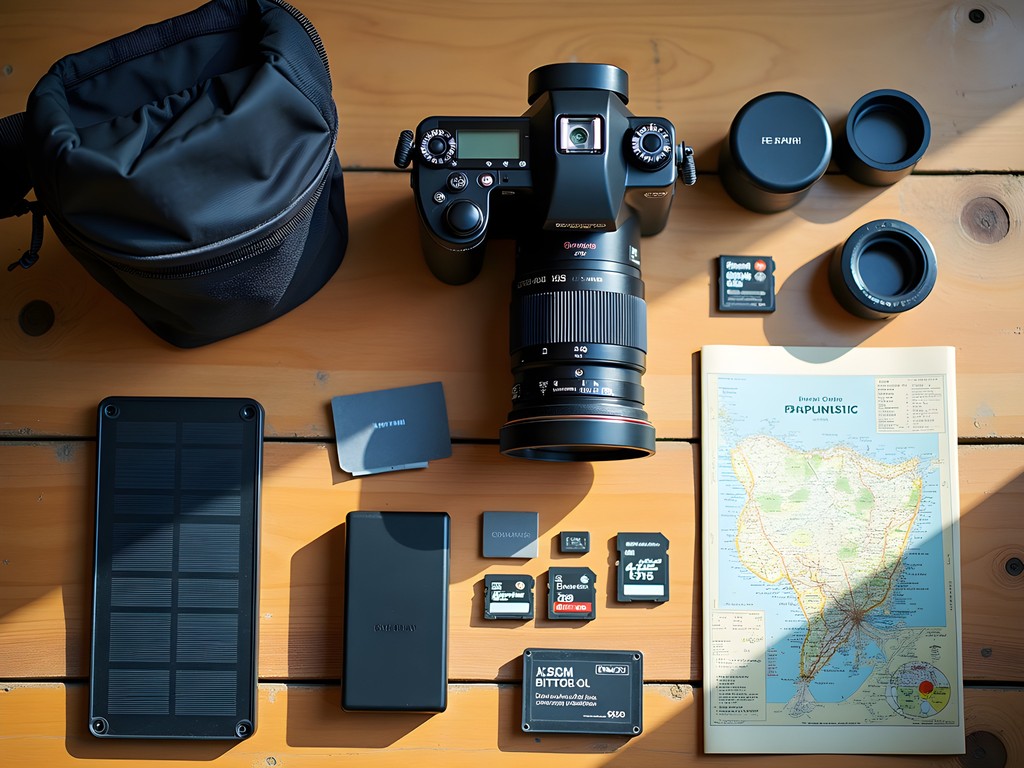
After numerous photography expeditions in Nairobi, I've refined my gear list to balance versatility, protection, and mobility. This city demands equipment that can transition from dusty savanna to polished urban environments within hours.
My lens cleaning kit has saved countless shots in Nairobi's dusty conditions. The fine red dust is ubiquitous during the dry season and can compromise image quality quickly if not managed.
For wildlife photography, I carry a telephoto zoom lens which offers the reach needed for distant subjects while remaining manageable for travel. When paired with a rain cover, it's protected during those unexpected afternoon showers that can occur even in the dry season.
Power reliability is crucial in Nairobi, where outages occur regularly. My solar charger has proven indispensable during day trips to areas with limited infrastructure. C'est un véritable sauveur!
For street photography, I prefer a discrete camera wrist strap rather than the more obvious neck strap, making my presence less conspicuous in markets and crowded areas.
💡 Pro Tips
- Pack twice as many memory cards as you think you'll need—Nairobi's photographic opportunities are abundant
- Invest in a quality camera rain cover that also protects against dust—the red soil becomes airborne easily
- Consider a cross-body camera bag rather than a backpack for easier access in crowded areas
Final Thoughts
Photographing Nairobi is like playing a beautifully designed open-world game—each district offers unique visual challenges and rewards, and the city constantly surprises even veteran visitors like myself. Whether you're capturing the surreal juxtaposition of giraffes against skyscrapers or documenting the energy of urban markets, Nairobi demands both technical skill and cultural sensitivity from photographers.
I've watched this remarkable city evolve over 25 years of visits, each time discovering new visual stories to tell. The photographs I've created here have become treasured educational tools for my grandson, connecting him to a world beyond Sacramento and instilling a respect for both wildlife conservation and cultural diversity.
As you plan your own photographic adventure in Nairobi, remember that the most compelling images emerge when you approach each scene with both patience and curiosity. La photographie est une conversation, pas une capture—photography is a conversation, not a capture. Let Nairobi speak to you through your viewfinder, and you'll return with images that tell stories far beyond what typical tourism portrays.
✨ Key Takeaways
- Nairobi offers unique wildlife photography opportunities within an urban context
- Early morning and late afternoon provide optimal lighting conditions for both wildlife and cityscape photography
- Building rapport with locals before photographing creates more authentic cultural images
- Weather protection for camera gear is essential during Nairobi's dusty dry season
- The contrast between natural and urban elements creates Nairobi's most compelling visual narratives
📋 Practical Information
Best Time to Visit
June to October (dry season)
Budget Estimate
$100-150 per day including accommodation, transportation, and park fees
Recommended Duration
7-10 days
Difficulty Level
Moderate



Comments
wanderrider
Love the photos! Especially the giraffe ones
redlife
Is it safe to walk around with expensive camera gear? I'm a bit nervous about that
vacationway
Not OP but I was there last year - just be smart about it. Don't flash gear around unnecessarily, keep it in a plain bag when moving between spots. I felt totally fine in the main areas and tourist spots during the day.
Zoe Colombo
Exactly what vacationway said. I used a plain backpack and was aware of my surroundings. In places like the markets, I kept my camera strap wrapped around my wrist. Hiring a local guide for certain areas is also a great option - they know the safe spots and best angles!
Casey Andersson
Zoe, this brings back such incredible memories! I spent a week in Nairobi last year and you've captured exactly what makes it so special for photographers. The Giraffe Centre at golden hour was absolutely magical - those long shadows and the way the giraffes interact so gently with visitors created some of my favorite portraits. I stayed at the Giraffe Manor (total splurge but worth it) and waking up to giraffes poking their heads through the breakfast window was surreal. The David Sheldrick Elephant Orphanage was another highlight - bring tissues though, the baby elephants and their stories are heartbreaking and beautiful. Did you get a chance to shoot any of the street art in the Kibera area? The murals there are incredible.
Zoe Colombo
Casey! Yes, the Kibera street art deserves its own post honestly. Such powerful work. And Giraffe Manor is definitely bucket list material - those breakfast photos are stunning!
freephotographer
Quick question - what lens would you recommend for the wildlife shots? I only have a basic kit lens right now and wondering if I need to upgrade before going?
Zoe Colombo
Great question! For Nairobi National Park, I'd recommend at least a 200mm zoom if you can. The animals can be quite far. A 70-300mm would be perfect for both wildlife and some street photography. Your kit lens will work fine for the markets and cityscapes though!
freephotographer
Thanks so much! That's really helpful
vacationway
This is amazing!! Nairobi has been on my list forever
mountainphotographer
Love your cityscape shots! The colors are amazing.
happyone
Going there in March!! What lens should I bring?
travelfan
Definitely bring a zoom lens for the wildlife, like 70-200mm or longer if you have it. And a wide angle for the cityscapes!
Zoe Colombo
Agree with travelfan! I'd add a 24-70mm as your workhorse. It's perfect for the markets and street photography sections.
Casey Andersson
Zoe, this captures Nairobi's duality so perfectly! I visited last year and was blown away by how you can photograph a leopard in the morning and architectural marvels in the CBD by afternoon. One tip I'd add: the Maasai Market rotates locations throughout the week, and each spot offers different lighting conditions. Tuesday's market at the Village Market has this gorgeous diffused light in the late afternoon that's perfect for portrait work. I spent hours there photographing the beadwork artisans. Also, if you're shooting the cityscape from KICC's rooftop helipad, bring a polarizing filter—it cuts through the haze beautifully.
coffeemate2540
good tip about the filter!
Jean Wells
Your section on Nairobi National Park resonates deeply with my own experience there in 2024. The juxtaposition of wildlife against the urban skyline creates such compelling compositional opportunities. I found the early morning hours (6-8am) offered the best light for capturing both the animals and the city backdrop. One technical consideration: the dust can be challenging for gear, so I kept my lens cloth handy throughout the day. The park's proximity to the city center also means you can shoot sunrise at the park and be photographing street scenes in the CBD by mid-morning—remarkable efficiency for a photography itinerary.
mountainphotographer
Good call on the dust! Didn't think about that.
travelfan
The Giraffe Centre is absolutely incredible for photography! I was there last year and spent like 3 hours just watching the light change. Pro tip: go in the morning around 9am when it's less crowded and the giraffes are more active. The staff there are super helpful too if you want to get specific shots. Did you get to photograph the baby giraffe that was born last spring?
Zoe Colombo
Yes! The morning light there is magical. I missed the baby unfortunately, but the adults were so cooperative. That elevated platform really makes all the difference for eye-level shots.
Venture X
Premium card with 2X miles, $300 travel credit, Priority Pass