

Disclosure: This article contains affiliate links. We may earn a commission from purchases at no extra cost to you, which helps our travel content.
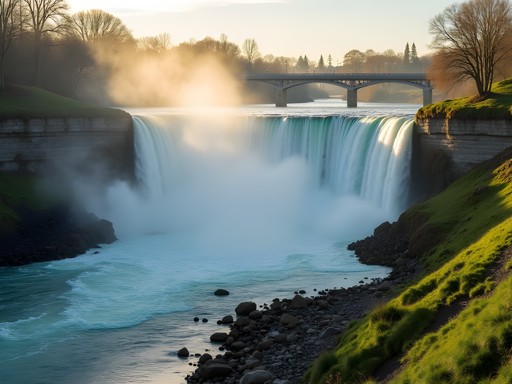
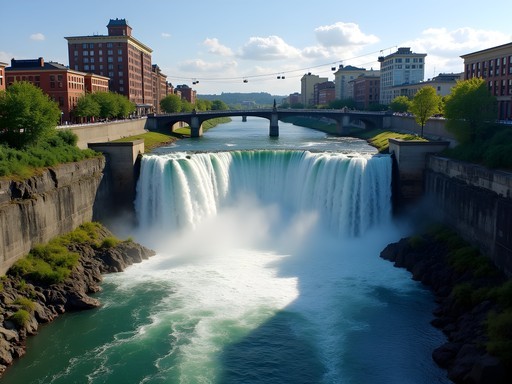
The morning mist was still dancing above the Spokane River when I first glimpsed the thundering cascade of Spokane Falls. I'd visited countless waterfalls across four continents, but there was something uniquely captivating about finding such raw natural power surrounded by an urban landscape. With my camera bag slung over my shoulder and a coffee warming my hands against the spring chill, I realized Spokane, Washington would offer far more than the brief stopover I had initially planned. This overlooked Pacific Northwest gem presents a rare photographic opportunity: dramatic waterfalls, historic architecture, and wild natural landscapes all within a compact, navigable area.

Riverfront Park: Where Urban Meets Wild
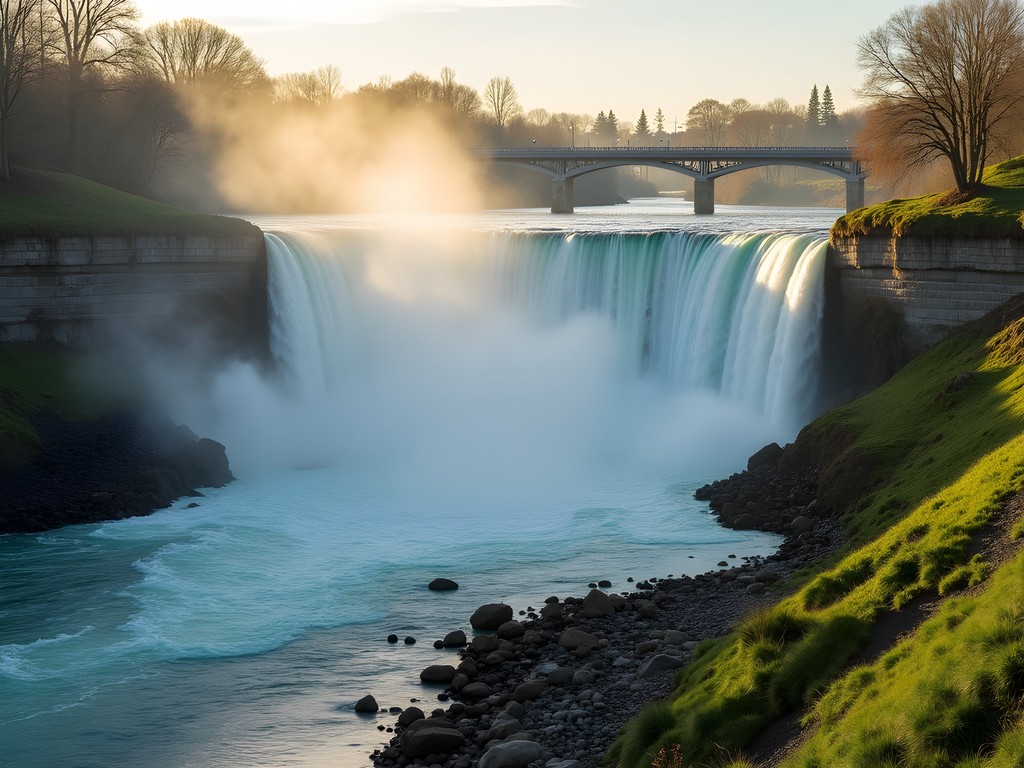
Spokane's crown jewel for photographers is undoubtedly Riverfront Park, centered around the dramatic Spokane Falls. What makes this location exceptional is the accessibility—you can capture these powerful cascades from multiple vantage points without venturing far from downtown amenities.
The best light hits the falls in early morning (before 9am) and during the golden hour before sunset. Spring runoff (April-May) creates the most dramatic water volume, transforming the falls into a roaring spectacle. I spent three consecutive mornings here, each offering different lighting conditions as clouds and mist played across the scene.
For stability during long exposures, I relied heavily on my travel clamp which attached securely to the railings along the falls overlooks. This compact solution saved me from carrying my full-sized tripod while providing the stability needed for those silky water shots at slower shutter speeds.
Don't miss the historic Monroe Street Bridge for framing opportunities—its concrete arches provide perfect leading lines toward the falls. The SkyRide gondola offers aerial perspectives that are otherwise impossible to capture, though shooting through glass presents challenges (bring a polarizing filter).
💡 Pro Tips
- Visit on weekday mornings before 9am to avoid crowds in your shots
- Use a neutral density filter for smooth water effects even in bright conditions
- The Spokane Falls Loop Trail offers at least 7 distinct photography angles—walk the entire circuit
Huntington Park: The Photographer's Secret Weapon
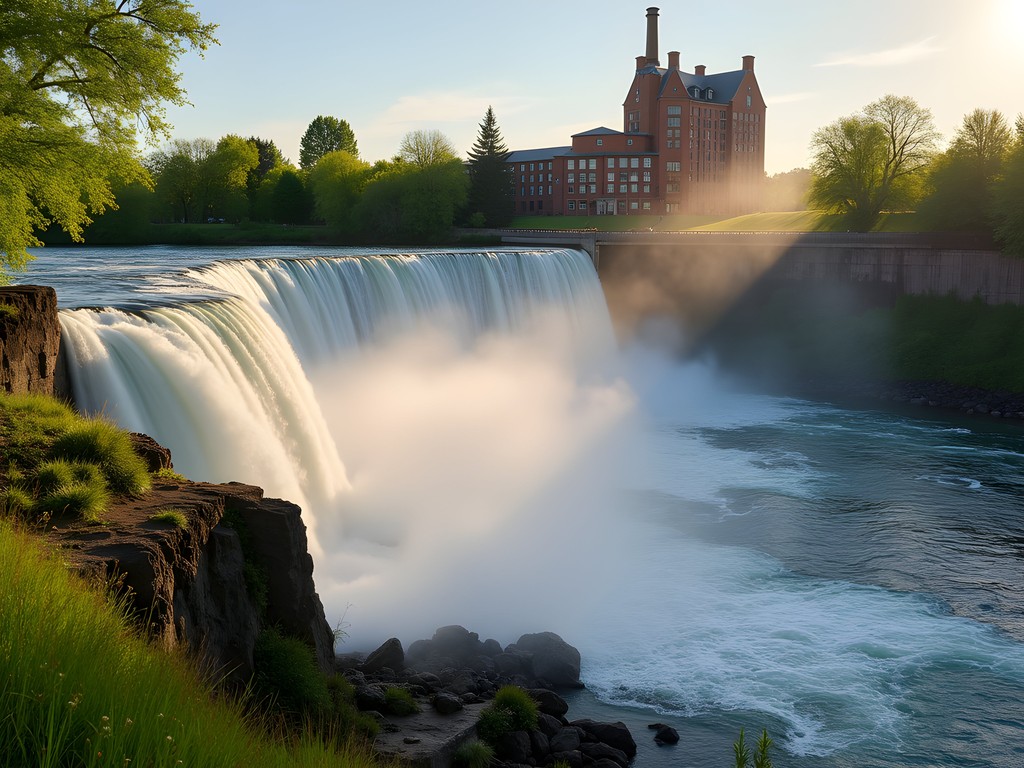
While most visitors stick to the main Riverfront Park area, savvy photographers should make their way to Huntington Park, tucked beside City Hall on the south bank of the river. This less-frequented spot offers intimate views of the Lower Spokane Falls that feel removed from the city despite being in its heart.
I discovered this gem on my second day after chatting with a local photographer at a downtown café. The park features several tiered viewing platforms that get progressively closer to the water. The lowest level—often misted by the falls—creates opportunities for dramatic close-ups with your telephoto lens.
Bring a microfiber cloth as your lens will likely catch spray. My lens cleaning kit proved invaluable here, as I needed to wipe down my equipment every 15-20 minutes. The kit's compact size meant I could keep it in my pocket for quick access without disrupting my shooting flow.
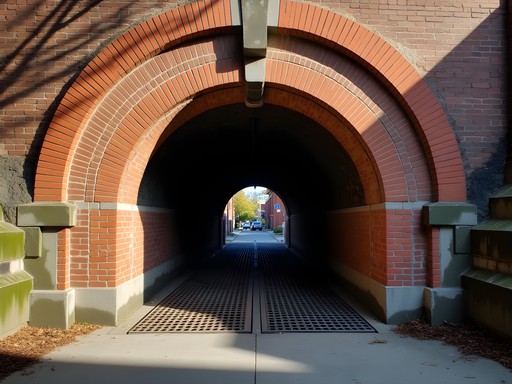
The pedestrian walkway beneath the Post Street Bridge provides another unique vantage point that many photographers miss. From here, you can frame the falls against the historic Washington Water Power building with its distinctive brick architecture.
💡 Pro Tips
- Time your visit for 1-2 hours before sunset when the golden light illuminates the mist
- Wear waterproof footwear as the viewing platforms can be wet from spray
- The lower platform is wheelchair accessible via a ramp—no need to navigate the stairs
Mount Spokane: Alpine Light and Wildflower Meadows
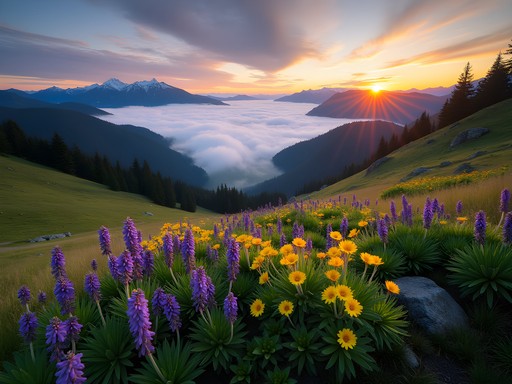
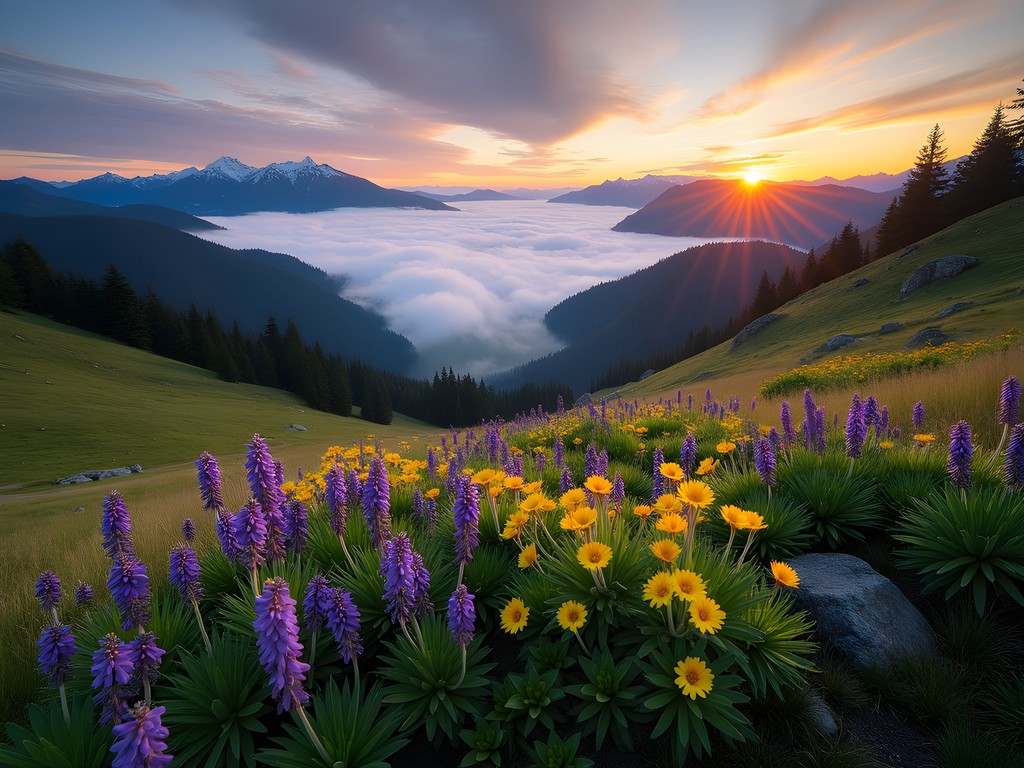
Just 45 minutes from downtown lies Mount Spokane State Park—a landscape photographer's dream that feels worlds away from the city. The 5,883-foot summit offers breathtaking panoramas of the Spokane Valley, Idaho's lake country, and on clear days, the distant peaks of Montana.
Spring visits (late April through June) reward photographers with wildflower meadows that create stunning foreground elements against the expansive vistas. The Vista House at the summit provides both a compelling architectural subject and shelter if weather turns quickly, which it often does in spring.
I learned this lesson firsthand when a sudden mountain shower caught me on an exposed ridge. My waterproof camera cover saved my gear from a drenching. Don't visit the mountain without rain protection for both yourself and your equipment—conditions can change rapidly at this elevation.
The drive up features numerous pullouts with composition opportunities. I particularly recommend the Kit Carson Loop Road for its old-growth forest scenes. The dappled light through ancient pines creates magical conditions in early morning when fog often clings to the mountainside.
For serious landscape photographers, consider hiking the 3.5-mile Mount Kit Carson Loop Trail, which offers multiple vantage points of the valley below. My hiking poles proved essential for navigating some of the steeper sections while carrying camera gear.
💡 Pro Tips
- Arrive pre-dawn for the best chance of capturing the valley fog from above
- Bring graduated neutral density filters to balance bright skies with darker foregrounds
- Download offline maps as cell service is spotty on the mountain

Manito Park: Botanical Macro Paradise
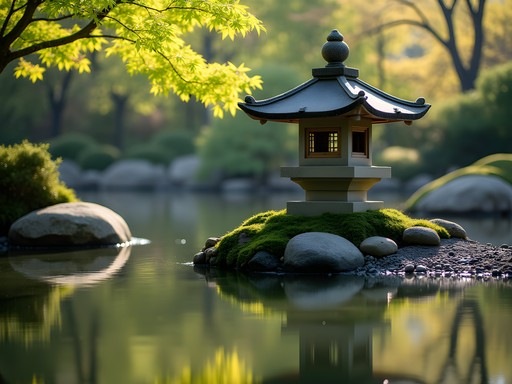
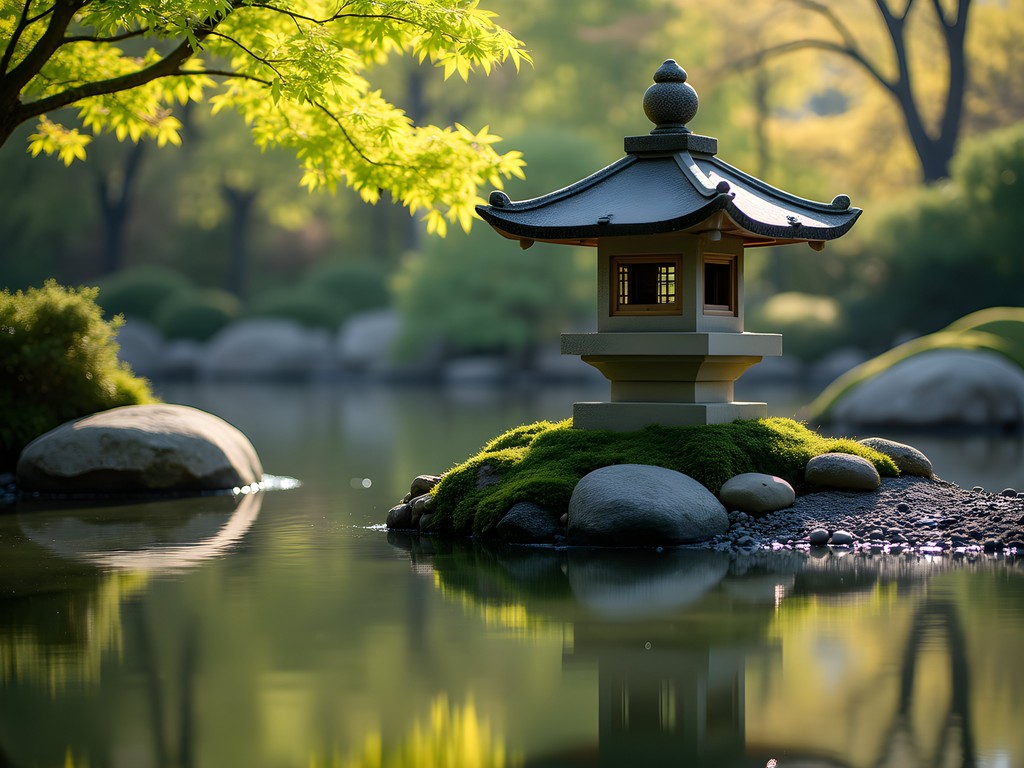
When afternoon light becomes too harsh for landscape work, I retreat to Manito Park—a 90-acre oasis with five distinct gardens that offer endless macro photography opportunities. The Japanese Garden is particularly photogenic, with carefully placed stones, reflective ponds, and sculptural maple trees.
Spring visits coincide perfectly with the blooming schedule of the formal Duncan Gardens and the spectacular Lilac Garden (peak bloom usually mid-May). For macro photographers, the conservatory houses exotic plants year-round, providing a climate-controlled environment when outdoor conditions aren't cooperative.
I spent a full afternoon in the perennial garden with my macro lens, capturing the intricate details of emerging blooms. To get the most compelling compositions, I used my flexible tripod which allowed me to position my camera at unusual angles close to the ground. The flexible legs wrapped securely around garden features, giving me stable shooting platforms where traditional tripods couldn't reach.
The Rose Hill section peaks later in summer, but spring offers the advantage of fewer visitors and fresh, vibrant greens as backdrops. Morning dew creates magical opportunities for close-up work—bring a spray bottle to recreate this effect if you arrive after the dew has dried.
💡 Pro Tips
- Visit the Japanese Garden after a light rain when the stones show their richest colors
- The conservatory light is best in late afternoon when sunbeams stream through the glass ceiling
- Bring a macro focusing rail for precise adjustments when shooting tiny subjects
Riverside State Park: Basalt and Rapids
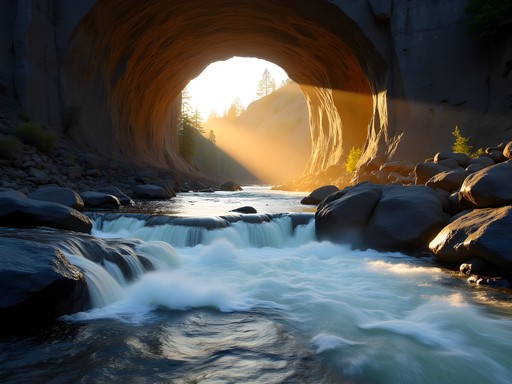
Just a 15-minute drive from downtown, Riverside State Park offers dramatic landscapes shaped by ancient lava flows and the powerful Spokane River. The Bowl and Pitcher area features massive basalt formations that create a striking contrast with the rushing water—perfect for moody black and white compositions.
The swinging bridge provides a natural vantage point, but more compelling images come from scrambling (carefully) along the riverside trails. Spring brings powerful rapids as snowmelt surges through the channel, creating dynamic action shots with fast shutter speeds.
I dedicated my final sunrise in Spokane to capturing the first light hitting the basalt columns. To ensure I could navigate the trails safely in pre-dawn darkness, I relied on my headlamp. The red-light mode preserved my night vision while hiking in, allowing me to see the landscape gradually emerge as my eyes adjusted—crucial for pre-visualizing compositions before the light arrived.
The Nine Mile Recreation Area (further downstream) offers additional photographic opportunities with its historic dam and more peaceful water scenes. The reflections here can be spectacular on calm mornings.
For those interested in wildlife photography, the park hosts osprey, eagles, and herons fishing along the river. My lens rain sleeve doubled as excellent camouflage while I waited near active osprey nests, allowing me to capture hunting dives without disturbing the birds.

💡 Pro Tips
- The basalt formations photograph best in side-lighting conditions (early morning or late afternoon)
- Bring a polarizing filter to control reflections and enhance the rich colors of wet rocks
- Use the trails on both sides of the river for completely different perspectives of the same features
Final Thoughts
As I packed my gear on my final evening in Spokane, reviewing the hundreds of images captured over just three days, I couldn't help but feel I had barely scratched the surface of this photographer's playground. The city's unique blend of accessible urban waterfalls and pristine natural landscapes within easy reach makes it ideal for solo photographers seeking to maximize shooting opportunities without long transit times between locations.
What struck me most was the diversity of subjects available within such a compact area—from the thundering urban falls that rival many wilderness cascades to the delicate spring wildflowers carpeting Mount Spokane's slopes. Spokane rewards photographers who take the time to look beyond the obvious shots, to explore the changing light throughout the day, and to engage with locals who know the hidden perspectives.
Whether you're drawn to dramatic landscapes, intimate natural details, or the juxtaposition of wild and urban elements, pack your filters, bring your rain protection, and give yourself permission to linger at locations as the light changes. Spokane's photographic treasures reveal themselves to those willing to wait, watch, and return to the same spots as conditions evolve. I've already marked my calendar for a return visit next spring—there are still countless frames waiting to be captured.
✨ Key Takeaways
- Spring offers the perfect combination of powerful waterfalls and emerging wildflowers
- Early mornings provide the best light and least crowded conditions at popular spots
- Spokane's compact geography allows photographers to shoot diverse locations in a single day
- Weather protection for gear is essential due to waterfall spray and changeable mountain conditions
- Allow time to revisit locations as lighting conditions change throughout the day
📋 Practical Information
Best Time to Visit
Mid-April through early June
Budget Estimate
$150-250 per day including accommodations
Recommended Duration
3-4 day weekend
Difficulty Level
Moderate


Comments
Raymond Hassan
Solid photography guide. What strikes me about Spokane is how accessible these locations are - you don't need extensive hiking to reach quality shots, which is rare for Pacific Northwest waterfall photography. I'd be curious about your lens choices for the various locations. I found my wide-angle essential for Riverfront Park's scale, but the telephoto compression worked beautifully at Huntington Park to isolate cascade details. The seasonal variation must be significant too - spring runoff versus late summer flows would create entirely different moods.
luckybuddy
Going in September - is that still good for wildflowers or too late?
Raymond Hassan
September might be past peak wildflower season at elevation, but you'll catch incredible autumn colors instead. The larches at Mt Spokane turn golden in late September/early October - arguably even better for photography than wildflowers.
adventurewanderer
Huntington Park is such a hidden gem! Was there last summer and had the whole place to myself. Pro tip - if you're shooting the falls, bring a polarizing filter to cut through the mist and spray. Made a huge difference for me. Also the trail down to the lower viewpoint is a bit sketchy when wet, wear good shoes.
luckybuddy
good call on the filter! wish i'd known that before my trip lol
journeyseeker
Love the wildflower shots from Mt Spokane!
Taylor Moreau
Excellent guide, Evelyn. I visited Spokane during a business trip last autumn and completely underestimated its photographic potential. Riverfront Park is indeed spectacular - the juxtaposition of the urban infrastructure with the raw power of those falls creates compelling compositions. One tip I'd add: the pedestrian suspension bridge offers brilliant vantage points, particularly for long exposures during blue hour. The city lights reflecting off the rapids create quite dramatic effects. Did you venture to Bowl and Pitcher at all? The basalt formations there are remarkable.
Evelyn Rogers
Yes! Bowl and Pitcher was incredible. I ran out of time to include it in this piece but planning a follow-up. Those rock formations are otherworldly.
coolwalker
what time of day did you shoot the waterfall pics? trying to avoid crowds
Evelyn Rogers
Early morning around 6-7am was perfect! Almost nobody there and the light was gorgeous. The falls face east so you get that golden glow.
coolwalker
awesome thanks!!
Taylor Moreau
Excellent guide, Evelyn. I visited Spokane last autumn during a business trip and managed to squeeze in an early morning shoot at Riverfront Park. Your point about Huntington Park being the "secret weapon" is spot on - the elevated perspectives there are vastly superior to the more crowded viewing areas. One tip I'd add: if you're shooting long exposures of the falls, a solid ND filter is essential. The neutral density filter served me brilliantly for those silky water effects. The combination of urban architecture and natural power makes for compelling compositions that you simply don't find in many cities.
wanderlustchamp
thanks for the filter tip! still learning about all this camera stuff
summerrider
what time of day did you shoot the falls? trying to figure out the best lighting
Evelyn Rogers
Early morning (6-8am) was magical! The mist catches the light beautifully and there are fewer people. Late afternoon (4-6pm) also works well for golden hour shots.
summerrider
perfect thanks!
wanderlustchamp
OMG this is amazing!! Never thought of Spokane as a photography destination but those waterfall shots are incredible! Adding this to my bucket list right now 📸
Evelyn Rogers
Thank you so much! Spokane really surprised me too. The urban waterfall access is unbeatable!
springace
Just booked tickets to Spokane because of this post! Can't wait to photograph those falls!
Venture X
Premium card with 2X miles, $300 travel credit, Priority Pass