

Disclosure: This article contains affiliate links. We may earn a commission from purchases at no extra cost to you, which helps our travel content.
Most Americans speed past Spokane on their way to Seattle or Portland, dismissing it as just another mid-sized Northwestern city. That's precisely what makes it brilliant for urban exploration. After three years living in Memphis, I've developed a keen eye for American cities with layered histories hiding beneath modern facades. Spokane delivered beyond expectations—a weekend revealing underground tunnels, abandoned railway infrastructure, and neighborhoods that time forgot. This is urban archaeology at its most accessible.

The Underground Tunnel Network: Spokane's Hidden Arteries
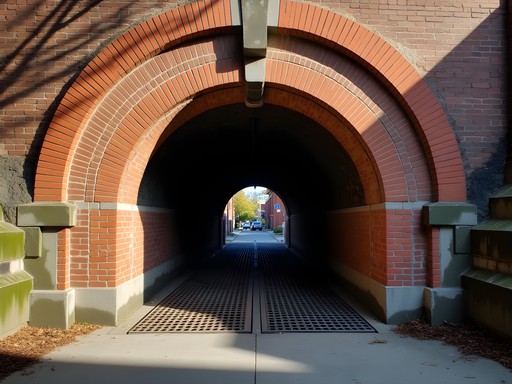
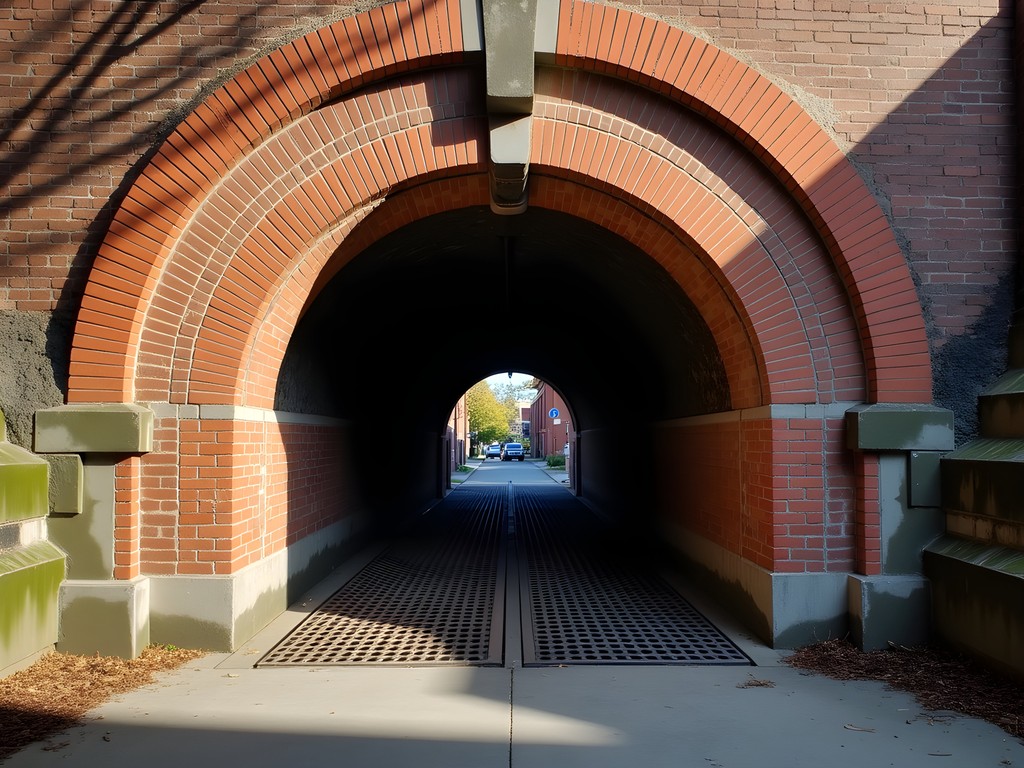
Beneath downtown Spokane lies a network of steam tunnels and service corridors dating back to the 1920s, when the city was the rail hub of the Inland Northwest. While official tours are limited, the visible portions around Riverside Avenue tell a fascinating story. I spent a morning photographing accessible tunnel entrances and ventilation grates—remnants of a time when underground infrastructure connected major buildings for steam heating.
The best entry point for understanding this system is the Davenport Hotel's lower levels, where original tunnel connections are preserved as historical features. The hotel staff are surprisingly knowledgeable about the underground network's history. I recommend visiting on a weekday morning when foot traffic is lighter.
For documenting these darker spaces, I brought my headlamp, which proved essential for examining architectural details in poorly lit corridors. The rechargeable feature meant I wasn't burning through batteries during long exploration sessions.
💡 Pro Tips
- Visit the Spokane Public Library's Northwest Room for historical tunnel maps and photographs from the 1920s-30s
- Weekday mornings offer the best access to downtown buildings with visible tunnel infrastructure
- Always respect private property boundaries—plenty of history is visible without trespassing
Browne's Addition: Victorian Time Capsule
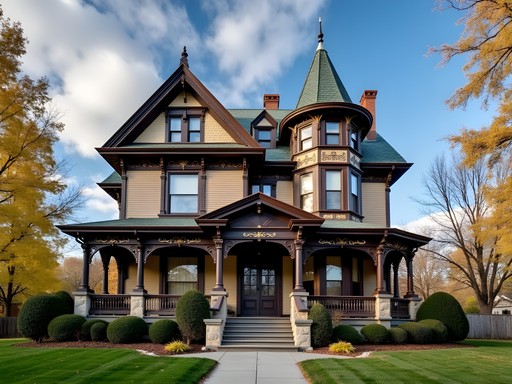
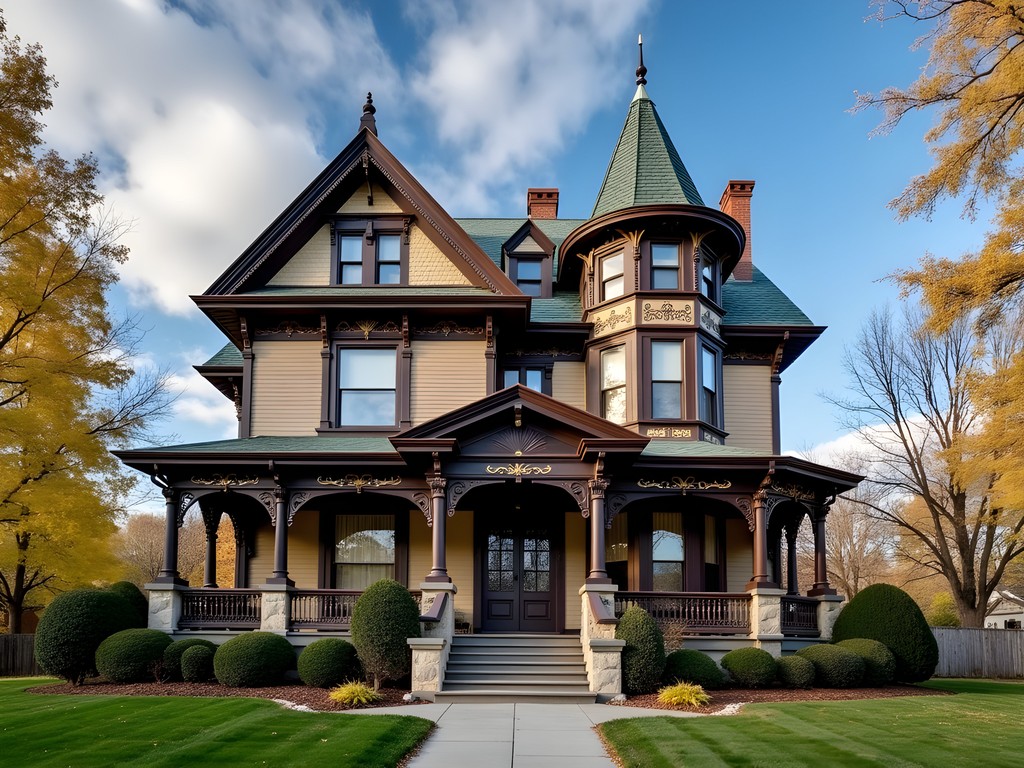
West of downtown, Browne's Addition stands as Spokane's most architecturally intact historic district. Walking these streets feels like stumbling through a portal to 1895. The neighborhood developed during Spokane's mining boom, when silver barons built extravagant Victorian mansions along tree-lined avenues.
I spent an entire afternoon photographing the district's Queen Anne and Colonial Revival homes, many now converted to apartments but retaining their original character. The Patsy Clark Mansion (now a restaurant) offers the best interior access to period architecture. The contrast between ornate 19th-century craftsmanship and modern college-town energy—Gonzaga University sits nearby—creates a fascinating temporal collision.
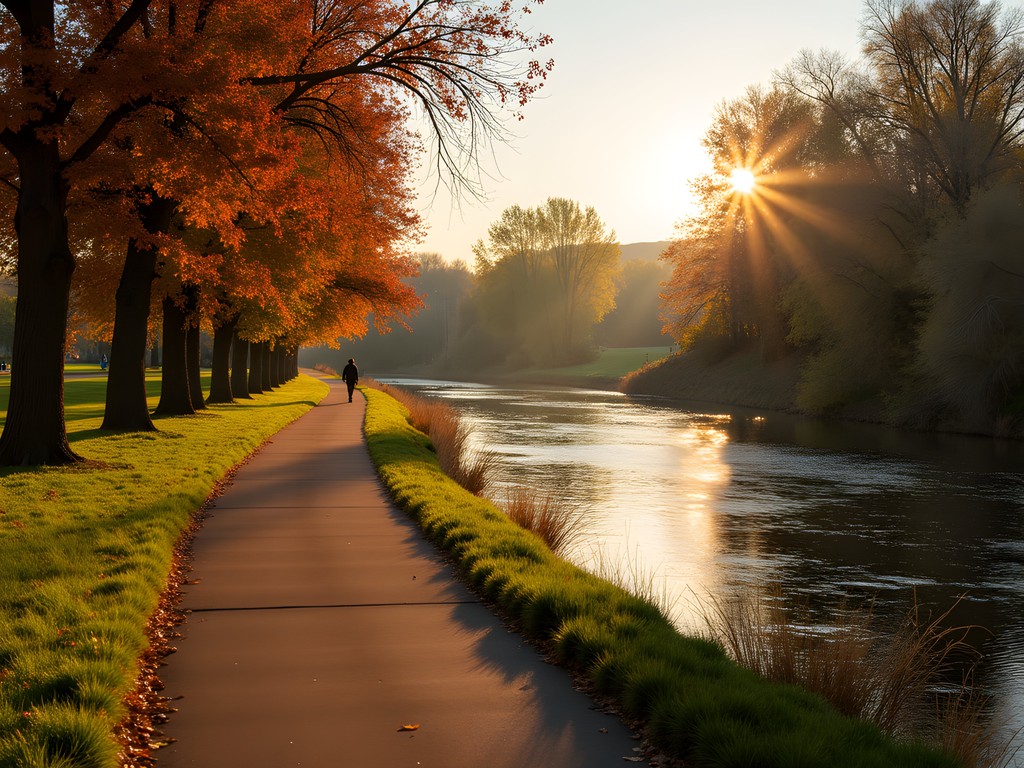
Coyle Park provides an excellent vantage point for understanding the neighborhood's layout. I sat there with my guidebook, mapping out architectural walking routes and cross-referencing historical photos. The fall colours were spectacular against the Victorian facades.
💡 Pro Tips
- Download the Spokane Historic Preservation Office's walking tour map before visiting
- The Coeur d'Alene Park area contains the district's most photographically interesting homes
- Visit on weekend mornings when street parking is abundant and light is ideal for photography
The Abandoned Railway Infrastructure
Spokane's identity was forged by railways, and the bones of that history remain scattered across the city. The most accessible exploration site is the area around the old Great Northern Railway depot, now converted but surrounded by abandoned sidings and infrastructure.
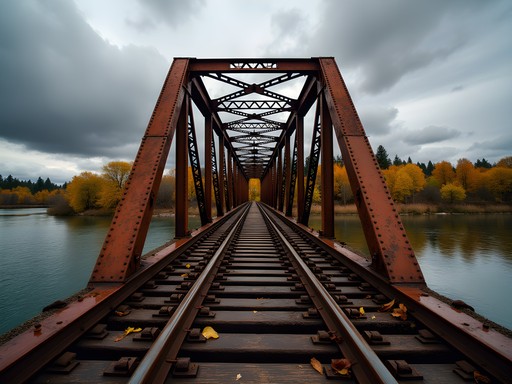
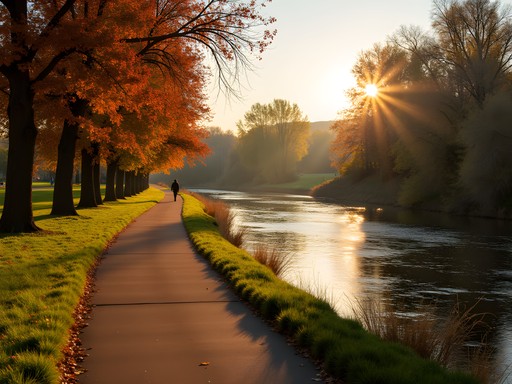
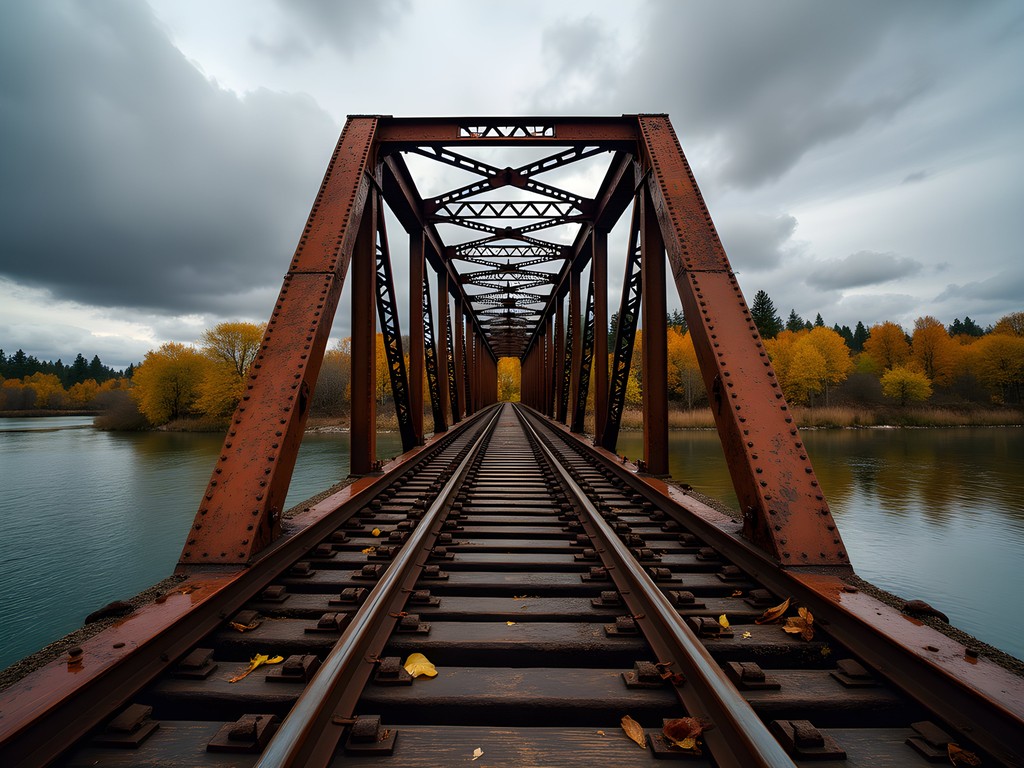
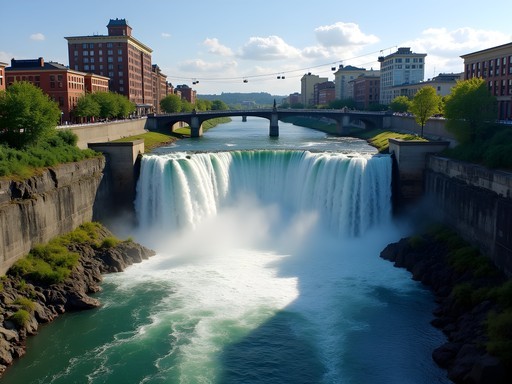
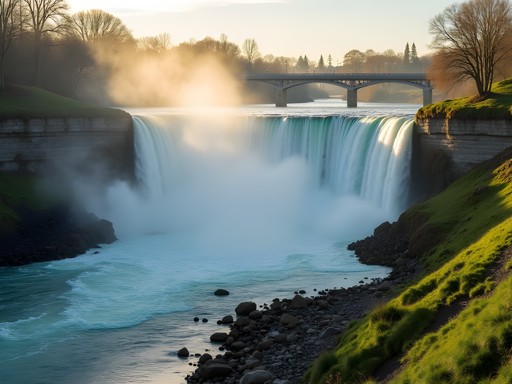
I followed the Centennial Trail along the Spokane River, where it parallels decommissioned railway corridors. The trail passes beneath several historic railway bridges—massive steel structures slowly surrendering to rust and vegetation. These bridges tell the story of Spokane's decline from regional rail hub to post-industrial reinvention.
The Monroe Street Bridge area offers particularly rich exploration. Look for the concrete foundations of demolished railway buildings and the ghost outlines of sidings on satellite imagery. I spent hours here with my field notebook, sketching infrastructure layouts and documenting historical markers. The waterproof pages proved essential when an unexpected autumn shower rolled through.
💡 Pro Tips
- The Centennial Trail provides safe, legal access to railway heritage sites along the river
- Bring detailed maps—modern GPS doesn't show historical railway layouts
- Fall weather in Spokane is unpredictable; pack layers and rain protection

East Sprague: The Forgotten Commercial Strip
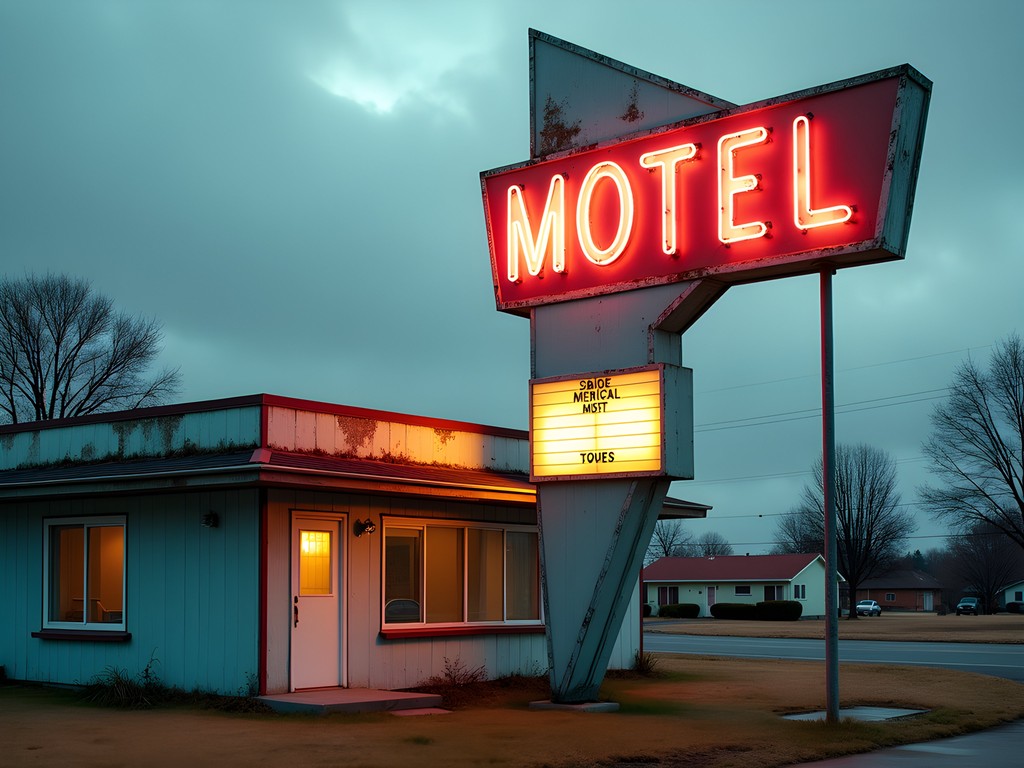
Every city has a street that time forgot. In Spokane, that's East Sprague Avenue. Once the city's main commercial thoroughfare, East Sprague now exists in a fascinating state of decline and slow regeneration. Vintage neon signs advertise long-closed businesses. Art deco facades hide behind decades of neglect.
This isn't poverty tourism—it's architectural archaeology. I walked the stretch between Division and Havana, documenting mid-century commercial architecture that would cost millions to recreate today. Several buildings retain original terrazzo floors, pressed tin ceilings, and hand-painted signage. The contrast between abandonment and emerging creative reuse makes for compelling photography.
The area requires street smarts—this isn't Browne's Addition. I visited during daylight hours, stayed aware of my surroundings, and engaged respectfully with locals. Several business owners shared fascinating stories about the street's heyday when Sprague was Spokane's retail heart. My voice recorder captured these oral histories perfectly, and the long battery life meant I could record multiple conversations without worrying about power.
💡 Pro Tips
- Visit during daylight hours and stay alert—this is an active neighborhood, not a tourist attraction
- Some of the best architectural details are visible only from alleyways behind main buildings
- Talk to long-time business owners—they're living archives of neighborhood history
Practical Urban Exploration: Spokane Logistics
Spokane rewards the prepared explorer. I based myself at a budget hotel near Gonzaga University, which provided easy access to both downtown and the historic districts. The city's compact size means everything is within a 15-minute drive, though I walked most routes to better observe architectural details.
Transportation is straightforward—Spokane's public transit is functional but limited. I used a combination of walking and rideshare apps. For gear, I traveled light: comfortable boots, weather-appropriate layers, and my documentation kit. The multi-tool proved invaluable for safely examining architectural details and occasionally clearing vegetation from historical markers.
Food and coffee are excellent and affordable. The Rocket Bakery near Browne's Addition became my morning planning spot, and several East Sprague diners serve authentic working-class meals that put trendy downtown spots to shame. Budget $50-70 daily for food, accommodation, and local transport.
💡 Pro Tips
- Download offline maps—cell service can be spotty in industrial areas along the river
- Spokane's fall weather shifts rapidly; morning frost can become afternoon sun within hours
- Local historical societies are goldmines of information—contact them before your visit
Final Thoughts
Spokane won't appear on mainstream travel lists, which is precisely why it matters. In an era when every destination is Instagrammed to death, finding a city with genuine layers of undiscovered history feels like striking gold. The underground tunnels, Victorian districts, railway remnants, and forgotten commercial strips tell a story of American urban evolution that's absent from coastal cities.
This weekend trip cost me under $400 total—accommodation, food, transport, and a few local history books. The return was immeasurable: dozens of documented sites, hours of recorded oral histories, and a renewed appreciation for mid-sized American cities carrying their histories with quiet dignity.
For solo urban explorers seeking authentic American industrial heritage without the crowds or expense of more famous destinations, Spokane delivers. Just bring curiosity, respect for local communities, and comfortable walking shoes. The city's secrets reveal themselves slowly to those willing to look.
✨ Key Takeaways
- Spokane offers accessible urban exploration with minimal crowds and budget-friendly costs
- The city's layered history—from underground tunnels to Victorian districts—rewards patient, respectful exploration
- Fall provides ideal conditions: comfortable temperatures, beautiful colors, and fewer tourists than summer
📋 Practical Information
Best Time to Visit
September-October for ideal weather and fall colors
Budget Estimate
$300-450 for weekend including accommodation, food, and transport
Recommended Duration
2-3 days for thorough exploration
Difficulty Level
Moderate

Comments
wildwalker
Love the photos! That Victorian house is incredible.
Savannah Torres
We took our kids to Spokane last summer and it was such a pleasant surprise! While Riverfront Park kept the little ones entertained, my husband and I loved sneaking away to explore Browne's Addition during naptime. The Victorian homes are absolutely gorgeous and it felt like stepping back in time. We stayed in an Airbnb in that neighborhood and the host gave us a handwritten guide to the area's history. Noah, your point about Instagram-proof destinations really resonates - my kids actually engaged with the city instead of just posing for photos at overcrowded landmarks.
Sarah Powell
Noah, this is exactly the kind of content we need more of. I've been documenting overlooked American cities for years and Spokane rarely gets its due. The abandoned railway infrastructure you mentioned is particularly fascinating from an urban planning perspective - you can see how the city's growth patterns shifted after the railroads declined. One tip: if you're photographing the Victorian architecture in Browne's Addition, early morning light (around 7-8am) gives the best angles on those west-facing facades. The contrast between preservation and decay in these mid-tier cities tells such an important story about American urbanism.
greendiver8931
I visited Spokane last fall and totally agree about Browne's Addition. The Victorian houses are incredible and nobody talks about them. We spent an entire afternoon just walking around taking photos. Also the Davenport Hotel downtown is worth checking out even if you're not staying there - the lobby is gorgeous. East Sprague was a bit sketchy though, just FYI for anyone planning to explore.
starpro8231
Good to know about East Sprague. Daytime exploration only I'm guessing?
greendiver8931
Yeah definitely stick to daytime and go with someone else if possible
sunnymaster
How do you access the underground tunnels? Are they open to public or do you need special permission?
Sarah Powell
Great question! Most of the tunnel network isn't officially open, but there are occasional guided tours through the historical society. I'd recommend checking their website before you go. Some sections connect to basements of businesses that are more accessible, but always respect private property boundaries.
starperson9269
I grew up in Spokane and moved away 10 years ago. It's wild seeing someone write about the places I used to explore as a teenager. The abandoned railway infrastructure near the river was always fascinating - my friends and I would spend hours there. East Sprague has changed a lot but still has that gritty character. One thing I'd add is checking out the Davenport Hotel lobby even if you're not staying there. It's this gorgeous restored 1914 building that really captures the city's history. Thanks for reminding me why I loved this place.
starpro8231
The tunnel network sounds amazing! Definitely adding this to my list.
greendiver8931
Same here! I've driven through Spokane so many times and never stopped. This changes everything.
wavepro
Going there in March - is it worth renting a car?
Savannah Torres
We managed without one! The downtown areas Noah mentioned are pretty walkable, and we used the STA bus system to get to different neighborhoods. With kids it was actually easier than dealing with parking.
Jennifer Rodriguez
This is such a refreshing take on Pacific Northwest travel. I spent three days in Spokane last fall on a tight budget and was shocked at how much there is to explore. The Browne's Addition neighborhood is incredible - you can walk it in an afternoon and the architectural diversity is stunning. Pro tip: the public library downtown has free walking tour maps that cover the historic districts. Accommodation costs are about 60% less than Seattle, and the food scene on East Sprague is seriously underrated. More people need to slow down and actually explore these overlooked cities.
adventurepro
Finally someone covering Spokane! The tunnel network is legit.
wildwalker
Are the tunnels open to the public? This sounds amazing but I don't want to trespass lol
adventurepro
Some parts are accessible through basement businesses downtown. Just ask around at the old buildings on Riverside.
Venture X
Premium card with 2X miles, $300 travel credit, Priority Pass