
Disclosure: This article contains affiliate links. We may earn a commission from purchases at no extra cost to you, which helps our travel content.
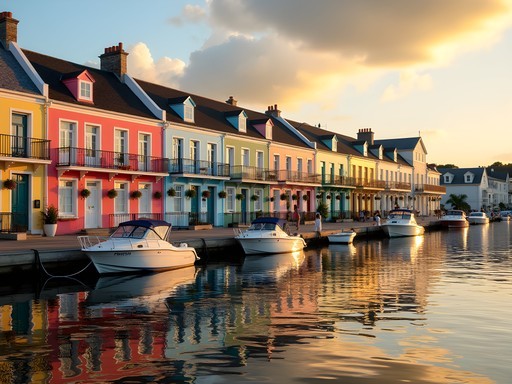
The moment my ferry approached San Pedro's weathered wooden docks, I knew my camera would barely rest during this week-long sojourn. Ambergris Caye's largest settlement unfolds like a photographer's dream sequence—pastel-colored buildings reflected in crystalline waters, fishermen hauling their morning catch against a backdrop of swaying palms, and that distinctive Caribbean light that transforms the ordinary into the extraordinary. Having documented monasteries across three continents, I've developed an eye for places where history, architecture, and natural beauty converge in unexpected harmony. San Pedro, with its blend of Mestizo, Maya, and Garifuna influences set against the world's second-largest barrier reef, offers precisely this rare convergence. This guide maps out my photographic journey through this Belizean paradise, where every narrow street and coral formation tells a story waiting to be captured through your lens.

The Golden Hours: Prime Shooting Locations
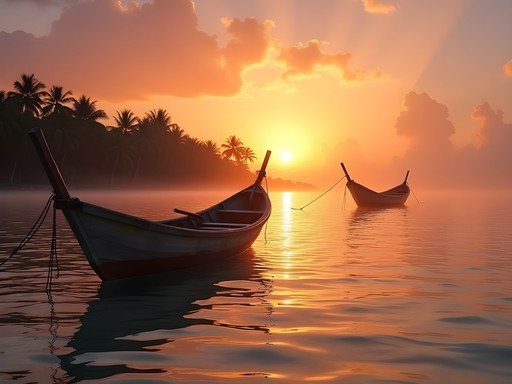
As any serious photographer knows, timing is everything—and in San Pedro, the golden hours transform this already picturesque island into something truly magical. I've learned to rise before the island does, setting up my tripod along the eastern beaches where the soft morning light gradually illuminates the fishing boats heading out to sea.
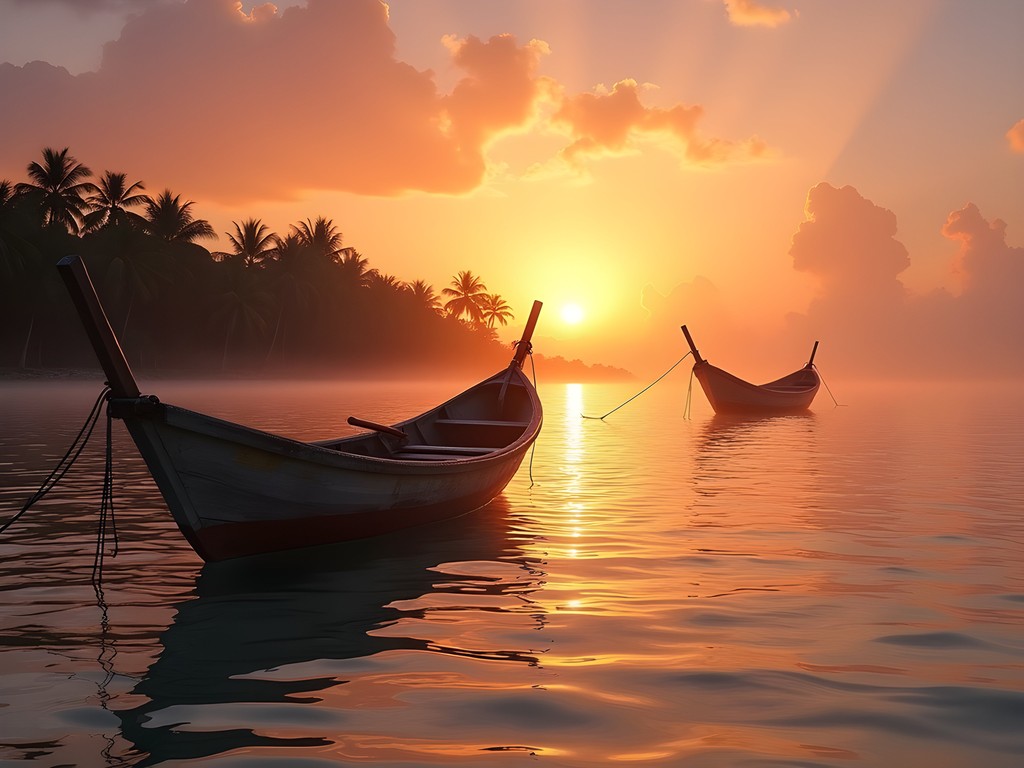
My favorite sunrise spot is the northern beach near Secret Beach. Arrive by 5:30 AM to catch local fishermen preparing their boats against the backdrop of a sky that transitions from deep indigo to brilliant orange. The reflections on the calm morning water create mirror-like symmetry that's simply irresistible to the camera.
For sunset, I recommend heading to the western side of the island. The Sunset Boardwalk (aptly named) offers unobstructed views as the sun dips below the mainland mountains across the lagoon. The silhouettes of returning fishing boats against the blazing sky make for dramatic compositions. I found my tripod absolutely essential here—the light changes so rapidly during the final moments before sunset that you'll want to bracket exposures without worrying about camera shake.
Don't pack up immediately after sunset! The 'blue hour' that follows offers ethereal lighting as the beachfront establishments begin illuminating their patios with string lights and tiki torches. This creates a magical atmosphere that contrasts beautifully with the deepening blue sky.
💡 Pro Tips
- Arrive at shooting locations 30 minutes before actual sunrise/sunset to set up and find your composition
- Bring a neutral density filter to smooth out water during longer exposures
- Local boat captains can often take you to secluded spots with unique perspectives—negotiate the night before for early morning departures
Underwater Photography Adventures
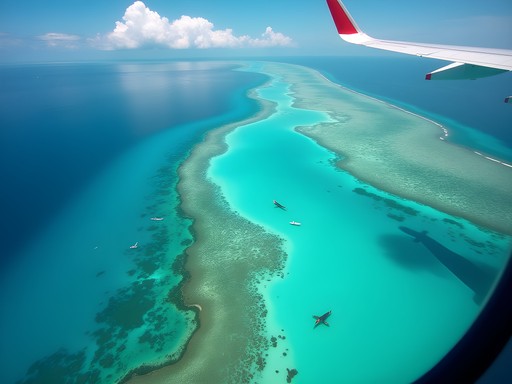
The true photographic treasure of San Pedro lies beneath its turquoise surface. The Belize Barrier Reef—a UNESCO World Heritage site—offers underwater photography opportunities that rival any marine destination I've encountered in my travels across four continents.
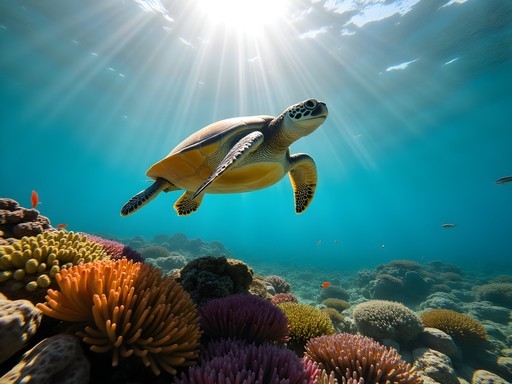
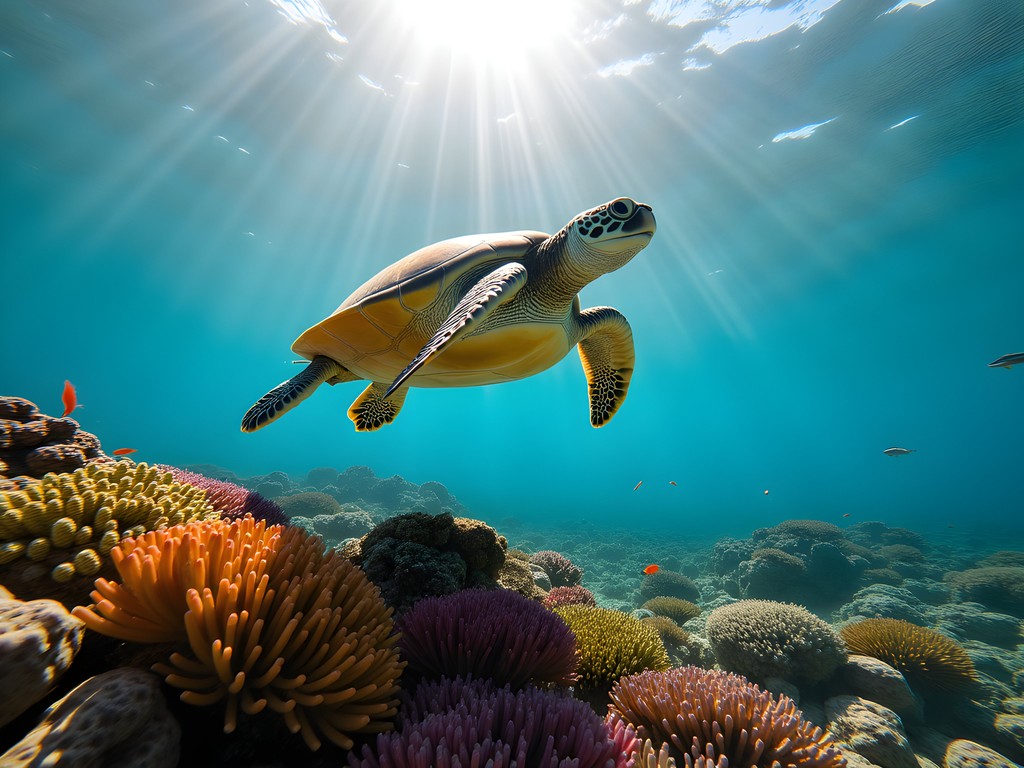
Holt Chan Marine Reserve, just a 15-minute boat ride from town, provides an accessible entry point for underwater photography. The shallow water and abundant marine life make it perfect for beginners and those using simpler underwater setups. I witnessed sea turtles gliding effortlessly through coral gardens while spotted eagle rays performed an underwater ballet in the distance.
For more experienced underwater photographers, Shark Ray Alley delivers exactly what its name promises. Here, nurse sharks and southern stingrays congregate in impressive numbers. The challenge is balancing your excitement with the technical demands of underwater photography—maintaining proper buoyancy while adjusting settings quickly as these magnificent creatures move around you.
Before my trip, I invested in a underwater camera housing for my DSLR rather than relying on a dedicated underwater camera. This decision paid dividends in image quality, especially when shooting in the variable lighting conditions underwater. The housing allowed me to access most camera controls while keeping my equipment completely dry.
Mexican Rocks and Tres Cocos are two additional dive sites offering dramatic coral formations and walls that descend into the deep blue. The contrast between the vibrant coral and the infinite blue creates a sense of scale that's difficult to capture but immensely rewarding when you get it right.
💡 Pro Tips
- Use natural light whenever possible—flash photography can stress marine life and create unwanted backscatter
- Shoot upward toward the surface to capture both your subject and the beautiful light patterns created by the sun
- Consider a red filter for underwater photography to restore colors that get absorbed at depth
Street Photography: Capturing Local Culture
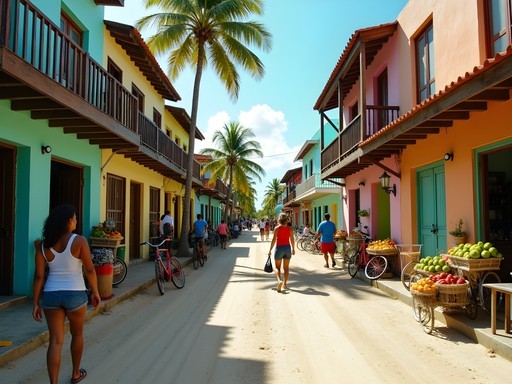
While San Pedro's natural beauty is undeniable, I've always found that a destination's true character emerges through its people and daily rhythms. The town's narrow streets, lined with colorful buildings and buzzing with local life, offer rich opportunities for cultural photography.
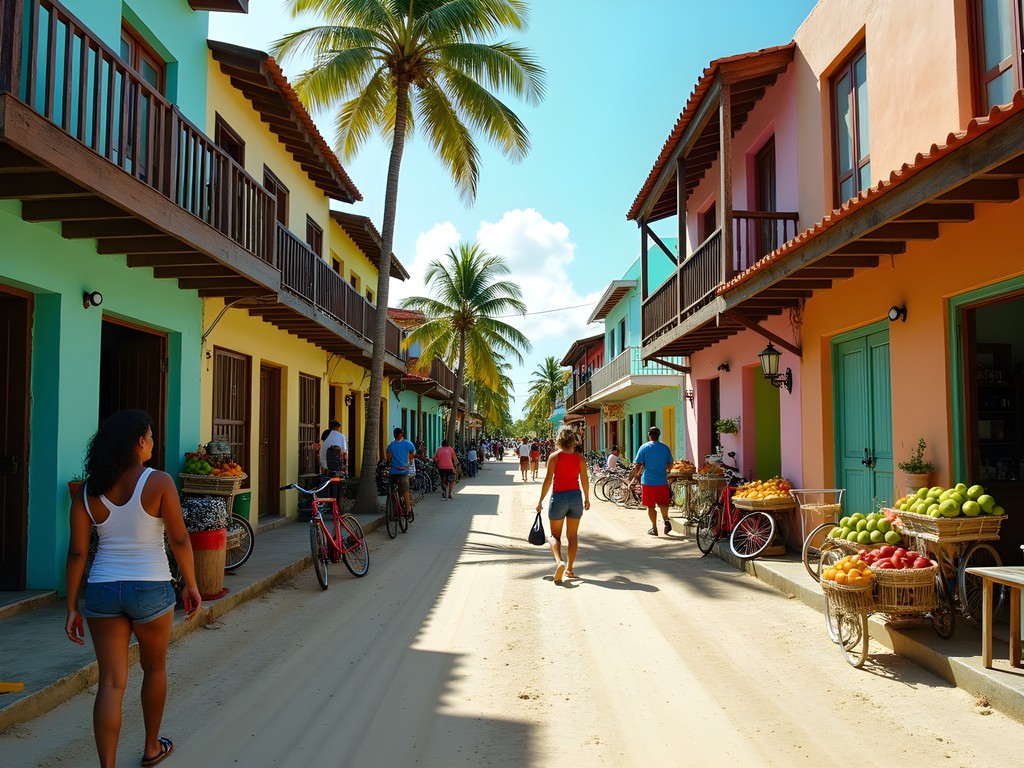
Middle Street (Barrier Reef Drive) serves as the pulsing heart of San Pedro. I spent several mornings here with my prime lens capturing vendors arranging tropical fruits in rainbow-like displays, artisans crafting jewelry from local materials, and fishermen selling their morning catch directly from coolers. The 50mm focal length proved perfect for this environment—wide enough to capture environmental context while allowing me to maintain a respectful distance from subjects.
One particularly memorable morning, I photographed an elderly Maya woman weaving traditional baskets outside her shop, her weathered hands moving with practiced precision while she shared stories of techniques passed down through generations. These intimate moments require patience and cultural sensitivity. I always make a point to learn basic greetings in the local language (Spanish works well here) and ask permission before photographing individuals up close.
The San Pedro Town Central Park comes alive each evening as families gather, children play, and occasionally live music fills the air. The golden hour light bathes everything in a warm glow, creating perfect conditions for candid photography. I found positioning myself on a bench with a telephoto zoom allowed me to capture natural moments without disrupting the scene.
For those seeking more organized cultural events, time your visit to coincide with one of San Pedro's festivals. I was fortunate to witness the Costa Maya Festival, where the vibrant traditional costumes and dance performances provided spectacular photographic opportunities against the backdrop of Caribbean blues.
💡 Pro Tips
- Always ask permission before taking close-up photos of individuals, especially children
- Visit the local markets early morning (around 6 AM) when vendors are setting up for the best light and authentic activity
- Carry small prints from previous days to give to people you've photographed—this builds goodwill and often leads to more authentic photo opportunities

Technical Challenges: Mastering Light and Weather
San Pedro's distinctive lighting conditions present both magnificent opportunities and technical challenges for photographers. The tropical sun can be unforgiving, creating harsh contrasts that overwhelm sensors and wash out the vibrant colors that make this destination so photogenic.
During my week on the island, I quickly established a shooting routine based on the light. Early mornings (5:30-8:00 AM) and late afternoons (4:00-6:30 PM) became my primary shooting windows, with midday reserved for scouting locations or underwater photography where the high sun actually helps illuminate the reef.
The humidity presents another challenge—lens fogging occurs almost instantly when moving between air-conditioned spaces and the warm outside air. I developed the habit of placing my camera in a sealed bag before leaving my accommodation, allowing it to gradually acclimate to the outside temperature before removing it. My lens cleaning kit became perhaps my most frequently used accessory, as salt spray and humidity constantly threatened image quality.
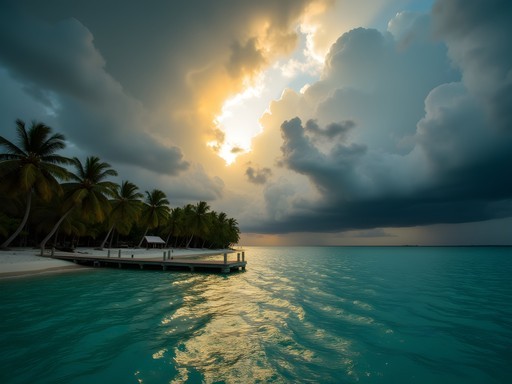
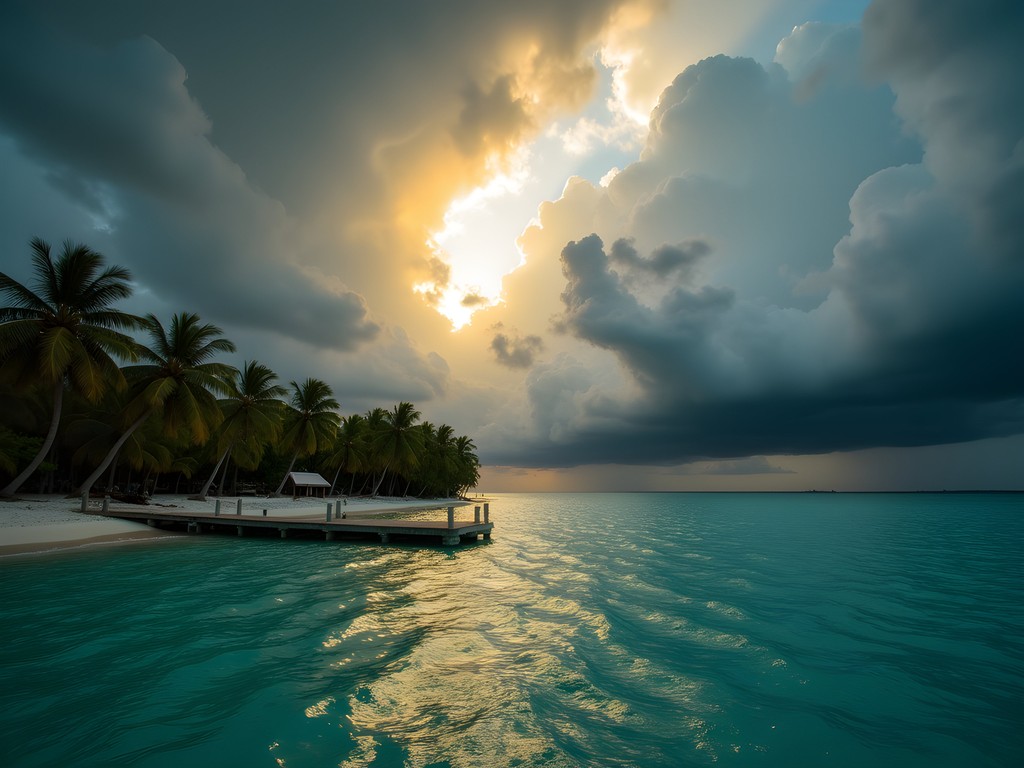
Afternoon thunderstorms are common during winter months, though they typically pass quickly. Rather than viewing these as photography obstacles, I embraced them as opportunities. The dramatic cloud formations before storms create spectacular backgrounds, while the freshly-washed scenes and puddle reflections immediately after rain offer unique perspectives on familiar locations.
Wind conditions significantly impact both land and underwater photography here. For sunrise shoots along the eastern shore, I often found myself adding weight to my tripod with my backpack to prevent camera shake in the consistent breeze. When planning snorkeling or diving photography excursions, I learned to consult with local boat captains about wind forecasts—calm mornings generally offer better visibility and easier shooting conditions underwater.
Perhaps the most valuable technical lesson from photographing San Pedro was learning to embrace the challenging light rather than fight it. Some of my favorite images came from shooting directly into the sun during golden hour, using silhouettes and lens flare creatively rather than avoiding them.
💡 Pro Tips
- Carry a collapsible reflector to fill harsh shadows when photographing people during midday
- Use polarizing filters to cut glare and enhance the already vibrant colors of the water
- Monitor weather radar apps to anticipate and position yourself for dramatic storm light
Off the Beaten Path: Secret Photo Locations
While San Pedro's main attractions offer undeniable photographic appeal, my most memorable images invariably come from venturing beyond the obvious. After conversations with locals and some exploratory bike rides, I discovered several hidden gems that rarely appear in standard travel guides.
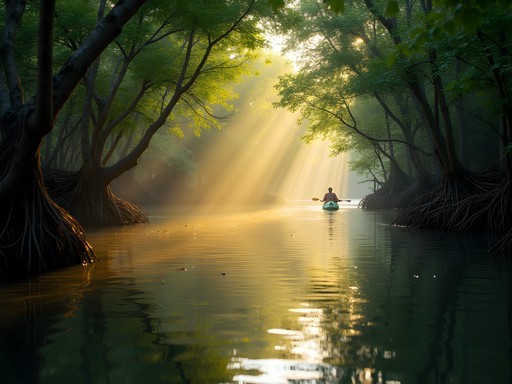
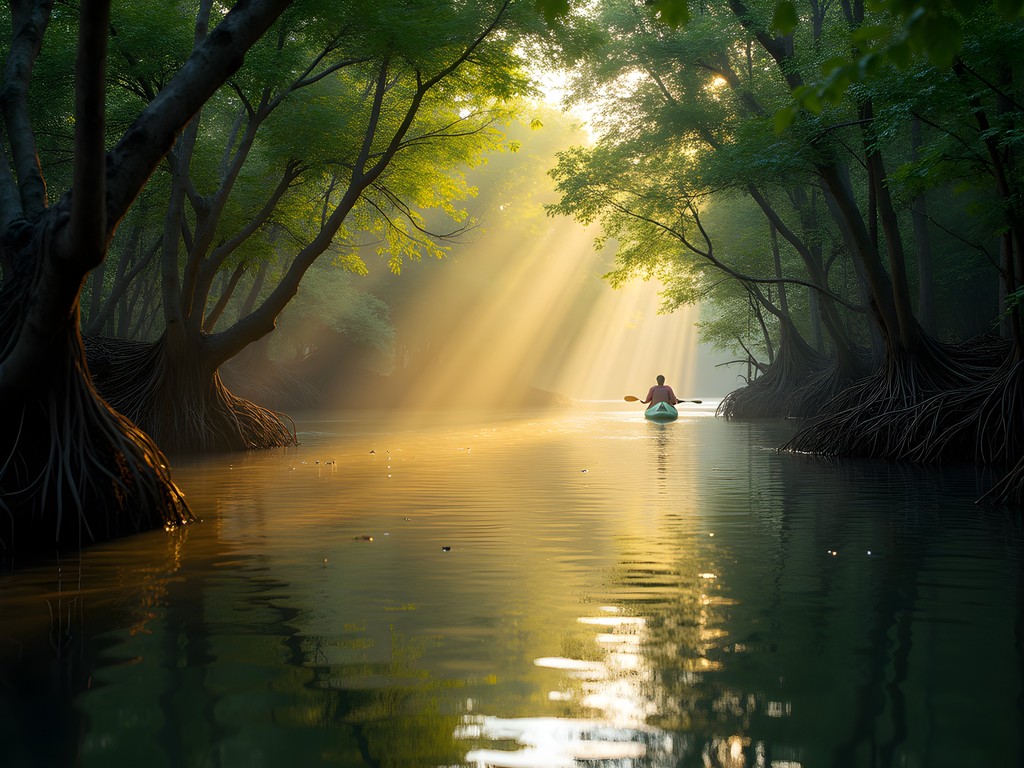
The mangrove channels on the island's western side provide a stark contrast to the beach scenes typically associated with San Pedro. Hiring a local guide with a kayak allowed me to navigate these tranquil waterways where the interplay of light filtering through the mangrove canopy creates mesmerizing patterns on the water. Early morning visits revealed an astonishing variety of birdlife—from roseate spoonbills to magnificent frigatebirds—against the backdrop of these primordial-looking trees.
Another discovery was the small fishing village of Punta Azul on the northern tip of Ambergris Caye, accessible only by boat or a challenging beach drive. Here, life continues much as it has for generations, with fishing families living in colorful wooden homes built on stilts over the water. The authentic scenes of daily life—from net mending to children playing among boats—offered documentary photography opportunities that felt like glimpses into San Pedro's own past.
For landscape photographers, the inland lagoon side of the island delivers surprisingly dramatic vistas that few tourists ever see. I found a local guide willing to take me to several elevated points where the contrast between the mangroves, lagoon waters, and distant mainland mountains created layered compositions, especially at sunset.
Perhaps my most unexpected find was an abandoned resort development on the island's northeastern shore. Nature has begun reclaiming half-built structures, creating a hauntingly beautiful juxtaposition of human ambition and natural persistence. I spent a full evening here with my wide-angle lens capturing the interplay of crumbling concrete, advancing vegetation, and the changing light as sunset approached.
These off-the-beaten-path locations not only yielded unique images but also connected me with locals who shared stories and perspectives that enriched my understanding of San Pedro beyond its postcard perfection.
💡 Pro Tips
- Rent a bicycle or golf cart for maximum flexibility in exploring the island's less accessible areas
- Bring sufficient water and sun protection when venturing to remote locations—the tropical sun is unforgiving
- Consider hiring a local guide for at least one day—their knowledge of hidden spots and cultural context is invaluable
Final Thoughts
As I packed away my gear on my final evening in San Pedro, watching one last spectacular sunset paint the sky in impossible colors, I reflected on how this small Belizean island had expanded my photographic vocabulary. Beyond the postcard-perfect beaches and vibrant reefs lies a multi-layered destination where light, culture, and landscape converge in ways that challenge and reward the thoughtful photographer. Whether you're capturing the weathered face of a local fisherman, the kaleidoscopic world beneath the waves, or the golden light filtering through mangrove channels, San Pedro offers endless visual stories waiting to be told. The technical challenges—harsh light, unpredictable weather, humidity—ultimately become creative allies when embraced rather than avoided. I arrived seeking tropical beauty; I departed with a deeper appreciation for how photography connects us to places and people in ways mere observation cannot. Bring not just your camera but your curiosity to San Pedro, and you'll return with images that capture not just what this Caribbean gem looks like, but how it feels to experience its rhythms and revelations firsthand.
✨ Key Takeaways
- Plan shooting schedules around golden hours (early morning and late afternoon) for the most flattering light
- Invest in proper underwater photography equipment to capture the extraordinary marine life of the Belize Barrier Reef
- Connect with locals to discover off-the-beaten-path locations that yield unique photographic opportunities
- Embrace rather than avoid technical challenges like dramatic weather and harsh contrasts
📋 Practical Information
Best Time to Visit
December through April (dry season with optimal visibility)
Budget Estimate
$150-250 per day including mid-range accommodations, food, and photography excursions
Recommended Duration
7-10 days
Difficulty Level
Intermediate


Comments
redmood
heading there in march - how'd you handle the humidity with your gear? worried about my lenses fogging up
wanderlusthero
not OP but silica gel packs are your friend! keep them in your camera bag
Claire Hawkins
Evelyn, this brought back so many memories! We took our kids to San Pedro two years ago and I was constantly torn between being present with them and wanting to capture everything through my lens. The street photography section really resonated - I found the locals so welcoming when I asked to photograph them, especially around the market areas. One tip I'd add: if you're shooting with kids around, the early morning light on the beach is magical AND the little ones are usually in a good mood before the heat kicks in. Did you get a chance to photograph any of the local fishermen bringing in their catch at dawn? Those were some of my favorite candid moments.
redmood
the fishermen at dawn sounds amazing! what time did you have to get up for that?
Claire Hawkins
Around 5:30am usually! Worth the early wake-up call though. Bring bug spray :)
wanderlusthero
Those sunset shots are incredible!
blueguide
These photos make me want to book a flight right now! Stunning work!
redking
How did you manage with all your camera gear on those bumpy golf cart rides around the island? Any tips for protecting equipment?
Evelyn Rogers
Good question! I used a padded camera insert inside a regular backpack rather than an obvious camera bag (for security). The bumpy rides were challenging - I kept my most sensitive gear in my lap and packed extra padding around everything else!
redking
Smart approach! Will definitely try that, thanks!
Kimberly Murphy
Absolutely gorgeous captures, Evelyn! I visited San Pedro last year and was equally mesmerized by the photographic opportunities. For anyone heading there, I'd add Secret Beach to your list of shooting locations - it's less crowded in the early morning and the light filtering through the mangroves creates the most magical patterns on the water. Also found that local fishermen at the docks around 5:30am make for incredible portrait subjects if you ask politely and offer to share the images. The humidity played havoc with my lenses though - had to clean them constantly!
Evelyn Rogers
Great tip about Secret Beach, Kimberly! I missed that spot but will definitely check it out next time. And yes to the humidity issues - silica gel packets became my best friends on this trip!
sunsetlife
Those golden hour shots are incredible! Where exactly was that spot with the palm trees silhouetted against the sunset? Going next month!
moonstar
Beautiful photos! What underwater housing did you use for the reef shots? I'm heading to San Pedro in October and still deciding what gear to bring for snorkeling photography.
Evelyn Rogers
Thanks moonstar! I used the underwater housing for my Sony camera. It was a bit of an investment but absolutely worth it for the clarity. The reef visibility was fantastic - you'll love shooting there!
moonstar
Perfect, thanks for the quick response! Looking forward to capturing those vibrant corals.
coffeemate
Beautiful photos! Really inspiring
Douglas Bradley
Excellent breakdown of the technical challenges, Evelyn. The humidity and salt air in coastal Belize can be brutal on gear. I learned that lesson the hard way on Caye Caulker. One thing I'd add for anyone heading there - bring plenty of silica gel packets and keep your equipment sealed when not in use. The condensation when moving between air-conditioned spaces and the heat outside can fog lenses quickly. Also curious about your approach to white balance in those underwater shots - the color temperature shifts dramatically even at shallow depths around the reef.
Venture X
Premium card with 2X miles, $300 travel credit, Priority Pass