



Disclosure: This article contains affiliate links. We may earn a commission from purchases at no extra cost to you, which helps our travel content.
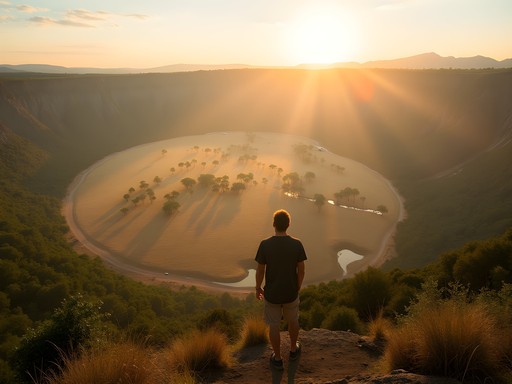
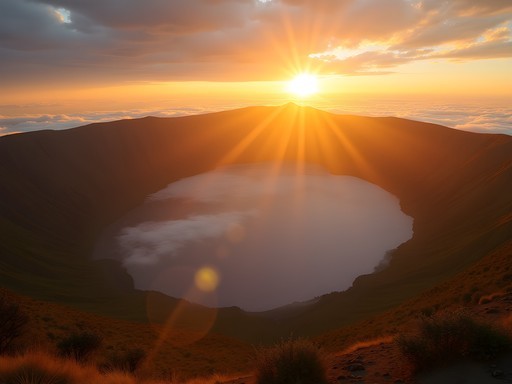
The first light breaks over the rim of Ngorongoro Crater, casting golden hues across a landscape that feels prehistoric in its raw beauty. Below, the caldera teems with life – lions lounging in tall grass, elephants traversing ancient paths, and flamingos creating pink brushstrokes against alkaline lakes. As a filmmaker who has documented wildlife across six continents, I can state with absolute certainty: few locations on Earth offer the photographic potential of this Tanzanian wonder. This collapsed volcanic caldera presents a 260 square kilometer stage where Africa's most iconic species perform daily, unaware of their audience. Join me as I share how to capture the perfect frame in this natural amphitheater of wild splendor.

Planning Your Photographic Expedition
Ngorongoro demands thoughtful preparation that balances photographic ambition with practical realities. I've learned through multiple visits that the crater's microclimate can shift dramatically throughout the day. Early mornings bring mist that softens light and creates atmospheric depth, while midday offers clarity but harsh contrast.
I recommend booking accommodation at one of the lodges perched along the crater rim, allowing for first-light descent when animals are most active. The Swarovski Optik NL Pure 10x42 have proven invaluable for scouting distant subjects before committing to a shooting position. Their exceptional light gathering capability helps identify potential compositions even in the dim dawn light.
Consider hiring a private safari vehicle rather than joining group tours. The flexibility to position yourself optimally for light and composition rather than accommodating casual tourists is worth every penny for serious photographers. Work with operators who understand photographers' needs – I've had tremendous success with guides who were willing to wait patiently in one location rather than rushing between animal sightings.
💡 Pro Tips
- Book accommodation on the crater rim for early morning access
- Hire a private safari vehicle with an experienced photography guide
- Plan for at least three full days in the crater to account for changing conditions
Essential Gear for Crater Photography
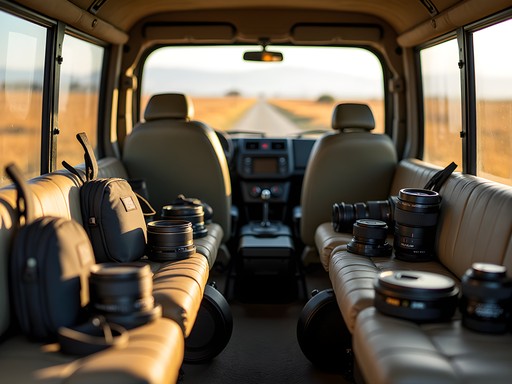
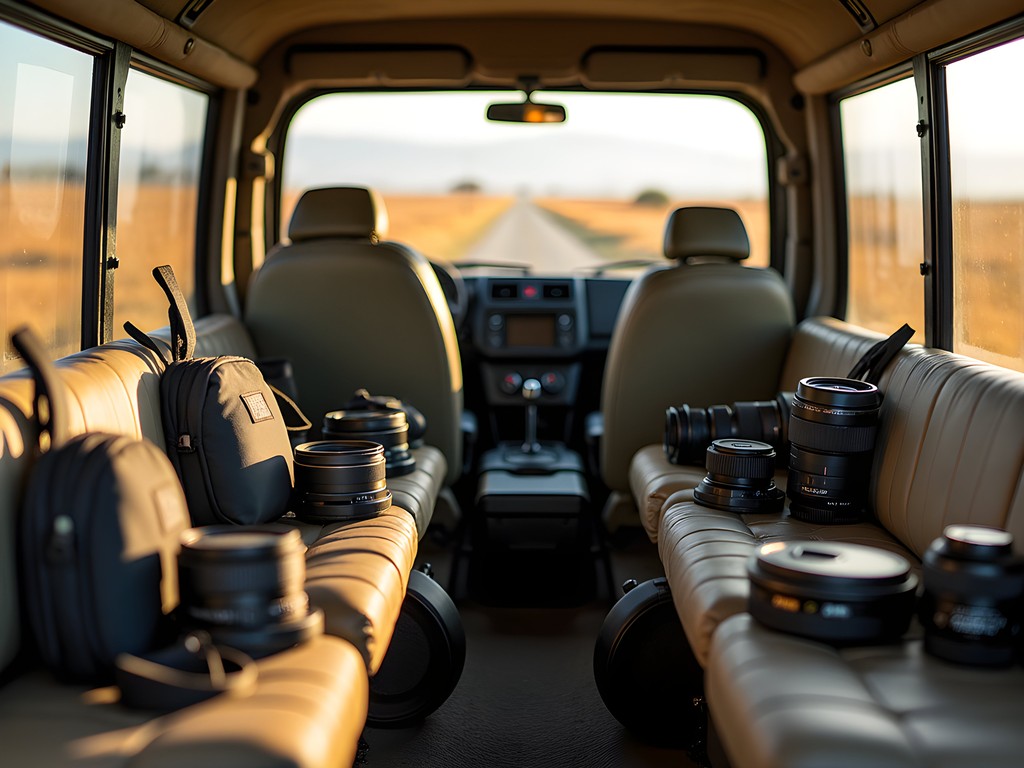
The unique challenges of Ngorongoro demand specialized equipment. Dust is your constant companion, making weather-sealed gear non-negotiable. My primary kit includes a full-frame mirrorless body with a 100-500mm telephoto for wildlife and a 24-70mm for environmental contexts.
Dust protection becomes critical in this environment. I wrap my gear in silicone protective covers when not in use, and carry a sensor cleaning kit for inevitable dust spots. After filming a documentary segment on black rhinos here last year, I discovered my sensor looked like a star map despite religious use of lens caps.
Power management requires attention as charging opportunities are limited during full-day crater excursions. The power station has become my constant companion, providing enough capacity to recharge camera batteries and other devices between game drives. It's surprisingly compact given its capacity and has weathered the African elements admirably.
Finally, invest in a quality bean bag support rather than a traditional tripod. Vehicle-based photography benefits from this flexible platform that absorbs micro-vibrations while allowing quick repositioning as wildlife moves.
💡 Pro Tips
- Use silicone covers to protect gear from fine dust
- Pack double the battery capacity you think you'll need
- Bring a laptop with external SSD for daily backups of irreplaceable images
Mastering Light in the Caldera
The crater's topography creates unique lighting conditions that can make or break your images. The high walls cast dramatic shadows that sweep across the landscape as the day progresses, creating natural spotlighting effects that can elevate wildlife portraits from documentary to art.
During my filming for 'Realms of Refuge' documentary series, I discovered that positioning subjects between your lens and the crater wall during golden hour creates a luminous rim lighting effect that separates animals from their background with almost ethereal quality. This technique works particularly well with elephants and buffalo, whose distinctive silhouettes gain sculptural dimension.
The crater floor's open expanses mean weather systems are visible from miles away. I've learned to embrace approaching storms rather than retreat from them. Some of my most compelling images feature wildlife against brooding skies, moments before rainfall. The weather monitoring device has proven invaluable for predicting these dramatic weather transitions with enough precision to prepare equipment and positioning.
For the technically minded, I've found exposure compensation of +2/3 to +1 stop generally necessary when shooting dark-skinned animals like elephants and buffalo against the bright crater floor, while zebras and reflective water scenes often require -1/3 to -2/3 compensation to retain highlight detail.

💡 Pro Tips
- Position yourself with the sun at your back during early morning and late afternoon
- Use graduated ND filters to balance bright skies with shadowed crater floor
- Look for natural frames created by acacia trees to add depth to wildlife portraits

Behavioral Anticipation: The Cinematographer's Advantage
My background in wildlife filmmaking has taught me that understanding animal behavior is the true secret to exceptional photography. The crater's concentrated wildlife means interactions are frequent and dramatic – if you know what to look for.
Predator-prey dynamics create the most compelling visual narratives. When filming lions in Ngorongoro last summer, I noticed subtle shifts in zebra herd formation that telegraphed the presence of predators long before the lions themselves became visible. These behavioral cues now inform my positioning decisions, allowing me to anticipate rather than react to unfolding drama.
The advanced field guide has been my constant companion, dog-eared and annotation-filled from countless field expeditions. Understanding that hippos return to water along the same paths each morning or that hyenas communicate hunting intentions through specific vocalizations transforms your approach from random chance to informed anticipation.
I recommend maintaining a behavioral journal alongside your technical shooting notes. Record patterns in animal movement, feeding times, and territorial displays. My own journals have become invaluable references for subsequent visits, with location-specific insights that no general wildlife guide could provide.

💡 Pro Tips
- Study animal behavior patterns before your trip to anticipate key moments
- Watch for birds taking flight as an early warning system for predator movement
- Learn to read the landscape for natural wildlife corridors where animals are likely to appear
Ethical Photography in a Fragile Ecosystem
The privilege of photographing Ngorongoro comes with profound responsibility. This UNESCO World Heritage site faces increasing pressure from tourism, climate change, and human-wildlife conflict. As visual storytellers, we must consider our impact and the narratives we perpetuate.
My approach has evolved considerably since my first visit a decade ago. I now prioritize minimal disturbance over perfect positioning. The silent shooting mode helps reduce the intrusive mechanical sounds that can alter natural behavior, particularly with skittish species like the critically endangered black rhino.
Working with Maasai guides has transformed my understanding of this ecosystem. Their generational knowledge provides context impossible to gain through conventional research. During my last expedition, my guide Lenana identified subtle habitat changes indicating shifting migration patterns that informed both my cinematography and my understanding of climate impacts.
I've also embraced remote camera technologies where appropriate. The camera trap system has allowed me to document shy nocturnal species without human presence. These images offer scientific value beyond their artistic merit, contributing to monitoring efforts when shared with conservation organizations working in the crater.

💡 Pro Tips
- Maintain greater distance than you think necessary – modern telephoto lenses make this possible without sacrificing image quality
- Never pressure guides to pursue stressed animals or approach beyond comfortable distances
- Share meaningful images with conservation organizations to support their documentation efforts
Final Thoughts
As the sun sets behind the crater rim, casting long shadows across this natural wonder, I'm reminded that our photographs serve as both art and testament. Each frame captured in Ngorongoro documents a fragile ecosystem at a specific moment in time – a visual record increasingly precious as climate change and human encroachment reshape these landscapes. The techniques I've shared go beyond technical mastery to embrace the storytelling potential inherent in wildlife photography. The most compelling images emerge when technical precision meets behavioral understanding and ethical awareness. Whether this is your first photographic expedition to Tanzania or you're returning to deepen your portfolio, approach the crater with reverence and patience. Allow yourself the luxury of stillness – of waiting for light, behavior, and composition to align. And when you return home, share your images not just as personal achievements but as windows into a world worth protecting. The true measure of our work in places like Ngorongoro isn't the technical perfection of our photographs, but their power to inspire conservation of the wild subjects that grant us their fleeting presence before our lenses.
✨ Key Takeaways
- Position yourself strategically using the crater's unique topography and light patterns
- Understanding animal behavior patterns leads to anticipating rather than reacting to photographic moments
- Ethical considerations should guide all photography decisions in this sensitive ecosystem
- Work with knowledgeable local guides who understand both wildlife and optimal photography conditions
📋 Practical Information
Best Time to Visit
June to October (dry season) for best visibility and animal concentration around water sources
Budget Estimate
$800-1200 per day including private vehicle, professional guide, and luxury lodge accommodation
Recommended Duration
5-7 days minimum to account for weather variations and maximize photographic opportunities
Difficulty Level
Moderate To Challenging Due To Early Starts, Long Days, And Technical Photography Requirements



Comments
adventureninja
what's the best time of year to go for wildlife photography?
starvibes4977
dry season (June-Oct) is best. animals congregate around water sources so easier to spot and photograph
globeguide
solid advice on the 70-200mm lens. I'd add that a 100-400mm is even better if you have one. Some of those animals keep their distance and the extra reach really helps. Also the dust situation is no joke - I keep my sensor cleaning kit handy because you'll need it after a day in the crater.
Savannah Torres
This is such a comprehensive guide! We took our kids to Ngorongoro two years ago and while I'm not a pro photographer by any means, I managed to capture some amazing memories following similar advice. The section about mastering light is crucial - that golden hour glow transforms everything. My 8-year-old was fascinated watching the flamingos at the crater lake through my telephoto lens. One tip for families: bring extra batteries for everything. The cold mornings drain them faster than you'd expect, and there's nowhere to charge once you're down in the crater for the day.
winterqueen
do you need special permits for photography or just the regular park entrance?
globeguide
regular entrance is fine unless you're doing commercial work. just the conservation fees
winterqueen
perfect thanks!
vacationfan
We did this safari in June and it was perfect timing - not too crowded and the animals were super active. One thing I wish I'd known is that you can't leave your vehicle in the crater except at designated picnic spots, so plan bathroom breaks accordingly lol. Also my camera battery died way faster than usual in the cold morning air, so definitely bring spares or a charging option.
starvibes4977
Great guide! I'd also recommend bringing a beanbag for stabilizing your camera on the vehicle window. The crater roads can get bumpy and it really helps with those longer lens shots. We saw so many elephants down there last summer, absolutely unreal.
Marco Flores
Avery, this brings back memories! I spent three days shooting in Ngorongoro last year and your point about behavioral anticipation is spot on. I watched a lioness for nearly two hours before she finally moved toward her cubs - that patience paid off with my best shot of the entire trip. One thing I'd add: the dust inside the crater can be brutal on your gear. I learned the hard way after my first morning drive. Now I always bring extra lens cloths and keep everything sealed when not actively shooting. The light at dawn really is magical though, worth every early wake-up call.
adventureninja
how early are we talking? like 4am early?
Marco Flores
Yeah, around 4:30am to get down into the crater for first light. Totally worth it though!
dreamwalker
those lion shots are incredible!!
greenking
what lens would you recommend for a beginner? don't have a huge budget
Hunter Thompson
I used a 70-300mm and got decent shots. You don't need the crazy expensive telephotos unless you're going pro. Just make sure you have something with decent reach!
Douglas Bradley
Excellent breakdown of the technical aspects, Avery. Your point about behavioral anticipation really resonates - I spent three days there in 2023 and the difference between reactive and anticipatory shooting was night and day. For anyone planning a trip, I'd emphasize hiring a guide who really knows animal behavior patterns. Our guide could predict where the pride would move based on wind direction and time of day, which meant we were positioned perfectly for action shots. Also worth noting that the crater floor can get quite congested with vehicles around popular sightings, so patience and positioning strategy are crucial.
Venture X
Premium card with 2X miles, $300 travel credit, Priority Pass