


Disclosure: This article contains affiliate links. We may earn a commission from purchases at no extra cost to you, which helps our travel content.
There's something about the open road that speaks to the soul—whether it's the endless highways of America I've traversed in my Peterbilt or the rugged tracks cutting through Tanzania's savanna. The difference? Instead of hauling freight, I was pursuing something far more precious: moments of wild perfection in one of Earth's most spectacular natural amphitheaters. After years of saving my grandfather's inheritance for experiences that matter, I finally pointed my compass toward the Ngorongoro Crater—a place where luxury meets raw wilderness in a dance as old as time itself. This massive volcanic caldera cradles an ecosystem so diverse and concentrated that locals call it 'Africa's Eden.' And let me tell you, after a week here during Tanzania's green season, that description doesn't even begin to do it justice.

The Cathedral of the Wild
As a man who's spent countless Sunday layovers seeking out historic churches across America, I've developed an eye for sacred spaces. But nothing—not the soaring arches of Barcelona's Sagrada Familia nor the gilded domes of Vienna's cathedrals—prepared me for the spiritual magnitude of the Ngorongoro Crater.
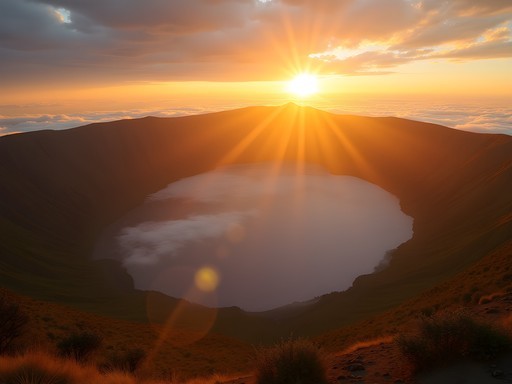
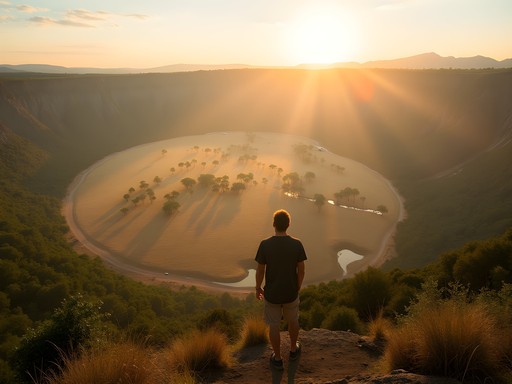
Descending the crater's steep walls at dawn feels like entering nature's own cathedral. The morning mist hangs like incense in the air, while the vast caldera floor stretches out like a sanctuary floor 2,000 feet below. At nearly 100 square miles, this collapsed volcanic cone creates a natural enclosure that's home to some 25,000 large animals.
I stayed at the luxury lodge perched right on the crater's rim—a decision that initially made my truck driver sensibilities balk at the price tag. But waking up to that panoramic view, with nothing between you and creation but glass and air? Worth every penny saved from those long hauls across Nevada. The lodge blends African architecture with baroque elegance—imagine if Antoni Gaudí designed a luxury treehouse with butler service.
Each morning, I'd sip Tanzanian coffee on my private deck, watching the play of light transform the crater from inky darkness to watercolor pastels. It reminded me of those predawn moments on the interstate when the world belongs only to truckers and dreamers—except here, the highway was a game trail and the passing traffic was elephants and buffalo moving in silhouette against the awakening sky.

💡 Pro Tips
- Book a room on the crater rim for sunrise views worth the extra cost
- Bring a good pair of binoculars for wildlife viewing from your lodge
- Ask your lodge about packed breakfasts so you can head into the crater at first light
The Symphony of the Savanna
For a man who's spent half his life with one ear tuned to the rumble of a diesel engine and the other seeking out live music venues from Nashville to New Orleans, Tanzania offered a soundtrack unlike any I've experienced. The Ngorongoro Crater is a concert hall of natural acoustics, where each species plays its part in an ancient composition.
My guide Joseph, a Maasai man with twenty years of safari experience, taught me to listen first and look second. "The animals will tell you where to point your camera," he said on our first game drive. He wasn't wrong. The warning calls of guinea fowl led us to a serval cat stalking through tall grass. The thunderous bass note of elephants communicating through infrasound vibrated in my chest before the herd appeared on the horizon.
I'd brought my wildlife photography setup with a serious telephoto lens—another investment from my grandfather's inheritance that's paid dividends in memories. But capturing the sound was just as important to me. I recorded snippets on my phone: the whooping calls of hyenas at dusk, the surprisingly delicate chirps between massive hippos, the distant roar of a lion that silenced every other voice on the savanna.
One evening, we parked near a watering hole as the sun began its descent. Joseph cut the engine, and we sat in silence. Zebras approached cautiously, their stripes golden in the fading light. A family of warthogs trotted in, tails held high like antennas. Birds I couldn't name called their evening songs. It reminded me of those perfect moments before a concert begins—the orchestra warming up, the audience settling in, the anticipation of something magnificent about to unfold.

💡 Pro Tips
- Invest in a quality zoom lens (at least 200mm) for wildlife photography
- Record audio of the wildlife sounds—they're as memorable as the visuals
- Ask your guide about animal communication and learn to recognize warning calls
The Big Five and Beyond
Before driving trucks, I spent years working construction, where we had our "big five" essential tools. In Tanzania, the "Big Five" means something altogether different: lion, leopard, rhino, elephant, and buffalo—the animals colonial hunters found most dangerous to track on foot. Today, the only shooting I do is with a camera, and Ngorongoro offers one of the best chances in Africa to capture all five in a single day.
The crater's confined ecosystem means wildlife concentrations are incredibly dense. Unlike the vast Serengeti where animals migrate across endless plains, here they're all performing on a single stage. It's like comparing a stadium tour to an intimate club venue—both have their magic, but there's something special about the immediacy of the latter.
We spotted our first pride of lions before 9 AM—a mother and three nearly-grown cubs lounging on a termite mound. By noon, we'd added elephants (a bachelor herd of bulls cooling off in a marsh) and cape buffalo (hundreds strong, their curved horns like musical notes scattered across the grasslands).
The leopard proved more elusive—they always do. Joseph spotted one draped over an acacia branch like a forgotten melody, nearly invisible until it moved. I'd have driven right past it, the same way I sometimes miss exits after too many hours on the interstate.
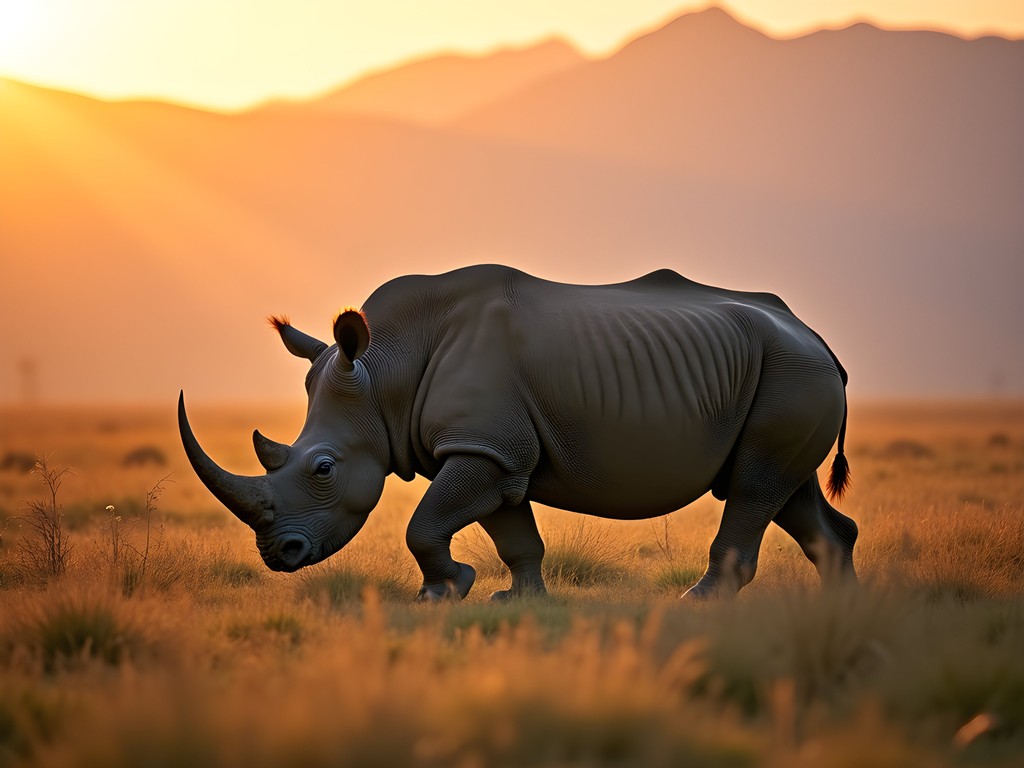
The rhinos were last, and most precious. With fewer than 30 black rhinos left in the crater, seeing one crossing the plain in the afternoon light felt like witnessing a walking miracle. My telephoto lens earned its keep in that moment, letting me capture details of the rhino's skin and horn without disturbing its peaceful grazing.
But beyond the famous five were countless other wonders: hyenas caring for cubs outside their den; a secretary bird stomping on a snake; flamingos turning a soda lake pink in the distance. After years of appreciating the craftsmanship in Europe's grand churches, I found myself equally moved by the intricate design of a dung beetle rolling its perfect sphere across our path.
💡 Pro Tips
- Early morning and late afternoon offer the best light for photography and active wildlife
- Don't focus exclusively on the Big Five—some of the most interesting behaviors come from smaller animals
- Bring a camera with good low-light capabilities for dawn and dusk sightings

Cultural Crossroads: The Maasai Connection
As someone who's driven through countless American communities—from Bible Belt towns to coastal enclaves—I've developed an appreciation for how people adapt to their environments. The Maasai people have coexisted with Ngorongoro's wildlife for centuries, and their relationship with this land adds another dimension to the safari experience.
Through my lodge, I arranged a cultural visit to a nearby Maasai village. Not the tourist-trap variety where performances feel as authentic as a roadside attraction, but a genuine engagement arranged through community tourism initiatives. My guide Jacob was born in the village and returned after university to help his community benefit from tourism while preserving their traditions.
The Maasai men demonstrated their famous jumping dance, leaping straight up from standing positions in a display of warrior prowess. When they invited visitors to join, I gave it my best shot—much to everyone's amusement. After years of climbing in and out of a truck cab, my vertical leap isn't what it used to be.
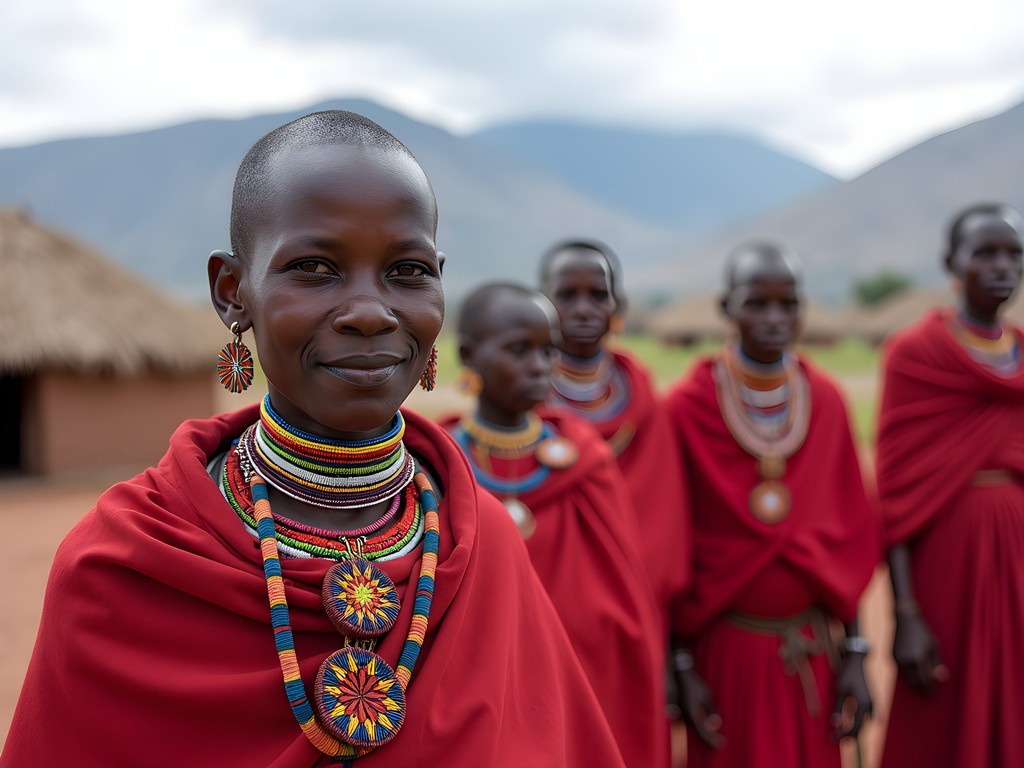
What struck me most was their musical tradition. The rhythmic chanting created harmonies that reminded me of gospel choirs in southern churches I've visited during Sunday layovers. I recorded some of it on my portable recorder, which I originally bought for capturing pipe organ music in historic churches. The women's beadwork showed craftsmanship that would impress any artisan—intricate patterns passed down through generations.
Jacob explained how the Maasai have adapted their traditional pastoralist lifestyle to conservation requirements in the protected area. It's a delicate balance between preserving wildlife and respecting cultural heritage—not unlike the challenges facing historic music venues in American cities being swallowed by development. The authenticity of both requires conscious protection.
💡 Pro Tips
- Research ethical cultural tourism options before booking
- Bring small US bills if you want to purchase handmade Maasai crafts directly from artisans
- Learn a few basic Swahili greetings—they're appreciated even if your pronunciation isn't perfect
Luxury in the Wilderness: The Safari Lodge Experience
After twelve years of truck stop showers and roadside motels, I've developed a deep appreciation for life's finer comforts when I travel. The safari lodges around Ngorongoro offer luxury that would make a five-star hotel blush—but with a distinctly African character that keeps you connected to the wild.
I split my week between two properties: three nights at the crater rim and three at a tented camp in the nearby highlands. The rim lodge offered dramatic views and quick access to the crater floor, while the tented camp provided a more immersive experience with the sounds of the bush surrounding you at night.
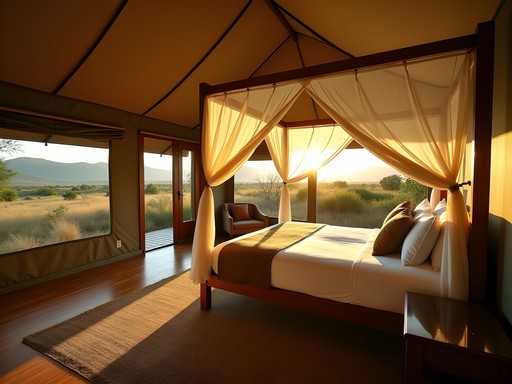
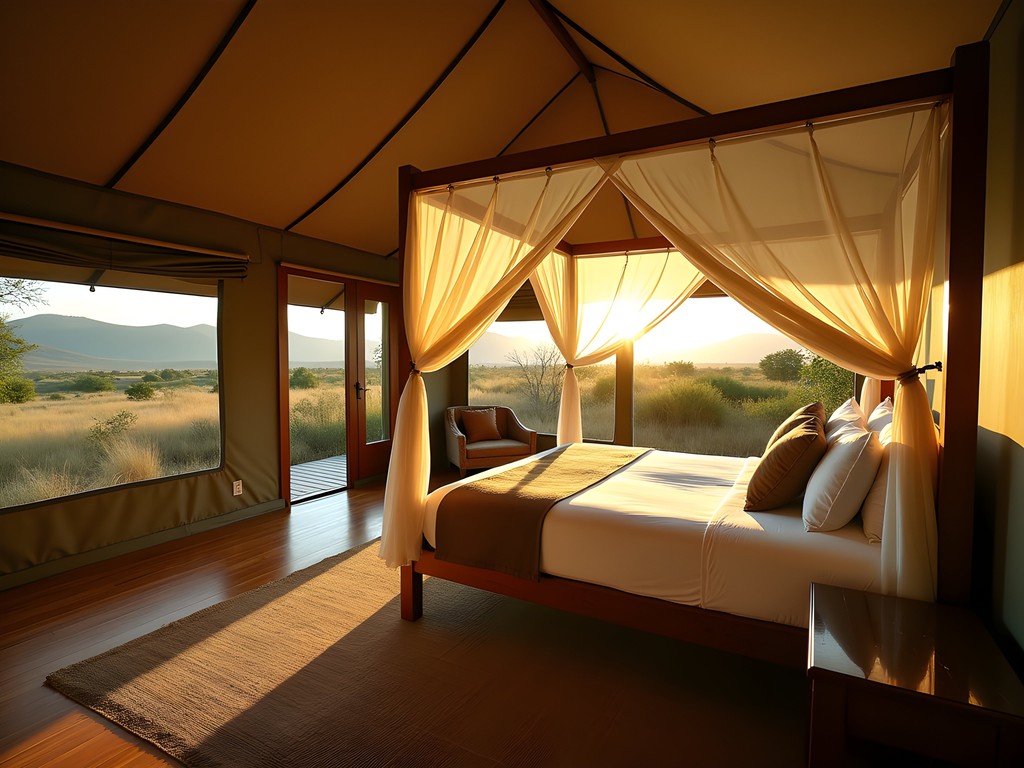
The tents at luxury safari camp redefined my concept of canvas accommodations. Forget the pup tents of my youth—these featured hardwood floors, four-poster beds draped in mosquito netting, en-suite bathrooms with hot showers, and private decks. Yet the canvas walls meant you never forgot where you were. One night, I fell asleep to the distant whooping of hyenas and woke to the dawn chorus of birds just outside my tent.
The food at both lodges showcased local ingredients prepared with international flair. After a morning game drive, we'd return to multi-course brunches served on panoramic terraces. Evenings began with sundowners around the campfire—that first sip of Amarula liqueur or Tanzanian gin while watching the sunset over the highlands is a ritual I've tried to recreate at home, but something essential is missing without that African horizon.
What truly elevated the experience was the staff. Like the best roadhouses I've discovered on America's backroads—where the music is authentic and the welcome genuine—these lodges were staffed by people who took pride in sharing their homeland. My butler at the crater lodge, Emmanuel, seemed to anticipate needs I didn't know I had. When he learned of my interest in church architecture, he arranged for the lodge manager (who happened to be an amateur historian) to show me photos of the German colonial churches built in Arusha in the early 1900s.
💡 Pro Tips
- Pack layers for cool evenings—temperatures drop significantly after sunset
- Bring a universal power adapter with surge protection for charging camera equipment
- Take advantage of laundry services at the lodges to pack lighter
Final Thoughts
As I packed my camera gear on the final morning, watching elephants traverse the crater floor through my binoculars one last time, I couldn't help but reflect on the journey that brought me here. From the cab of a Peterbilt to the seat of a Land Cruiser—both vehicles carrying me toward horizons I needed to see. The Ngorongoro Crater offers a rare combination of concentrated wildlife, breathtaking landscapes, cultural richness, and luxurious comfort that makes it worth every penny saved and mile traveled. Like the perfect fusion of a cathedral's reverent silence and a music venue's vibrant energy, it speaks to both the soul's need for wonder and the heart's desire for connection. Whether you're a wildlife enthusiast, a photography buff, or simply someone seeking experiences that transcend the ordinary, Tanzania's natural amphitheater deserves its place on your map. The open road calls us all differently—this one leads to Africa's Eden, and I can promise the journey changes you in ways no ordinary vacation ever could.
✨ Key Takeaways
- Ngorongoro Crater offers one of the world's most concentrated wildlife viewing experiences with all Big Five animals possible in a single day
- Staying at lodges on the crater rim provides unparalleled views and early access to the crater floor before day visitors arrive
- Combining wildlife experiences with authentic Maasai cultural interactions creates a more meaningful safari experience
- The green season (November-April) offers fewer crowds and lush landscapes, though wildlife can be slightly more dispersed
📋 Practical Information
Best Time to Visit
December-February (short dry season) or June-October (long dry season)
Budget Estimate
$800-1,200 per person per day including luxury accommodation, private guide, and park fees
Recommended Duration
3-4 days at Ngorongoro as part of a longer Tanzania safari
Difficulty Level
Moderate (Early Mornings, Some Bumpy Roads, But Comfortable Accommodations)

Comments
Hunter Thompson
Brilliant write-up Carter! Love how you connected your trucking days to the safari experience - that's a unique perspective. The Maasai cultural section really resonated with me too. When I was there I spent an afternoon at a Maasai village near the crater and learned so much about their traditional way of life and how they coexist with the wildlife. It's not just about the animals, it's about understanding the whole ecosystem including the people. Did you get to visit any of the villages? Also totally agree about the 'symphony' of sounds at dawn - that's exactly what it feels like!
wintermood
Great post! We visited Ngorongoro in 2024 and it was hands down the best wildlife experience of our lives. We saw four of the Big Five in a single morning - only missed leopard. The rhino sighting was especially amazing since they're so rare now. One tip for anyone going: bring layers! It gets cold on the crater rim in the morning but heats up fast once you descend. Also the roads can be super bumpy so if you get motion sick maybe take something for that.
cityhero
How much did this trip cost you roughly? Me and my girlfriend are thinking about doing Tanzania this year but trying to figure out budget
Hunter Thompson
Not Carter but I did Ngorongoro last year! Budget really depends on your style. Park fees alone are about $70 USD per person per day, then you need a safari vehicle with driver/guide which runs $200-300/day. If you're doing budget you can find basic campsites for $30-50/night, mid-range lodges $150-250, luxury $400+. Food and tips add up too. I'd say minimum $500-600 per person for 2-3 days if you're being careful, but could easily be double that. Totally worth it though mate!
cityhero
okay that's helpful thanks! more than i thought but sounds worth it
wanderlustvibes3385
OMG Carter this is AMAZING!! The Ngorongoro Crater has been on my bucket list forever and your post just moved it to the top! That photo of the lioness with her cubs is absolutely stunning. I've done safaris in Kenya and Botswana but never made it to Tanzania yet. The way you described it as a 'cathedral of the wild' gave me actual chills. How long did you spend there total? And did you camp inside the crater or stay at one of the lodges on the rim?
Carter Ruiz
Thanks so much! We spent 3 days total - stayed at a lodge on the rim with incredible sunrise views. Camping inside isn't allowed anymore but honestly the rim lodges are worth it for those morning views alone!
wanderlustvibes3385
Good to know! I'll definitely look into the rim lodges then. Thanks!
journeyzone
Did you book your safari in advance or find a tour company when you got there? Seeing mixed advice online
Carter Ruiz
I booked about 2 months in advance. You CAN find tours locally in Arusha, but for Ngorongoro I'd recommend booking ahead—permits are limited and the good guides get booked up, especially during peak season.
Fatima Sims
Love this post, Carter! That comparison between trucking across America and the safari tracks really resonated with me. There's definitely something about those long journeys that changes you. I spent a month in Tanzania last year doing the northern circuit and Ngorongoro was the highlight. One tip for anyone planning this—bring layers! Mornings in the crater are COLD (like 40°F), but by midday it's hot. Also, I carried my portable charger and it was a lifesaver since game drives are long and you're constantly using your camera. The lodges have power but it's nice to stay charged during the day.
smartqueen
thank you!! this is super helpful
smartqueen
what was the temperature like? trying to figure out what to pack
coffeeexplorer
This looks amazing but also kinda intimidating for a first time safari person. Is Tanzania a good place to start or should I try somewhere easier first?
Fatima Sims
Tanzania is actually perfect for first-timers! The infrastructure is solid, guides are experienced, and Ngorongoro is one of the easiest places to see the Big Five. I'd say go for it—you'll have support the whole way.
coffeeexplorer
ok that makes me feel better, thanks!
Sage Dixon
Carter, this brought back so many memories! I did Ngorongoro back in 2019 and it remains one of my top 3 wildlife experiences ever. That moment you described seeing the rhinos at sunrise—I had the exact same experience and literally cried. The density of wildlife in that crater is just unreal. Did you make it to Olduvai Gorge? I found that archaeological site fascinating, especially learning about the Leakey discoveries. Also totally agree about the Maasai cultural exchange—those conversations around the fire were some of the most meaningful interactions I've had while traveling.
Carter Ruiz
Yes! Olduvai was mind-blowing. Standing where some of the earliest human ancestors walked really puts things in perspective. And agreed on the Maasai experience—it was so much more than just a tourist thing.
citychamp
Adding this to my bucket list!
Venture X
Premium card with 2X miles, $300 travel credit, Priority Pass