Disclosure: This article contains affiliate links. We may earn a commission from purchases at no extra cost to you, which helps our travel content.
As a surgeon, I've learned that both medicine and photography require the same precise attention to detail – the ability to observe what others might miss. Maastricht, with its cobblestone streets and medieval architecture, offers a similar diagnostic challenge for photographers: how to capture the essence of a city where every corner tells a story centuries old. ¡Qué maravilla! This ancient Dutch city near the Belgian border became my unexpected muse last spring when I escaped Valencia's early heat for a solo weekend of pure photographic indulgence.
The Golden Hour Diagnosis: Optimal Lighting Conditions
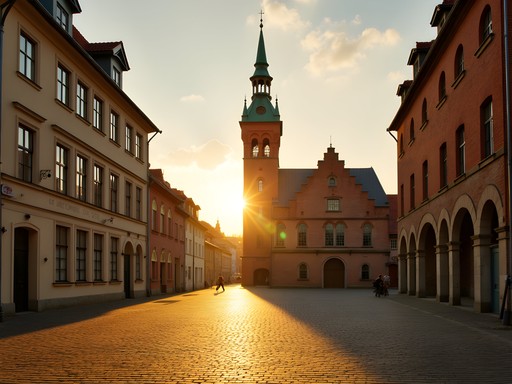
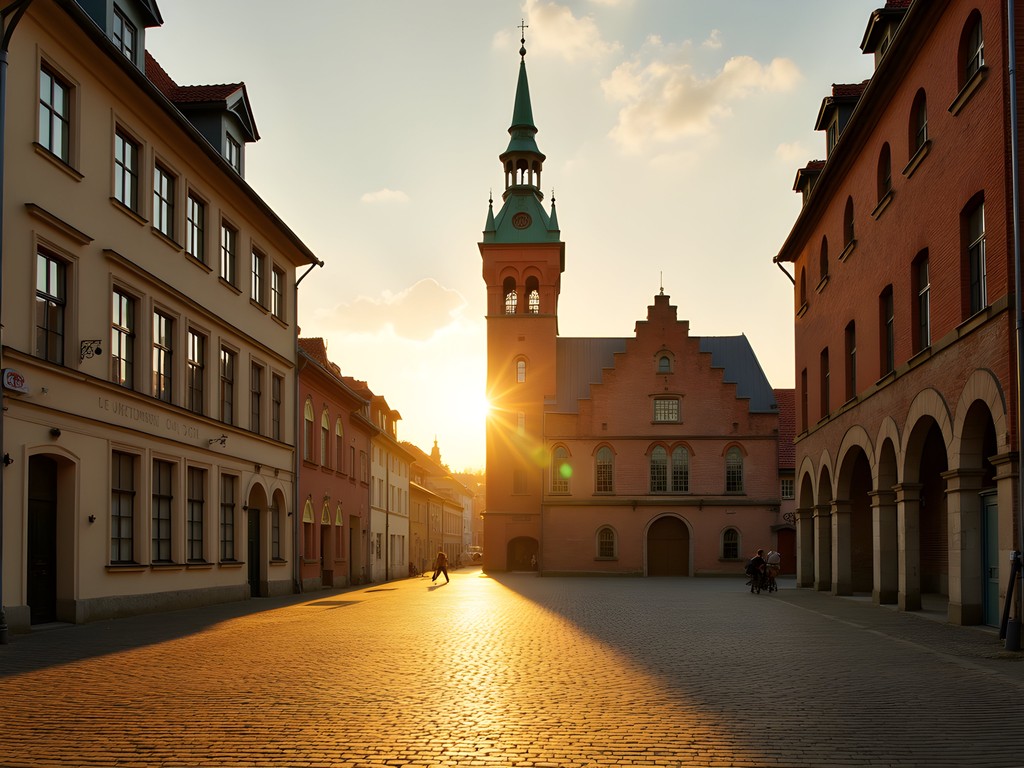
Like preparing for surgery, capturing Maastricht requires strategic timing. The city's limestone buildings – particularly in the historic Vrijthof Square – undergo a remarkable transformation during golden hour, when the warm light bathes the medieval facades in a honey-colored glow that no filter can replicate.
I discovered that spring mornings offer the perfect combination of soft light and minimal crowds. Rising at dawn (admittedly easier for someone accustomed to surgical on-call schedules), I found myself alone with the city's architectural treasures. The Sint Janskerk's distinctive red tower against the morning sky creates a striking composition, especially when framed by the awakening square below.
For those serious about architectural photography, I recommend investing in a polarizing filter to manage reflections on the many glass and water surfaces throughout the city. This simple tool made a dramatic difference when photographing the Maas River and its historic stone bridge, eliminating unwanted glare and enhancing the rich colors of the surrounding landscape.
💡 Pro Tips
- Arrive at key locations 30 minutes before official sunrise time for the best pre-dawn blue hour light
- Use a polarizing filter to reduce reflections when photographing the Maas River
- The Vrijthof Square empties of tourists before 7:30 AM, even in high season
Architectural Anatomy: Capturing Maastricht's Medieval Details
In surgery, we're taught that understanding anatomical relationships is crucial. Similarly, photographing Maastricht's architecture requires recognizing how various elements interact. The city presents a fascinating study of architectural evolution – from Romanesque churches to Renaissance town houses and Baroque flourishes.
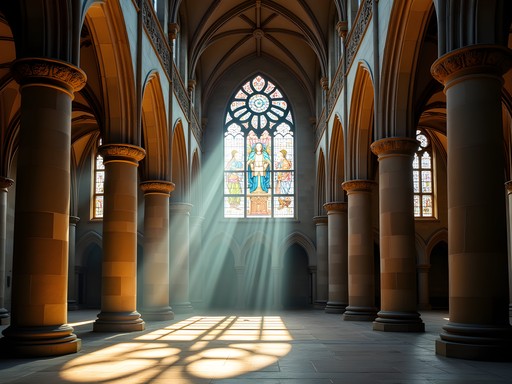
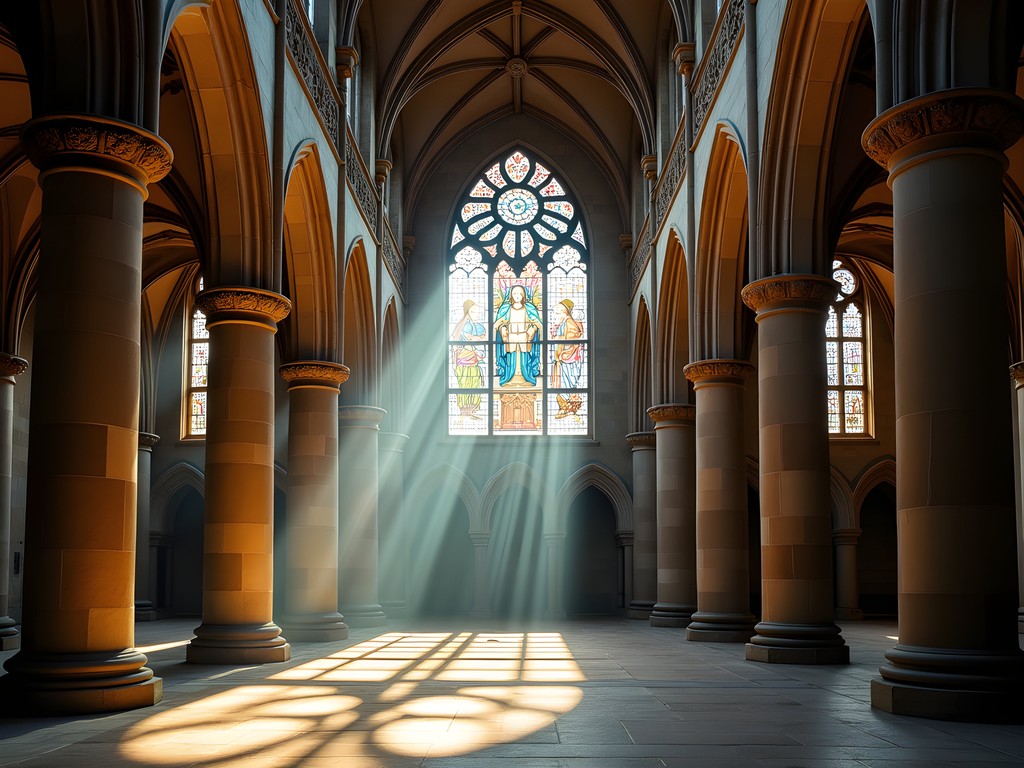
The Basilica of Saint Servatius offers a masterclass in architectural photography challenges. Its intricate carvings and dramatic interior light require careful exposure balancing. I found myself switching between aperture settings constantly, much like adjusting surgical technique based on tissue conditions.
For stability in low-light conditions inside these magnificent structures, I relied heavily on my travel-friendly monopod. Unlike bulky tripods (which are often prohibited anyway), this lightweight support allowed me to capture sharp images in the dimly lit interiors without disturbing other visitors.
Don't overlook Maastricht University's modern architectural additions juxtaposed against medieval structures – this contrast creates compelling visual narratives about the city's evolution through centuries.
💡 Pro Tips
- Look for juxtapositions between medieval and modern elements throughout the city
- Use doorways and archways as natural frames for your compositions
- Visit the Basilica between 10-11 AM when light streams through the stained glass windows
Underground Exposure: Photographing the City Beneath
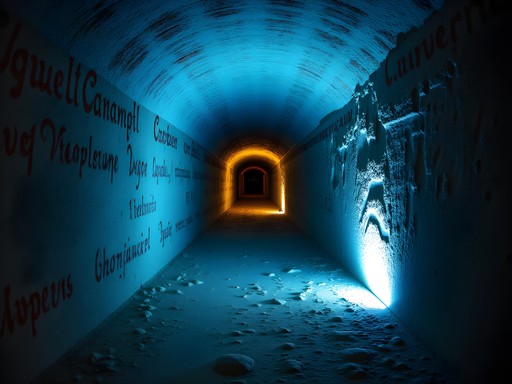
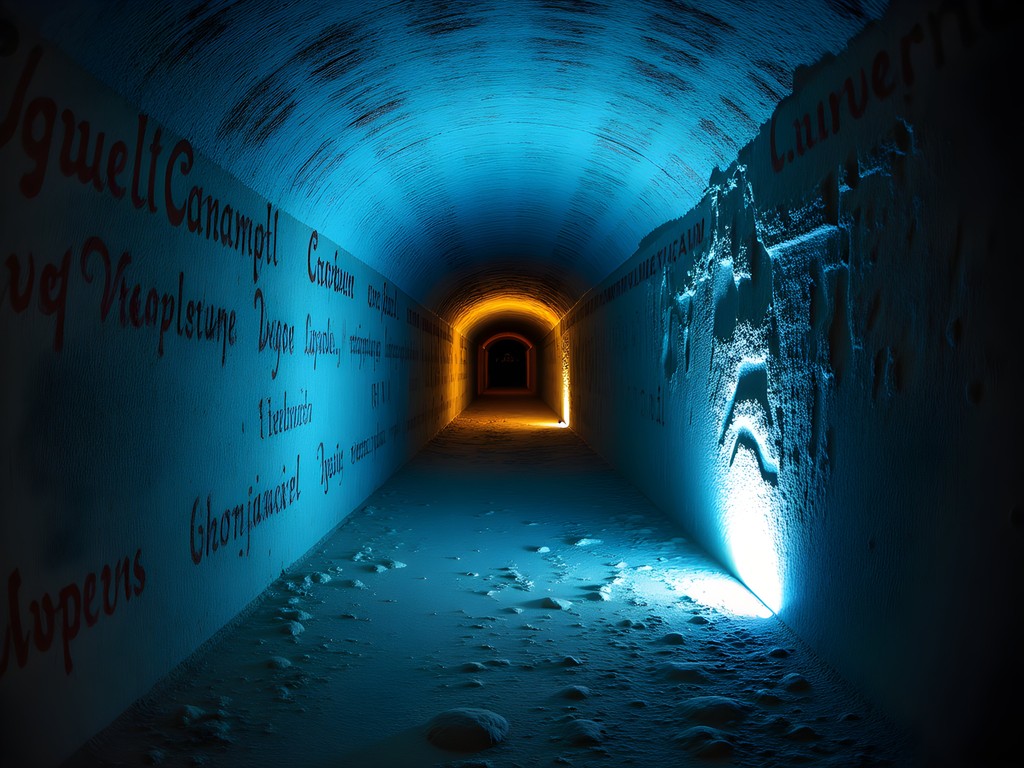
Few visitors realize that Maastricht harbors an extensive network of underground tunnels and caves – the Zonneberg Caves and Fort Sint Pieter present unique photographic challenges that would intrigue any technical mind. As someone who appreciates both anatomical complexity and good wine, I found this subterranean world fascinating.
Photographing in these low-light conditions requires specialized equipment. My headlamp proved invaluable, allowing me to navigate safely while keeping my hands free for camera adjustments. The cool, consistent temperature underground (around 12°C year-round) means you'll need to protect your camera when returning to warmer surface conditions to prevent lens condensation.
The most compelling images came from light painting techniques – using long exposures while selectively illuminating portions of the cave walls with my headlamp. This method revealed the intricate carvings and signatures left by previous generations, some dating back centuries.
For those interested in historical context, the caves served as shelter during WWII and housed priceless art treasures (including Rembrandt's Night Watch) to protect them from Nazi looting – a preservation effort that resonates with my own commitment to protecting what's valuable, whether in the operating room or through my lens.
💡 Pro Tips
- Book a specialized photography tour of the caves that allows tripods and extended time
- Bring microfiber cloths to manage lens condensation when moving between temperature zones
- Use ISO 1600-3200 for handheld shots in the caves, but bring a travel tripod for the best results

Culinary Compositions: Maastricht's Gastronomic Scene
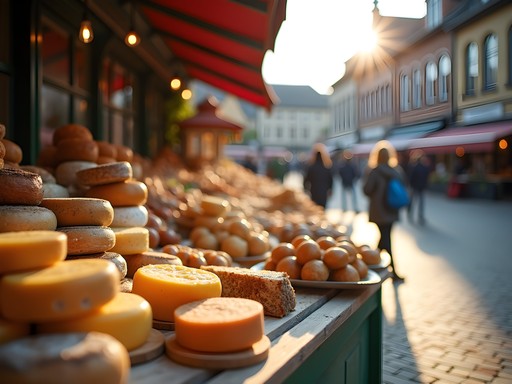
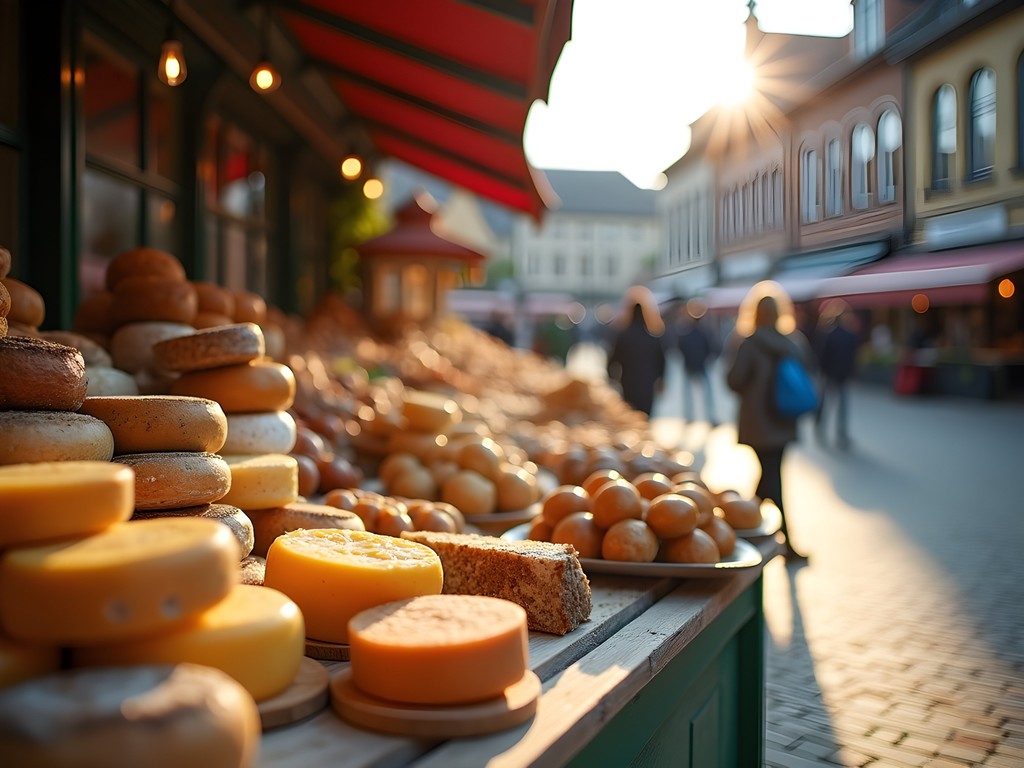
Every photographer needs proper nutrition to maintain focus, and Maastricht's culinary scene provides both sustenance and subject matter. The weekend market in Vrijthof Square offers vibrant food photography opportunities – from local cheeses to seasonal produce arranged in meticulous displays that would satisfy any surgeon's appreciation for order and precision.
For the best food photography lighting, I recommend the cafés along Onze Lieve Vrouweplein (Our Dear Lady Square). The outdoor seating provides natural light that flatters both architecture and cuisine. My collapsible reflector helped balance shadows when photographing the region's famous vlaai (fruit tarts) and local wines.
Speaking of wine, my background with my husband's export business made me particularly appreciative of Maastricht's wine bars. Caves de Bacchus near the Vrijthof offers excellent local selections in a photogenic 14th-century cellar. The sommelier allowed me to photograph their historic wine library – a collection dating back generations – when I expressed informed interest in their aging process.
Remember that food photography is about storytelling as much as technical skill. Capture the hands of local vendors, the steam rising from fresh bread, or the concentrated expression of the barista preparing your morning coffee. These human elements transform simple food images into cultural documentation.
💡 Pro Tips
- Visit the weekend market before 9 AM for the best light and freshest displays
- Use a 50mm lens for food photography to achieve pleasing bokeh without distortion
- Ask permission before photographing vendors or their goods – a few words of Dutch appreciation go a long way
Post-Processing Prescription: Editing Your Maastricht Portfolio
Just as a surgical procedure isn't complete until the final suture is placed, your photography workflow shouldn't end when you press the shutter. Back in my comfortable hotel room at the boutique accommodation, I established an efficient editing routine each evening.
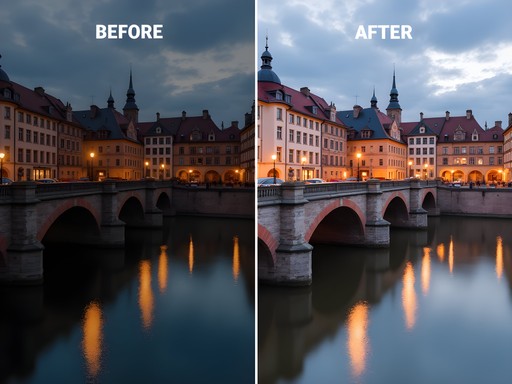
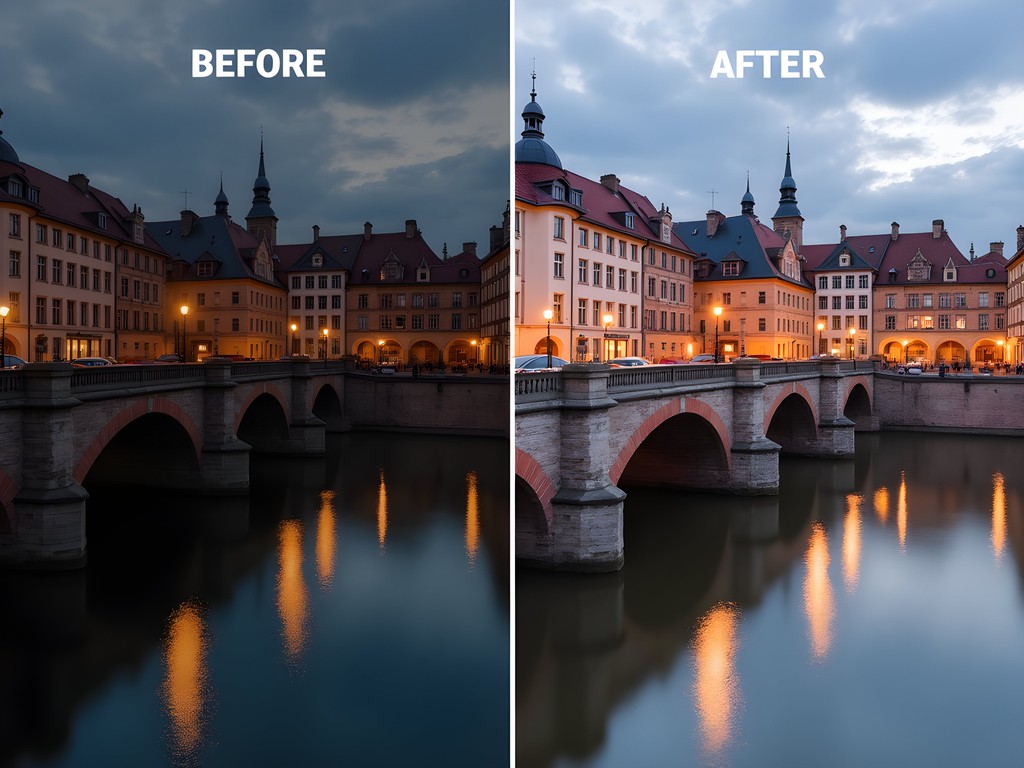
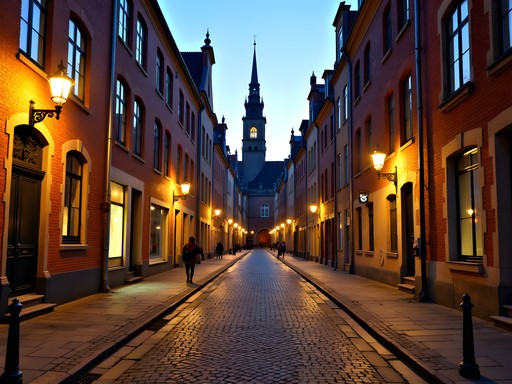
Maastricht's distinctive color palette – the warm yellows of limestone against Dutch blue skies – benefits from subtle calibration rather than heavy-handed filters. I recommend adjusting white balance to preserve the authentic warmth of the city's stone facades, which can sometimes read too cool in camera.
For efficient workflow management while traveling, I use a portable SSD to back up images daily. This practice, much like maintaining proper documentation in medicine, ensures your creative work remains protected even if equipment fails.
Consider creating separate collections for different aspects of Maastricht: architecture, underground caves, food, and street scenes. This organization not only facilitates easier portfolio development later but helps identify themes and patterns in your work that might inspire future photographic explorations.
My surgical background has taught me the value of precision, and this extends to my photo editing. Rather than applying global adjustments, I use targeted adjustments on specific areas – brightening shadows in the narrow medieval streets while preserving the mood, or selectively enhancing the texture of ancient stonework without affecting skin tones in the same frame.
💡 Pro Tips
- Back up your images every evening using a portable hard drive or cloud storage
- Create location-specific presets to maintain consistency across your Maastricht portfolio
- When editing architecture photos, use perspective correction tools to address converging vertical lines
Final Thoughts
Photographing Maastricht reminds me of what first drew me to both medicine and travel documentation – the privilege of seeing beneath the surface, of understanding how light, history, and human creativity intersect to create something greater than the sum of its parts. Like a successful surgical procedure, a thoughtful photographic exploration of this Dutch gem leaves you with a profound appreciation for both technical skill and artistic vision.
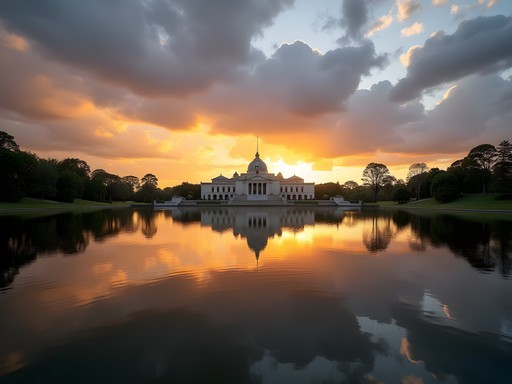
As I packed my camera gear on my final morning, watching dawn break over the Maas River one last time, I realized that Maastricht had offered me the perfect prescription for creative renewal. The city's medieval beauty, captured frame by frame, now serves as both portfolio enhancement and personal memento of slow moments stolen between busy professional commitments.
Whether you're a seasoned photographer or simply someone who appreciates viewing the world through a more intentional lens, I encourage you to give yourself the gift of time in Maastricht. Bring your camera, yes – but also bring your curiosity and willingness to wait for perfect light, to explore hidden passages, and to see this ancient Dutch city as both subject and teacher. ¡Hasta pronto, Maastricht! Until we meet again.
✨ Key Takeaways
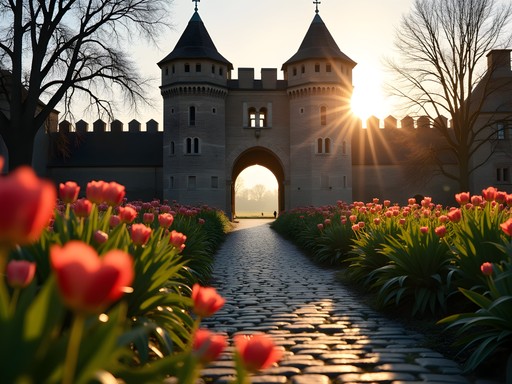
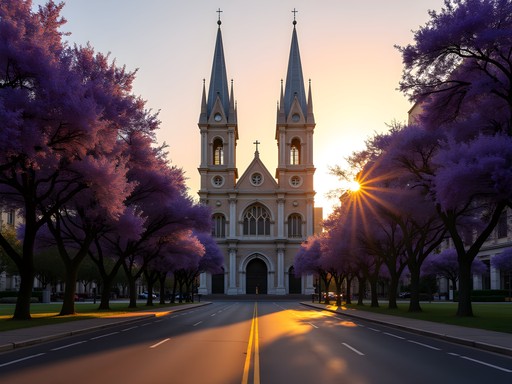
- Spring offers ideal photography conditions with soft light and blooming trees against medieval architecture
- Early morning and golden hour provide the best lighting conditions for Maastricht's limestone buildings
- Underground caves require specialized equipment but offer unique photographic opportunities
- The city's compact size makes it perfect for a photography-focused weekend break
📋 Practical Information
Best Time to Visit
April-May for spring blooms against medieval architecture
Budget Estimate
€150-200 per day including mid-range accommodation and meals
Recommended Duration
2-3 days for comprehensive photography coverage
Difficulty Level
Moderate (Involves Early Mornings And Some Underground Exploration)


Comments
roamguy
Really cool photos!
Jean Wells
Coming back to this post for inspiration before my next European trip. Maria, I'm curious - did you find it difficult to photograph the Fort St. Pieter due to its scale? Your composition made it look both imposing and intimate simultaneously.
Sage Dixon
This takes me back! I spent three days in Maastricht two years ago and kicked myself for not staying longer. Your section on architectural anatomy is spot-on - those medieval details are everywhere once you start looking. I remember sitting at a cafe on Vrijthof square for two hours just watching light change on the Sint-Janskerk tower. Pro tip for anyone heading there: rent a bike. The city's compact enough to walk, but cycling lets you chase the light when those perfect moments happen. I caught an incredible sunset from the Sint Pietersberg hill that way - would've missed it otherwise. The underground caves were definitely a highlight, though I wish I'd brought my tripod down there instead of trying to handhold everything at high ISO.
roamguy
Bike rental - great idea! Didn't think of that
blueninja
What camera settings did you use for the underground shots?
Jean Wells
Maria, your medical background really shows in how you approach composition - that attention to detail is evident in every shot. I visited Maastricht last autumn and completely agree about the golden hour magic. One thing I'd add: the Onze Lieve Vrouweplein square is exceptional around 7am before the crowds arrive. The way morning light hits the Basilica of Our Lady creates this ethereal quality that's impossible to replicate later in the day. Also found that using a polarizing filter helped manage the reflections off the Maas River. Did you experiment much with long exposures along the waterfront?
Maria Ramos
Jean, great tip about the early morning at Onze Lieve Vrouweplein! I did some long exposures by the river - the Servaasbrug bridge at dusk was particularly rewarding. The movement of the water against those ancient stones creates beautiful contrast.
greengal
Love this! Quick question - did you need any special permits to photograph inside the caves? Planning a trip in spring and want to make sure I'm prepared.
Maria Ramos
No special permits needed! Just book the tour and they're fine with photography. Bring a tripod though - it's dark down there!
greengal
Perfect, thank you!!
smartmate957
Wow those photos are stunning! Adding this to my bucket list
AmsterdamAmy
Did you try any food photography at the Markt? I'm visiting next month and want to capture both architecture and cuisine!
Maria Ramos
Yes! The Markt has gorgeous natural light for food photography, especially in the morning. The local vlaai (fruit pie) makes for colorful subjects. Try Café Sjiek for beautiful plating if you're into restaurant photography!
escapestar
Just got back from Maastricht and used your blog as a photography guide! Your tip about visiting the city walls early morning was spot on - got some amazing shots without crowds. The cafes around Onze Lieve Vrouweplein were perfect for people-watching shots too. One thing I'd add is that the Fort Sint Pieter offers incredible panoramic views of the city that photographers shouldn't miss. Thanks for inspiring my trip!
Maria Ramos
So happy to hear my guide helped! And you're absolutely right about Fort Sint Pieter - I wish I'd had better weather when I visited there. Would love to see some of your shots!
TravelingLens
Great post! If anyone's heading to Maastricht, the Christmas market in December is absolutely magical for photography - the lighting against those medieval buildings creates the perfect atmosphere.
CatherineB
We went to the Christmas market last year and it was incredible! Got some of my best night shots there.
Venture X
Premium card with 2X miles, $300 travel credit, Priority Pass