

Disclosure: This article contains affiliate links. We may earn a commission from purchases at no extra cost to you, which helps our travel content.
There's something about the way sunlight dances across centuries-old limestone in Maastricht that reminds me of how light plays through a perfect glass of aged Riesling—both revealing layers of history with each shifting shadow. After paragliding over the nearby Belgian border hills last spring, I found myself drawn to this southernmost Dutch city not for its elevation (disappointingly flat for my airborne habits), but for its intoxicating blend of cultural influences that have fermented here over two millennia. Grab your partner's hand and comfortable walking shoes—we're about to uncork Maastricht's most intriguing historical secrets over three perfectly paced days.

Day 1: Vestiges of Fortification & Underground Marvels
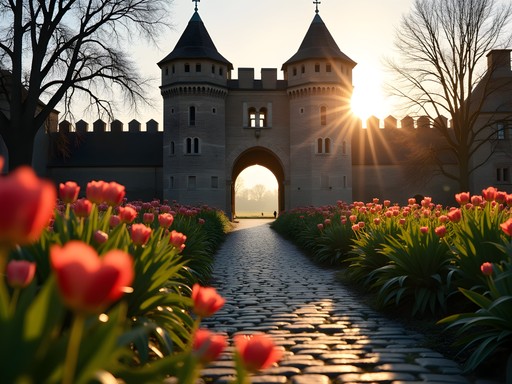
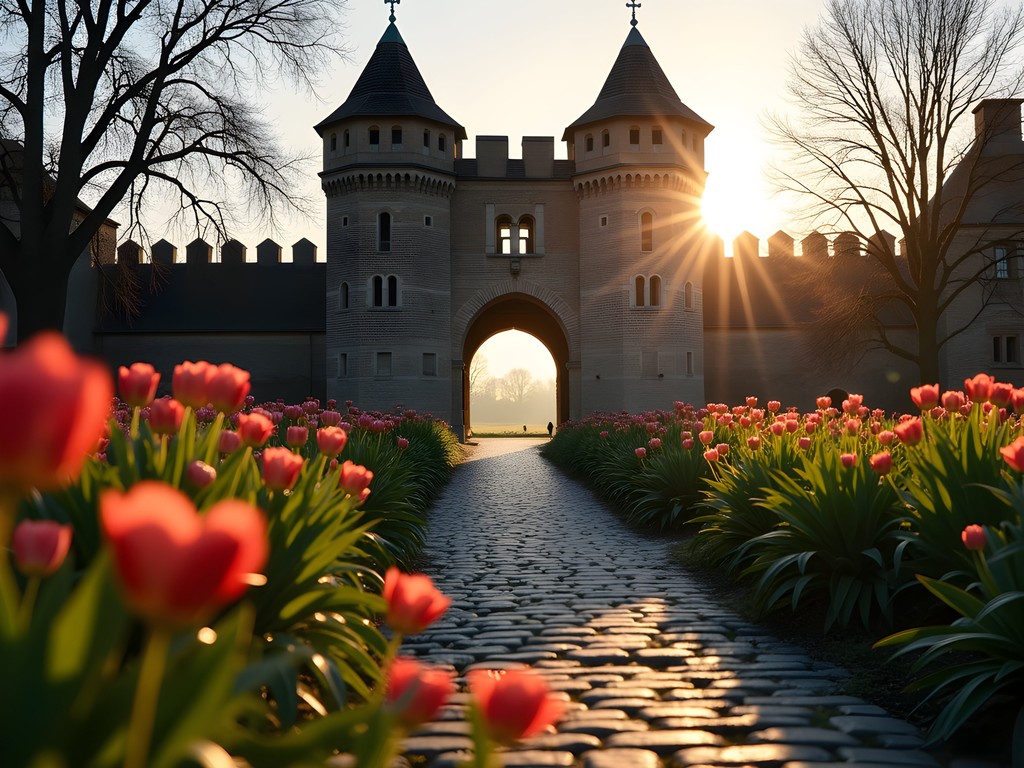
Begin your Maastricht immersion where the city itself began—along the remnants of its medieval walls. The 13th-century Helpoort (Hell's Gate) stands as the Netherlands' oldest city gate, a formidable limestone sentinel that's weathered centuries of conflict. I recommend arriving just after breakfast when the morning light accentuates the warm tones of the stone.
From here, follow the old city walls to Jekerkwartier, a neighborhood where time seems suspended in amber. The narrow streets lined with 17th and 18th-century homes feel like walking through a living museum. Stop at Café de Pieter, a brown café (traditional Dutch pub) where locals have been debating politics over beer for generations. Their house-brewed herbal bitters make for an exceptional aperitif—reminiscent of amaro but with distinct Dutch botanicals.
After lunch, prepare for Maastricht's underground adventure at the Casemates, a network of defensive tunnels built into the western city walls. I'd suggest bringing a lightweight headlamp for exploring the dimmer corners—the provided lighting is atmospheric but not always sufficient for examining the fascinating engineering details or reading the historical placards.
End your first day with the ultimate subterranean experience: the North Caves guided tour beneath St. Pietersberg hill. These ancient marl quarries created a labyrinth of over 20,000 passageways where locals hid priceless art (including Rembrandt's Night Watch) during World War II. The constant 10°C temperature inside makes a lightweight merino sweater essential even in spring—I learned this lesson the hard way after shivering through my first visit in just a linen shirt.

💡 Pro Tips
- Book the North Caves tour at least a day in advance—they often sell out during spring weekends
- The Casemates and caves are consistently 10°C year-round—layer accordingly
- Many cafés in Jekerkwartier close between lunch and dinner—plan your refreshment stops accordingly
Day 2: Sacred Spaces & Bookish Pleasures
Begin your second day at the Basilica of Saint Servatius, a Romanesque masterpiece housing one of Europe's most significant church treasuries. Arrive early to experience the morning light filtering through the stained glass, creating kaleidoscopic patterns across the ancient stonework. The Treasury Museum requires a separate ticket but is absolutely worth it—the collection of medieval religious artifacts would make even the most seasoned museum-goer weak at the knees.
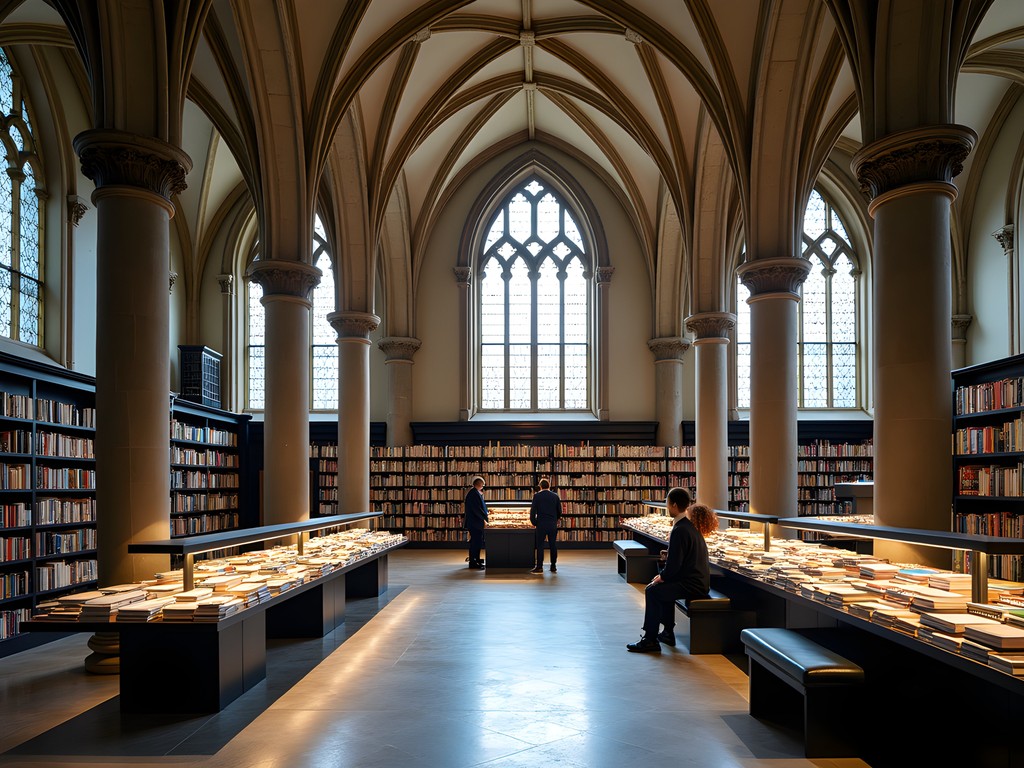
Just steps away stands the Dominicanenkerk, a 13th-century Gothic church transformed into what Guardian readers voted 'the world's most beautiful bookstore.' The contrast between vaulted ceilings and contemporary bookshelves creates a space where literary and architectural appreciation become a singular experience. I spent three hours here on my last visit, eventually settling into the café with an exceptional cortado and a pocket sketchbook to capture the interplay of light and shadow among the columns.
For lunch, cross the Meuse River via the Sint Servaasbrug, a graceful arched stone bridge dating to the 13th century. The eastern bank neighborhood of Wyck offers a delightful contrast to the western medieval core. The architecture here speaks to Maastricht's 19th-century industrial prosperity, with elegant townhouses lining streets filled with boutiques and cafés. Seek out Café Louis for their seasonal asparagus dishes in spring—the region's white asparagus rivals any I've tasted in my sommelier travels.
Return westward in the afternoon to explore Onze Lieve Vrouweplein (Our Dear Lady Square), where the imposing Basilica of Our Lady stands as a Romanesque counterpoint to Saint Servatius. The Star of the Sea Chapel within contains a wooden statue of the Madonna that's been the focus of pilgrimage for centuries. The square itself transforms throughout the day—from morning market to afternoon café scene to evening social hub—making it worth multiple visits during your stay.
💡 Pro Tips
- Visit the Basilica of Saint Servatius first thing to avoid tour groups that arrive mid-morning
- The Dominicanenkerk bookstore has excellent English sections on local history and Dutch design
- Many religious sites in Maastricht close to tourists during services—check schedules in advance
Day 3: Markets, Museums & Culinary Delights
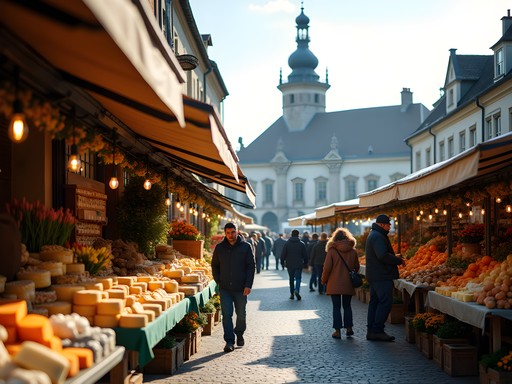
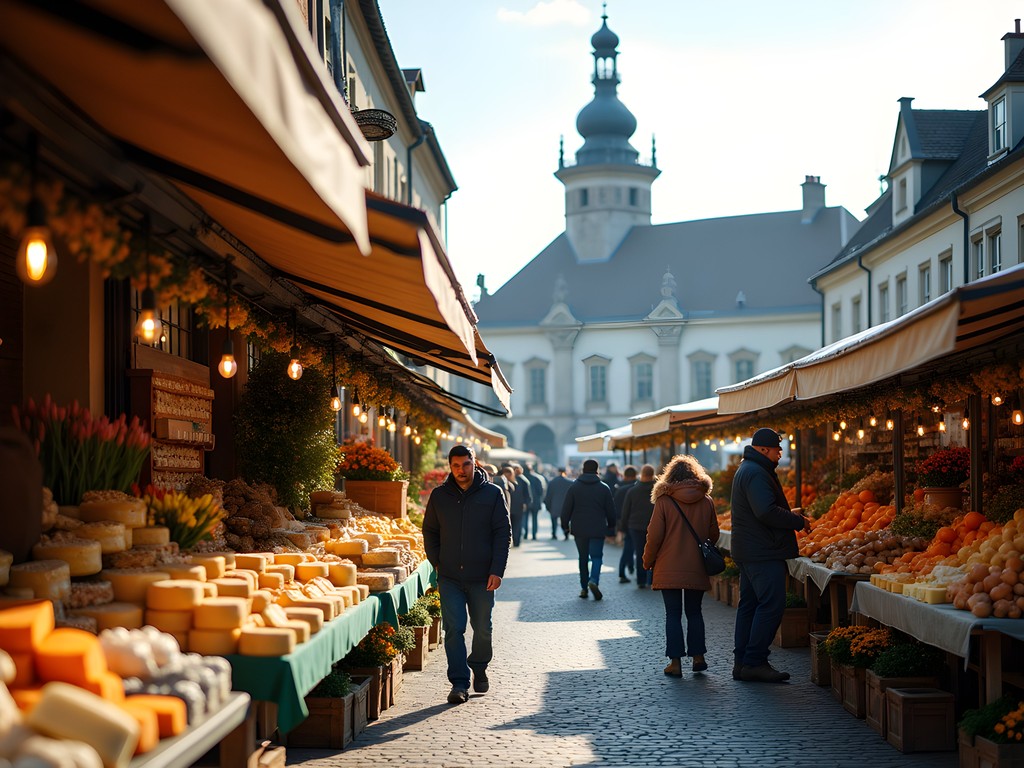
Reserve your final day for Maastricht's market traditions and culinary pleasures. Begin at the Friday or Saturday market on Markt Square (check which day coincides with your visit), where the shadow of the 17th-century City Hall falls across stalls selling everything from local cheeses to antiques. The sensory experience here rivals any wine tasting—the pungent cheeses, fragrant bread, and colorful produce create a bouquet that tells the story of the region's agricultural bounty.
I recommend bringing a packable market tote to collect picnic supplies. My perfect Maastricht picnic includes local Limburger cheese (far less intimidating than its reputation suggests), freshly baked spelt bread, and strawberries when in season.
With provisions secured, walk to the Bonnefantenmuseum, Maastricht's premier art institution housed in a striking building designed by Italian architect Aldo Rossi. The distinctive rocket-shaped tower has become a city landmark, while inside, the collection spans from medieval religious art to contemporary installations. The audio guide provides exceptional context—I suggest using your own wireless earbuds rather than the museum-provided headphones for both comfort and hygiene.
For your final afternoon, stroll to Maastricht's eastern outskirts to discover Fort Sint Pieter, a beautifully preserved 18th-century fortress offering panoramic views across three countries—the Netherlands, Belgium, and Germany. The guided tour reveals ingenious defensive features and provides context for Maastricht's strategic importance throughout European history.
Conclude your Maastricht experience with dinner at Café Sjiek, where traditional Limburg cuisine meets contemporary culinary sensibilities. Their zuurvlees (sweet-sour beef stew) paired with a local craft beer creates a flavor profile that's simultaneously comforting and complex—much like Maastricht itself.

💡 Pro Tips
- Arrive at the market before 10am for the freshest selection and fewer crowds
- The Bonnefantenmuseum offers discounted tickets after 3pm on Thursdays
- Reserve Café Sjiek at least a week in advance—it's perpetually popular with both locals and visitors

Final Thoughts
As I stood atop Fort Sint Pieter on my final evening, watching the sunset paint Maastricht's spires and towers in amber hues reminiscent of a perfectly aged tawny port, I couldn't help but reflect on how this compact city manages to distill centuries of European history into walkable streets and welcoming squares. Like the best wines, Maastricht reveals itself gradually—each layer of history, each architectural detail, each culinary tradition adding complexity to the experience.
What makes Maastricht particularly special for couples is the intimate scale that encourages lingering conversations in centuries-old cafés, shared discoveries in hidden courtyards, and moments of connection across time. You'll leave with more than photographs—you'll carry with you the sensory memories of church bells echoing across medieval squares, the taste of regional specialties, and the tactile pleasure of running your fingers along walls that have witnessed two millennia of human stories.
Maastricht may not offer the soaring cliffs I typically seek for my paragliding adventures, but its historical depths provide a different kind of elevation—one that lifts the spirit through connection with our shared human past. Whether you're history enthusiasts or simply seekers of authentic European charm, Maastricht's blend of accessibility and depth makes it an ideal destination for couples looking to write their own chapter in a city of countless stories.
✨ Key Takeaways
- Maastricht rewards slow exploration—plan fewer activities per day than you might in larger cities
- The city's location at the crossroads of Dutch, Belgian, and German cultures creates a unique cultural and culinary landscape
- Spring brings not only comfortable temperatures but also regional delicacies like white asparagus and early strawberries
📋 Practical Information
Best Time to Visit
April-June for mild weather and fewer tourists than summer months
Budget Estimate
€150-250 per day for a couple (accommodations, meals, and activities)
Recommended Duration
3-4 days to explore thoroughly without rushing
Difficulty Level
Easy - Compact City Center With Good Pedestrian Infrastructure
Comments
wanderlusthero
This will be my first solo trip to Europe and I'm so excited!! Thanks for all the details, really helps with planning 🙏
wanderlustwanderer
Anyone know if the friday market is worth it? Or better to go saturday?
winterphotographer
Friday is good but Saturday is bigger! More food stalls on Saturday for sure
Douglas Bradley
The way you've structured this around Maastricht's layered history is spot-on. What really struck me when I visited was how the city's position at the intersection of Dutch, Belgian, and German cultures creates this unique architectural and culinary identity. The fortifications you mention tell such a compelling story of contested borders. One thing I'd add for history buffs: the city archives occasionally offer specialized tours that dive deeper into the Roman and medieval periods. They're not well advertised but worth seeking out if you're staying longer than three days.
nomadmate
Going there next month!! So pumped for this 🎉
wanderlustgal
Is 3 days enough or should I plan for longer?
Justin Johnson
Three days is perfect for the highlights at a relaxed pace. You could easily add a day trip to Liège (20 min by train) or explore more of the Limburg countryside if you have extra time.
Megan Martin
Excellent itinerary, Justin! I visited Maastricht last year for a conference and wish I'd had this guide then. The Dominicanen bookstore is absolutely breathtaking - one of the most beautiful adaptive reuse projects I've seen in Europe. For anyone planning a visit, I'd recommend staying in the Wyck neighborhood across the river. It's quieter than the center but still walkable to everything, and the morning light along the Maas is perfect for photography.
Douglas Bradley
Seconding the Wyck recommendation. The neighborhood has really developed nicely over the past decade while maintaining its character.
winterphotographer
Love your photos!! That golden hour shot from the fort is stunning 😍
mountainlover
How long did the cave tour take? Thinking of going in July with my kids.
Justin Johnson
The St. Pieter caves tour is about 45 minutes. It's pretty cool inside (literally - bring a light jacket!) and kids usually love it. Book ahead in summer though, it gets busy!
mountainlover
awesome thanks!
escapeblogger
Great post! Love the wine references throughout - very poetic!
exploreninja
How's the food scene there? Any must-try local dishes?
Jennifer Rodriguez
Try the 'zuurvlees' - it's a sweet-sour beef stew that's a local specialty. And definitely get some Limburgse vlaai (fruit pie)!
Venture X
Premium card with 2X miles, $300 travel credit, Priority Pass