Disclosure: This article contains affiliate links. We may earn a commission from purchases at no extra cost to you, which helps our travel content.
Standing at the edge of Port de Pêche as fishermen haul in their morning catch, I couldn't help but think how Nouakchott reminds me of baseball's most underrated players—those who quietly contribute game after game without the spotlight. This fascinating West African capital doesn't make many travel magazine covers, but beneath its dusty exterior lies a city of remarkable resilience, cultural richness, and some of the most genuine hospitality I've encountered in my travels. When a business trip recently landed me in Mauritania for a long weekend, I decided to turn those extra 48 hours into an adventure that would forever change how I view this corner of the world.

Day 1: Markets, Mosques, and Mauritanian Hospitality
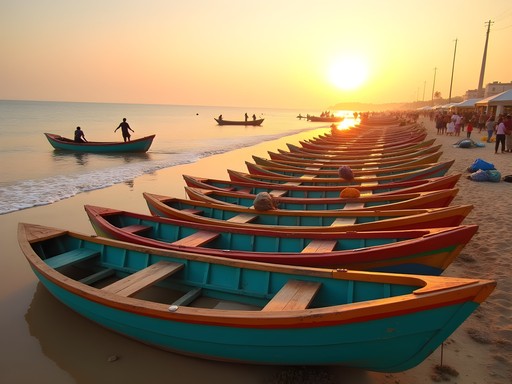
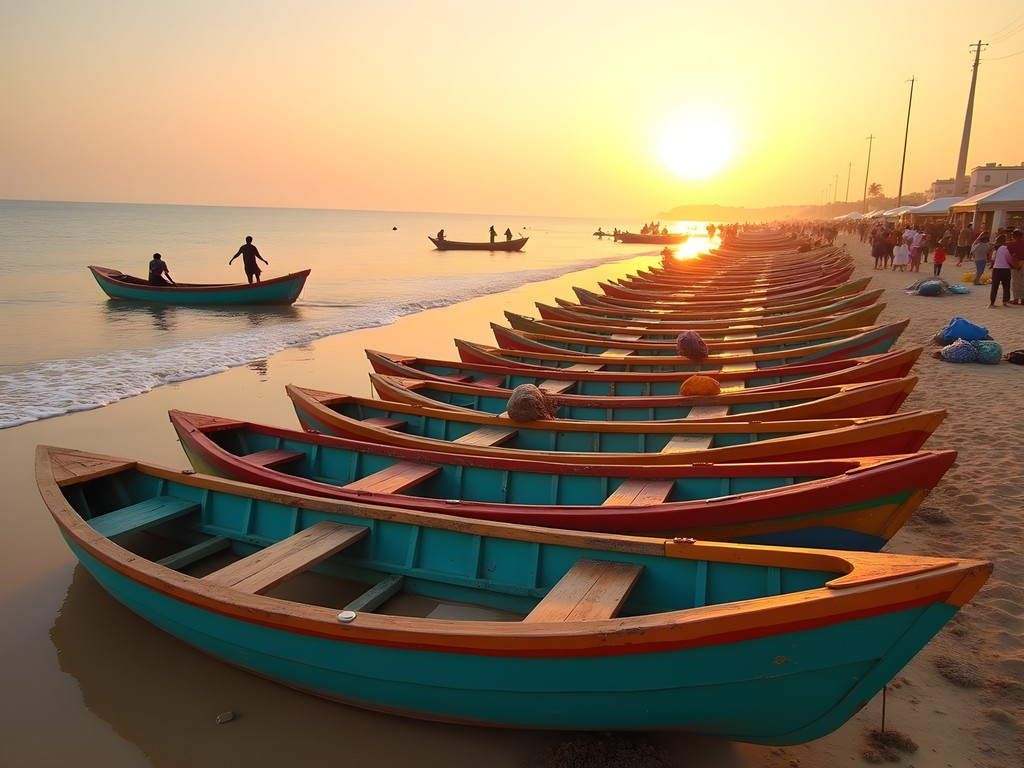
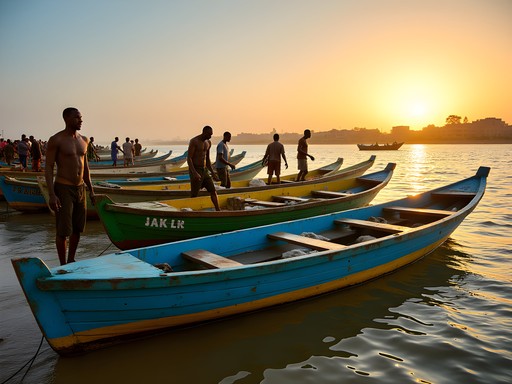
My Nouakchott adventure began with an early morning visit to the Port de Pêche, where hundreds of colorful wooden fishing boats create a scene that feels unchanged for centuries. Arriving just after sunrise (around 7 AM) rewards you with the spectacle of fishermen returning with their catches and the frenetic energy of the fish market coming to life. This isn't a sanitized tourist experience—it's gloriously authentic, with the scent of salt air mingling with fresh fish and the sounds of animated price negotiations echoing across the beach.
Bring small bills if you want to purchase seafood, and don't be afraid to try a few words of Hassaniya Arabic—even my terrible pronunciation earned appreciative smiles. I'd recommend wearing shoes you don't mind getting sandy and a bit of fish water on—my trusty water sandals were perfect for navigating the wet sand and occasional puddles.
After freshening up back at my hotel, I headed to the Grand Mosque, Nouakchott's most impressive religious structure. While non-Muslims can't enter, the exterior is worth admiring for its distinctive architecture. From there, I wandered to Marché Capitale, the city's main market, where narrow alleys overflow with everything from handcrafted jewelry to traditional Mauritanian fabrics in stunning indigo and earth tones.
For lunch, I discovered Restaurant Iman near the market, where I feasted on mechoui (slow-roasted lamb) and thieboudienne (fish and rice stew)—dishes that would make any culinary explorer's heart sing. Pro tip: meals here are meant to be shared, so don't be surprised by the generous portions.
💡 Pro Tips
- Visit Port de Pêche at sunrise (around 7 AM) to see fishermen returning with their catches
- Bring small bills for purchases at markets and always try a bit of friendly haggling
- Dress modestly out of respect for local customs—lightweight pants and shirts with sleeves are ideal
Navigating Nouakchott Like a Local
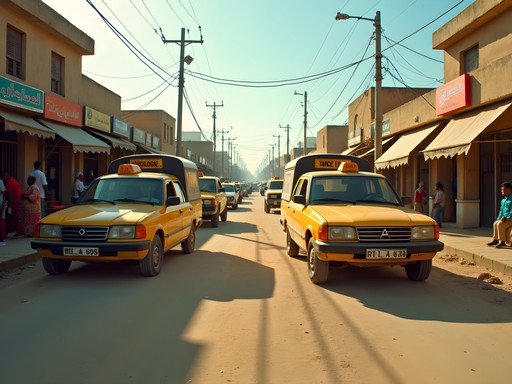
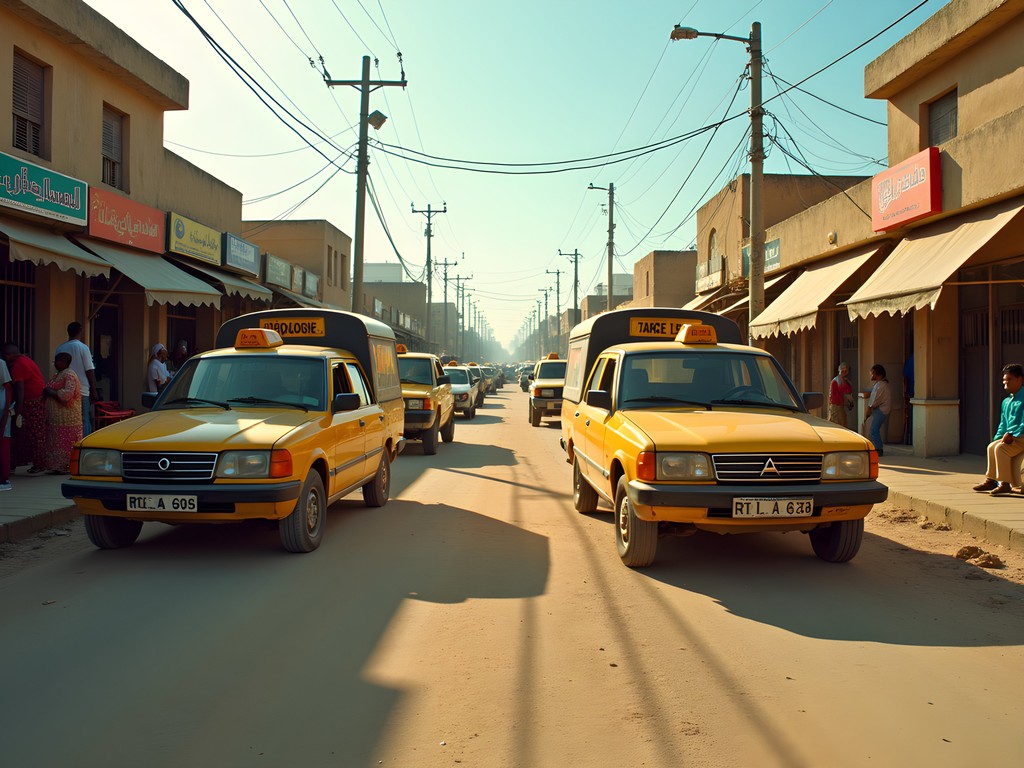
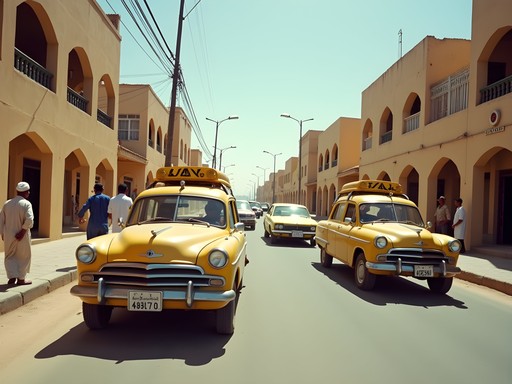
Getting around Nouakchott requires some adaptation—this isn't a city of convenient public transportation or ride-sharing apps. Taxis are your best bet, but they operate differently than what you might be used to. The yellow shared taxis follow set routes and pick up multiple passengers, while the more expensive green taxis can be hired privately. I quickly learned that having a pocket translator was invaluable for communicating with drivers who spoke little English.
One afternoon, I hired a driver named Mohammed for a few hours to show me around—best 5000 ouguiya (about $13) I spent all trip. He took me to places I would never have discovered on my own, including a small workshop where artisans create traditional Mauritanian leather goods. I left with a handcrafted leather wallet that tells a better story than anything I could've found at home.
For digital nomads and business travelers needing connectivity, I found the portable WiFi hotspot to be essential. Cell service can be spotty, and hotel WiFi isn't always reliable. Having my own connection meant I could stay in touch with my daughter back home and handle any urgent work matters without stress.
Safety-wise, Nouakchott feels remarkably secure for a capital city, but standard travel precautions apply. Keep valuables secure (I use a money belt for my passport and extra cash), be aware of your surroundings, and avoid walking alone at night in unfamiliar areas.
💡 Pro Tips
- Negotiate taxi fares before getting in—expect to pay 1000-2000 ouguiya for short trips around the center
- Download offline maps as internet connectivity can be unreliable
- Exchange money at official banks rather than street changers for better rates and fewer scams
Day 2: Desert Encounters and Cultural Immersion
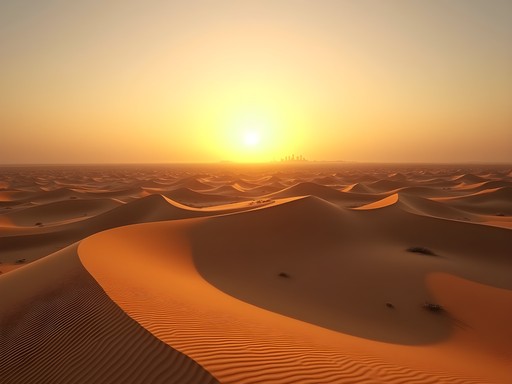
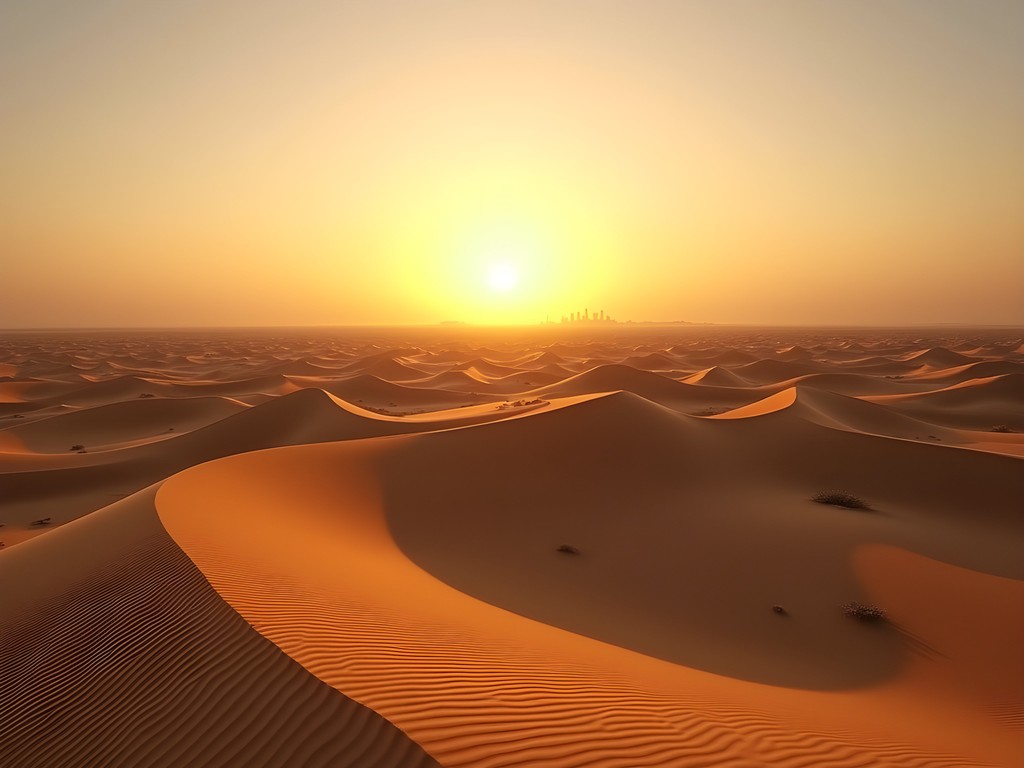
My second day began with an early trip to the outskirts of Nouakchott, where the city gives way to the Sahara Desert. Just 30 minutes from downtown, you can experience the magnificent dunes that define much of Mauritania's landscape. I booked a half-day desert excursion through my hotel (expect to pay around $50-70), which included transportation and a guide.
Before heading out, I made sure my insulated water bottle was filled to the brim—the desert heat is no joke, even in winter. The temperature swing between morning and midday caught me off guard, so I'd recommend layers and a desert scarf to protect against both sun and occasional sand gusts.
Returning to the city by early afternoon, I visited the Musée National de Mauritanie. While modest compared to museums in larger capitals, it offers fascinating insights into the country's nomadic heritage and archaeological treasures. The collection of traditional Moorish tents and artifacts tells the story of a culture shaped by desert life and trade routes.
For dinner, I splurged at La Palmeraie, one of the city's finest restaurants, where Mauritanian cuisine meets French influences. The grilled camel with spiced couscous was a culinary home run—unfamiliar yet somehow comforting. Like at a ballpark where strangers become friends over shared enthusiasm, I found myself in conversation with a French engineer and a Mauritanian businessman at neighboring tables, trading stories and recommendations as the evening progressed.
💡 Pro Tips
- Book desert excursions through your hotel or reputable tour companies rather than random offers on the street
- Visit museums in the morning when they're less crowded and staff have more energy for questions
- Carry tissues or wet wipes—public restrooms often lack paper

Where to Stay: Finding Your Nouakchott Home Base
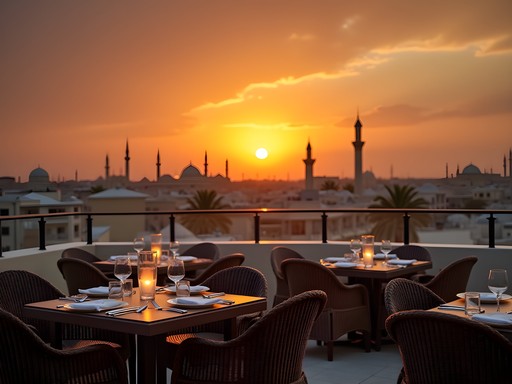
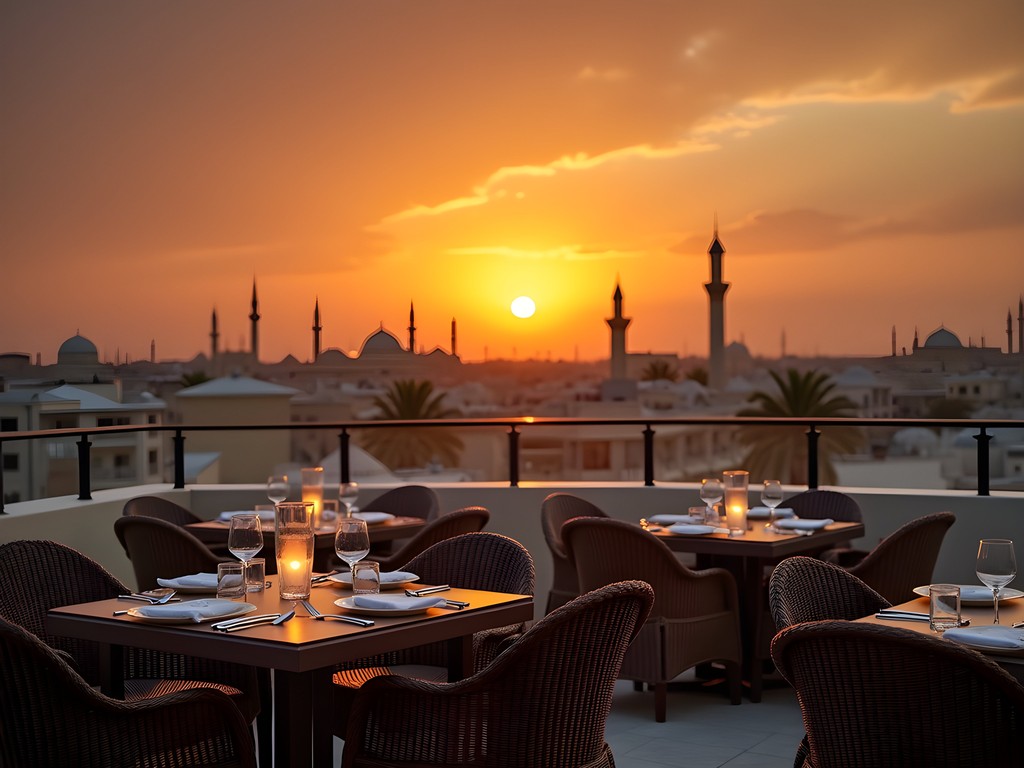
Accommodation options in Nouakchott aren't as diverse as in major tourist destinations, but several solid mid-range hotels cater to business travelers and the occasional tourist. I stayed at Hotel Azalai, which strikes a good balance between comfort and value (around $100-120 per night). The air conditioning was reliable—crucial in this climate—and the rooftop restaurant offered a pleasant spot for evening meals with city views.
If you're looking for higher-end accommodations, the Mauricenter Hotel and the Hotel Wissal are your best bets, offering more amenities and slightly more polished service, though expect to pay $150+ per night. Budget travelers can find basic but clean rooms at Hotel Sabah or Auberge Sahara for under $50.
Whichever option you choose, I'd recommend bringing your own travel pillow for better sleep—hotel pillows tend to be either rock-hard or pancake-flat. And don't forget a portable door lock for added security and peace of mind, especially in budget accommodations.
One surprising accommodation tip: many hotels offer significant discounts for cash payment, sometimes up to 20% off the listed rate. It's worth asking at check-in, though you'll need to have enough cash on hand, as ATMs can be temperamental.
💡 Pro Tips
- Request a room away from the street for quieter nights—Nouakchott traffic can be noisy
- Confirm that your hotel has a backup generator, as power outages are common
- Many hotels can arrange airport transfers for about the same price as a taxi but with more reliability
Final Thoughts
As my taxi wound through morning traffic toward Nouakchott International Airport, I found myself already planning a return trip—perhaps next time with more days to venture beyond the capital into Mauritania's legendary desert landscapes. Nouakchott may lack the polished tourism infrastructure of Morocco or the wildlife draw of East Africa, but what it offers is something increasingly rare: an authentic glimpse into a culture still writing its modern story while deeply honoring its traditions.
Like a baseball fan who discovers the joy of minor league games—where the sport feels more immediate and personal than in massive stadiums—travelers who venture to places like Nouakchott find rewards that can't be measured in Instagram likes or bucket-list checkmarks. Here, connections with locals aren't staged for tourists; they're genuine moments of cultural exchange that remind us why we travel in the first place.
So if you find yourself with a layover in West Africa or are seeking somewhere truly different for your next business trip extension, give Nouakchott those 48 hours. This underdog city just might become one of your favorite travel stories to tell.
✨ Key Takeaways
- Nouakchott offers authentic cultural experiences without the crowds of more touristy destinations
- Winter months (November-February) provide the most comfortable temperatures for exploring
- A mix of French and basic Arabic phrases will help you connect with locals and navigate more easily
- The city serves as an excellent gateway to explore Mauritania's spectacular desert landscapes
📋 Practical Information
Best Time to Visit
November to February (winter)
Budget Estimate
$100-150 per day for mid-range travel
Recommended Duration
2-3 days for the city, 5+ days if exploring beyond
Difficulty Level
Challenging
Comments
Jean Wells
Excellent guide for a city that doesn't get nearly enough attention. I spent a week in Nouakchott in 2023 and found the cultural immersion aspects particularly rewarding. The National Museum is small but fascinating if you're interested in Mauritanian history and traditional crafts. For accommodations, I'd recommend looking at options in the Tevragh-Zeina district—more established infrastructure and easier access to restaurants. The food scene is underrated; definitely try thieboudienne if you haven't already. One practical note: ATMs can be unreliable, so bring euros or USD to exchange. Cash is still king there.
moonchamp
Good tip about the cash! Would have never thought of that
freeblogger7940
we went last year and stayed an extra day to do a desert tour outside the city. totally worth it if you have the time! the sand dunes are unreal
Nicole Russell
Brian! You've done it again - making me add yet another destination to my ever-growing list! I spent some time in neighboring Senegal but never made it to Mauritania. The way you described that morning at Port de Pêche makes me feel like I was right there with you! Question: how did you find communication? Were you able to get by with French or did you need some Arabic phrases too? I'm planning a West Africa trip for late 2026 and definitely adding Nouakchott now. That tea ceremony experience sounds absolutely magical!
Brian Flores
Thanks Nicole! French definitely helped a lot, especially with taxi drivers and at hotels. I learned a few Arabic greetings which were always appreciated. The tea ceremony was a highlight - if you go, try to experience it with a local family rather than as a tourist demonstration. So much more authentic!
happynomad
What's the best way to get around? Did you rent a car or use taxis? And how's the French language barrier if you don't speak it well?
Brian Flores
Taxis all the way—affordable and everywhere. Some drivers spoke basic English. I used my translation app constantly and it helped a ton. Don't rent a car unless you're very comfortable with chaotic traffic!
happynomad
Perfect, thanks! Chaotic traffic I can handle haha
hikingvibes
Love the baseball analogy lol
Sarah Powell
Great write-up, Brian! I visited Nouakchott in 2024 and your experience mirrors mine perfectly. One thing I'd add for readers: the visa process has gotten easier but still plan ahead. I got mine through the embassy in Dakar. Also, Port de Pêche at sunrise is absolutely magical—the colors, the energy, the fresh fish being sold right off the boats. Did you make it to any of the iron ore train departure points? I know it's more of a northern Mauritania thing, but curious if you explored beyond the capital.
Brian Flores
Thanks Sarah! Didn't make it north this time—definitely on the list for next visit. The iron ore train is legendary. Port de Pêche at sunrise was incredible, you're right about those colors!
happypro
How safe did you feel wandering around? Been wanting to explore West Africa more but always hear mixed things about the region.
Brian Flores
Felt very safe actually! Locals were incredibly welcoming. Just use common sense like anywhere—don't flash valuables, stick to main areas at night. The hospitality really stood out to me.
moonchamp
This is so cool!! Never even considered Mauritania before but now I'm totally intrigued!
wanderfan
Finally a post about somewhere truly off the beaten path! Refreshing.
summerclimber
Right? So tired of the same Bali/Thailand/Paris posts everywhere.
summerclimber
Mauritania has been on my bucket list forever! Those sunrise desert photos are incredible.
Venture X
Premium card with 2X miles, $300 travel credit, Priority Pass