

Disclosure: This article contains affiliate links. We may earn a commission from purchases at no extra cost to you, which helps our travel content.
The Maasai Mara's golden grasslands stretched before me like nature's own canvas, painted with acacia trees and dotted with wildlife that seemed to pose specifically for my lens. As a Foreign Service Officer who's traveled through conservation zones across four continents, I can confidently say that Kenya's crown jewel offers unparalleled opportunities for wildlife photography. Last summer, I took a week away from diplomatic duties to immerse myself in this photographer's paradise, where the boundary between National Geographic documentaries and reality blissfully dissolves.

Preparing Your Gear for Safari Success
When photographing wildlife in the Maasai Mara, your equipment choices can make or break your experience. My diplomatic work has taught me the importance of preparation, and this applies doubly to safari photography.
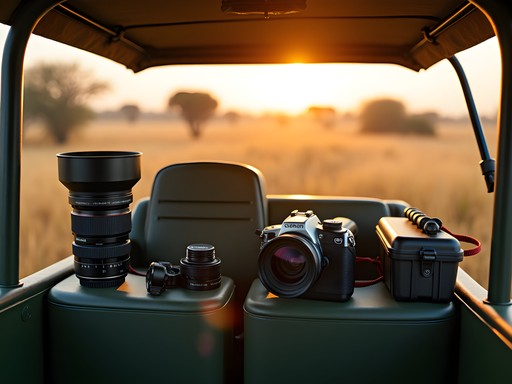
First, invest in quality glass—a telephoto lens with at least 200-300mm reach is non-negotiable for capturing distant subjects without disturbing them. My telephoto zoom lens proved invaluable for frame-filling shots of lions and cheetahs without requiring our guide to approach too closely.
Dust protection is crucial in the Mara's dry environment. I keep my equipment in a waterproof camera bag during transit between locations, which has survived everything from sandstorms to unexpected rain showers. For quick lens changes in the field, I recommend a lens changing bag to create a protected environment.
Finally, don't underestimate the value of stability. While traditional tripods are cumbersome in safari vehicles, a bean bag draped over the vehicle's edge provides crucial stability during those golden hour shots when light is perfect but shutter speeds drop.

💡 Pro Tips
- Bring double the memory cards you think you'll need—the shooting opportunities are endless
- Pack lens cleaning supplies in a sealed container to protect them from dust
- Invest in a quality rain cover for your camera, as afternoon showers can appear suddenly
Mastering Light in the Mara
The quality of light in the Maasai Mara deserves its own diplomatic mission. The golden hours—those precious moments after sunrise and before sunset—transform the savanna into a photographer's dream canvas. During my week-long stay at luxury tented camp, I developed a rhythm that maximized these optimal lighting conditions.
Morning game drives should begin before dawn. As the first rays pierce the horizon, they cast long, dramatic shadows and bathe wildlife in a warm glow that adds dimension to your images. Position yourself with the sun at your back when possible, allowing subjects to be front-lit. I captured some of my most striking portraits of lions and elephants during these early hours, when they're also most active.
Afternoon brings harsh overhead light that challenges even seasoned photographers. Rather than fighting these conditions, I used this time to practice specialized techniques like silhouettes against the vast sky or to focus on behavioral photography where lighting is secondary to capturing the moment. By late afternoon, when the light softens again, I was ready for the 'golden hour' magic that makes the Mara famous.
Night photography presents another dimension entirely. With a red headlamp, I could navigate without disturbing wildlife while setting up for low-light shots that reveal the Mara's nocturnal secrets.

💡 Pro Tips
- Request a safari vehicle with removable roof panels for unobstructed upward shooting angles
- Carry a lightweight reflector to fill shadows in portrait-style wildlife photos
- Learn to read animal behavior to anticipate photographic moments before they happen
Conservation Through the Lens
My diplomatic work has taught me that true understanding requires context. Wildlife photography in the Maasai Mara isn't just about capturing beautiful images—it's about telling conservation stories that matter. During my time with local conservationists, I gained insights that transformed how I approach wildlife photography.
First, consider the narrative your images convey. Beyond aesthetic beauty, what conservation story are you telling? I spent one remarkable afternoon with researchers tracking collared elephants, learning how their migration patterns are affected by human development. This experience inspired me to create a photo series documenting not just the elephants, but their interaction with changing landscapes.
Second, ethical photography practices are non-negotiable. Maintain appropriate distances, never pressure guides to get closer than is safe for you or respectful to the animals, and follow park regulations without exception. My field guide helped me understand subtle signs of animal discomfort, ensuring I never caused stress to my subjects.
Finally, consider how your images might support conservation. I've shared my photographs with local conservation organizations, donated prints for fundraising, and use my diplomatic connections to raise awareness about the Mara's conservation challenges. Photography becomes more meaningful when it serves a purpose beyond personal satisfaction.

💡 Pro Tips
- Research conservation issues specific to the Maasai Mara before your trip
- Include environmental context in your compositions to tell more complete stories
- Connect with local conservation organizations who may value your images for their work

Beyond the Big Five: Unexpected Photographic Treasures
While lions, elephants, buffalo, leopards, and rhinos rightfully command attention, some of my most compelling images from the Maasai Mara feature subjects that tourists often overlook. As a diplomat, I'm trained to look beyond the obvious, and this skill serves photographers well in the field.
Bird photography in the Mara offers extraordinary opportunities. The reserve hosts over 450 bird species, from the striking lilac-breasted roller to massive martial eagles. I dedicated one entire morning to photographing birds, using my bird identification app to identify species and learn their behaviors. These shots often become favorites in my conservation presentations.
Insect macro photography reveals another world entirely. During midday when mammal activity slows, I switched to my macro lens to capture dung beetles, praying mantises, and butterflies. These smaller creatures tell equally important stories about the ecosystem's health.
Landscape photography might seem counterintuitive in a wildlife destination, but the Mara's topography—especially during dramatic weather—creates breathtaking scenes. I'll never forget photographing a distant thunderstorm illuminating a lone acacia tree at dusk, with a small herd of impala in silhouette. These environmental shots provide crucial context for wildlife images when sharing your safari story.

💡 Pro Tips
- Schedule specific times for non-mammal photography to ensure you don't overlook these opportunities
- Learn about keystone insect species before your trip to recognize important photographic subjects
- Include people (Maasai, guides, researchers) in some images to tell more complete conservation stories
Final Thoughts
As I packed away my gear on the final evening, watching the sun sink below the horizon in a blaze of orange and pink, I reflected on how the Maasai Mara had transformed both my photography portfolio and my perspective. Wildlife photography here isn't merely about technical skills or equipment—it's about patience, respect, and developing a conservationist's eye.
Whether you're capturing a cheetah at full sprint or a dung beetle patiently rolling its prize across the savanna floor, each image tells a story of this complex ecosystem. As travelers with cameras, we bear the responsibility of telling these stories truthfully and with purpose.
I encourage you to plan your own photographic safari to the Maasai Mara, not just to capture stunning images of the Big Five, but to develop a deeper connection with one of our planet's most precious wild spaces. And when you return home with memory cards full of images, share them in ways that inspire conservation action and appreciation. After all, in my diplomatic work and in photography, I've learned that the most powerful way to protect something is to help others fall in love with it too.
✨ Key Takeaways
- Morning and evening golden hours provide optimal lighting conditions for wildlife photography
- Ethical photography practices should always prioritize animal welfare over getting the 'perfect shot'
- Look beyond the Big Five to tell more complete stories of the Maasai Mara ecosystem
- Consider how your images can support conservation efforts beyond personal enjoyment
📋 Practical Information
Best Time to Visit
July to October (migration season)
Budget Estimate
$5,000-$8,000 for a week (luxury accommodations)
Recommended Duration
5-7 days minimum
Difficulty Level
Intermediate


Comments
Taylor Moreau
Excellent piece, Savannah. I was in the Mara last September during the migration and your point about conservation photography really resonates. The challenge is balancing getting the shot with respecting the wildlife's space. I've seen too many vehicles crowding predators during kills. Did you work with a particular guide who understood photography needs? That makes all the difference in positioning without disturbing the animals.
moonlover
Good point about the crowding. Is September the best time to go?
Taylor Moreau
September is peak migration season, so you'll see the river crossings. Absolutely spectacular but also peak tourist season. July through October is the window.
moonlover
Amazing shots!! Quick question - what lens did you use most? Planning my first safari and totally overwhelmed by all the gear advice out there lol
Taylor Moreau
Not Savannah, but I've done several safaris for work. A 70-200mm is your workhorse lens, but you'll want something longer for distant animals. The light in the Mara is spectacular though, so even kit lenses can produce stunning results if you nail the timing.
moonlover
Thank you!! That's super helpful
Nicole Russell
Savannah, this really captures the magic of the Mara! I love your point about conservation through photography. When I was there, our guide told us that tourism and wildlife photography have actually helped protect the reserve by giving local communities economic reasons to preserve it. It made me think differently about my role as a photographer. Did you get to work with any Maasai guides? They have such incredible knowledge about animal behavior that really helped me anticipate shots.
globeadventurer
This is amazing! Going to Maasai Mara in September. What lens did you use for most of your shots? I only have a 70-300mm right now.
Nicole Russell
Not the author but I was there last year! A 70-300mm will work but you'll wish you had more reach. I rented a 150-600mm for my trip and it was totally worth it for those distant shots.
globeadventurer
Thanks! Yeah I was thinking about renting something longer. Did you rent locally or bring it from home?
Nicole Russell
I rented before leaving the US - less stress that way. Also bring extra memory cards, you'll shoot WAY more than you think!
smartclimber
Just booked my trip to Maasai Mara for next spring and this couldn't have come at a better time! Your tips about shooting from different angles rather than just from the vehicle are gold. Can't wait to try capturing those low-angle grass shots with animals on the horizon!
greennomad
You're going to love it! Just remember to ask your guide before changing positions in the vehicle for those low angles - safety first!
dreamtime
That shot of the baby elephants playing in the mud made my day! 😍
Hannah Woods
What a comprehensive guide, Savannah! Having photographed across several African reserves, I find the Mara presents unique challenges with its varied landscapes. Your point about patience being the ultimate wildlife photography skill resonates deeply. I spent three hours waiting for a leopard to descend from a tree in the Mara Triangle last year - worth every minute! I'd add that visiting during different seasons dramatically changes photography opportunities. The migration crossings offer dramatic action shots, but the less crowded green season provides intimate predator encounters without twenty other vehicles in your frame. Did you notice significant differences in animal behavior affecting your photography during different times of day?
Timothy Jenkins
Hannah, you're absolutely right about the seasonal differences! I've found the short rains period (November) to be surprisingly excellent for photography - dramatic skies, fewer tourists, and the predators are more active during daylight hours.
journeyzone
These photos are INCREDIBLE! That lion at sunset has me speechless. Definitely saving this post for inspiration!
greennomad
Planning my first safari to Maasai Mara next month! Would you recommend renting a longer lens there or bringing my own 70-300mm? Also, how many memory cards did you go through daily?
Savannah Arnold
If you already have the 70-300mm, bring it! It'll work for many situations, though you might wish for more reach occasionally. I filled about 64GB daily (shooting RAW), so pack plenty of storage. Enjoy your trip!
Timothy Jenkins
Brilliant post, Savannah! Your insights on photographing in the Mara's challenging light conditions are spot on. I've found that the golden hour there has a unique quality unlike anywhere else in Africa. On my last visit, I experimented with a polarizing filter which helped manage the harsh midday glare and brought out those stunning cloud formations you mentioned. Your section on ethical photography practices is particularly important - I've witnessed far too many drivers pushing too close to animals for that 'perfect shot.' Did you stay at any particular camps that were especially photographer-friendly?
Venture X
Premium card with 2X miles, $300 travel credit, Priority Pass