Disclosure: This article contains affiliate links. We may earn a commission from purchases at no extra cost to you, which helps our travel content.
As someone who has photographed tech hubs from Singapore to San Francisco, I initially underestimated College Park, Maryland. During a spring visit to the University of Maryland for an educational technology conference, I discovered a surprisingly photogenic landscape that rivals many celebrated campus destinations. The combination of historic architecture, modern design elements, and accessible urban spaces makes this an ideal weekend photography project for students working with limited budgets and equipment. What struck me most was how the spring season transforms the campus into a living gallery of light, texture, and color—all within walking distance.

McKeldin Mall: The Heart of Campus Architecture
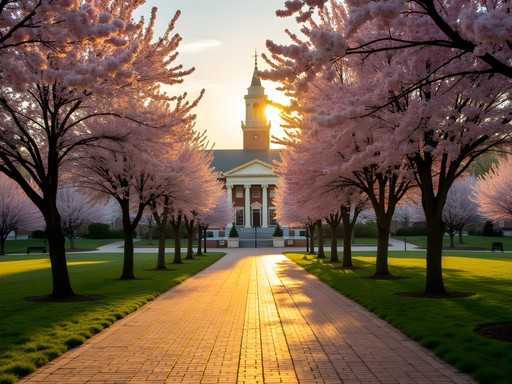
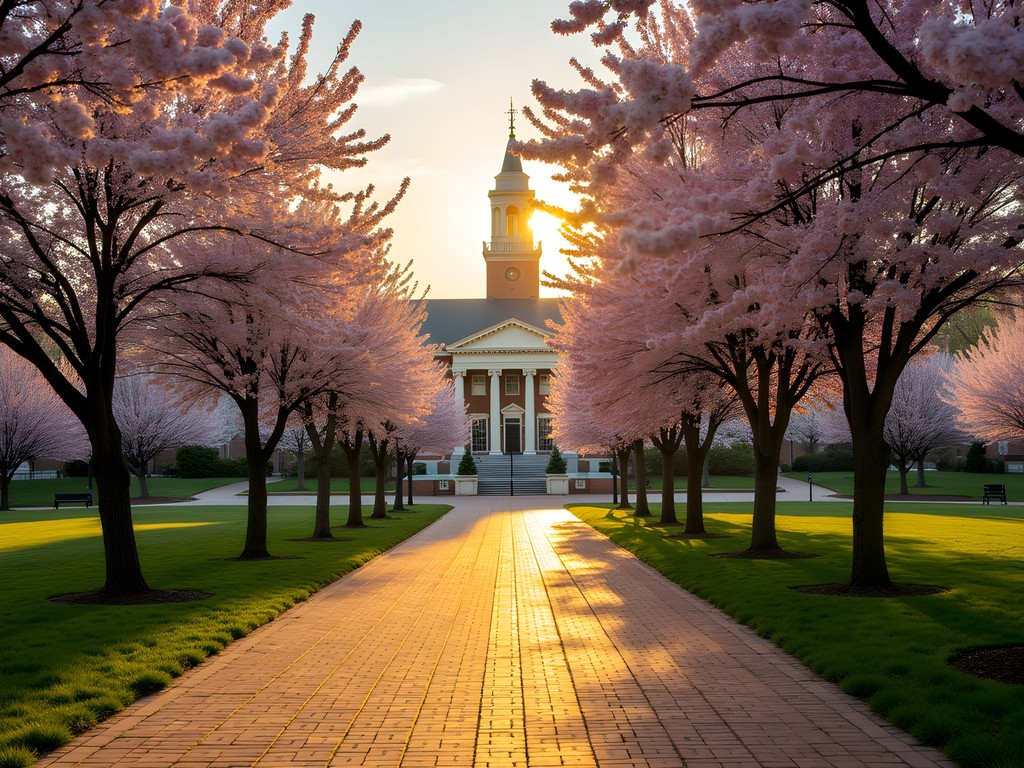
McKeldin Mall serves as the architectural centerpiece of the University of Maryland campus, and it is where I recommend starting any photography expedition. The symmetrical layout, flanked by brick academic buildings and anchored by the iconic McKeldin Library, provides endless compositional opportunities. During spring, the cherry blossoms and dogwood trees create natural frames that soften the geometric precision of the buildings.
I spent an early Saturday morning here, arriving just after sunrise when the golden light hits the eastern facades. The key is positioning yourself at the southern end of the mall, shooting northward toward the library. This perspective emphasizes the leading lines created by the pathways and creates depth through the layered architecture. For students working with smartphone cameras or entry-level DSLRs, this location is forgiving—the strong architectural elements provide structure even without advanced technical skills.
One practical consideration: bring a lens cleaning kit because the morning dew and pollen during spring can quickly compromise your shots. I learned this the hard way when reviewing images later and discovering subtle lens spots that required extensive post-processing.
💡 Pro Tips
- Arrive between 6:30-7:30 AM for optimal lighting and minimal foot traffic
- Use the brick patterns and pathways as natural leading lines in your compositions
- Spring blooms peak typically in mid-April—check the campus arboretum updates for exact timing
Memorial Chapel: Gothic Revival Details
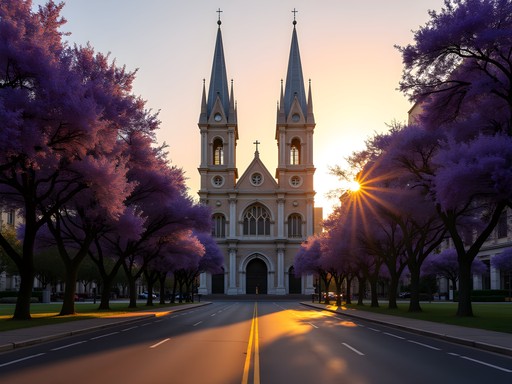
The Memorial Chapel represents College Park's most striking architectural gem, and it is criminally underutilized by student photographers. This Gothic Revival structure, completed in 1952, features intricate stonework, pointed arches, and stained glass windows that reward careful observation and thoughtful framing.
My approach here focused on detail photography rather than grand establishing shots. The weathered limestone blocks, decorative carvings, and the interplay between light and shadow on the facade provide rich textural studies. I used a technique I developed while photographing Berlin's historic buildings: get close to the architectural details and let them fill your frame. This creates abstract compositions that work beautifully in portfolio presentations.
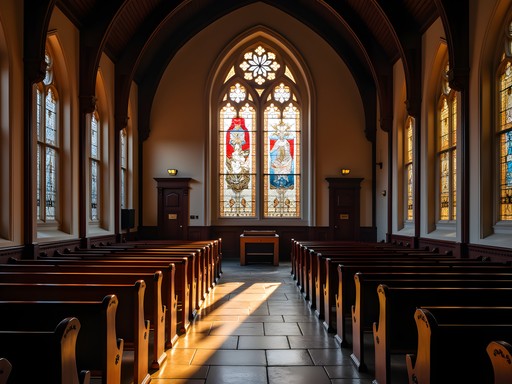
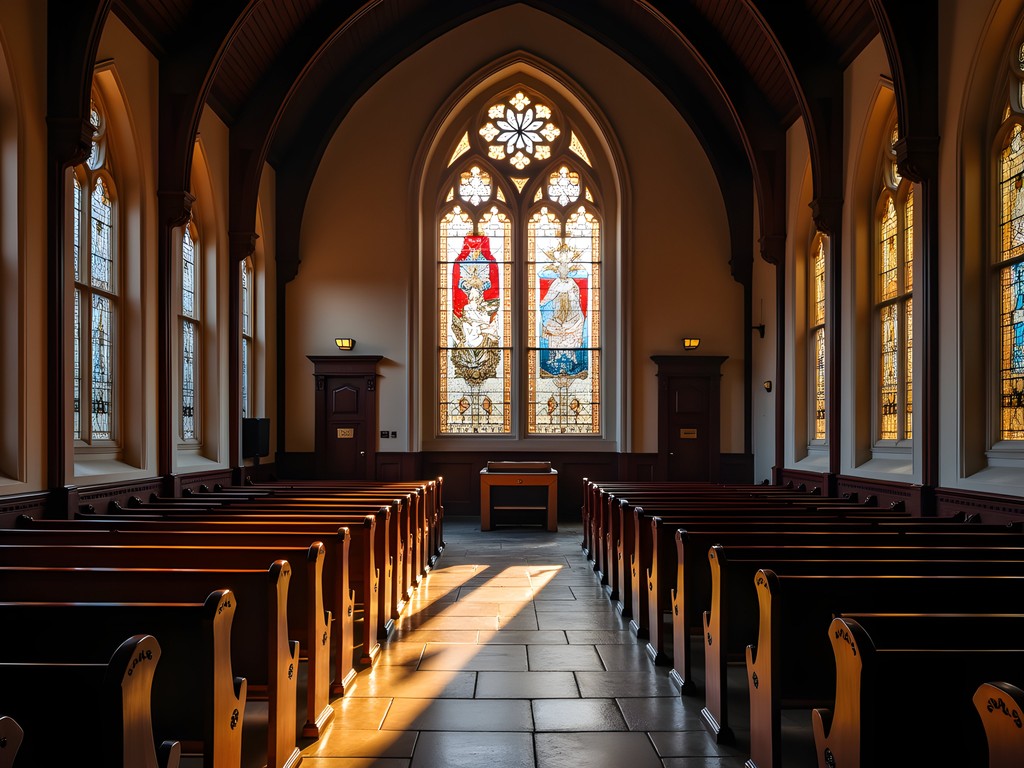
The interior, when accessible, offers dramatic lighting conditions. The stained glass casts colored light patterns across the wooden pews and stone floors, creating natural color studies without any additional equipment. For students working on photography assignments, this single location can yield a complete series exploring light, color, and texture. I recommend bringing a reflector disc to bounce natural light into shadowed areas—it makes a significant difference in the chapel's darker corners and costs less than a textbook.
💡 Pro Tips
- Visit on weekday afternoons when the chapel is typically open but not in use
- Focus on architectural details rather than trying to capture the entire building
- Experiment with black and white conversions—the stone textures translate beautifully to monochrome
Lake Artemesia: Natural Landscapes Within Reach
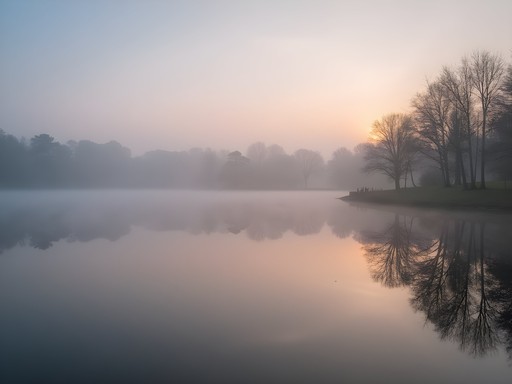
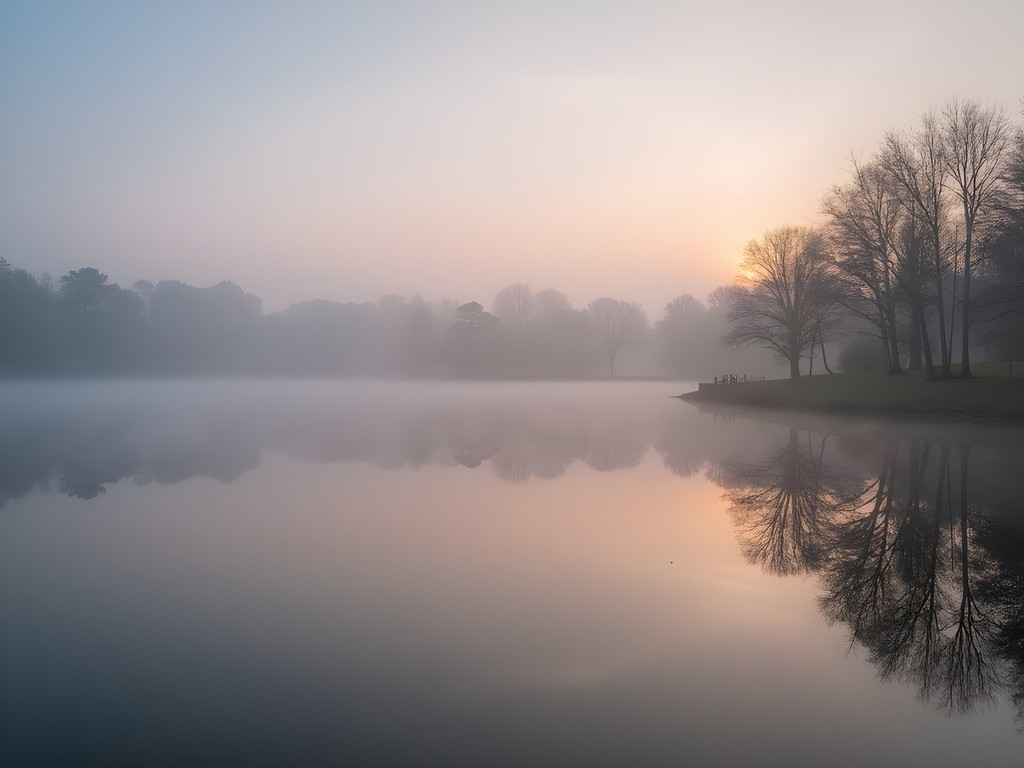
Just beyond campus boundaries, Lake Artemesia Natural Area provides a complete contrast to the structured campus environment. This 38-acre park, formed from a former gravel quarry, offers reflective water surfaces, wildlife photography opportunities, and varied natural textures—all within a 15-minute bike ride from campus.
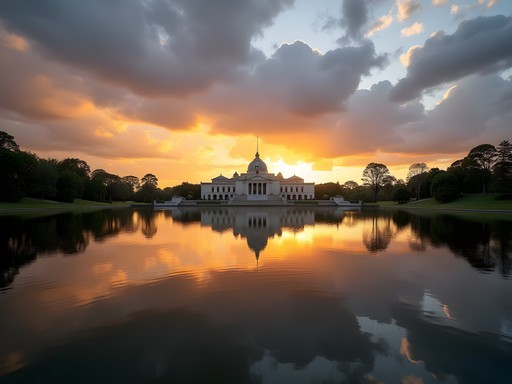
I discovered this location almost accidentally while exploring the surrounding area, and it became my favorite spot for the entire weekend. The 1.35-mile paved trail circumnavigates the lake, providing multiple vantage points for different lighting conditions. Early morning brings mist rising from the water surface, creating ethereal atmospheric effects. Late afternoon offers dramatic skies reflected in the still water, particularly after spring rain showers clear.
For students interested in wildlife photography, the lake attracts great blue herons, red-winged blackbirds, and various waterfowl. You do not need expensive telephoto lenses—patience and careful positioning along the shoreline allow surprisingly close approaches. I captured several compelling heron portraits using a standard kit lens simply by moving slowly and respecting the birds' comfort zones. The key equipment here is not optical but practical: bring a insect repellent because the lakeside vegetation in spring hosts enthusiastic mosquito populations that will absolutely interrupt your creative flow.
💡 Pro Tips
- Access the park via the Paint Branch Trail from campus—it is an easy walk or bike ride
- Golden hour (first and last hour of daylight) provides the most dramatic lighting on the water
- Bring weather-appropriate footwear as some shoreline areas can be muddy after rain

Route 1 Urban Textures: Street Photography Opportunities
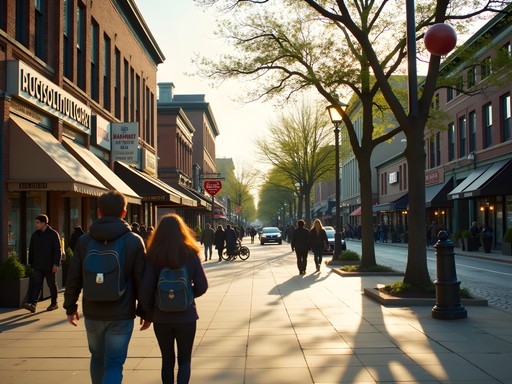
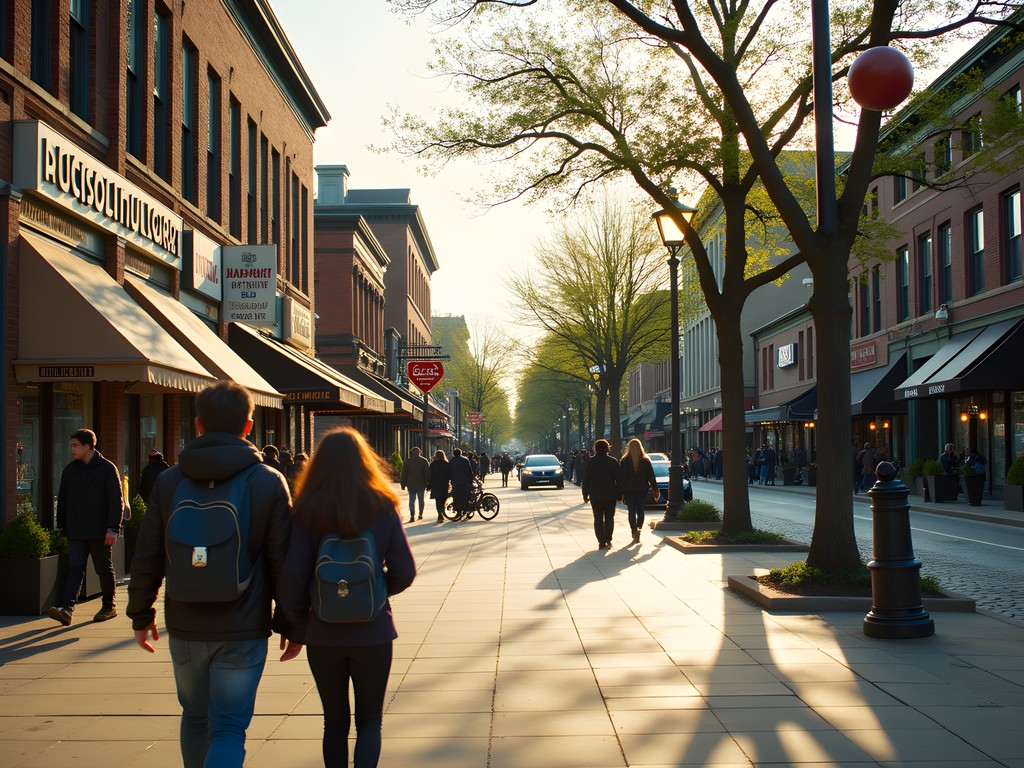
Baltimore Avenue (Route 1) running through College Park offers urban photography opportunities that many students overlook. This is not picturesque in the traditional sense, but it provides authentic documentation of college town life and excellent practice for street photography techniques.
My background photographing tech hubs taught me to look for the intersection between human activity and urban infrastructure. College Park's Route 1 delivers this in concentrated form: students crossing streets, local businesses with vintage signage, food trucks, and the layered visual chaos that characterizes American college towns. The contrast between chain establishments and local institutions tells a broader story about contemporary campus culture.
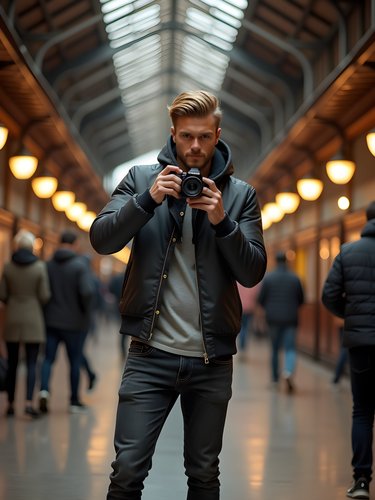
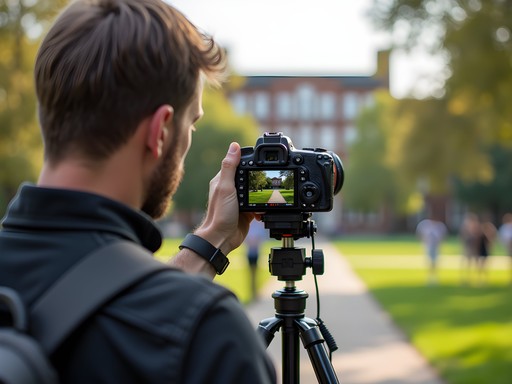
From a technical perspective, this environment challenges your ability to work quickly and adapt to changing light conditions. I practiced a technique I call rapid compositional assessment—continuously scanning the environment for emerging moments while maintaining awareness of background elements. The camera strap I use allows quick transitions between carrying and shooting positions, which is essential for street photography where moments appear and disappear within seconds.
Ethically, always respect people's privacy and space. I focus on environmental portraits where subjects are small elements within larger scenes, or I politely ask permission for closer portraits. This approach, which I learned from my counselor training about respecting boundaries, creates more authentic and comfortable interactions.
💡 Pro Tips
- Late afternoon on Fridays captures the most active street life as students begin weekend activities
- Look for interesting signage, architectural details, and the interplay between old and new buildings
- Practice shooting from the hip or using live view to be less obtrusive when capturing candid moments
Technical Approach for Budget-Conscious Student Photographers
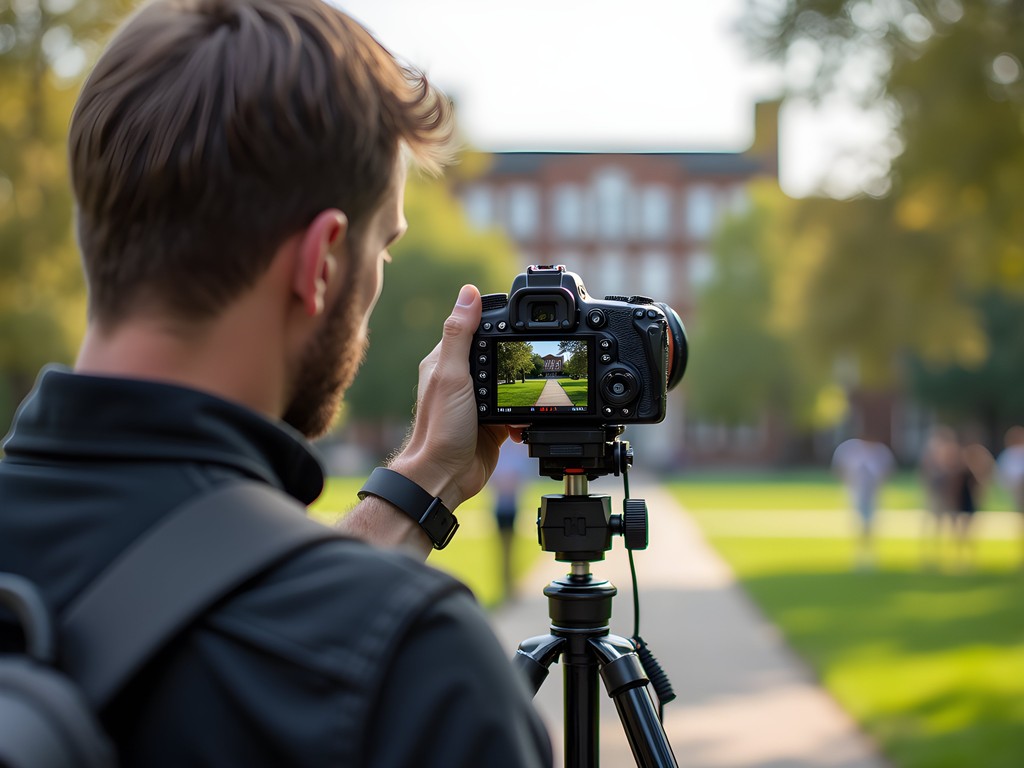
Throughout this weekend photography project, I deliberately limited myself to equipment and techniques accessible to students working with budget constraints. The reality is that compelling photography depends far more on observation, timing, and compositional understanding than expensive gear.
I worked primarily during golden hours (early morning and late afternoon) when natural light does the heavy lifting. This eliminates the need for expensive lighting equipment while providing that professional quality that elevates images. For editing, free software like GIMP or Darktable offers robust capabilities—I processed several images from this trip using only these tools to prove the point.
One investment I strongly recommend is a basic memory card case to organize and protect your images. I have seen too many students lose entire shoots because of disorganized storage or damaged cards. This small investment (less than the cost of lunch) protects hours of creative work.
The educational value here extends beyond photography technique. This type of project teaches systematic exploration, patient observation, and the ability to find compelling subjects in familiar environments—skills that transfer directly to academic research and professional work. As a school counselor, I recognize how creative projects build confidence and develop transferable competencies that benefit students across all disciplines.
💡 Pro Tips
- Shoot in RAW format if your camera supports it—this provides maximum editing flexibility later
- Create a shot list before heading out to ensure you capture variety in your portfolio
- Review and cull images each evening to identify what works and adjust your approach for the next day
Final Thoughts
College Park surprised me precisely because I arrived without inflated expectations. This is not Kyoto or San Francisco, but it offers something potentially more valuable for developing photographers: an accessible, manageable environment where you can experiment, fail, learn, and refine your approach without the pressure or expense of exotic destinations.
The weekend photography project I have outlined here costs essentially nothing beyond transportation and perhaps a meal or two. The locations are all free to access, the timing works around typical student schedules, and the technical demands match entry-level equipment capabilities. What you gain is a complete portfolio piece demonstrating your ability to find compelling subjects in ordinary environments—a skill that distinguishes thoughtful photographers from those who simply chase obvious subjects.
My recommendation: approach this as a systematic study rather than a casual outing. Plan your locations, understand the lighting conditions, and give yourself permission to return to the same spot multiple times until you capture what you envisioned. This methodical approach, which reflects my German background and educational training, transforms a simple weekend activity into genuine skill development. Start this spring when the campus is at its most photogenic, and you will finish with both a strong portfolio and significantly improved observational abilities.
✨ Key Takeaways
- College Park offers diverse photography opportunities from formal architecture to natural landscapes, all within walking or biking distance
- Golden hour timing and patient observation matter far more than expensive equipment for creating compelling images
- A systematic weekend project approach develops transferable skills in planning, execution, and creative problem-solving
📋 Practical Information
Best Time to Visit
Mid-April through early May for optimal spring blooms and comfortable weather
Budget Estimate
$20-40 for the weekend (primarily food and incidentals)
Recommended Duration
2-3 days for comprehensive coverage of all locations
Difficulty Level
Easy


Comments
moonmaster
That Memorial Chapel shot is gorgeous
sunnymood1025
This is SO inspiring!! I'm a UMD student and walk past these spots every day without really seeing them. Your photos made me look at my own campus completely differently! Definitely going to Lake Artemesia this weekend with my camera now!
mountainvibes
love when travel blogs make you see your own place differently
Ahmed Palmer
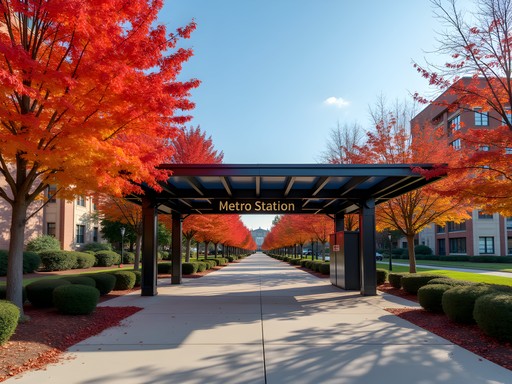
College Park is an excellent case study in finding photographic value in overlooked locations. I appreciate your analytical approach to the urban textures along Route 1 - that corridor between campus and the metro has a documentary quality that's quite compelling. The juxtaposition of student life, immigrant-owned businesses, and transit infrastructure creates layered narratives. For anyone planning a photography trip, I'd recommend dedicating separate days to campus architecture versus street photography. The mental shift between composed architectural shots and reactive street work is significant. Also, the lighting on McKeldin Mall changes dramatically throughout the day, so multiple visits are worthwhile.
Adam Nichols
Your point about arriving without expectations really resonates. I spent three days photographing university campuses across the Mid-Atlantic last year, and College Park had the most interesting contrast between the formal architecture of McKeldin Mall and the grittier urban textures along Route 1. The Memorial Chapel is genuinely underrated - those Gothic Revival details photograph beautifully in late afternoon light. Did you venture into any of the neighborhoods adjacent to campus? I found some interesting murals and street art that added another dimension to the urban photography angle.
moonmaster
Which neighborhoods specifically? heading there in May
smartnomad
What time of year did you shoot Lake Artemesia? I'm wondering if fall colors would be better than spring for that location?
Adam Nichols
Not Joshua, but I've shot there in October and the foliage around the lake is spectacular. Early morning light hits perfectly too.
smartnomad
Thanks! Exactly what I needed to know.
mountainvibes
Never thought of College Park as a photo destination. Cool!
Venture X
Premium card with 2X miles, $300 travel credit, Priority Pass