
Disclosure: This article contains affiliate links. We may earn a commission from purchases at no extra cost to you, which helps our travel content.
Look, I get it—College Park isn't exactly the first place that comes to mind when you think cultural immersion. Most people see it as just another college town orbiting DC. But here's what I've learned from years of seeking out traditional crafts and authentic experiences: the most interesting cultural pockets often hide in plain sight. During a spring weekend between climbing trips, I discovered that College Park offers a surprisingly rich tapestry of cultural experiences that most students never explore beyond their campus bubble.

The Lakeland Community Heritage Project
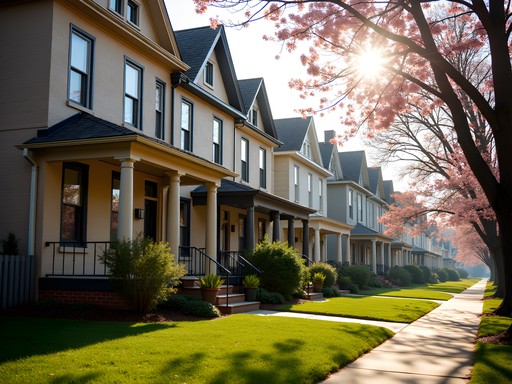
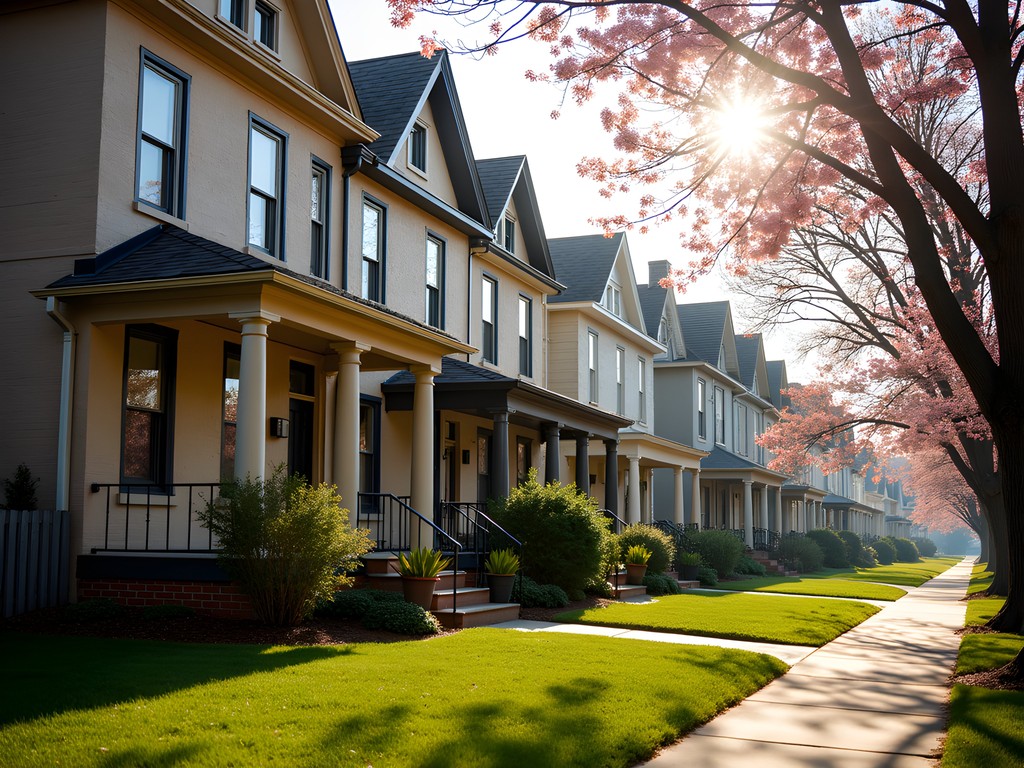
Just a mile north of campus sits Lakeland, a historically African American community that predates the university by decades. This neighborhood tells a crucial story about segregation, resilience, and cultural preservation that you won't find in any textbook. I spent a Saturday morning walking through this area, and honestly, it reminded me of documenting traditional craftspeople—both require slowing down and actually listening.
The Lakeland Community Heritage Project offers occasional walking tours (check their schedule online), but even without a formal tour, you can explore the historic district independently. The architecture alone tells stories: modest but dignified homes built by families who were excluded from other neighborhoods, now listed on the National Register of Historic Places. I recommend bringing a portable voice recorder if you're interested in oral history—several longtime residents are often willing to share their stories if you approach respectfully and at the right times.
What struck me most was the parallel between this community's preservation efforts and the traditional craft communities I've visited worldwide. Both involve maintaining cultural knowledge systems against economic pressures that favor homogenization.
💡 Pro Tips
- Visit on weekend mornings when longtime residents are more likely to be outside and willing to chat
- Respect private property—this is a living community, not a museum
- Stop by the Lakeland Community Center to learn about upcoming cultural events
- Bring cash if you encounter any informal food vendors—their home cooking is incredible
College Park Aviation Museum: More Than Just Planes
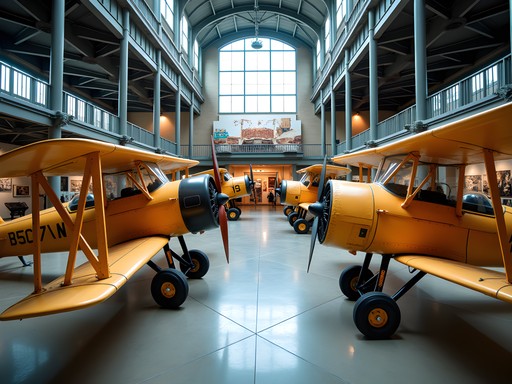
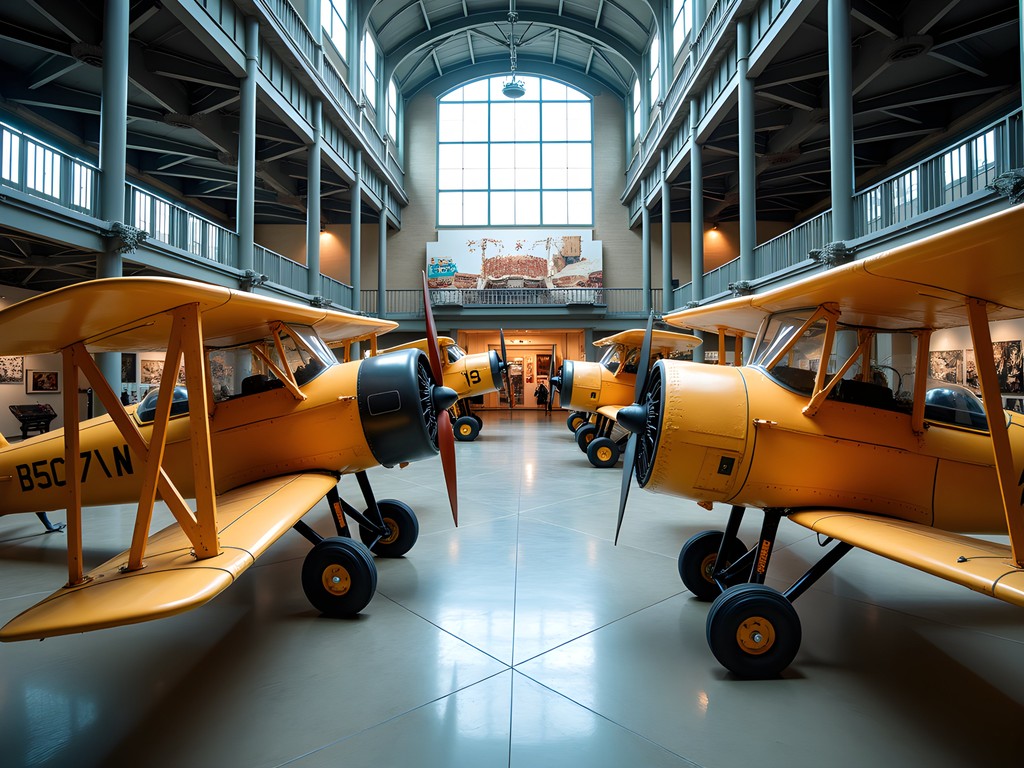
Okay, hear me out—I'm not typically a museum guy unless it involves climbing history or traditional crafts. But the College Park Aviation Museum surprised me because it's actually about problem-solving and technical innovation, which speaks to my network engineering brain. Plus, at just $5 for students, it's perfect for a budget weekend.
What makes this place culturally significant is that it sits on the world's oldest continuously operated airport. The Wright Brothers trained military pilots here in 1909. Walking through the exhibits, I kept thinking about the parallels between early aviation pioneers and modern climbers pushing technical limits—both communities built on incremental innovation and shared knowledge.
The real gem is talking with the volunteer docents, many of whom are retired engineers and pilots. They're basically the aviation equivalent of master craftspeople, and they love getting into technical details if you ask the right questions. I spent an hour discussing early navigation systems with a former Air Force navigator, and it completely changed how I think about problem-solving in resource-limited environments.
💡 Pro Tips
- Visit on weekends when most volunteer docents are present
- Ask about the hands-on flight simulator—it's free with admission
- Check their event calendar for occasional vintage aircraft fly-ins
- The museum is small; budget 1-2 hours unless you're really into aviation
International Food Trail: Campus Edges Edition
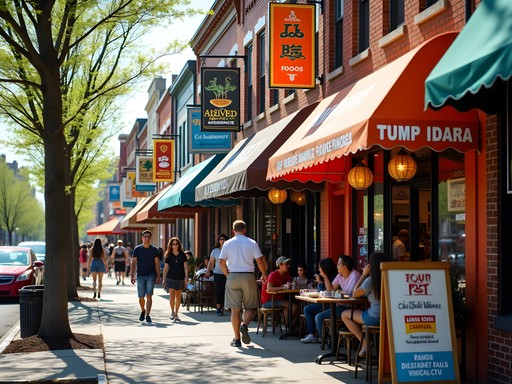
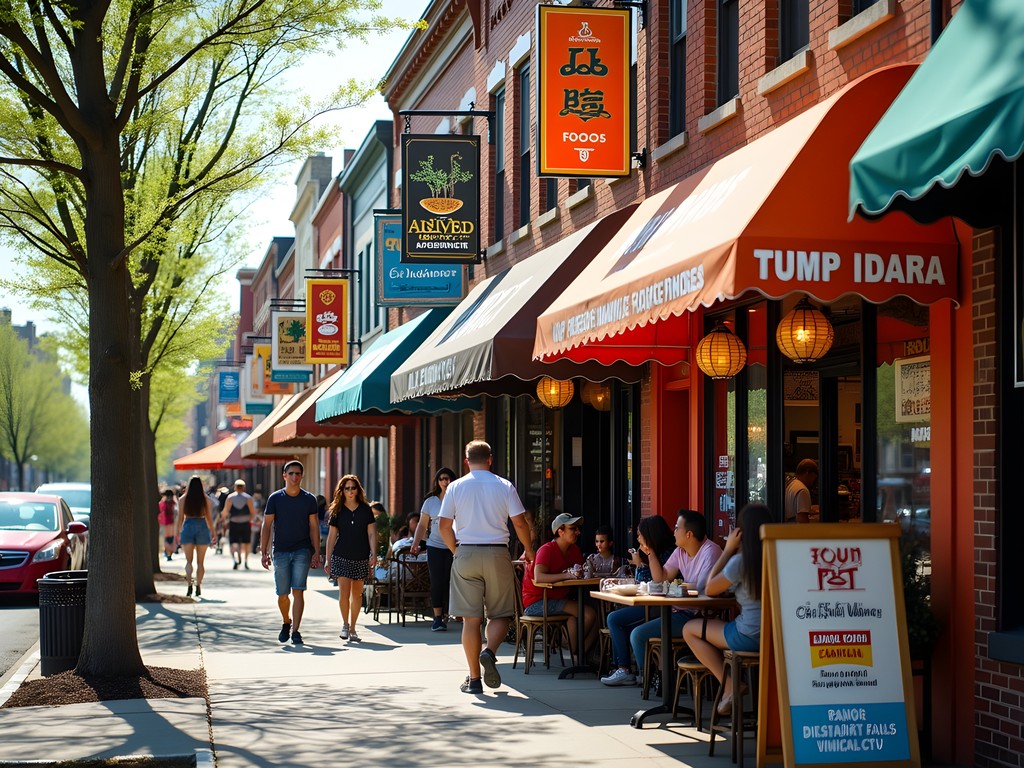
This is where College Park really delivers. The area around Route 1 and University Boulevard has become an unintentional international food corridor that rivals anything in nearby DC—at half the price. I'm talking authentic family-run spots where English is optional and the food is serious.
Start with breakfast at Busboys and Poets (technically Hyattsville, but walkable), where you'll find a bookstore, restaurant, and community gathering space that hosts regular cultural events and open mics. Then work your way through: Pho Thom for Vietnamese that reminds me of street food in Thailand, Taqueria Habanero for legit Mexican (the al pastor is no joke), and Kohinoor Dhaba for North Indian that's popular with the local South Asian community.
My move is to grab a insulated food container and do a progressive dinner—small portions from multiple spots. This keeps costs down (you're spending $15-20 total instead of $30+ for one sit-down meal) and maximizes cultural sampling. Plus, you can save leftovers for later, which is crucial on a student budget.
The real cultural immersion happens when you're one of the few non-regulars in these spots. Pay attention to what families are ordering, not what's highlighted on the English menu. That's where you find the good stuff.
💡 Pro Tips
- Lunch specials (11am-3pm) offer the best value at most spots
- Cash-only at several of the best places—hit an ATM first
- Don't be intimidated if you're the only non-regular; most owners appreciate genuine interest
- Ask for spice levels honestly; authentic doesn't mean punishingly hot
- Weekend mornings at ethnic grocery stores often have free samples and prepared foods

Paint Branch Trail: Urban Nature as Cultural Space
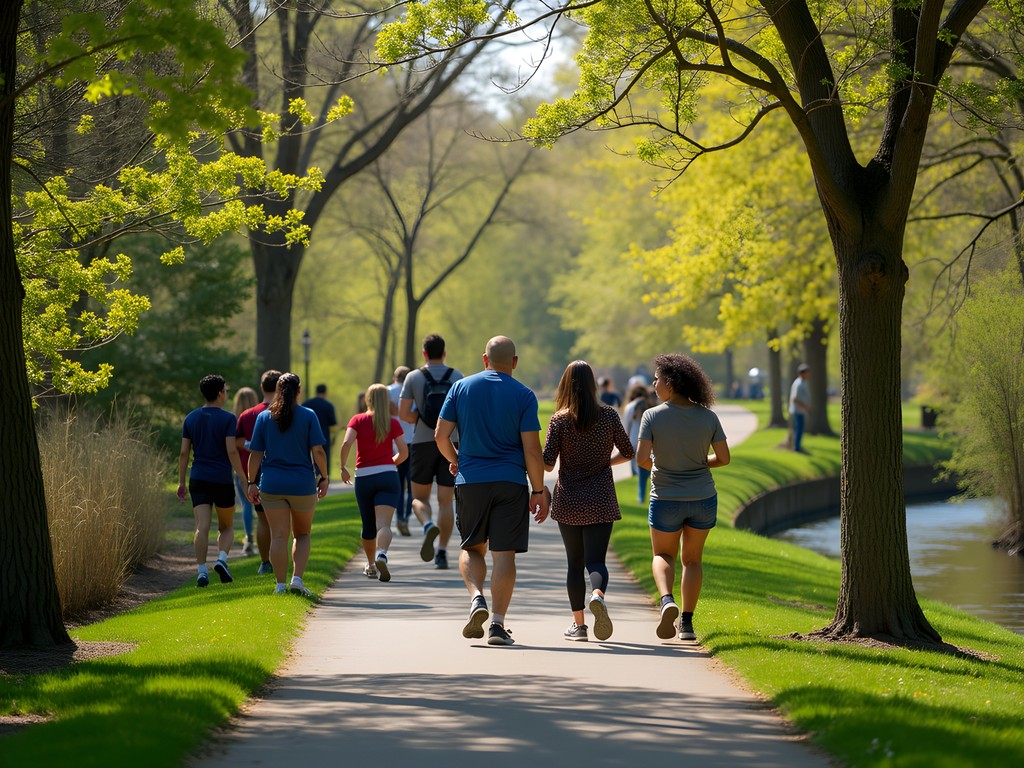
I know this seems like an odd inclusion in a cultural guide, but stick with me. The Paint Branch Trail system connects College Park to surrounding communities, and it's become an informal cultural corridor where you'll see the area's diversity in action—families from different backgrounds using the same green space in different ways.
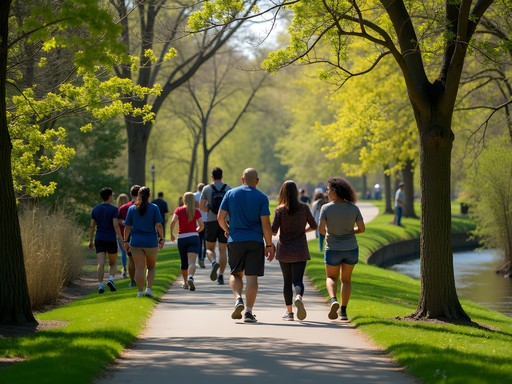
I ran this trail on a Sunday morning and encountered: a group practicing tai chi near the stream, families grilling at Duvall Field (the smells alone were incredible), pickup soccer games with multilingual trash talk, and someone's elaborate slackline setup between trees. It reminded me of how public spaces function as cultural mixing grounds when they're accessible and well-maintained.
From a technical standpoint, the trail system is well-designed with clear mile markers and multiple access points. It's mostly flat (perfect for beginners), follows the creek for natural cooling, and connects to the Anacostia Tributary Trail system if you want to extend your exploration. I always carry a water filtration bottle on trails like this—the refill stations are hit-or-miss, and staying hydrated is non-negotiable.
The cultural aspect deepens when you realize this green infrastructure connects historically segregated neighborhoods, literally creating pathways between communities that were once divided.
💡 Pro Tips
- Early weekend mornings offer the most cultural activity without crowds
- Bring a blanket and plan to linger—observation is part of the experience
- The trail is better maintained near campus; quality decreases as you go north
- Download the trail map beforehand—cell service gets spotty in places
Clarice Smith Performing Arts Center: Student Rush Tickets
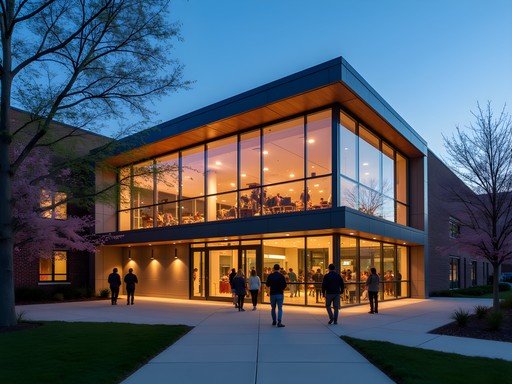
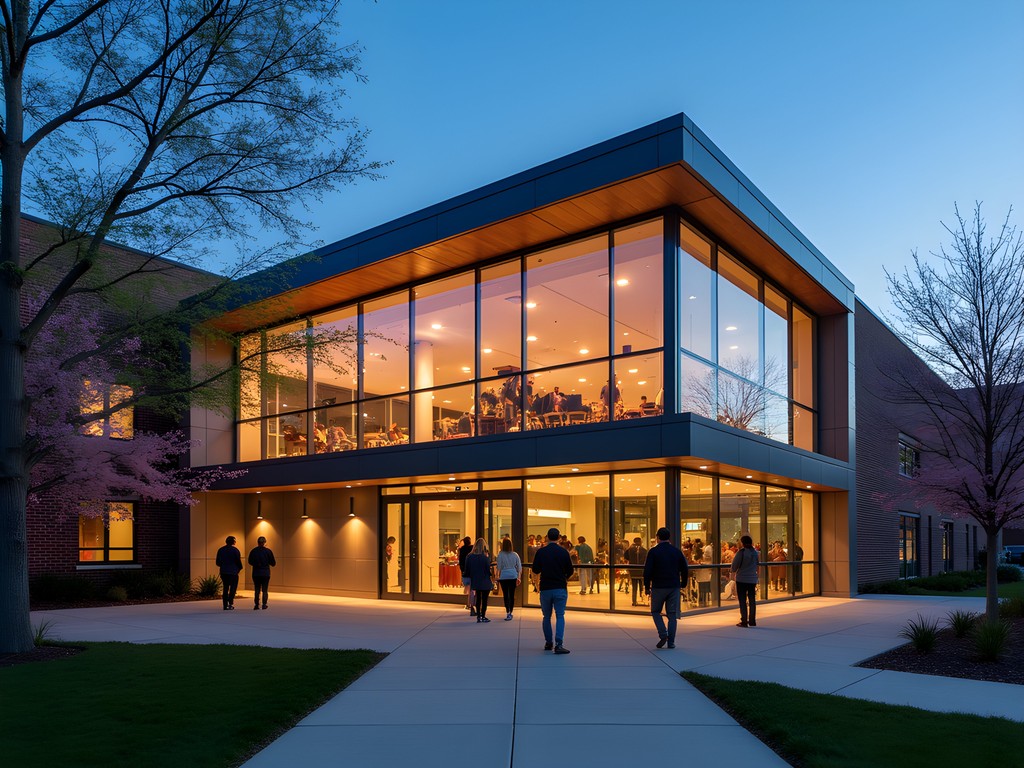
Here's an insider move most students don't know: the Clarice Smith Performing Arts Center offers student rush tickets for $10-15 to performances that would cost $50+ in DC. We're talking international dance companies, world music ensembles, and theater productions that bring global culture directly to campus.
I caught a Cambodian classical dance performance here that completely shifted my understanding of traditional movement arts. The technical precision reminded me of watching master climbers—every gesture intentional, rooted in centuries of transmitted knowledge. The post-performance discussion revealed that several dancers were also working to document and preserve techniques that nearly disappeared during the Khmer Rouge era. That's the kind of cultural preservation story that drives my work.
The building itself is worth exploring even without a ticket. The architecture creates interesting acoustic spaces, and there's usually some kind of free exhibition in the lobbies. Grab a packable rain jacket if you're walking from off-campus housing—spring weather in Maryland is unpredictable, and you don't want to miss curtain time because of a sudden downpour.
💡 Pro Tips
- Sign up for their email list to get student rush notifications
- Arrive 60-90 minutes early for popular shows—rush tickets are limited
- Free parking in Regents Drive Garage after 4pm on weekdays and all day weekends
- Many performances include post-show discussions with artists—don't skip these
Final Thoughts
College Park won't blow your mind like climbing in Yosemite or exploring craft villages in Morocco, but that's not the point. What it offers is something equally valuable: accessible cultural immersion that doesn't require a plane ticket or massive budget. For students, this is your training ground for the kind of cultural curiosity that makes international travel meaningful.
The technical skills I use in network engineering—systems thinking, pattern recognition, troubleshooting—apply equally to cultural exploration. You learn to see connections between seemingly unrelated elements, to appreciate how communities build and maintain their own networks of knowledge and tradition. College Park's cultural landscape is a surprisingly complex system once you start paying attention.
Spend a weekend exploring beyond campus. Talk to people whose stories aren't in your syllabus. Eat food that challenges your palate. Walk trails that connect divided histories. These skills—observation, genuine curiosity, respectful engagement—are what transform any destination from a location into an experience. And they're completely free to develop, which fits perfectly into a student budget.
✨ Key Takeaways
- Cultural immersion doesn't require exotic destinations—it requires curiosity and intentional exploration
- College Park's diversity offers authentic experiences at a fraction of DC prices
- The best cultural encounters happen when you step outside tourist (or student) bubbles and engage with living communities
- Budget constraints force creativity, which often leads to more authentic experiences than expensive tours
📋 Practical Information
Best Time to Visit
Spring (March-May) offers ideal weather and increased cultural programming before summer break
Budget Estimate
$50-75 for a full weekend including food, museum admission, and activities
Recommended Duration
2-3 days for thorough exploration
Difficulty Level
Easy
Comments
Haley Hamilton
Love this perspective, Cole. I think we often overlook the cultural layers in places that seem "ordinary" on the surface. Your point about the Lakeland Community really resonates—I've been trying to focus more on neighborhood histories in my own travels instead of just hitting the tourist highlights. College towns especially have these fascinating immigrant communities and food scenes that tell such rich stories. Have you explored any of the DC suburbs in similar depth? I'm thinking Silver Spring or Hyattsville might have similar hidden gems.
freeguide
Really cool! Never thought about College Park this way
coolgal
Cole you totally nailed this! I lived in College Park for 3 years and everyone always overlooked it. The Ethiopian and Salvadoran spots near campus are AMAZING. Also if you're doing the Paint Branch Trail definitely go early morning in spring when everything's blooming. And yes to the Lakeland heritage stuff - that history doesn't get talked about enough. More people need to read articles like this instead of just writing off college towns!
hikingperson
which ethiopian place do you recommend?
coolgal
Habesha Market! the injera is perfect and owners are super nice
hikingperson
wait the aviation museum is actually good? drove past it like a hundred times but never stopped in
freeguide
yeah its actually pretty cool! went last month
Haley Hamilton
It's surprisingly great! I stopped there on a road trip through Maryland last year. The Wright Brothers connection is legit—College Park has the oldest continuously operating airport in the US. There's this whole section on early flight experiments that made me appreciate how wild those first aviators were. Definitely worth an hour or two if you're in the area.
Venture X
Premium card with 2X miles, $300 travel credit, Priority Pass