

Disclosure: This article contains affiliate links. We may earn a commission from purchases at no extra cost to you, which helps our travel content.
The Central Kalahari Game Reserve stretches across 52,800 square kilometers of wilderness—a photographer's canvas painted with golden grasslands, ancient baobabs, and some of Africa's most resilient wildlife. Having photographed across six continents, I can confidently say that few landscapes challenge and reward a photographer quite like the Kalahari's stark beauty. This vast desert ecosystem demands technical mastery, patience, and a profound respect for its rhythms—qualities I've honed through years of marathon training that unexpectedly prepared me for the discipline of wildlife photography.

Essential Gear for Kalahari Photography
The Kalahari's extreme conditions demand thoughtful preparation beyond standard safari gear. During winter (June-August), temperatures swing dramatically—near freezing at dawn when wildlife activity peaks, to comfortably warm by midday. I've learned to layer strategically, starting with a moisture-wicking base and adding a insulated vest that provides core warmth without restricting movement when tracking and framing shots.
For your equipment, dust protection becomes paramount. I never enter the Kalahari without my camera rain cover which, despite its name, offers excellent protection against the fine Kalahari dust that can devastate camera sensors. Each night, perform a thorough cleaning ritual using a sensor cleaning kit to maintain image quality throughout your journey.
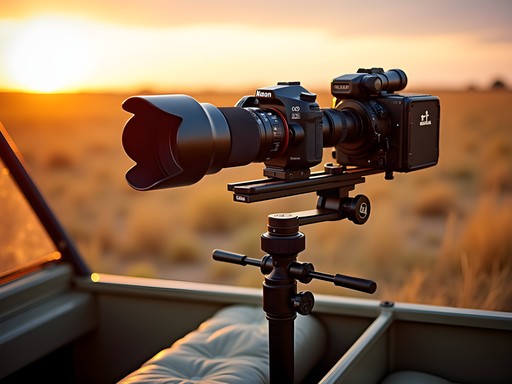
Telephoto lenses are non-negotiable here—the 100-400mm range offers versatility for both landscape compositions and wildlife portraits. Remember that vehicle movement, even from fellow photographers shifting position, can ruin a critically-timed shot, so a lens stabilizer provides crucial stability when shooting from safari vehicles.

💡 Pro Tips
- Pack silica gel packets in your camera bag to combat humidity fluctuations
- Bring twice as many memory cards as you think you'll need—the Kalahari's photographic opportunities are boundless
- Use a polarizing filter to cut through midday haze and enhance the rich earth tones
Mastering Light in the Desert
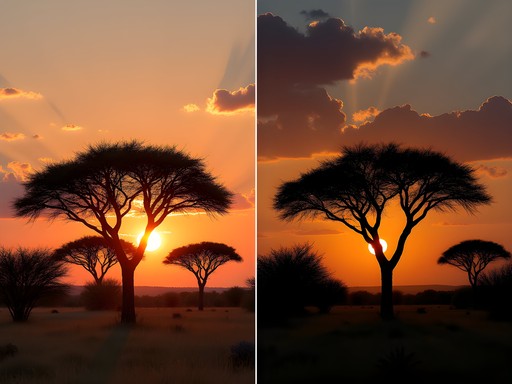
The Kalahari's light is both its greatest gift and challenge to photographers. Winter brings crystalline clarity to the air, creating extraordinary conditions for photography—if you know how to work with them. The golden hours here extend longer than in many locations, but with heightened intensity. I've found that exposure compensation becomes critical technique; consistently underexpose by 1/3 to 2/3 stops during the first and last hours of daylight to preserve the rich golden tones that make Kalahari images so distinctive.
Midday presents different challenges. The harsh overhead sun creates deep shadows and blown highlights that can flatten your compositions. Rather than putting your camera away, this is when I focus on black and white conversions that leverage this contrast rather than fighting it. The graduated ND filter has saved countless midday shots for me, balancing the bright sky against shadowed subjects.
Perhaps most magical are the twilight transitions. The blue hour in the Kalahari has an otherworldly quality—particularly when capturing predators on the move. Adjust your white balance manually rather than relying on auto settings to preserve the atmospheric cool tones that tell the story of this transition time.
💡 Pro Tips
- Position yourself with the sun at your back during morning game drives for optimal wildlife lighting
- Use exposure bracketing for high-contrast scenes like animals drinking at waterholes
- Watch for dust-enhanced light rays during early morning and late afternoon drives
Wildlife Behavior and Ethical Photography
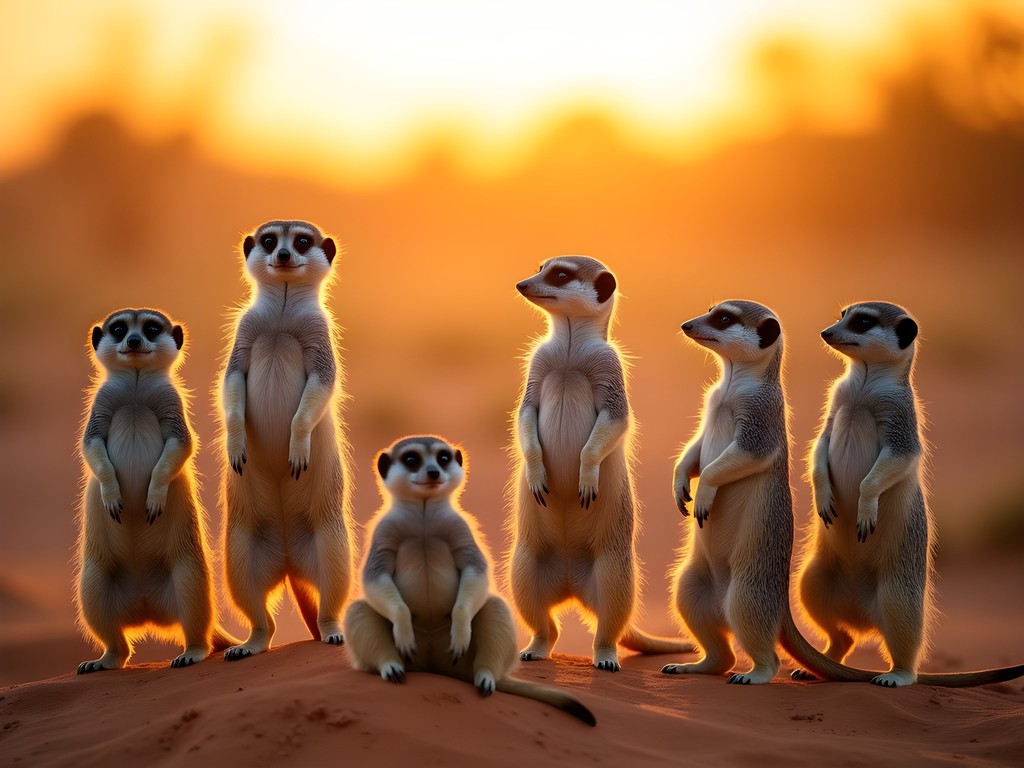
Understanding animal behavior transforms good wildlife photography into extraordinary storytelling. The Kalahari's winter season concentrates wildlife around diminishing water sources, creating unparalleled photographic opportunities—but with great responsibility. I've witnessed photographers crossing ethical lines to get 'the shot,' often disturbing natural behaviors in the process. My marathon discipline has taught me that patience yields greater rewards than aggressive pursuit.
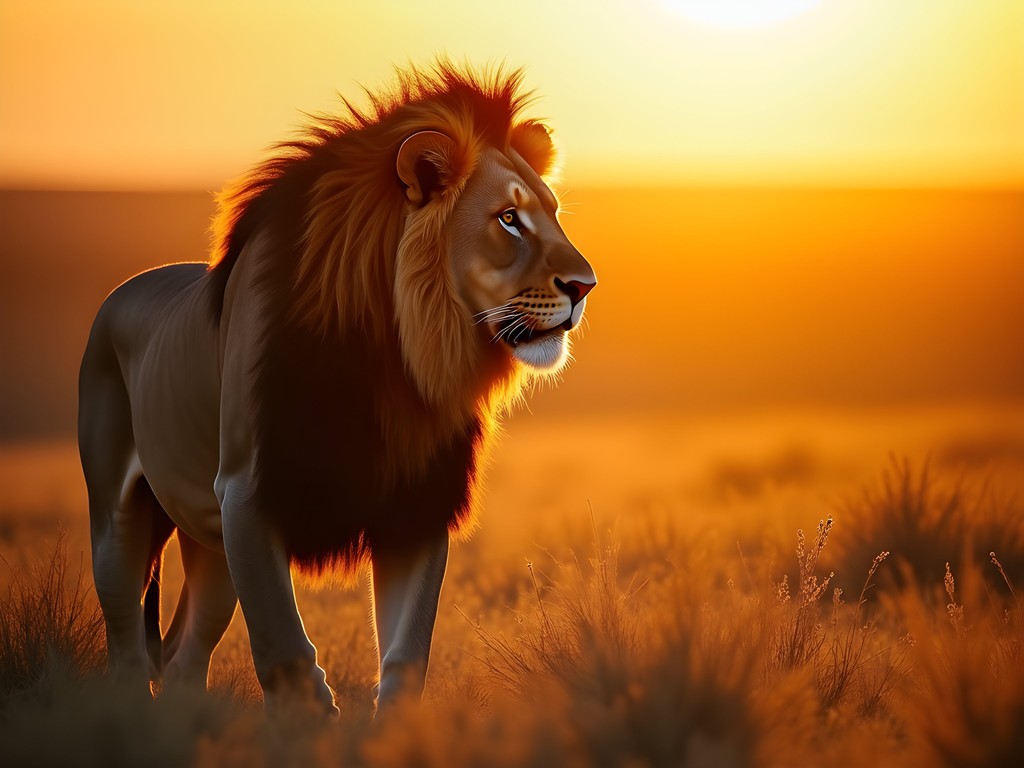
Before my first Kalahari trip, I invested time studying predator hunting patterns and prey vigilance behaviors. This knowledge allows me to anticipate decisive moments rather than merely reacting to them. When photographing the reserve's famous black-maned lions, for instance, I look for subtle ear movements and tail flicks that telegraph hunting intentions long before the action begins.
I always carry my field notebook to record behavior patterns at specific locations, creating a personal database that improves with each visit. For ethical wildlife viewing, a quality spotting scope allows observation from distances that don't disturb natural behaviors, helping you plan compositions before moving into camera range.
💡 Pro Tips
- Learn to read animal body language to anticipate photographic moments
- Maintain at least 50 meters distance from predators with cubs or kills
- Record GPS coordinates of promising locations for return visits at different times

Luxury Lodges with Photographer Benefits
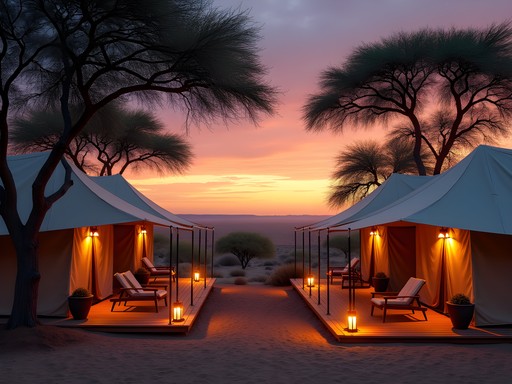
While my plant-based lifestyle and environmental values typically lead me toward eco-conscious accommodations, I've discovered that Botswana's luxury lodges offer unique advantages for serious photographers. Properties like Kalahari Plains Camp and Tau Pan Camp combine environmental responsibility with photographer-friendly features that justify their premium rates.
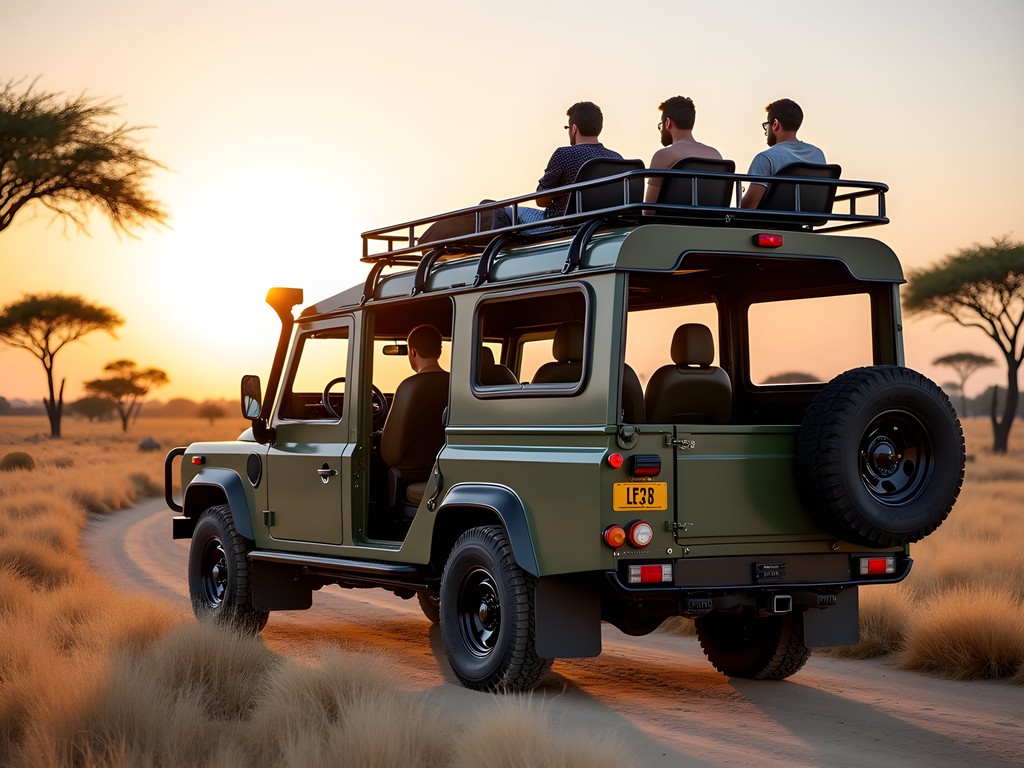
My recent stay at Dinaka Safari Lodge revolutionized my Kalahari experience through their dedicated photographic vehicles with swivel seats, cut-out windows, and camera mounts—features that directly translated to sharper images and more successful shoots. Their guides, many photographers themselves, understand the importance of positioning vehicles for optimal light and composition.
The luxury of having a private guide means you can request extended time at sightings rather than rushing between locations. I always travel with my portable power station which most premium lodges will happily recharge between drives, ensuring my batteries and devices remain operational throughout the trip. For keeping equipment cool in the vehicle, nothing beats a insulated equipment bag which protects sensitive gear from the punishing midday heat between morning and afternoon shoots.
💡 Pro Tips
- Request a photography-specialized guide when booking luxury lodges
- Arrange private vehicles if your budget allows—the freedom to set your own schedule is invaluable
- Discuss your photographic goals with lodge management before arrival so they can match you with appropriate guides
Post-Processing the Kalahari Palette
The Kalahari's distinctive color profile demands thoughtful post-processing to translate what your eye witnessed to what your audience will experience. After years photographing this landscape, I've developed a workflow that honors its unique characteristics while creating compelling visual narratives.
Begin by calibrating your editing monitor with a color calibrator to ensure accuracy across the Kalahari's subtle earth tones. The reserve's winter palette features a surprising range—from the deep oranges of dawn to the platinum midday hues and the violet cast of dusk. I maintain separate develop presets for each lighting condition.
Dust particles, inevitable in the Kalahari atmosphere, can either diminish your images or enhance them dramatically. Rather than removing all atmospheric haze, I selectively preserve it when it creates depth or captures light rays. The editing tablet allows the precision necessary for this selective editing approach, particularly when creating masks around intricate subjects like acacia trees or wildlife.
For my plant-based followers, I always process and share images of the Kalahari's often-overlooked botanical adaptations alongside the charismatic megafauna. These remarkable desert specialists tell an equally compelling story of survival and adaptation that complements the wildlife narrative.

💡 Pro Tips
- Create separate catalogs for different Kalahari regions to maintain consistent processing across similar landscapes
- Use graduated filters in post-processing to enhance the dramatic Kalahari skies without affecting foreground exposure
- When processing black and white conversions, push contrast further than you might in other environments—the Kalahari's stark nature supports this treatment
Final Thoughts
The Central Kalahari demands more from photographers than technical proficiency—it requires presence, patience, and profound respect for its rhythms. My marathon training unexpectedly prepared me for the discipline required here: the predawn starts, the hours of watchful waiting, and the capacity to remain fully present when opportunity finally presents itself. The images you'll create here go beyond mere wildlife documentation; they tell stories of ancient adaptation and survival against impossible odds.
As you prepare for your own Kalahari photography expedition, remember that the most compelling images emerge not from perfect equipment but from perfect positioning—both physical and mental. Approach each day with intentionality, respect the environment and its inhabitants, and allow yourself to be transformed by this remarkable landscape.
When I reflect on my decades of travel photography across six continents, my Kalahari portfolio stands apart—not merely for the images captured, but for how the process of creating them changed my perspective. I invite you to experience this transformation for yourself. The desert is waiting.
✨ Key Takeaways
- Winter (June-August) offers the best photography conditions with clear air and concentrated wildlife
- Invest in proper dust protection for your equipment to prevent sensor damage
- Understanding animal behavior patterns leads to anticipating rather than reacting to photographic moments
- Luxury lodges provide specialized photography vehicles and knowledgeable guides that justify their premium rates
- The Kalahari's unique light demands specialized exposure techniques and thoughtful post-processing
📋 Practical Information
Best Time to Visit
June to August (winter)
Budget Estimate
$800-1200 per person per night at luxury lodges
Recommended Duration
7-10 days minimum
Difficulty Level
Advanced


Comments
Hunter Thompson
Brilliant guide Brandon! The section on ethical wildlife photography is spot on. I spent 3 weeks in the Central Kalahari last year and the patience required is no joke - but that's what makes it so rewarding. One tip I'd add: bring way more memory cards than you think you need. The light changes so dramatically throughout the day that you'll be shooting constantly. Also the dust is REAL so definitely invest in proper camera protection. The lodges you mentioned are top notch too, stayed at one and they had these amazing hide setups for photographers.
freediver
3 weeks wow! That must have been amazing. How much did you budget for that kind of trip?
Hunter Thompson
It was pricey not gonna lie - around £4500 including flights from UK, but I did mix luxury lodges with some camping to keep costs down. Worth every penny though!
roamseeker
Going in September!! Any recommendations on which lodge has the best photography opportunities? The ones you mentioned all look great but trying to narrow it down
wavefan
Going there next year! So excited
photoadventurer
What focal length do you recommend as the most versatile for Kalahari wildlife? I have a 70-200mm but wondering if I should rent something longer like a 100-400mm for my trip in April? Budget is kinda tight so trying to decide if it's worth it.
Hunter Thompson
Not Brandon but I'd say go for the longer lens if you can swing it! Wildlife can be quite far in the Kalahari and you'll be gutted if you can't get close enough shots. I used my telephoto zoom there and it was perfect for the distance.
Frank Garcia
Solid breakdown of the technical aspects, Brandon. One thing I'd add for budget photographers - the dust in the Kalahari is absolutely brutal on equipment. I learned this the hard way when my camera sensor needed a professional cleaning after just 4 days. Bring multiple lens cleaning cloths and be religious about changing lenses inside your vehicle or accommodation only. Also, regarding the ethical photography section - spot on about maintaining distance. I've seen too many guides get too close for the 'perfect shot' which stresses the animals, particularly during denning season with young.
escapefan
good tip about the dust!
freediver
WOW those baobab shots are stunning!! Really inspiring stuff Brandon
bluehero
This looks amazing! Quick question - you mentioned bringing a telephoto lens but didn't specify the focal length. I have a 200mm, would that be enough for wildlife shots or should I rent something longer? Planning my first safari and trying to figure out gear without breaking the bank lol
Frank Garcia
200mm will work but you'll be cropping a lot. I'd recommend at least 300mm, ideally 400mm+ for wildlife. The animals keep their distance in the Kalahari compared to other reserves.
bluehero
Thanks! Might look into renting then
wildpro
This looks incredible! Quick question - you mention early morning light is best but how early are we talking? Like 5am start or even earlier? Planning my first Botswana trip and trying to figure out if I'm gonna survive those wake up calls lol
Hunter Thompson
Mate, you'll be up at 4:30am most days! But honestly it's so worth it - the light right after sunrise in the Kalahari is absolutely mental. You'll forget about being tired once you see it!
wildpro
Haha ok good to know, thanks! Better start practicing early mornings now
coollife
Great guide. Did the Kalahari last year, worth every penny
escapefan
OMG those baobab shots are incredible!! 😍 definitely adding this to my bucket list
roamseeker
Right?? The golden hour lighting is just perfect
Venture X
Premium card with 2X miles, $300 travel credit, Priority Pass