
Disclosure: This article contains affiliate links. We may earn a commission from purchases at no extra cost to you, which helps our travel content.
The Kalahari Desert at dusk is a masterpiece of contradictions. As our open-air Land Cruiser crests another ochre-colored dune, the vastness spreads before me—not the barren wasteland many imagine, but a thriving ecosystem pulsing with life. After six years of calling Marseille home, trading the Mediterranean's azure waters for this burnt sienna landscape feels like stepping onto another planet. Yet somehow, beneath these endless stars, I've never felt more connected to Earth's ancient rhythms.

Embracing the Kalahari's Untamed Spirit
My journey to Botswana's Central Kalahari Game Reserve began months before with a promise to myself: my 42nd birthday would be marked not with candles but with campfires, not with city lights but with stars. After years of exploring marine ecosystems with my family, this solo adventure into one of Africa's most remote wilderness areas represented a personal pilgrimage.
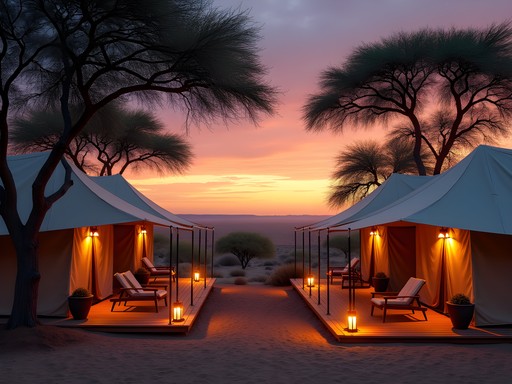
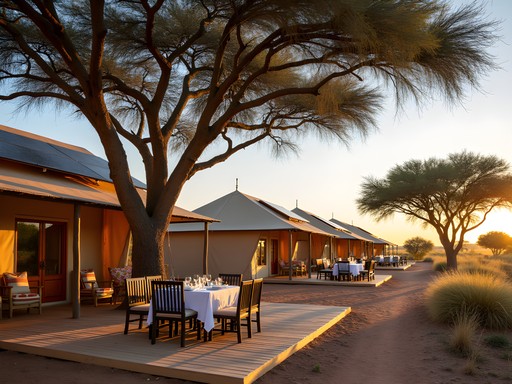
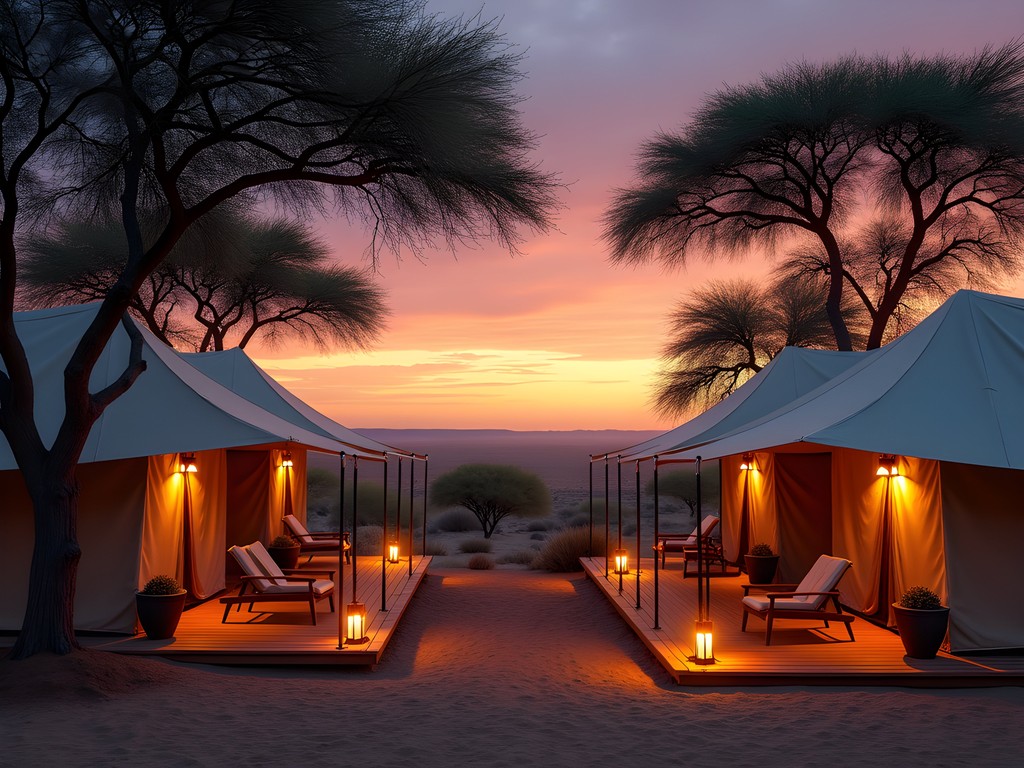
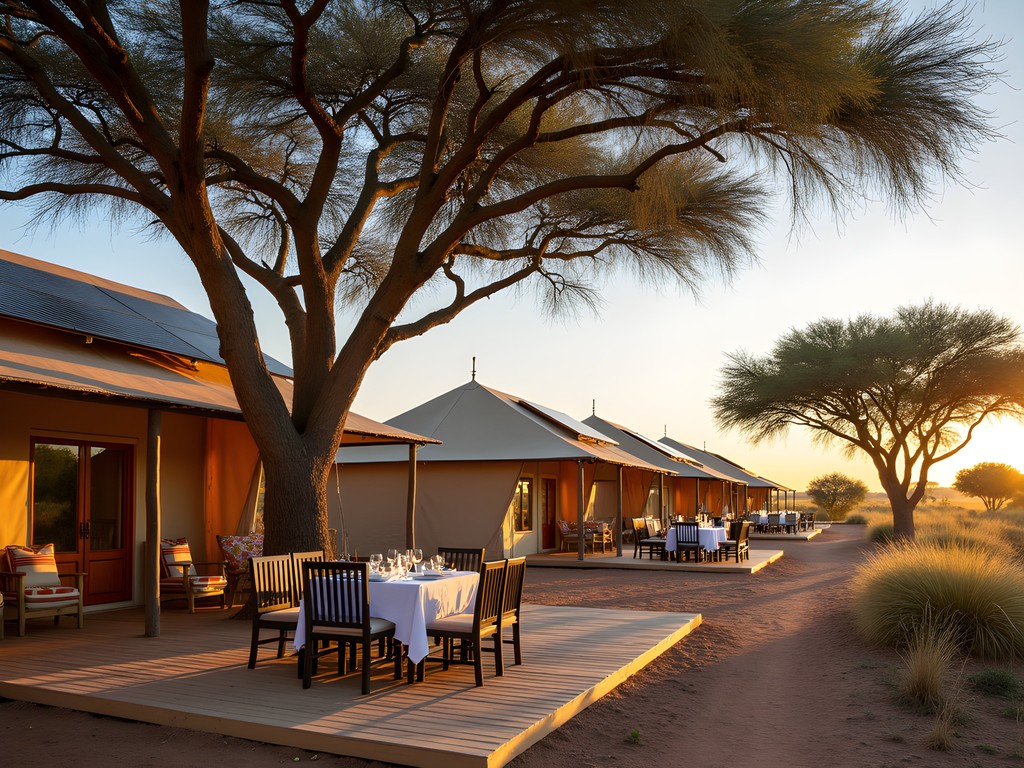
Our small group of six travelers plus guides ventured deep into the reserve, far beyond where day-trippers roam. Here, luxury isn't defined by thread counts but by experiences—sleeping in canvas tents that somehow manage to feel both authentic and indulgent. The camp staff had thought of everything, from solar shower bags that provided warm water at day's end to the most comfortable camping pillow I've ever used, ensuring restful sleep despite the distant lion roars.
What struck me most was the silence—a profound quiet occasionally punctuated by nature's soundtrack. No cell service, no WiFi, no digital distractions. Just the crackling fire, the occasional whooping hyena, and conversations that went deeper than any I'd had in months.
💡 Pro Tips
- Pack merino wool base layers for the surprisingly cold desert nights
- Bring a star chart app that works offline to identify constellations
- Request a tent away from the main area for the best wildlife viewing opportunities from your 'doorstep'
Wildlife Encounters in the Desert's Heart
The Kalahari defies expectations. While the Okavango Delta might claim fame for wildlife density, the Central Kalahari offers something equally precious: authenticity. Here, animals haven't grown accustomed to constant vehicle traffic. Each sighting feels earned, special, almost sacred.
On our third morning, we departed before dawn, the cold air biting at our cheeks despite it being winter in the southern hemisphere. Our guide Samuel, a San man whose ancestors have navigated these lands for millennia, spotted tracks that most of us would have missed entirely. "Desert-adapted lions," he whispered, his eyes alight with the thrill of the chase.
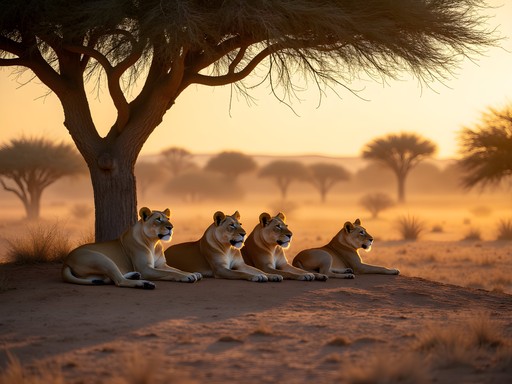
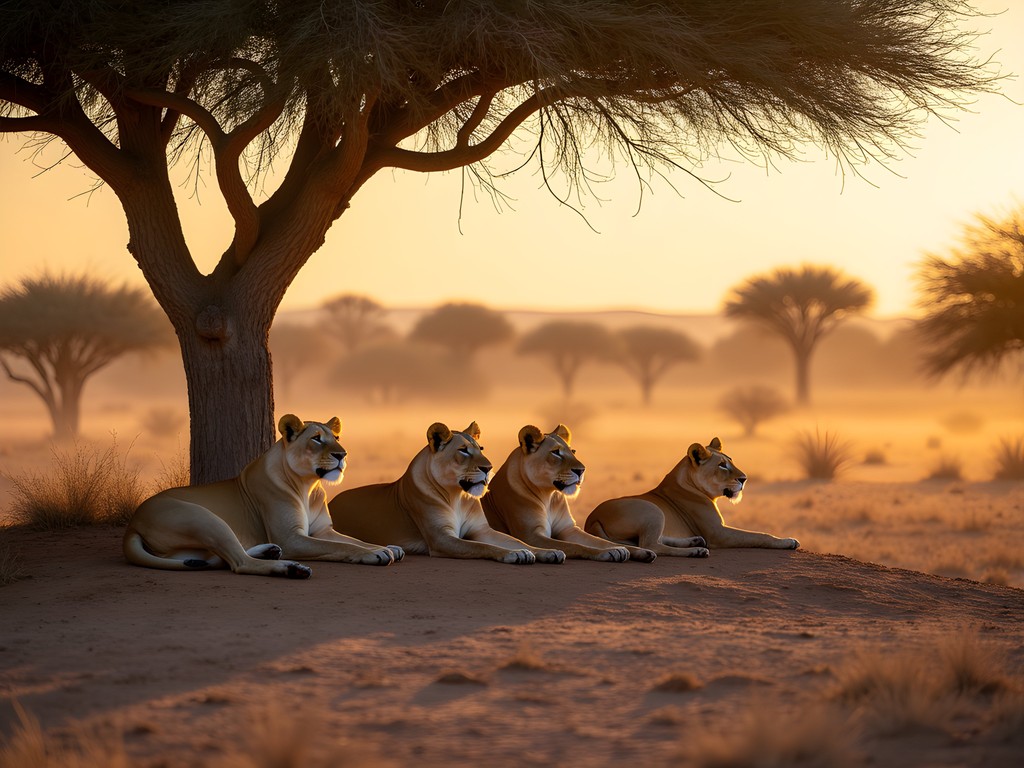
For three hours, we followed the pride's trail, eventually finding them lounging beneath a shepherd's tree—three females and seven cubs, their tawny coats almost invisible against the sand. Through my spotting scope, I watched the cubs play-fight while their mothers dozed, seemingly unbothered by our presence.
"They're not used to vehicles like in other parks," Samuel explained. "We must respect their space."
Beyond the iconic predators, the Kalahari revealed its specialized residents: oryx with their magnificent straight horns, meerkats standing sentinel on termite mounds, and the desert-adapted springbok that can survive without drinking water. Each evening, I'd document the day's sightings in my journal, sketching what I'd seen under the glow of my headlamp, an essential tool for camp life.
💡 Pro Tips
- Bring a good pair of 10x42 binoculars—spotting wildlife in this vast landscape requires quality optics
- Always listen to your guide about safe distances from predators
- The best wildlife viewing happens at dawn and dusk, so adjust your sleep schedule accordingly
Nights Under Ancient Stars
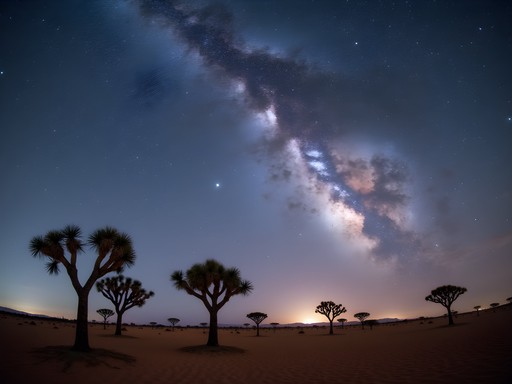
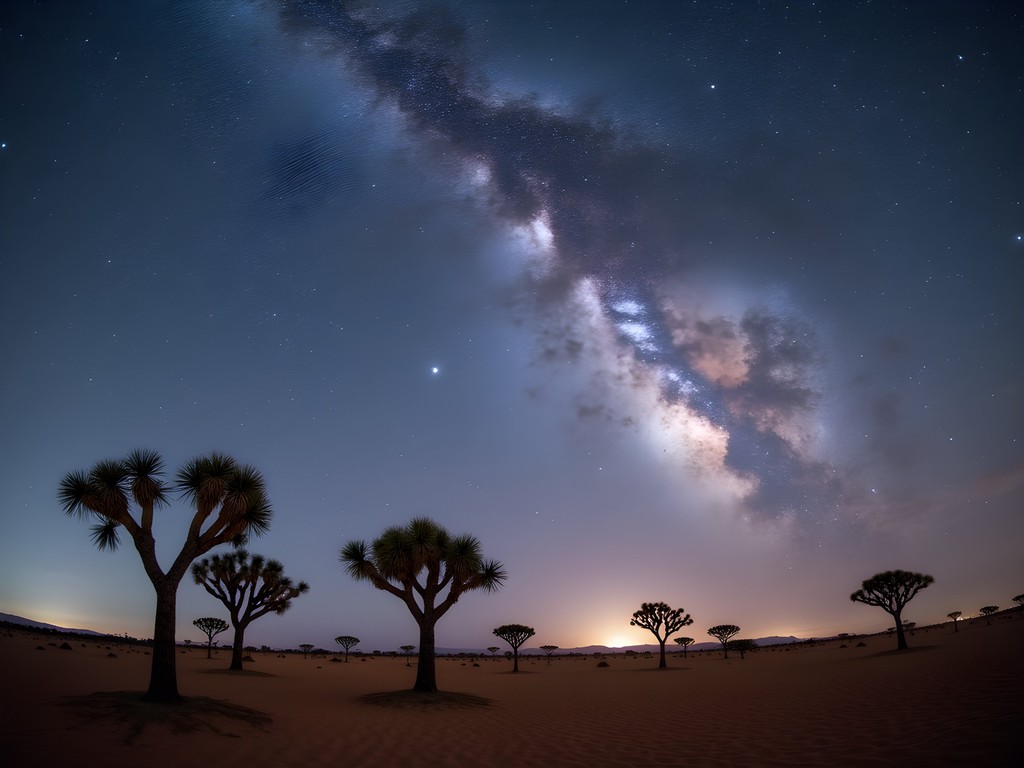
In Marseille, light pollution dims all but the brightest stars. In the Kalahari, the night sky explodes with light—billions of stars, planets, and the sweeping arm of the Milky Way creating a ceiling so magnificent it brought tears to my eyes. Each evening after dinner, our group would gather around the campfire, sharing stories while our guide pointed out constellations visible only in the Southern Hemisphere.
One night, we ventured further from camp for a sleep-out experience. Armed with nothing but sleeping bags rated for freezing temperatures and sleeping pads to insulate us from the cooling sand, we formed a circle under the open sky. The vulnerability was palpable—no tent walls between us and the wild—yet I've rarely felt safer, cradled in nature's vastness.
"In the Kalahari, we are never alone," Samuel said, gesturing to the stars. "Our ancestors watch from above." That night, I dreamt of ancient hunter-gatherers crossing these same sands, following the same stars that now guided my own journey.
The night sounds became a familiar lullaby: the distant whooping of hyenas, the occasional rumble of elephants communicating across miles, and the constant, gentle whisper of wind across the dunes. By the third night, the initially intimidating darkness had transformed into a comforting blanket.
💡 Pro Tips
- Bring a lightweight but warm sleeping bag rated for at least 30°F/0°C even for 'luxury' camping
- Consider taking a basic astronomy course before your trip to fully appreciate the southern sky
- Pack earplugs if you're a light sleeper—nocturnal wildlife can be vocal

Cultural Immersion with the San People
No Kalahari experience would be complete without learning from its original inhabitants. The San people have thrived in this seemingly inhospitable environment for over 20,000 years, developing profound knowledge of its plants, animals, and seasonal rhythms.
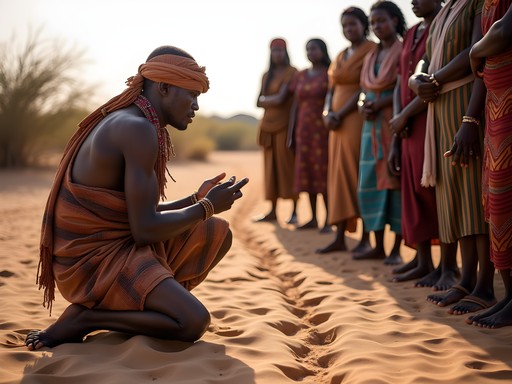
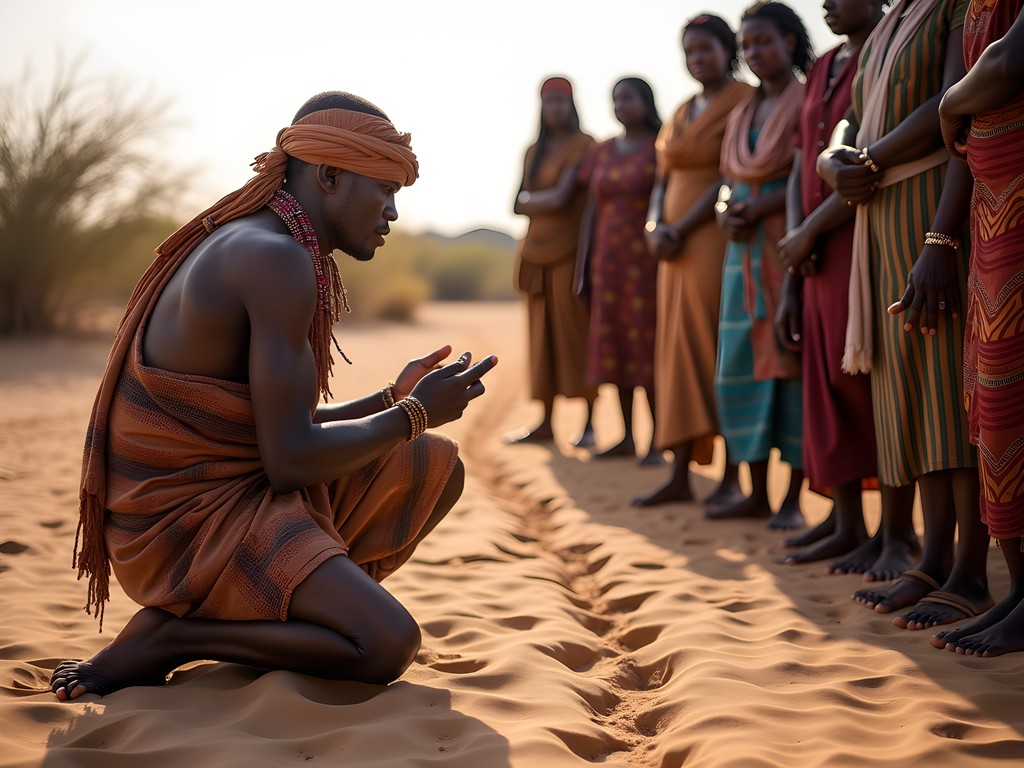
Midway through our expedition, we spent a day with a San community, learning survival skills that have sustained generations. A grandmother with skin weathered like the landscape showed me how to find water-bearing tubers hidden beneath the sand. Children giggled as they taught us their tracking games, their eyes catching details my city-trained perception missed entirely.
"The desert gives everything we need," our translator explained as we watched a young man demonstrate fire-making using nothing but sticks and dried grass. "We don't take more than necessary."
I was particularly fascinated by their traditional medicine knowledge. When I mentioned my dry skin—a casualty of the desert climate—an elder brought me a natural balm made from mongongo nuts and marula oil. The difference was immediate, and I've since ordered this product for my bathroom cabinet in Marseille, a daily reminder of Kalahari wisdom.
That evening, we participated in a traditional trance dance around the fire. The rhythmic clapping, singing, and movement created a hypnotic atmosphere as dancers connected with ancestral spirits. Despite the cultural distance between us, the experience felt profoundly universal—humans seeking meaning under the same stars that have witnessed our entire evolutionary journey.
💡 Pro Tips
- Bring small, thoughtful gifts for community visits (school supplies are always appreciated)
- Learn a few basic greetings in the local language before your visit
- Ask permission before photographing people, and offer to share digital copies if possible
Sustainable Luxury in Earth's Last Wildernesses
The concept of luxury safari camping in the Kalahari represents a fascinating evolution in adventure travel. Our expedition with solar lanterns illuminating our pathways and reusable water bottles eliminating single-use plastic demonstrated how high-end experiences can coexist with environmental responsibility.
Our camp operated on a leave-no-trace principle, with all waste packed out and water usage carefully monitored. Solar panels provided limited electricity, while the absence of permanent structures meant the landscape would return to its natural state once we departed.
Perhaps most importantly, our expedition directly supported conservation. A significant portion of our (admittedly substantial) fees went to anti-poaching efforts and community development programs that incentivize wildlife protection over exploitation.
"When the animals bring more money alive than dead, conservation becomes easier," our guide explained one evening. "Tourism that respects both nature and culture can save these places."
As someone who spent years fundraising for environmental nonprofits, I was impressed by the operation's transparency. We visited a school and clinic funded by tourism dollars, meeting community members who now worked as guides, cooks, and camp managers rather than turning to less sustainable livelihoods.
💡 Pro Tips
- Research operators with proven conservation credentials before booking
- Pack biodegradable soap and shampoo for wilderness camping
- Consider carbon offsetting your flights to and from Botswana
Final Thoughts
As our Land Cruiser bumped along the sandy track on our final morning, leaving behind a week of wilderness immersion, I found myself already plotting my return. The Kalahari had worked its magic on me in ways I hadn't anticipated. Beyond the wildlife encounters and stargazing, it was the profound disconnection from digital life that proved most transformative—a reset for my overstimulated modern brain.
For those considering their own Kalahari adventure, I offer this: come with an open heart and a willingness to embrace discomfort alongside luxury. The temperature swings are extreme, the dust omnipresent, and yes, occasionally you'll find scorpions in your boots (always shake them out!). But these minor inconveniences fade against the privilege of experiencing one of Earth's last great wildernesses.
From my adopted home in Marseille to the ancient sands of the Kalahari, I'm reminded that true adventure requires stepping beyond familiar shores. Hasta la próxima vez, desierto hermoso—until next time, beautiful desert. Your stars will continue to call me back.
✨ Key Takeaways
- The Central Kalahari offers authentic wildlife encounters away from tourist crowds
- Cultural experiences with the San people provide invaluable insights into sustainable desert living
- Luxury wilderness camping combines comfort with minimal environmental impact
- Winter (June-August) offers comfortable daytime temperatures and excellent wildlife viewing
- Disconnecting from technology creates space for deeper connection with nature and self
📋 Practical Information
Best Time to Visit
May through September (winter/dry season)
Budget Estimate
$800-1,200 per person per night for luxury camping safaris
Recommended Duration
7-10 days
Difficulty Level
Challenging
Comments
adventureseeker
How was the food situation? Did you have to bring your own supplies or was everything provided?
Evelyn Cox
Our tour included all meals and they were surprisingly gourmet! The guides cooked amazing dishes over the campfire - from fresh bread to barbecued game meat. I'd recommend bringing some favorite snacks and extra water though.
starchamp
Those sunset photos are unreal!! 😍
roamvibes
Love this! Quick question - how close did you actually get to the wildlife? Is it safe at night?
starchamp
I was wondering the same thing! Looks amazing but also a bit scary lol
Taylor Moreau
Excellent write-up, Evelyn. I spent three weeks in Botswana last year on a research trip and the Kalahari was a highlight. The San people's tracking skills are genuinely extraordinary - watching them read the landscape was like witnessing a lost art. For those considering this, I'd recommend visiting during the cooler months (May-September) as daytime temperatures can be quite manageable then. The stargazing is indeed phenomenal - the lack of light pollution makes it one of the best places I've photographed the Milky Way. One tip: bring layers. Desert nights get surprisingly cold.
roamvibes
Thanks for the temp tip! Was wondering about when to go
backpackqueen
This looks absolutely incredible!! Adding to my bucket list 🌟
starchamp
Same here! Do you think it's safe for beginners?
backpackqueen
I think with a good guide it would be fine! I'm no expert but sounds like they take care of everything
globetrotter88
Just got back from the Kalahari myself! Pro tip: bring layers for the dramatic temperature changes between day and night. We were sweating at noon and freezing by 8pm! Also, the San bushmen tracking experience was the highlight of our trip.
safari_newbie
Thanks for the tip about layers! How many days would you recommend staying?
globetrotter88
We did 5 nights and it felt perfect - enough time to really disconnect but not so long that the basic camping amenities got tiresome!
wildlifelover22
Those photos of the oryx against the sunset are incredible! Adding this to my bucket list!
greenrider
This looks incredible but I'm a total camping newbie. Is this the kind of thing where you need to be super outdoorsy or do they provide everything? Like do I need to bring my own tent and sleeping bag or what? Sorry if that's a dumb question!
escapeace
Not dumb at all! Most tour companies provide all camping gear, you just bring clothes and personal stuff
Evelyn Cox
Exactly what escapeace said! They provided everything - tents, sleeping bags, all cooking equipment. I just brought my headlamp and personal items. You don't need to be super experienced at all!
Nicole Russell
EVELYN!! This is absolutely stunning and now I'm seriously considering Botswana for my next solo adventure! I've been debating between Namibia and Botswana and this might have just tipped the scales. The star photography opportunities alone are calling my name. Quick question - did you feel safe as a solo traveler with the group? And were the other travelers a good mix? I always worry about group dynamics on these longer camping trips. Also your writing style is just gorgeous - the way you described the dusk light gave me chills!
Evelyn Cox
Nicole! Do it!! Felt completely safe, and our group was amazing - 8 people total, good age range. You'd love it for the photography alone. The Milky Way shots I got were unreal.
triplover
How was the food situation? Do they cook over campfires or what? And any issues with dust getting into everything?
Evelyn Cox
Yes, campfire cooking! Simple but delicious. And oh my god YES the dust gets EVERYWHERE. Bring ziplock bags for your electronics and camera gear. I'm still finding sand in my backpack months later!
Venture X
Premium card with 2X miles, $300 travel credit, Priority Pass