Disclosure: This article contains affiliate links. We may earn a commission from purchases at no extra cost to you, which helps our travel content.
Standing on the banks of the Garonne River as dawn broke over Bordeaux last autumn, I was struck by how the early light transformed the honey-colored limestone buildings into glowing beacons against the cool morning air. Much like analyzing market patterns in my day job, I've learned that photography in Bordeaux follows predictable yet remarkable cycles – the light here behaves differently than anywhere else I've shot, creating a unique atmospheric canvas that changes hourly. This guide breaks down exactly how to capture the essence of France's wine capital through your lens, whether you're chasing the perfect golden hour vineyard shot or the mathematical precision of the city's 18th-century architecture.

Understanding Bordeaux's Unique Light
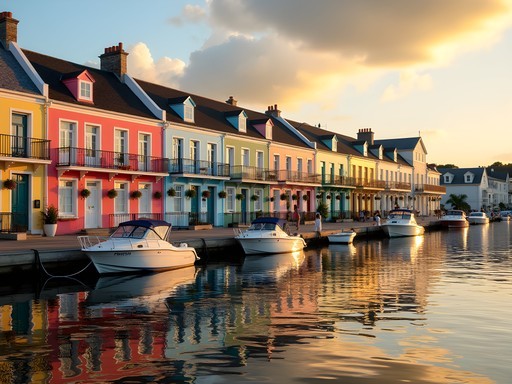
What fascinates me about Bordeaux from a photographer's perspective is how the city's position along the 45th parallel creates an exceptional quality of light, particularly during autumn. The sun's lower angle combined with the reflective properties of both the Garonne River and the pale limestone buildings creates what I call the 'Bordeaux bounce' – a soft, diffused illumination that's remarkably flattering for architectural photography.
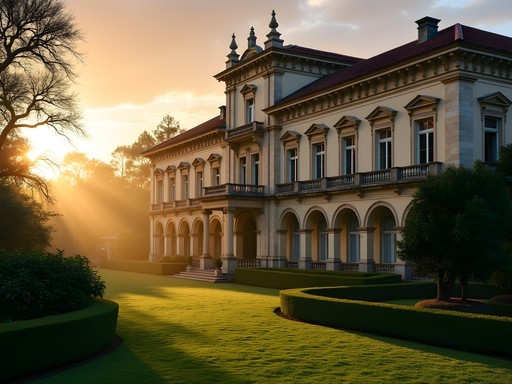
During my week here last October, I noticed the morning light between 7:30-9:00 AM offers a crisp clarity perfect for capturing the UNESCO-listed architecture, while the evening golden hour (around 5:30-7:00 PM in autumn) bathes everything in a warm amber glow that perfectly complements the city's honey-colored stone. This is when your polarizing filter becomes invaluable – I found it dramatically enhances the contrast between the golden buildings and the typically deep blue autumn skies.
What surprised me most was how quickly the light quality shifts here. Coming from Manchester, where light tends to remain relatively consistent through the day (when it's not raining, of course), I had to adjust my shooting schedule to accommodate these rapid transitions. The financial analyst in me appreciated this predictable pattern – once understood, it became a reliable framework for planning each day's photography expeditions.
💡 Pro Tips
- The 'blue hour' arrives quickly after sunset in autumn - be ready to switch camera settings rapidly
- Use the Météo-France app for hyperlocal weather predictions that affect light quality
- Position yourself on the right bank at sunrise for the best illumination of the city skyline
Essential Gear for Bordeaux's Varied Landscapes
Bordeaux presents a photographer with diverse shooting environments – from the tight, shadowy medieval streets of Saint-Pierre to the expansive vineyards of Saint-Émilion. This variety demands versatile equipment. During my visit, I found myself constantly switching between my wide-angle lens for architectural shots and my telephoto for vineyard details.
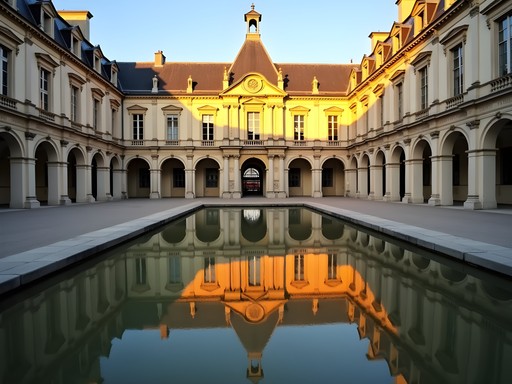
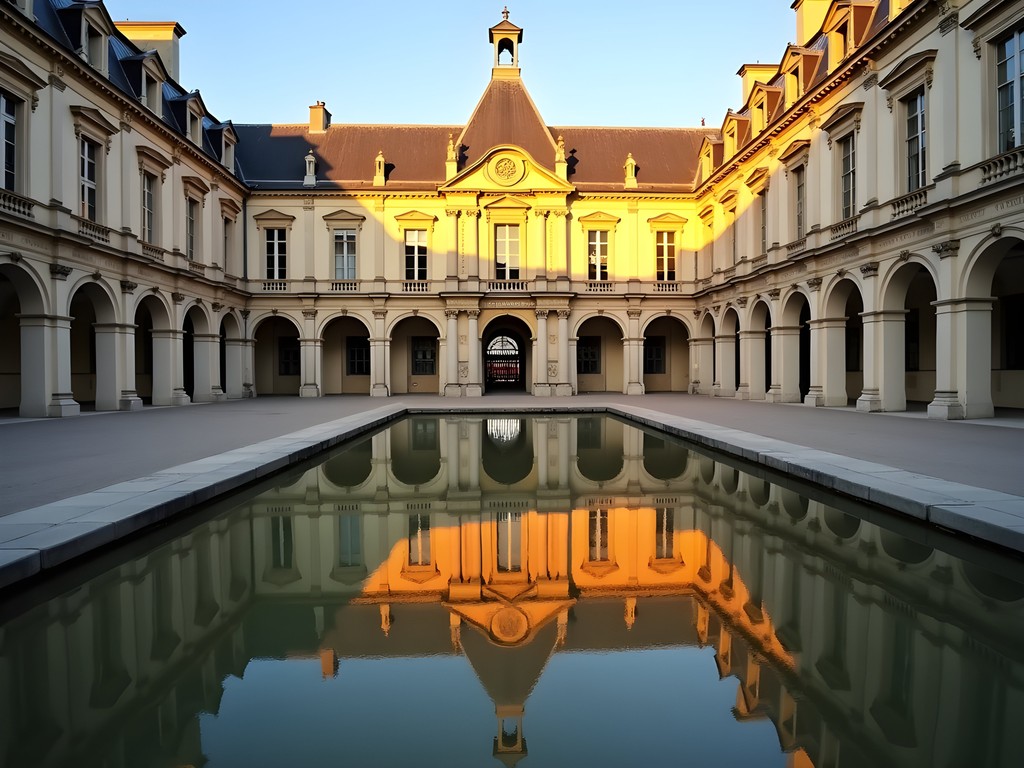
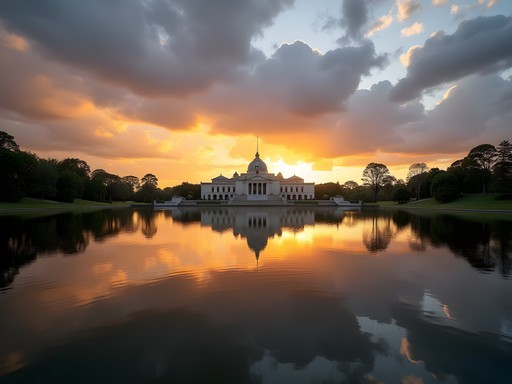
One piece of gear that proved invaluable was my variable ND filter. The autumn light in Bordeaux can be deceptively bright, and this filter allowed me to maintain creative control over exposure, particularly when shooting the Miroir d'eau (water mirror) reflections where balancing the brightness of both the sky and the reflection becomes critical.
While many photographers focus on traditional tripods, I found a flexible tripod more practical for Bordeaux. The city's narrow streets and crowded viewpoints often don't accommodate full-sized tripods, but this flexible option allowed me to secure my camera to railings along the Garonne or even wine barrel racks during vineyard tours.
Don't underestimate the weather variability in autumn – I was caught in a sudden downpour while photographing Cathédrale Saint-André. My camera rain cover saved my equipment, and I actually ended up with some of my favorite shots featuring dramatic skies and reflections on the wet limestone pavements.
💡 Pro Tips
- Keep lens cloths easily accessible - the proximity to the river means unexpected humidity and fog
- A collapsible reflector helps balance harsh shadows in the narrow medieval streets
- Bring twice as many memory cards as you think you'll need - Bordeaux's photographic opportunities are endless
Architectural Photography: Capturing Bordeaux's Golden Buildings
The architectural harmony of Bordeaux presents both an opportunity and a challenge for photographers. The city's UNESCO World Heritage designation comes from its remarkable consistency – over 350 buildings classified as historical monuments create a visual symphony that's best appreciated through careful composition.
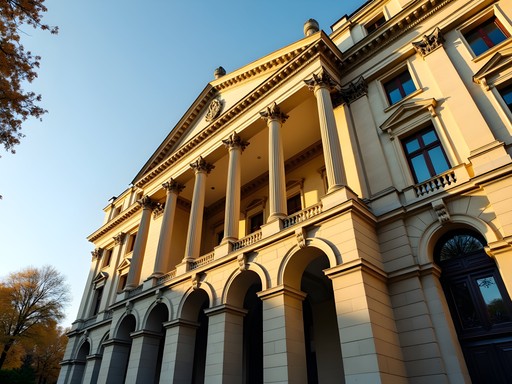
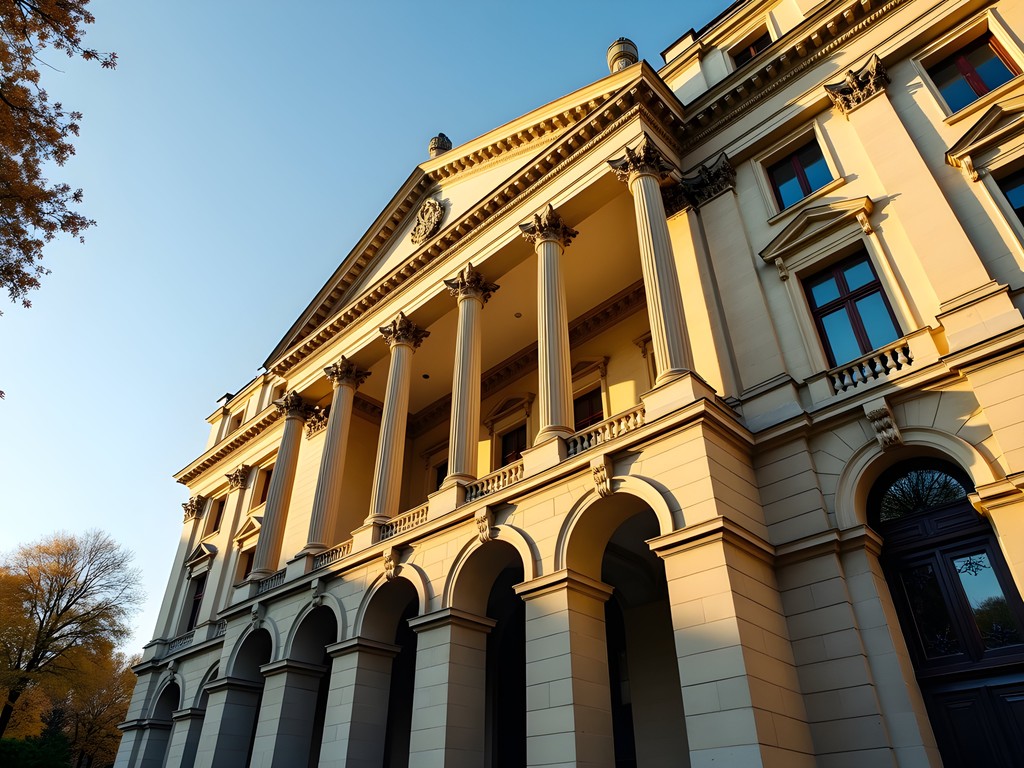
I approached photographing Bordeaux's architecture much like I analyze financial markets – looking for patterns, symmetry, and the occasional disruptive element that creates visual interest. The neoclassical Grand Théâtre particularly rewarded this approach, with its mathematical precision and perfect columned façade.
One technique I found effective was to use a tilt-shift lens adapter with my standard lenses. This allowed me to correct perspective distortion when shooting upward at the towering buildings without resorting to excessive post-processing. The clean lines of Bordeaux's architecture deserve this level of respect in your composition.
For interior architectural shots, particularly in Bordeaux's magnificent churches like Saint-Michel or the Cathedral, I relied heavily on my remote shutter release. This eliminated camera shake during the longer exposures needed in these dimly lit spaces. Having played basketball in many European cities with historic churches, I've developed an eye for capturing the soaring height of naves and the geometric precision of vaulted ceilings – skills that served me well in Bordeaux's religious buildings.
💡 Pro Tips
- The Grosse Cloche (medieval bell tower) photographs best in late afternoon when shadows accentuate its details
- Use leading lines of the tram tracks for dynamic compositions along Cours de l'Intendance
- Visit Cité du Vin early morning for fewer crowds and cleaner architectural shots of this modern landmark

Vineyard Photography: From Saint-Émilion to Médoc
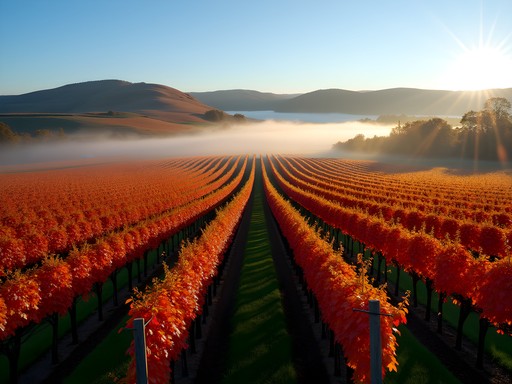
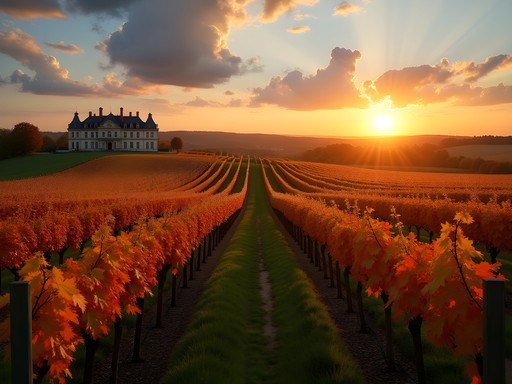
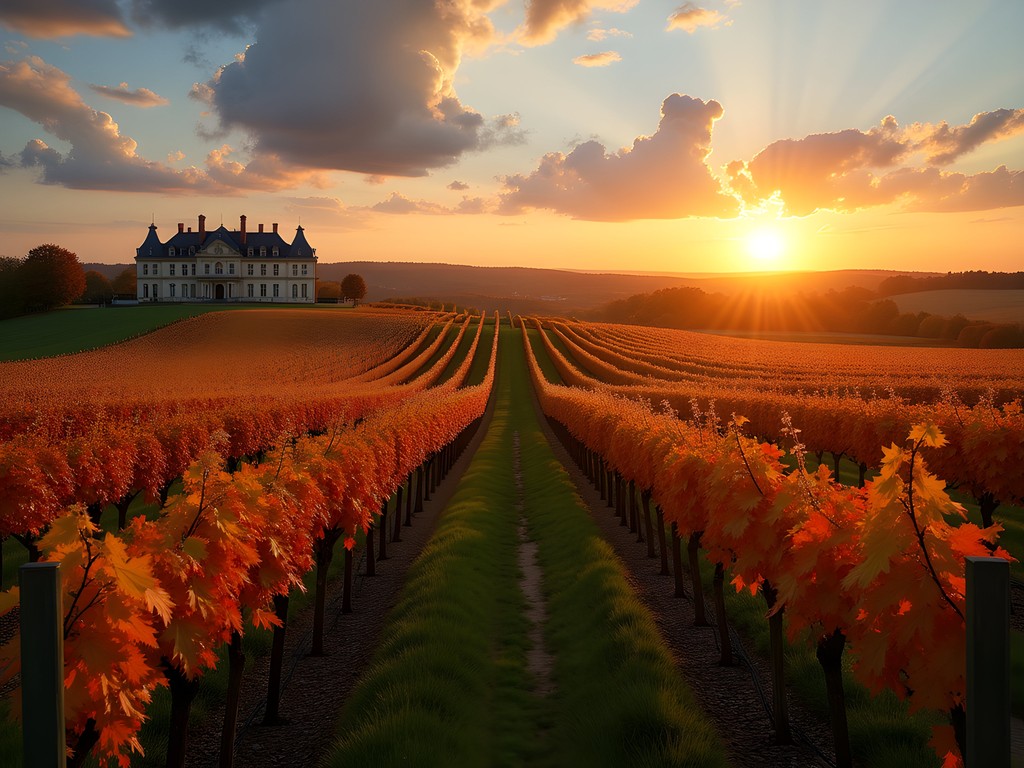
My fascination with weather patterns found its perfect expression in Bordeaux's vineyard landscapes. The region's terroir – that complex interplay of soil, climate, and geography – creates visually distinct environments across its different appellations. Each offers unique photographic opportunities, particularly in autumn when the vines transform into a tapestry of reds, oranges, and golds.
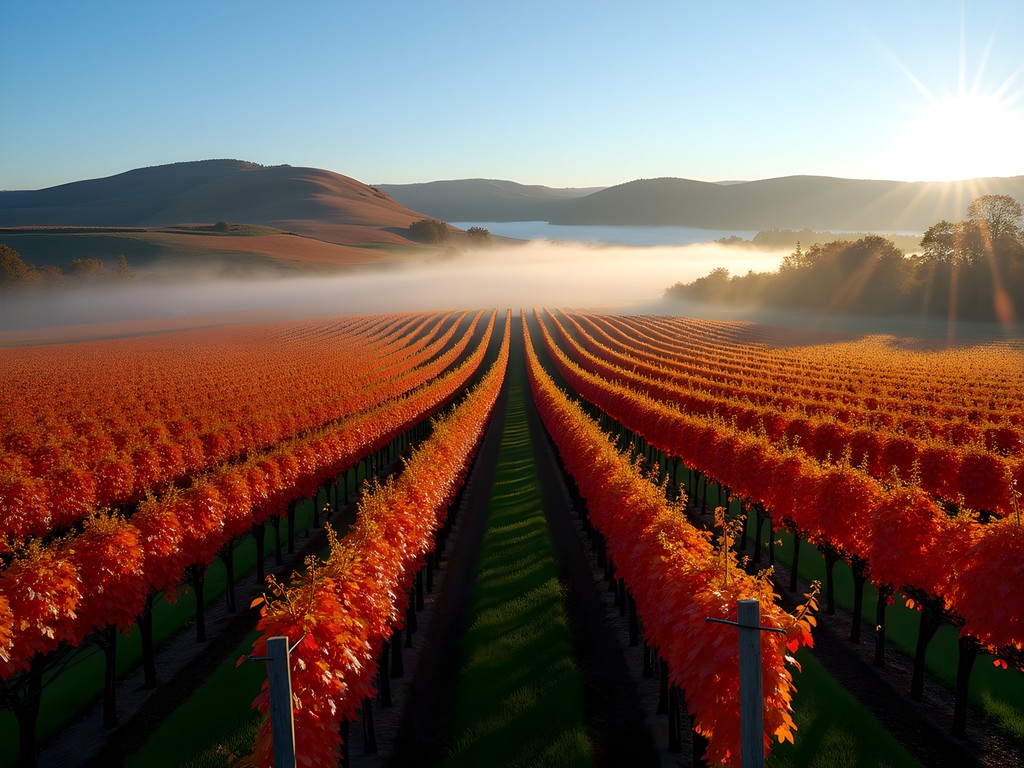
Saint-Émilion, with its medieval village perched above undulating vineyards, offers the most dramatic landscape compositions. I arrived before sunrise one morning to capture the mist rising between the vines – a meteorological phenomenon that occurs when cool autumn air meets the slightly warmer ground. This created ethereal layers that added tremendous depth to my photographs.
The Médoc region, with its arrow-straight rows of vines leading to grand châteaux, presents a more formal, geometric aesthetic. Here, I found myself switching to my telephoto zoom lens to compress these leading lines and emphasize the repetitive patterns.
When photographing vineyards, timing is everything. The golden hour takes on special significance among the vines, with the low angled light illuminating the underside of leaves and creating a luminous effect. I tracked sunrise and sunset times using the PhotoPills app, which proved invaluable for planning shoots at specific châteaux based on the sun's position.
💡 Pro Tips
- Visit Château Pape Clément for the perfect combination of historic architecture and accessible vineyard views
- The elevated viewpoint from Château d'Yquem provides spectacular panoramas worth the journey
- Bring a small drone if you have one - aerial vineyard patterns create stunning geometric compositions (check local regulations first)
Street Photography: Capturing Bordeaux's Urban Rhythm
While Bordeaux's grand architecture and sweeping vineyards command attention, the city's soul is found in its streets. As a basketball player, I've always appreciated the rhythm and flow of movement, and Bordeaux's street life offers similar dynamic energy to capture.
The Quai des Chartrons transforms on Sunday mornings with its bustling market. Here, I switched to a prime lens for its speed and discretion. The wide aperture allowed me to isolate subjects against busy backgrounds while maintaining enough context to tell the story of place. The interplay of vendors, shoppers, and the river backdrop created compositions with natural depth.
Bordeaux's tram system provides both a photographic subject and a mobile platform for photography. The sleek, modern trams against the historic architecture create compelling juxtapositions, while riding the tram offers unique vantage points for candid street scenes. I found the A-line particularly photogenic as it passes through the historic center.
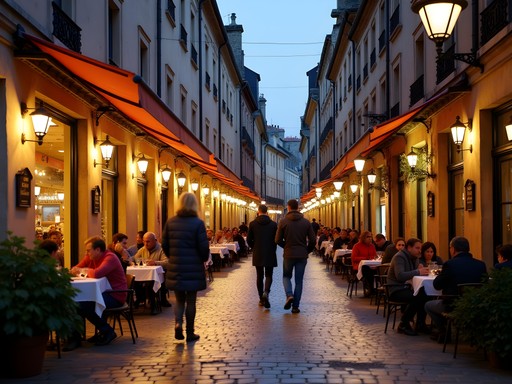
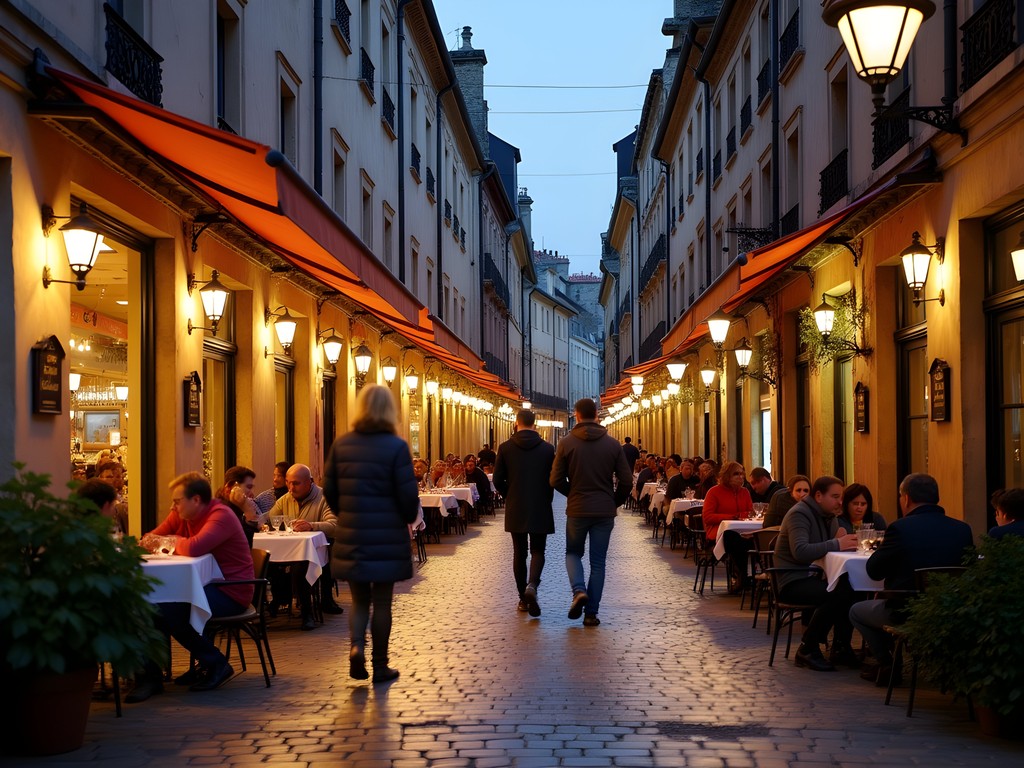
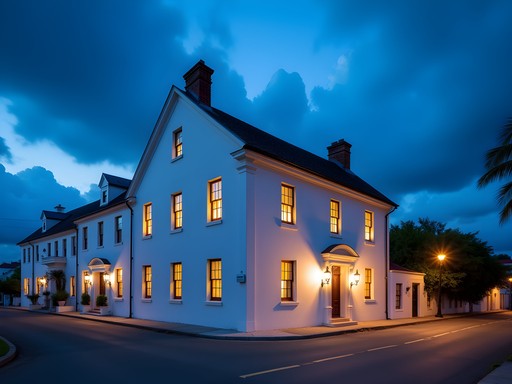
For night street photography, the Saint-Pierre district comes alive with warm light spilling from restaurants and wine bars. The narrow medieval streets create natural frames, while the contrast between historic buildings and contemporary life offers rich storytelling opportunities. My camera wrist strap proved invaluable here – allowing quick access while navigating crowded streets, much like maintaining ball control in a tight basketball game.
💡 Pro Tips
- The Darwin Ecosystem (an urban renewal area) offers gritty contrast to Bordeaux's polished center - visit for street art and industrial aesthetics
- Position yourself at Pont de Pierre during rush hour for dynamic compositions of cyclists and pedestrians crossing
- The covered market at Marché des Capucins offers rich color and light for indoor street photography
Final Thoughts
Photographing Bordeaux is an exercise in balance – between the grand and the intimate, the historic and the contemporary, the structured and the spontaneous. Over my week in the city, I found myself constantly adjusting my approach as the light shifted and revealed new dimensions of this multifaceted destination.
What struck me most was how Bordeaux rewards the patient photographer. While the iconic shots of Place de la Bourse reflected in the Miroir d'eau are certainly worth capturing, it's the quieter moments – morning light filtering through vineyard mist, the geometric shadows cast by Pont de Pierre, or the warm glow of a Saint-Pierre wine bar at dusk – that truly convey the essence of this remarkable city.
Like analyzing a complex financial portfolio, photographing Bordeaux requires understanding its various elements and how they interact. The weather patterns, the quality of light, the architectural harmony, and the rhythm of daily life all contribute to the visual story. Take time to observe these patterns before pressing the shutter, and your images will reveal not just what Bordeaux looks like, but what it feels like to be there. Whether you're drawn to architectural precision or vineyard landscapes, Bordeaux offers endless compositions waiting to be discovered through your unique perspective.
✨ Key Takeaways
- The quality of light in Bordeaux changes dramatically throughout the day - plan your shooting schedule accordingly
- Balance iconic landmark photography with intimate street scenes to capture the city's true character
- Vineyard photography is best in early morning or late afternoon when low-angled light reveals the texture of the landscape
📋 Practical Information
Best Time to Visit
September-October for optimal light and autumn vineyard colors
Budget Estimate
€100-150/day including mid-range accommodation and transportation
Recommended Duration
5-7 days to cover city and surrounding vineyards
Difficulty Level
Moderate - Some Vineyard Locations Require Transportation



Comments
tripmood633
This is my first time trying travel photography - is Bordeaux too challenging for a beginner? I only have a basic DSLR and kit lens.
Bella Harper
Not at all! Bordeaux is actually wonderful for beginners because the light is so forgiving and the architecture is naturally photogenic. A kit lens will serve you perfectly well for the street scenes and buildings. Just focus on composition and timing - the subjects will do the rest of the work for you!
tripmood633
that makes me feel so much better, thank you!
sunsetmood
That mirror water reflection shot is absolutely stunning!!
Jean Wells
Your point about Bordeaux's limestone architecture and morning light really resonates. I spent a week there last September specifically for photography and found the quality of light between 7-9am exceptional for architectural work. One tip I'd add: the Cité du Vin offers interesting contemporary architectural angles that contrast beautifully with the classical city center. Also recommend taking the tram to different neighborhoods - each has distinct character. The light in Saint-Michel quarter during afternoon creates wonderful shadows through the narrow streets. Did you explore any of the smaller châteaux in the Médoc for vineyard photography?
Anthony Richardson
Great additions Jean! Yes, spent two days in Médoc. Château Margaux and Pichon Baron have incredible grounds for photography. The geometric vine rows at sunrise are magical.
Jean Wells
Excellent guide, Anthony. I'd emphasize your point about Bordeaux's unique atmospheric conditions - the proximity to the Atlantic creates this particular quality of diffused light that's quite different from, say, Provence. During my solo trip last autumn, I found that a polarizing filter was essential for cutting through the morning mist along the Garonne. The contrast between the sharp architectural details and the soft, misty backgrounds created some of my favorite compositions. One technical note: I'd recommend bringing at least two camera batteries. The humidity drains them faster than you'd expect.
wintergal
Quick question - do you need permission to photograph the vineyards?
Jean Wells
Most vineyards welcome photographers from the roads and public paths, but if you want to go onto the property itself, it's best to call ahead. I found that smaller family-run estates in Saint-Émilion were particularly welcoming when I explained I was documenting the region.
wintergal
awesome thank you!!
Bella Harper
Anthony, your section on the honey-colored limestone really resonated with me. I spent three weeks in Bordeaux two years ago, and I found that the magic hour just before sunset made those buildings along Place de la Bourse absolutely luminous. I'd add one tip for fellow photographers - don't overlook the smaller streets in the Saint-Pierre quarter. The way afternoon light filters through the narrow passages creates these incredible shadow patterns on the cobblestones. I must have taken a hundred shots there alone! Also, the locals are wonderfully accommodating if you're respectful about photographing their storefronts.
tripmood633
Thanks for the Saint-Pierre tip! Adding that to my list
globehero
those golden hour shots are insane! going in march
sunsetmood
march is perfect for this! the light is softer than summer
travelmaster
What time did you shoot the Place de la Bourse reflections? Heading there in March!
Anthony Richardson
Best time is around 6:30-7am before the crowds arrive. The miroir d'eau gets turned on early and you'll have it mostly to yourself. Golden hour in evening works too but way more people!
travelmaster
Perfect, thanks! Early mornings it is
sunnymaster
Going there next April!! Can't wait to try some of these spots. Thanks for sharing! 📸
Jean Wells
Excellent analysis of Bordeaux's light quality, Anthony. I visited in spring 2024 and found the diffused northern light between 9-11am particularly effective for the Miroir d'eau reflections. One technical note: I'd recommend a circular polarizer for the Garonne riverside shots - it cuts through the morning haze beautifully. The challenge I encountered was balancing the exposure between those bright limestone buildings and the shadowed medieval streets in Saint-Pierre. Did you find yourself using graduated ND filters, or did you prefer HDR bracketing?
travelphotographer
Great tip about the polarizer! I always forget to pack mine
Venture X
Premium card with 2X miles, $300 travel credit, Priority Pass