
Disclosure: This article contains affiliate links. We may earn a commission from purchases at no extra cost to you, which helps our travel content.
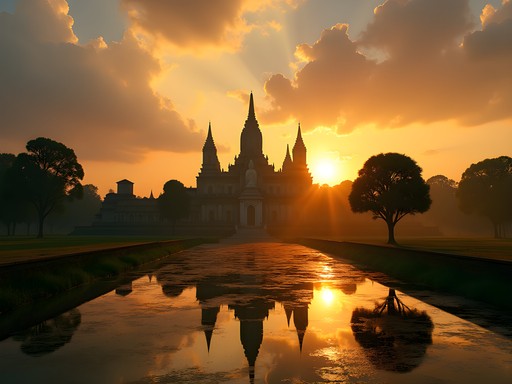
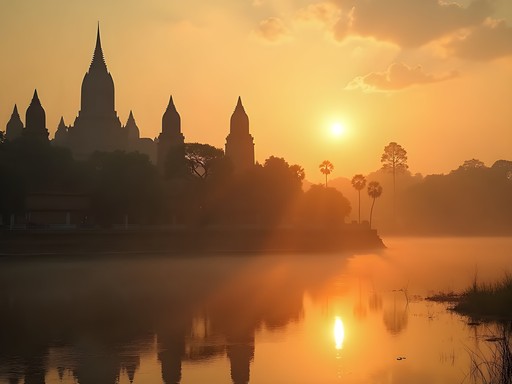
There's something sacred about witnessing first light kiss the centuries-old brick stupas of Ayutthaya. As someone who's spent years documenting healing spaces around the world, I've found few places that offer the perfect combination of spiritual resonance and photographic potential quite like Thailand's ancient capital. What started as a weekend escape from my police duties turned into a profound journey through Thailand's spiritual history – one frame at a time. Let me walk you through how to capture this UNESCO site in its most flattering light, while respecting its deep cultural significance.

Planning Your Golden Hour Strategy
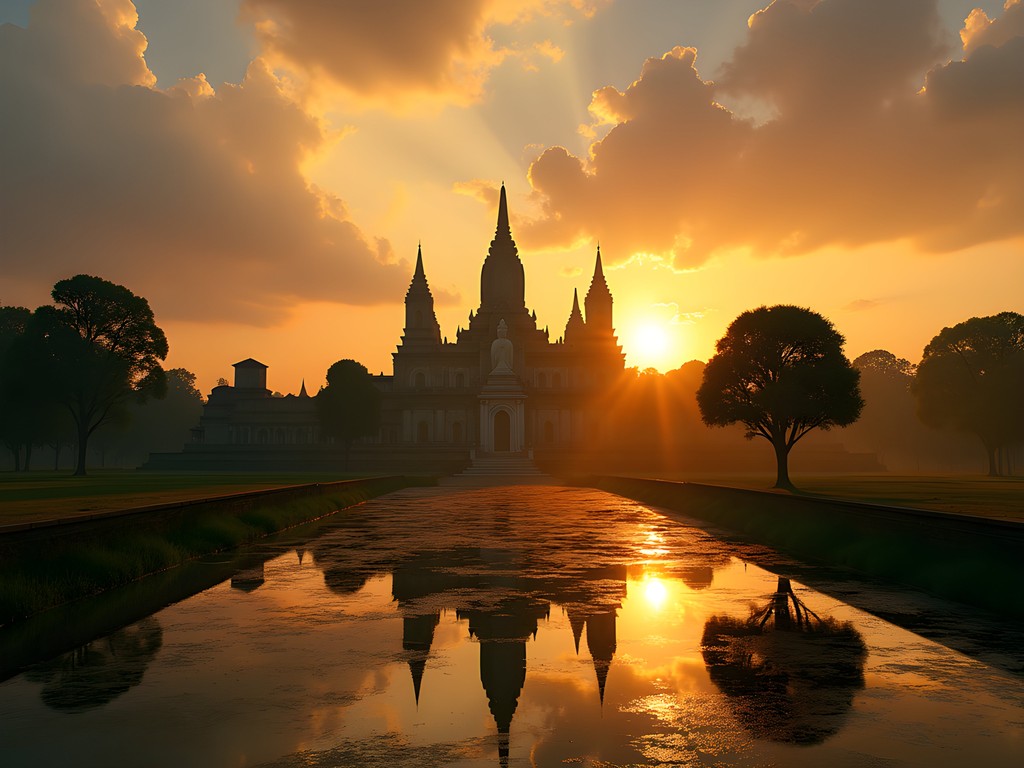
As a police officer, I've learned that preparation is everything – whether you're responding to a call or chasing perfect light. In Ayutthaya, golden hour typically begins around 5:45-6:15 AM in winter months (November-February), giving you approximately 45 minutes of magical light before the harsh sun takes over.
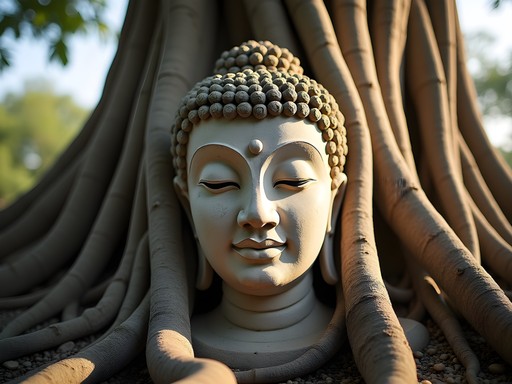
I recommend arriving at least 30 minutes before sunrise to set up your equipment and scout compositions. Most temples open at 6:00 AM, but Wat Chaiwatthanaram and Wat Mahathat (home to the famous Buddha head in tree roots) allow early access for photographers who arrive before official opening hours – just approach the guards respectfully.
Before my trip, I used the PhotoPills app to plan exactly where the sun would rise relative to key temples. This app has been invaluable for my spiritual site photography across multiple continents, allowing me to visualize sunrises and sunsets at specific coordinates months in advance.
💡 Pro Tips
- Download offline maps the night before – cell service can be spotty
- Plan your temple route in advance, prioritizing east-facing structures for sunrise
- Consider hiring a tuk-tuk for the day to maximize temple coverage (negotiate 800-1000 baht)
Essential Gear for Temple Photography
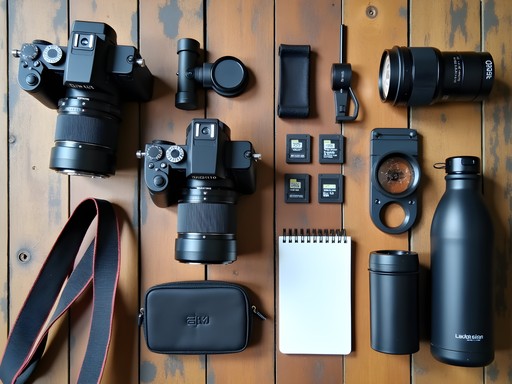
After years of lugging heavy equipment through various terrains, I've learned to pack strategically. For Ayutthaya's temples, you'll want to travel light while ensuring you have the right tools.
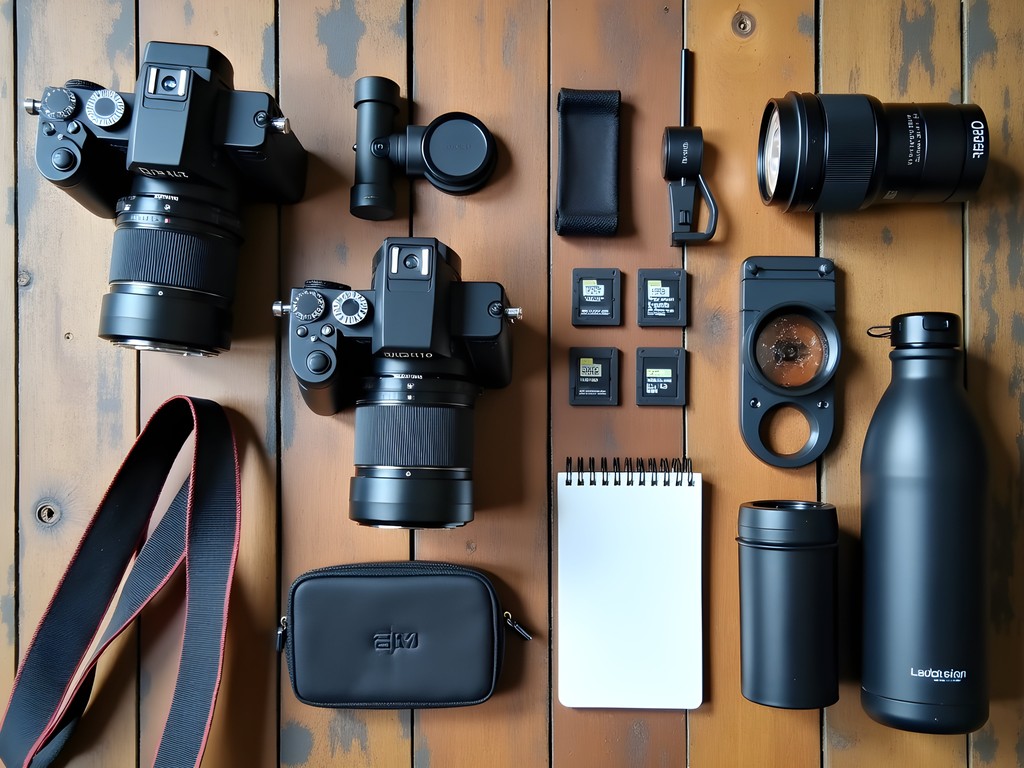
A versatile lens is crucial – I use a 24-70mm zoom lens which handles both wide temple shots and detailed Buddha portraits beautifully. Since you'll be shooting in low light conditions during golden hour, a stable compact tripod is non-negotiable.
Temple grounds can be dusty and unpredictable, so I always carry a lens cleaning kit to keep my glass pristine. One often-overlooked item that saved my shoot multiple times was my headlamp. When navigating temple grounds before sunrise, having hands-free illumination allows you to set up equipment safely while respecting the serene environment.
💡 Pro Tips
- Bring a microfiber cloth to wipe morning dew from surfaces you might sit or kneel on
- Pack lightweight clothing layers – mornings can be cool but quickly warm up
- Wear slip-on shoes as you'll be removing them frequently to enter temple structures
Composition Techniques for Ancient Temples
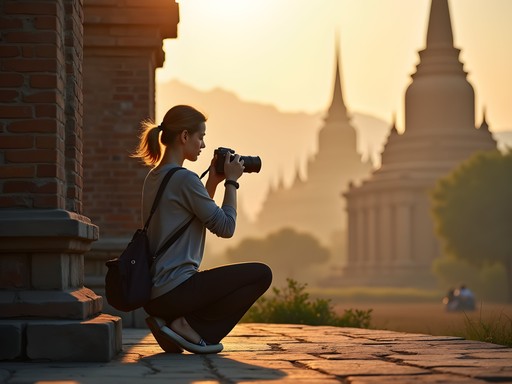
My law enforcement training taught me to observe details others might miss – a skill that translates perfectly to temple photography. At Ayutthaya, look beyond the obvious frontal shots of temples and search for unique perspectives.
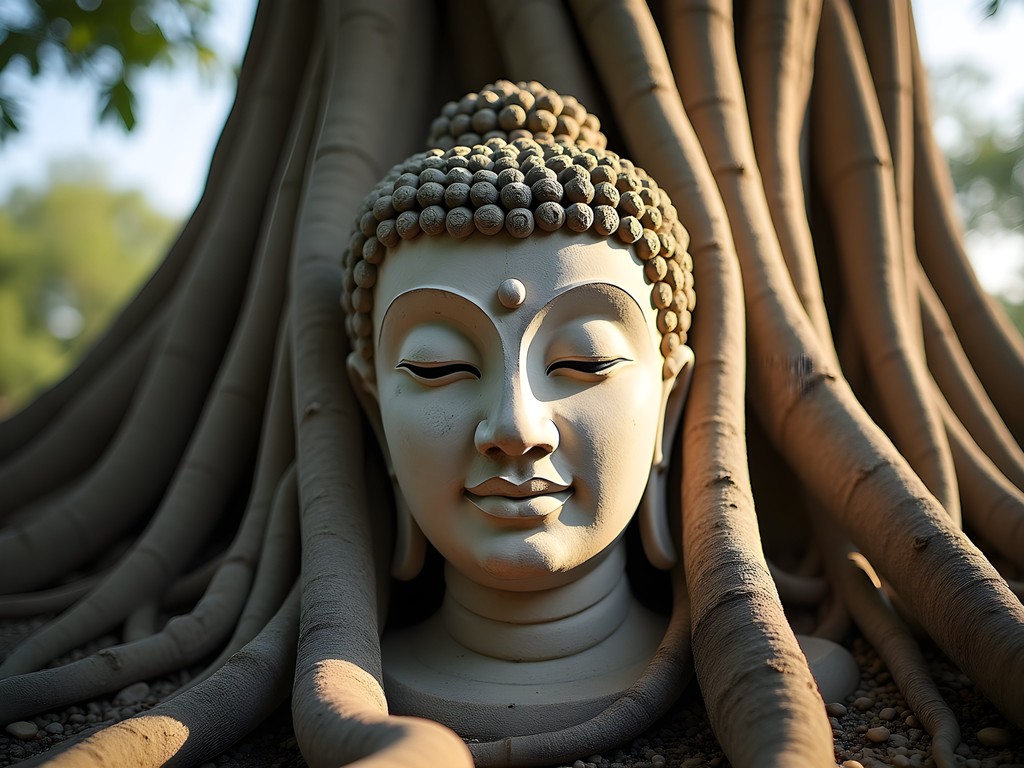
One technique I love is framing Buddha statues through doorways or windows, creating natural vignettes that draw the viewer's eye. At Wat Mahathat, position yourself to capture the famous Buddha head in tree roots with dappled light filtering through leaves – arrive early, as this spot attracts crowds quickly.
For grand temples like Wat Chaiwatthanaram, incorporate the reflection pools for symmetrical compositions. I use a polarizing filter to manage glare and enhance the reflection's clarity. This filter has been essential for my water-adjacent temple photography across Southeast Asia.
Don't forget to look up – the geometric patterns of prangs (tower-like spires) against the morning sky create powerful minimalist shots. I often switch to my telephoto lens to isolate architectural details and compress layers of stupas into one dramatic frame.
💡 Pro Tips
- Use the rule of thirds to position Buddha statues or main structures off-center for more dynamic compositions
- Incorporate human elements (monks or visitors) to provide scale to massive structures
- Experiment with shooting through objects (tree branches, doorways) to create depth

Navigating Sacred Spaces Respectfully
As someone who photographs spiritual sites worldwide, I approach each location with profound respect. Ayutthaya isn't just a photogenic ruin – it's an active religious site and the spiritual heart of Thailand's heritage.
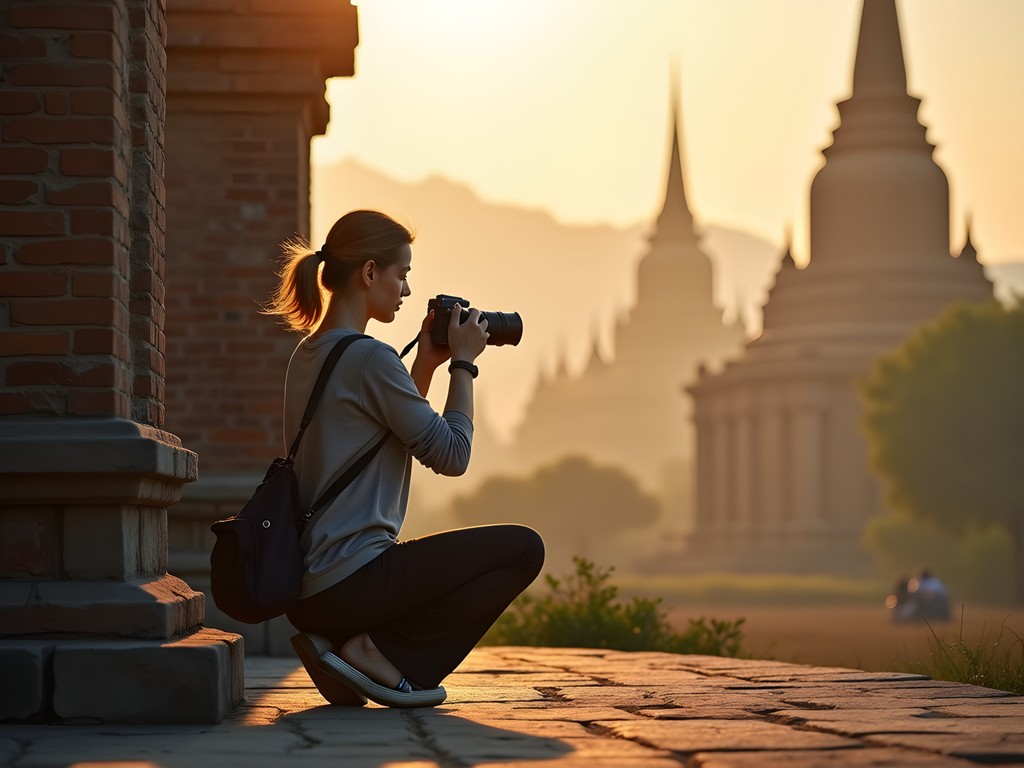
Always dress modestly when visiting temples, covering shoulders and knees. I pack a lightweight sarong that doubles as both a modest covering and a versatile backdrop for small object photography. Before photographing monks or worshippers, I always establish eye contact and gesture to my camera, seeking permission.
Remember that climbing on Buddha statues or temple structures for photos is not only disrespectful but illegal in Thailand. Instead, use your telephoto lens to capture elevated perspectives. When visiting Buddha images, position yourself lower than the Buddha's head as a sign of respect – this lower angle often creates more dramatic photographs anyway.
As a police officer, I'm acutely aware of rules and boundaries. At Ayutthaya, tripods are generally permitted outdoors but prohibited inside smaller structures. Drone photography requires special permits obtained weeks in advance through the Fine Arts Department – a process I found worth the effort for my second visit.
💡 Pro Tips
- Remove hats and sunglasses when approaching Buddha images
- Walk clockwise around stupas when photographing them (following Buddhist tradition)
- Speak softly and be mindful of worshippers, especially during morning alms giving
Beyond the Tourist Trail: Hidden Photographic Gems
My investigative instincts always lead me away from crowds toward less-documented perspectives. While most visitors concentrate on the central historical park, I've discovered several photographic treasures by venturing slightly further.
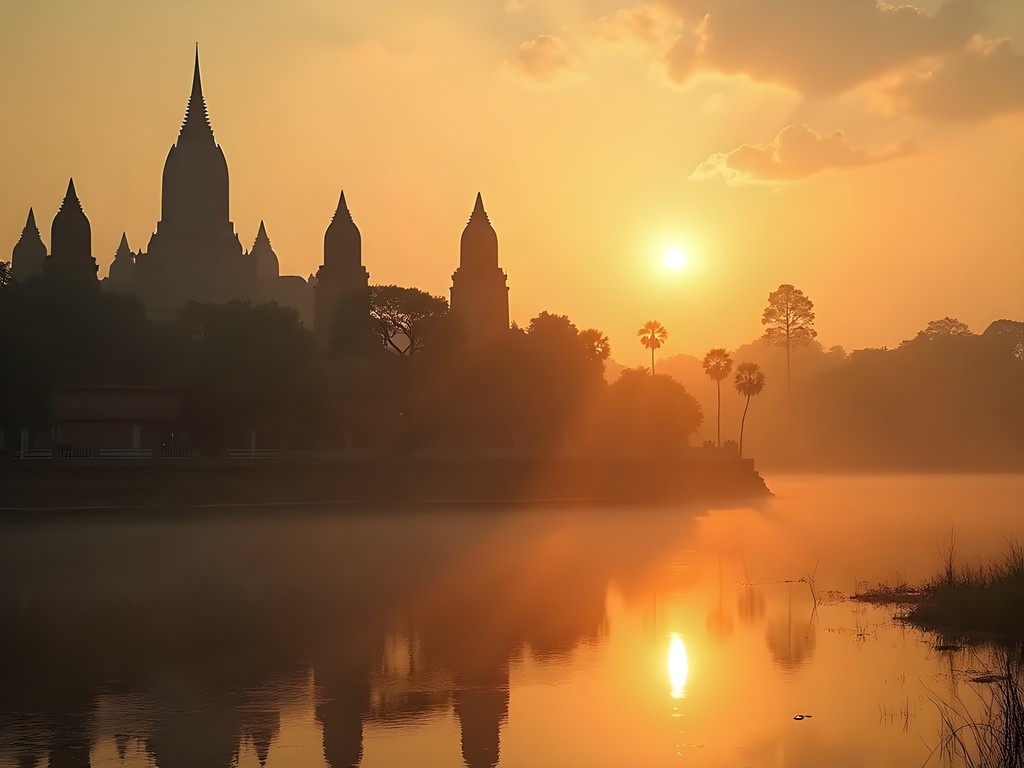
Wat Phutthaisawan, located across the river from the main historical park, offers stunning morning light with significantly fewer visitors. I arrived just after sunrise to find myself alone with atmospheric fog rising from the river – a transcendent moment that connected me to the site's spiritual essence.
For unique aerial perspectives without a drone, head to rooftop cafés like Sala Ayutthaya or Baan Kao Nhom. I ordered a collapsible coffee dripper to make my own morning brew while waiting for perfect light conditions from these elevated vantage points.
Don't overlook Ayutthaya at night. A handful of major temples are illuminated after dark, creating dramatic opportunities for long-exposure photography. I use a remote shutter release to eliminate camera shake during these extended exposures. The contrast between ancient structures and night sky creates images that convey both historical weight and timeless spirituality.
💡 Pro Tips
- Visit Wat Phutthaisawan at sunrise for misty river views without crowds
- Explore smaller temples like Wat Lokayasutharam (home to a massive reclining Buddha) during midday when main sites are crowded
- Consider hiring a private longtail boat (600-800 baht) for unique riverside perspectives of temples
Final Thoughts
As I packed away my camera after that final golden hour shoot, watching the first tour buses arrive at Wat Mahathat, I reflected on how these ancient stones had temporarily transformed me from police officer to pilgrim. There's something deeply healing about connecting with sacred spaces through a viewfinder – a mindfulness practice that continues to ground me whether I'm patrolling San Bernardino or exploring temples halfway across the world.
Ayutthaya's temples offer more than just Instagram-worthy backdrops. They're portals to Thailand's spiritual heritage, deserving of both our artistic attention and profound respect. The photographs you create here can capture not just light and shadow, but the tangible sense of reverence that has accumulated over centuries.
I'd love to see your Ayutthaya golden hour captures! Tag me on Instagram @NataliesNaturalPath or join my Facebook group for first responders seeking healing through travel. Until next time, may your journeys be safe, your compositions be compelling, and your spirit be renewed by the sacred places you encounter.
✨ Key Takeaways
- Arrive at least 30 minutes before sunrise to capture the best golden hour light at Ayutthaya's temples
- Pack respectfully and lightly, with versatile gear that works in various lighting conditions
- Balance photographic objectives with cultural respect for these sacred Buddhist sites
- Explore beyond the main historical park for unique perspectives without crowds
📋 Practical Information
Best Time to Visit
November to February (cool, dry season)
Budget Estimate
$30-50 per day (including park fees, transportation, and meals)
Recommended Duration
2-3 days (minimum 1 full day)
Difficulty Level
Easy


Comments
redzone
Did you have any issues with tripods? I heard some temples don't allow them?
bluenomad
Not OP but I was there in January - most temples are fine with small tripods but the larger professional ones sometimes require a photography permit. Wat Mahathat was the strictest in my experience.
Natalie Parker
That's right - I used a compact travel tripod without issues, but anything that looks professional might get questioned. A good workaround is a small gorillapod that can wrap around railings or sit on walls.
Sarah Powell
Really comprehensive guide, Natalie. I appreciate your emphasis on the technical aspects while not losing sight of the cultural sensitivity piece. One thing I'd add from my visit last year: the Historical Park actually has three zones, and most photographers only hit the central zone. The eastern temples (especially Wat Phanan Choeng) offer completely different compositions and are nearly empty at golden hour. I spent an entire morning there and saw maybe five other people. The light filtering through the trees onto those smaller chedis was absolutely worth the bike ride out there.
photoway
Going there in August - is that still good for photography or too rainy?
Natalie Parker
August is rainy season but you can get dramatic cloud formations! Just bring rain protection for your gear and be flexible with timing. The temples are actually less crowded then too.
photoway
Thanks!!
backpackphotographer
This is SO good! I was just there last November and totally messed up my timing at Wat Chaiwatthanaram - showed up at like 10am when the light was harsh as hell. Your point about scouting locations the day before is spot on. I ended up going back at sunrise the next day and the difference was incredible. The mist coming off the river at dawn was magical. Also yeah, bringing a respectful attitude is huge - saw some tourists literally climbing on the Buddha statues for selfies and it made me cringe so hard.
Sarah Powell
The mist at dawn is incredible there! What focal length did you find most useful? I'm trying to plan my gear list.
backpackphotographer
I mostly used 24-70mm for the wider temple shots and 70-200mm for detail work. The telephoto was great for isolating specific stupas against the sky!
springqueen
Love the composition tips! Those leading lines make such a difference.
roamadventurer
Just booked my trip! Any chance you could share your exact route between temples?
Natalie Parker
Happy to! I started at Wat Mahathat (for the Buddha head in tree roots) at sunrise, then quickly moved to Wat Ratchaburana while the light was still golden, ending at Wat Chaiwatthanaram for sunset. Second day was Wat Phra Si Sanphet in morning light.
journeyace
How's the heat that early in the morning? Considering going in July but worried about the weather.
Sophia Gomez
I visited Ayutthaya last year during a work trip to Bangkok, and your advice about arriving before the crowds is spot-on. I made the mistake of going mid-morning on my first day and it was packed with tour groups. Went back the next morning at 5:45am and had Wat Ratchaburana almost entirely to myself for about 40 minutes. The silence, the mist, the birds - it felt like stepping back in time. One tip: wear long pants and covered shoulders even that early. The temple staff are there and they do enforce the dress code, which is absolutely appropriate. I saw someone get turned away in shorts.
journeyace
Good call on the dress code reminder. Respect goes a long way.
bluediver
That shot of Wat Mahathat with the Buddha head is incredible. The lighting is just perfect.
bluenomad
Your section on respecting sacred spaces is so important! I've seen too many tourists climbing all over temples for the 'perfect shot' without considering the cultural significance. The way you captured the essence without intruding is masterful. Been to Ayutthaya three times now and your photos still show me angles I've never seen!
roamadventurer
Totally agree about respecting the sites. Makes me cringe when I see people touching the Buddha heads.
Venture X
Premium card with 2X miles, $300 travel credit, Priority Pass