



Disclosure: This article contains affiliate links. We may earn a commission from purchases at no extra cost to you, which helps our travel content.
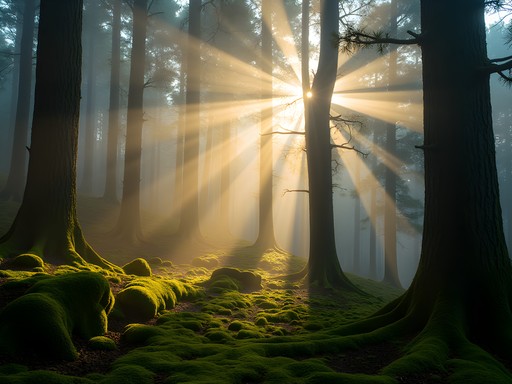
The first time I stepped into Alishan's ancient forest, it felt like entering another dimension. After years of photographing North America's rugged landscapes from my truck cab windows, Taiwan's misty mountain forests hit different. There's something almost supernatural about the way light filters through 2,000-year-old cypress trees, how the mountain railways cut through dense fog, and the way stars pierce through the night sky above this elevated wonderland. Grab your camera gear and join me for a weekend adventure capturing one of Asia's most photogenic forests.

Chasing the Sea of Clouds: Dawn Patrol in Alishan
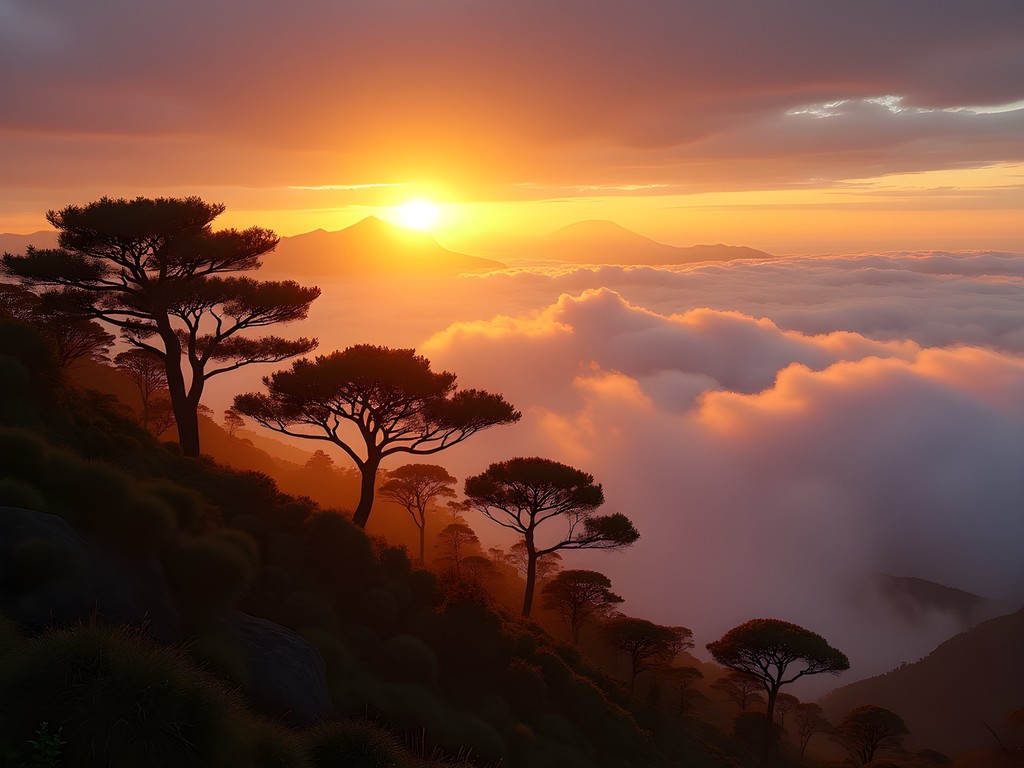
Most folks will tell you Alishan's famous 'sea of clouds' is all about luck. After three visits, I've learned it's more about strategy and stubbornness. The sweet spot is arriving at the Zhushan (Bamboo Mountain) viewing platform about 40 minutes before official sunrise time. This means a 4:00 AM wake-up call during spring – brutal, but worth every yawn.
The forest railway that once hauled massive cypress logs now ferries sleepy photographers to prime viewing spots, but here's my trucker wisdom: skip the train crowds and hike up instead. The 30-minute pre-dawn walk through the silent, mist-shrouded forest is half the experience. The path is well-marked with subtle lighting that won't ruin your night vision.
When setting up, look for foreground elements – gnarled tree silhouettes work magic against the golden horizon. And don't pack up right after sunrise! The light play continues for a good hour as mist shifts through the valleys below. I've captured some of my best shots during this 'golden aftermath' when most tourists have already headed to breakfast.
💡 Pro Tips
- Arrive at viewing platforms 40-45 minutes before official sunrise time
- Bring a headlamp with red light mode to preserve night vision
- Pack hand warmers – spring mornings at 2,200m elevation are surprisingly cold
Ancient Forest Trails: Midday Magic in Dappled Light
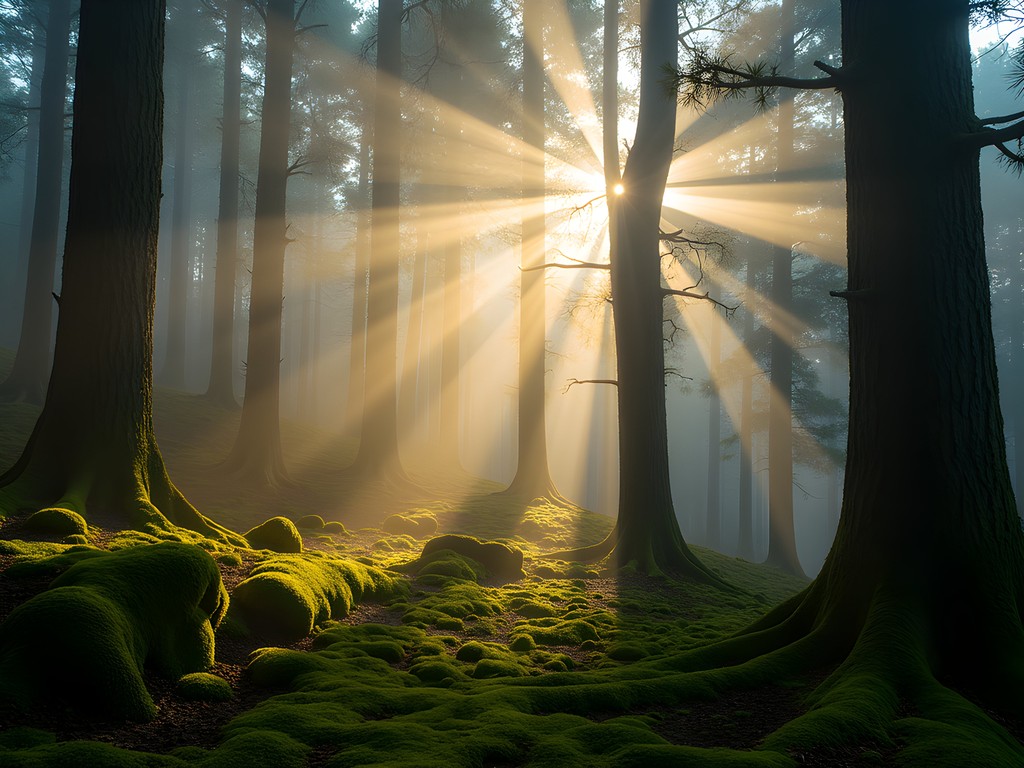
Most photographers pack it in after sunrise, but Alishan's photographic treasures are just getting started. Once the morning crowds thin out, the forest trails transform into a playground of light and shadow. The Sister Ponds trail is my go-to midday spot – these mirror-like pools reflect the towering cypress trees in ways that make even a rookie photographer look like a pro.
For forest photography in Alishan, I've learned to ditch the wide angle lens that served me so well in the American Southwest. Here, a medium telephoto creates the compression that truly captures the layered mystery of these woods. My variable ND filter has been invaluable for those longer exposures that smooth out water surfaces and create that dreamy forest atmosphere.
The famous 'Three-Generation Tree' provides a natural history lesson and a stunning scale reference – this fallen giant continues to sprout new trees from its massive trunk. For the best shots, visit during light rain or just after – the moisture saturates the colors and creates a primeval atmosphere that's pure photography gold.
💡 Pro Tips
- Shoot in forest clearings where light beams penetrate the canopy
- Use a mist spray bottle to enhance light rays in your shots
- Look for natural frames created by arching tree branches
Railway Dreams: Capturing Alishan's Historic Forest Line
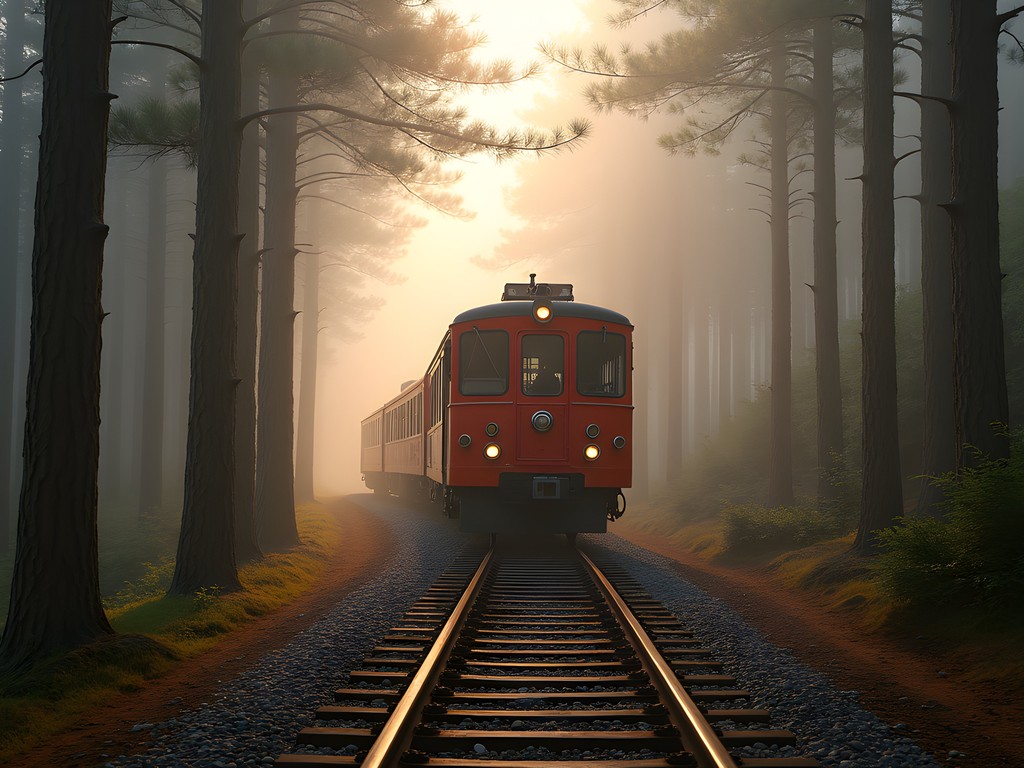
After years of photographing America's freight trains from my rig, Alishan's narrow-gauge forest railway feels like stepping into a storybook. This century-old mountain line, originally built by the Japanese for logging operations, now winds through some of the most photogenic terrain I've encountered.
The Alishan Forest Railway makes several stops that are photographer's gold mines. Zhaoping Station, surrounded by cherry blossoms in spring, offers that perfect juxtaposition of vintage trains against delicate pink blooms. For the classic shot of the train emerging from mist, stake out a spot near Duigaoyue Station around 8:30 AM when morning fog is still clinging to the tracks.
My secret weapon for these shots is my remote shutter release – it lets me set up multiple angles and trigger the camera the moment the train rounds the bend. For that vintage postcard look that matches the railway's heritage, I've been experimenting with the lens filters to add subtle warmth and character to the images.
Don't just shoot the trains – the stations themselves are time capsules with weathered wooden platforms and vintage signage that tell the story of this historic mountain line.
💡 Pro Tips
- Research train schedules in advance – they're limited and often packed with tourists
- Include human elements for scale and story – the elderly conductor in his uniform adds authentic character
- Try both motion blur (slow shutter) and freeze-frame techniques for variety

After Dark: Astrophotography in Taiwan's Clearest Skies
After spending countless nights parked in remote truck stops across America's heartland, I've developed a deep appreciation for pristine night skies. Alishan, sitting at 2,200 meters above sea level with minimal light pollution, offers some of East Asia's best stargazing opportunities – a fact surprisingly overlooked by many visitors.
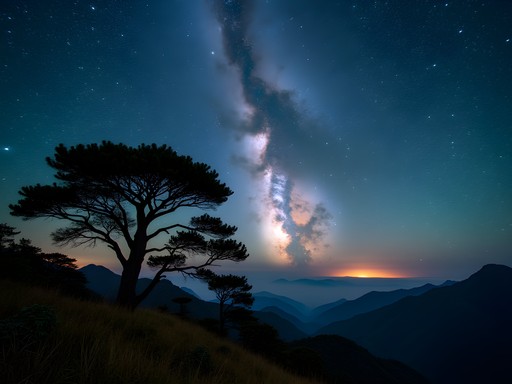
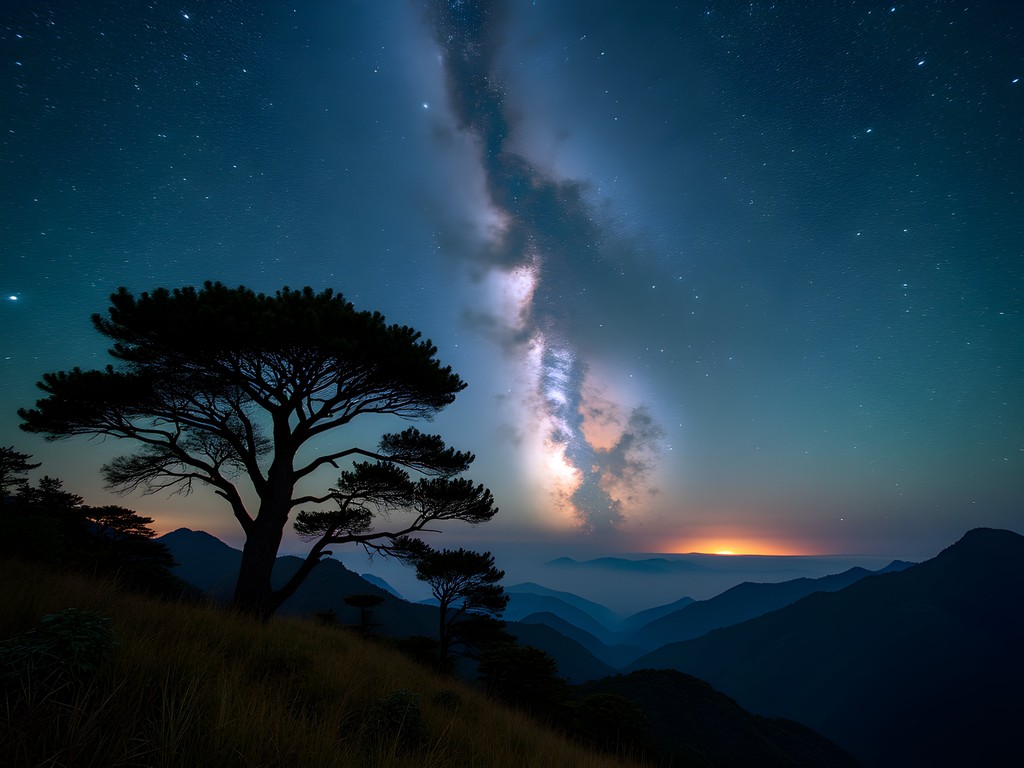
The Zhushan viewing area transforms after dark from a sunrise hotspot to an astronomical observatory. On clear spring nights, the Milky Way core rises dramatically over the mountain silhouettes around 2-3 AM. I've found that bringing a foldable camping chair makes those long night exposures much more comfortable than standing or sitting on cold ground.
For those new to night photography, Alishan is surprisingly forgiving. The distant lights from villages in the valley provide subtle illumination on the foreground trees without overwhelming the stars. My red flashlight has been essential for adjusting camera settings without ruining my night vision or disturbing fellow photographers.
Don't forget to look for unique foreground elements – the twisted shapes of ancient cypress trees create dramatic silhouettes against the starry backdrop. And always pack extra batteries; night photography in Alishan's cool mountain air drains them faster than you'd expect.
💡 Pro Tips
- Use the PhotoPills app to plan your Milky Way shots based on precise rise times
- Bring a emergency bivvy to stay warm during long night shoots
- Focus manually on a bright star or distant light before starting your night session
Practical Gear for Alishan's Challenging Conditions
After years hauling freight through every weather condition imaginable, I've learned to respect Mother Nature's mood swings. Alishan's microclimate demands similar respect from photographers. In a single spring day, you might encounter pre-dawn frost, midday sunshine, afternoon fog, and evening drizzle.
My essential kit for Alishan starts with a weather-resistant camera bag that's saved my gear during sudden mountain showers more times than I can count. Inside, I always pack a lens cleaning kit – the forest humidity creates condensation issues when moving between temperature zones.
Alishan's trails are well-maintained but can get slippery, especially around the ponds and after rain. My trekking poles provide stability when I'm carrying expensive camera gear on wet boardwalks. They've prevented more than one potential disaster.
Don't underestimate the temperature swing. Spring mornings can dip to near freezing at this elevation, while afternoons warm considerably. I layer up with a merino base layer that regulates temperature throughout these fluctuations without the bulk of traditional thermals. When you're hiking between photo locations with a full camera pack, this breathability is priceless.

💡 Pro Tips
- Pack a microfiber cloth to wipe fog and condensation from lenses
- Bring fingerless gloves for cold mornings that still allow camera operation
- Use silica gel packets in your camera bag to combat the forest humidity
Final Thoughts
Alishan reminds me why I first picked up a camera during those long-haul drives – to capture moments that feel almost too beautiful to be real. This forest has taught me patience; the perfect conditions rarely arrive on schedule, but when they do, they reward those who waited. Whether you're tracking the first light breaking over a sea of clouds, finding hidden compositions among ancient trees, or gazing up at stars that seem close enough to touch, Alishan offers endless photographic possibilities for those willing to rise early and stay late.
As with the best destinations I've photographed across continents, Alishan isn't just about the images you bring home. It's about the quiet moments between shots – the sound of bamboo creaking in mountain breezes, the taste of high-mountain oolong tea from local plantations, and conversations with elderly Taiwanese photographers who've been capturing this forest for decades. Come for the photographs, stay for the experience, and leave with both memory cards and mind full of Alishan's mystical beauty. Just remember to set that alarm clock – in photography as in life, the early bird gets the shot.
✨ Key Takeaways
- Plan for multiple days to increase your chances of perfect conditions
- The best photographic opportunities happen at edges of the day – sunrise and late night
- Move beyond the tourist hotspots to find unique compositions in the ancient forest
- Weather changes rapidly – prepare gear and clothing for four seasons in one day
📋 Practical Information
Best Time to Visit
March-May (spring) for cherry blossoms and clearest skies
Budget Estimate
$150-200 for weekend (including forest entry, accommodation, and food)
Recommended Duration
2-3 days minimum
Difficulty Level
Easy To Moderate (Some Early Mornings And Night Shooting)



Comments
Hunter Thompson
Brilliant guide Nova! I was in Alishan last year and completely agree about the forest railway - it's genuinely one of the most photogenic train rides I've ever done. For anyone planning to go, the train tickets sell out fast during peak season so book ahead. Also the hostels in Alishan village are super affordable (around 500-700 TWD) and most owners will wake you up for sunrise if you ask. The astrophotography tip is spot on too - the light pollution is basically non-existent up there. Did you make it to the Sister Ponds trail?
Nova Harper
Yes! The Sister Ponds were incredible - almost didn't include them because I wanted to keep some spots secret haha. Great tip about the hostels, the owners were so helpful with my early morning shoots.
globefan
This looks amazing!! Quick question - what month did you go? Trying to figure out best time for the sea of clouds thing
Nova Harper
Hey! I went in March and it was perfect. The clouds were incredible almost every morning. October-April is generally the sweet spot for that sea of clouds effect. Just make sure you're there before sunrise - like 4:30am early!
globefan
4:30am ouch lol but totally worth it from your photos! Thanks!
backpackgal
The railway photo is stunning!! Going to Taiwan in August and definitely adding this to my list
Bella Johansson
Nova, your photos brought back such wonderful memories! I visited Alishan back in 2019 on a shoestring budget and it was one of the most magical places I've ever photographed. I stayed in a tiny guesthouse in Fenqihu village at the base - cost me about $25 a night and the owner made the most incredible bamboo shoot breakfast. I took the early train up just like you described, and watching that sunrise over the sea of clouds with all the other photographers was like being part of a silent meditation group. Everyone just quietly clicking away. The ancient cypress trees on the Giant Tree Trail were my favorite - that soft filtered light you captured is exactly what made me fall in love with forest photography. Did you get a chance to try the wasabi from the local farms? It's surprisingly good!
backpackgal
Fenqihu village sounds perfect for budget travelers! Adding that to my notes
Nova Harper
Bella! Yes, that silent photographer communion at sunrise is something special. And I did try the wasabi - bought some from a farm stand and it was so fresh compared to what we get back home. Fenqihu is such a gem, wish I'd had more time there.
coffeeexplorer
This looks amazing! What time did you have to wake up for the sunrise shots?
Nova Harper
Around 3:30am to catch the train up! Totally worth the early alarm though. The sea of clouds at dawn is unreal.
coffeeexplorer
Oof that's early but I bet it was incredible!
springqueen
I went last year and the sunrise experience was life-changing! Make sure to dress in layers - it's FREEZING before dawn but warms up quickly. The giant trees section was my favorite for photography. Does anyone know if the cherry blossoms are worth seeing there in spring?
redmood
Yes! I was there in March and the cherry blossoms were gorgeous, especially along the railway line. Different experience from the misty forest vibe but equally photogenic!
coolbuddy
Just booked my trip after seeing this! Can't wait!
Sarah Powell
Nova, your analysis of light conditions throughout the day is spot-on. I'd add that photographers should be prepared for rapid weather changes in Alishan - I experienced sunshine, mist, and rain all within a few hours. I found my weather-sealed lens invaluable there. For the astrophotography section, I'd recommend bringing a sturdy tripod as the night winds can be surprisingly strong. The staff at Alishan House were incredibly helpful in suggesting lesser-known spots for night photography away from the lights of the main area. Your truck driving background gives such a unique perspective compared to most travel photographers!
hikingguy
Awesome guide! Those mist shots are incredible.
globefan
Planning to visit in November. Is that a good time for photography? And how difficult is it to get there from Taipei?
Sarah Powell
November is actually excellent - less crowds than summer and the autumn colors can be stunning. From Taipei, take the high-speed rail to Chiayi (about 2 hours), then either a bus or taxi up the mountain (another 2-2.5 hours). The forest railway Nova mentions is more for the experience than transportation these days.
globefan
Thanks Sarah! That's super helpful. Did you stay overnight in the park?
Sarah Powell
Yes, absolutely stay overnight! It's essential for both sunrise and astrophotography. Book accommodation well in advance - the Alishan House has the best location.
Venture X
Premium card with 2X miles, $300 travel credit, Priority Pass