

Disclosure: This article contains affiliate links. We may earn a commission from purchases at no extra cost to you, which helps our travel content.
When you work in fashion retail, your eye naturally tunes to the interplay of textures, colors, and silhouettes. But sometimes, the most captivating designs aren't hanging on racks in Milan or Tokyo—they're sculpted by nature herself. That's exactly what I discovered during my winter escape to Viñales Valley in Cuba. Trading runway shows for limestone mogotes and sample sales for tobacco fields, I spent a week traversing this UNESCO World Heritage site on foot, discovering that the most authentic luxury experiences often come with dirt under your fingernails and panoramic views that no boutique window display could ever rival. Between buying seasons, with my industry contacts wondering why I wasn't in Paris or New York, I found myself instead on a budget adventure through what might be the Caribbean's most underrated hiking destination—and I'm bringing you along for every step, vista, and unexpected discovery.

Getting to Viñales: The Fashion Buyer's Off-Duty Escape
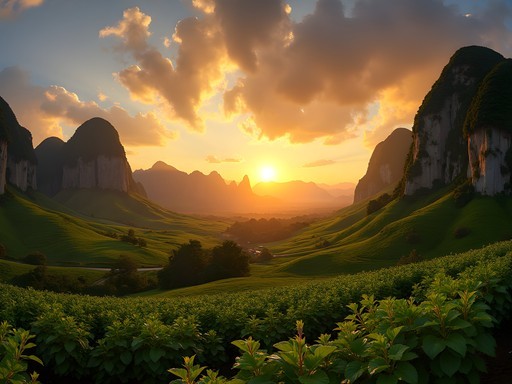
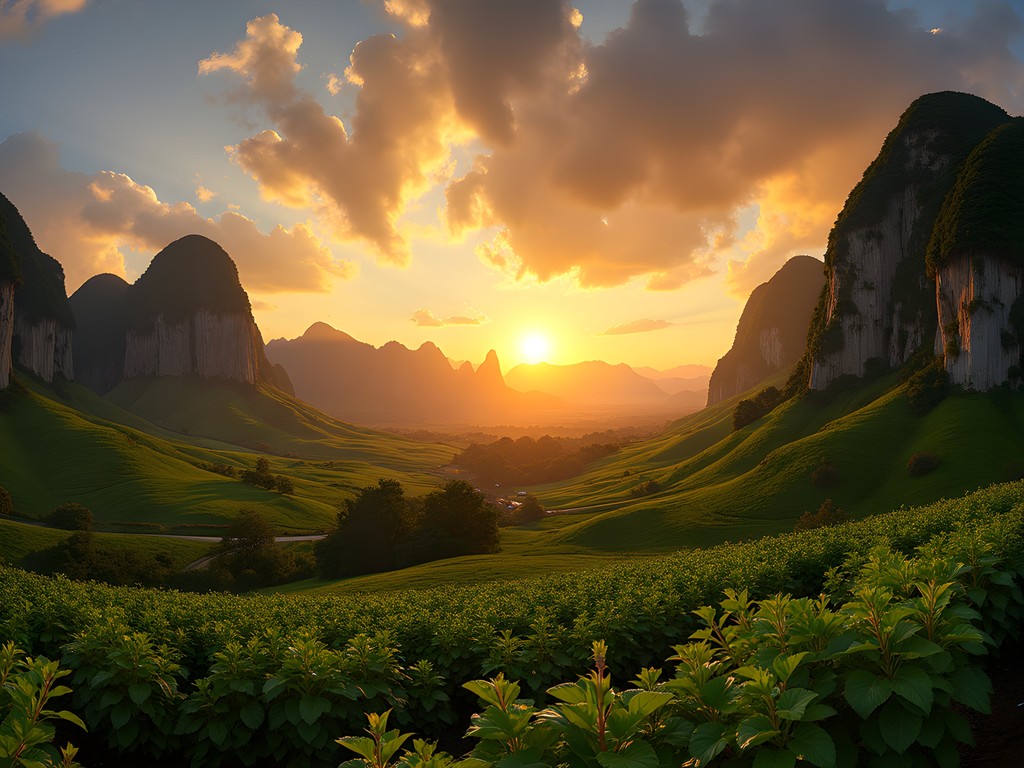
Let me start by saying this isn't your typical buying trip to a fashion capital. After landing in Havana with my hiking daypack (which has accompanied me everywhere from Tokyo department store visits to Milan Fashion Week), I caught a collectivo taxi for the two-hour journey west to Viñales. The contrast couldn't be more striking—from Havana's colorful colonial architecture to suddenly finding yourself surrounded by prehistoric-looking limestone formations jutting dramatically from tobacco fields.
The valley unfolds like a masterfully draped fabric, with textures and layers that would inspire any designer's spring collection. As someone who spends most workdays analyzing the craftsmanship of luxury goods, I found myself applying that same critical eye to nature's handiwork—and let me tell you, those mogotes (the distinctive rounded limestone hills) have a construction quality that would make Brunello Cucinelli jealous.
I stayed at Casa Particular Ridel y Claribel, a charming family-run guesthouse that cost me just $25 per night including breakfast. The room had simple furnishings but immaculate linens and a rooftop terrace with valley views that rivaled penthouse suites I've stayed in during fashion weeks. When you're used to evaluating quality for a living, you appreciate when something modest delivers exceptional value—and this place certainly did.
💡 Pro Tips
- Book your casa particular in advance during high season (December-March)
- Arrange transportation from Havana through your casa host for the best rates
- Exchange currency in Havana before heading to Viñales as ATMs are limited
Day Hikes Through Valley of Silence: Nature's Runway
My first full day began with what locals call the Valley of Silence hike—a self-guided route that takes you through tobacco plantations, past rural farmhouses, and into the heart of the mogote landscape. Unlike the meticulously mapped shopping districts I navigate in my day job, the paths here follow an organic logic, winding through the countryside without clear markers. The absence of signage is part of the charm, though it did have me reaching for my offline maps app more than once.
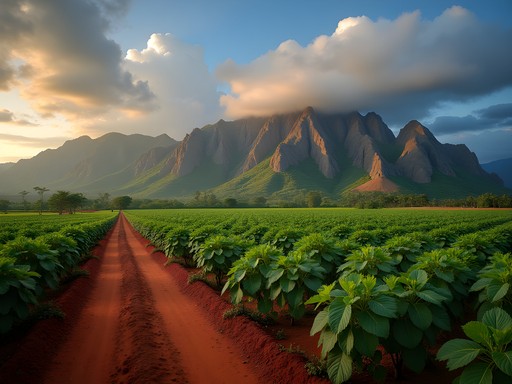
The terrain alternates between easy flat stretches across the valley floor and moderate climbs that reward you with increasingly dramatic perspectives. The rich red soil contrasted against emerald tobacco leaves creates a color blocking effect that would make any visual merchandiser envious. I found myself mentally cataloging the natural palette—terracotta, jade, limestone beige—like I was prepping for next season's buying strategy.
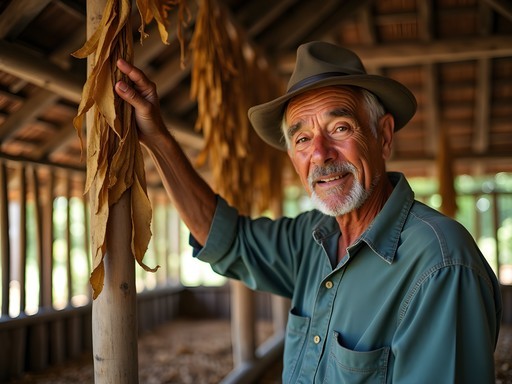
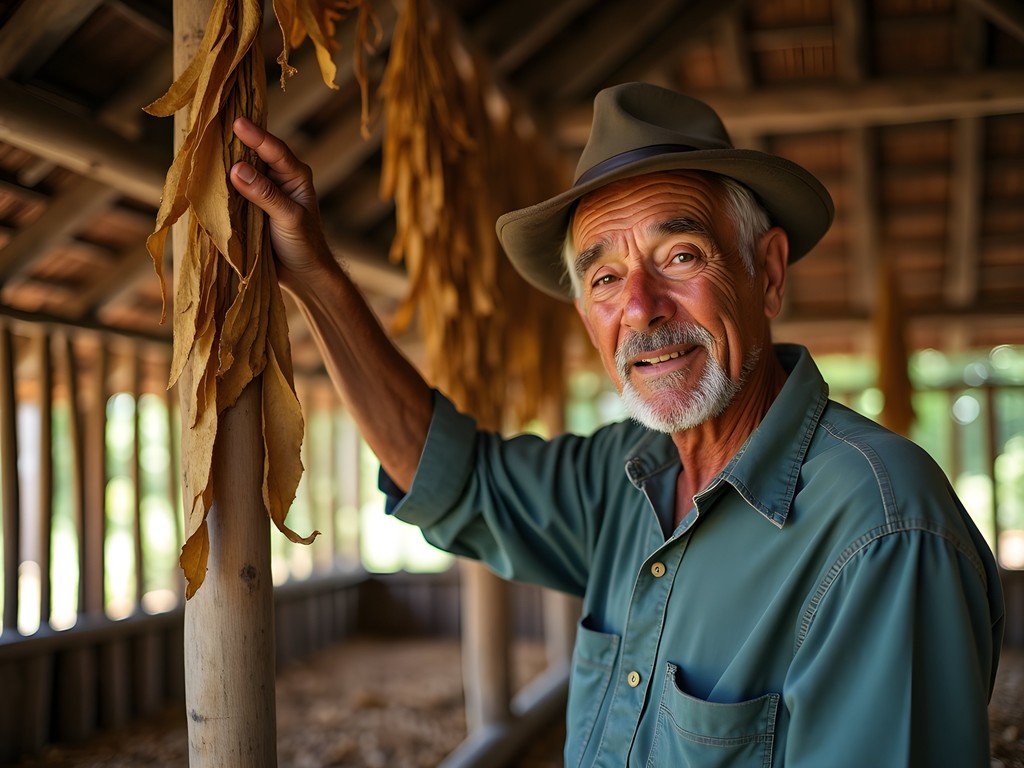
Farmers invited me into their bohíos (traditional drying huts) to see tobacco leaves hanging from wooden rafters, explaining the curing process with the same reverence Italian craftsmen discuss leather treatments. One farmer named Miguel demonstrated how to roll a cigar by hand, a process with precision and quality control standards that reminded me of watching master tailors in their workshops. For a few CUCs (Cuban convertible pesos), I purchased cigars directly from his farm—an authentic souvenir with genuine provenance, something I always value whether it's fashion or experiences.
💡 Pro Tips
- Start hiking early (before 8am) to avoid the midday heat
- Bring at least 2 liters of water as refill options are limited on trails
- Ask permission before photographing local farmers or their properties
Conquering Mogote Caves: The Underground Collection
On day three, I tackled what became my favorite Viñales experience—exploring the extensive cave systems hidden within the mogotes. The Cueva del Indio (Indian Cave) is the most accessible and commercially developed, complete with an underground boat ride that feels like nature's version of the Venetian Hotel in Vegas. But venture further off the tourist circuit, and you'll discover caves that feel virtually untouched.
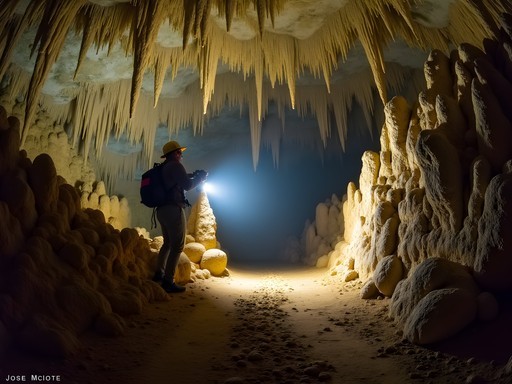
I hired a local guide named Carlos ($15 for a half-day) who took me to Cueva de Santo Tomás, Cuba's largest cave system spanning over 46km of underground passages. Before entering, I changed into my quick-dry hiking pants and laced up my waterproof hiking boots which proved essential as we waded through ankle-deep water in some sections.
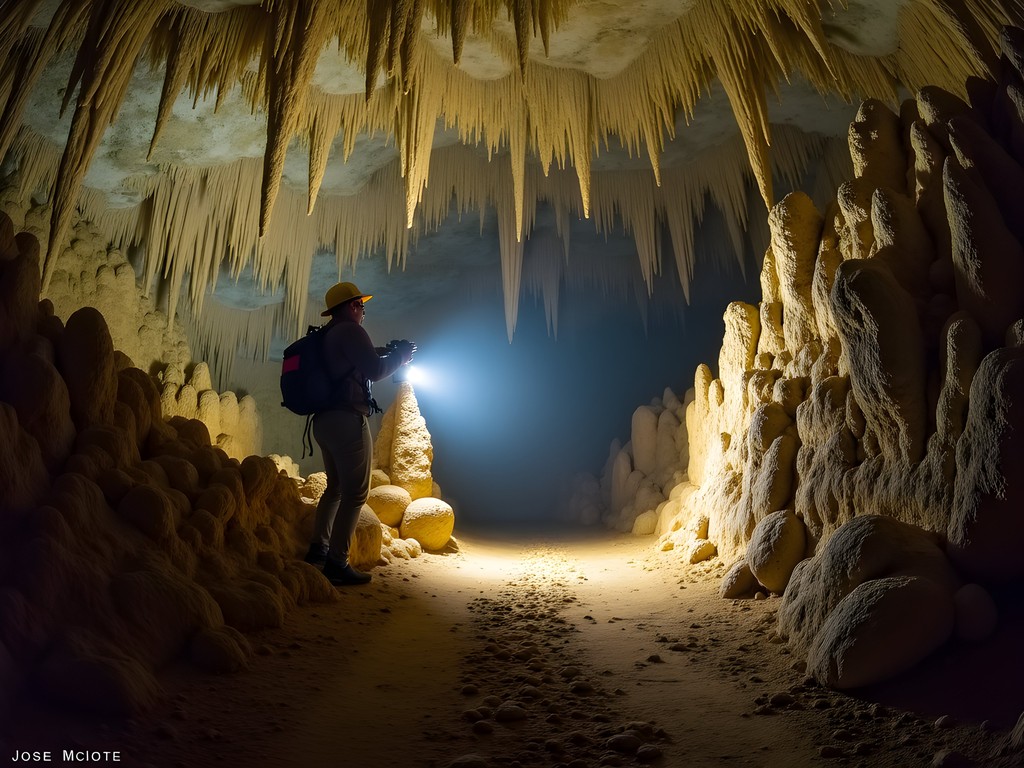
The cave interior revealed nature's most exclusive installation art—stalactites and stalagmites forming sculptures that would look right at home in a high-concept Tokyo boutique. We navigated narrow passages that opened into cathedral-like chambers, our headlamps casting dramatic shadows across limestone formations shaped over millennia. The temperature drop was welcome after hiking in the Cuban humidity, creating that perfect microclimate that reminded me of precisely controlled department store environments (though with significantly more authentic character).
What struck me most was the textural diversity—from glassy, smooth formations that caught the light like sequins to rough, porous surfaces that resembled the most interesting sustainable textiles coming out of European design houses. At one point, Carlos extinguished all lights, plunging us into absolute darkness that felt like wearing the most luxurious black velvet blindfold. That moment of sensory recalibration was more impactful than any carefully orchestrated retail experience I've encountered.
💡 Pro Tips
- Hire a local guide for cave exploration—self-guided tours aren't permitted in many caves
- Pack a headlamp with fresh batteries rather than relying on your phone light
- Wear clothes you don't mind getting muddy and wet

Los Aquáticos Hike: Elevation with Perspective
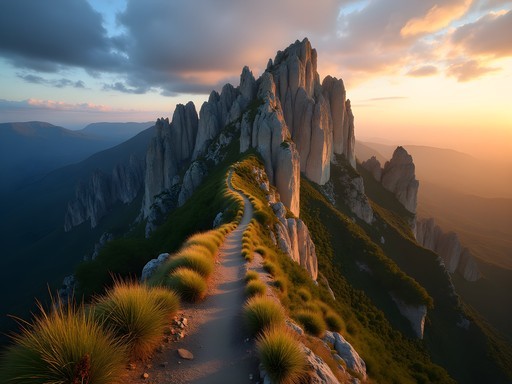
The most challenging trek I undertook was to Los Aquáticos, a small community perched high in the mogotes whose residents historically believed in the healing properties of water. The trail ascends steeply through dense forest before opening to panoramic views that would make any Instagram fashion shoot location scout weep with joy.
I set out at 7am to beat both the heat and the crowds, equipped with my trekking poles which proved invaluable on the slippery limestone sections. The path winds through coffee plantations and pine forests before the serious climbing begins. Unlike the carefully calculated gradients of department store escalators, this trail follows nature's unpredictable incline—sometimes gentle, sometimes demanding every bit of your leg strength.
About two hours in, drenched in sweat but energized by the challenge, I reached a viewpoint that delivered the valley's most spectacular perspective. The landscape unfolded like an expertly draped fabric, with mogotes creating a textural topography that no designer could replicate. I sat on a limestone outcropping, sipping water and snacking on mango I'd purchased from a roadside stand, thinking about how this moment—this authentic connection with place—was the true luxury my fast-paced retail career often lacks.
The descent offered different but equally rewarding views, with the afternoon light casting longer shadows across the valley floor. I passed a local farmer leading his horse along the narrow trail, both of them navigating the terrain with the kind of effortless confidence that comes from daily familiarity. He nodded in greeting, his weathered face showing mild amusement at my high-tech hiking gear—a humbling reminder that sometimes the most functional 'designs' are the most basic and time-tested.

💡 Pro Tips
- Start this hike early as there's minimal shade on much of the trail
- Bring cash to purchase fresh fruit and coffee from residents near the summit
- The final section before Los Aquáticos is the steepest—save some energy for it
Sustainable Tourism: The Slow Fashion of Travel
Working in retail has made me increasingly conscious of sustainability issues, and this awareness extends to how I travel. Viñales offered a masterclass in what sustainable tourism can look like—locally-owned accommodations, farm-to-table dining, and an economy that preserves traditional practices rather than replacing them with generic tourist experiences.
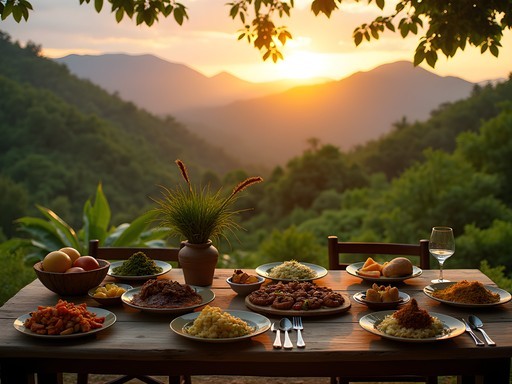
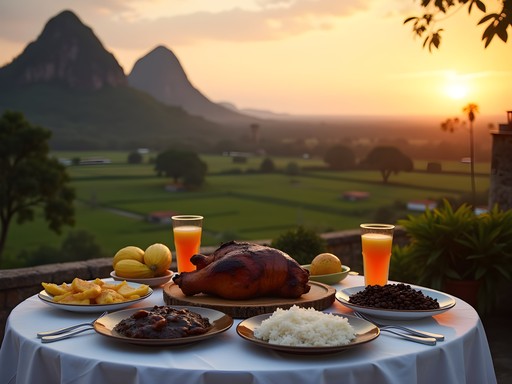
I ate most meals at my casa particular or at paladares (family-run restaurants) where ingredients came from nearby farms. At Finca Agroecológica El Paraiso, I enjoyed their famous farm-to-table feast with spectacular valley views. The presentation lacked the precision of fine dining establishments in fashion capitals, but the freshness and authenticity created a luxury experience of a different kind—one centered on connection rather than pretense.
The community's approach to tourism reminded me of the slow fashion movement—prioritizing quality over quantity, traditional techniques over mass production. Local guides emphasized leave-no-trace principles and limited group sizes to minimize environmental impact. When I mentioned my work in retail to my hiking guide, he drew interesting parallels between preserving traditional tobacco farming methods and the movement to protect artisanal craftsmanship in the fashion industry.
What struck me most was how the valley's UNESCO status has helped create a tourism model that enhances rather than exploits local culture. Unlike some destinations where traditional practices become performative shows for visitors, the tobacco farming, coffee growing, and rural lifestyle in Viñales remain authentic working traditions. As someone who spends his career distinguishing between authentic craftsmanship and marketing narratives, I found this refreshingly genuine.

💡 Pro Tips
- Support local businesses by eating at paladares instead of government-run restaurants
- Book tours directly through casa hosts rather than large agencies in Havana
- Learn basic Spanish phrases—locals appreciate the effort and you'll have more meaningful interactions
Final Thoughts
As I boarded my collectivo taxi back to Havana, tobacco dust still clinging to my hiking boots, I reflected on how Viñales had reset my perspective. In an industry obsessed with the next trend, the valley reminded me that the most timeless designs are often found in nature, and the most authentic luxury experiences come from genuine connection rather than curated consumption. The mogotes will continue their slow evolution long after fashion seasons come and go. Whether you're escaping the pressure of retail deadlines like me or simply seeking an adventure that balances physical challenge with cultural immersion, Viñales delivers with an authenticity no marketing campaign could fabricate. Pack those hiking boots, bring your sense of wonder, and discover why this valley deserves a spot on your travel collection—it's one adventure that will never go out of style.
✨ Key Takeaways
- Viñales offers world-class hiking with minimal crowds compared to other UNESCO sites
- Staying in casas particulares provides the best value and most authentic experience
- Winter months (December-February) offer ideal hiking conditions with cooler temperatures
- Local guides enhance the experience by sharing cultural context and accessing hidden spots
📋 Practical Information
Best Time to Visit
November through March (dry season)
Budget Estimate
$40-60 per day including accommodation, food and activities
Recommended Duration
4-7 days
Difficulty Level
Moderate


Comments
smartlover
Going there in March!! Can't wait
Bryce Diaz
This brings back memories! I hiked solo through Viñales in early 2024 and it remains one of my favorite Cuban experiences. The thing about traveling solo there is how welcoming everyone is - I ended up joining a group of German hikers for the Los Aquáticos trail and we shared rum and stories at the summit. The tobacco farmer who showed us his drying barn wouldn't accept payment, just wanted to practice his English. That's the magic of Viñales - it's not just about the landscapes, though they're spectacular. It's about those human connections in one of the most beautiful valleys on earth. Jose, your fashion lens on this is refreshing. Most of us just focus on the obvious beauty, but you're right about those textures and colors.
adventurezone
This is so inspiring! I want to do a solo trip there now
greenlife
Your photos are stunning! Really captures the colors
summerlover
Great post! One thing I'd add - bring cash for everything. ATMs are unreliable in Viñales and most places don't take cards. Also the sun is intense so sunscreen and a good hat are essential. The trails can get muddy after rain so decent hiking shoes help.
Jennifer Rodriguez
Jose, I love how you connected your fashion background to the landscape - such a unique perspective! I did a similar route through Viñales in 2025 and your description of the "nature's runway" really resonates. For budget travelers reading this: the collectivo from Havana (Viazul station) costs around 10-12 CUC and takes about 3 hours. Casa particulares in town run 20-25 CUC per night. Most hiking trails are free to access, though some farmers may ask for a small tip if you cross their land. The Los Aquáticos trail is definitely the most challenging but worth every step for those views.
oceanclimber
I visited Viñales back in 2024 and the Valley of Silence was hands down my favorite part. We stayed at a casa particular and the host arranged a guide for us. The mogotes are just incredible in person - photos really don't do them justice. Pro tip: go early morning for the best light and fewer tourists. Also the tobacco farms are fascinating if you have time to stop and chat with the farmers.
smartlover
Did you need to book the guide in advance or could you find one there?
oceanclimber
Our casa host set it up same day! Super easy and not expensive
greenwalker
How hard are the cave hikes? I'm not super experienced but would love to try this
greenlife
The caves aren't too technical, just bring a decent headlamp. I did them last year and they're manageable for beginners!
adventurezone
This looks absolutely amazing!! Adding to my bucket list right now
wanderblogger
The way you described the Valley of Silence gave me chills. That's exactly how it felt when I was there - like nature's own cathedral
Hayden Butler
Really enjoyed reading this, Jose. The fashion-meets-nature angle is refreshing. I stayed at Hotel La Ermita on the valley's edge last spring - waking up to those mogotes emerging from morning mist was worth every penny. We did a private guided hike through the caves you mentioned and our guide explained the geological formation over millions of years. Fascinating stuff. The property arranged everything including a vintage car transfer from Havana (yes, touristy but honestly spectacular). One tip for anyone going: bring a good headlamp for the cave sections - the provided lights were pretty weak. The underground rivers are absolutely worth exploring though. Also seconding your point about the tobacco farms - watching the drying process was unexpectedly meditative.
Venture X
Premium card with 2X miles, $300 travel credit, Priority Pass