
Disclosure: This article contains affiliate links. We may earn a commission from purchases at no extra cost to you, which helps our travel content.
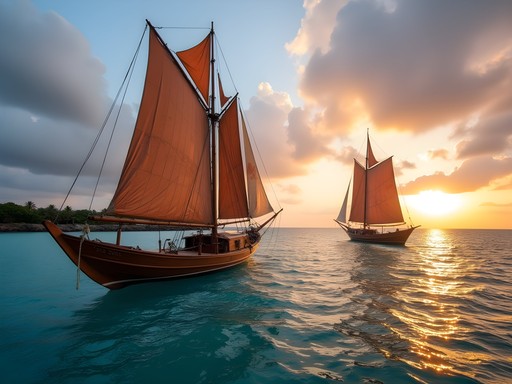
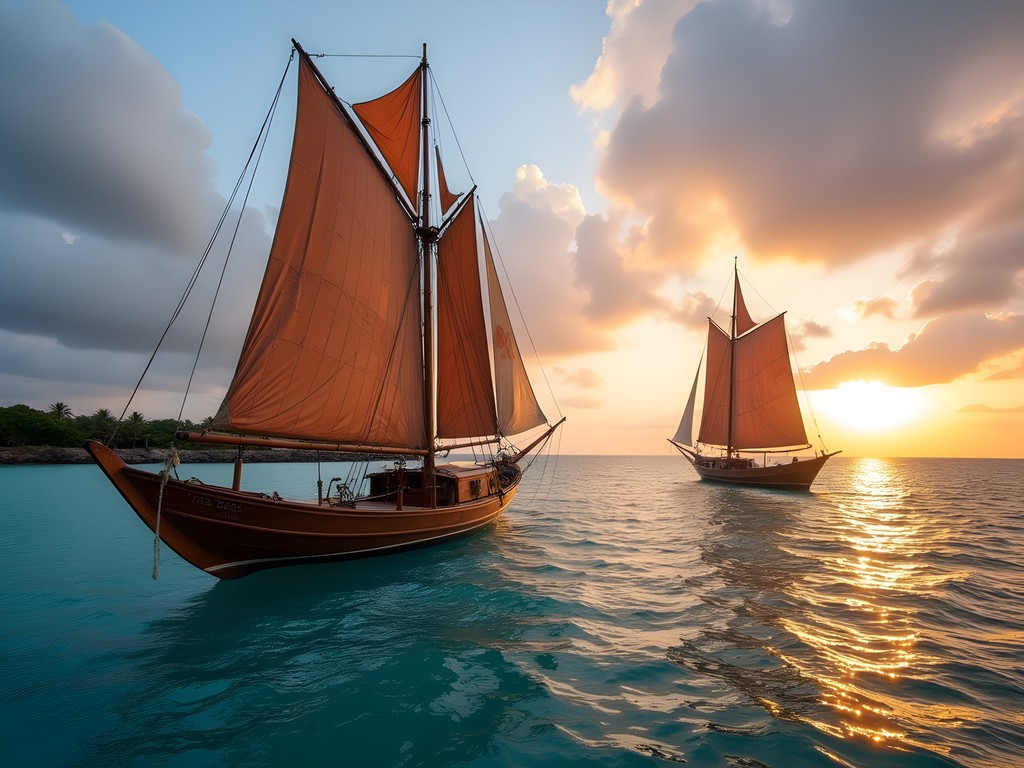
Standing on the weathered wooden dock in Vilanculos, watching dhows with their triangular sails dance across the turquoise waters, I felt that familiar sensation of anticipation that only comes when you're about to experience something truly extraordinary. The Bazaruto Archipelago—a protected marine sanctuary of five pristine islands—lay just beyond the horizon, promising an escape into a world where time slows and nature commands respect. As someone who typically hunts for artisanal treasures in urban markets, this sailing adventure represented my venture into a different kind of luxury: the wealth of untouched natural splendor.

Preparing for Paradise: What to Know Before You Sail
Vilanculos serves as the gateway to what locals proudly call 'the Pearl of the Indian Ocean.' Before embarking on your sailing adventure, I recommend spending at least one night in this coastal town to acclimate and prepare. I chose the elegant Santorini Mozambique, a Greek-inspired boutique hotel perched on a hill overlooking the archipelago—the perfect prelude to the journey ahead.
Packing for this experience requires thoughtful consideration. The sun here is unforgiving, even during spring (September to November), which I found to be the ideal time to visit. My wide-brimmed hat became my constant companion, along with reef-safe sunscreen to protect both my skin and the delicate marine ecosystems we'd be exploring.
"La preparación es la mitad de la aventura"—preparation is half the adventure, as my abuela used to say. Arrange your sailing charter well in advance, especially during peak season. After researching extensively, I opted for a private dhow experience with Sailaway Safaris, though several luxury operators offer comparable services with varying levels of comfort and expertise.
💡 Pro Tips
- Book your sailing charter at least 3 months in advance during peak season
- Pack motion sickness medication even if you don't normally need it—open ocean conditions can be unpredictable
- Bring cash in USD or South African Rand as backup, though most luxury operators accept credit cards
Day 1: Benguerra Island and the Two Mile Reef
Our adventure began at dawn, when the air was still cool and the harbor quietly stirred to life. The captain of our traditional dhow—modernized with safety equipment and comfortable cushions—welcomed us with fresh coffee and pão, the Portuguese-influenced bread that's a staple throughout Mozambique.
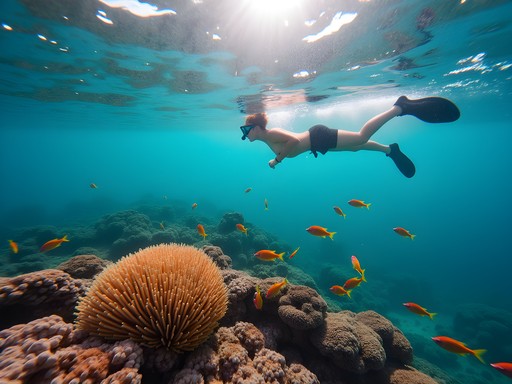
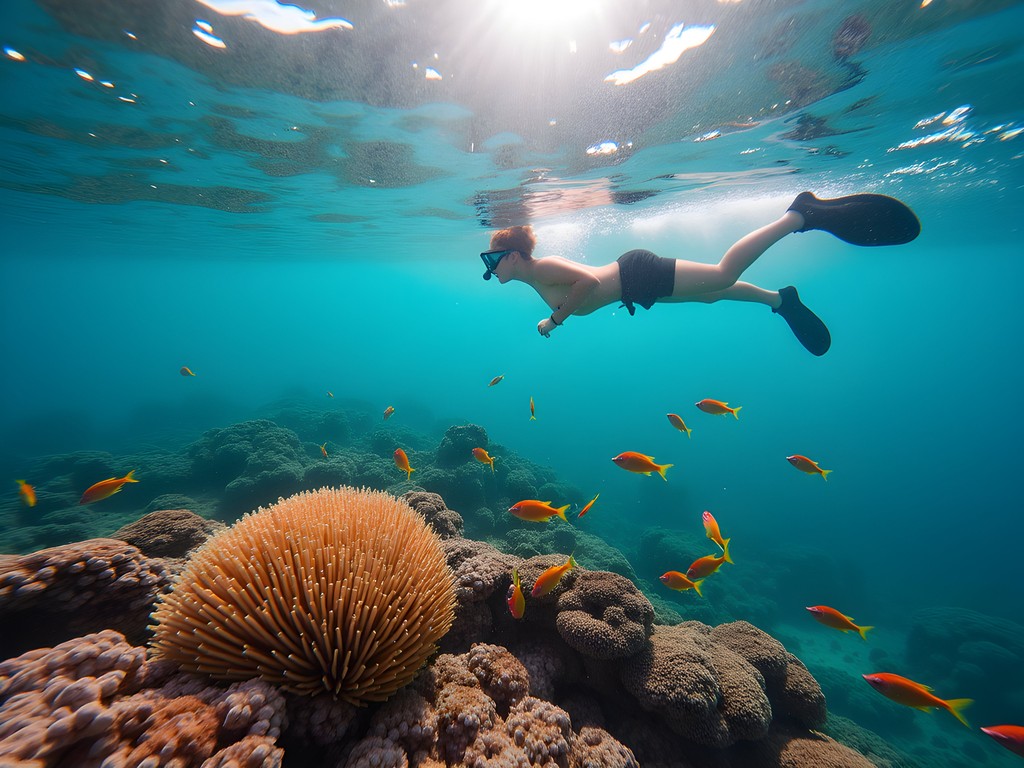
As we sailed toward Benguerra Island, the second largest in the archipelago, I was transfixed by the water's clarity. My polarized sunglasses revealed an underwater world teeming with life beneath our hull. After two hours of gentle sailing, we arrived at Two Mile Reef, where our first snorkeling session awaited.
The diversity of marine life here rivals the Great Barrier Reef, yet with a fraction of the visitors. Floating above gardens of staghorn coral, I watched as angelfish, parrotfish, and triggerfish darted between the formations. Our guide, Miguel, expertly pointed out a resting reef shark—a sign of a healthy ecosystem, he explained with pride.
By midday, we reached Benguerra's western shore, where our crew prepared a beach picnic that elevated the concept of 'lunch with a view.' Fresh grilled prawns, coconut rice, and tropical fruits were served on a table set directly in the sand, shaded by a canvas canopy. The afternoon brought a guided walk through the island's interior, where we spotted samango monkeys and vibrant bird species in the indigenous forests.
💡 Pro Tips
- Bring an underwater camera or a quality waterproof phone case to capture the incredible marine life
- Wear water shoes when exploring the reef edges as sea urchins are common
- Request your guide to point out the endemic bird species on Benguerra—several are found nowhere else
Day 2: Bazaruto Island's Towering Dunes and Hidden Lagoons
Waking aboard our anchored vessel to the gentle lapping of waves against the hull, I savored the rare privilege of witnessing a sunrise over the Indian Ocean without another soul in sight. After a breakfast of fresh mangoes and coconut pancakes prepared by our onboard chef, we set course for Bazaruto, the archipelago's largest island.
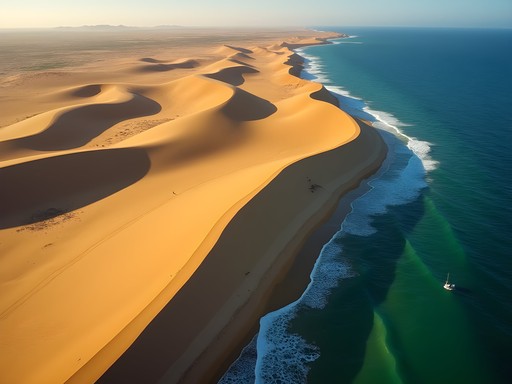
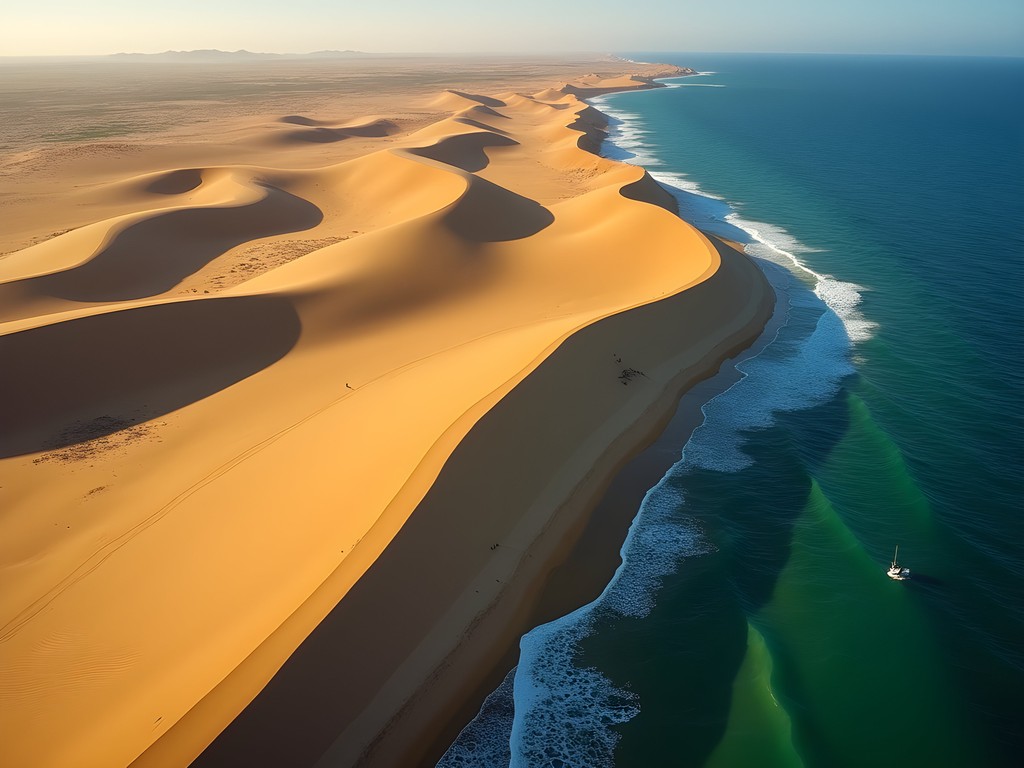
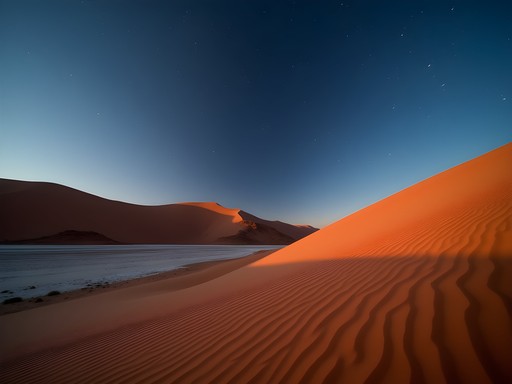
Bazaruto is renowned for its massive sand dunes that rise dramatically from the shoreline—some towering over 100 meters high. The morning's mission: climbing these natural monuments. The exertion was considerable in the growing heat, but my hiking sandals provided perfect traction in the soft sand. The panorama from the summit was worth every labored breath—a 360-degree view of endless blue ocean meeting pristine white beaches and verdant island interiors.
After descending, we navigated to the island's eastern side where our captain knew of a hidden freshwater lake just inland from the beach. This natural phenomenon—a freshwater body surrounded by saltwater ocean—creates a unique ecosystem. Swimming in these sweet waters after the morning's hike felt like discovering a secret oasis.
The afternoon brought us to Pansy Island, a sandbank that appears only at low tide. Here, we searched for the rare pansy shell (sand dollar) that gives the islet its name. As the tide began to rise, we returned to our dhow for an unforgettable sunset sailing session, complete with chilled South African Chenin Blanc and freshly shucked oysters harvested sustainably from the archipelago's waters.
💡 Pro Tips
- Climb the dunes early morning or late afternoon to avoid the midday heat
- Pack a dry bag for your belongings during transfers between boat and shore
- Ask your captain about the traditional fishing methods still practiced by local communities—the knowledge sharing creates meaningful cultural exchange

Day 3: Paradise Island and Swimming with Gentle Giants
Our final day brought the most anticipated experience of the journey—an encounter with the archipelago's endangered dugongs. These gentle marine mammals, related to manatees, feed on the extensive seagrass beds surrounding Paradise Island (Magaruque), our day's destination.
After an early departure from our overnight anchorage, we arrived at the protected southern waters where our guide indicated dugong sightings were most common. Patience is essential here—we spent nearly two hours scanning the surface before spotting the telltale signs of feeding trails in the seagrass below.
When the moment finally came, our guide signaled silently and pointed to a dark shape moving slowly through the crystal waters. Slipping into the water with minimal disturbance, we maintained a respectful distance as the massive creature—easily 3 meters long—grazed peacefully, seemingly unbothered by our presence. My full-face snorkel mask allowed me to watch this magnificent interaction without the distraction of a traditional snorkel.
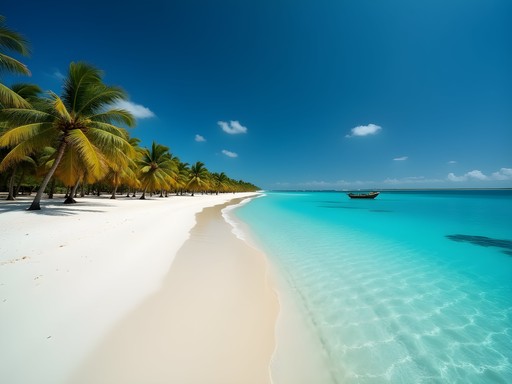
The afternoon brought us to Paradise Island itself, the smallest of the main islands in the archipelago. Here, we indulged in the ultimate beach experience—complete seclusion on powder-white sand. Our crew prepared our final lunch—a traditional Mozambican feast of matapa (cassava leaves with peanuts and coconut milk) and freshly caught fish grilled over open coals.
Before returning to Vilanculos, we visited a small fishing village on the island where I discovered artisans creating intricate jewelry from local materials. A necklace of polished cowrie shells and sea glass now sits in my collection, a physical reminder of this extraordinary corner of the world where traditional craftsmanship persists even in the most remote settings.

💡 Pro Tips
- When attempting to spot dugongs, look for trails in seagrass beds rather than the animals themselves
- Bring small denominations of local currency (Meticais) if you wish to purchase crafts from island communities
- Consider adding a underwater action camera to your kit for dugong encounters—the memories are priceless
Final Thoughts
As our dhow made its final approach to Vilanculos harbor, the setting sun casting long shadows across the water, I reflected on the profound privilege of experiencing the Bazaruto Archipelago in this intimate way. This sailing adventure offered something increasingly rare in our hyperconnected world—genuine disconnection and immersion in a natural environment that remains largely as it has been for centuries.
What struck me most wasn't just the physical beauty—though that was undeniable—but the delicate balance being maintained between conservation, tourism, and supporting local communities. The archipelago's protected status since 1971 has preserved these islands as a sanctuary not only for visitors seeking solitude but for endangered marine species fighting for survival.
For couples seeking a truly transformative experience that combines adventure with unparalleled natural luxury, the Bazaruto Archipelago delivers on every level. As we navigate an increasingly crowded planet, these precious pockets of pristine wilderness become not just vacation destinations but essential reminders of what we stand to lose—and what we must fight to protect. Hasta que nos encontremos de nuevo, Bazaruto—until we meet again.
✨ Key Takeaways
- The Bazaruto Archipelago offers one of Africa's most exclusive and pristine marine environments
- Spring (September-November) provides ideal sailing conditions with minimal crowds
- A private charter allows for customized experiences and access to secluded locations inaccessible to day-trippers
📋 Practical Information
Best Time to Visit
Spring (September-November)
Budget Estimate
$800-1200 per person per day for luxury private sailing
Recommended Duration
3-5 days
Difficulty Level
Moderate To Challenging

Comments
freetime
Adding this to my bucket list right now
Frank Garcia
Did the same route last year and completely agree about Two Mile Reef - genuinely world-class diving. One thing I'd add for anyone planning this: the whale shark season (Oct-March) is unpredictable. We went in November and saw nothing, then met travelers who saw 5 in one morning the week before. Also worth noting the water gets quite choppy between islands if you're prone to seasickness. The dhow captains are incredibly skilled though, felt safe the entire time even in rough conditions.
freetime
Good to know about the seasickness thing!
adventureone
Just got back from Vilanculos two weeks ago and did this exact trip! The Two Mile Reef snorkeling was the highlight for me - saw so many colorful fish I couldn't even identify them all. Wish I'd had an underwater camera! One tip I'd add is to bring a good reef-safe sunscreen as the reflection from the water is intense and regular sunscreen damages the coral. The sand dunes on Bazaruto were much bigger than I expected - climbing them was exhausting but the views were worth it. We also stayed an extra day in Vilanculos and did a horseback riding tour along the beach which I'd highly recommend.
winterlover
How much did the 3-day dhow trip cost? Planning my first trip to Mozambique and trying to budget
Alan Clark
I paid around $450 USD for the 3-day sailing trip including meals and snorkeling gear. You can find cheaper options if you book directly with local operators in Vilanculos rather than through hotels. Shop around when you arrive!
winterlover
That's actually not bad at all! Thanks
backpackphotographer
Those dhow shots are incredible! Really captured the vibe
Alan Clark
Thanks! The light in Vilanculos is just magic for photography
escapepro
Beautiful photos! Is it safe for solo travelers? I'm thinking about going alone
Adam Nichols
I traveled solo there and felt perfectly safe. Vilanculos is very tourist-friendly and you'll meet other travelers on the dhow trips. Just use common sense in town like anywhere else.
traveladventurer
Pro tip: bring reef-safe sunscreen because you'll be in the water A LOT. The snorkeling is unreal. Also the local peri-peri prawns in Vilanculos are amazing, don't miss them!
Adam Nichols
Great writeup, Alan. I spent a week in Vilanculos back in 2024 and the Bazaruto Archipelago is genuinely one of the most underrated destinations in Africa. A few observations from my trip: the marine life diversity at Two Mile Reef is exceptional - I logged three dives there and the coral health was surprisingly good compared to other Indian Ocean sites. The dhow sailing experience is authentic but can be quite rough if the wind picks up, so those prone to seasickness should plan accordingly. Also worth noting that the best time to see whale sharks and mantas is October through March. The dunes on Bazaruto Island are worth the climb - I measured about 120m elevation gain on my GPS. Did you manage to visit the freshwater lakes inland?
wanderlustlife
October through March, good to know! Planning for next year
bluezone
How much did the 3-day dhow trip cost you? Trying to figure out if this fits my budget
traveladventurer
Not Alan but I did this last year. Cost around $300-400 USD per person depending on the operator. Totally worth it!
bluezone
Thanks! That's actually more affordable than I thought
wanderlustlife
This looks absolutely incredible!! Adding to my bucket list right now 🌊
escapepro
Same here! Never even heard of Mozambique before this post
Venture X
Premium card with 2X miles, $300 travel credit, Priority Pass