


Disclosure: This article contains affiliate links. We may earn a commission from purchases at no extra cost to you, which helps our travel content.
The moment my feet touched Tofo's powdery sand, I knew I'd found something special. This unassuming fishing village on Mozambique's southeastern coast has evolved into an ocean lover's paradise without sacrificing its soul. After years exploring natural wonders from Arizona's canyons to Thailand's limestone formations, I've discovered that Tofo offers something rare: world-class marine experiences without world-class prices. Here's my field guide to a week of oceanic wonder that won't break the bank, whether you're seeking gentle giants beneath the waves or perfect peeling surf above them.
Diving with Giants: Tofo's Underwater Marvels
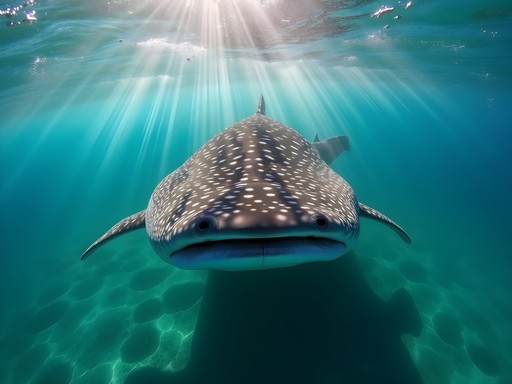
Tofo's waters host what marine biologists consider one of the world's most reliable populations of whale sharks and manta rays. Unlike the crowded, commercialized experiences I've encountered elsewhere, diving here maintains a refreshing authenticity and respect for these creatures.
My recommendation is Liquid Dive Adventures, a conservation-minded operation run by marine biologists who balance tourism with research. Their ocean safari (around $35) provides a budget-friendly introduction to Tofo's marine life without requiring certification. For certified divers, two-tank dives run approximately $85—remarkably reasonable compared to similar experiences in Tanzania or Thailand.
The reefs themselves tell a story of resilience. While not as prismatic as Australia's barrier reef, Tofo's underwater topography creates a perfect environment for filter feeders. Manta cleaning stations—underwater 'service centers' where smaller fish remove parasites from mantas—offer mesmerizing glimpses into symbiotic relationships. I found my full-face snorkel mask invaluable during surface intervals, allowing extended observation without the usual snorkel discomfort.

💡 Pro Tips
- Book ocean safaris early in your trip to allow for weather rescheduling
- Bring your own mask and snorkel even if renting other gear—personal fit means better experiences
- Ask dive shops about their conservation initiatives—those supporting local research often provide more educational experiences
Catching Waves: Tofo's Surfing Scene
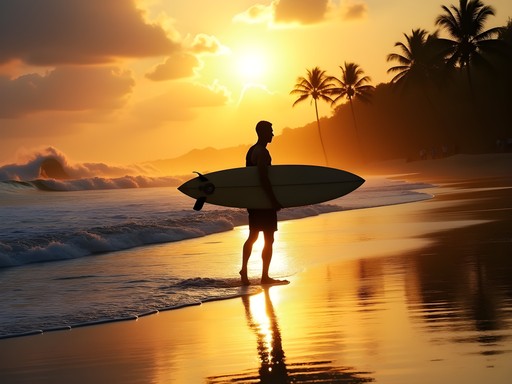
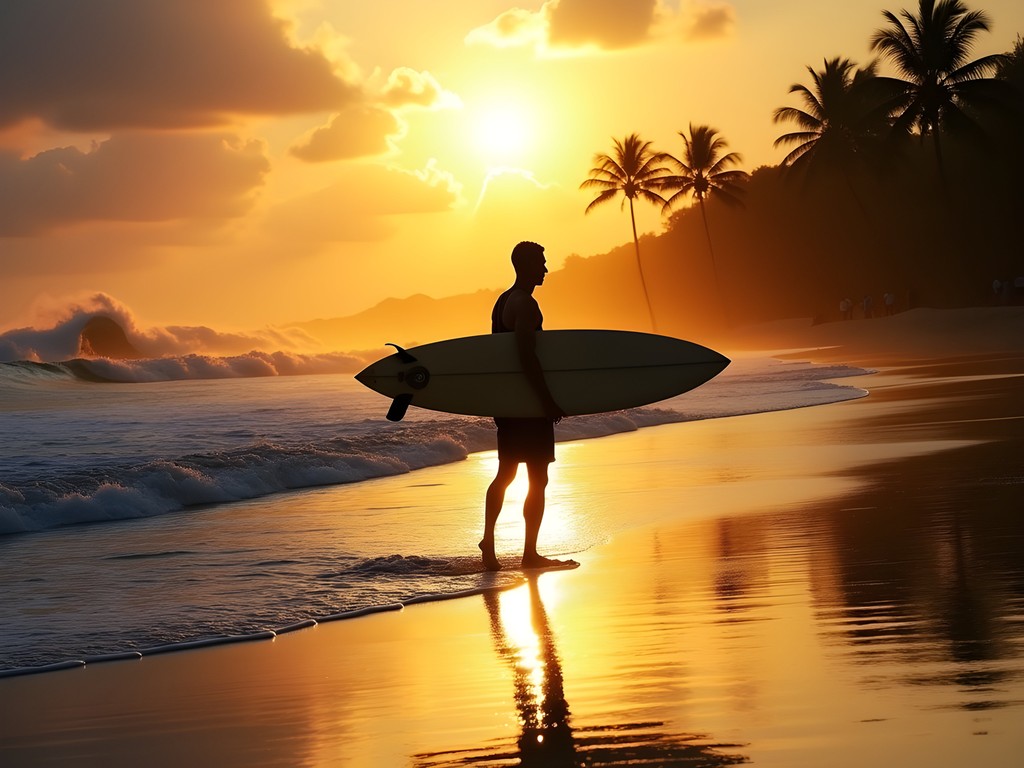
Tofo's surfing landscape exists in that perfect sweet spot between discovery and development. The main beach break offers consistent waves suitable for intermediate surfers, while Tofinho point (a short walk south) delivers more challenging reef breaks that attract skilled riders without the territorial vibes of more established destinations.
Board rentals are available from several beachfront operations for about $10-15/day, though quality varies considerably. I brought my own surfboard travel bag, which proved worthwhile given the reasonable flight policies on South African Airways connecting through Johannesburg.
What surprised me most was the emptiness of the lineup. Even during prime swell conditions, I rarely shared waves with more than five other surfers—a stark contrast to the overcrowded breaks I've experienced in California or Bali. The local surf community, though small, welcomes respectful visitors with characteristic Mozambican warmth.
Dawn patrol yields the smoothest conditions, with offshore winds typically developing until mid-morning. I found my reef booties essential for the rocky entries at Tofinho point, especially during low tide when urchins become a consideration.
💡 Pro Tips
- Check with local fishermen about conditions—they know the water better than any forecast
- Bring reef-safe sunscreen as it's difficult to find locally
- Respect local surfers by learning a few Portuguese phrases and asking about etiquette
Conservation Connection: Engaging with Marine Protection
What elevates Tofo beyond mere recreation is its emergence as a center for marine conservation. The Marine Megafauna Foundation headquartered here conducts vital research on threatened species while offering visitors meaningful ways to engage with their work.
I spent a fascinating afternoon in their citizen science program, where visitors can contribute to ongoing research by helping catalog manta ray identification photos. The foundation also offers weekly lectures that provide context for the underwater experiences—understanding manta migration patterns enhanced every subsequent encounter I had with these graceful creatures.
For those seeking deeper involvement, volunteer programs range from one-week commitments to multi-month positions. Even on a budget timeline, the foundation's Ocean Explorer course ($95) offers a conservation-focused alternative to traditional diving certifications, with proceeds supporting local research.
During beach walks, I used my waterproof field notebook to document plastic pollution patterns—data I later shared with local cleanup initiatives. This simple practice connected me with community members working to preserve Tofo's natural integrity in the face of increasing tourism.

💡 Pro Tips
- Attend at least one Marine Megafauna Foundation lecture to understand the ecosystem you're exploring
- Consider a day volunteering with beach cleanup efforts—they welcome short-term help
- Ask your accommodation about their sustainability practices—support businesses committed to conservation

Budget-Friendly Beachfront Living
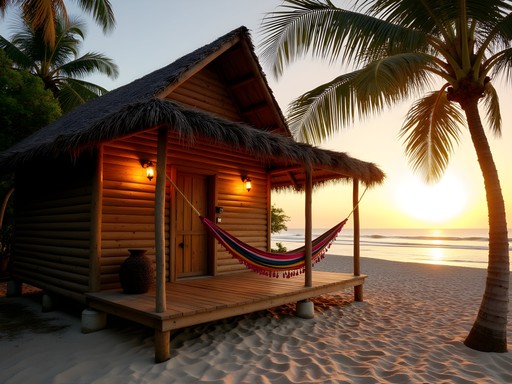
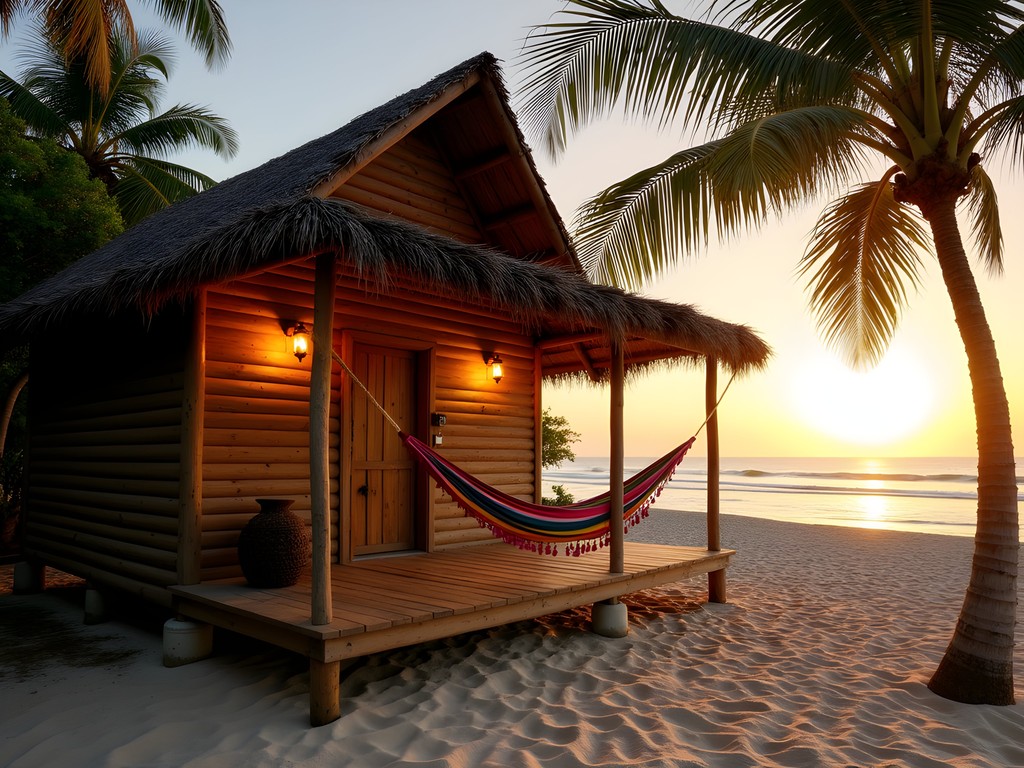
Accommodations in Tofo range from basic backpacker hostels to boutique eco-lodges, with surprising value across the spectrum. I opted for Bamboozi Lodge, where a private bungalow with partial ocean view ran approximately $35/night—including breakfast and reliable Wi-Fi, a relative luxury in this region.
Self-catering options abound for budget travelers. The local market offers fresh fish brought in by dhow fishermen each morning, while the surprisingly well-stocked Tofo Market store provides essentials. I prepared several meals using my portable camping stove, enjoying sunset dinners on my veranda for a fraction of restaurant costs.
For those seeking community, Fatima's Nest offers dormitory accommodations from $12/night in a social atmosphere that facilitates connections with fellow travelers. Their communal kitchen and weekly barbecues became gathering points where I exchanged diving stories with South African weekend warriors and European sabbatical takers.
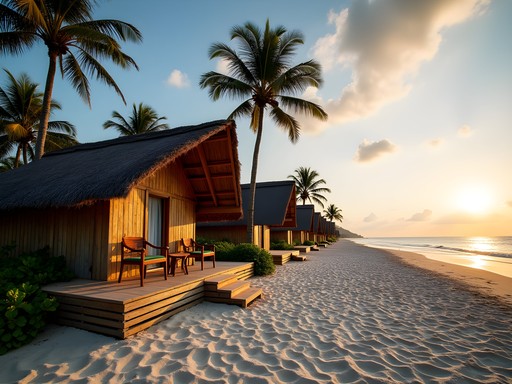
Unexpectedly, my most memorable accommodation experience came through Casa Barry, where beachfront cabanas ($50-60) place you literally steps from both diving operations and surf breaks—the rare budget find that doesn't sacrifice location. Their outdoor shower, sheltered by natural vegetation, offered surreal stargazing opportunities after night dives.
💡 Pro Tips
- Book accommodations directly via email rather than third-party sites for better rates
- Consider renting a bicycle ($5/day) for transportation between Tofo and Tofinho
- Bring a portable water filter to reduce plastic waste and save on bottled water costs
Cultural Immersion Beyond the Waves
While ocean activities dominate Tofo's appeal, the cultural fabric of this former Portuguese colonial outpost adds meaningful dimension to any visit. The Saturday market in nearby Inhambane (accessible via chapa minibus for under $1) offers a window into daily Mozambican life that few tourists experience.
I spent a fascinating morning photographing the colonial architecture of Inhambane's historic center, where buildings dating to the 18th century stand in various states of tropical decay and restoration. The cathedral's weathered façade tells a visual story of cultural layering that resonates with my interest in how built environments reflect societal values.
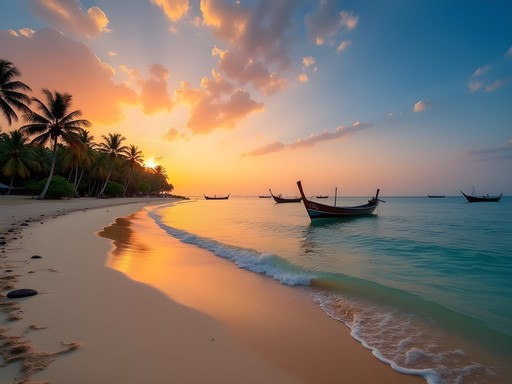
Back in Tofo, local fishing traditions continue alongside tourism development. I recommend rising early to watch the dhow fishermen launch their colorful wooden vessels through the surf—a practice unchanged for centuries despite the modern dive boats anchored nearby. For those interested in sustainable seafood, arranging a cooking class through your accommodation provides both cultural exchange and a delicious meal.
During my stay, I found my solar power bank indispensable for extended days exploring, as electricity remains intermittent throughout the region. The portable Bluetooth speaker I brought facilitated impromptu beach gatherings where musical traditions blended—local drummers joining travelers' playlists as the sun descended.

💡 Pro Tips
- Learn basic Portuguese phrases—Mozambique's official language opens more authentic interactions
- Respect local fishing areas when swimming or surfing—livelihoods depend on these waters
- Ask permission before photographing local residents—a small courtesy that builds goodwill
Final Thoughts
As my week in Tofo drew to a close, I found myself plotting an eventual return rather than checking it off my travel list. The rare combination of world-class marine encounters, uncrowded waves, meaningful conservation opportunities, and genuine cultural experiences—all at budget-friendly prices—creates a destination greater than the sum of its parts.
What resonates most powerfully is how Tofo demonstrates that responsible tourism can support both environmental protection and economic development. Every whale shark encounter I enjoyed funds research that may help preserve these magnificent creatures. Every meal purchased from a local restaurant or market vendor circulates tourist dollars into a community still developing its economic footing.
For the solo traveler seeking connection—with nature, with community, with a purpose beyond mere recreation—Tofo offers rich rewards without demanding deep pockets. Pack light, bring an open mind, and prepare for the kind of transformative experiences that remind us why we travel in the first place. The ocean awaits, in all its magnificent, mysterious glory.
✨ Key Takeaways
- Tofo offers world-class marine wildlife encounters at budget-friendly prices
- Combining diving, surfing and conservation creates a more meaningful travel experience
- Shoulder season (April-May, September-October) provides optimal conditions with fewer crowds
- Supporting locally-owned businesses and conservation initiatives helps preserve what makes Tofo special
📋 Practical Information
Best Time to Visit
March-May and September-November (shoulder seasons)
Budget Estimate
$50-75/day including accommodations, food and activities
Recommended Duration
7-10 days
Difficulty Level
Moderate

Comments
summerninja
Going there in August!! So excited after reading this 🙌
Brandon Marshall
Awesome! August is great for humpback whales. Have an amazing time!
cooltime
Love the photos! The water looks incredible
Sarah Powell
Great write-up Brandon! One thing I'd add - the conservation work happening there is genuinely impressive. Marine Megafauna Foundation runs ID programs where you can submit your manta and whale shark photos to help with research. It's cool knowing your vacation photos contribute to actual science. Also, if anyone's worried about currents while diving, the dive masters there are top-notch professionals. They brief thoroughly and the sites are well-managed. Just make sure your dive computer is working properly before you go - mine died on day 2 and I had to rent one!
skyclimber
Been there twice. Worth every penny.
smartking
Is it safe for solo female travelers? And what's the best time of year to see whale sharks?
Sarah Powell
I traveled solo through Mozambique including Tofo and felt completely safe. The diving community there is really welcoming. Whale sharks are most common October through March - I went in November and saw them on 3 out of 5 dives. Just use common sense at night (don't walk alone on dark beaches) and you'll be fine. The locals are genuinely friendly.
sunsetway5076
Love your photos!! That manta ray shot is stunning 😍
Hunter Thompson
Mate, Tofo is absolutely brilliant! I spent three weeks there last year and did my advanced open water course. Saw manta rays on literally every single dive - they're just everywhere! The vibe in town is super chilled too, lots of backpackers hanging at Dino's or Bamboozi Beach Bar. If you're on a budget, stay at one of the hostels a bit back from the beach - you can get a dorm bed for like $8-10 a night. The surf can be pretty gnarly for beginners though, just a heads up!
sunsetway5076
Three weeks sounds amazing! Did you do any trips to nearby areas?
Hunter Thompson
Yeah did a day trip to Inhambane - gorgeous colonial town across the bay. Totally worth it!
freegal
How much did the diving cost you? And do you need to be certified already or can you learn there?
Brandon Marshall
Hey! Dive centers there offer both - you can do your PADI certification or just fun dives if you're already certified. I paid around $45-50 USD per dive, which is pretty reasonable. Several shops offer courses too!
freegal
Thanks! That's way more affordable than I expected
springmood
Been to Tofo twice and it never disappoints. Pro tip: book your dives for early morning - better visibility and you'll see more marine life. Also the roads getting there are rough, so if you're driving from Maputo give yourself way more time than Google Maps says. We got stuck behind a broken down truck for 2 hours lol. But totally worth it once you arrive. The vibe there is so chill and the diving community is really welcoming.
cooltime
How long did the drive take you total?
springmood
About 7 hours with the delays. Normally it's like 5-6 hours. Bring snacks!
tripninja
This looks absolutely incredible!! Adding to my bucket list right now 🤿
Venture X
Premium card with 2X miles, $300 travel credit, Priority Pass