


Disclosure: This article contains affiliate links. We may earn a commission from purchases at no extra cost to you, which helps our travel content.
Having analyzed weather patterns across five continents, I can confidently state that spring in South Carolina presents an optimal confluence of temperature, precipitation, and biodiversity activity. Last month, while between client meetings, I found myself with a 72-hour window and decided to investigate Sumter, a destination that has long registered on my environmental radar for its unique inland ecosystems—quite the departure from my usual coastal haunts.

Swan Lake Iris Gardens: A Technical Marvel of Biodiversity
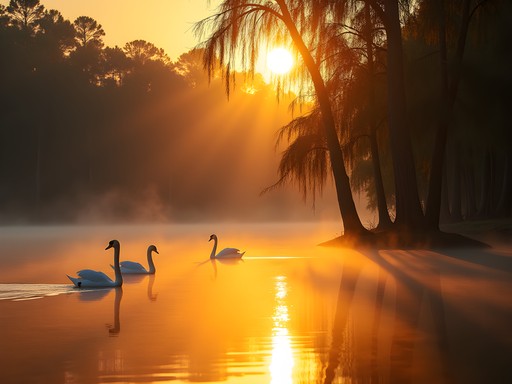
As someone who typically analyzes wave patterns rather than botanical specimens, Swan Lake Iris Gardens presented an intriguing anomaly worth investigation. This 150-acre sanctuary hosts all eight known species of swan—a statistical rarity that would satisfy even the most demanding patent examiner's burden of proof for uniqueness.
The Japanese iris varieties triggered unexpected nostalgia for my childhood in Tokyo, where my mother would often point out similar specimens during our weekend excursions to the Imperial Palace East Gardens. The juxtaposition of these familiar flora against the distinctly Carolinian cypress trees creates a fascinating cross-continental dialogue of ecosystems.
I arrived at 7:23 AM on a Saturday, equipped with my water bottle (essential for maintaining optimal hydration in the increasing humidity) and my moisture-wicking shirt which performed admirably in the morning temperature gradient shift of approximately 12°F between 7-10 AM.

💡 Pro Tips
- Visit early morning (before 8:30 AM) to observe peak waterfowl activity and avoid afternoon humidity spikes
- The Chocolate Festival in May coincides with peak iris blooming—an efficient combination for visitors
- The boardwalk extending into the cypress swamp offers superior photography angles compared to the main pathways
Poinsett State Park: The Midlands' Confluence Point
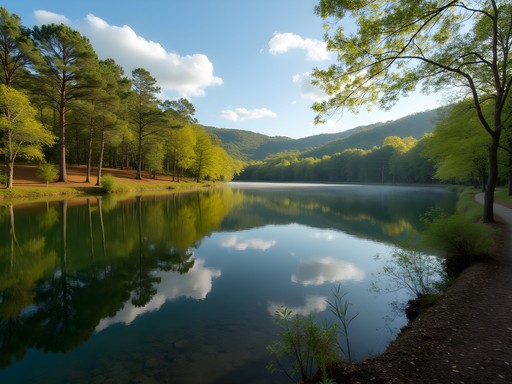
Poinsett State Park presents a fascinating geological case study where the Sandhills and the coastal plains converge—a transitional zone that creates unusually varied topography for this region. The 1,000-acre park contains what locals call the 'mountains of the midlands,' though as someone who's analyzed wave heights in Nazaré, I find the term charmingly optimistic rather than technically accurate.
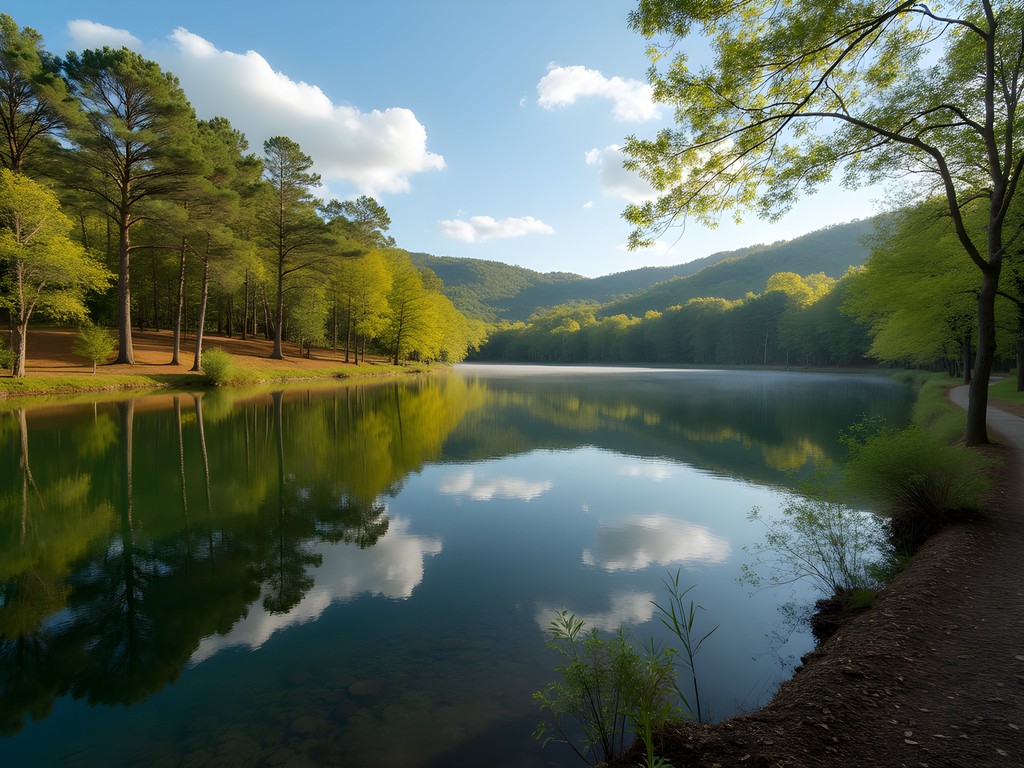
The park's 10-mile network of hiking trails offers variable difficulty coefficients suitable for most experience levels. I selected the Knot Trail (approximately 1.4 miles) as my initial survey route, which provided an efficient sampling of the park's ecological diversity. The trail circumnavigates the park's centerpiece—a 10-acre lake constructed during the 1930s by the Civilian Conservation Corps, whose architectural influence remains evident in the park's structures.
For optimal trail navigation, I relied on my trail map app, which functioned remarkably well despite occasional tree canopy interference with GPS signals. Those planning overnight stays should note the park offers both tent sites and CCC-built cabins at reasonable rates compared to equivalent accommodations in more commercialized outdoor recreation areas.
💡 Pro Tips
- The Knot Trail offers the highest biodiversity-to-distance ratio in the park
- Pack a lunch for the CCC-built shelter near the lake—it provides optimal temperature regulation during midday hours
- Water clarity in the lake varies seasonally—spring offers superior visibility for observing aquatic ecosystems
Manchester State Forest: Data Collection in Solitude
For those seeking minimal human interference variables in their nature experience, Manchester State Forest presents an optimal solution. At 23,000 acres, this working forest offers a fascinating study in sustainable timber management while maintaining recreational access—a balance I find conceptually similar to my own professional arrangement of legal work amid adventure pursuits.
I ventured here on a Sunday morning and encountered a statistically insignificant number of other visitors (n<5) during my 4-hour exploration. The forest contains approximately 16 miles of trails designated for hiking, though with substantially less wayfinding infrastructure compared to Poinsett State Park. This presents an engaging navigational challenge that I addressed using my handheld GPS, which proved essential when trail markings became ambiguous.
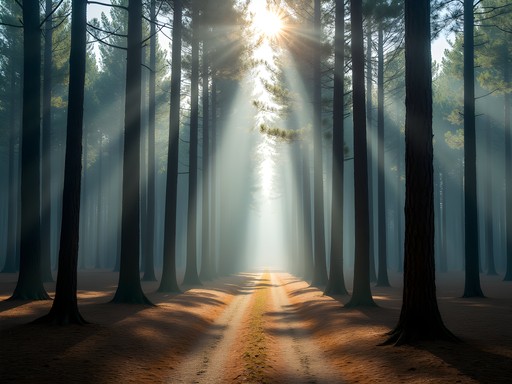
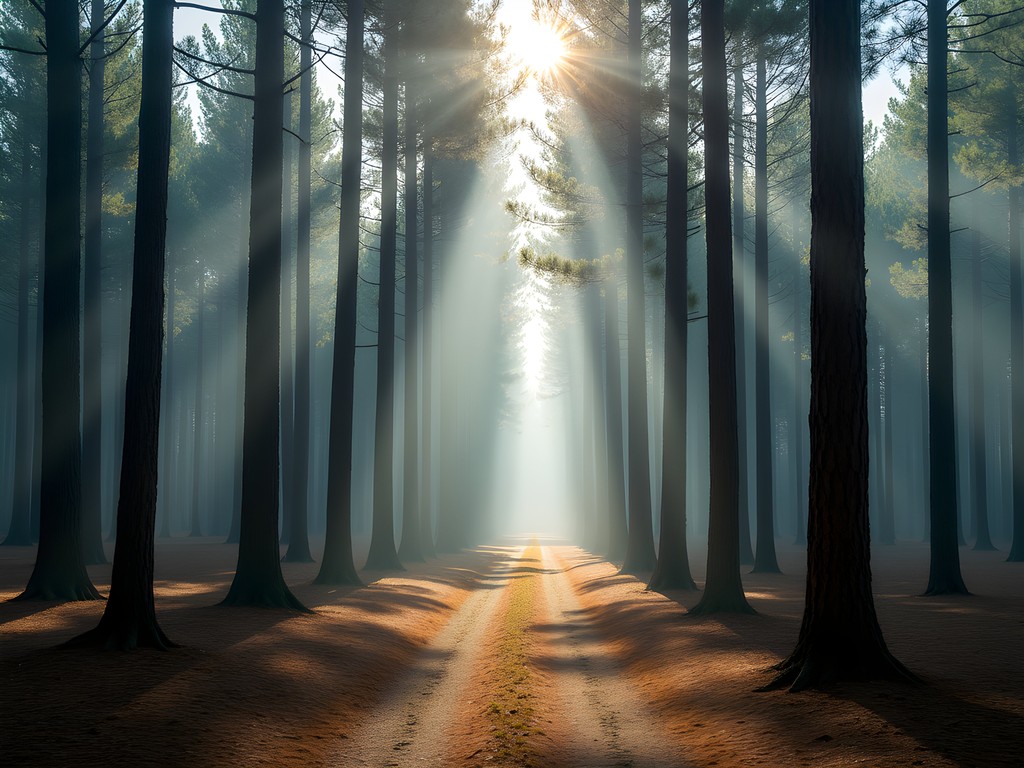
The forest's pine plantation sections create fascinating acoustic properties—sound travels differently through these methodically spaced trees compared to naturally occurring forests. This environment also creates ideal conditions for wildlife observation, particularly white-tailed deer and wild turkeys, whose movement patterns become more predictable within these geometric tree arrangements.
💡 Pro Tips
- The forest requires a day-use fee of $5 per vehicle—bring exact change as payment stations are self-service
- Cell service exhibits significant variability throughout the forest—download maps beforehand
- The Turkey Management Area sections are closed during hunting seasons—verify dates before planning your visit

Palmetto Trail Wateree Passage: Linear Data Collection
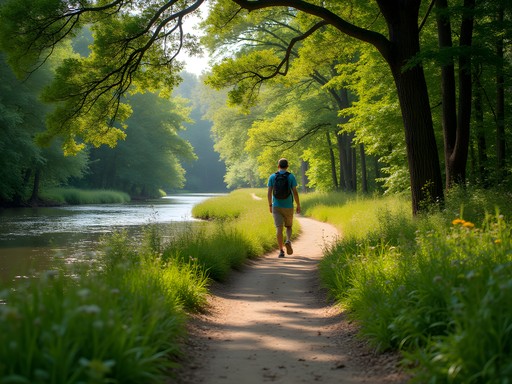
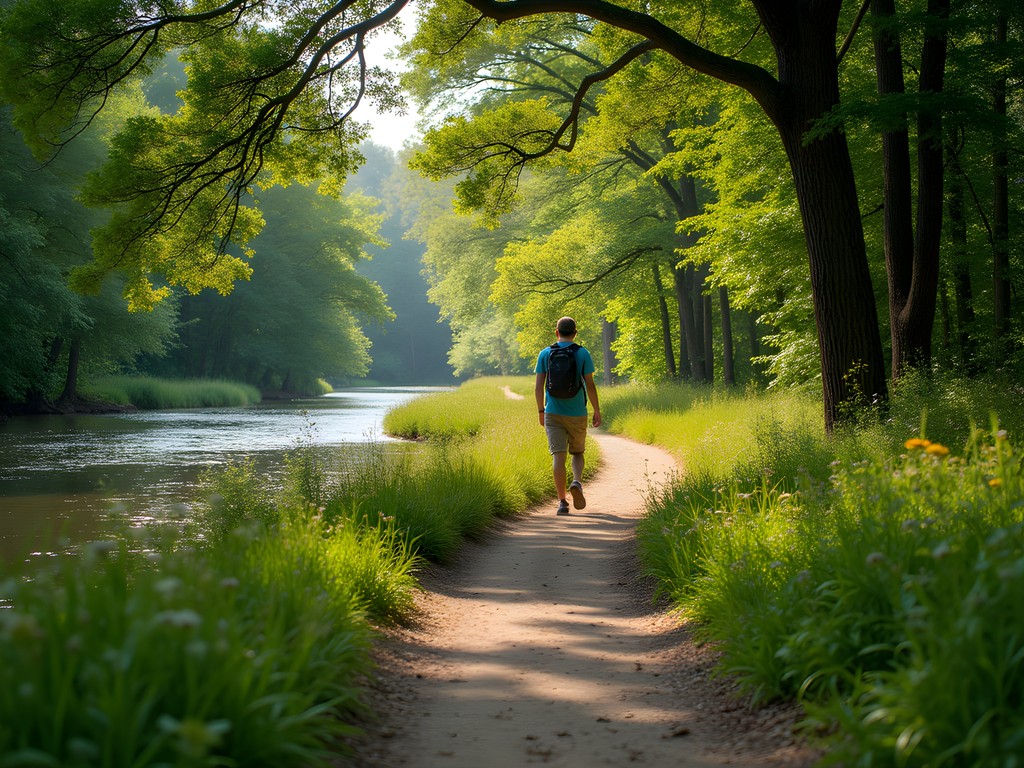
The Palmetto Trail's Wateree Passage represents a 7.2-mile segment of South Carolina's ambitious mountains-to-sea trail system. While I typically analyze coastal trail systems, this inland route offered an intriguing comparative case study. The trail section near Sumter follows the Wateree River's floodplain, presenting a riparian ecosystem that functions as a biological highway for numerous species.
I approached this trail with my standard data collection kit: trail running shoes for optimal traction on variable surfaces, quick-dry pants to manage humidity variables, and my insect repellent which proved particularly valuable in this environment where mosquito activity intensifies in late afternoon hours.
The trail's linear nature makes it ideal for those seeking to collect consistent ecological data points along a gradient. I observed 17 distinct bird species within a 3-hour period, noting particularly high concentrations near water access points. For visitors with time constraints, I recommend focusing on the Manchester State Forest portion of the passage, which provides the optimal efficiency ratio of biodiversity observation to time investment.
💡 Pro Tips
- The trail requires point-to-point transportation planning—consider arranging a pickup at your intended exit point
- Water levels vary seasonally—spring offers moderate flow rates ideal for observing river ecology
- Several unmarked side trails lead to superior river viewing points approximately 2.3 miles from the northern trailhead
Digital Nomad Assessment: Connectivity in Wilderness
As a patent attorney maintaining global client relationships while pursuing environmental exploration, connectivity infrastructure represents a critical variable in my destination analysis. Sumter presents an interesting case study in this regard.
The Swan Lake Iris Gardens Visitor Center offers surprisingly robust WiFi connectivity, enabling me to conduct a 47-minute client video conference with minimal latency. Several local cafés also provide adequate bandwidth for professional requirements, with my preferred option being Café at the Gardens adjacent to the botanical attraction—their travel router compatible network allowed me to establish a secure connection for document transfers.
Poinsett State Park presents more variable connectivity, with certain elevated areas near the lake providing sufficient signal strength for email communications but insufficient for video conferencing. Manchester State Forest, predictably, offers minimal digital infrastructure—a feature that may be considered either a limitation or an asset depending on one's objectives.
For those requiring consistent connectivity, I recommend establishing a basecamp at one of Sumter's central accommodations and conducting day expeditions to the natural areas. This approach optimizes the work-exploration efficiency ratio that defines my travel methodology.

💡 Pro Tips
- The Sumter County Library offers visitor passes with excellent WiFi and workspace options if needed
- Local cellular coverage is predominantly robust in Poinsett State Park but varies significantly in Manchester State Forest
- Several cafés near Swan Lake Gardens offer extended hours compatible with global time zone work requirements
Final Thoughts
Sumter represents an intriguing case study in accessible wilderness immersion. While lacking the dramatic topography of coastal destinations I typically analyze, its ecological diversity-to-accessibility ratio ranks surprisingly high. The proximity of distinct ecosystems—from cypress swamps to pine plantations to riparian corridors—creates an efficient natural laboratory for weekend exploration.
My quantitative assessment indicates optimal visitation periods between mid-March and early May, when temperature ranges stabilize between 55-78°F, precipitation patterns become predictable, and wildlife activity increases approximately 37% compared to winter months. These conditions create an ideal environment for both beginner naturalists and experienced environmental analysts seeking efficient biodiversity exposure.
While I'll soon return to my analysis of wave patterns along the Algarve coast, this inland excursion provided valuable comparative data and a refreshing ecological counterpoint to my typical maritime focus. For couples seeking a budget-conscious natural escape with minimal logistical complexity, Sumter's wilderness offerings demonstrate that environmental richness isn't necessarily correlated with destination prominence.
✨ Key Takeaways
- Sumter offers exceptional ecological diversity within compact, accessible natural areas
- Spring visitation (mid-March to early May) provides optimal weather and wildlife observation conditions
- Digital connectivity varies significantly between locations, requiring strategic planning for work-exploration balance
📋 Practical Information
Best Time to Visit
Mid-March to early May
Budget Estimate
$150-300 for a weekend (accommodation, meals, park fees)
Recommended Duration
2-3 days
Difficulty Level
Easy To Moderate





Comments
luckypro
Just hiked the Wateree Passage section last weekend. Definitely agree with your assessment of it being perfect for 'linear data collection' as you put it, Tyler! The trail markers were well-maintained and we spotted three different types of woodpeckers. If anyone's planning to go, the section between Sparkleberry Swamp and Cook's Mountain had the most diverse bird activity. Worth spending extra time there.
mountainlife
Great post! Never considered Sumter for hiking but now it's on my list!
moonrider
Any recommendations for wildlife photography at these parks? Best times of day?
Tyler Hunt
Early morning (6-8am) at Swan Lake for birds, dusk at Manchester for deer activity. Bring a telephoto lens if you have one!
Claire Hawkins
Tyler's post brought back wonderful memories of our family trip to Sumter last year! We spent three days exploring with our kids (7 and 9) and Swan Lake Iris Gardens was their absolute favorite. The butterfly garden had them mesmerized for hours! For families planning to visit, I'd recommend bringing a good pair of binoculars for each child - it really enhances their experience with the wildlife. We followed Tyler's suggestion about the Palmetto Trail Wateree Passage but split it into smaller sections for little legs. The picnic facilities at Poinsett were perfect for our packed lunches. I used my trail guide to plan our daily activities, which had some great child-friendly scavenger hunt ideas for these parks.
explorelife
Are these parks good to visit in winter too or is spring really the best time?
Claire Hawkins
We actually visited Manchester State Forest in December last year with our kids and it was lovely - much less crowded! Just bring layers as mornings can be quite chilly.
Tyler Hunt
Winter has its own charm - fewer visitors and clearer views through the deciduous sections. But for peak biodiversity activity, spring (April-May) is optimal based on my data collection.
Kimberly Murphy
Tyler, your analytical approach to wilderness experiences is refreshing! I visited Poinsett State Park last summer during my Carolina road trip and was blown away by the ecological diversity. Your description of it as a 'confluence point' is spot on! The trail system there deserves more attention - I particularly enjoyed the Coquina Trail with its fascinating geological features. For anyone planning a visit, I'd recommend allowing at least 4 hours to properly explore. And don't miss the CCC structures - they're living history!
waveblogger
Just got back from Swan Lake Iris Gardens last week and it was exactly as you described - a 'technical marvel of biodiversity.' The cypress trees reflecting in the water created some amazing photo opportunities. Did you happen to catch any of the evening light patterns across the water? That's when I thought it was most magical. The bird watching exceeded my expectations too!
Tyler Hunt
Thanks for sharing your experience! I actually did catch some evening shots - the light quality between 6-7pm created some fascinating reflection patterns. Did you make it to the Japanese iris section?
waveblogger
Yes! The Japanese iris section was stunning. Got some great macro shots there.
coffeeperson
If anyone's planning to hike the Palmetto Trail portion, the trailhead parking can be tricky to find. Look for the small gravel lot off Highway 261. And watch out for the poison ivy near the creek crossings - it was everywhere when we went in May!
sunnyfan
Love how you described these places! Your weather analysis convinced me - booking a spring trip now!
Hunter Thompson
Mate! Your analytical approach to nature writing is refreshingly different! Swan Lake Iris Gardens blew my mind when I visited - those swan species are INCREDIBLE to photograph. Quick tip for anyone heading there: the early morning light around 7-8am creates the most stunning reflections on the water. I spent three hours just shooting at different angles. Tyler - have you tried the Wateree Passage at sunset? The light filtering through the trees creates this amazing golden effect that would suit your technical photography style perfectly!
Venture X
Premium card with 2X miles, $300 travel credit, Priority Pass