

Disclosure: This article contains affiliate links. We may earn a commission from purchases at no extra cost to you, which helps our travel content.
When most Americans hear 'Colombia,' they immediately think of Cartagena's colorful colonial architecture or Bogotá's metropolitan buzz. But after 15 years of international travel planning (and nearly as many spreadsheets), I've learned that the true pulse of a country often flows through its waterways. The Magdalena River Basin near Soledad offers what I classify as a 'high ROI adventure' – maximum cultural immersion with minimal financial outlay. During my recent summer expedition, I discovered that with proper risk assessment and $750 (excluding flights), a group can experience a week of authentic Colombian river life that would cost triple in more tourist-saturated regions. As someone who once calculated the cost-per-historical-fact at museums worldwide (yes, I'm that guy), I can confidently report that the Magdalena delivers exceptional value – both in memories and monetary terms.

Planning Your Magdalena River Expedition: The Risk Manager's Approach
If there's one thing my risk management career taught me, it's that proper preparation prevents poor performance – especially when venturing into less-touristed destinations like Soledad. Before boarding my flight to Barranquilla (the gateway city to this region), I developed what I call my 'River Readiness Matrix' – a simple but effective planning tool.
First, establish your non-negotiables. For my group of four friends, this meant: secure accommodations with proper locks, proximity to the river without flood risk (I checked historical water level data going back 15 years), and emergency contact options. We secured a local guesthouse in Soledad for $25/night per room – basic but clean with the added benefit of a rooftop view of river traffic.
Second, identify your transportation strategy. Public buses from Barranquilla to Soledad run frequently ($1-2), but for river exploration, you'll need to arrange boat transportation. Here's where advance planning pays dividends: by contacting the local fishing cooperative two weeks before arrival, we secured a dedicated boat and guide for $40/day split among four people – 60% less than tour company rates.
For gear, I always prioritize items with multiple uses. My dry bag backpack has been my constant companion on water adventures across three continents. It's weathered Nile River splashes and Greek island hops, but the Magdalena's combination of humidity and occasional downpours made me particularly grateful for its waterproofing capabilities.
Finally, don't overlook communication preparations. While cellular coverage is surprisingly good along populated stretches of the river, I downloaded offline Google Maps for the entire region and used the translation app with Spanish language pack installed – an absolute necessity as English is limited outside tourist centers.

💡 Pro Tips
- Contact local fishing cooperatives directly for boat rentals at 50-60% below tourist prices
- Download the entire Magdalena River Basin map on Google Maps offline mode before arrival
- Bring twice as many power banks as you think you'll need – charging opportunities are limited during day trips
The Historical Currents: Magdalena's Ancient Civilizations
The Magdalena River isn't just Colombia's principal waterway – it's a liquid timeline carrying the sediment of civilizations. As someone who's spent considerable time exploring the historical waterways of Egypt and Greece, I found the Magdalena's historical narrative criminally underrated in travel literature.
Our exploration began at the archaeological site of Malambo, just outside Soledad. While modest compared to Mexico's grand Mayan ruins, this pre-Columbian settlement offers something increasingly rare: an uncrowded, authentic connection to the past. Dating back to 1120 BCE, the site features ceramic remnants of the aptly named Malambo culture. The entrance fee? A mere $3.
What struck me most was how the river shaped these early civilizations. Our guide Manuel (arranged through the local cultural center for $30/day) explained how the Magdalena functioned as both highway and grocery store for ancient peoples. The fishing techniques demonstrated by local fishermen today remain remarkably similar to those depicted in ancient pottery.
For history enthusiasts traveling on a budget, I recommend the riverside Museum of Anthropology in Soledad. While small, its collection of pre-Columbian artifacts provides excellent context for understanding the region. At $2 entry, it delivers what I call 'high educational ROI' – substantial knowledge gain for minimal investment.
The Spanish colonial period left its mark as well, with river trading posts evolving into today's settlements. In Puerto Giraldo, about an hour from Soledad by boat, we visited a restored 17th-century customs house where colonial authorities once taxed goods moving upriver. The building now serves as a community center, but the original ledgers displayed inside tell fascinating stories of commerce, contraband, and cultural exchange.
To truly appreciate these historical sites, I highly recommend bringing a quality guidebook. My well-worn Colombia travel guide provided historical context often missing from on-site information, especially regarding the complex relationship between river communities and colonial powers.

💡 Pro Tips
- Visit the Malambo archaeological site early morning (8-10am) to avoid the midday heat and have the site virtually to yourself
- Ask permission before photographing local fishermen demonstrating traditional techniques – a small tip ($1-2) is appreciated
- The Museum of Anthropology offers free guided tours in Spanish on Saturdays – worth arranging a translator if you don't speak Spanish
River Economics: Navigating Costs Like a Local
Let's talk money – specifically, how to experience the Magdalena River without watching your travel budget flow away like the current. As a risk manager who's optimized budgets for multinational corporations, I approach travel finances with the same analytical eye.
Accommodation represents your largest fixed cost in the Soledad region. The good news? River proximity doesn't carry the premium price tag you'd find in more touristed areas. We stayed at Hospedaje El Pescador, a family-run guesthouse charging $25/night for clean double rooms with air conditioning (non-negotiable in summer humidity). Alternatives range from $15 hostels to $60 riverside hotels with pools. The sweet spot for groups is renting a casa de campo (country house) – we considered one sleeping six for $80/night total.
For meals, the cost-benefit analysis clearly favors local establishments. River towns serve some of the freshest fish dishes you'll ever taste at prices that seem transported from the 1990s. Our regular lunch spot, Doña Carmen's open-air riverside restaurant, served generous portions of fresh-caught bocachico fish with coconut rice, plantains, and local beer for under $5 per person. Compare that to $15-20 for similar meals in Cartagena.
Transportation presents multiple options with varying cost-efficiency ratios. Public launches (small passenger boats) connect river communities for $2-5 per segment – ideal for budget travelers comfortable with fixed schedules. For our group of four, chartering a private boat with guide ($40-50/day total) proved more economical when calculated on a per-sight basis, allowing us to visit 5-6 locations daily instead of 2-3.
For day trips, I recommend investing in a quality dry bag to protect cameras and documents. After watching a fellow passenger's non-waterproof bag get drenched in a sudden downpour, I was grateful for this relatively inexpensive insurance policy.
The most significant budget hack? Timing. Summer visits (June-August) coincide with Colombia's domestic tourism season, but Soledad sees primarily local weekend visitors. By scheduling our river excursions midweek, we found boat captains eager to negotiate rates during their otherwise slow periods.

💡 Pro Tips
- Shop for fresh tropical fruits at Soledad's morning market – a bag of mangoes, bananas, and passion fruits costs under $3 and makes perfect boat snacks
- Bring a reusable water bottle with built-in filter to save approximately $2-3 daily on bottled water purchases
- Most boat captains offer better rates for cash payments – ATM access is limited, so withdraw sufficient pesos in Barranquilla before arriving in Soledad

Biodiversity Bonanza: Wildlife Encounters on a Budget
The Magdalena River Basin hosts one of South America's most diverse ecosystems, yet remains refreshingly accessible to budget-conscious travelers. Unlike the Amazon, where meaningful wildlife experiences often require expensive guided expeditions, the Magdalena delivers remarkable biodiversity viewing opportunities at fraction of the cost.
Our wildlife exploration centered around the Ciénaga Grande de Santa Marta, a massive wetland complex accessible from Soledad. Rather than booking through hotels (where tours start at $100/person), we connected with Fundación Río Magdalena, a local conservation group offering guided wildlife tours for $25/person with proceeds supporting habitat preservation.
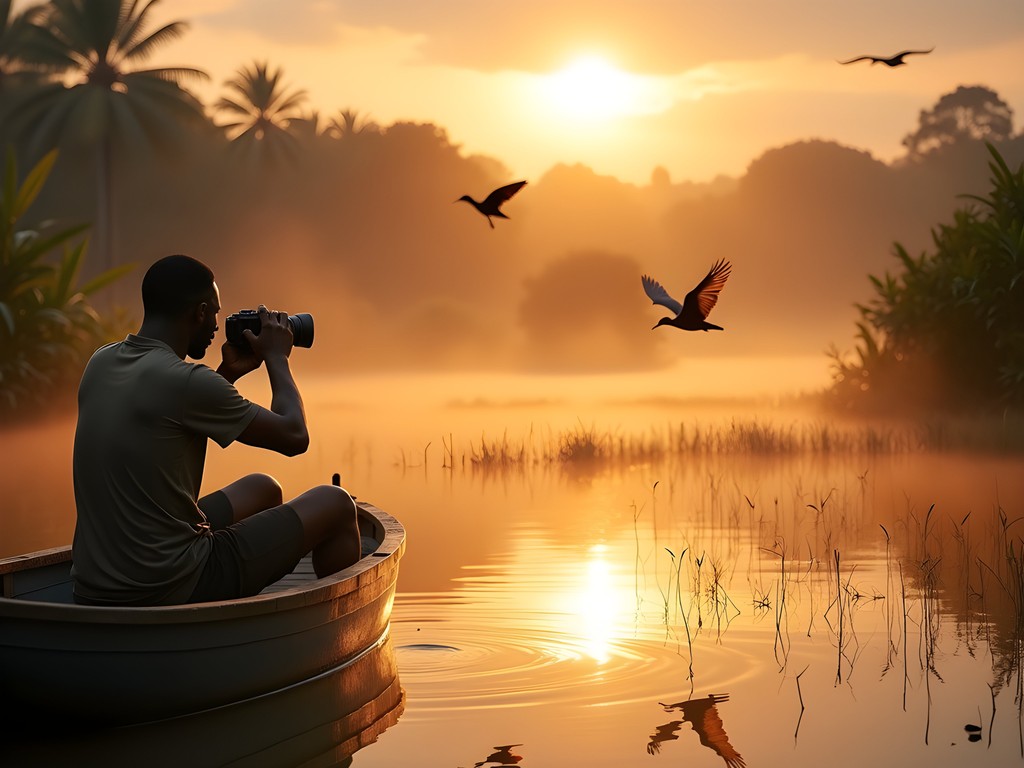
The early morning excursion (5:30am departure – worth every painful minute of the pre-dawn alarm) rewarded us with sightings of capybaras, caimans, and over 40 bird species including the magnificent jabiru stork. Our guide Fernando, an environmental science student, provided expert commentary that elevated the experience beyond mere wildlife spotting to understanding complex ecosystem interactions.
For photography enthusiasts, the river basin presents unique challenges and opportunities. The combination of humidity, changing light conditions, and movement (both wildlife and boat) demands versatile equipment. My telephoto zoom lens proved invaluable, allowing quick transitions between wide landscape shots and detailed wildlife close-ups without changing lenses on a rocking boat.
The most cost-effective wildlife viewing strategy combines guided excursions with independent exploration. After learning key habitat identification from Fernando, we spent subsequent mornings quietly paddling rented canoes ($5/hour) through smaller channels where we spotted river turtles, iguanas, and howler monkeys without paying additional guide fees.
One unexpected highlight came during our visit to Isla Salamanca National Park, where we hired a local fisherman-turned-guide ($15 for two hours) who showed us a nesting colony of scarlet ibis. The vibrant red birds against lush green mangroves created what I call a 'National Geographic moment' – the kind of experience travelers typically pay premium tour operators hundreds of dollars to facilitate.
💡 Pro Tips
- Book wildlife excursions directly through conservation organizations rather than hotels to save 50-70% on comparable experiences
- The best wildlife viewing occurs 6:00-8:30am and 4:30-6:30pm – schedule accordingly and avoid midday heat when animals are less active
- Bring binoculars – even inexpensive ones dramatically enhance wildlife spotting capabilities and eliminate the need for expensive camera equipment
Cultural Currents: Connecting with River Communities
The Magdalena River isn't merely a geographic feature – it's the cultural backbone of northern Colombia. My risk management background has taught me that the greatest travel value often comes through authentic cultural exchanges, which fortunately require minimal financial investment.
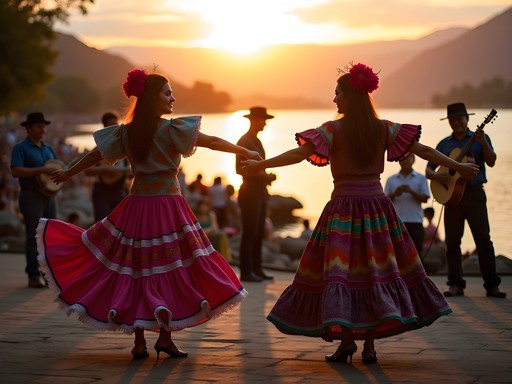
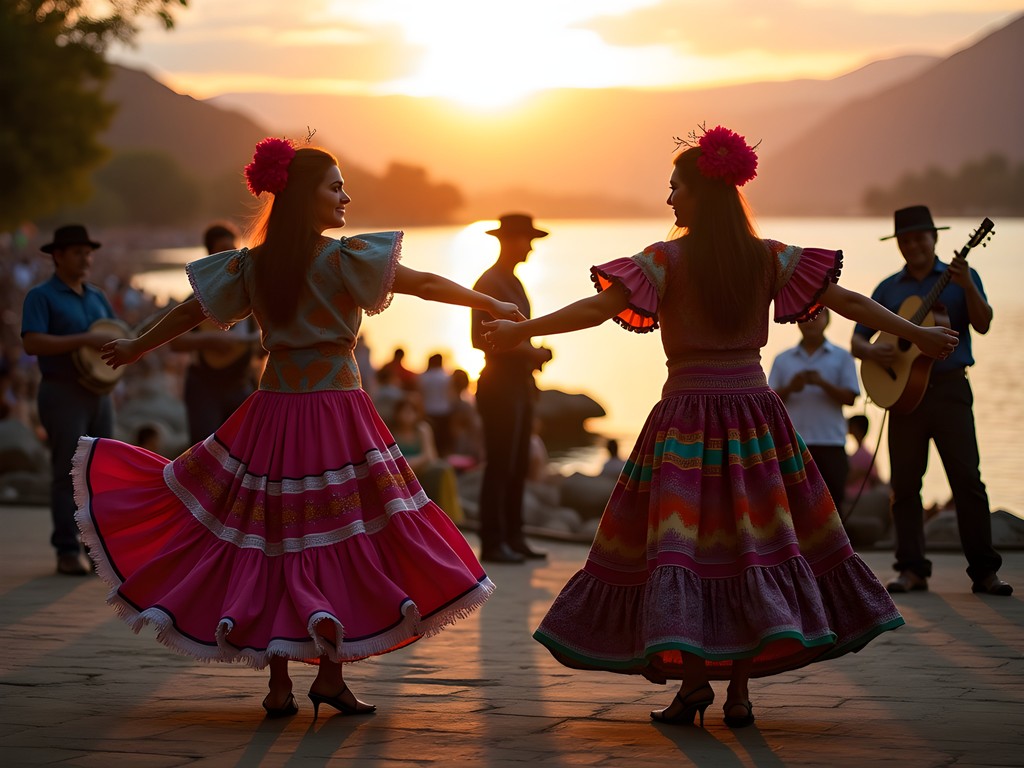
In Soledad and surrounding river communities, music provides the most accessible cultural entry point. On our third evening, we discovered a local gathering at Plaza Bolivar where cumbia dancers performed to live accordion and percussion. This impromptu cultural showcase – completely free – provided more authentic entertainment than any staged performance could deliver. The plaza comes alive Thursday through Sunday evenings, though specific performances aren't scheduled in advance (embracing this uncertainty is part of the experience).
Street art and murals along Soledad's riverside tell powerful stories of the region's history, environmental challenges, and cultural resilience. I've documented urban art across three continents, and the Magdalena's riverside murals rank among the most contextually meaningful I've encountered. Local artist collective Arte Río offers free walking tours on Saturday mornings – their insights transformed our understanding of pieces we might have otherwise viewed as merely decorative.
For a deeper cultural immersion, we participated in a traditional cooking class ($15/person) at Cocina Magdalena, where we learned to prepare viuda de bocachico (fish wrapped in banana leaves) and cayeye (mashed green plantains with cheese). Beyond acquiring culinary skills, these three hours provided invaluable conversation with local women about river life, changing traditions, and family histories.
To document these rich cultural experiences, I relied heavily on my compact camera. Its unobtrusive size allowed for candid photography in markets and community gatherings where larger equipment might have created distance between photographer and subject. The camera's excellent low-light performance proved particularly valuable during evening music performances.
The most meaningful cultural connection came unexpectedly when our boat developed mechanical problems near the village of Remolino. What could have been a frustrating delay became a highlight as we were invited to join a family's afternoon gathering while repairs were made. Three generations shared stories, coffee, and homemade cheese bread, refusing payment and requesting only that we 'tell others about our river.' This genuine hospitality – impossible to purchase at any price – exemplifies the Magdalena's true value.
💡 Pro Tips
- Learn basic cumbia dance steps before your trip – locals appreciate visitors who make even modest attempts to participate in cultural traditions
- Ask permission before photographing individuals, especially indigenous community members – a simple gesture and 'puedo?' (may I?) shows respect
- Bring small gifts from your home region to share with families who welcome you – local school supplies, postcards, or small practical items are appreciated
Final Thoughts
The Magdalena River Basin represents what I consider the ideal travel investment: high cultural returns with modest financial outlay. For approximately $750 per person (excluding international flights), our week delivered wildlife encounters, historical insights, and cultural connections that would cost triple elsewhere. The true value, however, transcends financial calculations. The Magdalena offers something increasingly rare – an authentic experience of a place where tourism infrastructure exists but hasn't yet transformed the underlying cultural fabric. As risk manager turned traveler, my final assessment is simple: the Magdalena River Basin delivers exceptional returns on both financial and experiential investments. The only significant risk? That this remarkable region won't remain under-touristed for long. My advice: calculate your vacation days, run the numbers, and make your way to this extraordinary river basin while it still offers such remarkable value for the budget-conscious cultural explorer.
✨ Key Takeaways
- The Magdalena River Basin offers exceptional value for budget travelers seeking authentic experiences
- Local connections provide the best opportunities for cost savings – from boat rentals to wildlife guides
- Shoulder season visits (early June or late August) balance good weather with lower tourist numbers
- Cultural immersion opportunities require minimal financial investment but yield the richest travel experiences
📋 Practical Information
Best Time to Visit
June to August (summer)
Budget Estimate
$100-150 per person per day including accommodations, food, activities and local transportation
Recommended Duration
5-7 days
Difficulty Level
Intermediate
Comments
wildguy
YES!! Finally someone writing about the Magdalena! This river is SO underrated. The biodiversity section is spot on - I saw caimans, capybaras, and like 50 different bird species in just three days. And the sunsets over the river? Absolutely unreal. Pro tip: go during the dry season (Dec-March) for better wildlife viewing. The locals in the fishing villages are some of the friendliest people I've ever met. Can't wait to go back!
dreamking
This looks awesome! Going to Colombia in August and hadn't even heard of Soledad. How do you get there from Cartagena? And do you need to speak Spanish? My Spanish is pretty basic lol
wildguy
It's super close to Barranquilla, maybe 2 hours from Cartagena by bus. Basic Spanish helps but you'll be fine with a translation app!
dreamking
thanks! definitely adding this to the itinerary now
Casey Andersson
Douglas, this is such a refreshing take on Colombia! I've been guilty of the Cartagena-Bogotá circuit myself. The way you've woven the historical context with practical budget advice is brilliant. I'm particularly intrigued by your mention of the ancient civilizations along the river - that's the kind of depth most travel content misses. Did you connect with any local historians or guides who could share oral histories? Those encounters always add such richness to a journey. Also, your point about 'high cultural returns with modest financial outlay' really resonates. Sometimes the most transformative experiences happen off the luxury trail.
Douglas Williams
Thanks Casey! Yes, I spent an afternoon with a local historian in Barranquilla who completely changed my perspective on the pre-Columbian trade routes. Those conversations are pure gold. Would love to see your take on the region if you make it out there!
photofan
I went last year and the wildlife was incredible! Saw pink river dolphins which was a bucket list moment. One tip - bring a good zoom lens if you're into photography because you can't always get super close to the animals. The local guides were amazing at spotting things we would have totally missed. How much did you budget per day Douglas?
Douglas Williams
Pink dolphins are magical! I averaged about $45-50 USD per day including accommodation, meals, and tours. Could definitely do it cheaper if you're really budget-conscious.
redbuddy
is it safe tho?
wildguy
Been to Colombia 3 times, it's way safer than people think! Just use common sense like anywhere else
Douglas Williams
Great question! I cover this in the Risk Manager's Approach section. Soledad itself is quite safe for travelers, especially when sticking to the river tour routes. I'd recommend traveling during daylight hours and booking with established operators.
smartlegend
Your section on 'River Economics' was super helpful. Did you find it easy to withdraw cash along the way, or should we bring enough pesos for the entire river journey? Heading there in December!
dreamclimber
How did you handle drinking water during your river journey? Planning a similar trip next year and wondering about purification options.
Douglas Williams
Great question! I used a combination of bottled water in towns and a water filter for emergencies. Most riverside communities have potable water or sell bottled water, but it's always good to have a backup.
Bryce Diaz
Douglas, you've captured the essence of what makes the Magdalena Basin special! As someone who's traveled solo through Colombia three times now, I can confirm your budget estimates are spot-on. The $40-50/day is totally doable if you're comfortable with local accommodations. My favorite memory was hiring a local fisherman near Soledad to take me out at dawn - cost me about $15 and a shared lunch, but the experience was priceless. We spotted river dolphins and he showed me traditional fishing methods his family had used for generations. For anyone planning a trip, the shoulder seasons (April-May or September-October) offer the best balance of weather and smaller crowds. The biodiversity section of your post doesn't exaggerate - it's truly a naturalist's paradise without the Amazonian price tag.
nomadseeker
Just read this and I'm inspired! I've only been to Bogotá and Medellín, but the river basin sounds amazing. How difficult was the Spanish language barrier in the smaller communities? My Spanish is pretty basic.
smartlegend
Not Douglas, but I was in that region last month. Basic Spanish goes a long way, but I'd recommend learning some river/nature vocabulary before going. People are patient with tourists though!
Casey Andersson
Douglas, your post brought back so many memories! I visited the Magdalena region last year, though I took a more luxury approach with a private guide. The contrast between the rustic river villages and the incredible biodiversity was striking. I spent three days at an eco-lodge near one of the tributaries where we spotted capybaras every morning during breakfast. One tip for anyone heading there - the humidity can be brutal, so pack accordingly. I brought my quick-dry towel which was a lifesaver for those impromptu river swims. Did you make it to any of the traditional riverside festivals? The music and dancing were highlights of my trip!
Douglas Williams
Casey, thanks for sharing! I did catch a small festival in one of the villages - completely unplanned but definitely a highlight. The locals pulled me into a cumbia dance circle despite my terrible rhythm!
Venture X
Premium card with 2X miles, $300 travel credit, Priority Pass