


Disclosure: This article contains affiliate links. We may earn a commission from purchases at no extra cost to you, which helps our travel content.
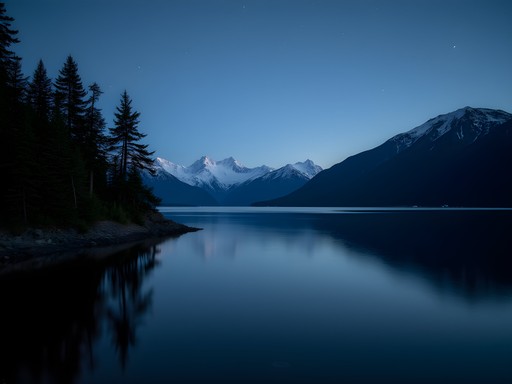
Standing on the shores of Sitka Sound at midnight, watching the celestial dance of stars reflected in the still waters below, I was reminded why this remote Alaskan outpost has captivated me for decades. As an astronomer who has gazed upward from observatories across six continents, I find that Sitka offers a rare convergence of natural phenomena—where maritime wilderness meets mountain majesty under some of North America's darkest skies. This southeastern Alaskan town, nestled between mountains and sea on Baranof Island, remains one of my favorite destinations for combining scientific observation with wilderness immersion.

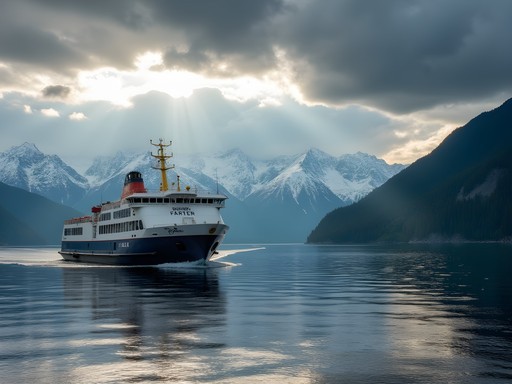
Navigating Sitka's Maritime Wilderness
My relationship with Sitka began thirty years ago during a research expedition to document traditional Tlingit navigation practices that incorporated celestial positioning. Today, exploring the waterways that surround this island community remains my preferred method of immersion.
For my recent summer visit, I chartered a small boat with Sitka Sound Tours for three consecutive days. While commercial operators offer structured experiences, I recommend seeking out local guides willing to customize excursions based on tide tables and weather conditions. My guide, Nels Peterson, a third-generation fisherman with indigenous roots, possessed an encyclopedic knowledge of hidden coves and wildlife patterns.
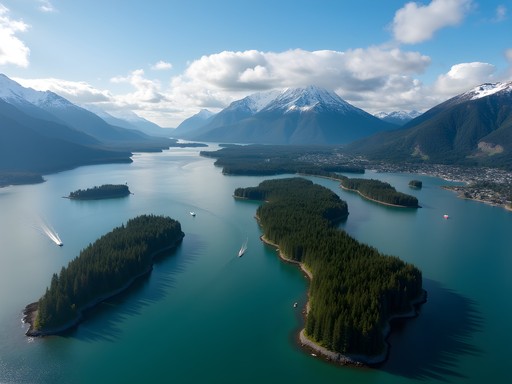
We navigated through narrow passages between densely forested islands, where I spotted numerous bald eagles, sea otters rolling playfully in kelp beds, and a pod of orcas hunting near Kruzof Island. For serious wildlife photography, I relied on my waterproof dry bag to protect my equipment during sudden squalls and unexpected spray.
The highlight came during our excursion to St. Lazaria Island, a volcanic seabird sanctuary where thousands of puffins, murres, and storm petrels create a cacophony against dramatic basalt cliffs. Having studied ancient maritime cultures that used seabird migrations for navigation, witnessing this spectacle connected my scientific interests with visceral experience.

💡 Pro Tips
- Book maritime tours at least two months in advance during peak summer season
- Request guides with knowledge of both wildlife and cultural history for a richer experience
- Pack polarized sunglasses to cut glare when spotting marine mammals
Ancient Trails and Alpine Adventures
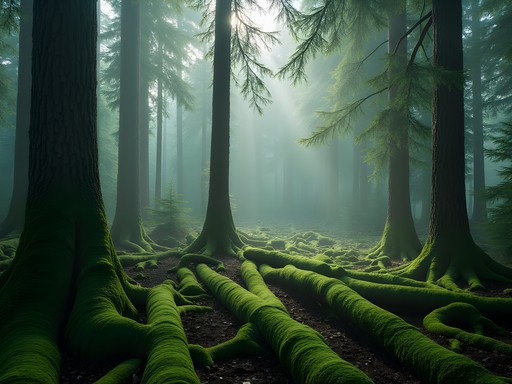
While Sitka's maritime environment initially drew me to the region, its network of hiking trails has kept me returning. The temperate rainforest that blankets Baranof Island hosts some of North America's most biologically diverse ecosystems outside the tropics—and some of its most challenging terrain.
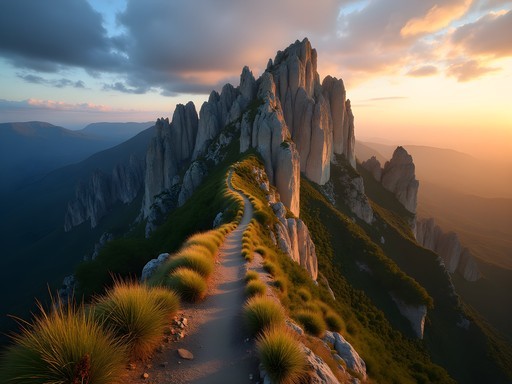
My favorite trail remains the Harbor Mountain to Gavan Hill route, a 6-mile ridge traverse that provides sweeping panoramas of the island archipelago. The trail begins at the 1,800-foot level (accessible via a winding forest road) and climbs through subalpine meadows bursting with wildflowers during July and August. The alpine section traverses exposed ridgelines where weather can change dramatically within minutes. My satellite messenger has proven invaluable here, as cell coverage disappears once you're beyond the initial ascent.
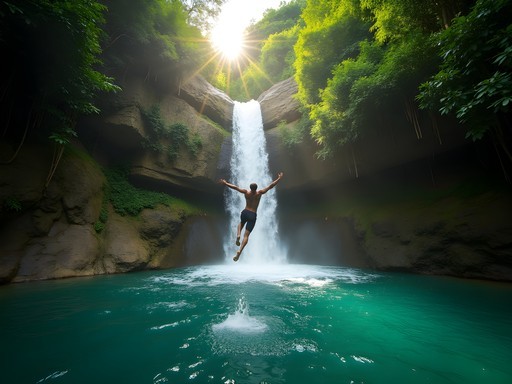
For those seeking a more moderate experience, the Indian River Trail offers a 4-mile journey through old-growth forest to a magnificent waterfall. The trail follows an ancient Tlingit route, and interpretive signs explain how the river's seasonal salmon runs sustained indigenous communities for millennia. As an astronomer fascinated by how cultures integrated celestial observation with resource management, I appreciate how the trail preserves this knowledge.
Prepare for Sitka's notoriously muddy conditions with proper footwear. My hiking boots have survived multiple Alaskan expeditions and provide excellent traction on slippery boardwalks and root systems that characterize these coastal rainforest trails.

💡 Pro Tips
- Carry bear spray and make noise while hiking, especially along salmon streams
- Layer clothing with synthetic or wool base layers that retain warmth when wet
- Check tide tables before beach hiking, as rising tides can cut off return routes
Dark Sky Observations in the Land of Midnight Sun
Conducting astronomical observations in Alaska presents unique challenges and rewards. During summer months, the extended daylight limits traditional stargazing, yet creates opportunities for specialized observations like noctilucent clouds—rare atmospheric phenomena visible only during twilight conditions at high latitudes.
For my recent visit, I planned around the new moon in late August when darkness returns to southeastern Alaska for several hours each night. I selected observation points away from Sitka's modest light pollution, including Blue Lake Road and Harbor Mountain's upper parking area. Both locations offer excellent horizons and relative accessibility.
While professional observatories use sophisticated equipment, I've found that quality portable tools suffice for meaningful observations. My red light headlamp preserves night vision while allowing me to consult star charts and make field notes. For temperature regulation during long observation sessions, I rely on my insulated sitting pad to prevent the ground's chill from becoming distracting.
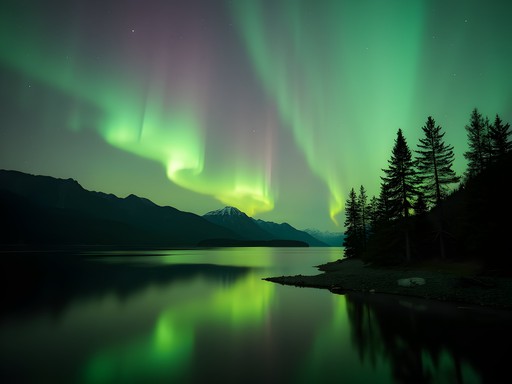
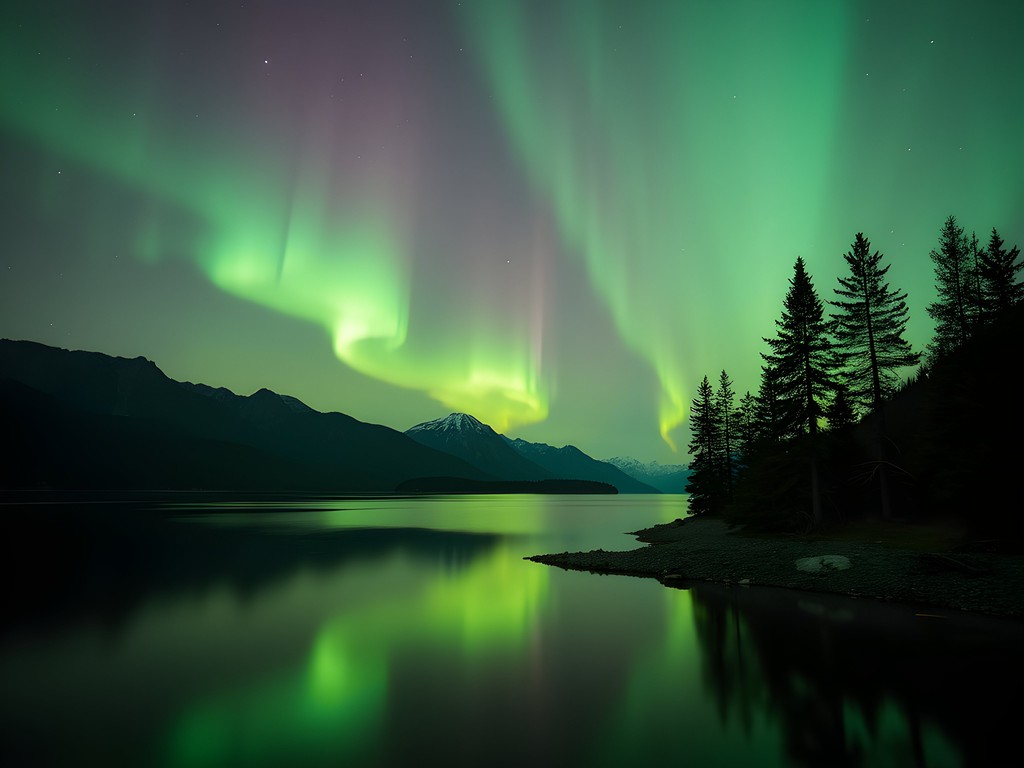
What makes Sitka particularly compelling for astronomical observation is the interplay between terrestrial and celestial environments. From Harbor Mountain, I've watched the aurora borealis reflect off distant glaciers while simultaneously observing its effects on the ionosphere through radio astronomy techniques. These moments connect my professional research with profound personal experience—a convergence that initially inspired my transition to science-focused travel writing.
💡 Pro Tips
- Download a star chart app that works offline before heading to remote observation sites
- Plan astronomical observations for August-September when darkness returns but before winter weather intensifies
- Bring chemical hand warmers for extended nighttime viewing sessions, even in summer

Cultural Immersion: Where Science Meets Tradition
What continually draws me to Sitka beyond its natural wonders is the rich cultural tapestry woven from Tlingit traditions, Russian colonial history, and contemporary Alaskan resilience. As someone who has documented indigenous astronomical knowledge worldwide, I find Sitka's cultural landscape particularly compelling.
The Sitka National Historical Park preserves the site of an 1804 battle between Tlingit defenders and Russian colonizers. Walking the totem trail, I'm always struck by how the carved figures incorporate celestial symbolism that guided maritime navigation and seasonal activities. The park's cultural center offers demonstrations of traditional arts, where I've had illuminating conversations with Tlingit elders about how star positions informed fishing and hunting practices.
The Russian Bishop's House provides another layer of historical context, showcasing how Orthodox Christianity adapted to this remote environment while influencing local artistic traditions. The building itself represents one of the few remaining examples of Russian colonial architecture in North America.
For a deeper understanding of how these cultural threads intertwine, I recommend the cultural guidebook which explores indigenous knowledge systems of the Pacific Northwest. While visiting the Sheldon Jackson Museum's extensive collection of Native Alaskan artifacts, I use my travel notebook to sketch astronomical motifs found in traditional tools and ceremonial objects, connecting my scientific background with indigenous knowledge systems.

💡 Pro Tips
- Attend evening storytelling sessions at the Sitka Cultural Center for insights into traditional knowledge
- Visit during the Sitka Summer Music Festival for performances that blend indigenous and classical traditions
- Purchase authentic Native art directly from certified Alaska Native artists to support cultural preservation
Final Thoughts
As my floatplane lifted off from Sitka's harbor on my final morning, banking over spruce-covered islands dotted across the sound, I reflected on how this remote Alaskan outpost continues to represent the perfect convergence of my passions. The dark skies that first brought me here as a young astronomer still offer celestial wonders, while the wilderness adventures available to solo travelers provide both physical challenge and spiritual renewal. Sitka's unique position—where indigenous knowledge, Russian colonial history, and natural sciences intersect—creates an intellectually stimulating backdrop for outdoor exploration.
For the solo traveler seeking more than mere recreation, Sitka offers a rare opportunity to connect physical adventure with cultural and scientific discovery. Whether you're navigating island passages where Tlingit mariners once used the stars as guides, hiking alpine ridges that showcase the region's geological drama, or simply watching the northern lights dance across the sound, Sitka rewards the curious and adventurous spirit. I'll return next August, when the darkness begins its gradual return to southeastern Alaska, bringing with it new opportunities to connect the stars above with the wilderness below in this extraordinary corner of our planet.
✨ Key Takeaways
- Sitka offers exceptional opportunities for combining wilderness adventure with cultural and scientific exploration
- Late August provides the ideal balance of accessible weather conditions and returning darkness for astronomical observation
- Local guides with indigenous knowledge provide the richest context for understanding this complex ecosystem
📋 Practical Information
Best Time to Visit
June through early September, with late August ideal for balanced daylight and darkness
Budget Estimate
$200-350 per day including accommodations, guided excursions, and meals
Recommended Duration
7-10 days minimum to experience maritime, forest, and cultural activities
Difficulty Level
Moderate To Challenging, Depending On Selected Activities


Comments
roamvibes
went to sitka last year and it was way better than i expected. the wildlife alone is crazy - saw whales, sea lions, and SO many eagles. bring good rain gear though, it can get wet even in summer. also the russian history there is really interesting if you're into that kind of thing
vacationstar
Anyone know if the floatplane tours are worth the cost? Trying to plan my budget for next summer
Casey Andersson
100% worth it. The aerial perspective of the islands and glaciers is something you simply can't get any other way. Book early though - they fill up fast in peak season!
vacationstar
Good to know, thanks!
Casey Andersson
This is stunning work, Scarlett! I visited Sitka last autumn and stayed at the Sitka Sound Science Center's accommodation - a bit more comfort than camping but still immersed in nature. What really struck me was exactly what you captured in your cultural immersion section: the way the Tlingit communities have maintained their connection to the land while also being at the forefront of marine conservation research. I took a private tour with a local guide who shared stories about traditional fishing grounds that are now part of scientific monitoring programs. It completely changed how I think about wilderness preservation. The luxury here isn't in fancy hotels - it's in having these profound, undisturbed experiences.
greenchamp
Beautiful photos!
Bryce Diaz
Scarlett, this brought back so many memories! I spent three weeks in Sitka back in 2019, and that maritime wilderness is unlike anywhere else I've been. The way the forest just plunges straight into the sea... I remember kayaking through those protected channels at dawn, watching sea otters crack open shellfish while bald eagles circled overhead. The silence was profound. Did you make it out to Kruzof Island? The hike to the dormant volcano there is absolutely worth the extra effort if you have the time.
exploreperson
Kruzof Island is on my bucket list now!
hikingwanderer
This looks amazing but I'm pretty new to wilderness hiking - are the trails beginner friendly? And when's the best time to visit?
Bryce Diaz
June through September is your sweet spot. The Indian River Trail is perfect for beginners - mostly flat and well-maintained. I'd avoid the alpine routes until you get more experience!
hikingwanderer
Thanks so much! That's really helpful
exploreperson
Sitka is absolutely incredible! Those night skies are unreal 🌟
islandway
Just booked my tickets after reading this! Can't wait to see those midnight skies in person! 🌟
starqueen
You're going to love it! I went last year and it was life-changing.
Gregory Boyd
Fascinating piece on Sitka's cultural intersection of science and tradition. Having visited three times over the past decade, I've observed how the Tlingit cultural practices are being documented and preserved at the Sitka Cultural Center. Their integration of traditional ecological knowledge with modern conservation science is particularly noteworthy. The guided interpretive walks through the temperate rainforest offer insights you simply can't get from books. For those planning to visit, I'd recommend allowing at least 4-5 days to properly explore both the wilderness and cultural aspects. The shoulder seasons (May or September) offer fewer crowds while still providing reasonable weather conditions for outdoor pursuits.
wildstar
This looks amazing! I'm thinking of visiting in April - is that too early in the season? Would love to do some of these hikes but worried about conditions.
Scarlett Cox
April can be tricky - the alpine trails might still have snow, but lower elevation hikes like Starrigavan and the Totem Trail should be accessible. The maritime activities are year-round. Pack layers and be prepared for rain!
Kimberly Murphy
April in Sitka is actually wonderful for wildlife! Fewer tourists and you might catch the tail end of the northern lights season. The whale migration is just beginning too. Just be flexible with your plans as weather can change quickly!
wildstar
Thanks both! Sounds like I should go for it but pack for all conditions. So excited about possibly seeing the northern lights!
Venture X
Premium card with 2X miles, $300 travel credit, Priority Pass