

Disclosure: This article contains affiliate links. We may earn a commission from purchases at no extra cost to you, which helps our travel content.
Fifteen years after my first encounter with Alaska's raw beauty, I find myself drawn back to these northern waters time and again. Sitka, nestled between towering mountains and the island-studded Pacific, represents everything I've come to love about the Last Frontier. Unlike the cruise-dominated ports of Juneau or Ketchikan, Sitka offers a more authentic connection to Alaska's marine heritage. This past summer, I spent a week exploring its waterways, discovering that in this remarkable corner of the world, boats aren't just transportation—they're a way of life, a cultural touchstone, and your gateway to wilderness experiences that remain gloriously untamed.

Understanding Sitka's Maritime Geography
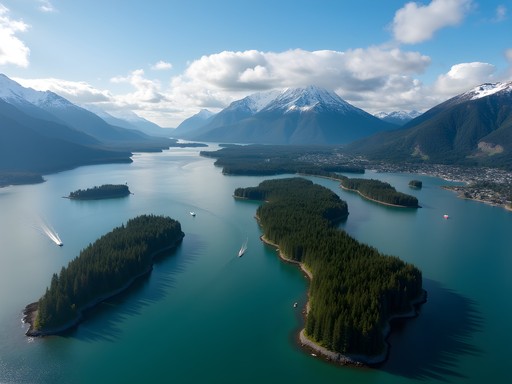
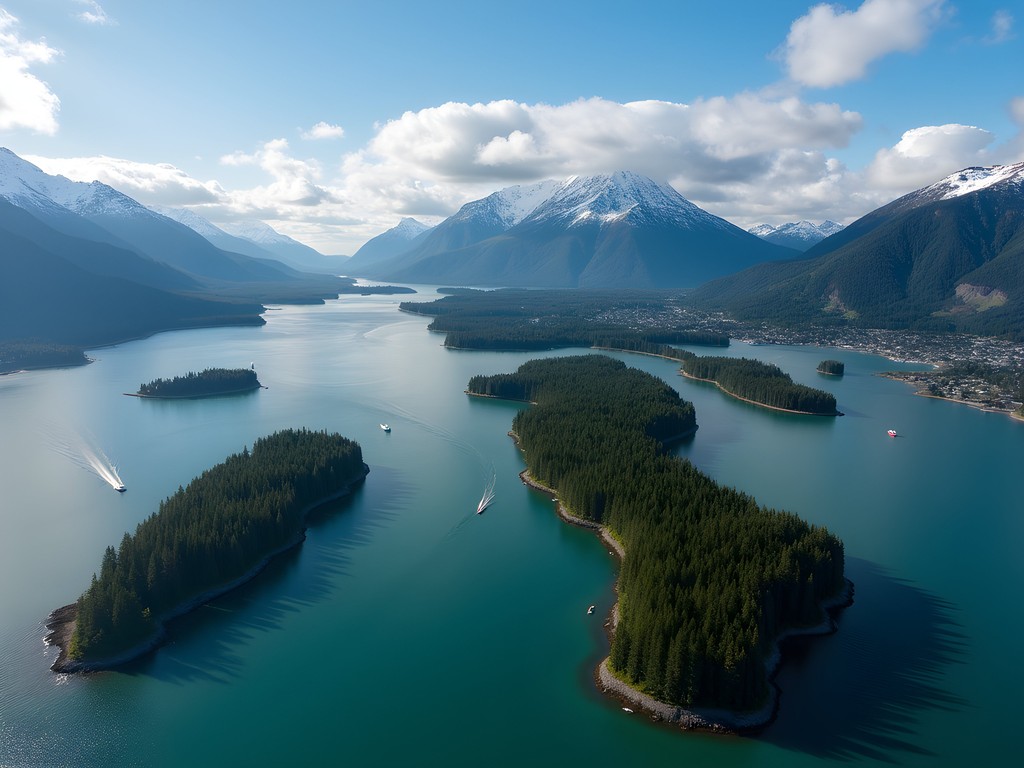
Sitka's position on Baranof Island's western shore means that unlike many Alaskan communities, it faces the open Pacific rather than sheltered inside passages. This geographical reality shapes everything about marine travel here. The community spreads along a narrow strip between mountains and sea, with most residents living within view of Sitka Sound—a body of water dotted with over 1,000 islands and islets.
This archipelagic landscape means that boats aren't a luxury but a necessity. During my week-long stay, I quickly realized that understanding Sitka's waterway network is as essential as knowing street layouts in a typical city. The sound itself functions as a natural harbor, protected by the volcanic cone of Mt. Edgecumbe rising from Kruzof Island to the west.
What makes this setting particularly remarkable is how the indigenous Tlingit people navigated these waters for millennia before European contact, developing sophisticated knowledge of tides, currents, and seasonal patterns. Their traditional cedar canoes have evolved into today's modern fishing fleet and water taxis, but the intimate connection to these waterways remains unchanged.
💡 Pro Tips
- Study marine charts before arrival to understand the layout of Sitka Sound
- Download the NOAA Marine Forecast app for real-time weather conditions
- Learn basic tide table reading—activities in Sitka revolve around tidal schedules
Essential Marine Transportation Options
My exploration of Sitka's waterways revealed five distinct transportation options, each offering unique advantages depending on your adventure goals.
1. Water Taxis These nimble craft serve as Sitka's equivalent of ride-sharing services. Local operators like Sitka Sound Ocean Adventures provide on-demand transportation to remote beaches, trailheads, and outer islands. During my stay, I used them twice to access the Cross Trail's northern terminus and saved hours of hiking. Expect to pay $120-200 per hour depending on distance and group size.
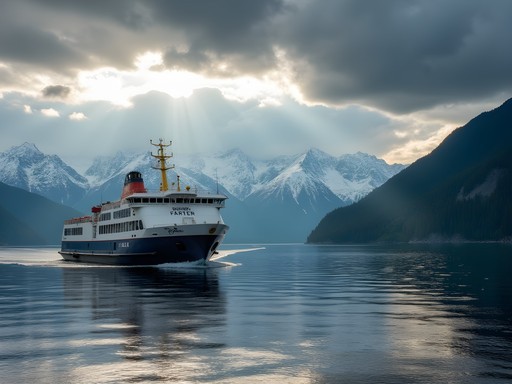
2. Alaska Marine Highway System The state ferry system connects Sitka to communities throughout Southeast Alaska. Unlike the rushed schedule of cruise ships, these working vessels allow you to experience the Inside Passage at a more meaningful pace. I boarded in Juneau for the 8-hour journey to Sitka, spending the time on the observation deck with my binoculars spotting orcas and sea lions along the way.
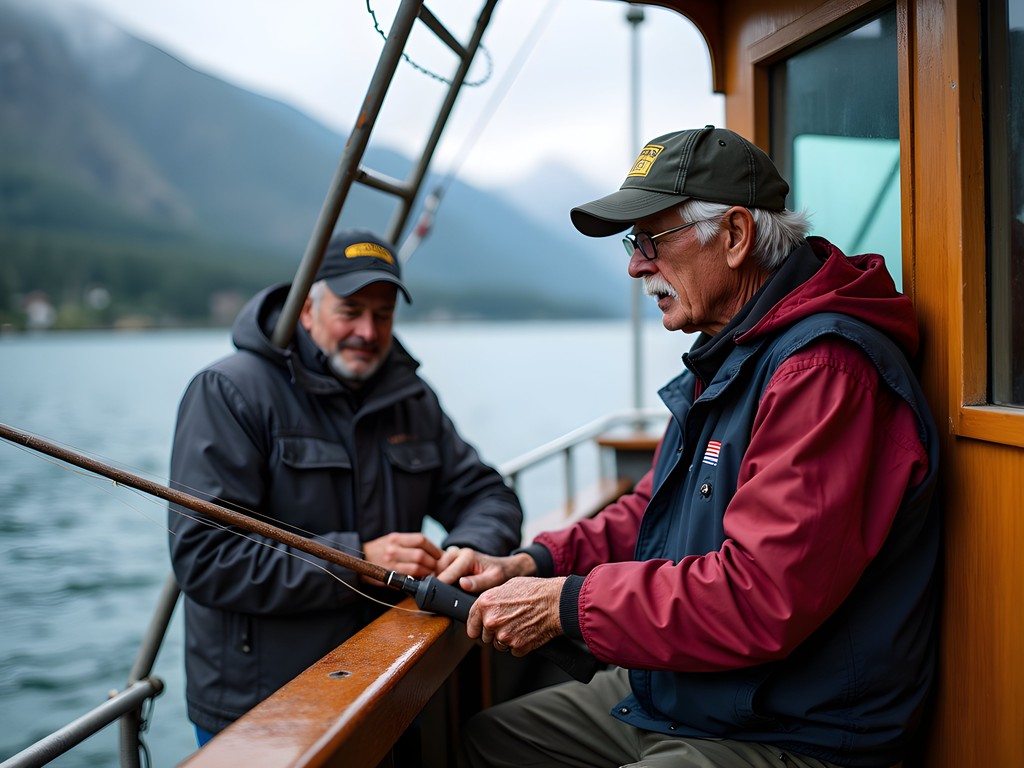
3. Fishing Charters Beyond just catching fish, these excursions provide access to remote waterways while learning from captains with encyclopedic knowledge of local waters. Half-day charters start around $200 per person, with full-day experiences ranging from $350-500.
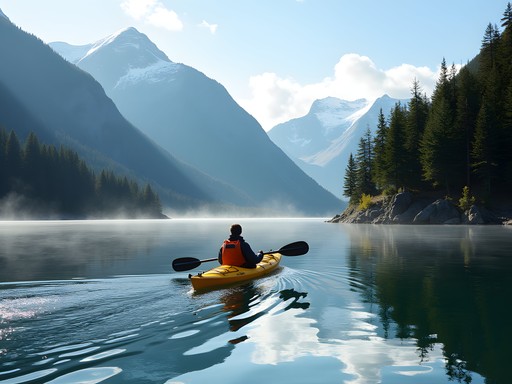
4. Kayak Rentals For the self-sufficient explorer, kayaking offers intimate connection with Sitka's marine environment. Rental outfitters like Sitka Sound Ocean Adventures provide quality sea kayaks with all necessary safety equipment. I spent two full days paddling the protected waters of Eastern Channel, discovering hidden coves inaccessible by larger craft.
5. Small Cruise Vessels Companies like Allen Marine and Alaskan Dream Cruises operate day trips and multi-day excursions on vessels carrying 20-60 passengers. These smaller boats navigate passages too narrow for conventional cruise ships, providing access to wildlife hotspots while maintaining a low environmental impact.
💡 Pro Tips
- Book water taxis at least 48 hours in advance during peak summer season
- Bring motion sickness remedies even for short trips—Pacific swells can be unpredictable
- Always pack extra layers and rain gear for any water excursion
Wildlife Viewing by Water
Sitka's marine ecosystem ranks among North America's most diverse and accessible wildlife viewing environments. Unlike land-based observation, which often requires long hikes and patience, water travel puts you directly into wildlife habitat.
During my week exploring these waters, I encountered humpback whales on five separate occasions. The most memorable sighting occurred near Kruzof Island, where a mother and calf breached repeatedly less than 100 yards from our boat. Sea otters proved nearly ubiquitous throughout Sitka Sound, floating on their backs while using their bellies as natural dining tables.
For serious wildlife photography, I recommend scheduling a dedicated wildlife cruise. Allen Marine's 3-hour tours ($150) provide stabilized viewing platforms ideal for using telephoto lenses. Bring a weather-resistant camera with zoom capabilities, as wildlife encounters often happen in misty conditions.
What surprised me most was the accessibility of Sitka's marine bird colonies. Eastern Channel hosts thousands of tufted puffins, whose comical appearance and remarkable diving abilities provide endless entertainment. St. Lazaria Island, a protected wildlife refuge accessible only by boat, hosts over 500,000 nesting seabirds during summer months.
For the truly adventurous, kayaking provides wildlife encounters impossible from larger vessels. Paddling silently through kelp forests, I observed harbor seals at close range without disturbing their natural behavior. Just remember that all marine mammals are protected by federal law—maintain minimum distances of 100 yards from whales and 50 yards from seals and sea lions.

💡 Pro Tips
- Early morning (6-9am) offers optimal wildlife viewing with calmer waters
- Bring binoculars with image stabilization for spotting distant wildlife from moving boats
- Ask local captains about recent wildlife sightings—they share information with each other daily

Connecting with Local Maritime Culture
What distinguishes Sitka from other Alaskan destinations is its living maritime heritage—a blend of Tlingit traditions and commercial fishing culture that continues to define daily life. To truly understand this community, you must engage with the people whose livelihoods depend on these waters.
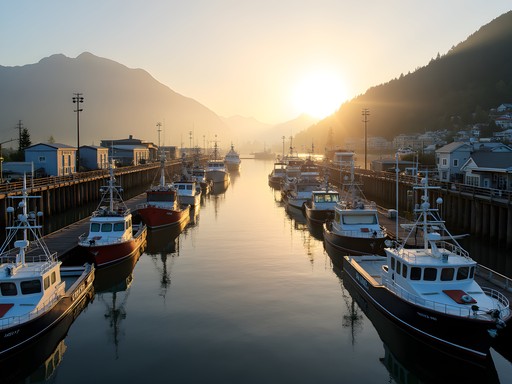
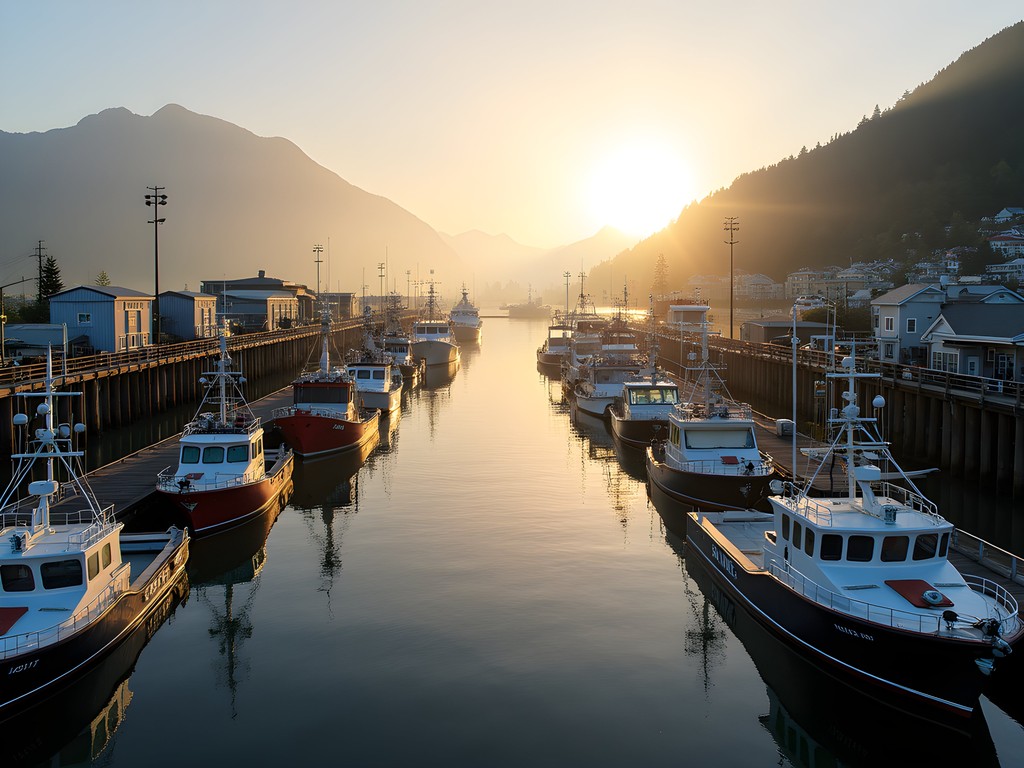
The Sitka Maritime Heritage Center offers excellent context through exhibits on traditional and modern boat-building techniques. Their two-hour harbor walking tour ($25) provides insights into working waterfront operations rarely visible to visitors.
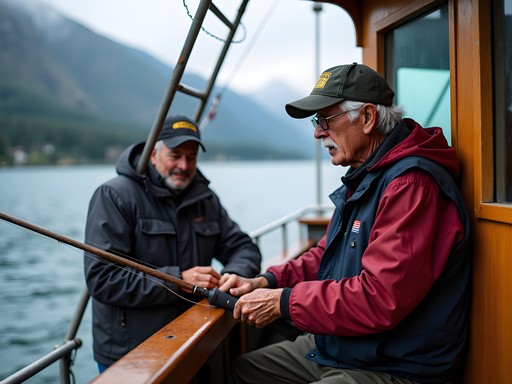
For a deeper connection, I highly recommend scheduling a day trip with a local fishing family through the Fishermen's Direct Marketing Association. I spent a memorable day with Captain James, a third-generation troller who demonstrated traditional salmon fishing methods while sharing stories of growing up on these waters. These experiences typically cost $300-400 but include fresh seafood and perspectives impossible to gain otherwise.
Don't miss the Alaska Raptor Center's lesser-known marine bird rehabilitation facility, where injured seabirds receive specialized care. Their behind-the-scenes tour ($75) demonstrates the interconnectedness of Sitka's marine and terrestrial ecosystems.
Perhaps my most meaningful cultural experience came through participating in the Sitka Seafood Festival held each August. Volunteering at the fish-cleaning station alongside local residents, I learned traditional preservation techniques passed down through generations. The fillet knife I purchased there has become both a practical tool and cherished souvenir of this authentic cultural exchange.
💡 Pro Tips
- Learn basic Tlingit greetings to show respect when interacting with indigenous community members
- Visit the Sitka Sound Science Center's touch tanks to understand the marine species sustaining local culture
- Schedule harbor tours for weekday mornings when commercial fishing activity is highest
Planning Your Water-Based Sitka Itinerary
After multiple visits to Southeast Alaska, I've developed a framework for maximizing water-based experiences in Sitka. This suggested itinerary balances structured tours with independent exploration while accounting for weather contingencies—an essential consideration in this maritime climate.
Day 1: Orientation Begin with the Sitka Historical Walking Tour (includes harbor area), then visit the Sitka Sound Science Center to understand the marine ecosystem you'll be exploring. Afternoon: Harbor kayak rental (2-3 hours) to gain confidence on water and observe harbor operations.
Day 2: Wildlife Focus Morning wildlife cruise (3-4 hours) to St. Lazaria Island bird colonies and whale feeding grounds. Afternoon visit to Alaska Raptor Center to understand ecosystem connections. Evening: Sunset photography cruise around Eastern Channel islands.
Day 3: Cultural Immersion Schedule a half-day experience with a local fishing family or Native cultural guide. These arrangements typically require advance booking through the Sitka Cultural Center. Evening: Process and organize photos using a portable external hard drive to backup images from your adventures.
Day 4: Independent Exploration Rent a kayak for full-day exploration of nearby islands (weather permitting). Alternatively, arrange water taxi service to remote beaches like Kamenoi Point for beachcombing and hiking. Evening: Seafood dinner at a restaurant serving locally-caught fish.
Day 5: Active Adventure Fishing charter (half-day or full-day) targeting seasonal species. These excursions provide both recreation and insight into sustainable harvesting practices. Prepare for variable conditions with quality waterproof gloves to protect hands during extended time on water.
Day 6: Outer Reaches Arrange water taxi service to more distant locations like Kruzof Island for hiking to volcanic beaches. This combines marine transportation with terrestrial exploration. Allow 6-8 hours for this full-day adventure.
Day 7: Integration Schedule lighter activities allowing flexibility. Visit Maritime Heritage Center to contextualize your experiences. Consider a final evening kayak rental to photograph Sitka's harbor at sunset—the golden light on Mt. Edgecumbe creates unforgettable images.

💡 Pro Tips
- Build weather buffer days into your itinerary—marine excursions frequently reschedule due to conditions
- Book your most important water activities early in your trip to allow for weather rescheduling
- Purchase a waterproof phone case rather than relying on zip-lock bags for electronics protection
Final Thoughts
As my floatplane lifted off from Sitka's harbor on my final morning, I gazed down at the intricate network of waterways I'd spent a week exploring. What began as intimidating complexity had transformed into a navigable landscape filled with meaning and connection. Sitka's marine environment offers far more than transportation between points—it provides a profound way to understand Alaska's cultural heritage, ecological richness, and enduring wilderness.
The key to meaningful engagement with these waters lies in approaching them with both respect and curiosity. Whether you're observing humpbacks from a wildlife cruise, learning traditional fishing methods from multi-generational captains, or silently paddling your own kayak through protected coves, Sitka's waterways reward those willing to venture beyond conventional tourism.
As climate change and increased visitation create new pressures on this remarkable ecosystem, responsible exploration becomes increasingly important. Support operators demonstrating environmental stewardship, respect wildlife viewing guidelines, and consider contributing to local conservation efforts like the Sitka Conservation Society. By navigating these waters mindfully, we ensure future generations can experience the same sense of discovery and connection that makes Sitka's maritime landscape so extraordinary.
✨ Key Takeaways
- Water transportation in Sitka isn't just functional—it's the primary way to access wilderness experiences and cultural connections
- Smaller vessels (kayaks, water taxis) provide more intimate experiences than larger cruise operations
- Understanding basic maritime safety and weather patterns is essential for enjoyable water-based activities
- Engaging with local maritime knowledge holders significantly enriches the experience beyond scenery viewing
📋 Practical Information
Best Time to Visit
May through September, with July-August offering most reliable weather
Budget Estimate
$1500-2500 for a week (excluding flights), including accommodations and daily water activities
Recommended Duration
5-7 days minimum to experience multiple marine environments
Difficulty Level
Moderate - Requires Basic Mobility And Comfort On Moving Watercraft






Comments
Sage Dixon
Timothy's guide is comprehensive, but I'll add one adventure option he didn't mention: packrafting. If you're comfortable with a bit of wilderness adventure, packrafts let you access remote inlets and coves around Sitka that larger boats can't reach. Last April, I paddled into a hidden lagoon on the north side of Kruzof Island and had a magical afternoon watching sea otters cracking shells on their bellies while bald eagles soared overhead. The silence was incredible. Just remember to file a float plan with someone in town if you're heading out solo, and always check weather conditions with locals. The Sitka Sound can change from mirror-calm to choppy in under an hour.
Bryce Diaz
Sage, that packrafting tip is gold! Did you bring your own or rent locally? Might try this on my next visit.
Sage Dixon
Brought my own, Bryce, but Sitka Sound Outfitters started renting them last year. They're not cheap ($65/day) but worth every penny for the freedom they give you!
roamace
Never been to Alaska before but this looks incredible! Is Sitka good for first-timers or should I start somewhere else?
Timothy Robertson
Sitka is actually perfect for first-timers! It's more accessible than some other SE Alaska towns and has great infrastructure. The community is welcoming to visitors too.
skymate
OMG the section about connecting with local maritime culture is SPOT ON! We did the fishermen's breakfast at the harbor cafe and ended up chatting with a crew heading out for halibut. They shared so many amazing stories!
Claire Hawkins
Timothy, this brought back such wonderful memories! We took our kids (7 and 9) to Sitka last summer and the marine transportation was honestly the highlight of their trip. They still talk about the floatplane ride. One tip for families - we found the morning wildlife tours were much better for keeping the little ones engaged. The waters were calmer and we saw so many sea otters and seals. Also, bring extra layers even in summer! The wind on the water is no joke. We learned that the hard way on day one. Your section on connecting with local maritime culture really resonated - we met a Tlingit fisherman who shared stories about traditional navigation methods. Those authentic moments are what travel is really about.
roamace
Great tip about the morning tours! Did you book those in advance or just show up?
Claire Hawkins
We booked 2-3 days ahead during our stay. Peak season fills up fast but you don't need to book months in advance.
Claire Hawkins
Timothy, this brought back so many memories! We took our two kids to Sitka three years ago and the water taxi experience was absolutely magical. My daughter still talks about the sea otters we spotted near the harbor. One tip I'd add for families - book your marine tours early in the day. The afternoon winds can pick up and make it rougher for little ones. We learned that the hard way! Also, the local fishing boat captains at the docks are incredibly friendly and love sharing stories about the area. Some of them offer informal tours that aren't advertised anywhere. Worth asking around!
cityguy
This looks amazing! Quick question - how much time should we budget for the ferry rides between islands? Planning a trip for May.
Claire Hawkins
Hey! I'd recommend at least 3-4 hours for the main routes, but honestly the ferry rides are part of the experience - we saw whales on two different crossings! May should be beautiful there.
cityguy
Oh wow, didn't realize we might see whales from the ferry! Thanks!
luckyhero
Just got back from Sitka two weeks ago and this guide would've been so helpful! We did end up taking Captain Pete's wildlife tour that Timothy mentioned and saw SO many humpbacks. One breached completely out of the water about 50 yards from our boat! The captain knew exactly where to go and when. We also tried the public water taxi system which was surprisingly easy to navigate even for tourists. One tip I'd add - we packed our own binoculars but they weren't powerful enough for spotting wildlife at a distance. We ended up renting better ones from the tour company for $10/day which was totally worth it. marine binoculars would be a good investment if you're planning multiple Alaska trips.
travelmate
This is awesome! Quick question - did you use the water taxis much? Trying to figure out if they're worth it vs just doing the tour boats.
Timothy Robertson
Water taxis are definitely worth it! They're more flexible than tour boats and the locals who run them know all the hidden spots. I used Sitka Sound Water Taxi twice and both times were great.
travelmate
Perfect, thanks! That's exactly what I needed to know.
tripfan7880
Planning our first Alaska trip for next summer and Sitka is on our list. Is the Alaska Marine Highway System ferry reliable? Heard mixed things about schedules changing.
skymate
Used it twice last year - definitely book way ahead and be flexible. Weather delays happen, but the views make it worth it! Download their app for updates.
Bryce Diaz
Timothy, your post took me right back to my own Sitka adventure last summer! I spent three days exploring those same waterways on a rented kayak, and the perspective you get from sea level is completely different. One morning, I pushed off from Crescent Harbor at dawn and paddled through a mystical fog that parted to reveal a pod of orcas about 200 yards away. Absolutely breathtaking. I'd add that locals recommended the 'Harbor to Harbor' water taxi for anyone short on time - gives you a quick tour of the main waterfront highlights for about half the price of the touristy options. Did you happen to visit the Maritime Heritage Center while you were there?
tripfan7880
Did you need any kayaking experience for renting there? Thinking of trying it but I'm a total beginner.
Bryce Diaz
Not at all! The outfitters near the harbor offer quick lessons for beginners. They'll set you up with a stable sea kayak and stick to the protected coves if you're new to it. Just be sure to book a few days ahead during summer!
Venture X
Premium card with 2X miles, $300 travel credit, Priority Pass