Disclosure: This article contains affiliate links. We may earn a commission from purchases at no extra cost to you, which helps our travel content.
The Bighorn Mountains rise like silent sentinels from Wyoming's plains, harboring secrets that most tourists speeding toward Yellowstone will never discover. Last summer, while researching acoustic properties of natural amphitheaters in the American West, I found myself in Sheridan—a charming town where cowboy heritage meets unexpected wilderness. With Pallas happily trotting beside me, I spent weekends exploring trails known primarily to locals, each one offering a different perspective on the rich cultural and geological tapestry of this overlooked corner of Wyoming. These paths tell stories spanning millennia—from ancient Indigenous gathering places to hidden homesteader ruins—all waiting just beyond the town limits.

Red Grade Trail: Where History Echoes
The Red Grade Trail system offers what I consider the perfect introduction to Sheridan's hidden landscape. Unlike the more trafficked paths in the region, this network of interconnected trails provides a choose-your-own-adventure experience through varied terrain. What fascinates me most are the subtle traces of human history etched into the landscape—from faint wagon wheel ruts to stone circles left by Indigenous peoples centuries ago.
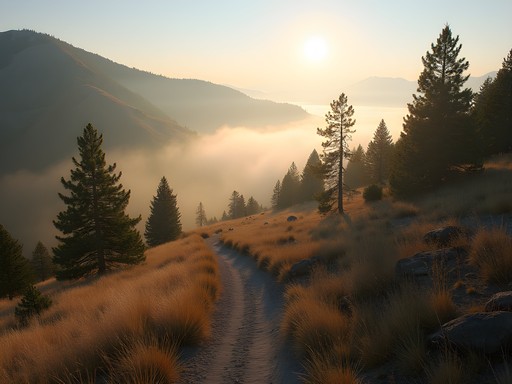
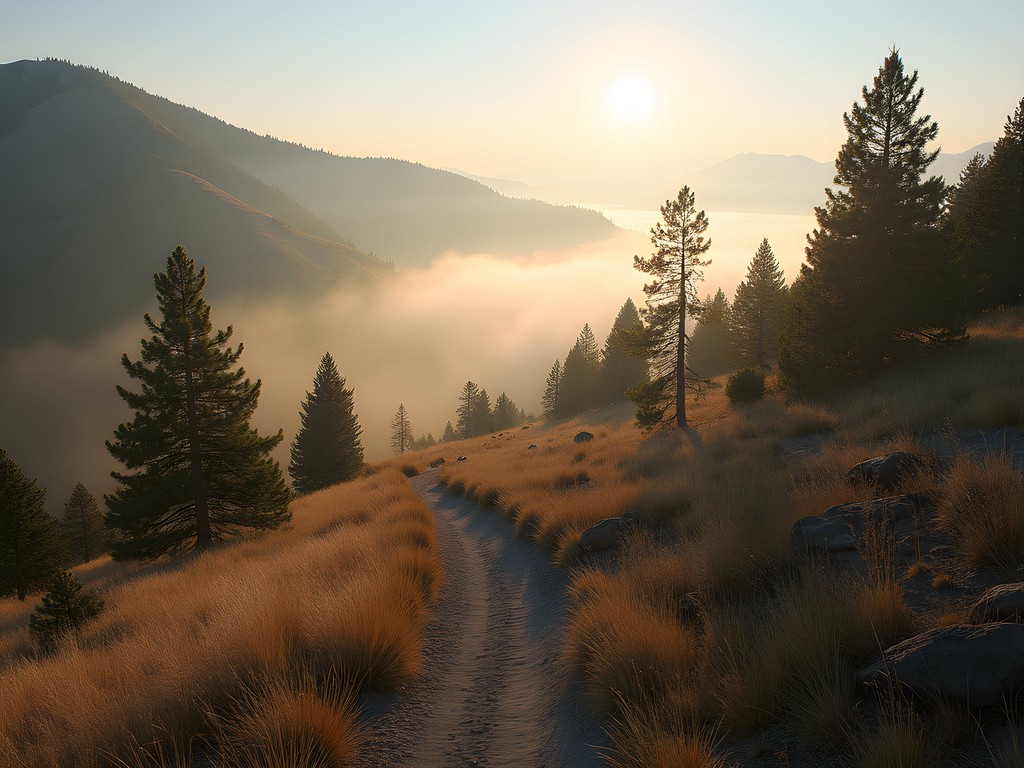
During my research visit, I spent a misty morning hiking the 3.2-mile Hidden Hoot Loop with Pallas. The trail gains approximately 400 feet in elevation, offering stunning views across the plains while remaining accessible to intermediate hikers. I was particularly struck by the acoustic properties of a natural bowl formation about two-thirds of the way up—where even whispered words seem to carry across the space with remarkable clarity.
Before setting out, I applied my trusty natural insect repellent, which kept the summer mosquitoes at bay without the harsh chemical smell of conventional sprays. The scent blends beautifully with the sage and pine that dominate the landscape.
💡 Pro Tips
- Start early to avoid afternoon thunderstorms common in summer months
- The trailhead parking area is small, so arrive before 9am on weekends
- Bring trekking poles for the occasional steep sections with loose gravel
Soldier Creek Trail: A Geological Time Capsule
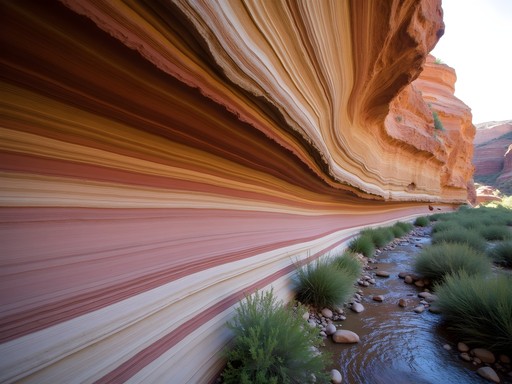
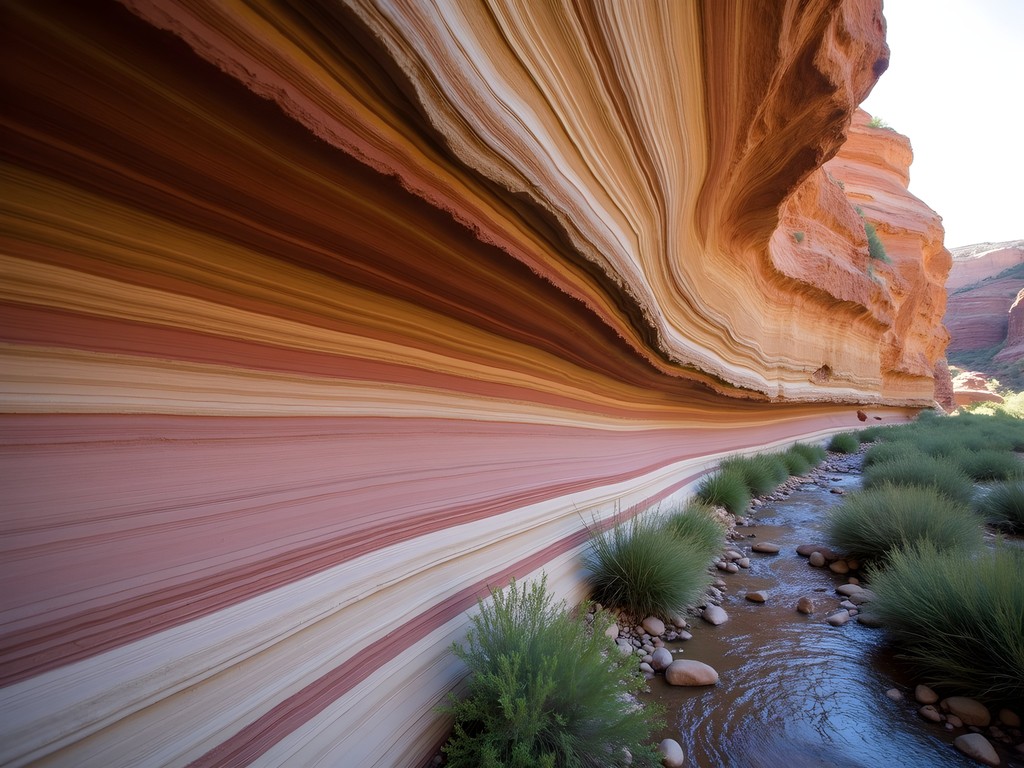
My academic curiosity was particularly piqued by Soldier Creek Trail, a 4.5-mile out-and-back path that receives minimal foot traffic despite its extraordinary geological features. The trail follows an ancient creek bed where erosion has exposed rock layers spanning hundreds of millions of years—a veritable textbook of Earth's history written in stone.
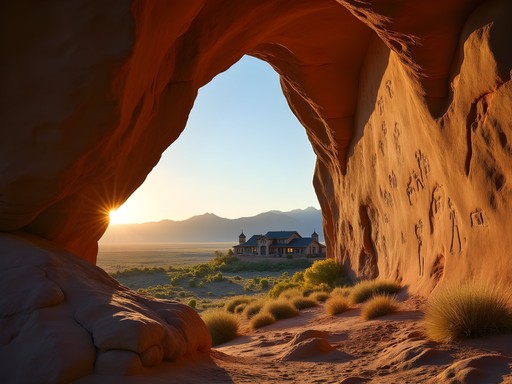
What makes this trail special is the presence of several small caves and overhangs that once provided shelter to both Indigenous peoples and later, to soldiers from nearby Fort Phil Kearny in the 1860s (hence the trail's name). I spent an afternoon documenting the surprising acoustic properties of these natural shelters, finding that even the smallest cave amplifies sound in ways reminiscent of purposefully designed ancient structures I've studied in Greece and Peru.
The trail climbs steadily but not steeply, gaining about 600 feet in elevation. While hiking here, I was grateful for my water filter bottle which allowed me to safely refill from Soldier Creek itself, extending my exploration time without carrying excessive weight.
💡 Pro Tips
- Bring a headlamp to safely explore the shallow caves along the route
- Download a geology guide before visiting to identify the different rock formations
- The creek crossing can be challenging after heavy rain—be prepared for wet feet
Medicine Wheel Passage: Sacred Perspectives
While technically outside Sheridan proper, this lesser-known approach to the famous Medicine Wheel deserves inclusion for couples seeking a more intimate experience of this sacred site. Most visitors drive directly to the Medicine Wheel parking area, but I discovered a local secret: a 3-mile trail beginning near Bald Mountain Campground that approaches the site from the west, offering solitude and spectacular vistas.
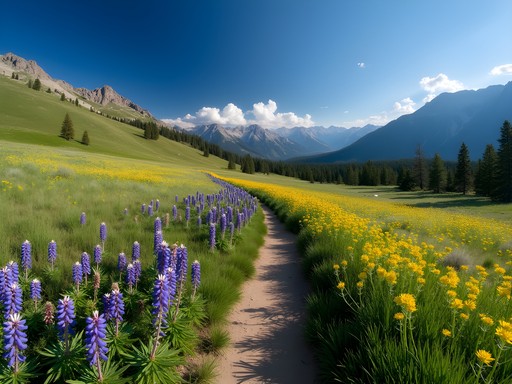
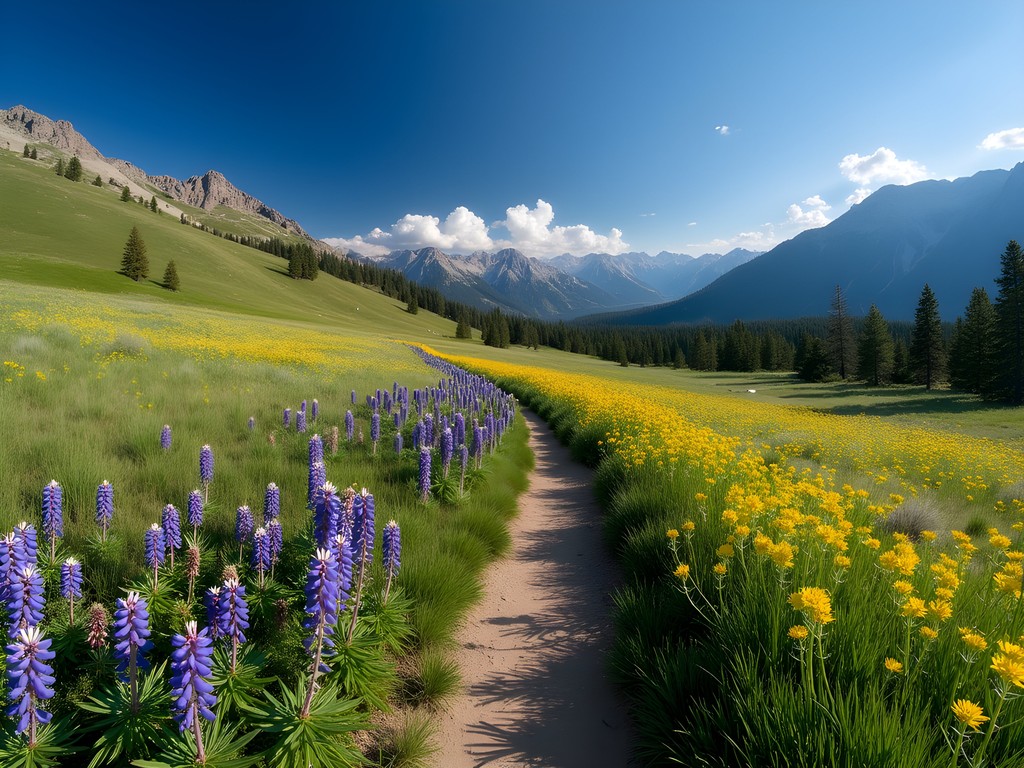
As an anthropologist, I find this approach particularly meaningful as it mirrors the traditional pilgrimage routes used by Indigenous peoples for centuries. The trail climbs gradually through alpine meadows bursting with wildflowers in summer months, eventually offering views that extend for nearly 100 miles on clear days.
The final approach to the Medicine Wheel itself feels ceremonial—an experience entirely different from the standard tourist visit. I recommend packing a lightweight blanket to sit in quiet contemplation at one of the viewpoints along the way. Mine has accompanied me to sacred sites worldwide and provides both practical comfort and a sense of respectful space-creation when visiting culturally significant locations.
💡 Pro Tips
- This trail sits at high elevation (9,000+ feet)—allow time to acclimate before attempting
- Carry extra water as there are no sources along the route
- Remember this is an active sacred site for many Indigenous groups—observe respectful silence and do not disturb offerings

Tongue River Canyon: Acoustic Wonders
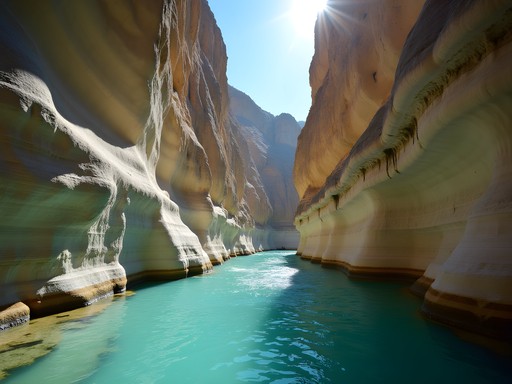
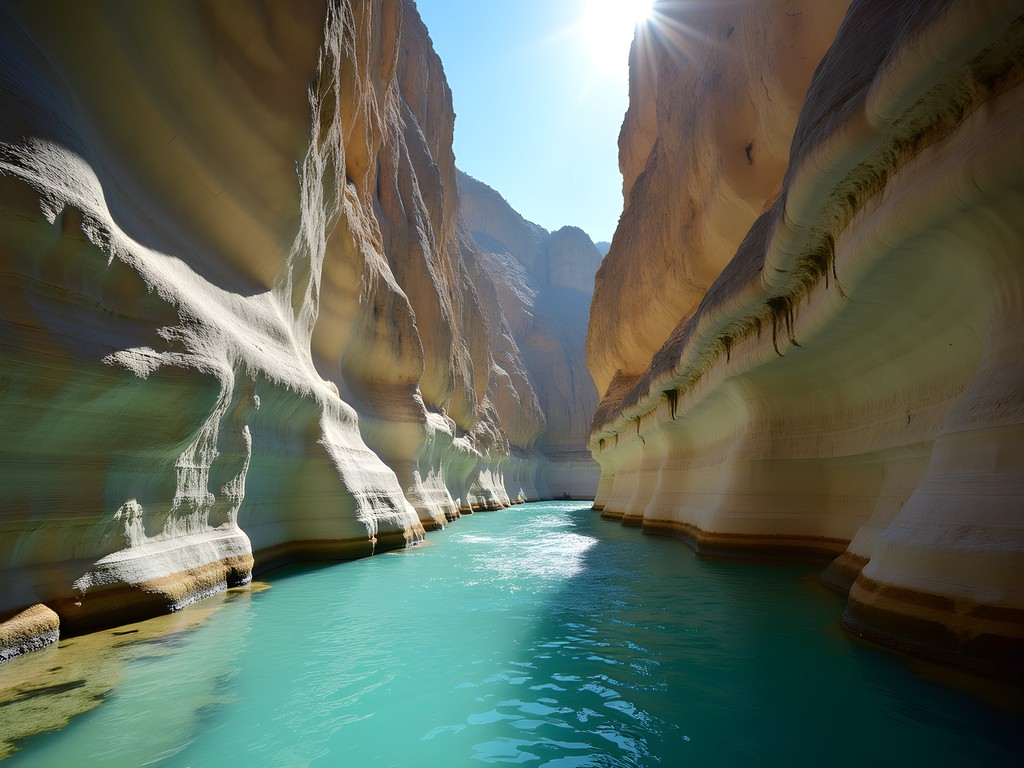
My professional interest in architectural acoustics drew me repeatedly to Tongue River Canyon, where the interplay of flowing water and towering limestone walls creates fascinating sound phenomena. While the main trail is fairly well-known, few hikers venture beyond the first mile, missing what locals call the 'Whispering Gallery'—a curved rock formation where sound travels in unexpected ways.
The full trail extends 4 miles into the canyon, following the crystal-clear Tongue River upstream. After the 2-mile mark, the path becomes less defined and requires occasional stream crossings. It was during one such crossing that Pallas and I discovered a small side canyon where our voices echoed with such clarity that it rivaled engineered performance spaces I've studied.
I recommend sturdy water shoes for this trail, as the multiple stream crossings are unavoidable. My Keens provided excellent grip on slippery rocks while draining quickly between crossings—far superior to attempting this route in regular hiking boots that would remain waterlogged.
💡 Pro Tips
- Bring a small musical instrument if you play—the canyon acoustics are extraordinary
- Watch for rattlesnakes sunning themselves on rocks in summer months
- The canyon walls provide shade in early morning and late afternoon, but midday can be intensely hot
Black Mountain Fire Lookout Trail: Stargazing Paradise
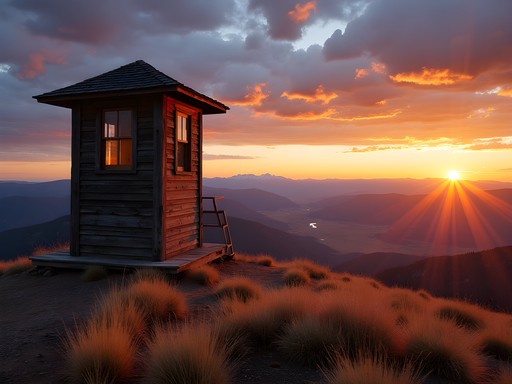
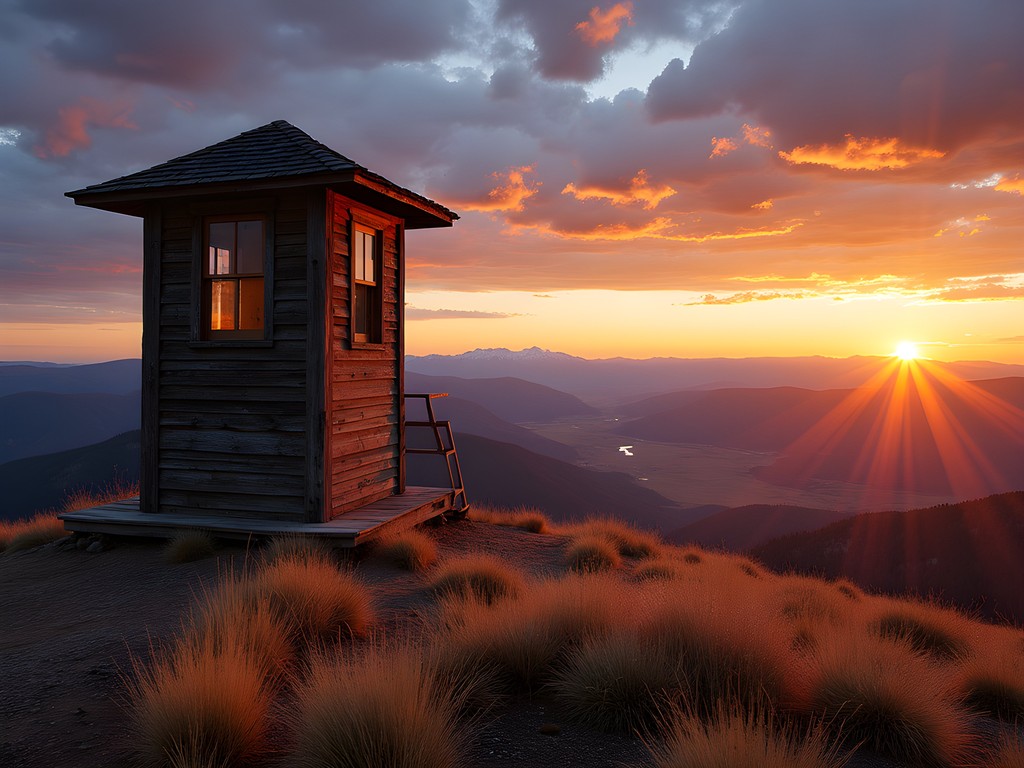
Perhaps my most treasured discovery near Sheridan was this challenging 6-mile round-trip hike to an abandoned fire lookout tower. Dating to the 1930s CCC era, the tower stands as a testament to early conservation efforts in the region. While the tower itself is locked, the clearing surrounding it offers unobstructed 360-degree views—making it the premier stargazing location in the region.
Pallas and I hiked up one afternoon, carrying camping gear to legally dispersed camp near (not on) the tower site. The trail gains nearly 1,200 feet in elevation through dense pine forest before emerging at the panoramic summit. What makes this experience special is the combination of cultural history and natural splendor—the tower itself represents a fascinating period in American conservation history, while the location offers unparalleled connection with the night sky.
For this overnight adventure, my ultralight tent proved invaluable, offering protection from the elements while weighing under 2 pounds in my pack. For serious stargazers, I also recommend bringing a red light headlamp to preserve your night vision while navigating after dark.
💡 Pro Tips
- Check fire restrictions before planning an overnight stay—sometimes campfires are prohibited
- Temperatures drop dramatically after sunset even in summer—bring layers
- The last half-mile is quite steep—trekking poles are highly recommended for the descent
Hidden Tepee Pools: Natural Hot Springs
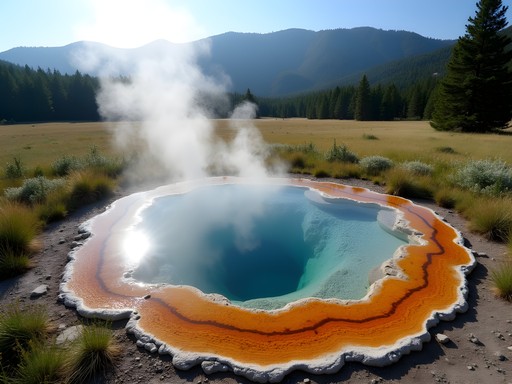
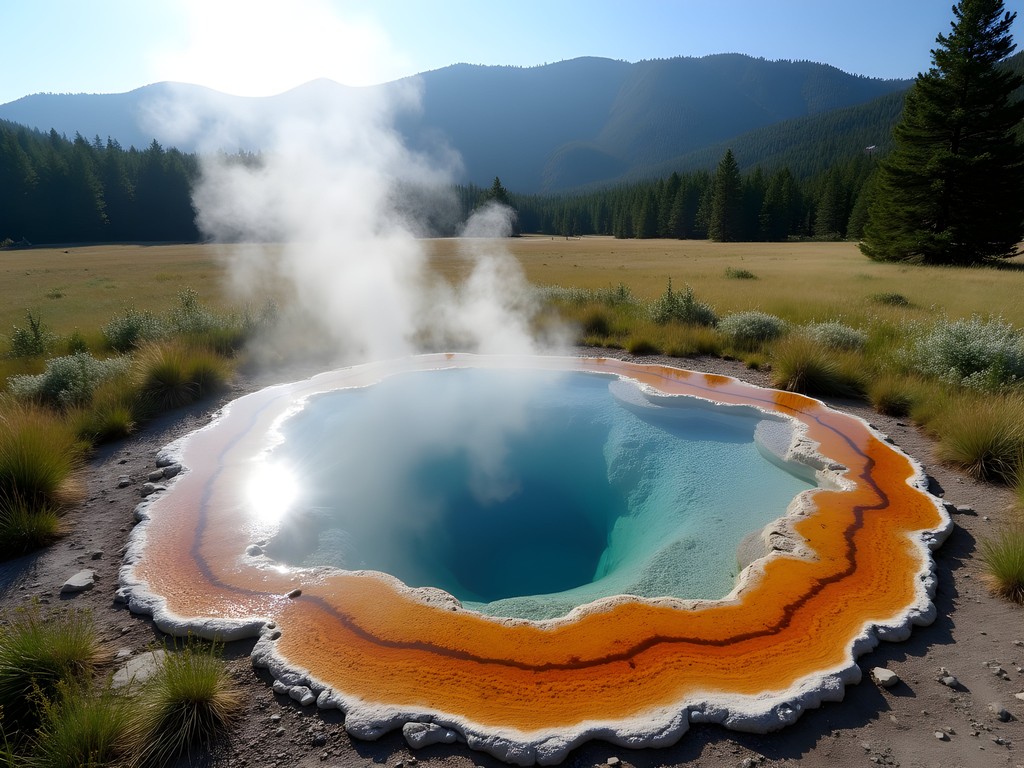
Local ranchers pointed me toward this unmarked gem—a series of natural hot springs nestled in a small valley approximately 7 miles from town. Unlike the developed hot springs in the region, these pools remain primitive and unknown to most visitors. The 2-mile access trail is deliberately unmarked and requires careful navigation.
Out of respect for both the landowners who permit limited access and the delicate ecosystem, I won't provide exact coordinates here. Instead, I recommend striking up conversations with locals at Sheridan's Black Tooth Brewing Company, where friendly residents might share directions if you demonstrate genuine appreciation for conservation principles.
The three interconnected pools vary in temperature from approximately 95°F to 104°F, perfect for soothing tired hiking muscles. The mineral content leaves skin feeling remarkably soft, while the surrounding meadow often hosts deer and elk at dawn and dusk. During my visit, I used my packable microfiber towel which dried quickly between soaks and packed down tiny in my daypack.
💡 Pro Tips
- If locals share this location with you, respect it by packing out ALL trash
- Limit soaking time to 15-20 minutes per session due to the high mineral content
- Visit midweek for the best chance of having the pools to yourself
Sibley Lake Ancient Forest Loop: Living History
My academic interest in human relationships with ancient spaces drew me to this remarkable 3-mile loop trail surrounding Sibley Lake. While the lake itself is a popular fishing spot, few visitors explore the surrounding old-growth forest that contains trees dating back 300+ years. The trail weaves through these ancient sentinels, including several massive ponderosa pines that were already mature when the first European settlers arrived in the region.
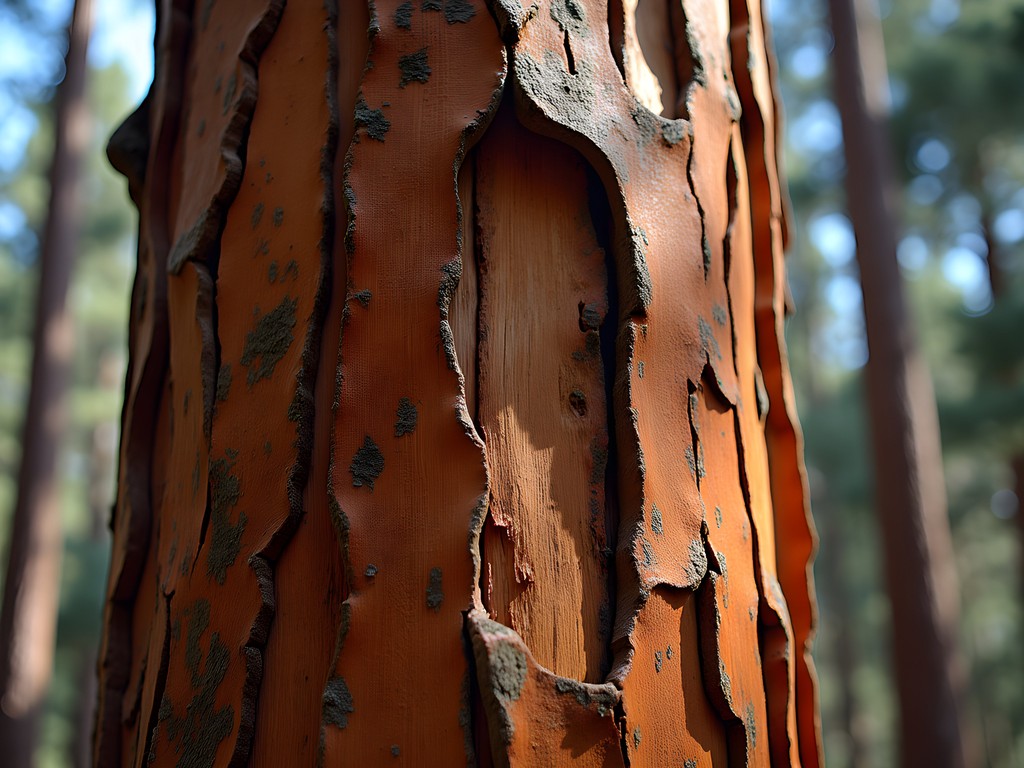
What makes this trail particularly special is the presence of culturally modified trees—pines whose bark was carefully harvested by Indigenous peoples for food and medicine, leaving distinctive scars that have healed over decades or centuries. These living artifacts provide tangible connections to traditional ecological knowledge and sustainable harvesting practices.
The trail itself is relatively flat, making it accessible for most fitness levels. I found myself moving slowly, however, as each ancient tree seemed to demand quiet contemplation. For proper identification of these remarkable specimens, I relied on my tree identification guide, which includes special sections on culturally modified trees and their significance.
💡 Pro Tips
- Visit in early morning when angled light makes the culturally modified tree scars more visible
- Bring binoculars for spotting osprey that nest near the lake
- The interpretive signs are outdated—download the Sheridan Forests app for more accurate information
Final Thoughts
As I packed up my field notes and acoustic recording equipment on my final day in Sheridan, I found myself reluctant to leave these hidden trails behind. There's something profound about discovering landscapes that exist beyond the glossy tourist brochures—paths where you're more likely to encounter deer than fellow hikers. The trails I've shared represent just a fraction of Sheridan's secret outdoor treasury, each one offering a unique perspective on the complex interplay between human history and natural processes.
For couples seeking meaningful connection with both each other and the landscape, these seven trails offer perfect settings for conversations that matter, shared discoveries, and the kind of quiet moments that become cherished memories. As an anthropologist, I'm fascinated by how shared experiences in remarkable landscapes strengthen human bonds across cultures and throughout time.
I invite you to explore these paths with open eyes and respectful hearts. Listen for the whispers of history in Tongue River Canyon, watch for the ancient tree scars at Sibley Lake, and perhaps, if the locals deem you worthy, soak in the healing waters of Tepee Pools. Sheridan's hidden trails are waiting to become part of your own story.
✨ Key Takeaways
- The best trails near Sheridan combine natural beauty with cultural and historical significance
- Local knowledge is invaluable—spend time connecting with residents at local breweries and cafes
- Early mornings offer the best combination of solitude, wildlife viewing, and photography opportunities
📋 Practical Information
Best Time to Visit
June through September
Budget Estimate
$50-100/day for couples (including accommodations)
Recommended Duration
3-4 day weekend
Difficulty Level
Intermediate

Comments
Kimberly Murphy
Absolutely loved this post, Willow! I spent three weeks in the Bighorns last September and completely agree that most people just blow right past Sheridan on their way to Yellowstone. Such a shame! The Medicine Wheel Passage was transformative for me - that sacred energy is real. I went at sunrise and had the entire trail to myself. The acoustic element you mentioned is fascinating - never thought about recording the soundscapes. Did you notice how different the canyon echoes sound compared to open mountain trails? Also, pro tip for anyone visiting: stop at the Sheridan visitor center first. The rangers there gave me handwritten notes about wildlife sightings and which trails had the best autumn colours.
wildtime
Are these trails good for beginners? Planning a trip in May and haven't done much hiking before but this looks amazing!
Kimberly Murphy
Tongue River Canyon is brilliant for beginners! Did it last autumn and it's pretty gentle. Red Grade has some steeper bits but nothing too mental. May should be gorgeous there - wildflowers everywhere! Just bring layers, the weather can be proper unpredictable in the mountains.
wildtime
Thanks so much! Really helpful :)
wanderluststar
Love the photos! Definitely adding this to my list
Sophia Gomez
Willow, this post is gorgeous! I passed through Sheridan two years ago on a work trip and completely missed these gems. The way you describe the Medicine Wheel Passage gave me chills - that sacred perspective angle is something I try to capture in my own writing but you nailed it here. Adding this to my summer itinerary. Question: are any of these trails accessible in early June or is there still snow at elevation?
Willow Hamilton
Thank you so much, Sophia! Early June should be good for Red Grade and Tongue River Canyon. Medicine Wheel Passage might still have some snow patches at the higher sections, but totally doable with good boots. The light is absolutely magical that time of year!
winterwanderer
I grew up in Sheridan and it's so cool to see someone writing about these trails! Most people just hit the main Bighorn spots. If you're doing Tongue River Canyon, there's a little pull-off about a mile past the main trailhead where locals park - way less crowded. Also the acoustic thing you mentioned is real, we used to go there as kids and yell just to hear the echoes lol. One tip: bring bug spray in July/August, the mosquitoes can be brutal near the creek.
Sophia Gomez
Love getting insider tips from locals! That pull-off sounds like a game changer. Did you have a favorite trail growing up?
winterwanderer
Definitely Soldier Creek! It's not too hard but the rock formations are insane. Plus there's this old cabin ruins about halfway up that's pretty cool to explore.
wanderlover
This looks amazing! Quick question - how difficult would you say the Red Grade Trail is for someone who's kinda new to hiking? I've done a few easy trails but nothing too crazy. Also is it doable in spring or should I wait till summer?
Willow Hamilton
Hey! Red Grade is actually perfect for building up your hiking legs - it's moderate with some elevation but nothing too intense. Spring can be muddy though, so I'd recommend late May or June. The wildflowers are incredible then!
wanderlover
Perfect, thank you!!
Nicole Russell
Willow, you've captured these trails perfectly! I solo hiked through Sheridan last summer and stumbled upon Tongue River Canyon by chance. The way sound travels there is unlike anything I've experienced elsewhere - it felt almost mystical! I ended up spending three hours just exploring different acoustic spots and recording bird calls. For anyone planning to visit, I'd add that the trailhead for Soldier Creek can be tricky to find. The AllTrails map was slightly off when I went, but locals were super helpful with directions. Also, if you're into wildlife photography, dawn hikes on these trails are incredible - I spotted deer, foxes, and even a black bear (from a safe distance!). Can't wait to return and check out Red Grade Trail next time!
Nicole Russell
Absolutely! Never hike in bear country without it. The bear was actually pretty disinterested in me - just foraging for berries about 100 yards away. I kept my distance and it was a magical moment rather than a scary one.
skyace
A black bear? That's both awesome and terrifying! Did you have bear spray with you?
vacationlegend
Great article! We tried the Medicine Wheel Passage last summer and it was breathtaking. One tip for anyone heading there - the altitude can be surprising if you're not used to it. We found our hiking poles really helpful, especially on some of the steeper sections. Also, bring more water than you think you'll need. The dry air will dehydrate you faster than you realize!
mountainrider
Just did Red Grade last weekend. Spotted two moose! Amazing experience.
smartphotographer
Any specific photo spots you'd recommend on these trails? Planning a photography trip next spring.
mountainrider
Not the author but I've hiked Soldier Creek Trail - there's an amazing overlook about 2 miles in that gives you panoramic views of the valley. Perfect for sunrise shots!
smartphotographer
Thanks for the tip! Sunrise it is!
Venture X
Premium card with 2X miles, $300 travel credit, Priority Pass