
Disclosure: This article contains affiliate links. We may earn a commission from purchases at no extra cost to you, which helps our travel content.
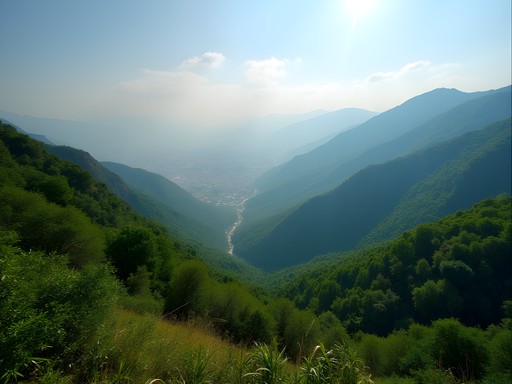
Standing at the threshold where the Great Plains meet the Bighorn Mountains, Sheridan, Wyoming presents a fascinating intersection of geological wonder and cultural heritage that few American destinations can rival. As a landscape architect who's studied indigenous land management practices across continents, I found myself drawn to this unassuming corner of the American West not just for its stunning vistas, but for the layered cultural narrative etched into its very soil. This past summer, I spent a revelatory week exploring how Western ranching traditions, Native American wisdom, and natural systems have coalesced to create a uniquely authentic American experience.

The Architectural Dialogue: Historic Downtown Sheridan
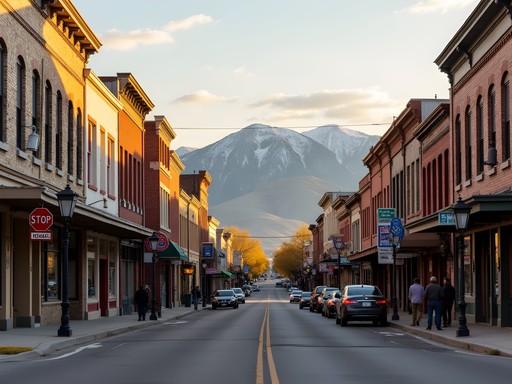
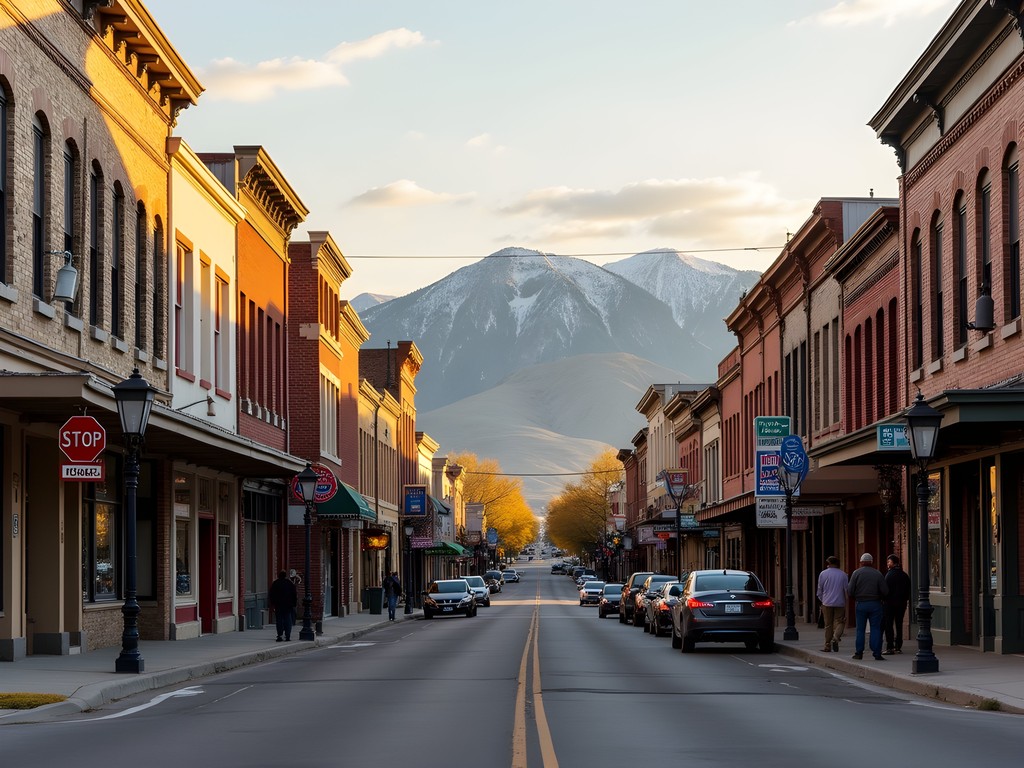
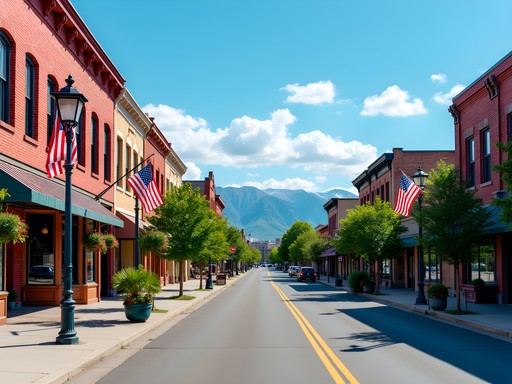
Downtown Sheridan reads like an open textbook on Western architectural evolution. The WYO Theater's art deco façade stands in elegant contrast to the Richardsonian Romanesque county courthouse—each structure a testament to the town's economic booms and cultural aspirations.
What struck me most was how the built environment here doesn't merely sit upon the landscape but converses with it. The locally-quarried sandstone buildings reflect the surrounding Bighorn foothills in both material and color palette. I spent an entire morning sketching the intricate brickwork patterns of the Historic Sheridan Inn, where Buffalo Bill once auditioned acts for his Wild West Show.
The Mint Bar deserves special mention—not just for its refreshing craft beer selection, but for its iconic neon cowboy sign and interior walls adorned with wildlife mounts that tell the story of regional hunting traditions. The bar stools have witnessed generations of ranchers, travelers, and locals exchanging stories, creating an unbroken narrative thread stretching back to 1907.
💡 Pro Tips
- Take the self-guided Historic Downtown Walking Tour available at the Sheridan County Museum for architectural insights not found in guidebooks
- Visit the Sheridan Inn during weekday mornings when the light streams perfectly through the eastern windows, highlighting the original woodwork
- Bring a sketchbook to capture architectural details—locals appreciate seeing visitors engage deeply with their heritage buildings
Indigenous Perspectives: The Brinton Museum and Beyond
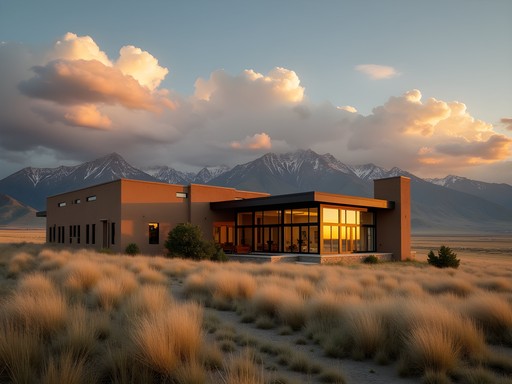
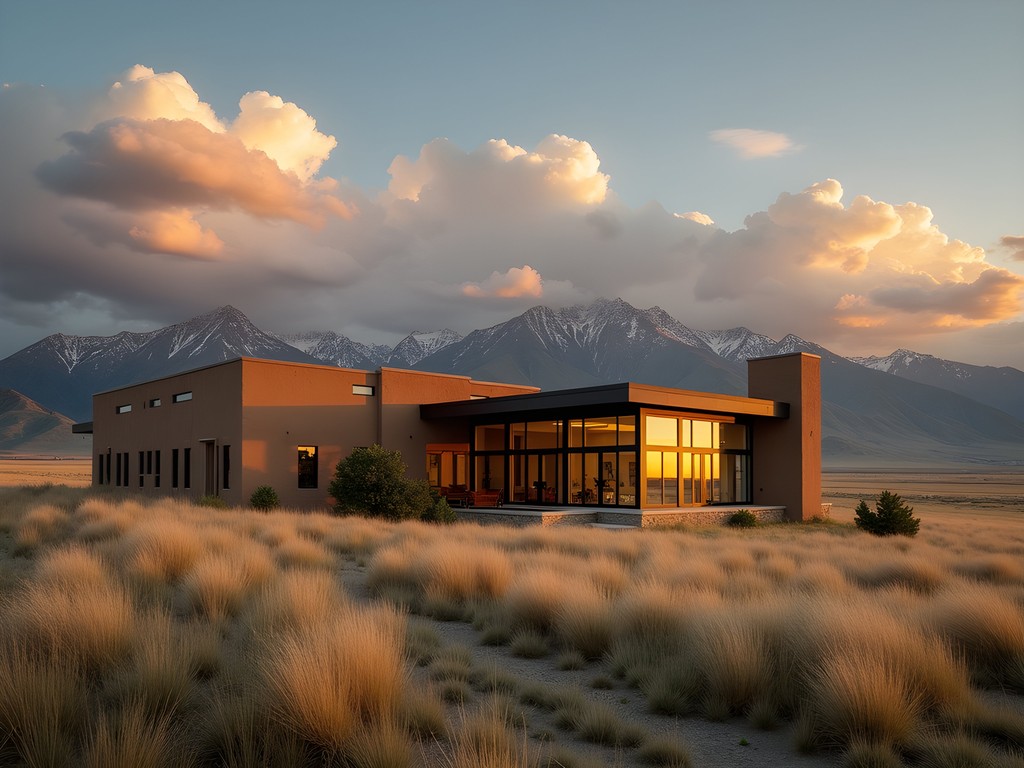
Just a short drive from downtown, The Brinton Museum offers an exceptional window into the indigenous cultures that shaped this region long before European settlement. The architectural brilliance of its rammed earth construction immediately resonated with my professional sensibilities—the building itself demonstrates how contemporary design can honor indigenous building practices while achieving remarkable sustainability metrics.
The museum's collection of Plains Indian artifacts isn't merely displayed; it's contextualized within the broader ecological knowledge systems of the Crow and Cheyenne peoples. I was particularly moved by the exhibition on indigenous plant use, which documented how native communities identified medicinal properties in local flora that Western science has only recently verified.
For deeper engagement with living indigenous traditions, I timed my visit to coincide with a workshop on traditional plant medicine led by a Crow elder. The knowledge shared about sustainable harvesting practices and the spiritual significance of certain plants provided invaluable perspective for my work in landscape architecture. I've since incorporated a field guide into my travel kit, which proved indispensable for identifying the plants we discussed during the workshop.
💡 Pro Tips
- Call ahead to The Brinton Museum to inquire about indigenous-led workshops or talks during your visit
- Purchase admission to the museum early in your trip, as the ticket allows return visits throughout the week
- Respect photography restrictions around certain indigenous artifacts and always ask permission before photographing any ceremonial items
Cultural Landscapes: Ranch Life and Land Stewardship
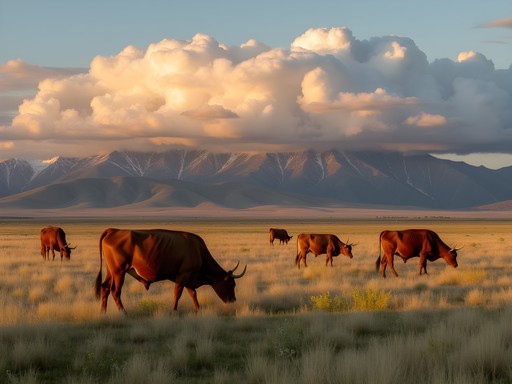
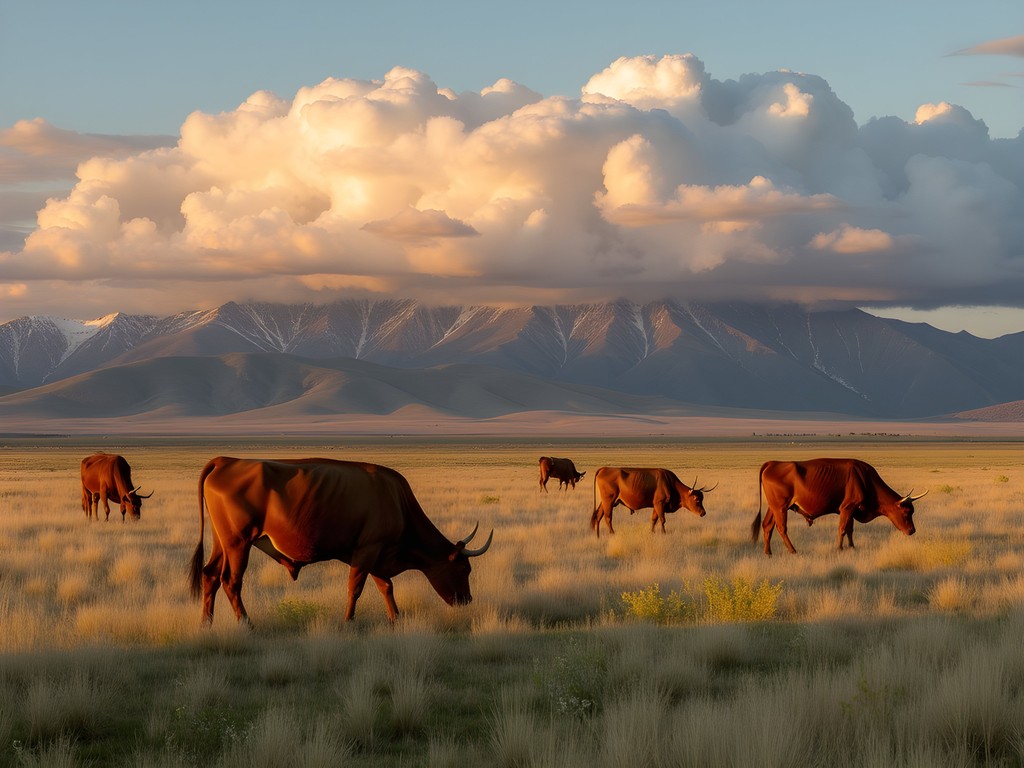
Understanding Sheridan requires experiencing its working landscapes. I arranged a day visit to the Padlock Ranch, a 110,000-acre cattle operation that has implemented regenerative grazing practices. What might appear to the casual observer as simply scenic grasslands is actually a carefully managed ecosystem where cattle movement mimics historical bison grazing patterns.
The ranch manager explained how their rotational grazing system has improved soil health, increased native plant diversity, and enhanced carbon sequestration—all while producing beef more sustainably. This integration of traditional ranching knowledge with contemporary ecological understanding epitomizes the kind of landscape management approaches I've documented across different cultures.
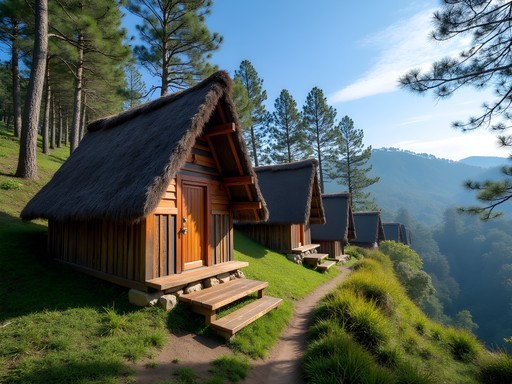
For visitors seeking an immersive ranch experience, several operations offer overnight stays. I spent two nights at the HF Bar Guest Ranch, where the cowboy boots I'd packed proved essential for morning rides. The ranch's century-old log cabins maintain their historical integrity while offering just enough comfort for the modern traveler. Each evening concluded with fireside conversations where multi-generational ranching families shared insights about weather patterns, land management challenges, and the economic realities of maintaining these cultural landscapes in the 21st century.
💡 Pro Tips
- Book ranch experiences at least 3-4 months in advance, especially for summer visits when availability is limited
- Pack appropriate footwear for ranch visits—comfortable boots with a small heel are ideal for both walking and potential horseback riding
- Ask thoughtful questions about land management practices; ranchers appreciate visitors who show genuine interest in their stewardship approaches

Bighorn Mountain Cultural Sites: Where Geology Meets Heritage
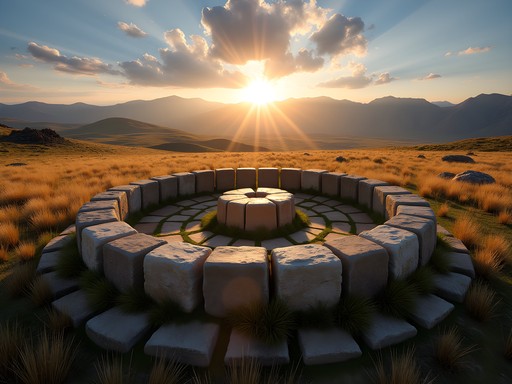
The Bighorn Mountains rising west of Sheridan aren't merely a scenic backdrop—they're a cultural archive waiting to be read by those who know how to interpret the landscape. With my topographic map and trekking poles in hand, I set out to explore Medicine Wheel National Historic Landmark, a sacred indigenous site dating back centuries.
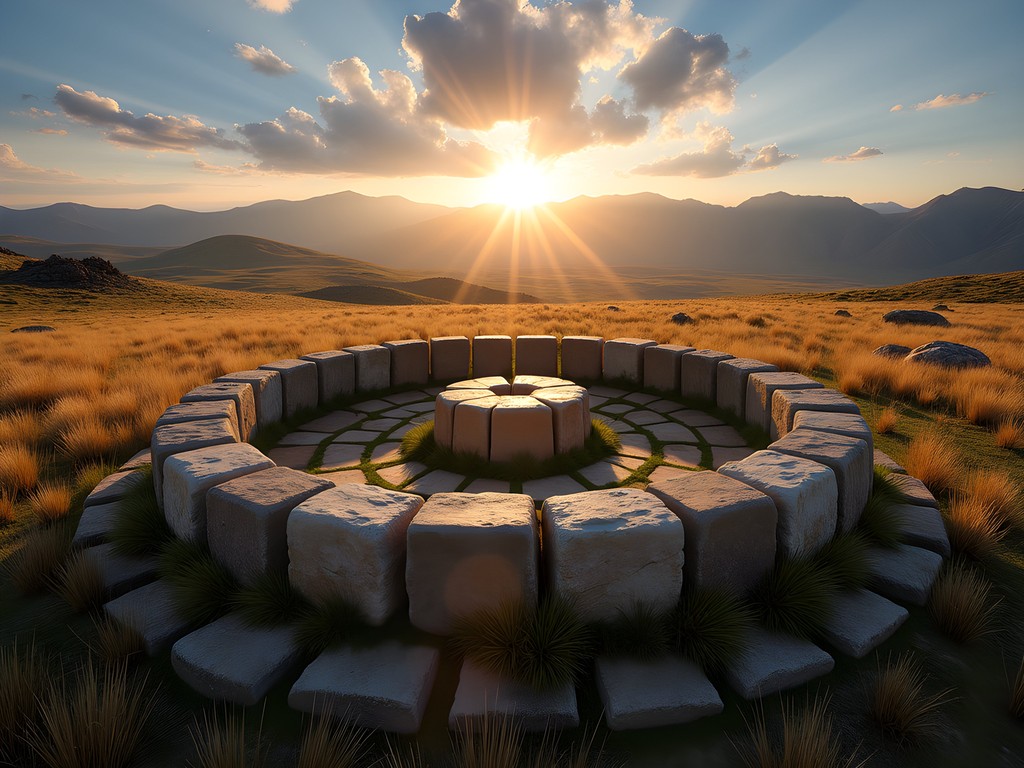
The 80-foot diameter stone circle with its 28 spokes carries profound astronomical and spiritual significance for multiple Plains tribes. Visiting at sunrise (with proper permits arranged in advance), I witnessed how the wheel's design aligns with specific celestial events—a testament to the sophisticated scientific knowledge embedded within indigenous cultural practices.
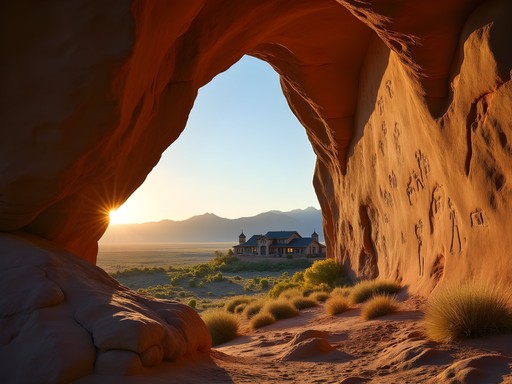
Nearby, the Dry Fork Canyon petroglyphs offer another dimension of cultural heritage. These rock art panels require respectful viewing from designated areas, but even from these distances, the connection between landscape features and symbolic representation is evident. A local archaeological guide pointed out how certain images correspond to prominent landscape features, demonstrating how indigenous peoples encoded geographical knowledge within their art.
The geological formations themselves tell stories of human interaction spanning millennia. At Tongue River Canyon, the stratified rock walls reveal not only geological time but human history—from indigenous hunting camps to early homesteader sites perched strategically along the water course.
💡 Pro Tips
- Arrange Medicine Wheel permits well in advance through the Forest Service office in Lovell, Wyoming
- Visit petroglyph sites only with authorized guides who can ensure proper protocols and preservation
- Pack more water than you think necessary for mountain excursions—the dry climate and elevation increase dehydration risks substantially
Cultural Fusion: Sheridan's Culinary Heritage
Sheridan's culinary landscape reflects its cultural crossroads status. Beyond expected Western fare, I discovered nuanced expressions of regional identity through food. The Brinton Bistro merits special attention for its menu incorporating indigenous ingredients like chokecherries, bison, and native herbs within contemporary presentations.
Downtown's Cowboy Café serves what locals call 'ranch breakfast'—a hearty affair that connects diners to the working landscape through ingredients sourced from surrounding ranches. I particularly appreciated their commitment to naming the specific ranches supplying their beef and dairy.
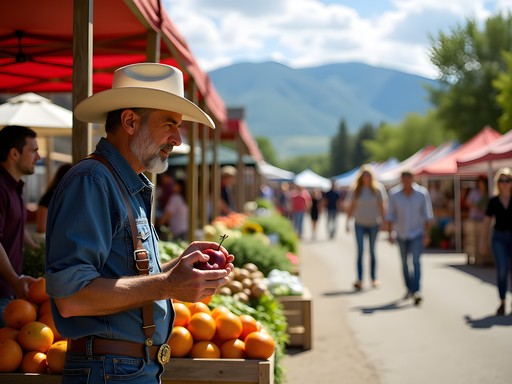
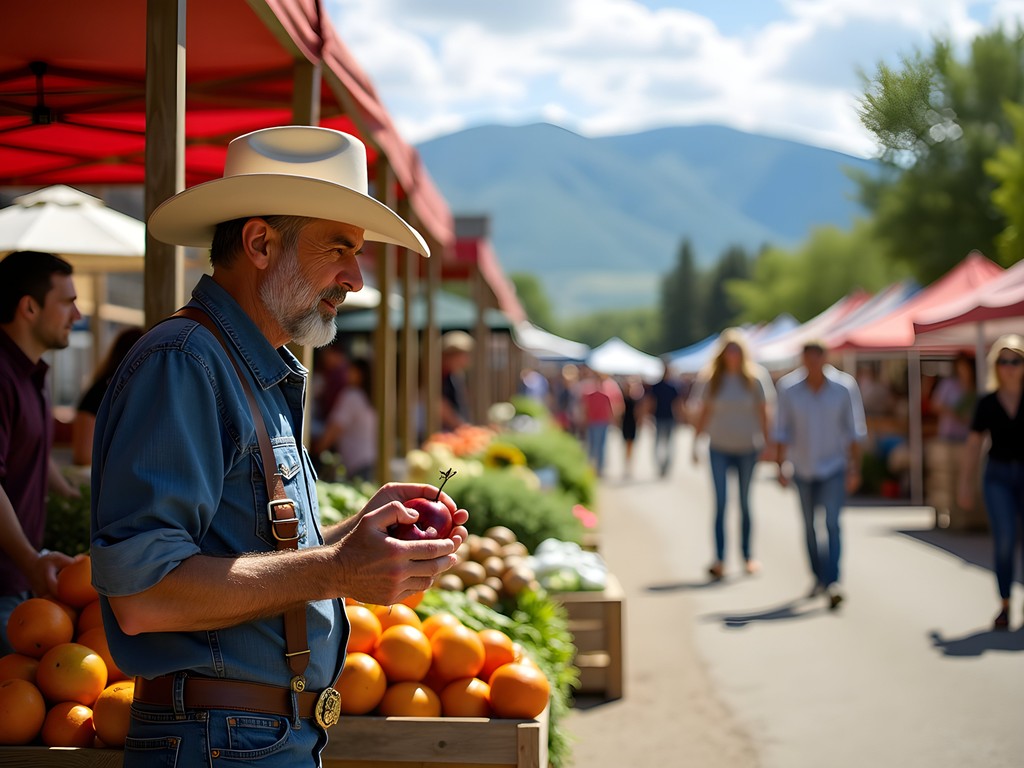
My most memorable meal came unexpectedly at the Sheridan Farmers Market, where I sampled hand-rolled lamb tamales made by a multi-generational Basque-American family. They explained how their ancestors came to Wyoming as sheepherders in the early 1900s, bringing culinary traditions that gradually incorporated local ingredients. This cultural fusion exemplifies Sheridan's layered heritage.
For those interested in regional food systems, I recommend the Wyoming Craft Spirits Trail which includes Sheridan's own Koltiska Distillery. Their spirits incorporate local grains and botanicals, creating distinctive flavors that literally embody the local terroir. The distillery tour offers fascinating insights into how agricultural traditions translate into contemporary craft production.
💡 Pro Tips
- Visit the Sheridan Farmers Market (Thursdays in summer) early for the best selection of regional specialties
- Make reservations for The Brinton Bistro at least a week in advance and request outdoor seating for mountain views
- Ask servers about locally-sourced ingredients—many restaurants have direct relationships with producers and will share stories about their suppliers
Final Thoughts
As my week in Sheridan drew to a close, I found myself mentally cataloging the layers of cultural knowledge embedded in this landscape—from the indigenous astronomical wisdom of the Medicine Wheel to the regenerative ranching practices preserving native grasslands. What makes Sheridan exceptional isn't simply the preservation of Western heritage as a museum piece, but rather the living continuation of cultural practices that have evolved in response to this specific environment.
For couples seeking a cultural journey with depth, Sheridan offers something increasingly rare: authenticity. The experiences here aren't manufactured for tourists but rather genuine expressions of regional identity that visitors are welcomed to temporarily join. The landscape architect in me appreciates how human systems here have largely adapted to natural patterns rather than imposing rigid order upon them.
As you plan your own journey to this corner of Wyoming, I encourage you to approach it not merely as observers but as respectful participants in the ongoing story of a cultural landscape. Ask questions, listen carefully to local perspectives, and consider how the lessons of sustainable human-environment relationships practiced here might inform our broader understanding of place-making. Sheridan may not be on every traveler's radar, but for those seeking meaningful cultural immersion, few American destinations offer such rich rewards.
✨ Key Takeaways
- Sheridan offers authentic cultural experiences that reflect genuine Western heritage rather than tourist fabrications
- The region demonstrates remarkable integration of indigenous knowledge, ranching traditions, and contemporary sustainability practices
- Visiting with an interdisciplinary perspective reveals connections between architecture, landscape, and cultural practices
- Engaging respectfully with local knowledge-holders provides deeper insights than standard tourist experiences
- The cultural landscape tells a complex story of adaptation, resilience, and evolving stewardship practices
📋 Practical Information
Best Time to Visit
June through September, with July and August offering the most cultural events
Budget Estimate
$150-250 per day for accommodations, meals, and activities
Recommended Duration
5-7 days minimum to experience cultural depth
Difficulty Level
Moderate - Some Cultural Sites Require Physical Hiking And High Elevation Adaptation
Comments
nomadlegend
Great post! One thing I'd add - if you're doing the ranch visits, bring layers. Even in summer the mornings can be chilly and by afternoon it's hot. I learned that the hard way lol. Also the local coffee shop on Main Street (can't remember the name) has amazing pastries and the owner knows EVERYTHING about local history.
hikingrider
Been through Sheridan twice on motorcycle trips and always stop downtown. The King's Saddlery is worth a visit if you're into western craftsmanship - they still make saddles the traditional way. Also the trails up in the Bighorns are incredible, especially the Medicine Wheel area you mentioned. Just FYI for anyone planning - that high elevation site is usually only accessible June through September because of snow.
adventurebuddy
Good to know about the seasonal access! Adding King's Saddlery to my list.
Sarah Powell
Connor, this is such a thoughtful exploration of Sheridan's cultural layers. I visited last summer and was similarly struck by how the downtown architecture tells the story of different economic eras. Did you get a chance to visit any of the working ranches? I did a day visit to one outside town and the conversation about land management practices and generational knowledge was fascinating. It really added context to understanding the region's relationship with the landscape beyond the tourist narrative.
nomadwanderer839
How much time would you recommend for the Brinton Museum? Planning a trip in spring and trying to figure out my itinerary.
Sarah Powell
I'd budget at least 3-4 hours. The indigenous art collection is extensive and deserves time. The grounds are also beautiful for walking.
nomadwanderer839
Perfect, thank you!
adventurebuddy
Never thought about Wyoming for cultural travel but this looks amazing!
nomadlegend
Right? Most people just think Yellowstone but there's so much more to Wyoming.
Frank Carter
Connor, your piece on Sheridan really captures the essence of what makes Wyoming special. I spent two weeks in the Bighorn region last year researching for my own blog, and the cultural intersection you describe is spot on. The way indigenous perspectives are woven into the landscape is something many visitors miss. One thing I'd add from my experience - try to connect with some of the local Crow storytellers if possible. I arranged this through the Brinton's cultural coordinator and it added incredible depth to my understanding of the petroglyphs and sacred sites. I documented the whole experience with my mirrorless camera which handled the challenging lighting in the canyons beautifully. Did you make it out to the Medicine Wheel? It's a bit of a drive from Sheridan but absolutely worth it for understanding the indigenous connection to the astronomical calendar.
Connor Elliott
Thanks Frank! I did visit the Medicine Wheel - absolutely profound experience, especially at sunrise. Great tip about connecting with Crow storytellers. I worked with someone from the Sheridan Historical Society who arranged something similar, but I'll have to try through the Brinton next time for a different perspective.
wanderlover8981
Frank and Connor - adding Medicine Wheel to my must-see list now! Would you recommend a full day for that excursion?
Frank Carter
Definitely plan a full day for Medicine Wheel. It's about a 1.5-hour drive each way from Sheridan, plus you'll want time for the hike to the site (about 1.5 miles round trip) and plenty of time to experience the place without rushing. The visitor center has limited hours too, so check before you go!
luckymaster8856
Your section on the Brinton Museum brought back memories! We visited last summer and the Native American art collection blew me away. Did you get to see the Quarter Circle A Ranch tour? That historic ranch house tells such an amazing story about the area's development.
Connor Elliott
Yes! The Quarter Circle A Ranch tour was a highlight. Those original furnishings and the stories from the docents really transported me back in time. Glad you enjoyed the Brinton too!
wanderlover8981
Great post! When would you say is the best time to visit Sheridan if I want to experience some of those ranch activities you mentioned? Planning a trip to Wyoming next year but trying to figure out the timing.
Connor Elliott
Thanks for reading! Late spring through early fall (May-September) is ideal for ranch experiences. Most guest ranches operate seasonally and offer their full slate of activities during summer. If you want to avoid peak tourist season but still enjoy good weather, aim for May or September.
wanderlover8981
Perfect, thanks! Thinking about a September trip then.
Taylor Moreau
Connor, your exploration of the architectural dialogue in downtown Sheridan is particularly astute. During my recent business trip there in January, I was struck by how the preservation efforts have maintained the authentic character while allowing for modern commerce. The juxtaposition of 19th-century facades with contemporary interiors creates a fascinating temporal conversation. I particularly appreciated your observations on how the built environment reflects the cultural values of different eras in Sheridan's development. This is precisely the type of cultural analysis that elevates travel writing beyond mere destination description.
happyblogger
Great post! I'm interested in learning more about the indigenous perspectives you mentioned. Were there specific exhibits or locations that provided the most insight into Native American history in the region?
Taylor Moreau
Not the author, but I can recommend the Sheridan County Museum as well. Their permanent exhibition on Crow and Cheyenne history is exceptionally well-curated and provides important historical context that complements what you'll find at the Brinton.
Venture X
Premium card with 2X miles, $300 travel credit, Priority Pass