
Disclosure: This article contains affiliate links. We may earn a commission from purchases at no extra cost to you, which helps our travel content.
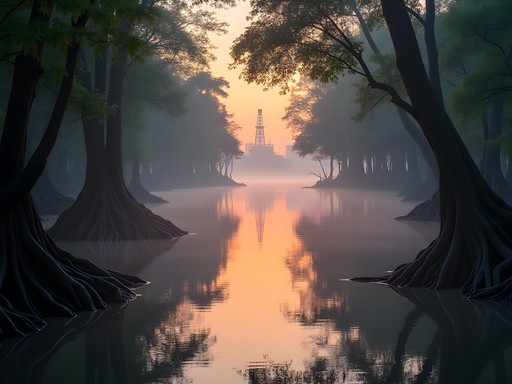
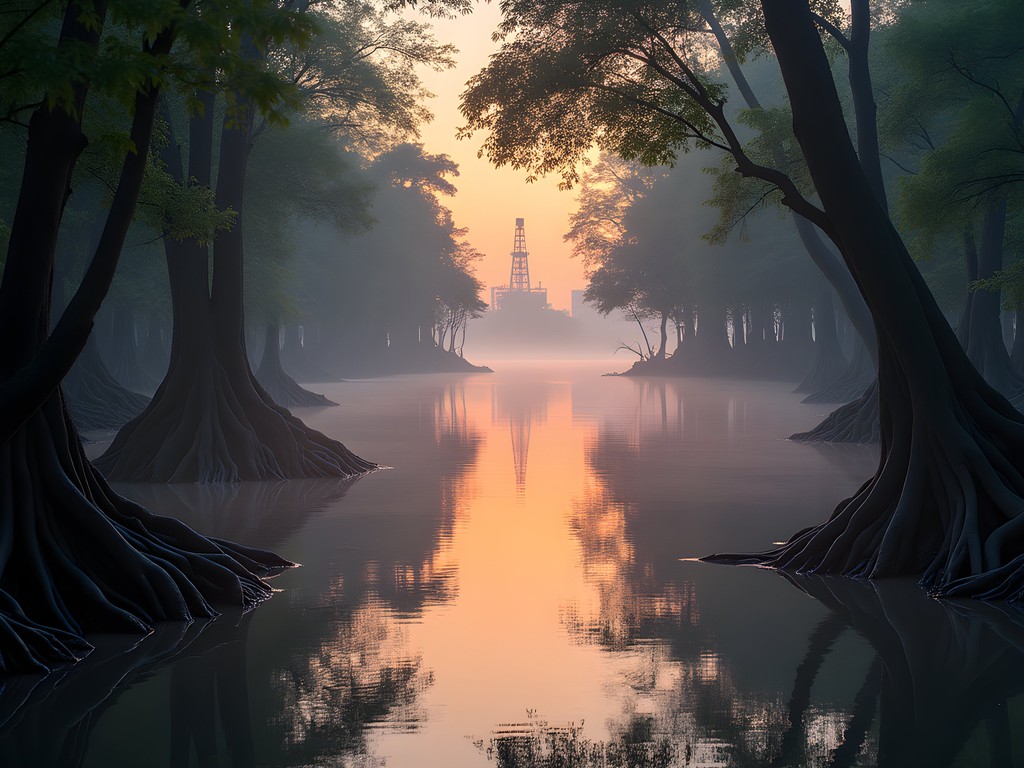
Standing at the edge of Seria's mangrove forest with the morning mist still clinging to the twisted roots, I found myself in a fascinating juxtaposition. Behind me lay the oil town that put Brunei on the industrial map; before me stretched an unexpectedly pristine ecosystem that few travelers ever experience. This weekend exploration would reveal how Seria—a place known primarily for its petroleum industry—harbors remarkable biodiversity and ecological treasures that deserve thoughtful exploration.

Seria's Ecological Dichotomy: Where Industry Meets Wilderness
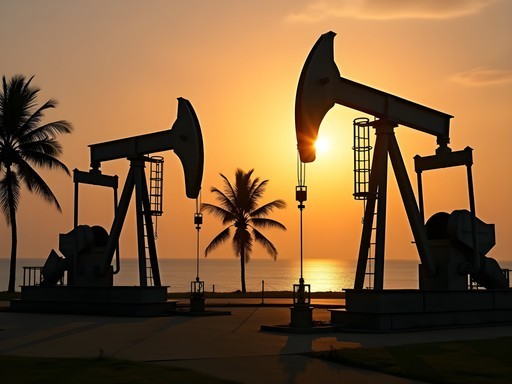
As an environmental engineer who's witnessed countless instances of development-versus-nature conflicts across Asia, Seria presents a particularly intriguing case study. The town's identity is inextricably linked to the discovery of oil in 1929, evidenced by the iconic nodding donkey pumps that punctuate the landscape. Yet venture just kilometers from these industrial installations, and you'll find yourself immersed in ecosystems of remarkable resilience and biodiversity.
My exploration began at the Seria Energy Lab, where I gained context about the region's industrial heritage before contrasting it with its natural wealth. What makes this juxtaposition particularly fascinating is how the restricted development zones around petroleum infrastructure have inadvertently created protected natural corridors.
Navigating these areas requires careful planning and respect for both industrial boundaries and natural spaces. I found my waterproof field notebook invaluable for documenting observations at the intersection of human activity and natural regeneration—a perfect tool for the environmentally conscious explorer who doesn't let a tropical downpour interrupt their field notes.
💡 Pro Tips
- Visit the Seria Energy Lab first to understand the context of the region's development
- Carry proper identification as some trails border restricted petroleum zones
- Early morning exploration yields the best wildlife sightings and avoids the midday heat
The Mendaram Besar Forest Reserve: Brunei's Hidden Gem
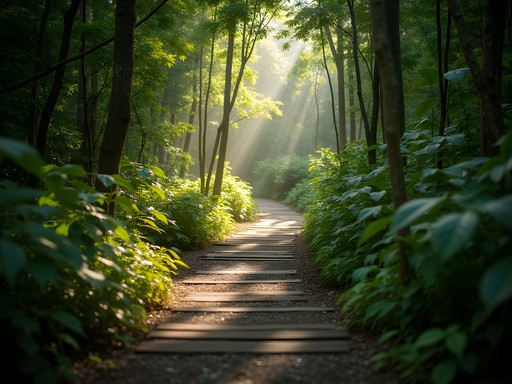
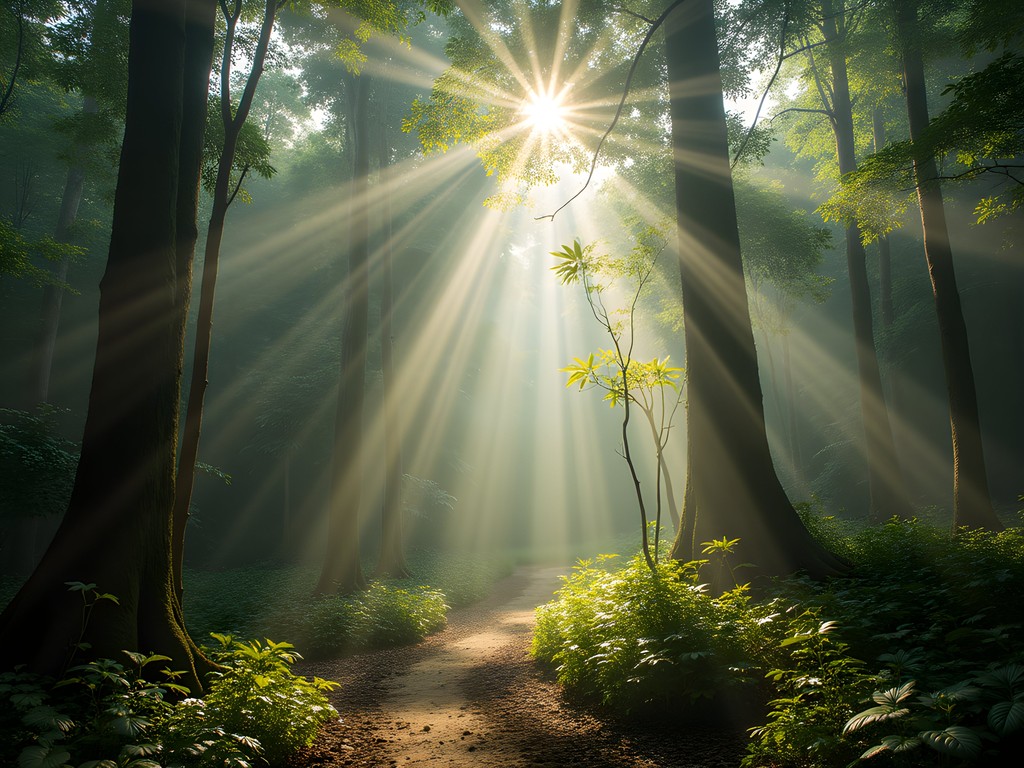
The Mendaram Besar Forest Reserve represents one of Seria's most underappreciated natural treasures. Unlike Brunei's more famous Ulu Temburong National Park, this reserve sees minimal tourist traffic, offering a raw and unfiltered wilderness experience. The 6.8km trail system here winds through primary and secondary forest, providing glimpses into one of Southeast Asia's most intact lowland dipterocarp ecosystems.
During my weekend exploration, I encountered remarkable biodiversity: from the Rhinoceros Hornbill (which locals consider a symbol of good fortune) to the elusive Clouded Leopard (though I only found tracks). The forest's multi-layered canopy creates distinct microclimates that support specialized flora at each level.
For this terrain, I relied heavily on my moisture-wicking hiking socks which proved invaluable across Brunei's challenging combination of humidity and varied terrain. When traversing fallen logs and navigating the occasional stream crossing, my trekking poles provided essential stability while minimizing my impact on sensitive forest floor vegetation.
💡 Pro Tips
- Register your hiking plan with local authorities before entering the reserve
- Bring at least 3 liters of water per person, as there are limited safe water sources along the trail
- Pack leech socks during the wetter months (October-February)
Seria's Coastal Mangrove Ecosystem: A Biodiversity Hotspot
My professional background in environmental engineering has taken me to mangrove ecosystems across Southeast Asia, but Seria's coastal wetlands offer something distinctly special. These mangroves serve as critical carbon sinks (storing up to five times more carbon than upland forests) while providing natural coastal protection against increasingly frequent tropical storms—a climate resilience feature I've documented extensively in my research.
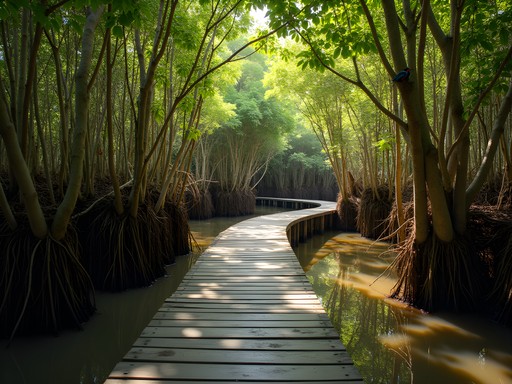
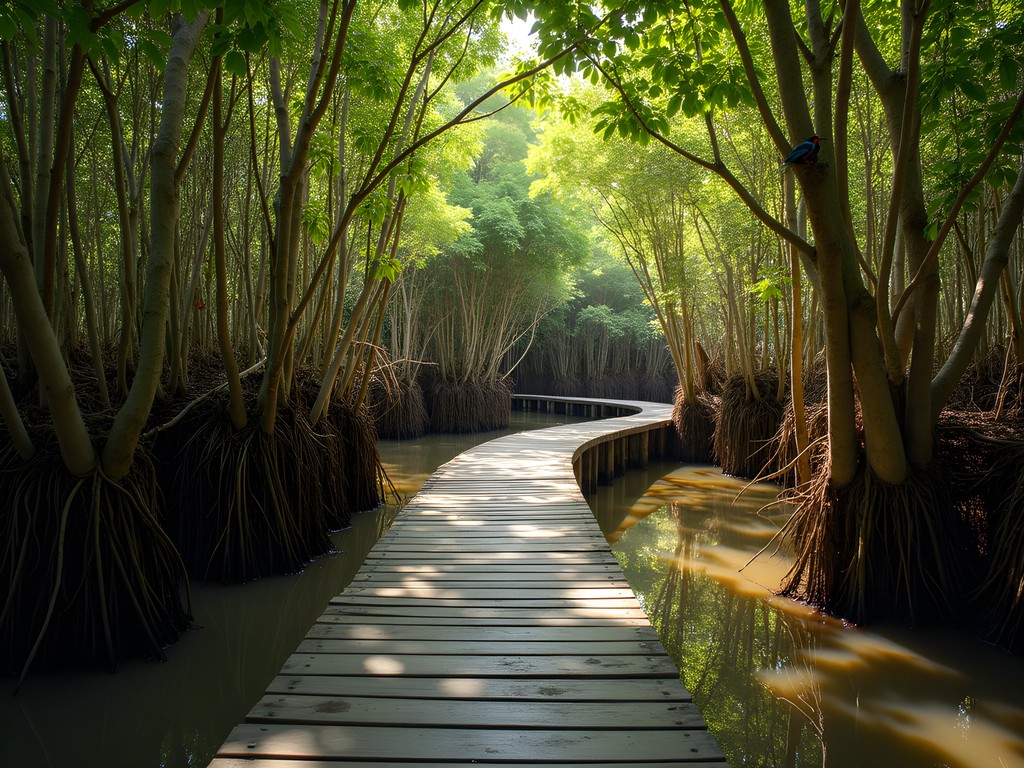
The 3.2km boardwalk system allows responsible access to this sensitive ecosystem without disturbing the complex root systems that serve as nurseries for juvenile marine species. During my exploration, I identified at least 12 mangrove species, each adapted to specific salinity gradients and tidal influences. The most fascinating was witnessing the synchronous firefly display at dusk—a phenomenon I'd previously only encountered in Malaysia's Kuala Selangor.
For mangrove exploration, timing is everything. I scheduled my visit to coincide with the outgoing tide, when mudskippers and fiddler crabs are most active. My waterproof dry bag proved essential for protecting camera equipment and field instruments in this environment where sudden rain showers and splashing water are constant companions.
💡 Pro Tips
- Visit during the 2-3 hours surrounding low tide for optimal wildlife viewing
- Wear neutral colors to increase chances of bird sightings
- Bring a headlamp with red light mode if planning to observe the firefly display after sunset

Sustainable Exploration Practices in Seria's Fragile Ecosystems
As both an environmental engineer and responsible traveler, I approach each destination with the question: How can exploration coexist with conservation? In Seria, this question feels particularly relevant given the area's industrial history and ecological sensitivity.
During my weekend exploration, I adhered to principles that might serve other travelers well. First, I participated in the local 'Trash-In, Trash-Out Plus' initiative—removing not only my own waste but collecting any legacy litter encountered along trails. Second, I utilized established boardwalks and trails exclusively, recognizing that off-trail exploration in these ecosystems can damage sensitive root systems and disturb wildlife corridors.
For water needs, I relied on my water filtration bottle which eliminated the need for single-use plastic bottles while ensuring safe drinking water from local sources. When photographing wildlife, particularly the proboscis monkeys that inhabit the riverine forests, my telephoto monocular allowed observation from distances that didn't disturb natural behaviors—an essential consideration in areas where wildlife is still adjusting to human presence.
💡 Pro Tips
- Join the weekend community clean-up efforts organized by Seria's Environmental Awareness Group
- Use reef-safe sunscreen when near aquatic environments
- Support local guides who practice and promote sustainable tourism principles
Final Thoughts
As my weekend exploration of Seria drew to a close, I found myself reflecting on the remarkable resilience of nature in the shadow of industry. These hidden trails and reserves represent not just opportunities for adventure, but living laboratories demonstrating how ecosystems can recover and thrive when given proper protection and management.
What makes Seria truly special is this very juxtaposition—a place where one can contemplate both human ingenuity and natural wonder within the same vista. For the environmentally conscious traveler seeking experiences beyond the typical tourist circuit, Seria offers a profound opportunity to witness biodiversity conservation in a context rarely highlighted in travel narratives.
As climate change and development pressures continue to transform Southeast Asia's landscapes, these pocket wildernesses become increasingly precious. My hope is that by sharing these experiences, more travelers will be inspired to seek out and support such hidden ecological gems—not just in Brunei, but worldwide—and in doing so, help ensure their preservation for generations to come.
✨ Key Takeaways
- Seria offers a unique opportunity to witness the coexistence of industrial heritage and remarkable biodiversity
- The less-visited nature trails provide more authentic wildlife encounters than Brunei's more famous national parks
- Timing visits around tidal cycles and early morning hours maximizes wildlife observation opportunities
📋 Practical Information
Best Time to Visit
Year-round, though April-July offers slightly drier conditions
Budget Estimate
$70-120 USD per day including accommodations and guided experiences
Recommended Duration
2-3 days minimum to explore multiple ecosystems
Difficulty Level
Moderate - Some Trails Require Good Fitness And Stability

Comments
Douglas Bradley
Really appreciate the focus on sustainable exploration here, Frank. The intersection of industrial development and ecological preservation is fascinating - Seria presents such a unique case study. I've been researching Brunei's eco-tourism initiatives for an upcoming piece, and it's interesting how the oil wealth has actually enabled better conservation funding compared to neighboring regions. The challenge seems to be getting the word out about these lesser-known sites. Did you work with any local guides, or were the trails accessible independently? I'm curious about the infrastructure development for tourism in these areas.
Frank Watson
Great point about the oil wealth funding conservation. I went independently for the coastal mangroves, but hired a local guide for Mendaram Besar - highly recommend it for the ecological insights. Infrastructure is minimal which keeps crowds down but can make access tricky without a car.
backpackqueen
I visited Seria back in March and totally missed these trails - wish I'd seen this post earlier! I did spend time in the Ulu Temburong rainforest though and it was incredible. The biodiversity in Brunei is seriously underrated. Did you spot any proboscis monkeys in the mangroves? They're supposed to be around that area. Definitely adding this to my list for next time I'm in Borneo.
Frank Watson
Yes! Saw a small group of proboscis monkeys on the second morning. They're most active early. Ulu Temburong is on my list!
wavestar
This looks amazing! Quick question - are the trails well marked? I'm not super experienced with hiking and would be going solo. Also how's the heat/humidity situation?
Frank Watson
Hey! The main Mendaram Besar trail is pretty well marked, but I'd recommend going early morning (6-7am) to beat the heat. Humidity is intense year-round. Bring lots of water!
wavestar
Thanks so much! That's really helpful.
mountainperson
Wow didn't even know Seria had trails like this! Always just thought of it as the oil town.
backpackqueen
Right?? I had the same reaction. Brunei in general is so underrated for nature stuff.
AdventureSeeker42
How many days would you recommend staying in Seria to properly explore these trails?
Frank Watson
I'd say minimum 2 full days - one for the forest reserve and one for the coastal mangrove ecosystem. If you want to include the firefly tour mentioned by @LocalBruneiGuy, add an extra night.
smartfan
How's the mobile reception out there? Need to stay connected for work emergencies but want to experience these trails!
backpacklover
Coverage was surprisingly decent near the town, but spotty in Mendaram Besar. I lost signal completely for about 2 hours during the deeper forest trek.
tripgal
Anyone know if there are reliable guides you can hire? Or is it better to self-guide with a good map?
Frank Watson
I'd definitely recommend a guide, especially for first-timers. Contact the Seria Visitor Center - they have a list of certified guides who really know their stuff about the local ecosystem. Self-guided is possible on main trails, but you'll miss so much of the hidden wildlife without trained eyes!
Casey Andersson
Seconding Frank's advice! The guides there are fantastic and reasonably priced. They'll point out things you'd never notice on your own.
LocalBruneiGuy
As someone from Brunei, it's great to see our natural areas getting some attention! Just want to add that the best time to visit these trails is early morning (6-8am) when wildlife is most active and before the heat sets in. The firefly watching tours at dusk near the mangroves are also worth checking out if you're staying overnight. Frank did a good job highlighting the conservation efforts, but visitors should know there's a small conservation fee (about $5 USD) that goes directly to maintaining the boardwalks and education programs.
wanderway
Thanks for the insider tips! Are the firefly tours available year-round or seasonal?
LocalBruneiGuy
They run year-round, but are best during dry season (Feb-April). The tours are small groups only and book up fast, so arrange in advance through the visitor center!
skydiver
How difficult are these trails? Could someone with moderate fitness handle them? Planning a trip in January and wondering if I need to train up beforehand!
Frank Watson
Moderate fitness is perfectly fine! The main trails are well-maintained with boardwalks through most wet areas. January should be slightly less humid too, which helps. Just bring plenty of water and insect repellent.
mountainexplorer
Definitely agree with Frank - they're not challenging hikes. The longest trail we did was about 2 hours at a leisurely pace with plenty of stops for photos and wildlife spotting.
sunsetmood
This looks amazing! Planning to visit next January - is that a good time for wildlife spotting? Also, how difficult are those Mendaram trails? I'm not exactly an experienced hiker 😅
Frank Watson
January is actually great for wildlife - slightly less rain than December. And don't worry about the trails! The main paths in Mendaram are well-maintained and relatively flat. Just bring good mosquito repellent and plenty of water. The heat is more challenging than the terrain.
sunsetmood
Thank you so much! That's super helpful. Can't wait to see those proboscis monkeys!
Venture X
Premium card with 2X miles, $300 travel credit, Priority Pass