
Disclosure: This article contains affiliate links. We may earn a commission from purchases at no extra cost to you, which helps our travel content.
Standing at the edge of Portsmouth's volcanic shoreline, I couldn't help but feel a familiar surge of anticipation. The Caribbean sun warmed my skin as I adjusted my mask, preparing to explore one of Dominica's most enchanting natural wonders. This wasn't my typical family educational expedition—I'd left my usual travel companions behind for a rare couples' getaway with my closest friend Maria. As a public defender accustomed to examining evidence and uncovering stories, Dominica's Champagne Reef presented the perfect case study: a living testament to the island's volcanic activity where geothermal vents release streams of warm, bubbling water through the ocean floor. What makes this underwater marvel truly special isn't just its geological significance, but the accessibility it offers to intermediate swimmers and snorkelers looking to witness the extraordinary intersection of volcanic activity and marine life. Over my week in Portsmouth, I discovered that this effervescent underwater landscape isn't just a fleeting experience—it's a profound connection to the earth's creative forces that continues to shape this remarkable island.

The Geological Wonder of Champagne Reef
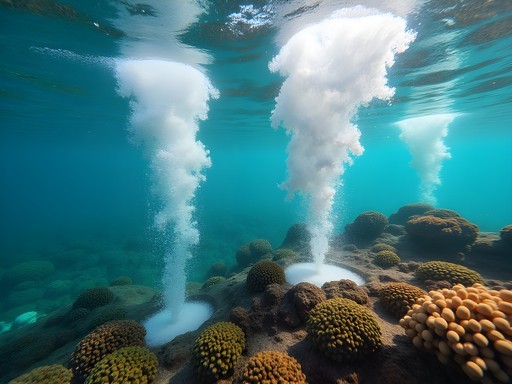
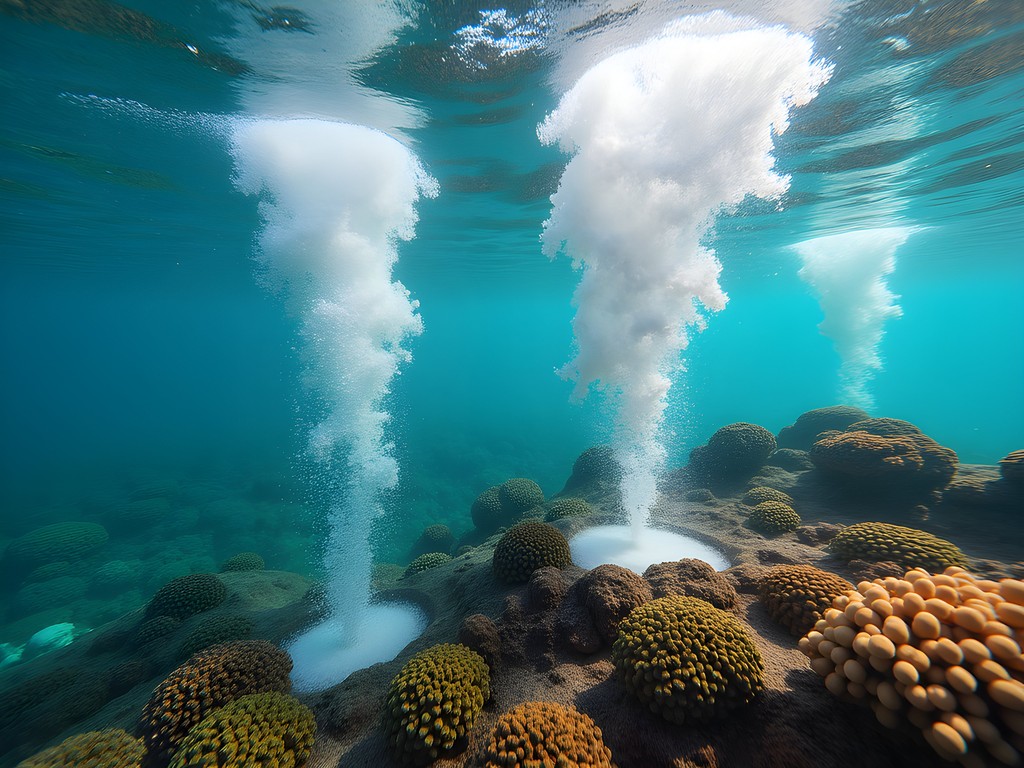
Portsmouth's Champagne Reef derives its playful name from something truly extraordinary—continuous streams of tiny bubbles rising from the ocean floor, created by underwater geothermal springs. As a passionate explorer of desert landscapes back home, I found myself drawing fascinating parallels between the stark volcanic formations I've studied in the American Southwest and these submarine volcanic manifestations.
The science behind this phenomenon is captivating. Dominica, often called 'The Nature Island,' sits along the Lesser Antilles volcanic arc, where the North American plate subducts beneath the Caribbean plate. This ongoing geological process has created nine active volcanoes on this relatively small island. At Champagne Reef, the volcanic activity manifests as warm water vents that release gases—primarily carbon dioxide—creating the effervescent effect that transforms an ordinary snorkeling experience into something magical.
What struck me most was how the reef represents nature's remarkable resilience. Despite the continuous release of gases and warm water (which can reach temperatures up to 90°F/32°C in some spots), vibrant coral and marine life have adapted to thrive in this unique environment. As someone who's documented smart-city initiatives on tribal lands, I couldn't help but admire how this natural ecosystem has engineered its own sustainable balance amid seemingly challenging conditions.
The reef sits in relatively shallow waters (about 10-20 feet deep in most areas), making it accessible even to those who prefer snorkeling to scuba diving. This geological wonder offers a rare opportunity to witness the earth's internal processes actively shaping our planet—a perspective that fundamentally changes how you understand the living landscape beneath the waves.
💡 Pro Tips
- Visit in the morning when the water is typically calmer and visibility is best
- Bring an underwater camera with a red filter to capture the true colors of the reef
- Look for the warmest bubble streams by watching where the water appears to shimmer
Preparing for Your Underwater Adventure
After multiple trips to destinations with unique environmental conditions, I've learned that proper preparation can transform a good experience into an unforgettable one. For Champagne Reef, this principle couldn't be more relevant.
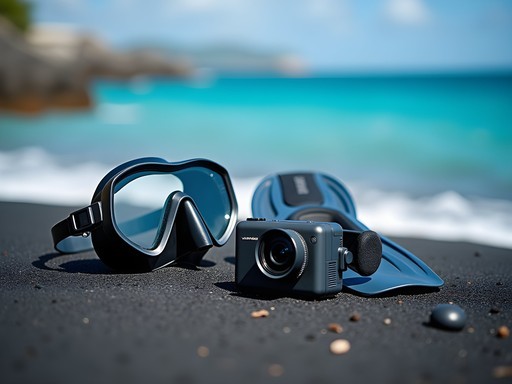
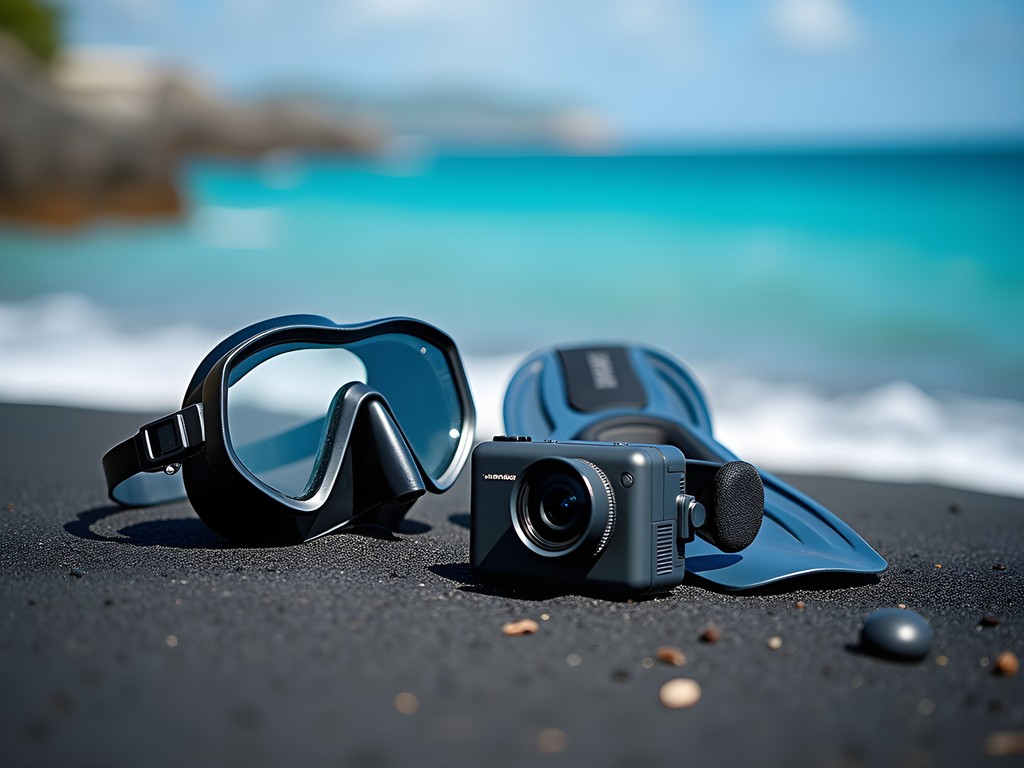
First, let's talk equipment. While Portsmouth has several reputable dive shops that rent gear, I recommend bringing your own snorkel mask if possible. Having a properly fitted mask prevents leakage and fogging, two issues that can quickly diminish your underwater experience. I invested in a full-face snorkel mask before my trip, which proved invaluable for extended viewing without the jaw fatigue that comes from gripping a traditional mouthpiece.
For underwater photography—something I've become passionate about during my travels—a quality waterproof camera is essential. My underwater camera captured stunning footage of the bubbling vents and vibrant marine life. Its built-in underwater modes automatically adjusted for the Caribbean's azure waters, preserving the true colors that often get lost in smartphone photography.
Regarding attire, a rashguard or lightweight wetsuit serves dual purposes: protection from the sun and occasional brushes with coral or rocks. The water temperature at Champagne Reef hovers around 80°F (27°C) year-round, making it comfortable for extended exploration without thermal protection. However, I found that wearing a thin layer helped during longer snorkeling sessions when the body naturally cools.
Timing is crucial when planning your visit. While Portsmouth's weather remains relatively consistent throughout the year, visibility underwater varies significantly. I recommend planning your snorkeling adventure for mornings when the water is calmest and before afternoon boats arrive with day-trippers from cruise ships. During my week in Portsmouth, the Tuesday and Thursday mornings offered particularly exceptional conditions with visibility extending beyond 50 feet.
💡 Pro Tips
- Apply reef-safe sunscreen 30 minutes before entering the water
- Pack water shoes with good grip for navigating the rocky entry points
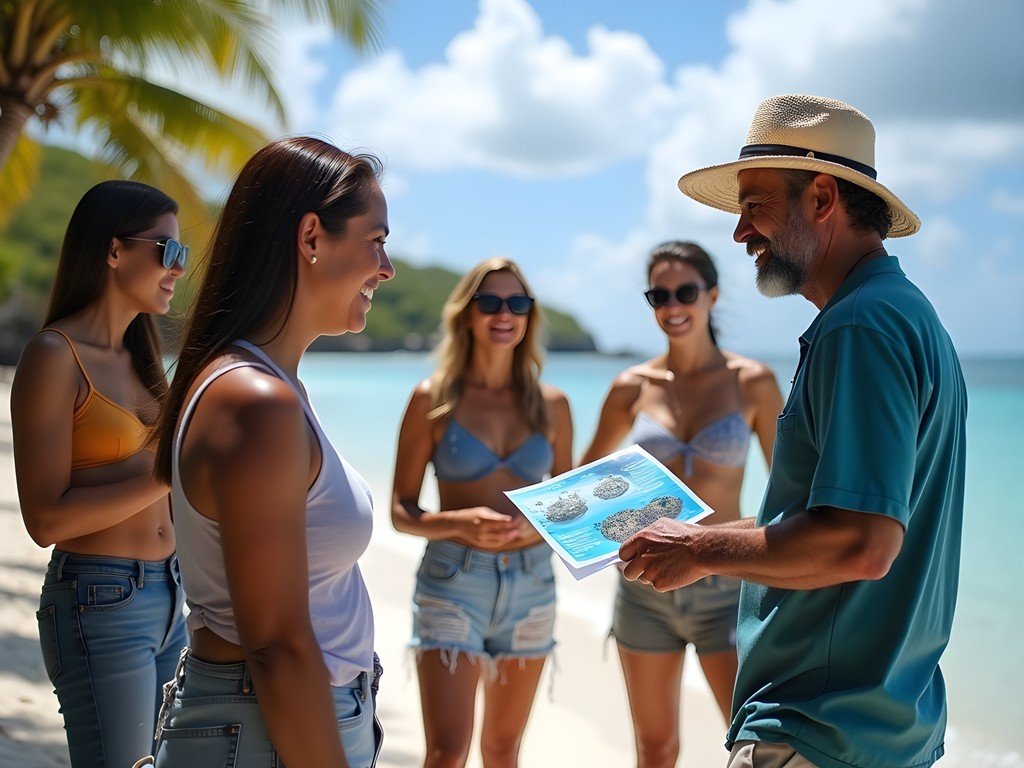
- Consider booking a guided tour for your first visit to learn about specific marine species and the safest areas to explore
Marine Life Encounters in a Volcanic Ecosystem
What makes Champagne Reef truly exceptional isn't just its geological features but the remarkable diversity of marine life that has adapted to this volcanic environment. As someone who's documented how communities adapt to challenging landscapes across the American Southwest, I was fascinated by the ecological resilience on display.
The reef hosts over 100 different fish species, each finding their niche in this dynamic ecosystem. During my exploration, I encountered vibrant parrotfish using their beak-like mouths to scrape algae from coral, creating the fine sand that lines Caribbean beaches—a perfect example of nature's circular economy. Schools of sergeant majors, easily identified by their distinctive black stripes, darted between the bubble streams, seemingly playing in the effervescence.
What surprised me most was discovering species I hadn't expected in such an active volcanic site. Delicate seahorses clung to sea fans, their camouflage nearly perfect against the gently waving purple and yellow structures. Spotted moray eels peered from crevices, their serpentine bodies contrasting with the reef's vibrant colors.
The reef's volcanic influence creates unique micro-habitats where temperature variations of just a few degrees foster different marine communities within yards of each other. Near the warmest vents, I observed specialized algae thriving in the mineral-rich waters, providing food for grazing species that have adapted to these conditions over countless generations.
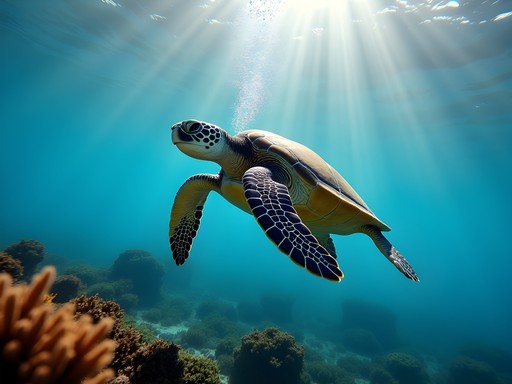
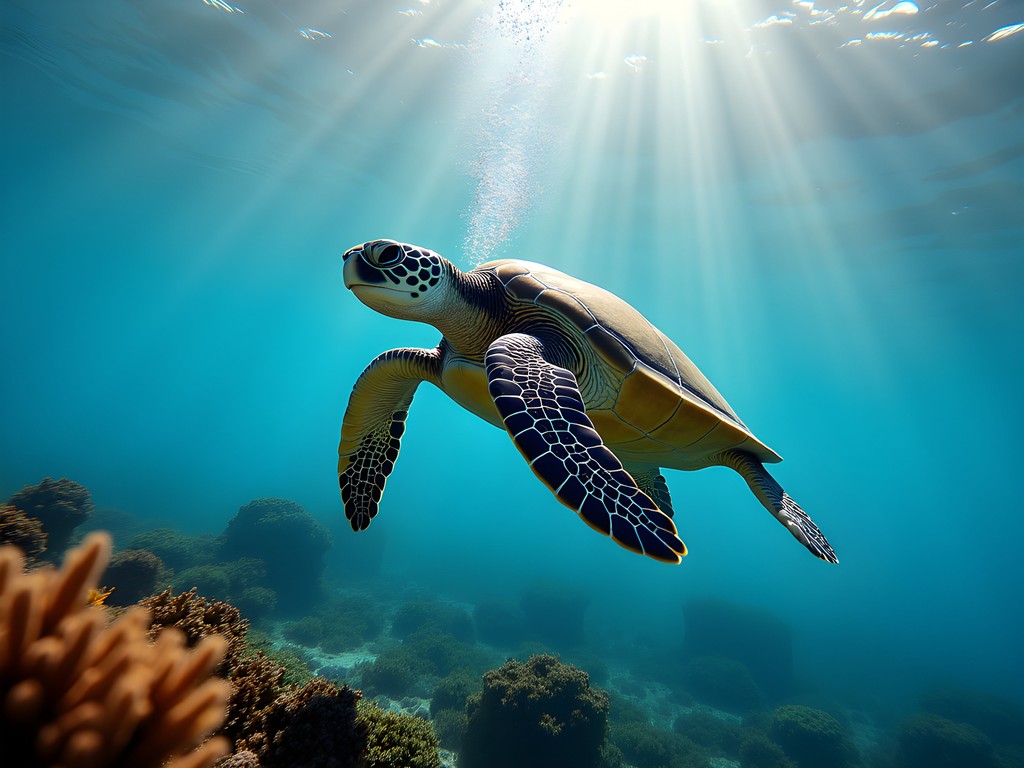
For underwater photography enthusiasts, the interplay of bubbles, light, and marine life creates unparalleled opportunities. I found that hovering patiently above interesting formations yielded the best results, allowing shy creatures to resume their normal behaviors. My most memorable encounter came when a curious hawksbill turtle approached, seemingly as interested in my bubbles as I was in the reef's. These endangered creatures frequent the area, drawn to the healthy coral ecosystem that Dominica has worked diligently to protect.
💡 Pro Tips
- Move slowly and deliberately to avoid startling marine life and stirring up sediment
- Look under ledges and in crevices where shy species often hide
- Maintain a respectful distance from all marine creatures, especially turtles and rays

Beyond Snorkeling: Portsmouth's Volcanic Heritage
While Champagne Reef rightfully captures the spotlight, Portsmouth's volcanic heritage extends far beyond this underwater marvel. As someone who approaches travel as an educational opportunity, I made it my mission to understand how volcanism has shaped both the landscape and culture of this region.
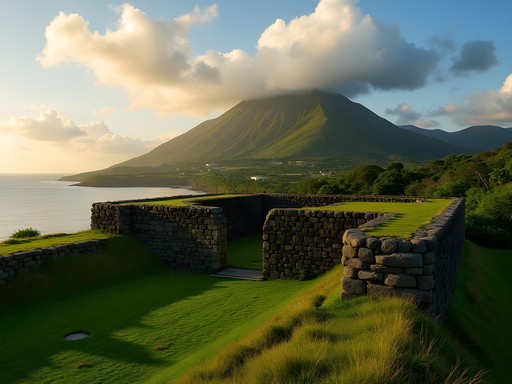
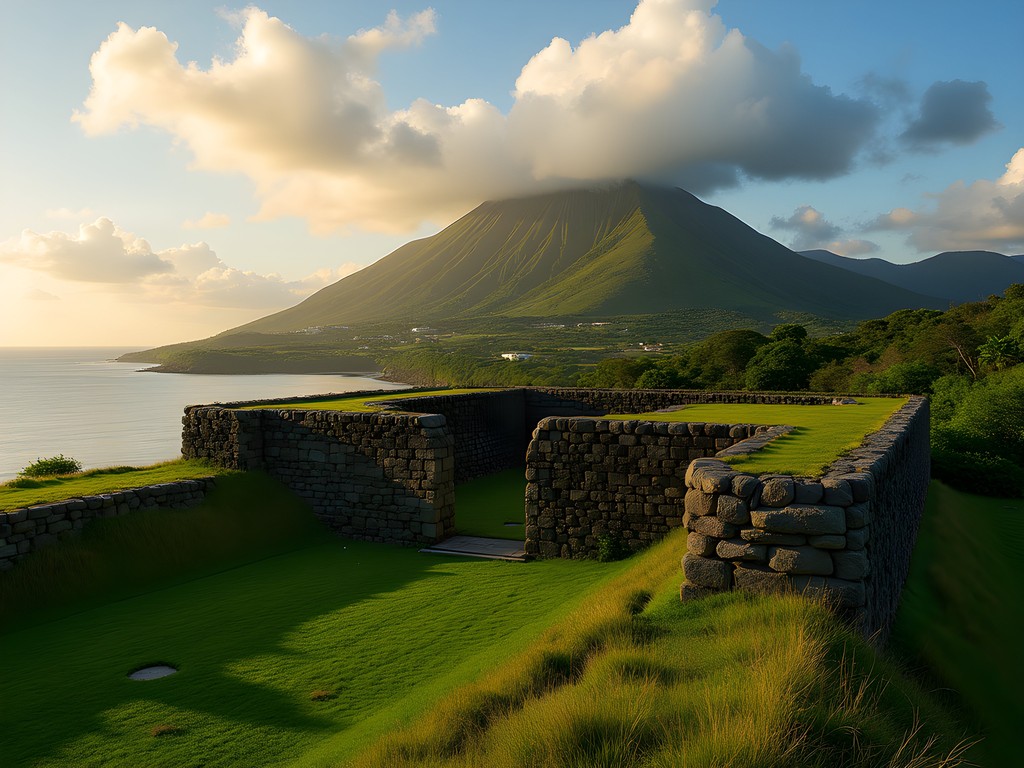
Just a short drive from Portsmouth lies the Cabrits National Park, where the remnants of an ancient volcanic crater now cradle Fort Shirley, an 18th-century British garrison. Walking these historic grounds offers a fascinating glimpse into how colonial powers utilized Dominica's natural volcanic features for strategic military positioning. The juxtaposition of human history against the backdrop of geological time provides a powerful perspective that resonates with my interest in how communities adapt to their environments.
For those seeking a more immersive volcanic experience, I highly recommend a guided hike to Cold Soufriere. Unlike the island's famous Boiling Lake (which requires advanced hiking skills), this accessible geological site features bubbling mud pools and sulfur springs without extreme temperatures. The 45-minute walk through lush rainforest culminates in a surreal landscape where the earth literally breathes—venting gases and mineral-laden water in a terrestrial parallel to Champagne Reef's underwater vents.
During my exploration, I carried my hiking daypack which proved perfect for carrying water, snacks, and my camera equipment while keeping my hands free for the occasional scramble over volcanic rocks. The breathable back panel was particularly appreciated in Dominica's humid climate.
Portsmouth's local cuisine also reflects its volcanic heritage, with many traditional dishes cooked using geothermal heat. I participated in a community cooking demonstration where cassava bread was prepared in pits naturally warmed by the earth. This sustainable cooking method has been practiced for generations, connecting modern residents to both their indigenous Kalinago ancestors and the living landscape that continues to shape their way of life.
💡 Pro Tips
- Visit Fort Shirley early in the day before the heat intensifies
- Pack a lightweight rain jacket as weather can change quickly in mountainous volcanic areas
- Book a local guide for Cold Soufriere to learn about medicinal plants and geological features
Sustainable Tourism and Conservation Efforts
As a traveler deeply committed to environmental sustainability and social justice, I was particularly impressed by Portsmouth's approach to protecting its natural treasures while supporting local communities. Dominica has positioned itself as the Caribbean's 'Nature Island' not just as a marketing slogan but as a genuine commitment to conservation.
Champagne Reef falls within a larger Marine Protected Area (MPA) where conservation efforts are actively managed by a collaboration between government agencies and local stakeholders. During my stay, I participated in a beach cleanup organized by the Portsmouth Association of Yacht Services (PAYS), a community cooperative that balances tourism services with environmental stewardship. What struck me most was how the local dive operators serve as informal reef guardians, reporting coral damage, removing debris, and educating visitors about responsible interaction with marine ecosystems.
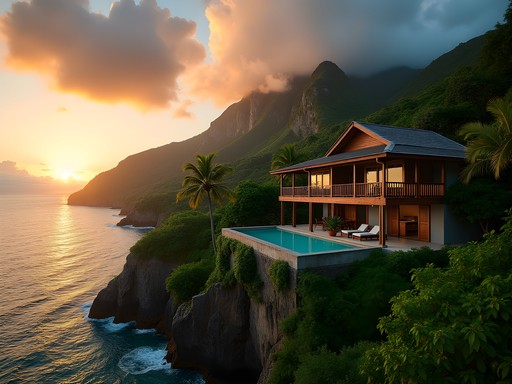
The sustainable tourism model extends to accommodations as well. I chose to stay at a locally-owned eco-resort that harvests rainwater, uses solar power, and sources food from nearby farms. My portable solar charger complemented these efforts perfectly, allowing me to keep my devices powered while reducing my energy footprint—a small but meaningful contribution to preserving the pristine environment that makes Portsmouth special.
What particularly resonated with my background in social justice was how Dominica has developed programs to ensure tourism benefits reach local communities. Many of the snorkeling guides I met were former fishermen who transitioned to tourism as part of a government initiative to reduce pressure on fish stocks while providing sustainable livelihoods. Their intimate knowledge of the reef—gained through generations of connection to these waters—transformed my underwater experience from mere sightseeing to a deeper understanding of this living ecosystem.
For visitors, participating in this conservation ethos is straightforward: choose locally-owned accommodations and tour operators, respect marine life by maintaining appropriate distance, use reef-safe sunscreen, and consider contributing to local conservation initiatives. These simple choices ensure that Champagne Reef and Portsmouth's other natural wonders will remain vibrant for generations to come.
💡 Pro Tips
- Use only reef-safe sunscreen products that don't contain oxybenzone or octinoxate
- Support businesses displaying the Dominica Marine Reserve certification
- Consider adding a conservation donation when booking tours or accommodations
Final Thoughts
As my week in Portsmouth drew to a close, I found myself sitting on the black volcanic sand at sunset, watching the same waters that had revealed such wonders during my underwater explorations. Champagne Reef offers more than just a unique snorkeling experience—it provides a window into the powerful geological forces that continue to shape our planet and the remarkable resilience of nature and communities that adapt to these dynamic environments. For couples seeking connection—both with each other and with something larger than themselves—this effervescent underwater landscape offers the perfect setting for creating meaningful memories. Whether you're floating hand-in-hand through curtains of bubbles or sharing the excitement of spotting a camouflaged seahorse, Portsmouth's volcanic treasures invite you to dive deeper, both literally and metaphorically. I left with not only photographs but a profound appreciation for how volcanic activity creates rather than destroys, generating new possibilities both below and above the waves.
✨ Key Takeaways
- Champagne Reef offers a rare opportunity to witness active volcanic processes underwater in a safe, accessible environment
- Morning snorkeling provides the best visibility and most intimate experience with marine life
- Supporting local conservation efforts ensures this natural wonder remains pristine for future generations
📋 Practical Information
Best Time to Visit
May to August (summer) for calmest waters and best visibility
Budget Estimate
$1,500-$2,500 per couple for a week including accommodations, diving/snorkeling, and meals
Recommended Duration
5-7 days to fully experience Portsmouth's volcanic attractions
Difficulty Level
Intermediate - Comfortable Swimming Skills Required But Specialized Diving Certification Not Necessary For Snorkeling


Comments
Sophia Gomez
Your description of sitting on that black volcanic sand at sunset really resonated with me, Savannah. I had a similar moment in Dominica last year - there's something about that island that just gets under your skin. I was there for a quick business trip (covering a sustainable tourism conference) but managed to squeeze in a morning at Champagne Reef. Even as someone who usually just squeezes in tourist activities between meetings, I found myself wishing I'd blocked out more time. The marine life there is incredible. I saw a seahorse clinging to some coral, which the guide said was pretty rare. If anyone's going, definitely bring an underwater camera. My phone in a waterproof case worked fine, but I wish I'd had something better for the low-light conditions deeper down.
vacationbackpacker
Wow a seahorse! That's so cool
sunnyperson
Love the photos!
citypro
We visited Portsmouth last year and did the Champagne Reef snorkel tour. Honestly one of the coolest experiences I've had in the Caribbean! The bubbles tickling your skin is such a weird sensation. We also hiked to some waterfalls nearby which was beautiful. Only downside was the beach itself is pretty rocky - not great for just lounging. But if you're there for the diving/snorkeling it's 100% worth it. The town of Portsmouth is pretty laid back too, not touristy at all.
moonqueen
What dive shop did you use? Planning a trip for October and want to book ahead.
Jean Wells
Excellent breakdown of the volcanic geology, Savannah. I've been analyzing underwater volcanic sites across the Caribbean for a series I'm working on, and Champagne Reef stands out for its accessibility to novice divers. The CO2 bubble phenomenon is particularly interesting from a geological perspective - it's essentially a cold seep rather than active thermal venting, which makes it safer for extended observation. One thing I'd add for readers: visibility can drop significantly after rainfall due to sediment runoff from the mountains. Morning dives typically offer the clearest conditions. Did you notice any difference in bubble activity at different times of day?
Savannah Torres
Great point about the morning visibility! I did notice the bubbles seemed more active earlier in the day, though I'm not sure if that's actual variation or just better lighting conditions. Would love to read your series when it's published!
coolhero
How cold is the water? Do you need a wetsuit or is it warm enough without one?
sunnyperson
Caribbean water is usually pretty warm year round. I went snorkeling in Dominica in February and didn't need one.
Savannah Torres
Exactly! Water temp was around 80°F when I was there. Most people were fine without wetsuits, though some divers wore thin ones for the longer dives.
vacationbackpacker
This looks amazing! Adding to my bucket list.
luckyphotographer
Going there next month, so excited!!
Oliver Duncan
Champagne Reef was definitely a highlight of my Caribbean budget trip! Pro tip for budget travelers: you can rent snorkel gear in Portsmouth village for about $10 USD versus $25 through the dive shops. The local guys at the beach also offer informal guided snorkels for $15-20 and they know where all the best marine life hangs out. I spotted three seahorses thanks to my guide! The black sand beaches nearby are free to explore and absolutely stunning at golden hour. Stayed at a guesthouse in Portsmouth for $35/night - half the price of the tourist areas.
tripwalker
Love the photos!
Venture X
Premium card with 2X miles, $300 travel credit, Priority Pass