


Disclosure: This article contains affiliate links. We may earn a commission from purchases at no extra cost to you, which helps our travel content.
When I first landed in Oslo for a tax conference (of all things!), I expected another concrete jungle with suits and spreadsheets. Que surpresa maravilhosa! What a wonderful surprise to discover that this Scandinavian capital is actually an outdoor enthusiast's paradise cleverly disguised as a financial hub. Unlike most European capitals, Oslo doesn't force you to choose between urban amenities and natural wonders—it serves both on the same plate, often just a short T-bane ride apart. As someone who grew up balancing financial district life with weekend escapes to Ipanema, this city immediately felt like a kindred spirit.

Island Hopping in the Oslofjord
Growing up surfing in Rio, I've always been drawn to water, so discovering Oslo's island-hopping potential was like finding a piece of home in the North. The Oslofjord isn't technically a fjord (it's geologically a bay), but what it lacks in dramatic cliffs it makes up for with an archipelago of islands accessible via public ferries that operate as casually as city buses.
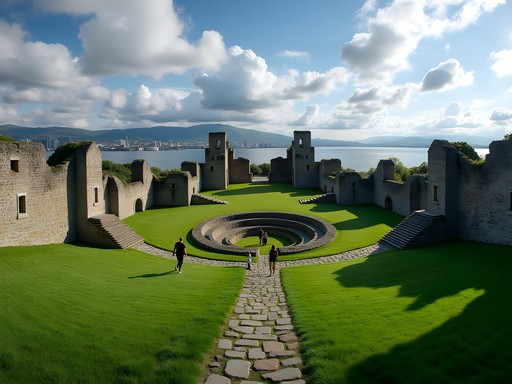
During summer months, I recommend starting with Hovedøya, just a 5-minute ferry ride from Aker Brygge. The island offers ruins of a 12th-century monastery, hidden beaches, and forest trails. Bring your quick-dry towel for impromptu swims—the compact microfiber design has saved me countless times when opportunity strikes.
For a full day adventure, island-hop to Langøyene where locals gather for barbecues and camping. The atmosphere reminds me of weekend gatherings in Brazil, minus the samba but with equally friendly vibes. If you're visiting between May and September, consider the island-hopping ticket that allows unlimited travel between islands—vale muito a pena (it's well worth it).

💡 Pro Tips
- The ferry schedule changes seasonally—download the Ruter app for real-time updates
- Island beaches get crowded on sunny weekend days; aim for weekday visits
- Pack your own food and drinks as island services are limited
Nordmarka Forest: Wilderness at Your Doorstep
If Rio taught me to love the sea, Seoul taught me to appreciate mountains. In Oslo, Nordmarka Forest satisfies that craving for elevation with over 430 square kilometers of wilderness literally connected to the city's public transport system. É inacreditável! It's unbelievable!
The T-bane (metro) line 1 takes you directly to trailheads at Frognerseteren or Sognsvann, where an extensive network of trails awaits. During winter, these same paths transform into cross-country skiing routes—a sport I awkwardly but enthusiastically attempted after a Norwegian colleague convinced me it was "just like surfing, but on snow." (It is decidedly not.)
For beginners to Nordic wilderness, I recommend the trails around Sognsvann Lake, which offer gentle terrain and clear markings. More experienced hikers should head to Vettakollen for one of the best panoramic views of Oslo. My hiking poles proved invaluable on some of the steeper sections, especially when wet.
During winter months, Nordmarka becomes a cross-country skiing paradise. Rental equipment is available at multiple locations, but if you're staying for more than a few days, consider investing in a headlamp for those early morning or late afternoon adventures when daylight is scarce.

💡 Pro Tips
- Download the DNT (Norwegian Trekking Association) app for trail maps and cabin information
- Respect the Norwegian 'allemannsretten' (right to roam) by leaving no trace
- Weather changes rapidly—always pack an extra layer even on sunny days
Urban Kayaking: The City from Water Level
Having grown up where the ocean meets the city, I'm always drawn to urban waterways. Oslo's relationship with water is different from Rio's dramatic coastline or Seoul's carefully managed Cheonggyecheon Stream—it's more integrated, more accessible, more... Norwegian.
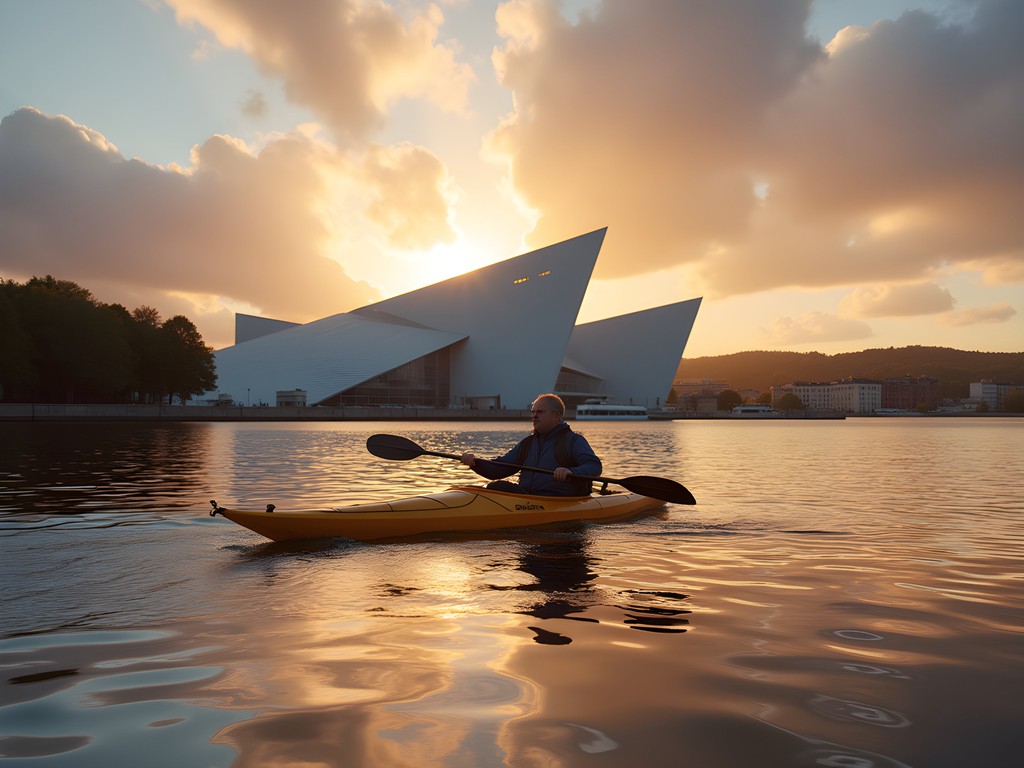
Renting a kayak from one of the operators along Aker Brygge or Sørenga gives you a unique perspective of Oslo's rapid architectural transformation. Paddling past the iconic Opera House, the Barcode Project, and the futuristic Munch Museum offers views you simply can't get from land. For the more adventurous, kayaking to nearby islands like Nakholmen or Bleikøya provides a perfect half-day escape.
My first Oslo kayaking experience happened during a surprisingly warm May evening, when the sun barely set and the water reflected the city lights like a mirror. I've since learned that bringing a dry bag is essential for protecting electronics and documents—especially important when you're a tax advisor who can't resist checking emails even while paddling!
For beginners, I recommend joining one of the guided sunset tours that combine urban paddling with storytelling about Oslo's maritime history. More experienced kayakers can rent equipment for independent exploration. Either way, seeing Oslo from water level provides a perspective that even many locals haven't experienced.
💡 Pro Tips
- Book kayak rentals in advance during summer months
- Bring a change of clothes in a waterproof container—Norwegian water is cold year-round
- Check wind conditions before heading out—the fjord can get choppy unexpectedly

Ekeberg Sculpture Park: Art Meets Nature
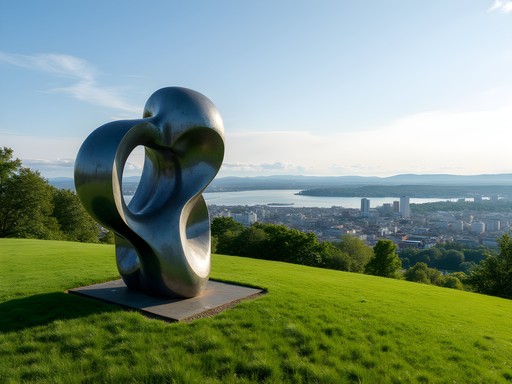
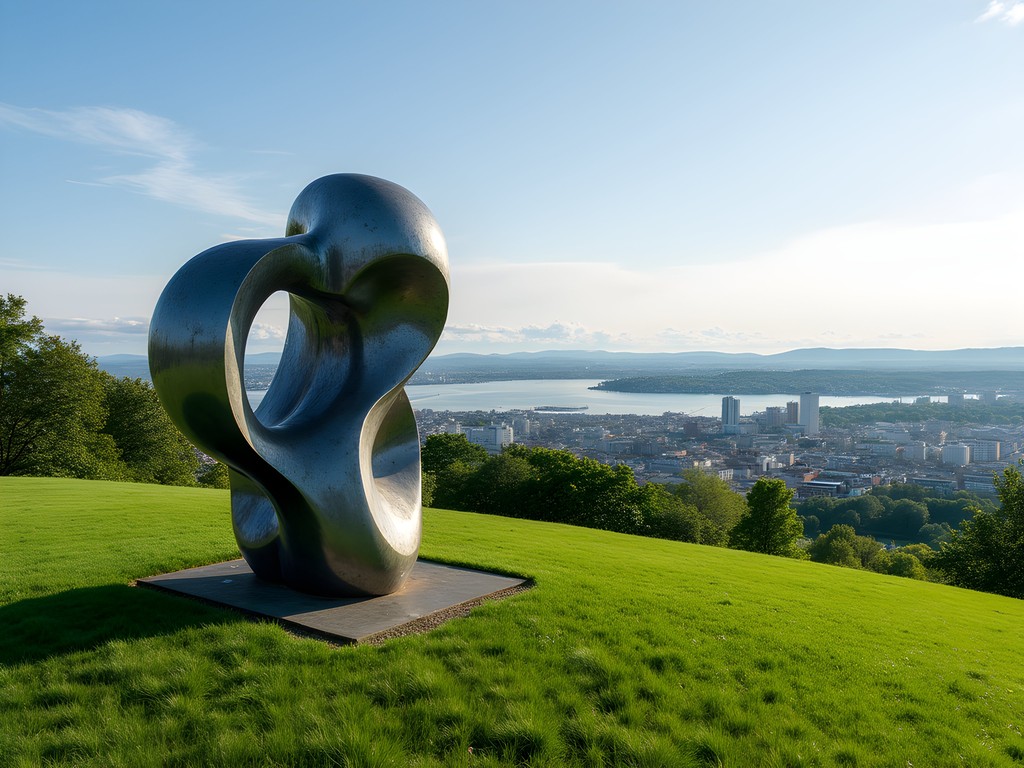
As someone who spends workdays immersed in tax codes and spreadsheets, I've developed a particular appreciation for spaces that blend creativity with natural settings. Ekeberg Sculpture Park (Ekebergparken) is precisely this kind of sanctuary—a 25-acre woodland filled with world-class sculptures just a short tram ride from central Oslo.
The park features works by renowned artists like Salvador Dalí, Louise Bourgeois, and James Turrell, thoughtfully placed among trees and clearings with spectacular views over the city and fjord. What makes this experience special is how the art interacts with the changing seasons—a sculpture partially hidden by summer foliage reveals itself completely in winter, creating an ever-evolving outdoor gallery.
My favorite time to visit is early morning when the light is soft and the crowds are thin. I've found that bringing a insulated water bottle keeps my coffee hot during these morning art walks—essential for those crisp Norwegian mornings when temperatures hover just above freezing.
Don't miss James Turrell's "Skyspace" installation, which plays with your perception of the sky through a carefully designed viewing chamber. It reminds me of looking up at the sky between Rio's skyscrapers as a child, but with an artist's deliberate framing.
💡 Pro Tips
- Download the free Ekeberg Sculpture Park app for guided tours and artist information
- Visit at different times of day—the sculptures transform dramatically with changing light
- Combine with a meal at the historic Ekeberg Restaurant for panoramic city views
Akerselva River Walk: Industrial Heritage Meets Urban Nature
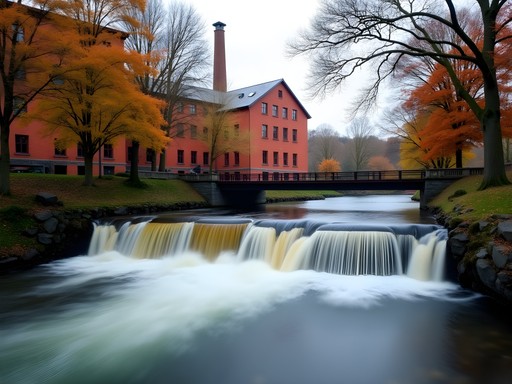
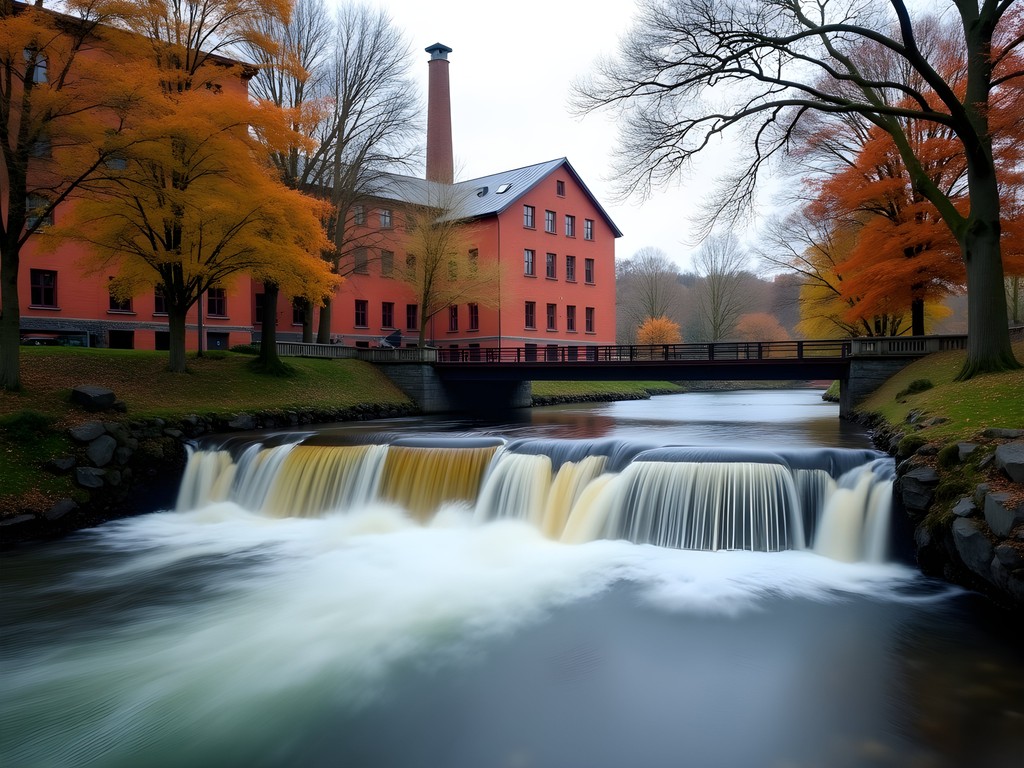
The Akerselva River slices through Oslo like a green artery, offering an 8-kilometer walking path from Maridalsvannet Lake to the city center. As someone who appreciates the intersection of industrial heritage and nature (a surprisingly common theme in both Rio and Seoul), this river walk quickly became my favorite urban escape during busy workweeks.
The river powered Oslo's industrial revolution, and the path takes you past converted factory buildings, thundering waterfalls, and trendy neighborhoods like Grünerløkka. What impresses me most is how Norwegians have preserved industrial elements while allowing nature to reclaim spaces—um equilíbrio perfeito (a perfect balance) that many cities could learn from.
I often start my walks at Nydalen (easily reached by metro) and head downstream toward the city center. The trail running shoes I originally bought for Seoul's mountain paths have proven perfect for navigating the occasionally muddy and uneven terrain along the river.
During summer months, locals gather along the banks for picnics and swimming at spots like Badebakken. In autumn, the riverside explodes with color as leaves change, creating a spectacle that rivals any formal garden. Winter brings its own magic when snow blankets the path and waterfalls partially freeze.
💡 Pro Tips
- Visit the Norwegian Museum of Science and Technology along the route to understand the river's industrial importance
- Look for salmon swimming upstream during migration season (June-October)
- The cafés at Hønse-Lovisas Hus and Mathallen food hall offer perfect rest stops
Final Thoughts
Oslo's seamless blend of urban sophistication and accessible wilderness makes it uniquely positioned among European capitals. As someone who has lived in cities that either embrace nature (Rio) or meticulously design it (Seoul), I find Oslo's approach refreshingly straightforward—nature isn't an amenity here, it's a birthright.
What continues to amaze me about this city is how quickly you can transition from boardroom to boardwalk, from financial district to forest trail. For solo travelers especially, this accessibility creates endless opportunities for spontaneous adventures without complex logistics or transportation headaches.
The Norwegian concept of friluftsliv—a commitment to outdoor life regardless of weather—has taught me to see urban environments differently. Now when I travel to other cities for work, I find myself searching for their hidden pockets of wilderness, their own versions of Oslo's urban nature.
So pack your layers (yes, even in summer), download the city's excellent transportation app, and prepare to discover why Norwegians consistently rank among the world's happiest people. A natureza está esperando—nature is waiting—just minutes from your hotel doorstep.
✨ Key Takeaways
- Oslo offers wilderness experiences accessible by public transportation
- The city's outdoor spaces can be enjoyed year-round with proper preparation
- Solo travelers can easily navigate between urban amenities and natural settings
- The Oslo Pass includes public transportation and ferry access to nearby islands
- Norwegian weather changes rapidly—always dress in layers
📋 Practical Information
Best Time to Visit
May-September for warmest weather; December-March for winter activities
Budget Estimate
$100-150 USD per day including accommodations, food and activities
Recommended Duration
4-7 days
Difficulty Level
Moderate

Comments
Douglas Bradley
Excellent breakdown of Oslo's outdoor scene, Luca. I was similarly surprised when I visited last year - the Nordmarka forest network is particularly impressive from an urban planning perspective. The trail infrastructure rivals anything I've seen in North America, and the fact that you can literally take the metro to wilderness trailheads is remarkable. Did you explore any of the cabin areas deeper into Nordmarka? There's a whole network of DNT huts that make for great overnight trips. The accessibility model here really challenges the North American assumption that you need to drive hours to reach quality nature.
Luca Evans
I didn't get to the cabins unfortunately - was only there for 5 days. But yes, completely agree about the urban planning aspect! The metro-to-trails concept is something more cities should study. It really democratizes outdoor access in a way that car-dependent systems don't.
wildwanderer
This looks amazing! Quick question - did you do any of these activities in winter? Heading there in March and wondering if the island hopping is still doable or if everything's frozen over?
Luca Evans
Great question! I was there in late spring, but locals told me the ferries run year-round to the main islands. March should be fine for island hopping. The forest trails are actually incredible for cross-country skiing in winter - totally different vibe but equally awesome!
wildwanderer
Perfect, thanks! Might have to try the skiing then
wildking
Going in June! This post just made me 10x more excited. Didn't realize you could do all this without leaving the city basically. Thanks for sharing!
happyguy
Do you need to rent kayaking equipment or are there places that provide everything? Never kayaked before but this looks amazing.
Riley Griffin
There are rental places right by the harbor that provide everything including life jackets and basic instruction. Very beginner friendly!
moonadventurer
Love the photos! Never thought of Oslo as an outdoor destination.
Riley Griffin
We took our kids (8 and 11) to Oslo last fall and did the island hopping - absolute game changer for a family trip! They loved jumping between Hovedøya and Langøyene, and we packed sandwiches so it was super budget-friendly. The ruins on Hovedøya kept them entertained for ages. My son still talks about spotting the deer there. Only wish we'd had more time for the kayaking you mentioned. Adding that to our list for next time!
hikingone
Is this doable in winter or better to wait for summer?
coffeenomad
Winter is amazing there! Cross country skiing in Nordmarka is incredible. Just dress warm.
Kimberly Murphy
Luca, this is BRILLIANT! I did Nordmarka last summer and honestly felt like I'd teleported out of the city. Took the metro to Frognerseteren and hiked for hours without seeing another soul. The best part? Grabbed dinner back in the city centre 90 minutes later. Oslo absolutely nails the urban-wilderness balance. Your photos of Ekeberg are stunning too!
wildking
Which metro line did you take? Planning a trip soon!
Kimberly Murphy
Line 1 to Frognerseteren! Super easy and the views from the station alone are worth it.
coffeenomad
Oslo is SO underrated! The ferry to the islands was my favorite part.
BudgetBackpacker
Just wanted to add that many of these activities are totally free or very low cost! We spent three days exploring Oslo's nature spots and barely spent anything. The public beaches on the islands are free, hiking in Nordmarka costs nothing, and you can even bring your own picnic to Ekeberg Sculpture Park. For those on a budget, Oslo's nature scene is such a relief compared to the city's restaurant prices! We just paid for transportation and had an amazing time.
FirstTimeVisitor
This is so good to know! I've been avoiding Oslo because I heard it's expensive. Maybe I'll reconsider!
Venture X
Premium card with 2X miles, $300 travel credit, Priority Pass