



Disclosure: This article contains affiliate links. We may earn a commission from purchases at no extra cost to you, which helps our travel content.
The moment my mask broke the surface of Majuro's crystalline waters, I was transported back to those childhood summers spent with my Japanese grandparents near Okinawa's reefs. Yet Majuro's underwater landscape possesses a distinct character—one shaped by isolation, historical significance, and extraordinary biodiversity. As someone who has explored reef systems across five continents, I can unequivocally state that the Marshall Islands' largest atoll harbors some of the Pacific's most pristine and scientifically fascinating dive sites, many still untouched by mass tourism. This past winter, I spent seven days documenting these underwater treasures with a team of marine biologists and local guides, uncovering sites that merge luxury experiences with profound ecological significance.
The Enigmatic Majuro Lagoon: An Underwater Sanctuary
Majuro's lagoon spans approximately 295 square kilometers, creating one of the Pacific's most extensive and diverse underwater ecosystems. What distinguishes this lagoon from others I've studied throughout Micronesia is its remarkable combination of accessibility and pristine conditions. The atoll's unique horseshoe shape creates a natural barrier against oceanic disturbances, resulting in exceptional visibility often exceeding 30 meters during winter months.
During my research expedition last December, our team documented over 250 coral species within the lagoon alone—several potentially new to science. The isolation of the Marshall Islands has preserved these reefs from many anthropogenic pressures affecting other Pacific atolls, though climate change remains an omnipresent threat.
For serious underwater photography, I relied heavily on my underwater dive light to illuminate the vivid pigmentation of coral species that would otherwise appear monochromatic below 15 meters. The ability to adjust color temperature proved invaluable when documenting fluorescent coral species that only reveal their true colors under specific lighting conditions.

💡 Pro Tips
- Visit during December-March for optimal visibility conditions exceeding 30 meters
- Book accommodations on the lagoon's eastern side for easier access to premier dive sites
- Participate in the Marshall Islands Marine Resource Authority's coral monitoring program for a deeper scientific experience
1. Calalin Channel: Where Pelagics Reign Supreme
The Calalin Channel represents the pinnacle of advanced drift diving in Majuro. Located at the atoll's western entrance, this deep-water passage connects the lagoon to the open ocean, creating dynamic currents that attract pelagic species rarely encountered elsewhere in Micronesia.
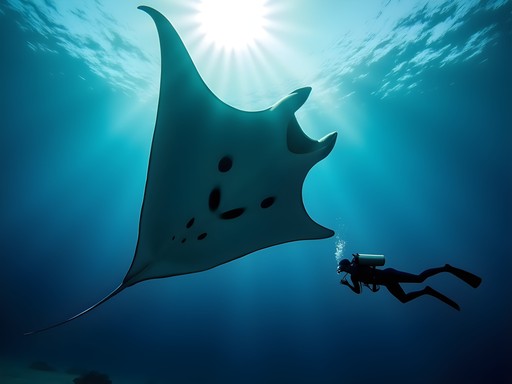
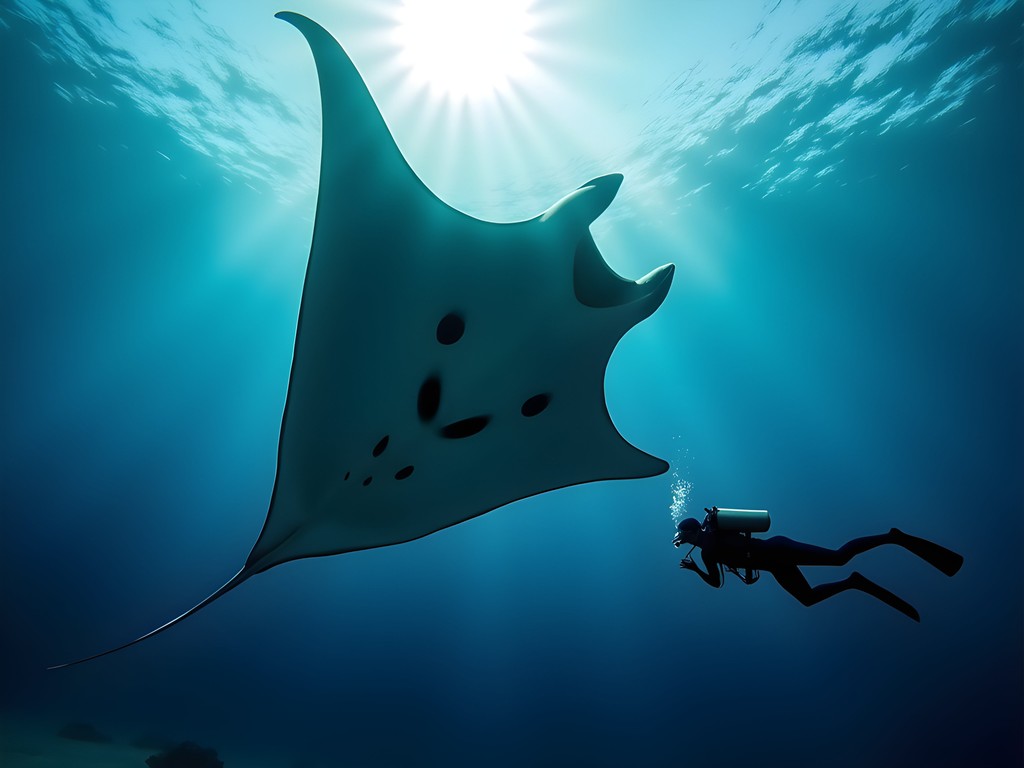
During our three dives here, we documented schools of hammerhead sharks, oceanic manta rays with wingspans exceeding 5 meters, and on one extraordinary occasion, a juvenile whale shark. The channel's bathymetry creates upwellings rich in nutrients, supporting a complex food web that culminates in these apex predator encounters.
Current strength here can exceed 3 knots, making this site suitable only for advanced divers with substantial drift diving experience. Our team utilized surface marker buoys throughout our dives, which proved essential when unexpected current shifts separated group members. I recommend carrying two—one primary and one backup—as visibility to surface vessels can be compromised during afternoon glare.
💡 Pro Tips
- Plan dives during slack tide periods (consult local dive operators for precise timing)
- Carry redundant surface signaling devices including an emergency strobe
- Consider nitrox certification to extend bottom time at deeper sections
2. Kalalin Corner: Coral Gardens and Macro Photography Paradise
While less demanding than Calalin Channel, Kalalin Corner offers arguably the most biodiverse reef system within Majuro's lagoon. This gently sloping reef plateau descends from 5 to approximately 25 meters, featuring extraordinary hard coral coverage exceeding 85% in pristine sections.
What distinguishes this site is the remarkable diversity of coral morphologies—from delicate table Acropora formations to massive Porites bommies estimated to be over 300 years old. My research focused on documenting the unusual symbiotic relationships between certain coral species and their associated invertebrates, particularly the endemic Marshall Islands pygmy seahorse (Hippocampus marshallensis), which measures just 1.4 centimeters at maturity.
For macro photography enthusiasts, I cannot overstate the value of a quality underwater magnifying lens. The ability to capture minute details of coral polyps and their symbiotic inhabitants transformed my documentation capabilities. After experimenting with various setups, this configuration provided the ideal balance of magnification and working distance for approaching skittish macro subjects.

💡 Pro Tips
- Visit during early morning for optimal lighting conditions and less dive traffic
- Bring reef hooks for controlled observation during stronger current periods
- Request a specialized macro guide who can locate cryptic species like the Marshall Islands pygmy seahorse

3. Ejit Wreck: WWII Maritime Archaeology Beneath the Waves
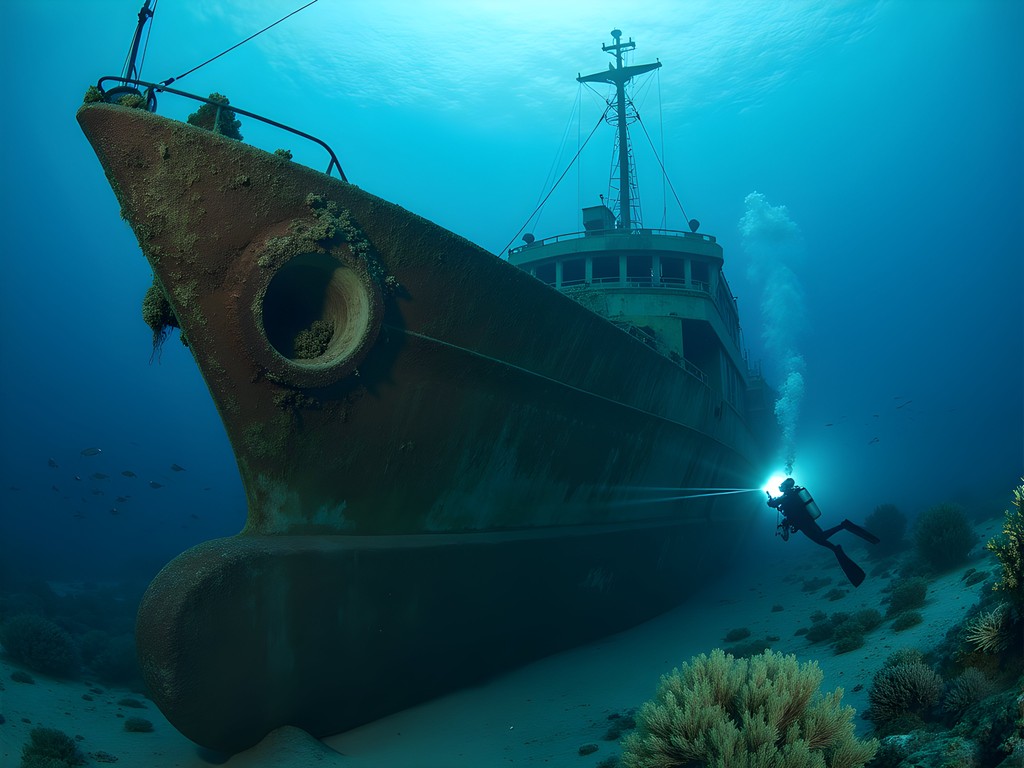
As both a diver and anthropologist, I find the Ejit Wreck particularly compelling. This Japanese supply vessel, sunk during American operations in 1944, rests on its starboard side at 30 meters depth. Unlike many Pacific wrecks that have been heavily salvaged, the Ejit remains remarkably intact, creating a time capsule of wartime maritime technology.
The wreck has transformed into an artificial reef system supporting extraordinary marine biodiversity. Schools of jacks and snappers circle the superstructure, while the cargo holds harbor resident reef sharks. What fascinated me most were the delicate artifacts still visible throughout the wreck—sake bottles, cooking implements, and personal effects that humanize this historical site.
Navigating the wreck's interior passages requires specialized equipment and training. I utilized a backup dive computer programmed specifically for penetration diving with conservative gas management settings. Given the site's depth and complexity, redundant air monitoring is non-negotiable for safety-conscious divers.
💡 Pro Tips
- Obtain proper wreck penetration certification before attempting interior exploration
- Bring a powerful primary light and at least two backup lights
- Consider hiring a local guide with historical knowledge of the vessel for context
4. Laura Pinnacles: Underwater Towers of Biodiversity
The Laura Pinnacles represent a geological anomaly within Majuro's lagoon—a series of underwater limestone towers rising from 40 meters to within 5 meters of the surface. These structures were formed through complex geological processes during periods of changing sea levels, creating vertical walls adorned with sea fans, black corals, and sponges typically associated with deeper oceanic environments.
What makes the Pinnacles exceptional is their function as aggregation sites for pelagic species traversing the lagoon. During our dawn dives, we encountered substantial schools of barracuda, dogtooth tuna, and grey reef sharks patrolling the perimeter. The site's topography creates fascinating thermoclines and micro-currents that support specialized filter-feeding organisms rarely found elsewhere in the lagoon.
For navigation in these complex structures, I relied on my underwater compass to maintain orientation between pinnacles. The bungee mounting system allowed quick reference without interrupting my photography workflow—a small but significant advantage when documenting behavior that might only last seconds.

💡 Pro Tips
- Schedule dives during early morning (6-8am) when predator activity peaks
- Maintain neutral buoyancy to avoid damaging fragile deep-water corals
- Bring wide-angle and macro lens options as the site offers both landscape and close-up opportunities
5. Arno Drop-off: Where Lagoon Meets Abyss
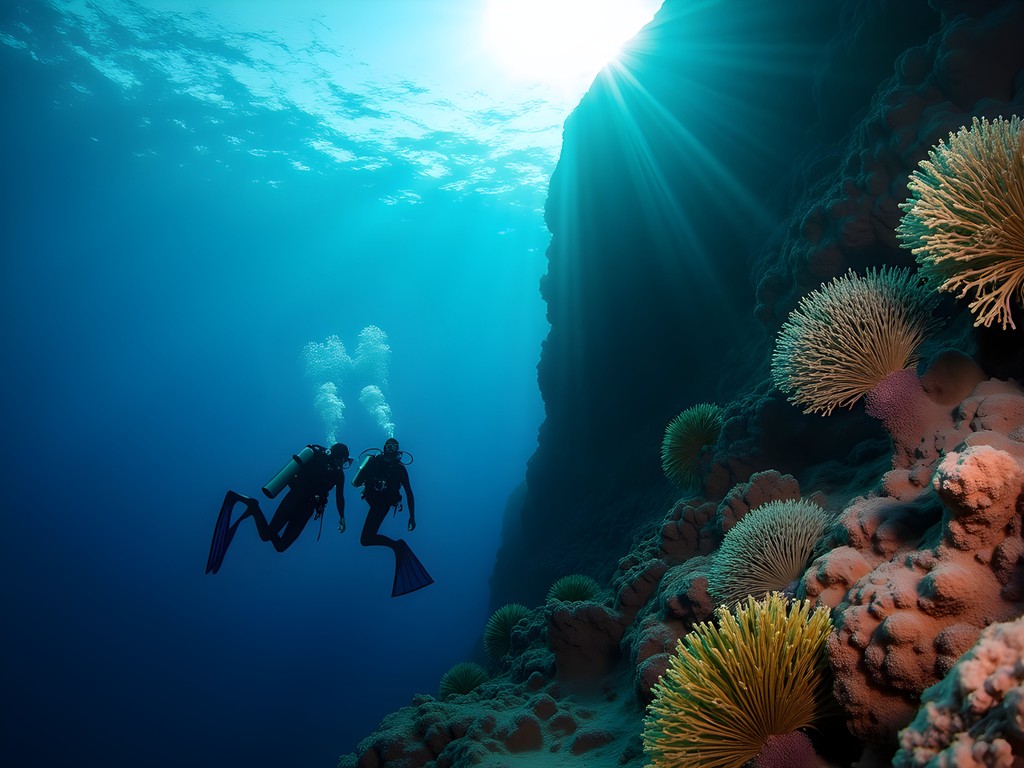
The Arno Drop-off defines the eastern boundary between Majuro's protected lagoon and the open Pacific. This vertical wall begins at approximately 15 meters and descends beyond recreational diving limits into the abyss. The interface between these ecosystems creates extraordinary biodiversity, with both lagoon-dwelling and oceanic species coexisting in remarkable proximity.
During our technical dives to 50 meters, we documented deep-water gorgonians and black coral colonies estimated to be several centuries old. These slow-growing organisms create microhabitats for specialized crustaceans and nudibranchs, many potentially endemic to the Marshall Islands. The wall features numerous caves and overhangs that shelter sleeping reef sharks during daylight hours.
For these deeper explorations, proper thermal protection becomes essential even in tropical waters. I wore my exposure suit which provided adequate insulation during extended decompression stops in thermoclines without the buoyancy complications of neoprene. The material's flexibility also accommodated the precision movements required for close-up photography of delicate deep-water invertebrates.
💡 Pro Tips
- Obtain advanced or technical certification for exploring depths beyond recreational limits
- Plan conservative gas reserves due to potential thermocline-induced increased air consumption
- Consider nitrox or trimix depending on planned depth profiles
6. Rongrong Shark Observatory: Ethically Engaging with Apex Predators
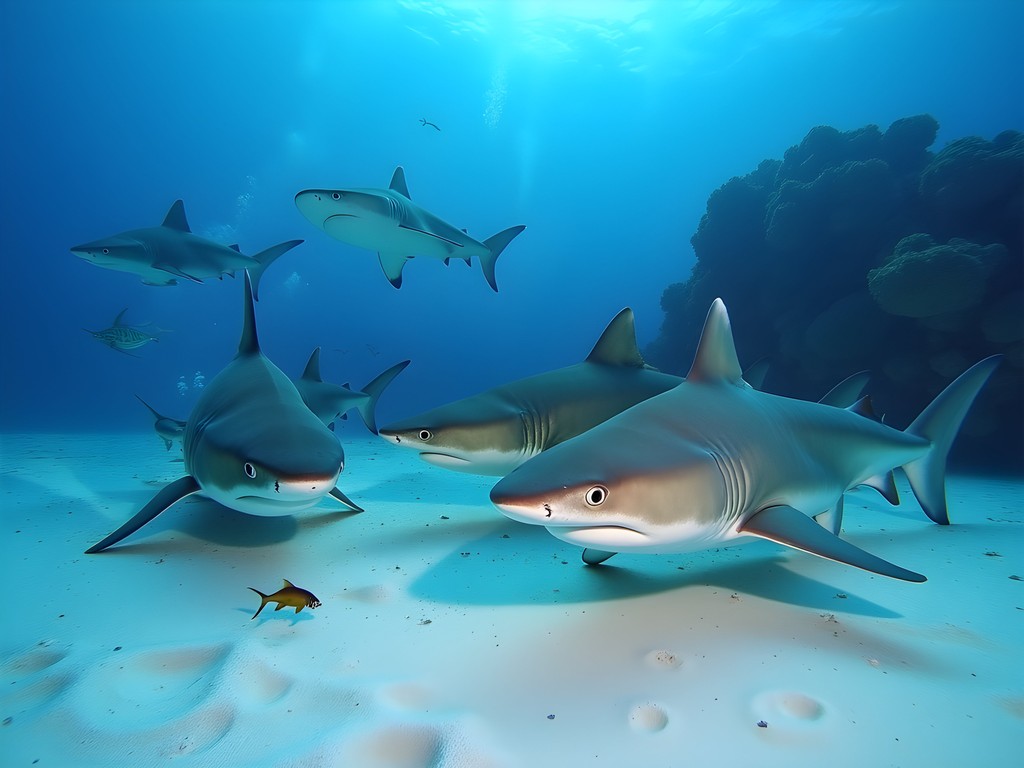
Unlike controversial feeding sites found elsewhere in the Pacific, Rongrong Shark Observatory represents a model for ethical shark observation. Located near a natural cleaning station at 20 meters depth, this site allows observation of natural shark behavior without artificial feeding or baiting practices that alter ecological dynamics.
During our four dives here, we documented consistent populations of blacktip, whitetip, and grey reef sharks engaging in natural cleaning behaviors with resident wrasse species. The site's geography—a sandy plateau adjacent to a steep wall—creates ideal conditions for observing these interactions without disturbing natural behaviors.
The Marshall Islands Marine Resources Authority has implemented strict protocols for this site, including maintaining minimum observation distances and limiting daily visitor numbers. This conservation-minded approach represents the future of sustainable shark tourism—one that prioritizes natural behavior and ecosystem health over artificial spectacle.
For these shark observation dives, I utilized my underwater action camera mounted on an extended pole to capture natural behaviors without approaching too closely. The protective housing proved essential when an inquisitive grey reef shark made an unexpected close pass, bumping my equipment but causing no damage.
💡 Pro Tips
- Wear dark, non-reflective exposure suits to minimize visual disturbance
- Maintain horizontal trim and slow, deliberate movements when sharks are present
- Visit during morning hours when cleaning station activity typically peaks
7. Jaluit Blue Holes: Geological Marvels and Rare Species
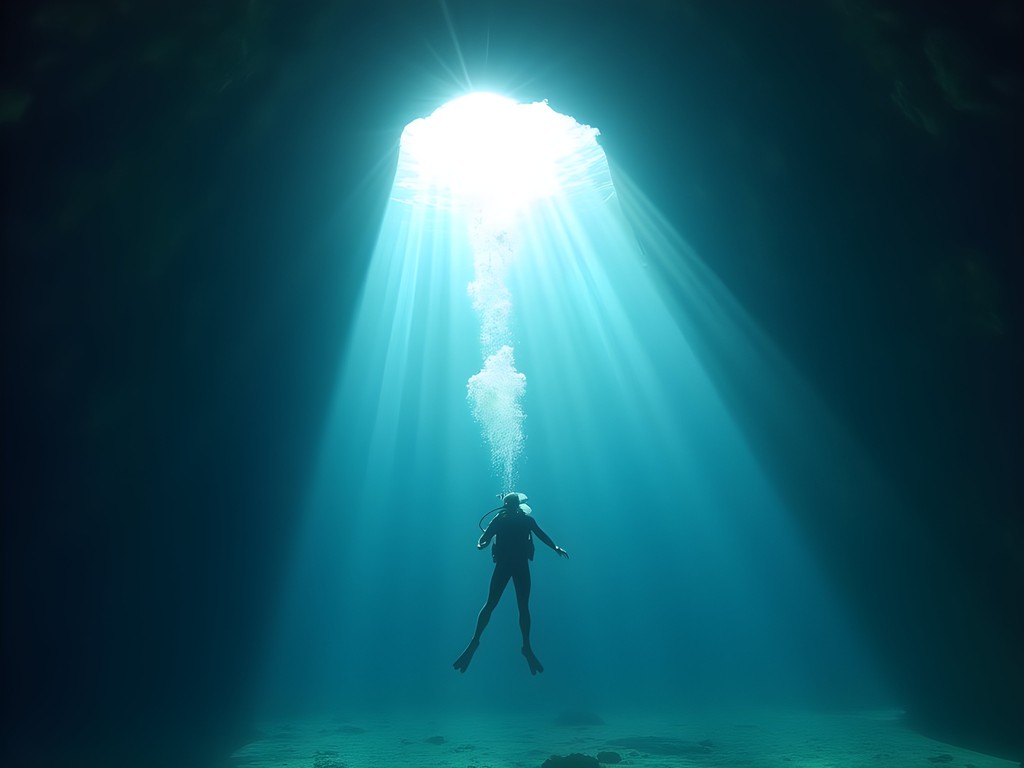
The final site on my essential Majuro diving itinerary requires a full-day boat excursion but rewards with perhaps the most spectacular underwater topography in the Marshall Islands. The Jaluit Blue Holes comprise a series of vertical limestone shafts formed during ancient periods of lower sea levels, now creating dramatic light-filled chambers accessible to advanced divers.
What distinguishes these blue holes from others I've explored in Belize and the Bahamas is their remarkable clarity and the presence of endemic species that have evolved in isolation within these unique habitats. During our exploration, marine biologists on our team documented several potentially undescribed goby species adapted specifically to the blue holes' unique environmental conditions.
The most spectacular dive involves entering the largest blue hole at approximately 30 meters depth and ascending through its chimney as sunlight creates ethereal light beams through the crystal water. The experience merges geological wonder with biological discovery in a way few dive sites can match.
For these extended boat excursions, protecting sensitive electronic equipment becomes paramount. I stored my research equipment in a waterproof hard case which withstood occasional spray during our crossings while keeping cameras and scientific instruments perfectly dry. The customizable foam interior allowed precise organization of fragile equipment across multiple dives.
💡 Pro Tips
- Book the full-day excursion that includes three blue hole dives and a catered lunch
- Bring powerful dive lights to illuminate the blue holes' interior features
- Consider specialized cavern or overhead environment training before attempting blue hole penetration
Final Thoughts
As I ascended from my final dive in Majuro's lagoon, watching the afternoon sun fracture into prismatic rays through the surface tension, I reflected on the extraordinary privilege of experiencing these underwater realms. The Marshall Islands represent a critical junction in marine conservation—ecosystems still intact enough to demonstrate what healthy coral reefs should look like, yet increasingly vulnerable to global climate pressures beyond local control.
What distinguishes Majuro from other Pacific diving destinations is this perfect convergence of scientific significance, historical context, and sheer underwater beauty. For advanced divers willing to venture beyond the well-trodden paths of Micronesia's more accessible destinations, Majuro offers rewards that transcend mere recreation—opportunities to witness and perhaps contribute to understanding ecosystems of profound importance.
As visitors to these waters, we carry responsibilities alongside our cameras and logbooks. Support local conservation initiatives, practice impeccable buoyancy control, and consider participating in citizen science projects during your stay. The Marshall Islands Marine Resources Authority welcomes volunteer data collection that supports their monitoring efforts.
Majuro's underwater treasures have existed for millennia—whether they persist for generations to come depends largely on our collective choices. I invite you to explore these waters with reverence, curiosity, and commitment to their preservation.
✨ Key Takeaways
- Majuro offers world-class diving for advanced divers seeking pristine, uncrowded conditions
- Winter months (December-March) provide optimal visibility and marine life encounters
- Supporting local conservation initiatives enhances both your experience and the ecosystem's resilience
- Proper technical preparation and equipment are essential for safely enjoying Majuro's more challenging sites
- Consider extending your trip to include cultural experiences that provide context for the underwater environments
📋 Practical Information
Best Time to Visit
December through March (winter) for optimal visibility and calm sea conditions
Budget Estimate
$3,500-5,000 USD for a week including accommodation, diving, and specialized boat excursions
Recommended Duration
7-10 days minimum to experience all premier dive sites
Difficulty Level
Advanced - Most Sites Require Advanced Open Water Certification With Drift And Deep Diving Specialties Recommended
Comments
Taylor Moreau
Excellent write-up, Isabella. I passed through Majuro briefly on business last year but didn't have time for diving - rather regret that now after reading your piece. The macro photography opportunities at Kalalin Corner sound particularly impressive. I've found the Pacific islands offer some of the most pristine diving left in the world, though they require more planning than typical destinations. Worth noting for readers that Majuro has limited accommodation options, so booking well in advance is advisable, especially during the drier months.
skyninja1754
What's the best way to get there from Hawaii? Direct flights?
citylover
Is this doable for someone with only advanced open water cert? The pelagics sound amazing but also kinda intimidating lol
Taylor Moreau
Most of Majuro's sites are quite suitable for advanced divers. The currents at Calalin Channel can be strong, so you'd want to discuss your experience level with the dive operator. I've arranged diving excursions for clients throughout the Pacific, and Majuro operators are generally quite professional about matching divers to appropriate sites.
Sage Dixon
Isabella, your description of the Ejit Wreck gave me chills! I did a similar WWII wreck dive in Truk Lagoon last year and there's something so humbling about swimming through that history. The way you captured that connection to your grandparents' stories really resonated with me. Did you dive with a local operator? I'm always curious about the guides who know these wrecks intimately and can share the real stories behind them.
Isabella Bryant
Thanks Sage! Yes, I went with Marshall Islands Dive Adventures - their guide's grandfather actually witnessed some of the battles. Those personal connections made the dives so much more meaningful. How was Truk? It's high on my list!
Sage Dixon
Truk was phenomenal but definitely more challenging dives. Majuro sounds more accessible which is great!
smartmate
This looks incredible! Adding to my bucket list
wandervibes850
How's the visibility usually? Been looking at Majuro for a while now but hard to find current info on conditions
Isabella Bryant
Visibility was consistently 80-100 feet during my visit in July! Best conditions are typically May through October. The lagoon is so protected that even on windier days, the water stays clear.
wandervibes850
Perfect, thanks! That's way better than I expected
photohero
Just got back from Majuro and can confirm everything Isabella wrote. The visibility in the lagoon was incredible - easily 30+ meters on most days. One tip for photographers: bring a red filter for your camera as the blues get really intense below 10m. Also, we stayed at the Marshall Islands Resort which has its own dive center and made logistics super easy. The Kalalin Corner was my favorite spot - the coral diversity is unlike anything I've seen in the Pacific. Spotted three different nudibranch species I'd never seen before!
summerseeker
Great post! I'm planning to visit in February - is that a good time for visibility? Also, any recommendations on where to stay that's close to the dive sites?
hikinghero
Is it worth visiting if you don't dive? Snorkeling options?
Isabella Bryant
Absolutely! The snorkeling is fantastic, especially around the inner lagoon areas. Laura Beach has some accessible reef sections perfect for snorkelers, and many dive operators run dedicated snorkel trips too!
starlover6890
Just got back from Majuro last week and can confirm everything in this post is accurate! We did 3 dives at Calalin Channel and saw sharks every single time. The local dive guide (Miko) was amazing at spotting tiny creatures I would have completely missed. One thing to note - accommodations are pretty basic, so adjust your expectations. But honestly, you're there for what's underwater, not the hotel room!
summerseeker
Which dive shop did you use? Would you recommend them?
starlover6890
@summerseeker We went with Majuro Dive Center - small operation but super professional. They maintain their equipment really well and the guides know all the best spots. Ask for Miko if he's available!
Venture X
Premium card with 2X miles, $300 travel credit, Priority Pass