
Disclosure: This article contains affiliate links. We may earn a commission from purchases at no extra cost to you, which helps our travel content.
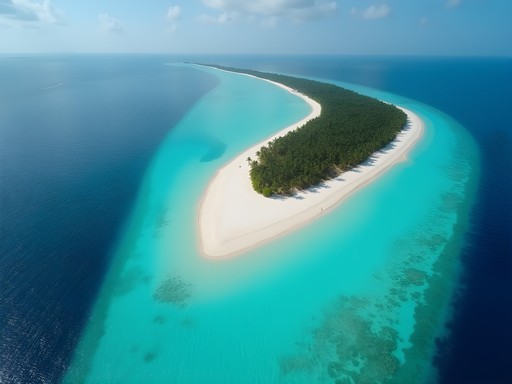
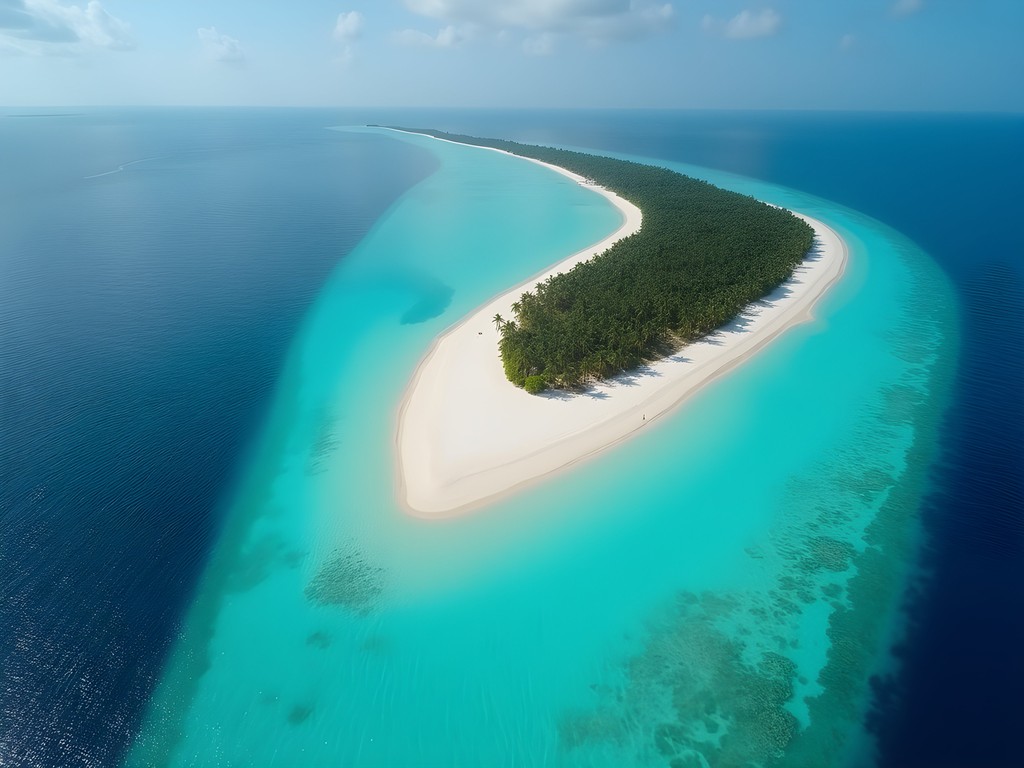
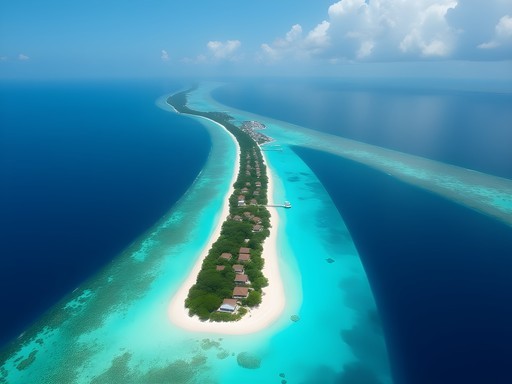
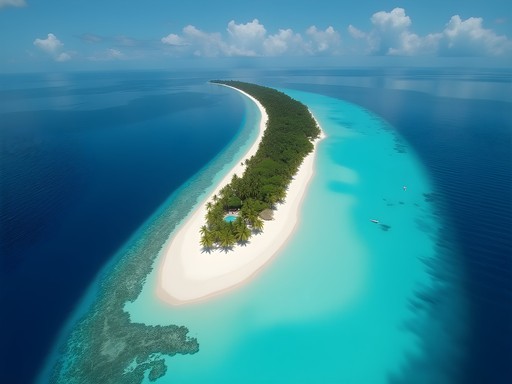
The moment my plane began its descent over the Marshall Islands, I knew this wasn't going to be like any of my previous diving expeditions. A necklace of turquoise atolls scattered across the deep blue Pacific came into view, with Majuro—the capital—stretched out like a slender emerald ribbon surrounded by the most impossibly clear waters I've ever seen. After years of exploring Mediterranean depths and Southeast Asian dive sites, I'd finally made my way to what many advanced divers consider the last frontier of truly untouched underwater ecosystems. What followed was a week of luxury accommodations paired with raw adventure beneath the waves—an investment in experiences that would yield returns far beyond any financial portfolio I've ever managed.

Why Majuro Should Be on Every Advanced Diver's Bucket List
I've logged dives across 32 countries, but nothing prepared me for the pristine isolation of Majuro. Unlike the increasingly crowded dive sites of Thailand or the Mediterranean, Majuro's underwater landscape remains gloriously untouched. The Marshall Islands' remote location in the central Pacific has shielded these waters from mass tourism, creating a rare opportunity for advanced divers to experience coral ecosystems in their most natural state.
Majuro's position at the convergence of major ocean currents has fostered incredible biodiversity—over 1,000 species of fish and 250 types of coral create underwater gardens that seem almost otherworldly in their vibrance. The visibility routinely exceeds 100 feet, with water temperatures hovering around a comfortable 82-84°F (28-29°C) during winter months, making it ideal for extended exploration.
What truly sets Majuro apart is the absence of crowds. During my entire week, I never shared a dive site with another group—an unimaginable luxury for those accustomed to the popular sites of Southeast Asia or the Caribbean. Each descent felt like a private expedition into an undiscovered world, where eagle rays, reef sharks, and occasionally the majestic manta ray would grace us with their presence, seemingly as curious about us as we were about them.
💡 Pro Tips
- Book your dives at least 3-4 months in advance as the limited operators fill quickly during peak winter season
- Pack reef-safe sunscreen as it's nearly impossible to find locally
- Bring a surface marker buoy—the currents can sometimes be unpredictable
Luxury Accommodations: Your Base for Underwater Exploration
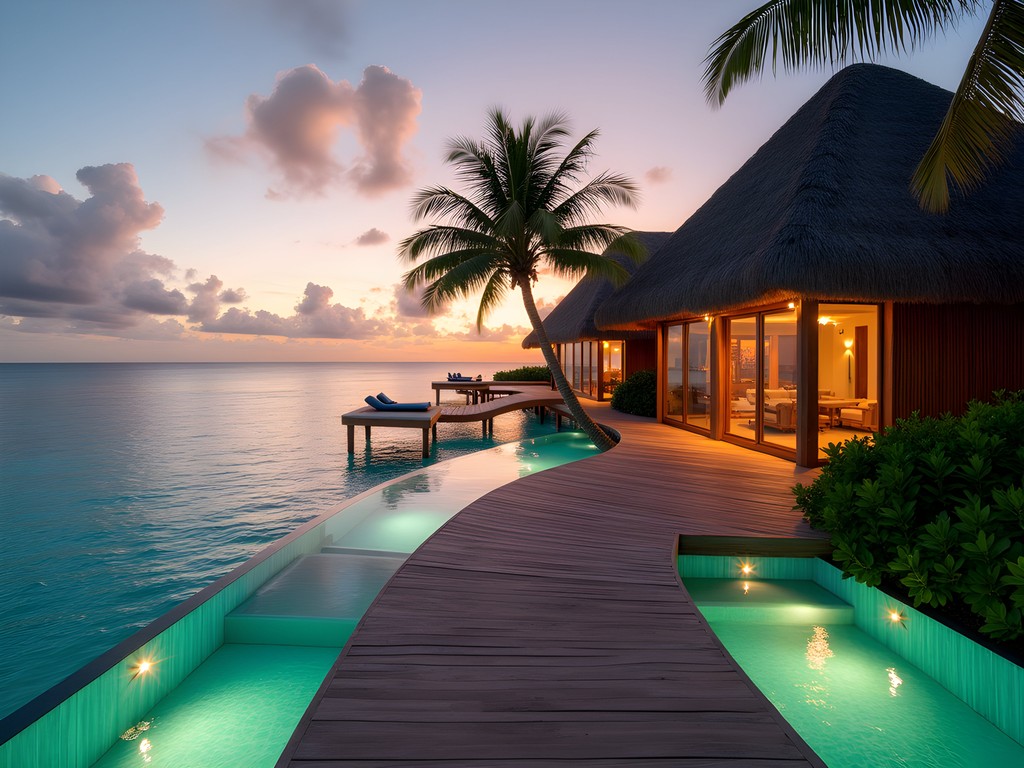
While Majuro isn't known for conventional luxury resorts, I discovered that true luxury here comes in different forms—namely privacy, exclusivity, and unparalleled access to natural wonders. After careful research, I settled on the Marshall Islands Resort, the premier accommodation on the atoll. While modest by Maldivian standards, their oceanfront suites offer direct water access and panoramic views that rival any five-star property I've experienced.
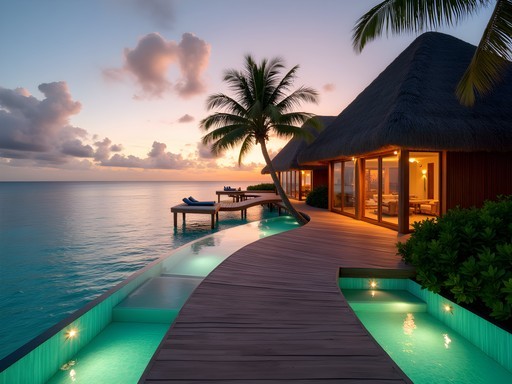
For those seeking ultimate exclusivity, I highly recommend booking one of the private overwater bungalows that opened just last year. These secluded retreats feature glass floor panels to observe marine life directly from your bedroom and private decks for nighttime stargazing. The property's restaurant sources ingredients from local fishermen and their small organic garden—the fresh sashimi platters became my nightly ritual after long days of diving.
Perhaps the most valuable luxury is the resort's partnership with the only PADI 5-Star dive operation in Majuro. Having your dive boat dock directly at your accommodation means maximizing your underwater time rather than spending precious hours on transfers.
One essential piece of gear that proved invaluable was my underwater camera. The crystal clear waters and abundant marine life create photography opportunities that are simply too spectacular to miss. While rental equipment is available, having my own setup allowed me to capture professional-quality images of the pristine reefs and historic wrecks.
💡 Pro Tips
- Request Room 12 or 14 for the best sunset views and easiest access to the dive center
- Pre-arrange airport transfers through your accommodation as taxis are limited
- Pack a portable water filter as bottled water is expensive and creates unnecessary waste
The Forgotten WWII Wrecks of Majuro Lagoon
While most divers come to Majuro for its vibrant reefs, the historic wrecks scattered throughout the lagoon offer an entirely different but equally compelling underwater experience. As someone with a deep appreciation for architectural preservation, I found these submerged time capsules particularly fascinating—they're essentially underwater museums documenting a pivotal moment in Pacific history.
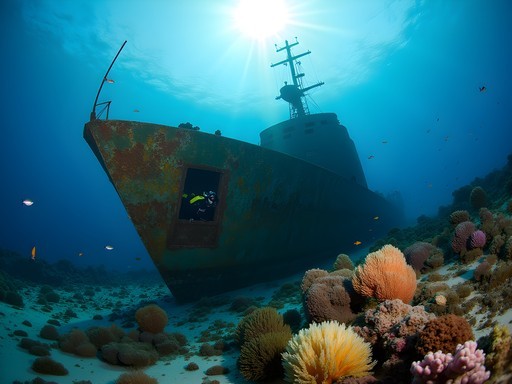
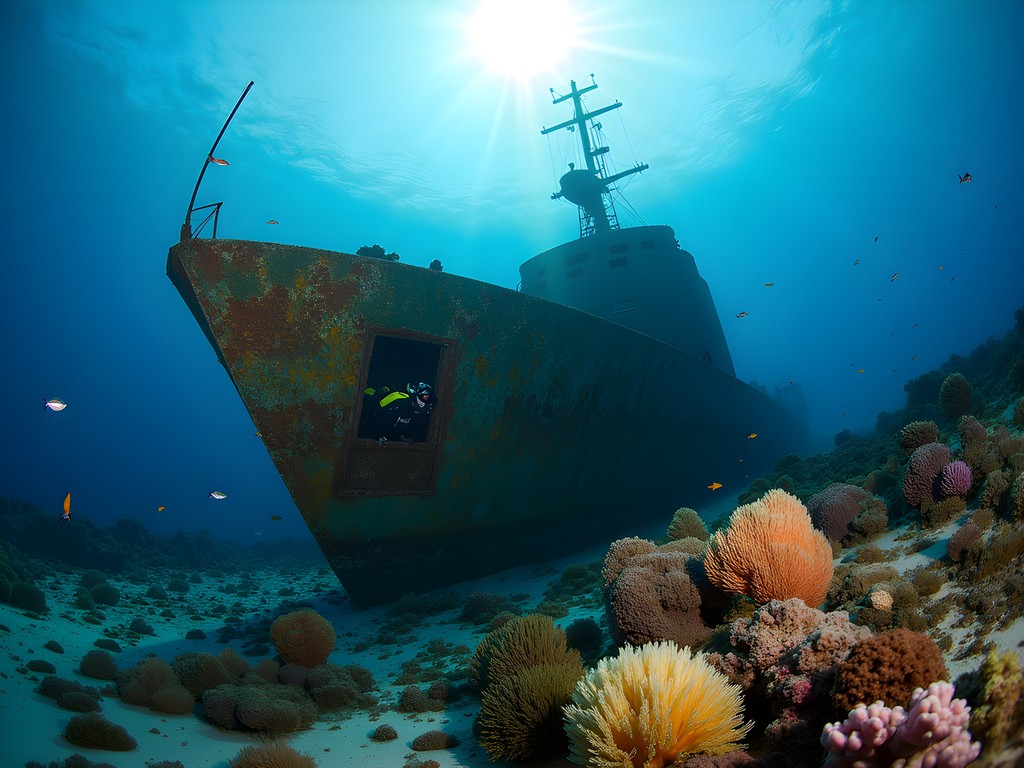
The Marshall Islands witnessed intense fighting during World War II, and Majuro Lagoon contains several remarkably well-preserved Japanese vessels. The most impressive is the Kabilik Maru, a 400-foot transport ship sitting upright in 120 feet of water. After 75+ years underwater, nature has transformed this wartime vessel into an artificial reef teeming with life—schools of jacks circle the crow's nest while lionfish hover near the cargo holds.
Diving these wrecks requires advanced certification and experience with deep dives. The currents can be challenging, and penetration dives should only be attempted with proper training and equipment. I partnered with Majuro Dive Center, whose guides possess encyclopedic knowledge of these wrecks and their historical significance.
For wreck diving, proper equipment is non-negotiable. My dive computer proved essential for monitoring depth, time, and decompression requirements during these more technical dives. The ability to track multiple gas mixes was particularly valuable when exploring the deeper sections of these historic vessels.
💡 Pro Tips
- Bring a good underwater torch even for daytime wreck dives—the interior spaces can be extremely dark
- Consider taking a specialized wreck diving course before your trip if you're interested in penetration dives
- Ask your guide about the specific history of each wreck—the stories add meaningful context to the experience

The Vibrant Coral Gardens of the Outer Reef
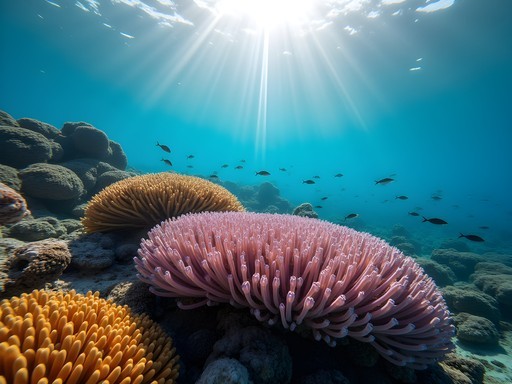
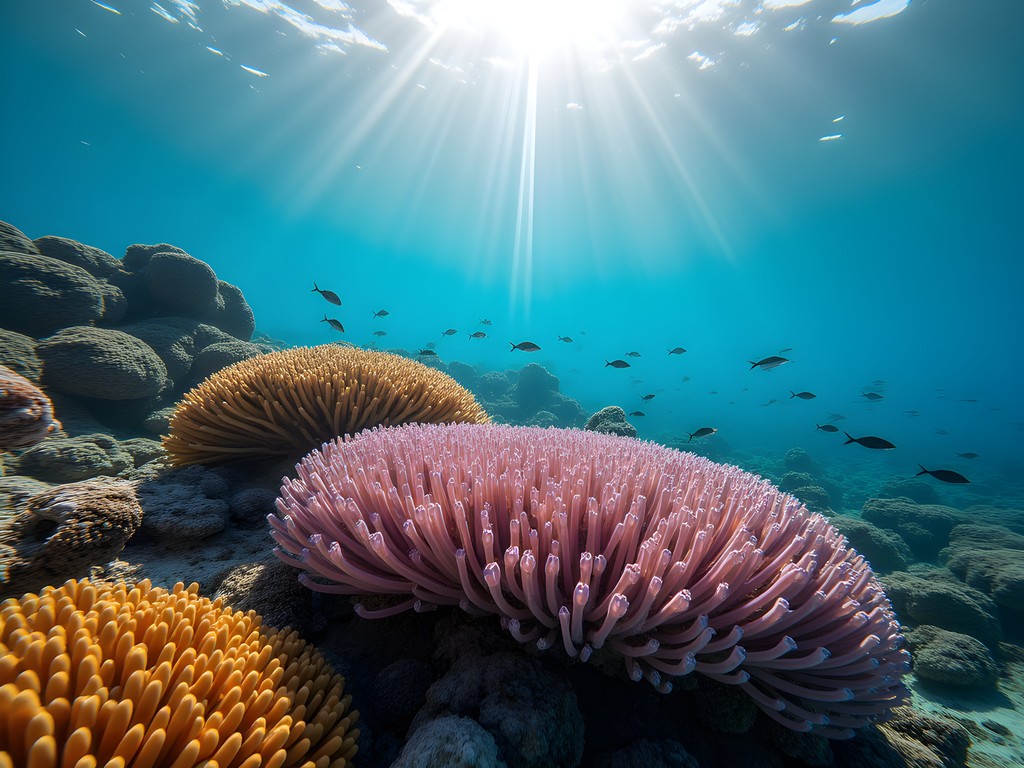
While Majuro's wrecks captivate with their historical significance, it's the pristine coral gardens of the outer reef that truly showcase the Marshall Islands' underwater splendor. As someone who has witnessed the tragic bleaching of Mediterranean and Caribbean reefs firsthand, I was moved to tears during my first dive at Calalin Drop-off—a vertical wall where intact table corals stretch six feet across and brain corals the size of compact cars suggest centuries of undisturbed growth.
The outer reef dives typically begin with a thrilling drift along sheer walls that plunge thousands of feet into the Pacific abyss. The currents bring nutrient-rich waters that support spectacular marine biodiversity. On a single dive at Calalin, I encountered three reef shark species, a pod of spinner dolphins, and more butterflyfish varieties than I could count.
For photographers, the kaleidoscopic coral gardens present both opportunity and challenge. The vibrant colors and abundant marine life are a dream subject, but capturing their true essence requires proper equipment. My underwater lighting system was essential for bringing out the true colors that otherwise appear blue-washed at depth. The investment in quality lighting makes an enormous difference in underwater photography, particularly when documenting these increasingly rare healthy reef systems.
The most memorable dive came unexpectedly at a site called The Aquarium. As we hovered over a pristine coral garden, our guide motioned frantically toward the blue water beyond the reef edge. Emerging from the depths, a group of ten manta rays performed what appeared to be an elaborate ballet—spinning, swooping, and feeding in perfect choreography. We maintained our distance, floating motionless as privileged observers to one of nature's most spectacular performances.
💡 Pro Tips
- Choose morning dives for the best lighting conditions on the reef
- Consider nitrox certification before your trip to extend your bottom time safely
- Bring reef hooks for drift dives—they allow you to anchor safely without damaging coral during strong currents
Sustainable Tourism and Cultural Connection
As an investor focused on sustainable tourism ventures, I was particularly interested in how Majuro balances ecological preservation with economic development. The reality is both encouraging and concerning. The Marshall Islands face existential threats from climate change and rising sea levels, yet tourism remains underdeveloped despite its potential for sustainable income generation.
During surface intervals between dives, I made it a priority to connect with local Marshallese communities. In Laura Village, I met with women who craft intricate jewelry from sustainably harvested shells and coconut fibers. Their traditional designs tell stories of navigation and ocean stewardship that stretch back generations. Purchasing directly from these artisans ensures tourism dollars reach local families rather than being extracted by outside interests.
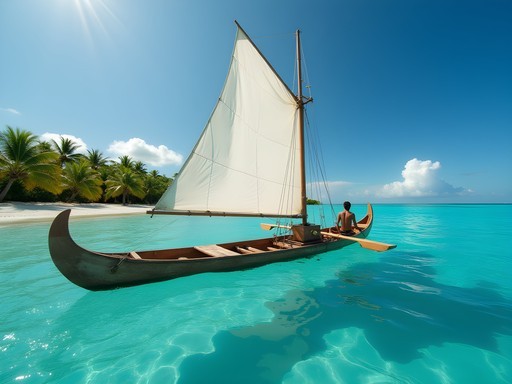
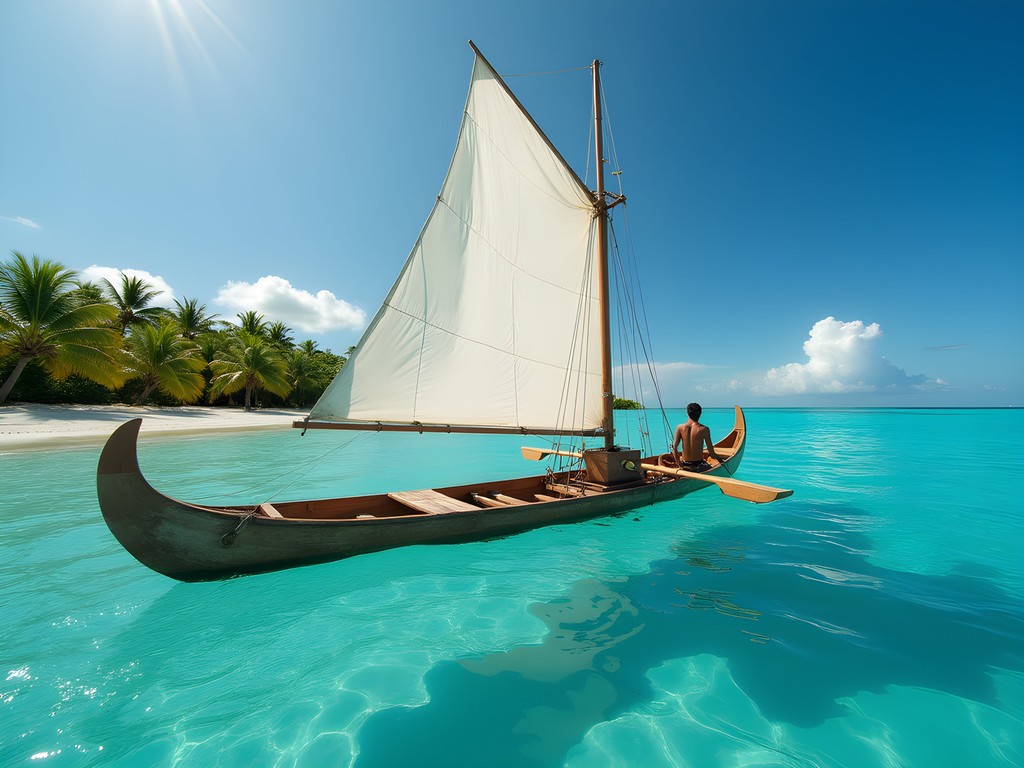
The most meaningful cultural experience came through participating in a traditional outrigger canoe sailing lesson. These remarkable vessels have navigated Pacific waters for millennia using sophisticated techniques passed down through oral tradition. My instructor, Master Navigator Alson Kelen, shared how celestial navigation methods are being revitalized among younger generations—a powerful example of cultural preservation in action.
For travelers interested in deeper cultural immersion, I recommend bringing a thoughtful field guide to provide context for your interactions. Understanding the complex colonial history and ongoing challenges faced by the Marshallese people transforms the visitor experience from simple consumption to meaningful exchange.
Every luxury traveler visiting Majuro should recognize their responsibility to support rather than extract. Choose operators who employ local guides, dine at locally-owned restaurants, and consider contributing to climate resilience initiatives that are fighting to preserve these islands for future generations.
💡 Pro Tips
- Visit the Alele Museum to understand Marshallese history and traditional navigation techniques
- Ask permission before photographing local people or cultural practices
- Support the Marshall Islands Conservation Society through direct donations—they're doing critical work with limited resources
Final Thoughts
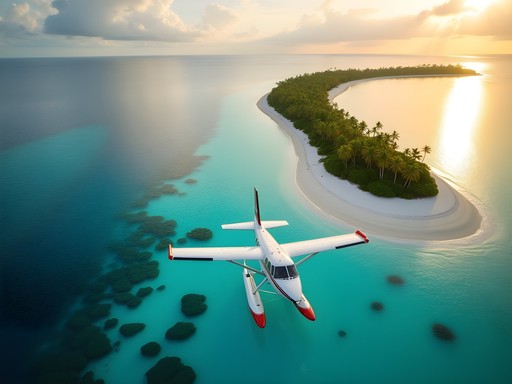
As my seaplane lifted off from Majuro's lagoon, I pressed my face against the window to capture one last aerial view of this remarkable atoll—a slender green crescent embracing waters of impossible blue. In a world where 'undiscovered paradise' has become marketing hyperbole, Majuro remains the rare destination that exceeds such promises. For advanced divers seeking both underwater splendor and cultural authenticity, these remote islands offer treasures far beyond the mainstream luxury circuit. The Marshall Islands have given me memories that will sustain me until I inevitably return—of mantas dancing in cobalt depths, of ancient navigation wisdom shared over fresh coconuts, and of coral gardens that remind us what healthy oceans once looked like everywhere. If you're prepared for the journey, Majuro will reward you with underwater experiences that grow increasingly precious in our changing world.
✨ Key Takeaways
- Majuro offers world-class diving with virtually no crowds—a true luxury in today's overtourism climate
- Winter (December-April) provides optimal conditions with 100+ feet visibility and comfortable water temperatures
- Advanced certification and previous drift/deep diving experience are essential for safely enjoying Majuro's best sites
- Supporting local businesses and conservation initiatives is critical for preserving both the culture and ecosystem of the Marshall Islands
📋 Practical Information
Best Time to Visit
December through April (winter)
Budget Estimate
$5,000-$7,000 per person for a week including accommodations, diving, and flights
Recommended Duration
7-10 days minimum
Difficulty Level
Challenging


Comments
mountainclimber
Going there in October. Can't wait!
Kimberly Murphy
Absolutely brilliant post, Claire! Majuro is criminally underrated in the diving community. I was there two years ago and the coral health compared to other Indo-Pacific sites is remarkable - clearly benefits from the limited tourist traffic. Pro tip for anyone heading there: bring your own dive computer if you have one, as rental gear can be hit or miss. The dive operators are fantastic and safety-conscious, but they're working with limited resources. Also, don't miss the local fish market early morning - the tuna is unbelievable! Did you get a chance to dive the outer atolls at all, or did you stick to the main lagoon sites?
mountainclimber
Good to know about bringing your own gear!
wintermood
OMG I've been dying to dive the Pacific wrecks!! This is exactly the inspiration I needed. Booking flights tonight!!!
Marco Flores
Claire, this post takes me back! I spent three weeks island-hopping through Micronesia last year and Majuro was definitely a highlight. What struck me most was how few tourists there were - we had entire dive sites to ourselves. The story behind those WWII wrecks is fascinating too. I spent an evening with a local historian who shared incredible stories about Operation Flintlock. For anyone planning a trip, I'd recommend building in some time to explore the local culture beyond just diving. The traditional navigation techniques the Marshallese use are mind-blowing. Also, fair warning - getting there isn't cheap or easy, but it's so worth it for the underwater experience.
wintermood
How did you get around between islands? Trying to figure out the logistics!
Marco Flores
Mix of small planes and boats. The domestic airline is pretty reliable but schedules can be... flexible. Build in buffer days!
exploreadventurer
Those photos are stunning!
exploremaster
What level of certification do you need for the wreck dives? I'm Advanced Open Water but haven't done wreck specialty yet.
Marco Flores
You should be fine with AOW for most of them! The dive operators there are really good about matching sites to your experience level. Just be honest about your comfort level.
summerking
WOW this looks absolutely incredible!! Adding to my bucket list right now!
wanderlustgal
This brought back so many memories! I dove Majuro back in 2019 and it's still one of my top 3 dive destinations ever. The visibility was insane - easily 100+ feet on some dives. Did you get to see any of the larger pelagics around the outer reef? We had a couple of reef sharks cruise by during our safety stop and it was magical. The WWII wrecks are hauntingly beautiful too. Definitely agree this is advanced diver territory though - some strong currents out there!
exploremaster
How many dives would you recommend for a first trip there? Planning for next year.
wanderlustgal
I'd say minimum 5 days of diving if you're going that far. We did 12 dives total and still felt like we barely scratched the surface!
islandlegend
Great post Claire! Just a heads up for travelers - there's only one ATM on the island that reliably works with international cards, so bring cash. Also the accommodation you mentioned is solid but book way in advance, there aren't many options. The local fish market near the port is amazing for fresh poke if you need a break from resort food.
moonwanderer
How's the visibility usually? I've heard mixed things about Pacific diving
islandlegend
Visibility in Majuro is typically 80-100+ feet on the outer reef. Lagoon can be a bit less but still good. Way better than most Pacific locations honestly.
Venture X
Premium card with 2X miles, $300 travel credit, Priority Pass