Disclosure: This article contains affiliate links. We may earn a commission from purchases at no extra cost to you, which helps our travel content.
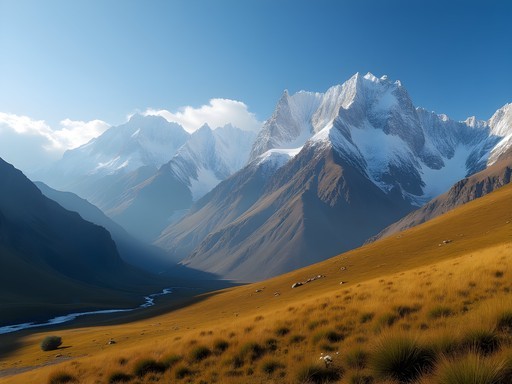
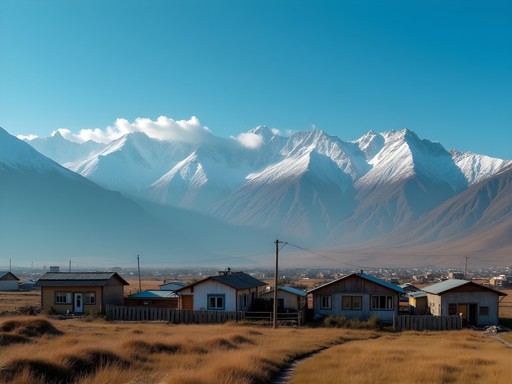
The first time I glimpsed Karakol's snow-capped peaks piercing through cotton-candy clouds, I knew I'd found a trekker's paradise unlike any other. Nestled in eastern Kyrgyzstan, this unassuming mountain town serves as the gateway to some of Central Asia's most spectacular alpine landscapes. After three summers exploring these trails – from gentle meadow walks to challenging glacier traverses – I've compiled this guide to share Karakol's natural wonders with fellow adventure seekers. What makes this region truly special isn't just the jaw-dropping scenery (though trust me, your camera memory will fill quickly), but the beautiful cultural tapestry woven throughout. Soviet-era mountain huts sit alongside traditional yurt camps, and ancient petroglyphs hide among towering spruce forests. Pack your hiking boots and prepare for two unforgettable weeks in this alpine wonderland where the air tastes like freedom and every trail tells a story.

Understanding Karakol's Mountain Landscape
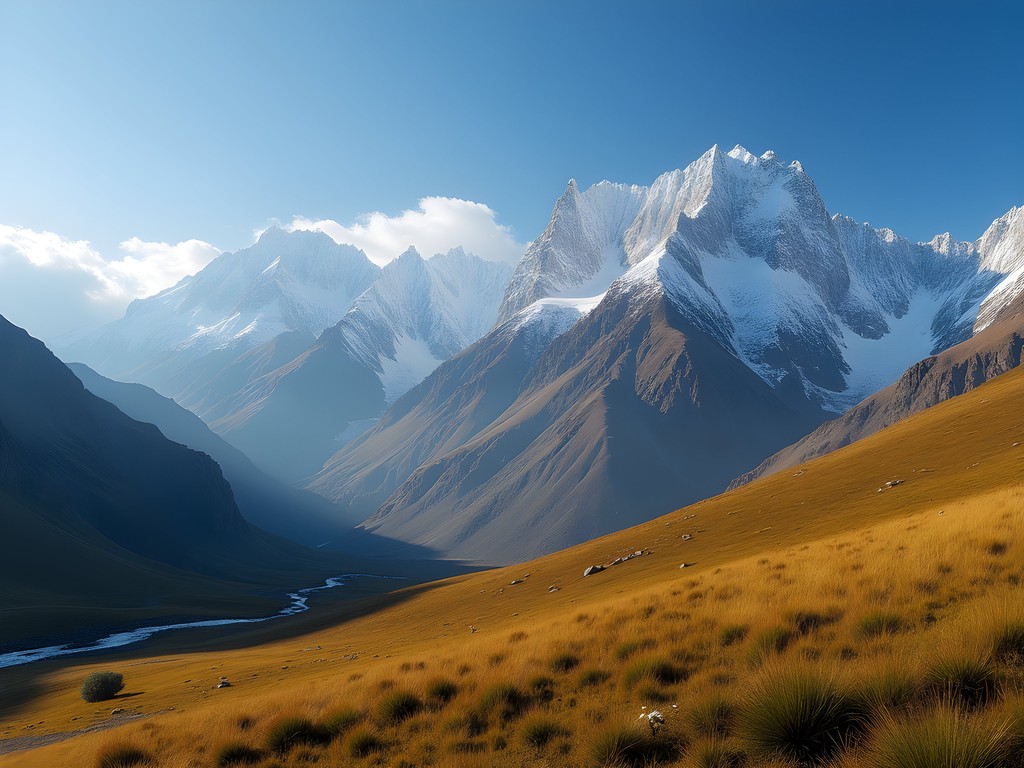
Karakol sits cradled between the azure waters of Issyk-Kul Lake (the world's second-largest alpine lake) and the formidable Terskey Ala-Too range, creating a microclimate that makes for perfect summer hiking conditions. The region's geological history reads like an epic novel – these mountains began forming over 60 million years ago when the Indian and Eurasian tectonic plates collided, pushing skyward what would eventually become the Tian Shan range.
What fascinated me most during my art history studies was how these landscapes have shaped human creativity and spirituality for millennia. The petroglyphs scattered throughout the valleys date back to Bronze Age nomadic cultures, depicting ibex, snow leopards, and hunting scenes that still resonate with the region's semi-nomadic herders today.
The hiking infrastructure here reflects Karakol's Soviet past and independent future. Soviet-era mountaineering maps (surprisingly detailed) can still be found in local shops, while newer community-based tourism initiatives have established well-marked trails and homestay networks that benefit local families directly.
Before hitting the trails, I recommend stopping by the Karakol Visitor Center on Gagarin Street. The staff there helped me understand the permit requirements for certain protected areas and connected me with local guides who shared invaluable knowledge about the region's flora, fauna, and folklore. Their detailed topographic maps proved essential for navigating the more remote trails where cell service becomes as mythical as the snow leopards that roam these mountains.
💡 Pro Tips
- Purchase trail maps at the Karakol Visitor Center before heading out
- Acclimatize for 1-2 days in Karakol (1,750m) before attempting higher elevation hikes
- Learn basic Russian phrases – many mountain guides and homestay hosts speak limited English
Hike #1: Altyn Arashan Hot Springs Trail (Beginner-Friendly)
My love affair with Karakol's trails began on the well-trodden path to Altyn Arashan, and it remains my top recommendation for acclimatizing to the altitude while experiencing quintessential Kyrgyz mountain scenery. The 16km trail (one-way) follows the Arashan River through a valley that feels plucked from a fairy tale – dense pine forests, wildflower meadows, and the occasional glimpse of local shepherds moving their herds to summer pastures.
While classified as 'beginner-friendly,' don't underestimate the steady 900m elevation gain. Take your time and embrace the journey rather than racing to the destination. I learned this lesson the hard way on my first attempt, pushing too fast and missing the incredible diversity of alpine flowers that botanists travel worldwide to document.
"These mountains have stories to tell if you slow down enough to listen," my local guide Azamat told me as we paused to watch a family of marmots scurry between rocks. He was right – the mountains reveal themselves differently to those who approach with patience.
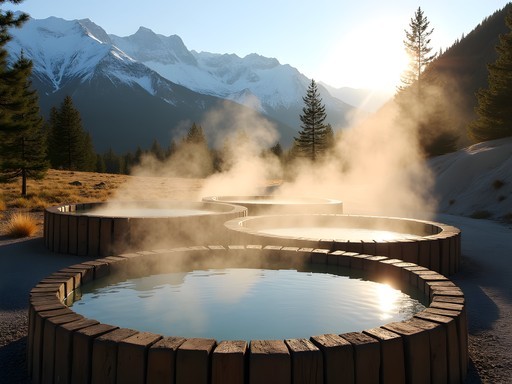
The real reward awaits at trail's end: rustic hot spring pools where you can soak your tired muscles while gazing at snow-capped peaks. The springs range from scalding to pleasantly warm, each housed in simple wooden structures that have served mountaineers and locals for generations. I spent a magical evening here chatting with a 70-year-old Kyrgyz grandmother who visits annually to ease her arthritis in the mineral-rich waters.
For this hike, I cannot recommend enough a good pair of hiking poles. The descent can be rough on the knees, and having that extra stability made all the difference, especially when crossing several small streams along the route.
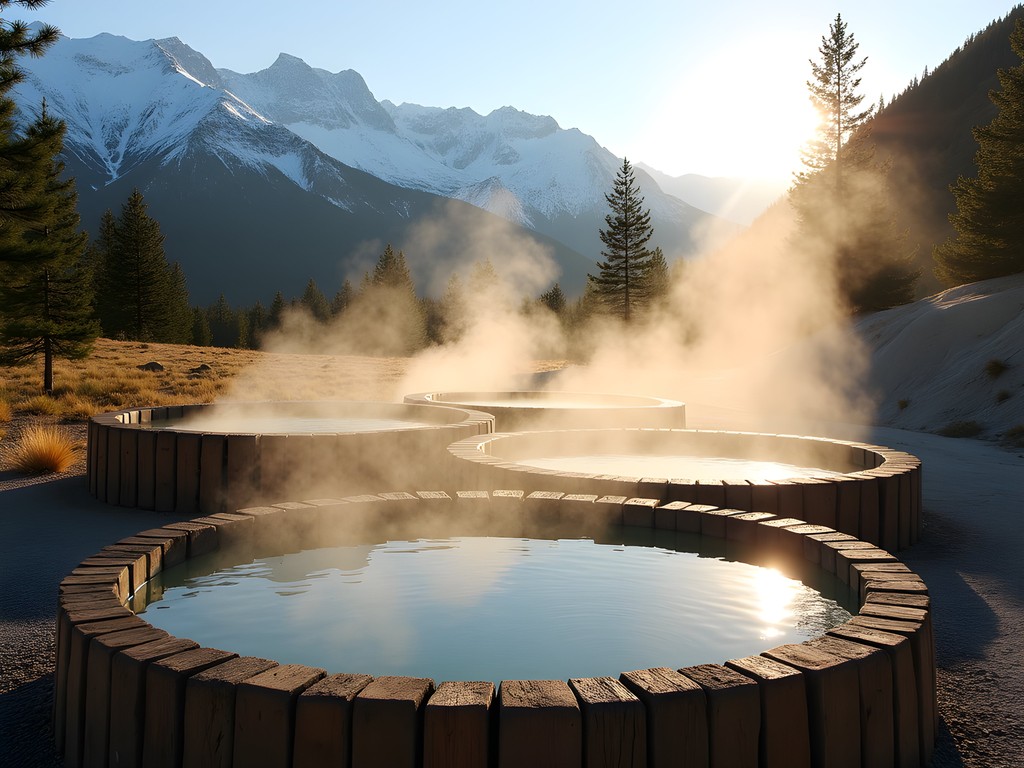
💡 Pro Tips
- Pack a swimsuit for the hot springs – there are separate male and female bathing areas
- Consider staying overnight at one of the basic guesthouses in Altyn Arashan to experience the stars
- The road is occasionally accessible by 4x4, offering a return transport option if you're too tired to hike back
Hike #2: Ala-Kol Lake Trek (Intermediate Challenge)
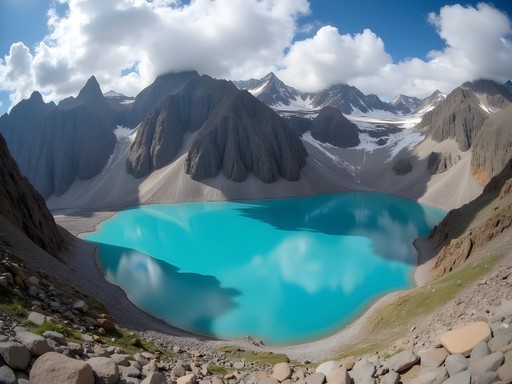
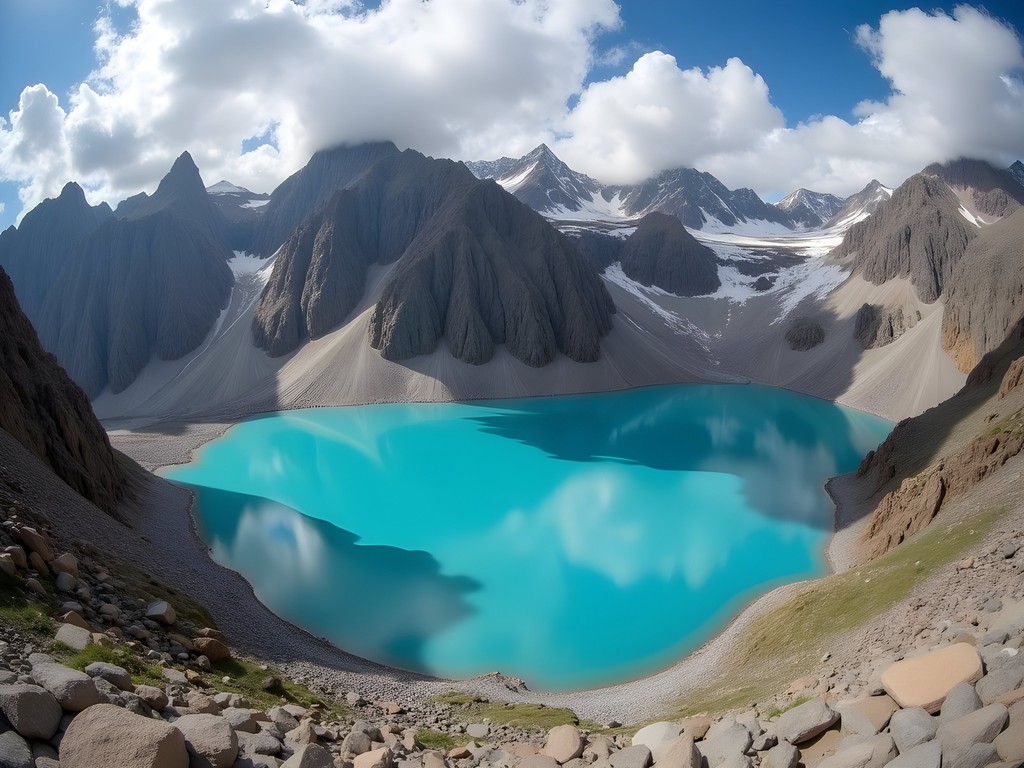
If there's one hike that captures the essence of Karakol's alpine splendor, it's the three-day trek to Ala-Kol Lake. This glacial marvel sits at 3,560m like a turquoise jewel nestled between jagged peaks, its color shifting throughout the day from deep sapphire to electric blue depending on the light.
The journey begins in Karakol Valley, winding through pine forests before opening to vast alpine meadows where wildflowers create natural carpets in July and August. The trail then steepens considerably as you approach Ala-Kol Pass – a challenging section that requires careful footing and steady nerves, especially in early season when snow patches might remain.
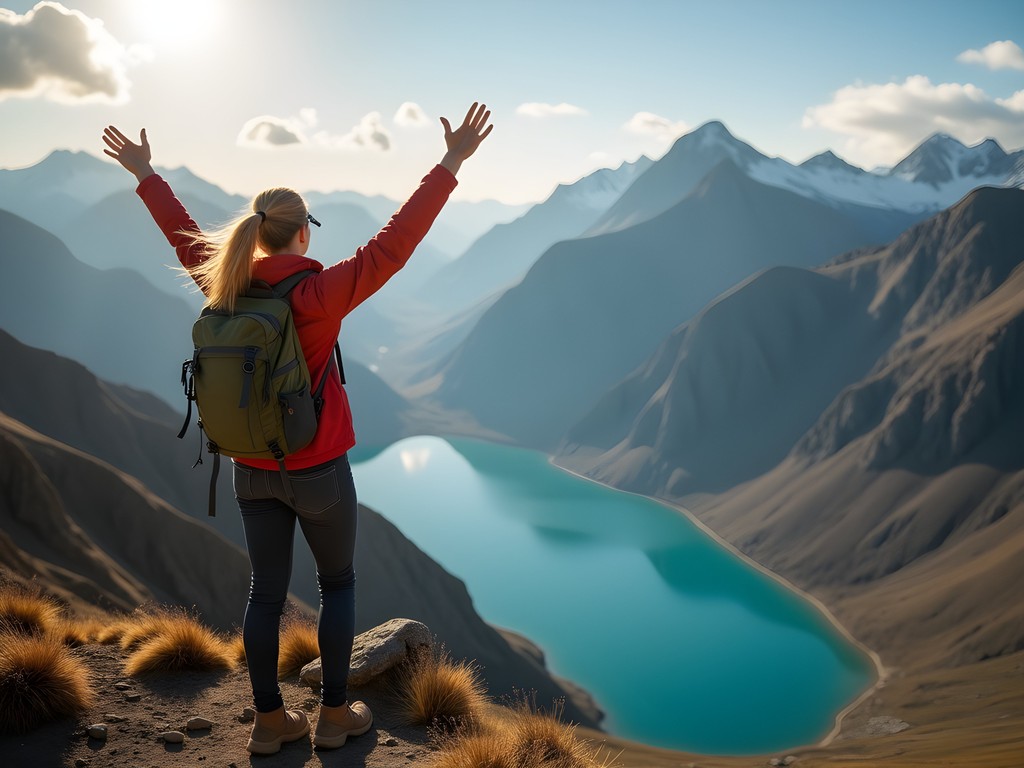
"I've been guiding for fifteen years, and I still catch my breath when we reach the pass," my guide Ermek admitted. I understood why when we crested the ridge. Below us, Ala-Kol's waters shimmered like polished lapis lazuli, surrounded by an amphitheater of peaks that seemed to hold up the sky itself.
Camping beside the lake offers a rare opportunity to witness both sunset and sunrise transforming the landscape. During my visit, a light dusting of snow fell overnight, and I awoke to find the surrounding peaks frosted like a wedding cake. The silence was profound – broken only by the occasional crack of distant ice and the whisper of wind across alpine grasses.
This trek requires proper preparation. My backpacking tent proved invaluable against unexpected mountain weather, offering lightweight protection that handled both sudden rain showers and surprisingly strong winds with equal aplomb. For the steep sections approaching the pass, I was grateful for my hiking boots with their exceptional grip on loose scree.
The final day descends through Altyn Arashan valley, where you can reward yourself with a hot spring soak before returning to Karakol. This circular route showcases the remarkable diversity of landscapes within a relatively compact area – from forests to high alpine terrain to grassy valleys – making it the perfect introduction to Kyrgyzstan's mountain majesty.
💡 Pro Tips
- Book a local guide for this trek unless you're an experienced alpine hiker with navigation skills
- Pack layers – temperatures at Ala-Kol can drop below freezing even in summer
- Bring water purification tablets as water sources after leaving the valley can contain glacial silt

Hike #3: Jeti-Oguz Valley and Broken Heart Rock (Family-Friendly)
Not every memorable hike requires summit attempts and multi-day commitments. The Jeti-Oguz Valley, just 25km from Karakol, offers accessible adventures perfect for families or those seeking a gentler introduction to Kyrgyzstan's natural beauty.
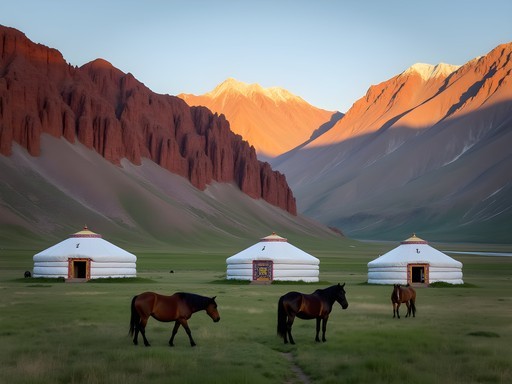
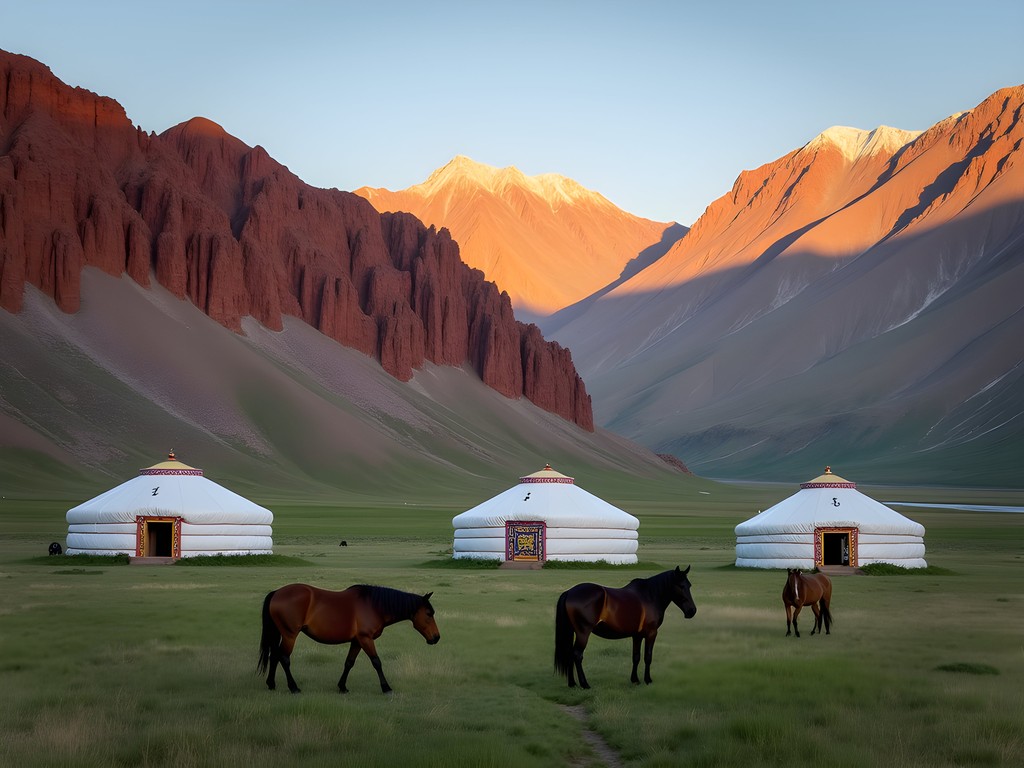
The valley takes its name ('Seven Bulls') from the distinctive red sandstone formations that guard its entrance – massive rust-colored cliffs that glow like embers at sunset. As an art historian, I was immediately struck by how these natural formations have inspired local folklore and artistic traditions. Kyrgyz craftspeople have incorporated these silhouettes into traditional felt shyrdak rugs for generations.
"Each rock has its own legend," explained Aigul, who runs a small yurt camp at the valley entrance. She pointed out 'Broken Heart Rock,' a formation resembling a cracked heart that locals claim was split by a tragic love story involving a kidnapped bride. Whether you believe the tales or not, there's something undeniably powerful about these ancient stones that have witnessed centuries of human history.
The easy 4km trail that winds through the valley floor is accessible to most fitness levels and ages. Children will delight in crossing wooden bridges over crystal-clear streams and spotting grazing horses against the backdrop of snow-dusted peaks. In late spring, the meadows erupt with wildflowers, creating natural gardens that would make Monet jealous.
For a slightly more challenging option, follow the marked path that climbs to a panoramic viewpoint overlooking both the valley and the distant shores of Issyk-Kul Lake. The 300m elevation gain rewards with sweeping vistas that showcase the remarkable contrast between alpine landscapes and desert-like shores just kilometers apart.
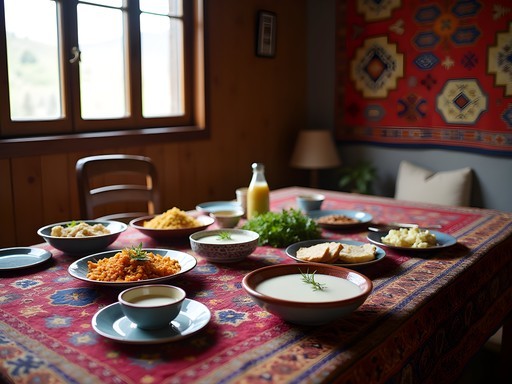
After your hike, don't miss the opportunity to experience traditional Kyrgyz hospitality at one of the yurt camps. For around $15-20, you can enjoy a home-cooked meal of laghman (hand-pulled noodles) or plov (rice pilaf) while seated on colorful shyrdak rugs. These family-run operations offer authentic cultural exchanges that mass tourism hasn't yet diluted.
💡 Pro Tips
- Visit in late afternoon when the red rocks glow most dramatically in the setting sun
- Bring cash for the small entrance fee to the valley and for purchasing handicrafts from local artisans
- Pack a picnic to enjoy beside the rushing river – there are several perfect spots with natural stone 'tables'
Hike #4: Karakol Gorge to Sirota Mountain Hut (Intermediate)
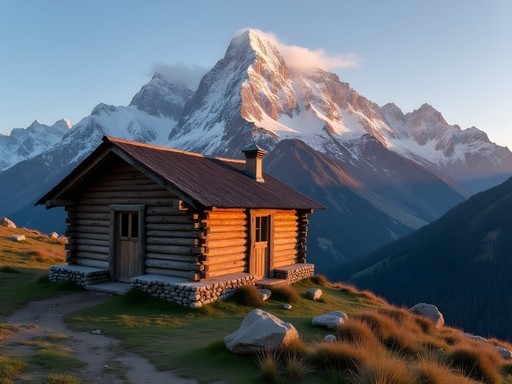
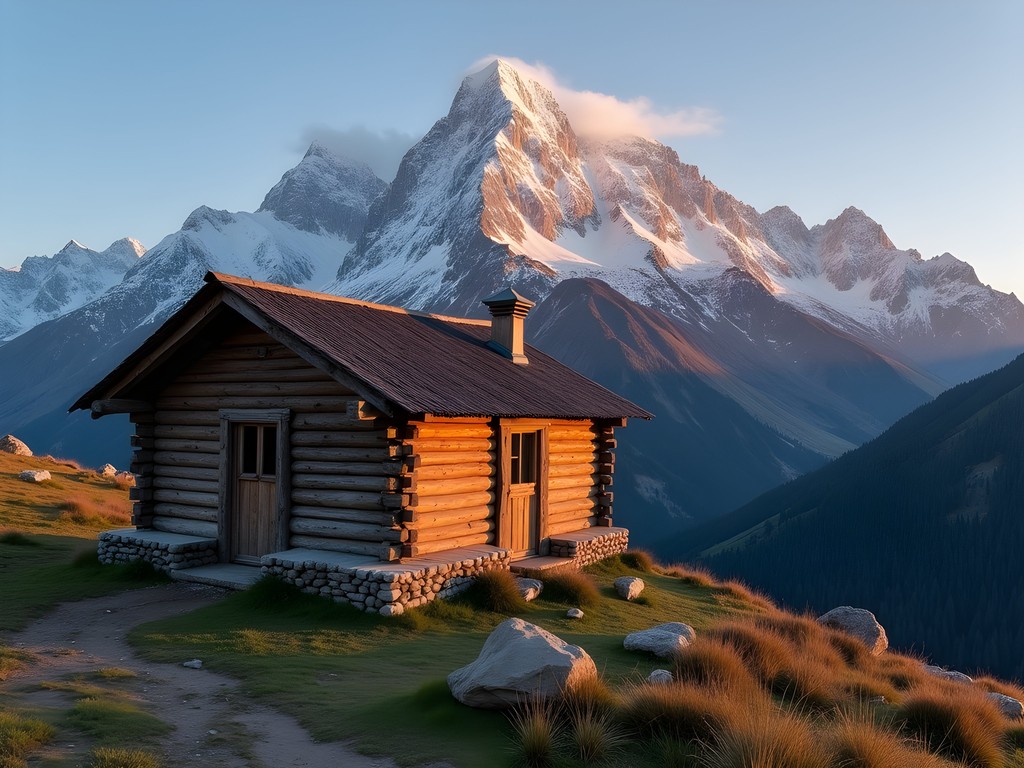
Some places retain echoes of history in their very stones, and Karakol Gorge is one such location. During the Soviet era, this dramatic valley served as a training ground for elite mountaineers preparing for Himalayan expeditions. The legacy of this period lives on in the form of the Sirota Mountain Hut, a simple wooden refuge that has sheltered generations of climbers.
The trail begins at the Karakol Ski Base, following a well-marked path that climbs steadily through pine and spruce forests. What makes this hike particularly special is the transition between ecological zones – starting in dense woodland before emerging above the treeline into alpine meadows dotted with edelweiss and gentian flowers.
About halfway up, I encountered an elderly shepherd tending his flock, his face weathered like the surrounding mountains. "My grandfather brought sheep to these same pastures," he told me in Russian as he offered a handful of kurut (dried yogurt balls) – a traditional trail snack that packs a protein punch. These brief human connections often become my most treasured memories from remote hikes.
The final approach to the hut crosses a boulder field where marmots stand sentinel, their high-pitched whistles alerting others to human presence. The Sirota Hut itself is a humble structure that seems to grow organically from the landscape, its weather-beaten timbers testifying to decades of mountain storms.
Inside, the hut keeper maintains a visitors' book filled with entries in dozens of languages – each telling tales of adventures, hardships, and moments of transcendent beauty experienced in these mountains. I spent a fascinating evening by candlelight reading entries dating back to the 1970s, including notes from climbers who would later tackle peaks like K2 and Everest.
For this hike, having a reliable headlamp proved essential. The hut has no electricity, and navigating by candlelight alone can be challenging. Mine provided bright, reliable light for reading those fascinating logbook entries and for my pre-dawn departure to catch the sunrise from a nearby ridge.
The return journey offers constantly evolving views of Karakol Peak (5,216m) – its glaciated summit catching the morning light in a display that had me stopping every few minutes for 'just one more photo.' The round-trip can be completed in a day by strong hikers, but spending a night at the hut connects you to a mountaineering tradition that spans continents and generations.
💡 Pro Tips
- Reserve a bunk at the hut in advance through the Karakol Visitor Center during peak season (July-August)
- Bring your own sleeping bag as the hut provides only basic mattresses
- Pack extra batteries for cameras – the dramatic lighting conditions will have you taking more photos than you expect
Hike #5: Karakol Glacier Trek (Advanced)
For experienced hikers seeking high-altitude adventure, the trek to Karakol Glacier represents the crown jewel of the region's offerings. This challenging multi-day journey takes you to the very heart of the Terskey Ala-Too range, where glacial ice has sculpted the landscape for millennia.
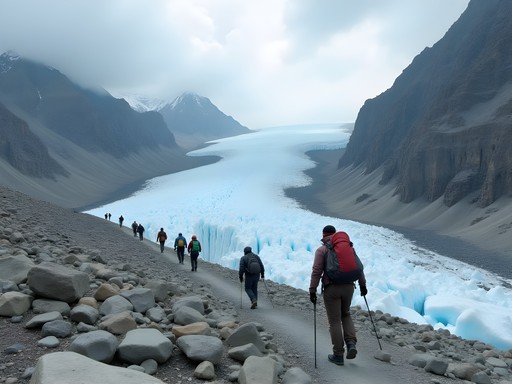
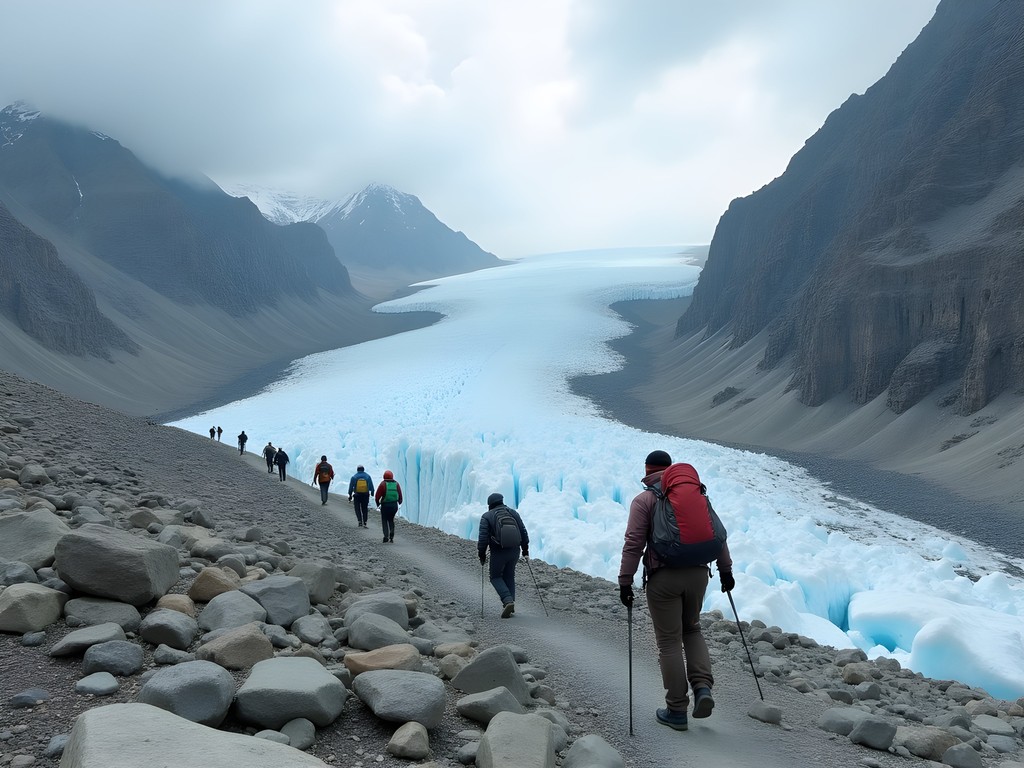
I won't sugarcoat it – this trek demands serious preparation and a good level of fitness. The trail climbs steadily from Karakol Valley through increasingly sparse vegetation zones until you're traversing lunar-like landscapes of rock and ice. The elevation gain exceeds 1,500m over two days, with some sections requiring careful navigation across boulder fields and moraine.
"The mountains don't care about your Instagram photos or your ego," my guide Maksat said bluntly when I asked about the difficulty. "They demand respect." His words proved prophetic when afternoon weather rolled in quickly, transforming blue skies to threatening gray within minutes. Weather changes here occur with startling speed, making proper gear non-negotiable.
The glacier itself is a masterpiece of nature's artistry – deep blue ice crevasses cutting through white expanses, massive erratics (boulders) precariously balanced on ice pedestals, and meltwater streams carving ever-changing channels across the surface. Standing at the glacier's edge, I experienced that rare feeling of human insignificance that only truly wild places can evoke.
Camping near the glacier requires careful site selection and leave-no-trace principles. The fragile alpine environment at this elevation (approximately 3,800m) recovers extremely slowly from human impact. My guide pointed out patches of lichen that might be hundreds of years old – a humbling reminder of our temporary presence in these ancient landscapes.
The return journey follows a different route through Ala-Kol basin, creating a loop that showcases the region's remarkable geographical diversity. This variation adds distance but prevents the monotony of retracing steps and offers fresh perspectives that make every challenging kilometer worthwhile.
For this demanding trek, I relied heavily on my down jacket which provided essential warmth during frigid evenings while packing down small in my backpack during warmer daylight hours. The temperature swing between day and night exceeded 20°C, making versatile layering absolutely crucial.
💡 Pro Tips
- This trek requires a certified guide – the glacier crossing is dangerous without proper knowledge and equipment
- Acclimatize for at least 2-3 days before attempting this high-altitude trek
- Pack microspikes or crampons even in summer – sections of the trail may still have ice or hard-packed snow
Hike #6: Archa-Tor Pass Circuit (Intermediate-Advanced)
Sometimes the least-known trails yield the most memorable experiences. The Archa-Tor Pass circuit remains a relative secret compared to Karakol's more famous hikes, making it perfect for those seeking solitude among spectacular scenery.
This three-day loop begins in Jyrgalan village, a former Soviet coal mining settlement that has reinvented itself as an ecotourism destination. The transformation is remarkable – abandoned industrial buildings now stand alongside cozy guesthouses, and former miners have become knowledgeable guides sharing their intimate understanding of the surrounding mountains.
"We used to extract resources from these mountains," explained Azamat, a former miner who guided me. "Now we protect them and share their beauty instead." This shift represents a sustainable future for communities throughout Kyrgyzstan's mountains.
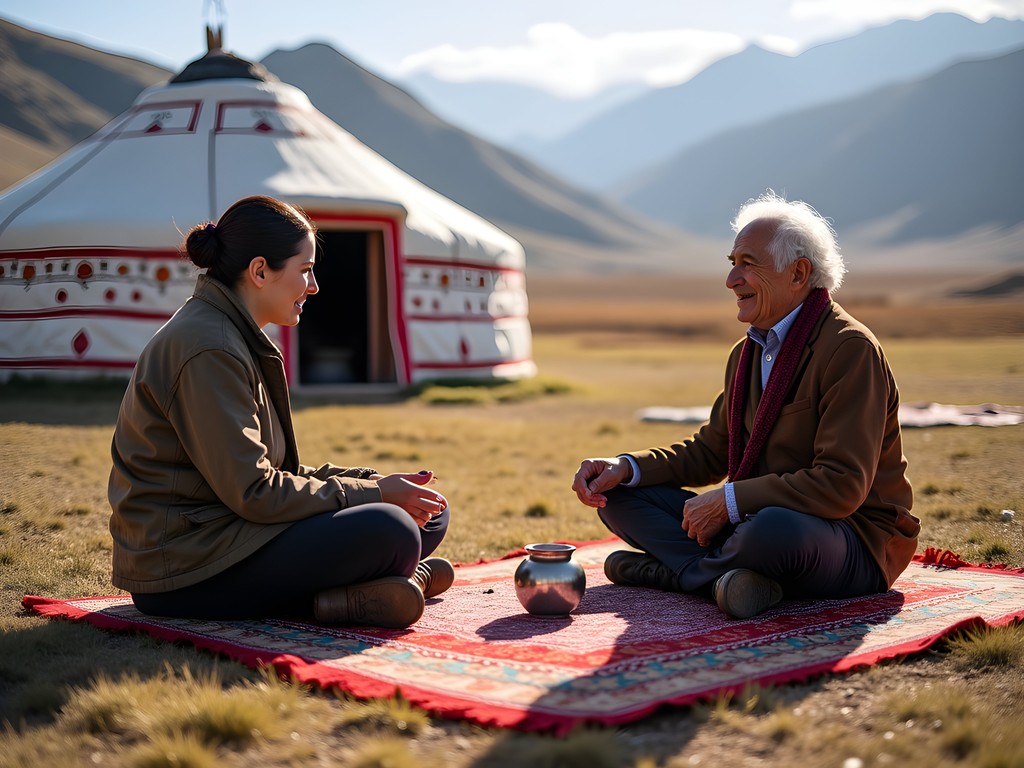
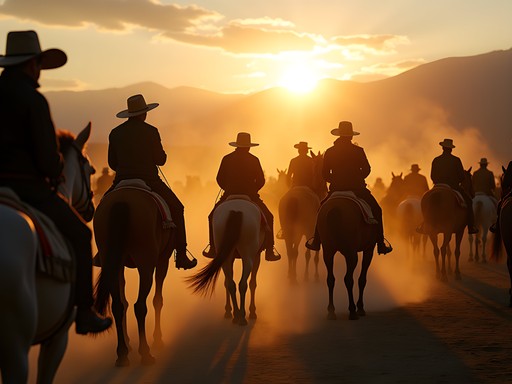
The trail climbs steadily through meadows where semi-nomadic families establish summer camps, their yurts dotting green valleys like canvas mushrooms. Children on horseback often race alongside hikers, showing off riding skills developed almost before they could walk. One young boy, no older than seven, demonstrated how he could pick up objects from the ground at full gallop – a traditional skill used in nomadic horse games.
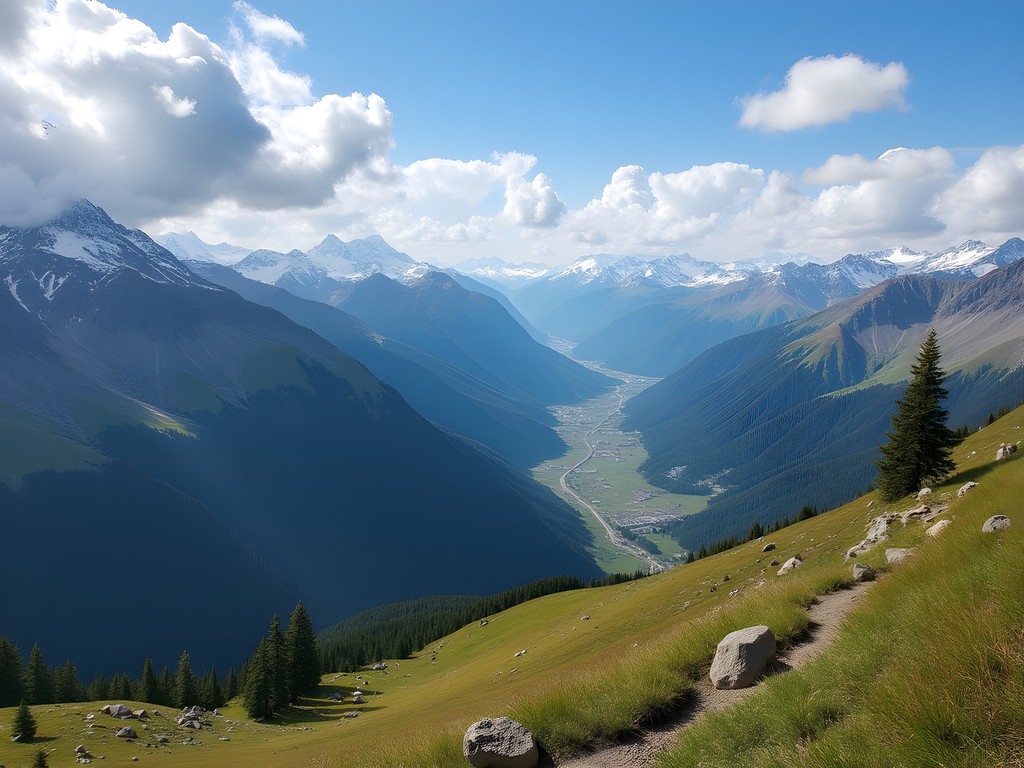
Archa-Tor Pass (3,800m) presents the circuit's greatest challenge – a steep ascent over loose scree that had me questioning my life choices around the halfway point. But the panorama from the top erased all memory of struggle. The 360-degree view encompasses multiple valleys, distant glaciated peaks, and the serpentine path I'd followed to reach this lofty perch.
What makes this circuit special is its cultural dimension. Unlike more established routes, this path winds through areas where traditional semi-nomadic lifestyles continue largely unchanged. Families welcome passing hikers with kumis (fermented mare's milk) – an acquired taste that I've grown to appreciate for its cultural significance more than its flavor profile!
The final day descends through a narrow gorge where ancient petroglyphs can be spotted on sun-darkened boulders. These stone canvases bear images of ibex, hunters, and celestial symbols – evidence that humans have found meaning in these mountains for thousands of years. As an art historian, connecting these ancient creative expressions to the continuing artistic traditions in Kyrgyz culture provides a thread of continuity that spans millennia.
💡 Pro Tips
- Arrange transportation to Jyrgalan village (45km from Karakol) a day before starting your trek
- Download GPS tracks as trail markings can be faint in some sections
- Bring small gifts (tea, pencils) for nomadic families who might offer hospitality along the route
Hike #7: Keldike Hot Springs Trail (Beginner-Intermediate)
For my final recommended hike, I've saved a personal favorite that perfectly balances effort with reward. The Keldike Hot Springs trail offers a taste of Kyrgyzstan's mountainous beauty without the technical challenges of higher-altitude treks.
The journey begins at Ak-Suu village (formerly Teploklyuchenka), following the course of a tumbling river upstream through a forested valley. What makes this trail special is its accessibility across seasons – while higher routes become snowbound by October, Keldike remains hikeable well into autumn, when the larch trees turn a magnificent gold that contrasts dramatically with evergreen pines.
About 7km in, the forest gives way to open meadows where the valley widens. Here, I encountered a local botanist documenting medicinal plants used in traditional Kyrgyz healing practices. "This one for stomach problems, this for joint pain," she explained, pointing out unassuming plants I would have walked past without a second glance. Her knowledge, passed down through generations, represented an intangible cultural heritage as valuable as any ancient monument.
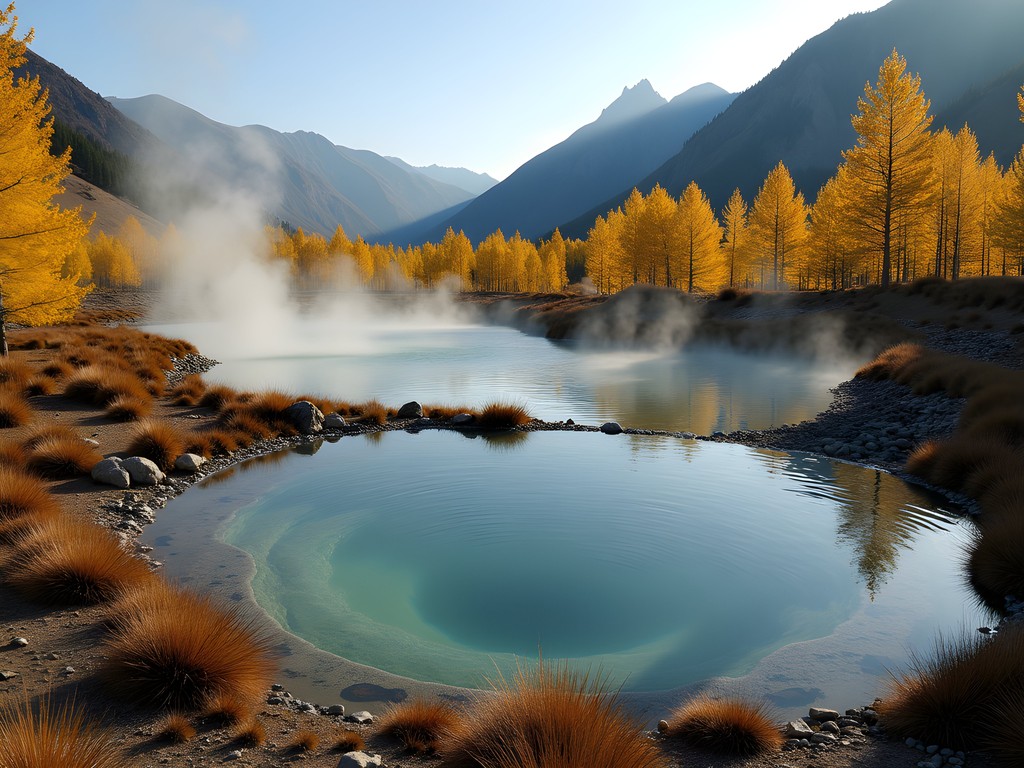
The hot springs themselves emerge from the earth about 12km from the trailhead, creating several natural pools of varying temperatures. Unlike the more developed springs at Altyn Arashan, these remain largely in their natural state – simple stone rings contain the mineral-rich waters while allowing them to flow continuously.
I arrived at the springs as afternoon light gilded the surrounding peaks, creating that magical golden hour that photographers chase. Soaking in the warm waters while watching the play of light across mountain faces became one of those perfect moments that remain crystallized in memory.
A basic shelter near the springs offers overnight accommodation for those wishing to extend their experience. During my stay, I shared the simple space with a French geologist studying the region's unique mineral formations and a Kyrgyz family making their annual pilgrimage to waters they believe have healing properties.
For day hikers, the return journey follows the same path, though it feels entirely different when traveling downhill with the valley opening before you. The entire out-and-back route covers approximately 24km with moderate elevation gain, making it achievable for reasonably fit hikers in a single day.
For this hike, I particularly appreciated my water filter which allowed me to refill from crystal-clear mountain streams without carrying excessive weight in water. The ability to travel light while staying properly hydrated makes all the difference on longer day hikes.
💡 Pro Tips
- Start early to allow ample time for soaking in the springs before returning
- Pack a quick-dry towel and swimsuit for the hot springs
- Watch for wild raspberry bushes along the lower sections of trail in late summer – a delicious trail snack
Final Thoughts
As I write this from my apartment in Yokohama, scrolling through photos of Karakol's majestic landscapes, I'm struck by how these mountains have etched themselves into my being. They've taught me lessons about resilience, perspective, and the profound connection between natural landscapes and human creativity that continue to inform my understanding of place. Karakol's trails offer more than just scenic views – they provide windows into Kyrgyzstan's rich cultural tapestry, from ancient petroglyphs to living nomadic traditions. Whether you're seeking challenging alpine adventures or gentle cultural immersion, these seven hikes deliver experiences that transcend typical tourism. Pack your boots, open your heart to the unexpected, and prepare for landscapes that will leave you forever changed. The mountains are waiting – what stories will you find among them?
✨ Key Takeaways
- Karakol offers exceptional hiking diversity, from easy day walks to challenging multi-day treks suitable for all experience levels
- The region's cultural experiences – from nomadic encounters to Soviet mountaineering history – add depth beyond just scenic views
- Summer (June-September) provides optimal hiking conditions, though some lower-elevation trails remain accessible into autumn
- Local guides enhance the experience tremendously through their knowledge of both natural features and cultural context
📋 Practical Information
Best Time to Visit
June through September, with July-August offering most reliable weather
Budget Estimate
$25-40/day excluding flights (homestays $10-15/night, meals $3-8, guides $30-50/day)
Recommended Duration
Minimum 10 days, ideally 2 weeks to complete several treks with rest days
Difficulty Level
Routes Range From Easy To Challenging, With Options For All Experience Levels
Comments
greenway
Going in June! Quick question - are the hot springs at Altyn Arashan natural pools or more like a spa setup? Trying to manage expectations lol
Hunter Thompson
They're natural but there are some basic wooden structures around them. Don't expect anything fancy - it's rustic but that's the charm! Bring a towel.
smartmate
Been to Karakol twice now and it never disappoints. One thing I'd add - September/early October is actually the best time IMO. Fewer tourists, weather's still decent, and the autumn colors in Jeti-Oguz valley are insane. Also the guesthouses in town are super affordable and the hosts usually know drivers who can take you to trailheads. Way easier than trying to figure out marshrutkas with all your gear.
starbuddy
This looks amazing but I'm not super experienced with multi-day treks. Is the Altyn Arashan trail really doable for beginners? How's the trail marking?
greenway
Altyn Arashan is perfect for starting out! Trail is well-worn and lots of other hikers. You can also hire a guide in Karakol town for pretty cheap if you're nervous. The hot springs at the end make everything worth it!
Hunter Thompson
Lucy! This brings back memories. Did the Ala-Kol trek last summer and nearly cried when I saw that turquoise lake appear. The altitude absolutely kicked my arse though - I'm from Newcastle so anything above sea level is a challenge ha! Quick tip for anyone planning this: the weather changes FAST up there. I got caught in a hailstorm in August. Proper mental. Also the yurt stays are brilliant - the families are so welcoming and the homemade kumis is an experience (not always a pleasant one but you gotta try it!).
smartmate
How many days did you take for Ala-Kol? Trying to figure out if I can squeeze it into a long weekend.
Hunter Thompson
I did 3 days/2 nights but you could rush it in 2 days if you're fit. Wouldn't recommend less than that though mate.
oceanrider
Ala-Kol is absolutely stunning! Worth every step.
greenlife
This is exactly what I needed! Planning a trip to Central Asia next summer. How many days would you recommend staying in Karakol to do at least 3-4 of these hikes?
Lucy Ruiz
I'd recommend at least 5-7 days in Karakol. That gives you time for a couple of day hikes plus the 2-3 day Ala-Kol trek if you're up for it. The town itself is worth exploring too - don't miss the animal market on Sundays!
Fatima Sims
This guide is spot-on! I spent two weeks exploring Karakol's trails last summer and it was pure magic. The Jeti-Oguz Valley hike was perfect for my recovery day - those red rock formations are even more spectacular in person. For anyone planning a longer stay, I'd add the Karakol Valley to Ala-Kol circuit (3-4 days) which gives you a completely different perspective of the lake coming from the other direction. Lucy, did you try the ashlan-fu (cold noodle dish) in Karakol town? That became our post-hike ritual! The food markets there are incredible for stocking up on trail snacks too.
Lucy Ruiz
Fatima! Yes, ashlan-fu became my obsession - I think I had it almost every day! That Karakol Valley approach sounds amazing - definitely adding it to my list for next time. Did you stay in yurts along that route?
Fatima Sims
We did one night in a yurt camp and one night camping! The yurt experience was wonderful - homemade dinner and the most incredible stargazing. Definitely worth the extra weight carrying a tent for the second night though - waking up right by the lake was magical.
bluepro
Just got back from Karakol last week! For anyone planning to do these hikes, the weather can change super quickly. We had sunshine, rain, and even some snow on the same day at Ala-Kol. My waterproof jacket was a lifesaver. Also, the local CBT office in town was really helpful for finding guides.
waveway
How were the trail markers? Easy to follow without a guide?
bluepro
Main trails like Altyn Arashan were pretty clear, but for Ala-Kol we were glad to have a guide, especially for the pass section. Some parts get confusing in foggy weather.
sunsetchamp
OMG those photos of Jeti-Oguz Valley!!! The red rocks against the green meadows are INCREDIBLE! 😍😍😍
redking550
Great post! How difficult would you say the Ala-Kol Lake trek really is? I'm reasonably fit but not an experienced mountaineer. Would I need any special gear for the pass?
Lucy Ruiz
Hi redking550! Ala-Kol is challenging but definitely doable if you're reasonably fit. The pass is the toughest part (about 3900m), so take it slow. Good hiking boots are a must, and trekking poles really helped me. I'd recommend acclimatizing with an easier hike first. Let me know if you have any other questions!
Venture X
Premium card with 2X miles, $300 travel credit, Priority Pass