

Disclosure: This article contains affiliate links. We may earn a commission from purchases at no extra cost to you, which helps our travel content.
Standing atop the Herbert Glacier last summer, I was struck by how the massive ice formation tells a 3,000-year story of climate patterns and geological forces. As a geologist who has studied formations across continents, I can confidently say that Juneau offers some of North America's most accessible yet profound natural wonders. The capital of Alaska isn't just a cruise ship stopover—it's a living laboratory where visitors can witness the dynamic interplay between mountains, ice, ocean, and forest ecosystems in remarkably close proximity.

Mendenhall Glacier: A Monument to Geological Time
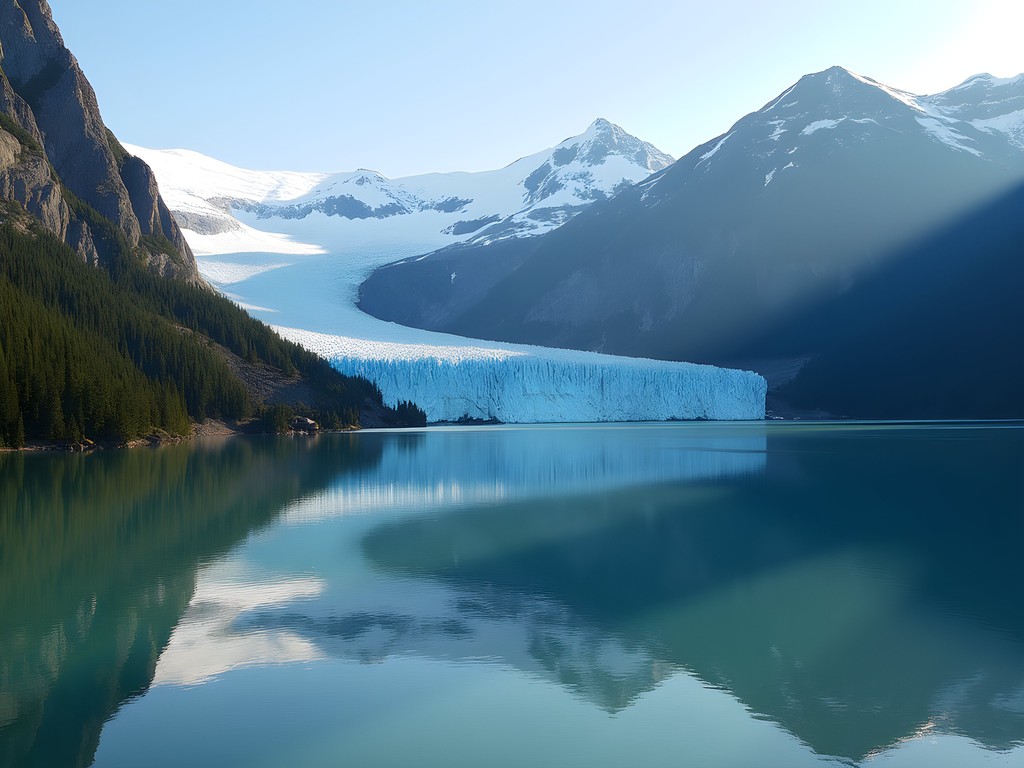
The Mendenhall Glacier represents a perfect case study in glacial retreat and the Earth's changing climate patterns. At approximately 13.6 miles long, this massive river of ice flows from the Juneau Icefield, providing visitors with an accessible glimpse into processes that typically require remote expeditions.
During my three visits over the past decade, I've documented the glacier's measurable retreat—approximately 200 feet annually. What fascinates me as a geologist is how this retreat unveils new terrain, creating what scientists call 'primary succession'—the first stages of life colonizing newly exposed land.
The Visitor Center offers excellent interpretive displays, but I recommend taking the 3.5-mile East Glacier Loop trail for a more immersive experience. This moderate hike provides multiple vantage points of the glacier and access to Nugget Falls. For those with limited mobility, the shorter Photo Point Trail offers spectacular views with minimal exertion.
During my last visit, I witnessed several calving events—massive chunks of ice breaking from the glacier's face with thunderous cracks. I captured these moments with my telephoto lens, which proved invaluable for both wildlife and glacier photography throughout my trip.
💡 Pro Tips
- Visit early morning (before 9am) or evening (after 6pm) to avoid cruise ship crowds
- Pack microspikes if hiking in early summer when trails may still have ice patches
- The Visitor Center has powerful spotting scopes—ask rangers to help locate mountain goats on surrounding peaks
Mount Roberts: Alpine Ecology Above the Clouds
Mount Roberts offers a fascinating study in vertical ecology—how plant and animal life changes with elevation. The Mount Roberts Tramway whisks visitors up 1,800 feet from the cruise ship docks to an alpine environment in just six minutes, though I prefer hiking the strenuous Mount Roberts Trail for a more intimate experience with the changing biomes.
As a geologist, what captivates me about Mount Roberts is how clearly it demonstrates the region's tectonic history. The metamorphic schist visible along higher portions of the trail tells the story of intense pressure and heat that formed these mountains millions of years ago.
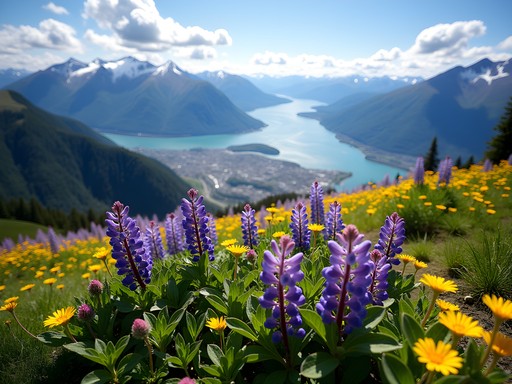
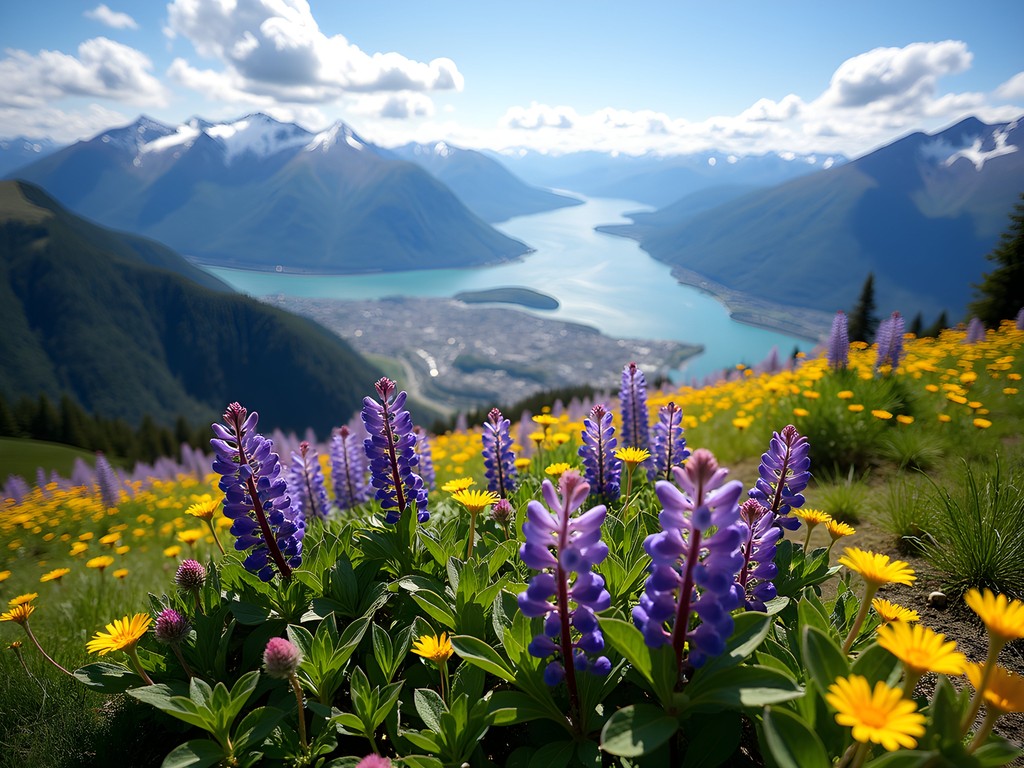
On my most recent ascent last July, I continued past the upper tram terminal to the actual summit (4,000 feet elevation), where the panoramic views of Gastineau Channel, Douglas Island, and the Chilkat Mountains were well worth the effort. The trail traverses several distinct ecological zones, from temperate rainforest to alpine meadows filled with wildflowers.
For this hike, my trekking poles proved essential on the steeper sections, saving my knees on the descent. I also never venture into Alaskan wilderness without bear spray—a necessary precaution in this grizzly and black bear habitat.
💡 Pro Tips
- Hike up and ride the tram down to save your knees while still getting the full experience
- The Alpine Loop Trail near the upper tram terminal offers spectacular wildflower viewing in July
- Check the summit weather forecast—conditions can change rapidly, and clouds often obscure views in afternoons
Tracy Arm Fjord: Witnessing Active Glaciation
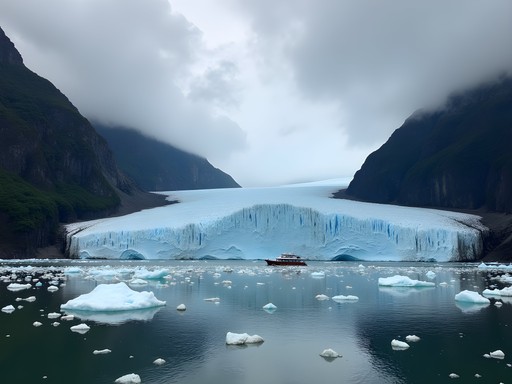
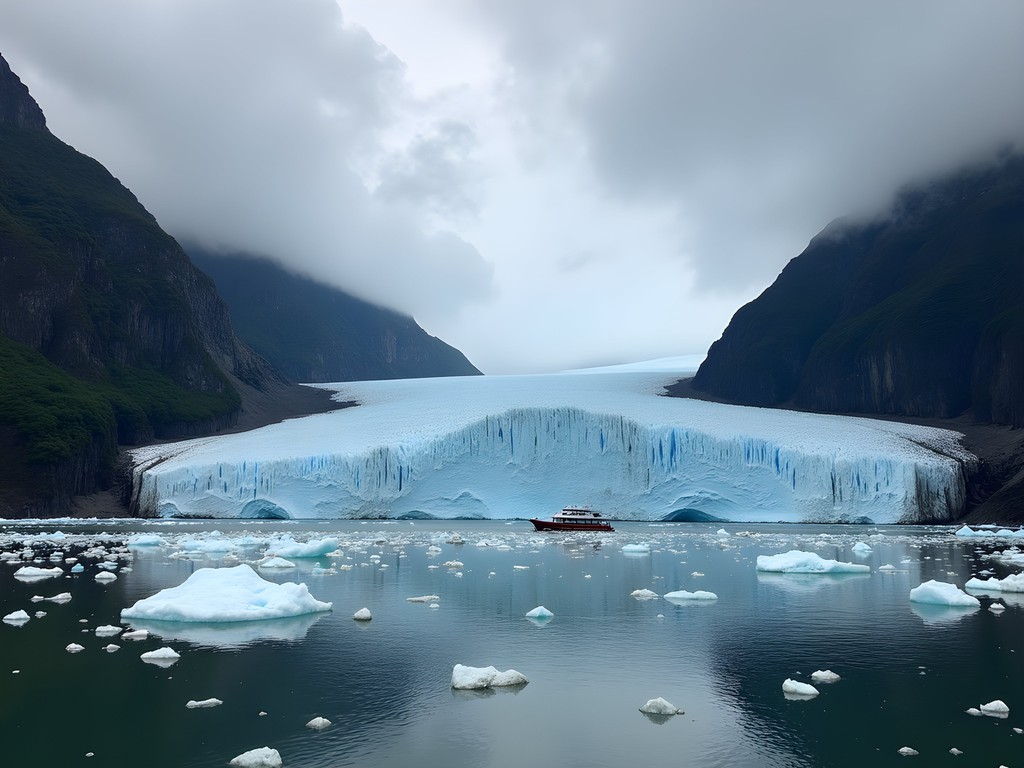
While technically a day trip from Juneau, no geological exploration of the region would be complete without venturing into Tracy Arm Fjord. This steep-sided glacial fjord stretches over 30 miles, culminating in the twin Sawyer Glaciers—some of Alaska's most active tidewater glaciers.
What makes Tracy Arm particularly significant from a geological perspective is how clearly it demonstrates the power of glacial erosion. The fjord's sheer granite walls rise over 3,000 feet directly from the water, polished smooth by ice that was once a mile thick. Numerous waterfalls cascade down these walls, fed by hanging valleys—smaller glacier-carved valleys left suspended when the main glacier cut deeper.
During my expedition last summer, we encountered harbor seals hauled out on floating ice, bald eagles soaring overhead, and witnessed several dramatic calving events from the South Sawyer Glacier. The deep blue coloration of the freshly exposed glacial ice—a result of tremendous pressure eliminating air bubbles—was particularly striking.
I booked with Allen Marine Tours, whose smaller vessels can navigate closer to the glacier face than large cruise ships. For photography in this challenging environment with dramatic lighting contrasts, my polarizing filter proved invaluable for cutting glare off water and ice while enhancing the surreal blue tones of the glacier.
💡 Pro Tips
- Book a smaller boat tour rather than large cruise ship excursions for closer glacier access
- Bring layers—temperatures near the glacier can be 15°F cooler than in Juneau
- The left side of the boat (port) typically offers better viewing on the inbound journey

Perseverance Trail: Gold Mining History Meets Wilderness
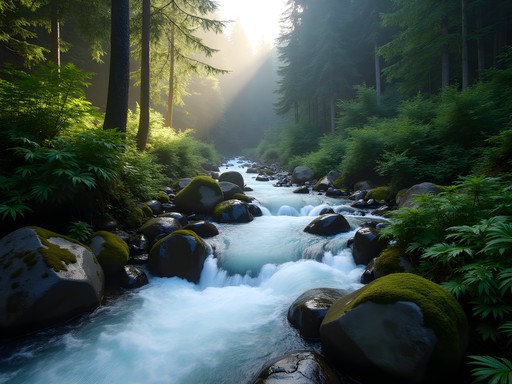
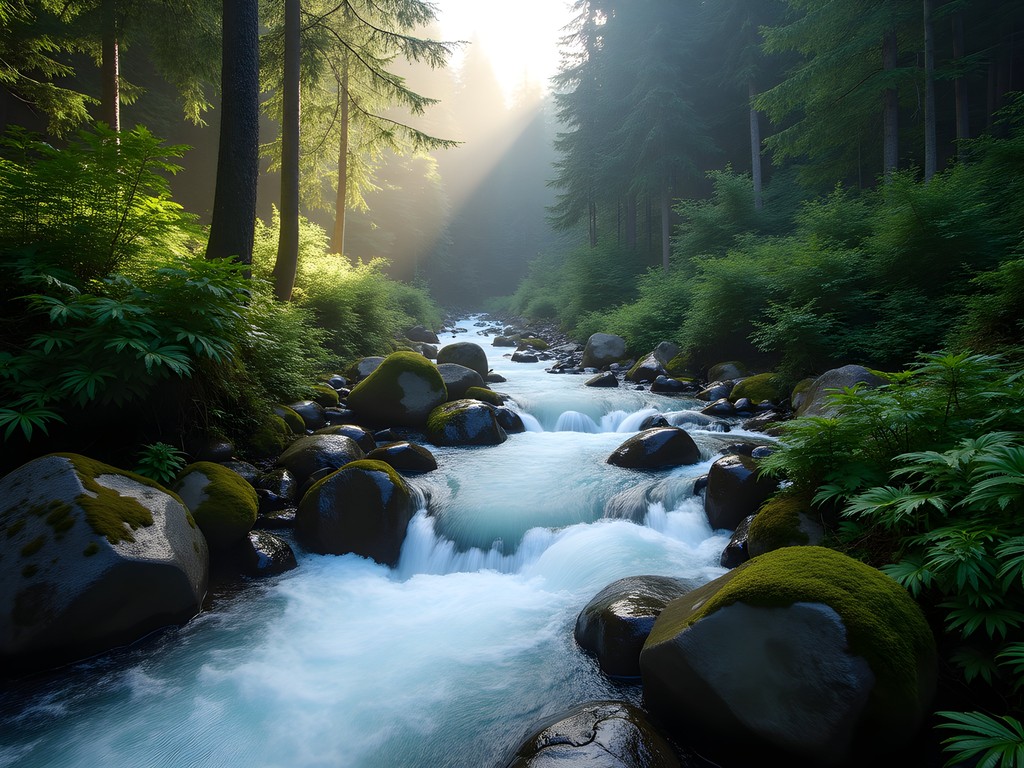
The Perseverance Trail offers a fascinating blend of natural and human history, following the path of Juneau's historic gold mining operations while showcasing spectacular scenery. Beginning at the end of Basin Road just north of downtown, this moderate 3-mile trail (6 miles round-trip) climbs steadily through temperate rainforest alongside Gold Creek.
As a geologist, I find this area particularly interesting because it reveals why Juneau exists at all. The gold deposits that sparked the city's founding in 1880 were formed when mineral-rich hydrothermal fluids infiltrated fractures in the metamorphic bedrock—a process visible in the exposed rock faces along the trail.
My favorite feature is the Glory Hole, an impressive pit formed by hydraulic mining operations that extracted gold from the hillside. The contrast between human-altered landscape and the rapid reclamation by nature provides a powerful reminder of geological timeframes—what seems permanent to us is merely momentary in Earth's history.
During my hike last summer, I encountered several black bears foraging for berries along the upper sections. For safety in bear country, I always carry a bear bell to avoid startling wildlife. The trail can be muddy even in summer, so my waterproof hiking boots proved essential for comfortable exploration.
💡 Pro Tips
- Combine with the shorter Flume Trail for a loop with different perspectives of the valley
- Visit the Last Chance Mining Museum at the trailhead to understand the area's mining history
- Pack rain gear regardless of forecast—Juneau's weather can change rapidly
Whale Watching: Marine Biology in the Inside Passage
While my professional background is in geology, I've developed a profound appreciation for how landforms shape ecosystems. Nowhere is this more evident than in Juneau's marine environment, where underwater topography creates ideal feeding grounds for humpback whales.
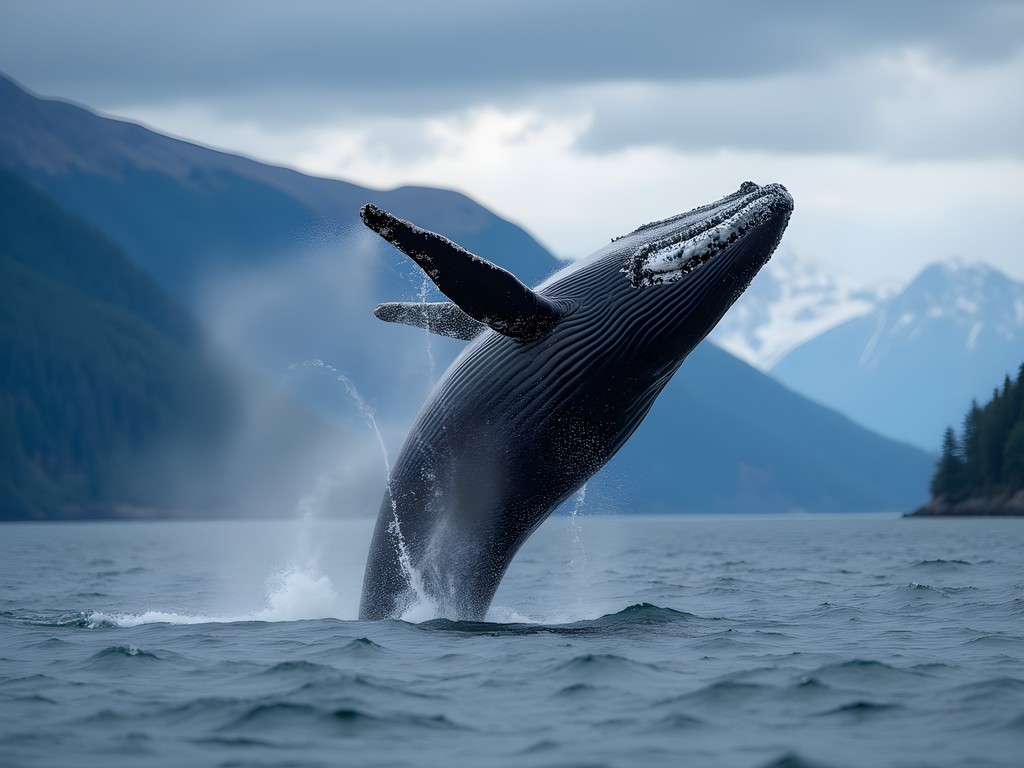
The nutrient-rich waters of Auke Bay and Stephens Passage support abundant krill and small fish populations, attracting humpbacks that migrate 3,000 miles from Hawaii each summer. During my expedition with Juneau Whale Watch, our naturalist guide explained how underwater glacial deposits create upwellings that concentrate prey, making this area particularly attractive to feeding whales.
The highlight of my tour was witnessing a coordinated bubble-net feeding display—a sophisticated hunting technique where a group of whales blow bubbles in a circular pattern to concentrate fish before lunging upward through the center with open mouths. This behavior is regionally specific, passed down through generations of whales that feed in Southeast Alaska.
For those prone to seasickness, I recommend taking motion sickness tablets before boarding. The waters can be choppy even on clear days. Also invaluable was my waterproof dry bag for protecting camera equipment from spray while still allowing quick access for those unpredictable wildlife moments.
💡 Pro Tips
- Book whale watching tours for morning departures when winds are typically calmer
- Look for tours with onboard naturalists who can explain the science behind whale behaviors
- Bring binoculars for spotting distant orcas and sea lions
Final Thoughts
As both a geologist and a traveler who has explored six continents, I find Juneau remarkable for how it concentrates so many natural wonders into such an accessible area. Where else can you stand on a glacier in the morning, hike through ancient temperate rainforest in the afternoon, and witness bubble-net feeding whales by evening—all within a 20-mile radius?
What makes Juneau truly special is how clearly it demonstrates the interconnectedness of geological processes and living ecosystems. The glaciers that carved these valleys created the conditions for today's thriving marine environment. The mineral deposits formed millions of years ago brought humans who established this remote outpost. And now, the retreating ice reveals a landscape in constant transition—a living laboratory for understanding our changing planet.
I encourage you to approach Juneau with both a sense of adventure and scientific curiosity. Ask questions of your guides, touch the face of a glacier, examine the layers in exposed rock faces, and consider the vast timescales represented in this remarkable landscape. Your week in Juneau will be more than a vacation—it will be an education in the forces that have shaped our planet for billions of years, and continue to shape it today.
✨ Key Takeaways
- Plan for variable weather conditions—layers and waterproof gear are essential year-round
- Book smaller tour operators for more personalized experiences and better wildlife viewing opportunities
- Combine iconic attractions like Mendenhall Glacier with lesser-known trails for a more complete experience
📋 Practical Information
Best Time to Visit
May through September, with July and August offering warmest temperatures and most reliable weather
Budget Estimate
$150-250 per day excluding accommodations (tours range from $40 walking tours to $350 helicopter glacier landings)
Recommended Duration
5-7 days minimum to experience main attractions without rushing
Difficulty Level
Moderate (Most Activities Require Basic Fitness And Comfort With Uneven Terrain)

Comments
escapeperson
going in june, will it be too cold?
Stephanie Romano
June is perfect! Temps in the 50s-60s usually. Just bring layers and a rain jacket. It's actually one of the best months to visit!
smarthero
Adding this to my bucket list!
Megan Martin
Excellent overview, Robert. I'm planning a research trip for a cruise port guide I'm developing. Quick question - how accessible is Mendenhall Glacier for visitors with limited time? Most cruise passengers only have 6-8 hours in port. Would you recommend prioritizing the glacier over Mount Roberts, or is there a way to reasonably do both?
roampro
you can def do both if you skip the long trails. we did it in 7 hrs
winterbackpacker
YES! Tracy Arm Fjord is absolutely spectacular!! I went in late August and the weather was perfect. Pro tip: book the earliest boat tour you can, fewer crowds and better light for photos. The seals on the ice floes were everywhere! Also if you're into backcountry stuff, the area around Herbert Glacier has some amazing camping spots but definitely need to know what you're doing with glacier travel. Such an underrated destination compared to the more touristy parts of Alaska!
roampro
which tour company did you use?
winterbackpacker
Adventure Bound - smaller boat than the big ones, felt more personal
Stephanie Romano
Robert, this brings back such wonderful memories! We took our kids (8 and 11) to Juneau three summers ago and the Perseverance Trail was absolutely their favorite. They loved hearing about the old mining equipment and pretending to be gold prospectors. One tip for families - the trail can get muddy, so we learned the hard way to bring extra socks and shoes for the kids. Also, the salmon bake near the cruise ship docks was surprisingly good and very kid-friendly. Did you get a chance to see any bears on the trail? We saw black bears from a safe distance twice!
smarthero
how close were the bears? kinda nervous about that
Stephanie Romano
They were about 100 yards away both times, just doing their thing. Rangers say to make noise while hiking and carry bear spray. We never felt unsafe!
escapeperson
wow those glacier pics are insane!
wavehero
The glacier photos are incredible!
islandlife8038
Planning a trip for August! How many days would you recommend to see everything you mentioned? Also is it easy to get around without renting a car or do we need one?
vacationmood
Not the author but we did 4 days last year and it was perfect. Buses go to Mendenhall and downtown is walkable!
Bryce Diaz
Robert, this brings back memories! I spent a week in Juneau two summers ago and your description of Herbert Glacier is spot-on. One thing I'd add for readers - the Perseverance Trail is absolutely stunning in early morning light. I started around 6am and had the trail almost entirely to myself. Saw a black bear from a safe distance too! The old mining ruins along the way really do make you feel like you're walking through history. Also, if anyone's doing Tracy Arm Fjord, bring layers - it gets COLD out on the water even in summer.
wavehero
Good to know about the cold! What tour company did you use for Tracy Arm?
Bryce Diaz
I went with Adventure Bound Alaska - smaller boat which meant better views and the captain was really knowledgeable about the geology and wildlife.
summerphotographer
How hard is the Mount Roberts hike? Im not super experienced
Bryce Diaz
You can actually take the tram up and just do the easier trails at the top! The views are incredible either way. I did that when I visited in 2024 and still got amazing photos without the intense climb.
summerphotographer
oh perfect! didnt know about the tram option thanks!!
Venture X
Premium card with 2X miles, $300 travel credit, Priority Pass