

Disclosure: This article contains affiliate links. We may earn a commission from purchases at no extra cost to you, which helps our travel content.
When most folks think of Hwange National Park, they picture the classic safari experience—Land Rovers tracking elephant herds across golden savanna. But after my recent two-week winter adventure with a group of friends from my Sheffield tennis club, I discovered Zimbabwe's largest national park offers far more than just game drives. Having organized recreation programs for 25 years back in Minneapolis, I'm always on the lookout for activities that bring different generations together—and Hwange delivered in ways I never expected.

1. Stargazing Safari: Zimbabwe's Pristine Night Skies
Growing up under Minnesota's northern lights, I thought I knew dark skies. Then I experienced Hwange after sunset. With virtually zero light pollution and 45,000 square kilometers of wilderness, the park offers astronomical viewing that rivals professional observatories.
Our guide, Tonderai, arranged a specialized night excursion combining stargazing with nocturnal wildlife spotting. We drove to a remote section of the park, where camp staff had set up a small observatory complete with a portable telescope that revealed Saturn's rings with stunning clarity.
What made this experience truly special wasn't just the equipment—it was Tonderai's ability to weave together Western constellations with traditional Ndebele and Shona star stories. As we tracked Jupiter through the telescope, a family of bat-eared foxes scurried past our viewing area, illuminated only by red-filtered flashlights.

💡 Pro Tips
- Book your stargazing safari at least three days in advance as guides need special permission for night activities
- Bring layers as temperatures drop dramatically after sunset, even in 'winter' (May-August)
- Pack your own red-light headlamp to preserve night vision while moving around the observation area
2. Bush Walking With Tracking Skills Workshop
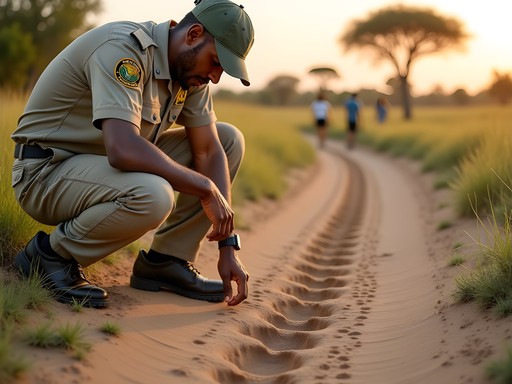
If you want to truly understand Hwange's ecosystem, you need to get out of the vehicle and onto your feet. Bush walks here aren't the casual nature strolls you might expect—they're masterclasses in tracking, plant identification, and survival techniques led by guides whose knowledge puts my recreation management degree to shame.
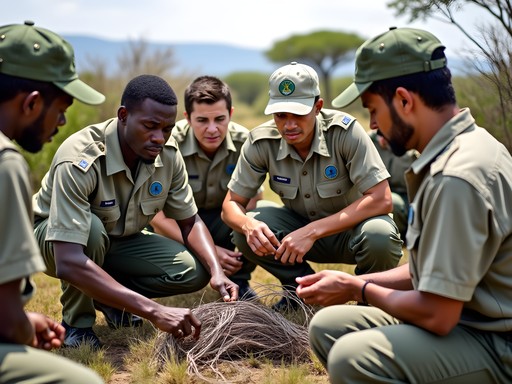
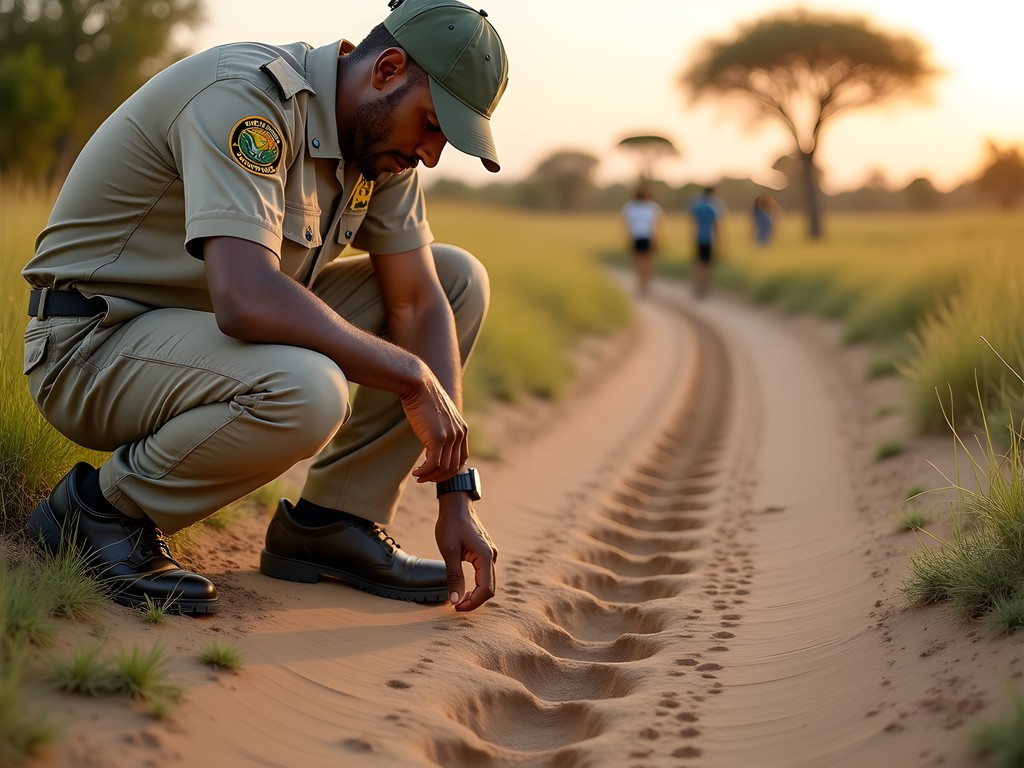
Our guide, Blessing, has been tracking animals since childhood. Within minutes of starting our walk, he identified fresh elephant dung, explaining how to determine not just the animal's size and sex but how long ago it had passed through. When he pointed out nearly invisible lion tracks that I would have stepped right over, I gained a whole new appreciation for the skill involved.
The half-day tracking workshop culminated in each of us attempting to identify and follow animal signs independently. My years of fishing in Minnesota's north woods gave me some tracking foundation, but I was thoroughly humbled by the complexity of reading the African bush. Make sure you're wearing proper footwear—my hiking boots provided perfect ankle support on the uneven terrain.
💡 Pro Tips
- Book bush walks early in the morning when temperatures are cooler and animals more active
- Wear neutral colors (khaki, olive, tan) to blend into the environment
- Listen to your guide's instructions carefully—maintaining silence at key moments could lead to incredible wildlife encounters
3. Community Conservation Immersion
One of my core values has always been environmental stewardship, something I tried to instill in the recreation programs I managed back in Minneapolis. In Hwange, conservation isn't just a concept—it's a daily practice involving local communities as much as park rangers.
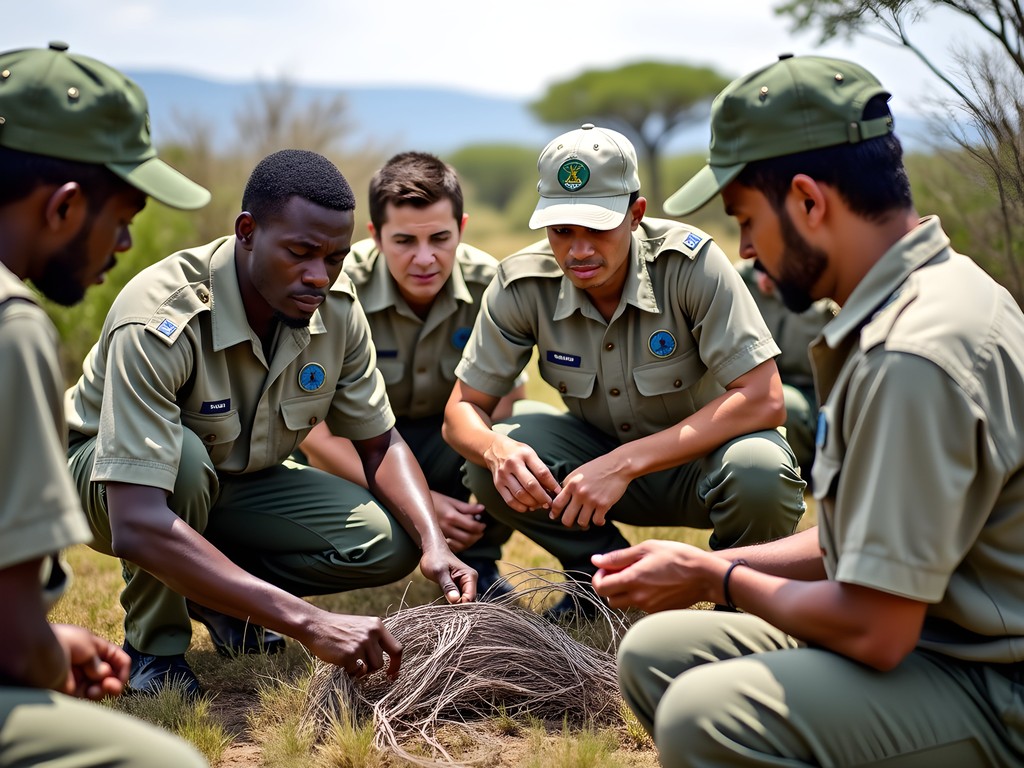
Through Painted Dog Conservation, we spent a day helping with anti-poaching efforts. After a briefing on the organization's work protecting the endangered African wild dogs, we joined a patrol to check and clear snares—wire traps set by poachers that indiscriminately kill wildlife. In just three hours, our group removed seventeen snares from a single patrol area.
The experience was physically demanding but deeply rewarding. We finished the day helping local artisans who create stunning beadwork from recovered snare wire, transforming tools of destruction into beautiful art. I purchased several pieces as meaningful souvenirs that directly support conservation efforts.
If you're planning this activity, a good pair of work gloves is essential for handling the sharp wire safely. The organization also appreciates donations of basic medical supplies for their clinic.
💡 Pro Tips
- Contact conservation organizations at least two weeks before your trip to arrange participation
- Be prepared for emotional moments—seeing injured animals at rehabilitation centers can be difficult but educational
- Bring small denominations of US dollars for purchasing handicrafts directly from community artisans

4. Photographic Hides: Wildlife Up Close
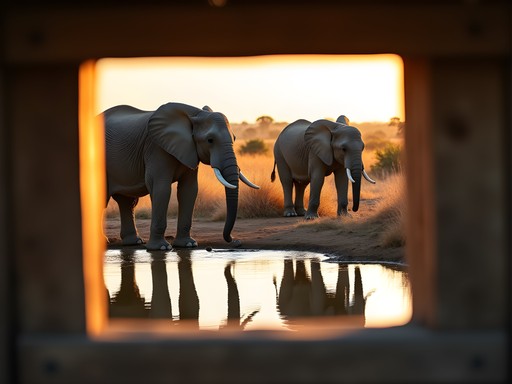
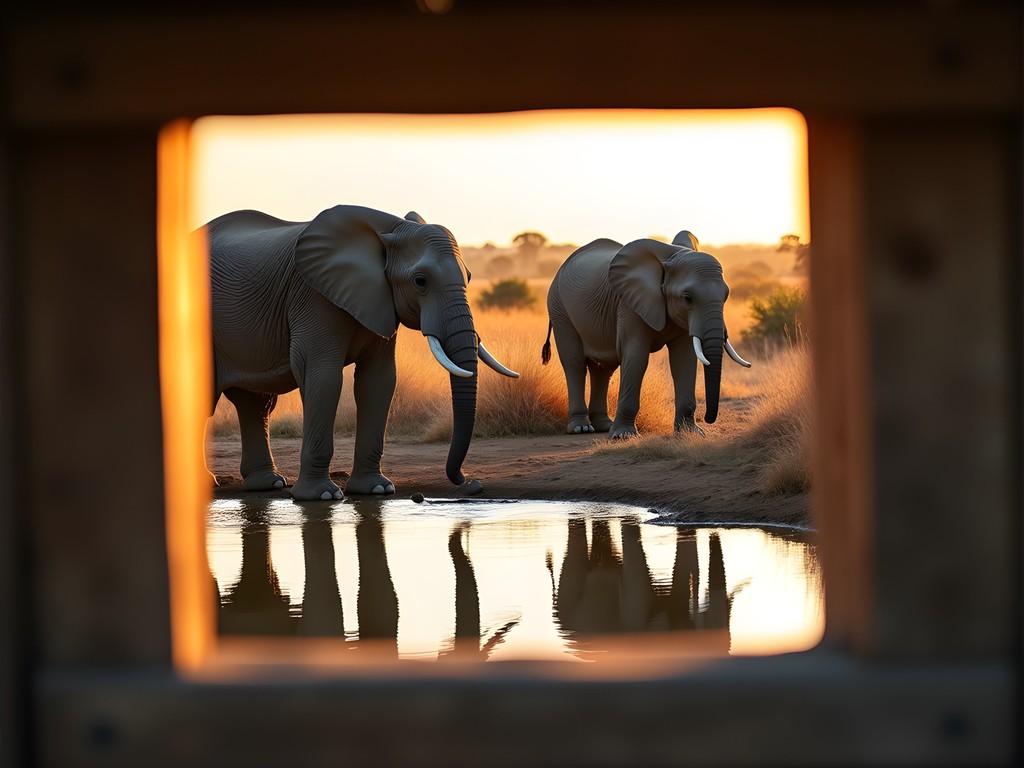
As someone who's spent countless hours in fishing blinds waiting for the perfect catch, Hwange's photographic hides felt immediately familiar—yet infinitely more exciting. These carefully positioned structures allow wildlife viewing at water sources from just meters away, without disturbing the animals.
The Nehimba Lodge hide, built at eye-level with the waterhole, delivered one of my trip's defining moments. After a patient two-hour wait in the afternoon heat, a breeding herd of elephants arrived. We sat in breathless silence as they drank, bathed, and socialized less than 10 feet away, completely unbothered by our presence. When a young calf stuck its trunk through the viewing slot to investigate our scent, I nearly dropped my telephoto lens.
What surprised me most was how the hide experience transforms wildlife viewing from a passive activity into something more meditative and profound. Unlike game drives where you're constantly moving to find animals, the hide requires patience as the animals come to you—a welcome change of pace that allows deeper appreciation of behavior and interactions.
💡 Pro Tips
- Book accommodations with private hides for exclusive access during peak viewing times
- Bring a beanbag camera support rather than a tripod for more flexible positioning in tight spaces
- Pack high-energy snacks and plenty of water—you might want to stay in the hide longer than planned when the action gets good
5. Mountain Biking the Park Periphery
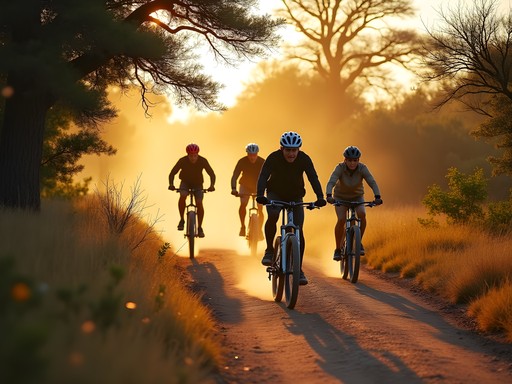
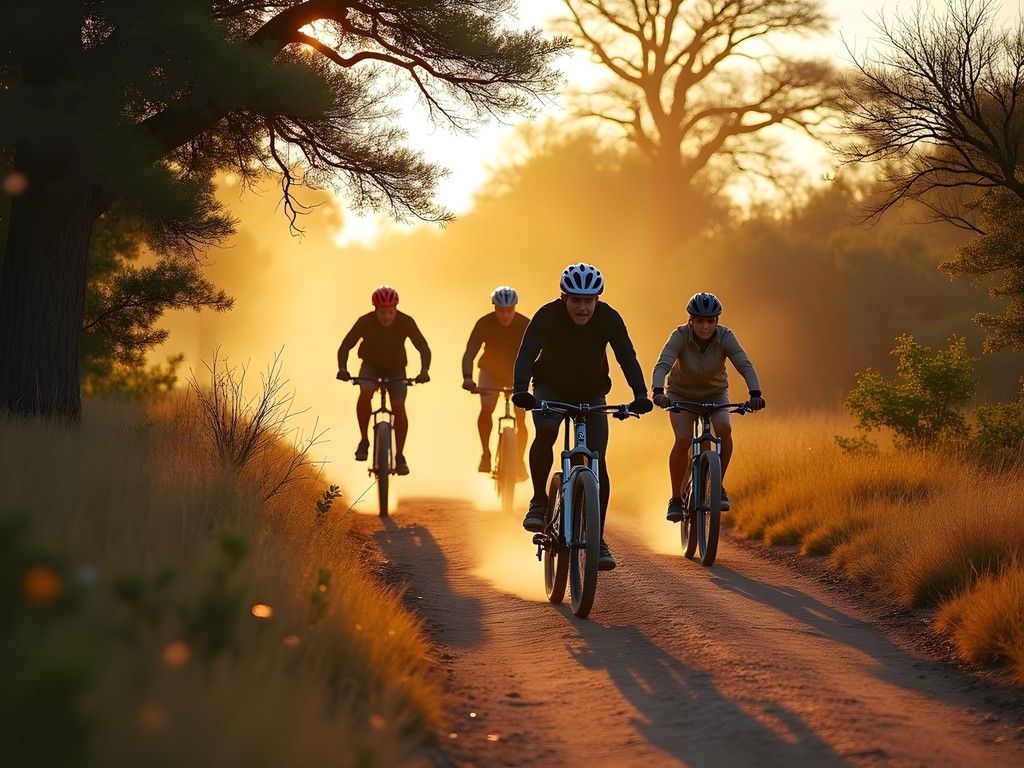
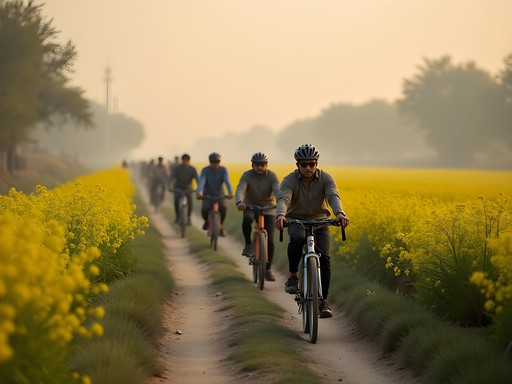
When our guide first suggested mountain biking, I was skeptical. Cycling among predators seemed like a recipe for becoming lunch. As it turns out, Hwange offers carefully managed biking experiences along the park's periphery where wildlife density is lower but landscapes are spectacular.
Our 18-kilometer route took us through mopane woodlands and along ancient dried riverbeds, accompanied by two armed guides—one leading, one following. The pace was moderate, with frequent stops to examine tracks, vegetation, and smaller creatures often missed from vehicles.
The physical challenge added a dimension to our wildlife experience that traditional safaris couldn't match. Feeling the terrain under your wheels, smelling the wild sage crushed by your tires, and earning each wildlife sighting through your own effort created a more immersive connection to the landscape.
I'm grateful I packed my hydration backpack, as the dry winter air dehydrates you quickly, even during the cooler months. The lodge provided decent mountain bikes, but serious cyclists might want to bring their own bike seat for extended comfort on the bumpy terrain.
💡 Pro Tips
- Request an early morning start to avoid midday heat, even in winter
- Apply sunscreen liberally despite cooler temperatures—the African winter sun is still intense
- Bring binoculars in a secure chest harness for quick access when you stop for wildlife viewing
6. Traditional Fishing at Mandavu Dam
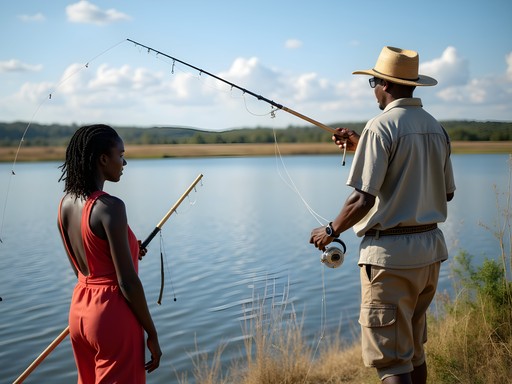
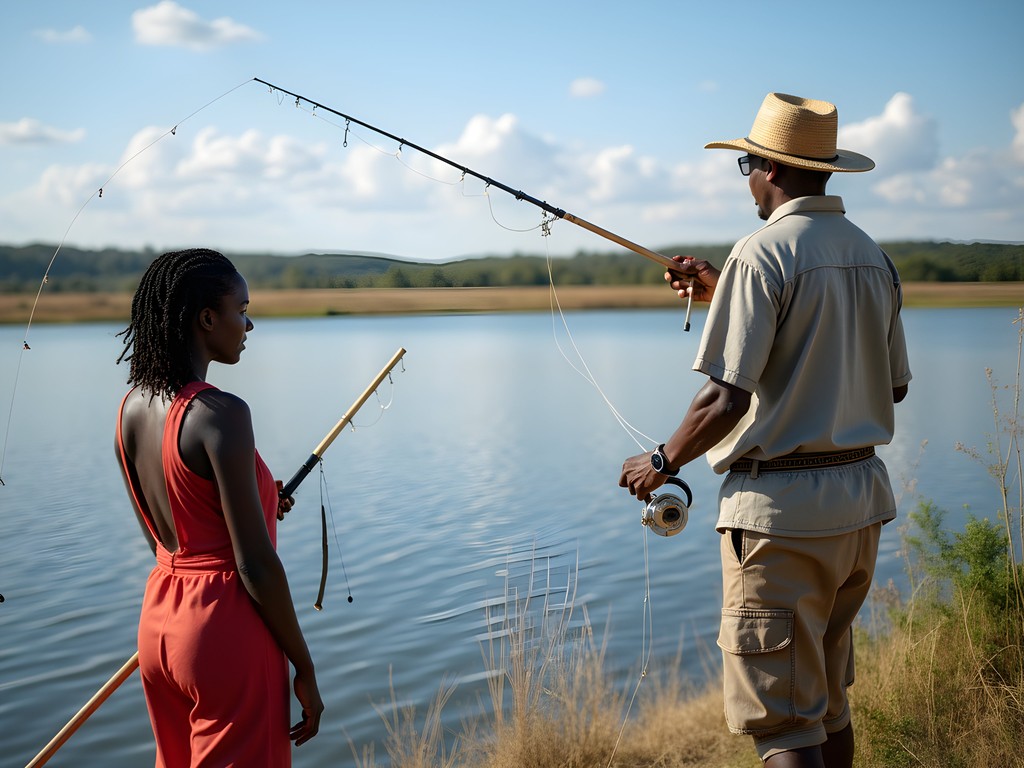
As a lifelong angler who's fished everything from Minnesota's frozen lakes to New Zealand's rushing streams, I couldn't pass up the chance to try traditional fishing methods at Hwange's Mandavu Dam. This massive reservoir not only sustains wildlife during dry seasons but also holds impressive populations of tigerfish, bream, and catfish.
Unlike Western-style fishing with modern gear, our experience involved learning indigenous techniques from local Ndebele fishermen. We crafted simple reed fishing poles, prepared traditional baits, and learned patience-testing methods that have sustained communities for generations.
While I've certainly caught bigger fish back home, landing a decent-sized bream using nothing but handcrafted equipment provided a satisfaction that my carbon fiber rod never could. The experience connected me to the local culture in a way that typical tourist activities rarely achieve.
The guides encourage catch-and-release for most species, but they'll prepare your catch for dinner if you wish. I brought along my fishing pliers which proved useful for safely removing hooks from the spiny bream.
💡 Pro Tips
- Schedule fishing activities for early morning or late afternoon when fish are most active
- Apply mosquito repellent liberally even in winter—the water attracts insects year-round
- Learn a few basic Ndebele fishing terms to better connect with your local guide
7. Cultural Immersion Through Traditional Games
My background in recreation management has always made me fascinated by how different cultures play. In Hwange, I discovered a rich tradition of indigenous games that offer both cultural insights and genuine fun for visitors of all ages.
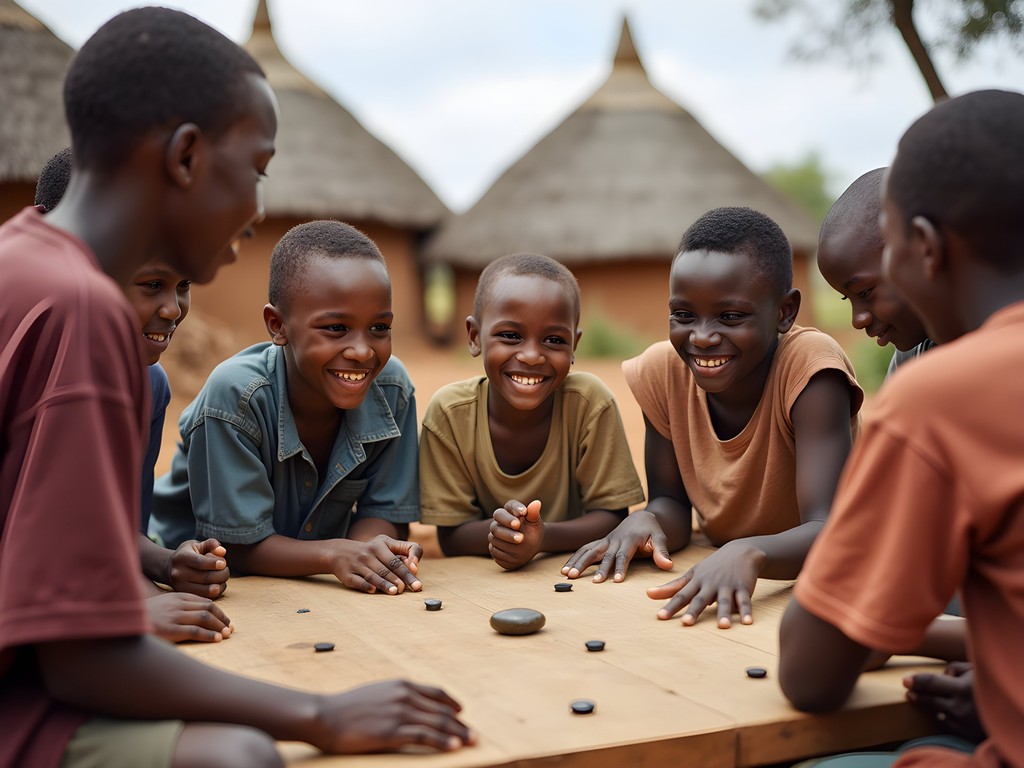
Through arrangements with a local community tourism initiative, we spent an afternoon learning traditional Ndebele and Shona games from village elders and children. Games like Nhodo (similar to jacks, but using stones and holes in the ground) and Tsoro (a strategic board game played with stones on a wooden board) provided not just entertainment but windows into mathematical thinking and social values.
What struck me most was how these seemingly simple games contained complex strategic elements. As a former tennis coach, I'm always analyzing game theory, and I found myself thoroughly challenged by a 12-year-old boy who had clearly mastered Tsoro's nuances.
The experience culminated in a community-wide game of Kudoda, a team sport somewhat reminiscent of capture the flag but with elaborate rules involving territorial boundaries. Despite the language barrier, the universal language of play created immediate connections.
I was so impressed by the craftsmanship of the wooden game board that I purchased one directly from the artisan who makes them for the community.
💡 Pro Tips
- Remove watches and valuable jewelry before participating in active games
- Learn basic game-related phrases in Ndebele or Shona to better engage with community members
- Bring small gifts like pencils or notebooks for the children—but always ask community leaders about appropriate gifts first
Final Thoughts
Hwange National Park delivered far more than the typical safari experience I initially expected. By stepping beyond the conventional game drives, our group discovered a Zimbabwe that few tourists ever see—one where conservation, culture, and adventure blend seamlessly. The connections we made with local communities and the skills we learned from experienced guides transformed our trip from a simple wildlife viewing holiday into something far more meaningful.
As someone who's spent a career creating recreational experiences that bring people together, I was deeply impressed by how these alternative activities fostered genuine cultural exchange and deeper appreciation for both the natural environment and the communities that protect it. Whether you're tracking lions on foot, removing poachers' snares, or being thoroughly trounced at Tsoro by local children, these experiences create memories that standard safaris simply can't match.
If you're planning a trip to Zimbabwe, I urge you to allocate at least two weeks and build these unexpected adventures into your itinerary. The classic safari will always be there—but it's these off-the-beaten-path experiences that will truly transform your understanding of this remarkable corner of Africa.
✨ Key Takeaways
- Plan at least 2-3 days beyond traditional safaris to experience Hwange's alternative adventures
- Community-based activities provide the most meaningful cultural exchanges
- Winter (May-August) offers ideal temperatures for active outdoor pursuits
- Combining conservation work with tourism creates more meaningful connections to the destination
📋 Practical Information
Best Time to Visit
May-August (Zimbabwe's winter)
Budget Estimate
$150-300 per day including accommodation, activities and meals
Recommended Duration
Minimum 10 days, ideally 14 days
Difficulty Level
Moderate To Challenging Depending On Activities Chosen
Comments
Hannah Woods
I visited Hwange last year and can confirm the Community Conservation Immersion is absolutely worth it. The local perspectives completely transformed my understanding of wildlife conservation. I'd add that winter (June-August) is ideal for bush walking as the temperatures are manageable and visibility is better with reduced vegetation. If you're planning photography from the hides, I found my telephoto zoom perfect for the distance while still being lightweight enough for travel. The stargazing was incredible too - Hwange has some of the least light-polluted skies I've experienced in all my travels across Africa.
escapeking
How many days would you recommend staying to do all these activities? Planning a trip next year.
Hannah Woods
I'd say minimum 5 days, ideally 7-8 if you want to do all these activities plus traditional game drives without feeling rushed. Different activities happen on different days of the week too, so check schedules when booking.
escapeking
Those photo hides look amazing! Great shots you got there.
explorelegend
This is exactly what I needed! Going to Zimbabwe in October and was worried Hwange would just be the standard safari experience. That stargazing safari sounds incredible - did you need to book that in advance? Also curious about the bush walking - was it physically demanding? I'm traveling with my partner who has some knee issues.
Casey Perry
Definitely book the stargazing safari in advance - it fills up quickly! The bush walking was moderate - mostly flat terrain but you're on your feet for about 3 hours. They can adjust the pace for different ability levels though. Your partner should let the guide know beforehand!
explorelegend
Thanks so much for the quick reply! Will definitely book ahead then. Good to know about the walking too - sounds manageable!
Haley Hamilton
Casey, this is such a refreshing take on Hwange! I did a similar community conservation program in Botswana last year and it completely changed how I think about wildlife tourism. The tracking workshop you mentioned sounds incredible—there's something humbling about learning to read the bush the way local guides do. I'm curious about the stargazing safari though. Did you need any special equipment for night photography, or were you mostly just soaking it in? The light pollution (or lack thereof!) in that part of Zimbabwe must be absolutely perfect for astrophotography.
Casey Perry
Hey Haley! Honestly, I just used my phone for casual shots and it was pretty decent. But if you're serious about astro stuff, definitely bring a tripod and a camera with manual settings. The Milky Way was insane!
wanderrider
The bush walking sounds amazing! Did you feel safe the whole time?
Casey Perry
Totally! Our guide was incredibly experienced and knew exactly how to read animal behavior. We kept a safe distance and honestly felt more connected to the environment than from a vehicle.
wanderrider
awesome, adding this to my list!
sunsetmate
I did a similar bush walk in Botswana last year and it was honestly the highlight of my entire trip. There's something humbling about being on foot in big game territory. The adrenaline when you hear an elephant nearby but can't see it yet... nothing compares. My guide taught us animal calls and how to read fresh tracks. Skills I still remember a year later. Hwange is now on my list!
wanderlustzone
That sounds terrifying and amazing at the same time!
Frank Garcia
Really appreciate the depth here. From a practical standpoint, how did the costs compare between these alternative activities and standard game drives? I'm always analyzing budget breakdowns for different safari experiences. The tracking skills workshop particularly interests me - that kind of knowledge-based tourism tends to offer better value than passive observation. Also curious about the logistics of getting between these different activity locations within Hwange.
trippro
Winter is definitely the best time. Dry season means animals at waterholes.
Marco Flores
Casey, this is exactly the kind of content we need more of! I spent three weeks in Zimbabwe last year and the community conservation angle is so underrated. I stayed with a local family near Hwange and learned traditional tracking methods from the village elders. It completely transformed how I see wildlife tourism. The photographic hides sound phenomenal - was it through a specific lodge or can independent travelers book those separately? Planning to return this winter and would love to incorporate this.
sunsetmate
Would love to hear more about staying with local families! That sounds like an authentic experience you can't get from standard tours.
globeace
Really cool post! Love the photography hide idea.
Venture X
Premium card with 2X miles, $300 travel credit, Priority Pass