

Disclosure: This article contains affiliate links. We may earn a commission from purchases at no extra cost to you, which helps our travel content.
Living in Corpus Christi has taught me that the most healing landscapes aren't always the exotic destinations halfway around the world—sometimes they're tucked along quiet coastlines closer to home. Dover, Delaware surprised me with its understated beauty along Delaware Bay, where horseshoe crabs still follow ancient rhythms and migrating shorebirds paint the sky each summer. This is coastal exploration at its most accessible: no crowds, no pretense, just honest connection with nature that families can experience together without breaking the bank.

Port Mahon: Where Ancient Rhythms Meet Modern Wonder
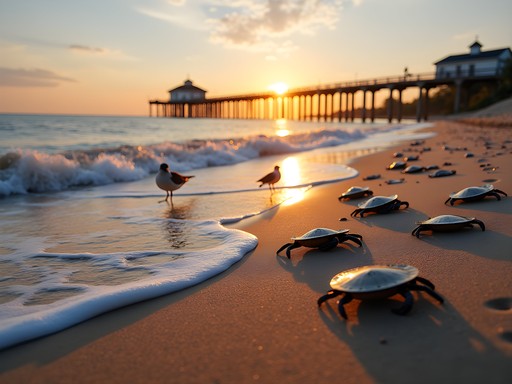
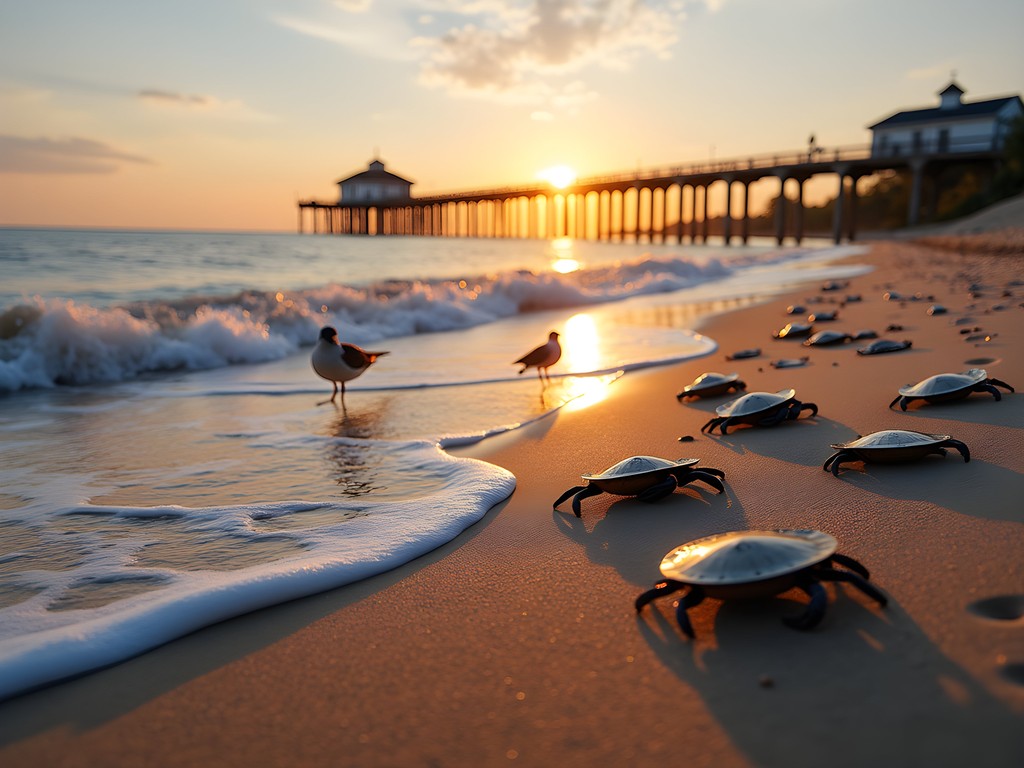
Port Mahon Road dead-ends at a small beach that feels like stepping into a natural history documentary. During late May and early June, horseshoe crabs—living fossils that predate the dinosaurs—emerge by the thousands to spawn along this shoreline. I visited with a friend's family last summer, and watching her children's faces as they gently observed these prehistoric creatures was a reminder of why I document traditional connections between humans and nature.
The beach itself is modest: a narrow strip of sand and pebbles with a fishing pier extending into the bay. But what it lacks in amenities, it compensates with educational value. Bring a field guide to help identify the incredible diversity of shorebirds that stop here during migration—red knots, ruddy turnstones, and sanderlings feast on horseshoe crab eggs, fueling their journey to Arctic breeding grounds.
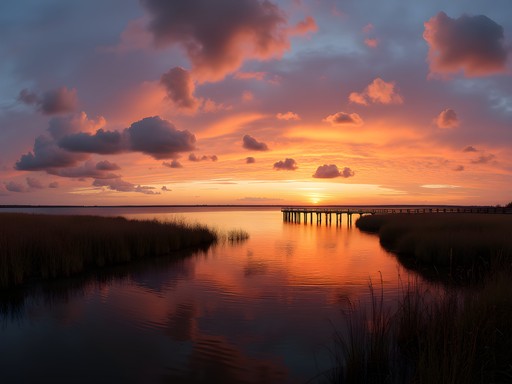
The sunset views across the bay are spectacular, with the water reflecting shades of amber and rose that remind me of Valencia's Mediterranean evenings. Pack a simple picnic and let the kids explore the tidal pools—just remind them these creatures are essential to the ecosystem and deserve gentle observation.
💡 Pro Tips
- Visit during the new or full moon in late May for peak horseshoe crab spawning activity
- Arrive two hours before high tide for the best wildlife viewing opportunities
- Bring old shoes or water sandals—the beach has sharp shells and the mud can be sticky
- Download the Just Horseshoe Crabs app to report your sightings and contribute to conservation research
Bombay Hook National Wildlife Refuge: A Birder's Sanctuary
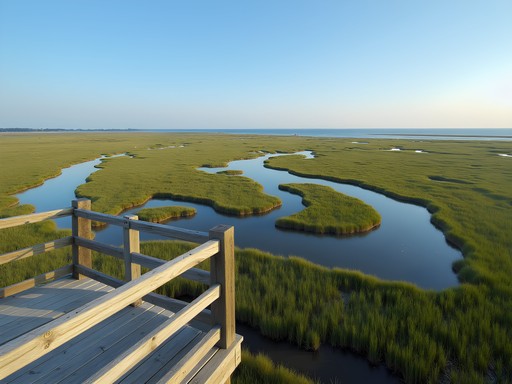
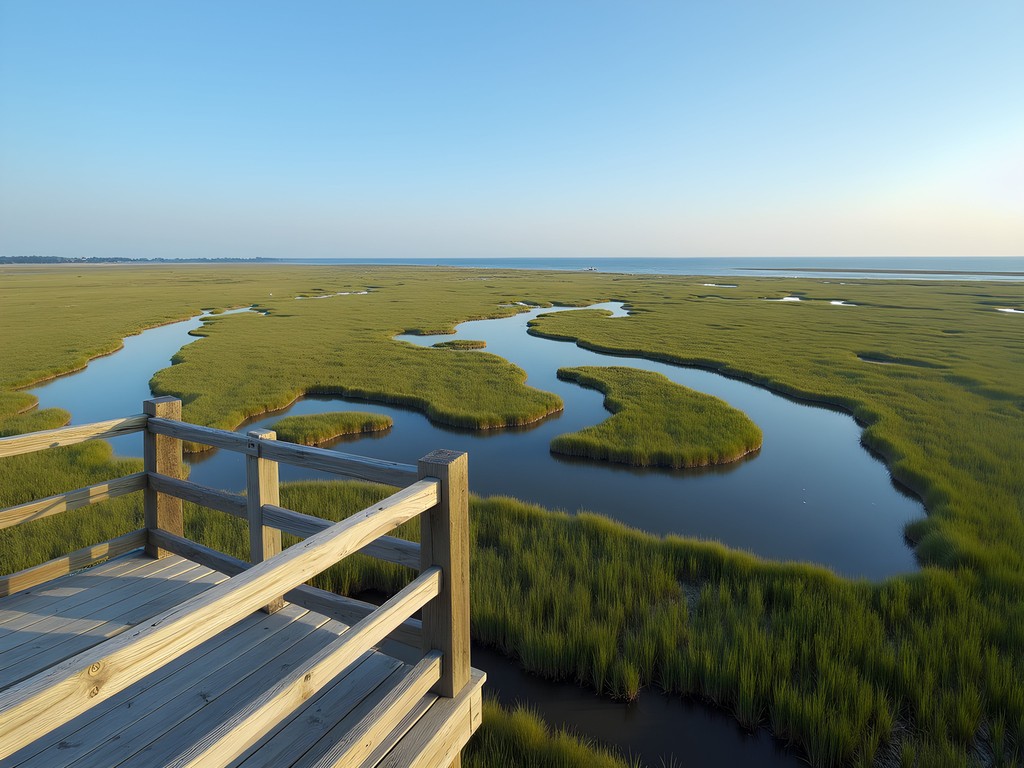
Just twenty minutes north of Dover, Bombay Hook encompasses over 16,000 acres of tidal salt marsh, freshwater pools, and wooded uplands. The 12-mile auto tour loop makes it perfectly accessible for families with young children or limited mobility—you can experience world-class wildlife viewing without leaving your vehicle, though I always encourage getting out to walk the observation trails when possible.
I've visited wildlife refuges across four continents, and Bombay Hook ranks among the most impressive for sheer bird diversity. During summer months, you'll encounter great egrets, glossy ibis, and great blue herons stalking through the marshes. The refuge hosts over 300 bird species throughout the year, making it a crucial stopover point on the Atlantic Flyway.
The five observation towers along the route provide elevated perspectives across the marsh landscape. Bring a spotting scope if you're serious about bird identification—the distances across these wetlands can be substantial. For families new to birding, the visitor center offers free bird checklists and junior ranger activity booklets that transform the drive into an engaging educational experience.
💡 Pro Tips
- Visit early morning or late afternoon when wildlife is most active and temperatures are cooler
- Stop at the visitor center first to check recent sightings and trail conditions
- The auto tour takes 1-2 hours at a leisurely pace with frequent stops
- Bring insect repellent—the mosquitoes are formidable in summer, especially near wooded areas
Pickering Beach: Dover's Best-Kept Secret
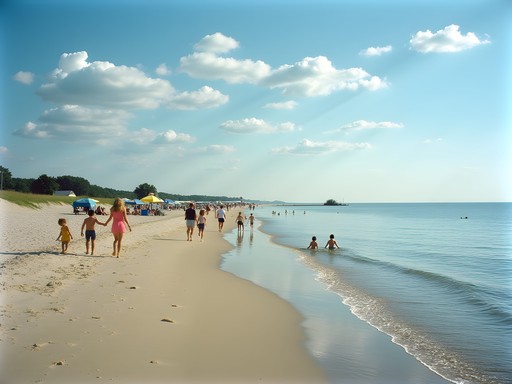
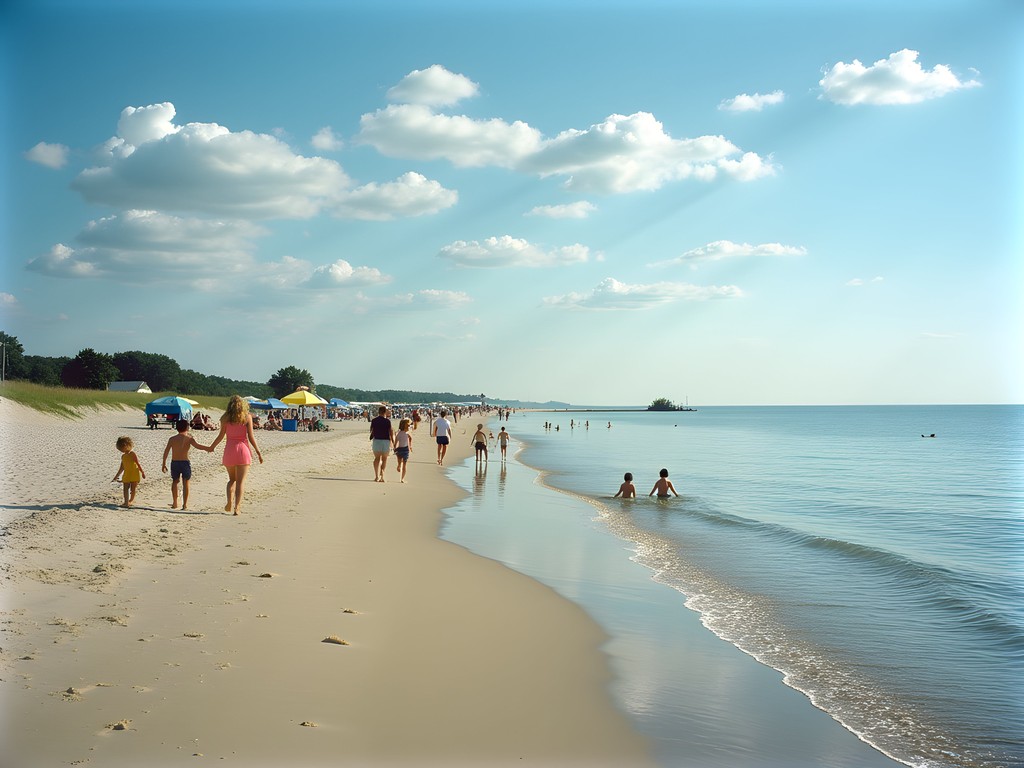
While tourists flock to Rehoboth and Dewey Beach, locals know that Pickering Beach offers something more valuable: tranquility. This small residential beach community along Delaware Bay provides the kind of uncrowded coastal experience that's increasingly rare along the East Coast. The beach stretches for miles with soft sand, gentle waves perfect for young children, and shallow water that warms beautifully by mid-summer.
What I appreciate most about Pickering Beach is its authenticity. There are no boardwalks, no arcades, no commercial development—just a simple beach where families spread blankets, build sandcastles, and wade in the calm bay waters. The lack of amenities means you'll need to pack everything, but that's part of the appeal. Bring a beach shelter for shade during midday hours—the sun reflects intensely off the water and sand.
The beach is also an excellent location for collecting sea glass and shells. My friend's daughter spent an entire afternoon creating elaborate shell mandalas along the waterline, a spontaneous meditation practice that reminded me of the sand paintings I've witnessed in healing ceremonies across different cultures. Sometimes the most profound experiences emerge from unstructured play in natural settings.
💡 Pro Tips
- Parking is limited and reserved for residents, but public access is available at the end of Bayview Avenue
- Arrive before 10 AM on summer weekends to secure parking
- Bring all supplies including water, snacks, and shade—there are no facilities or vendors
- The shallow water and gentle waves make this ideal for families with toddlers and young children

Ted Harvey Conservation Area: Woodland Trails and Hidden Ponds
For families wanting to balance beach time with forest exploration, the Ted Harvey Conservation Area offers 800 acres of diverse habitats just south of Dover. The trail system winds through mature hardwood forests, around freshwater ponds, and across open meadows—a microcosm of Delaware's inland ecosystems.
The trails are well-maintained and clearly marked, making them accessible for families with elementary-age children. We encountered deer, wild turkeys, and an impressive variety of butterflies during our July visit. The pond overlooks provide peaceful spots for nature observation and reflection. I always carry a nature identification app in book form—yes, I'm old-fashioned, but I find the tactile experience of flipping pages slows me down and deepens observation in ways that smartphone apps don't encourage.
The conservation area sees relatively light use compared to more publicized destinations, which means you'll often have trails to yourselves. This solitude allows for genuine connection with the natural world—something I've learned is as essential to wellbeing as any traditional healing practice I've documented abroad.

💡 Pro Tips
- Trails range from easy 1-mile loops to more challenging 3-mile routes—check the trailhead map
- Bring water and snacks as there are no facilities within the conservation area
- Wear long pants and use tick repellent—the wooded areas harbor deer ticks
- The pond areas are particularly beautiful in early morning when mist rises from the water
Practical Preparations for Your Delaware Bay Adventure
Dover's coastal areas require minimal specialized gear, but a few key items will enhance your experience significantly. The Delaware Bay's mudflats and marshes mean you'll encounter terrain quite different from ocean beaches. Invest in quality water shoes that provide protection and traction—the combination of shells, rocks, and slippery mud can be challenging in standard flip-flops.
For wildlife observation, timing matters more than equipment. Delaware Bay's shorebird migration peaks in late May, while summer months offer the most comfortable weather for extended outdoor exploration. The horseshoe crab spawning season creates a narrow window of extraordinary natural phenomena that's worth planning around if possible.
Accommodation options in Dover itself are budget-friendly, with numerous chain hotels offering family suites at reasonable rates. I recommend staying in Dover proper rather than the beach communities—you'll have better restaurant options and easy access to both the bay beaches and inland conservation areas. A cooler is essential for packing lunches and keeping drinks cold, as many of these natural areas lack facilities or vendors.
💡 Pro Tips
- Download offline maps before visiting remote beach areas where cell service can be spotty
- Pack a first aid kit with bandages, antibiotic ointment, and tweezers for shell cuts and splinters
- Bring reusable water bottles and refill at your hotel—staying hydrated is crucial in summer heat
- Check tide tables before visiting Port Mahon or other tidal areas to optimize your timing
Final Thoughts
Dover's Delaware Bay coastline offers something increasingly precious in our overscheduled, over-stimulated world: the opportunity to slow down and observe natural rhythms that have persisted for millennia. These aren't destinations that will dominate your social media feeds with dramatic vistas, but they provide something more valuable—genuine connection with ecosystems that function exactly as they should, spaces where children can explore freely, and landscapes that restore rather than exhaust.
My work documenting healing traditions around the world has taught me that wellness doesn't always require elaborate rituals or exotic locations. Sometimes it's as simple as watching horseshoe crabs spawn under a full moon, listening to marsh birds call across wetlands at dawn, or feeling bay water lap against your feet while your children build castles from sand and shells. Dover's hidden coastal treasures offer this kind of healing—accessible, affordable, and profoundly restorative.
Plan your weekend escape to these quiet shores. Bring your curiosity, your patience, and your willingness to embrace simplicity. The Delaware Bay is waiting to share its ancient wisdom with those who take the time to listen.
✨ Key Takeaways
- Visit Port Mahon during late May or early June to witness the spectacular horseshoe crab spawning and shorebird migration
- Bombay Hook National Wildlife Refuge offers world-class wildlife viewing accessible via a family-friendly 12-mile auto tour
- Pickering Beach provides an uncrowded, authentic coastal experience perfect for families with young children seeking calm bay waters
📋 Practical Information
Best Time to Visit
Late May through August, with late May being optimal for horseshoe crab spawning and shorebird migration
Budget Estimate
$300-500 for a family of four including accommodation, meals, and activities
Recommended Duration
2-3 days
Difficulty Level
Easy







Comments
Timothy Jenkins
Danielle, lovely piece on Dover's coastal treasures. Your observation about healing landscapes being closer to home really resonates. I've found similar hidden gems along Britain's coastline - places like the Norfolk coast have that same quality of quiet restoration you describe at Port Mahon. The Delaware Bay area seems to offer that increasingly rare commodity: genuine solitude in nature. I'm particularly intrigued by Pickering Beach. The way you describe it reminds me of some of the lesser-known beaches along the Jurassic Coast. Have you visited during the horseshoe crab season? I understand it's quite the natural phenomenon. Planning a mid-Atlantic research trip for autumn and this has definitely made my shortlist.
wildlife
BOMBAY HOOK!!! I've been going there for years and it never disappoints. Spring migration is absolutely insane - we're talking thousands of shorebirds. The horseshoe crab spawning brings in red knots, ruddy turnstones, sanderlings... it's a spectacle. Pro tip: bring your binoculars and hit the trails early morning. The observation towers give you amazing views across the marshes. Also the drive-through wildlife loop is perfect if you want to stay in your car. Honestly one of the best birding spots on the East Coast that not enough people know about!
Timothy Jenkins
Completely agree about the early morning visits. The light is spectacular for photography too. Have you explored any of the woodland trails at Ted Harvey?
wildlife
Not yet but it's on my list! Heard the pond areas are great for waterfowl.
freephotographer
What time of year did you visit? Want to get some good shots of the coastline!
wildlife
Not the author but fall migration is AMAZING there! September-October you'll get incredible bird action for photos.
freephotographer
Perfect, thanks!!
starpro
Been going to Port Mahon for years and can confirm everything here. Pro tip - go at high tide if you actually want to see water lol. At low tide it's just mudflats for days. Still cool to watch the birds feeding though. Also the crab shack nearby has great steamed crabs in summer if you're into that.
dreamexplorer
Planning a trip for late April - is Pickering Beach good for kids? Have a 6 and 9 year old who love exploring tide pools.
wavevibes
Not OP but I bet they'd love it! Looks super calm from the photos
Douglas Bradley
Excellent piece, Danielle. I visited Bombay Hook last spring during the shorebird migration and was genuinely stunned by the numbers—thousands of red knots staging before their Arctic journey. What struck me most was the interpretive signaling along the wildlife drive; it's remarkably well-curated for a refuge that doesn't get the attention of more famous birding destinations. The contrast you draw between Port Mahon's accessibility and Ted Harvey's seclusion is spot-on. One tip for readers: if you're serious about photography at Bombay Hook, the light in those first two hours after dawn is incomparable, especially along the Bear Swamp Pool overlook.
starpro
Good tip on the dawn timing. Did you need a long lens for bird photos?
Douglas Bradley
Absolutely—I'd recommend at least 400mm if you're shooting from the car along the wildlife drive. The birds maintain their distance even though the refuge allows vehicle-based observation.
wavevibes
This looks amazing!! Never even thought about Delaware beaches before!
dreamexplorer
Same! Always just drove through to get to other places lol
Venture X
Premium card with 2X miles, $300 travel credit, Priority Pass