
Disclosure: This article contains affiliate links. We may earn a commission from purchases at no extra cost to you, which helps our travel content.
There's something profoundly satisfying about experiencing two dramatically different ecosystems within a single journey. As someone who's spent decades studying marine environments, I've developed a deep appreciation for how terrestrial landscapes influence the waters below. My recent two-week solo expedition took me from the misty Himalayan foothills of Darjeeling to the sun-drenched Mediterranean shores of Corfu—a deliberate pairing that offered striking ecological contrasts. The journey wasn't just about conquering trails; it was about understanding how elevation, climate, and human history have shaped these distinct environments. Whether you're seeking the meditative solitude of mountain paths or the rhythmic companionship of crashing waves, this dual-destination adventure delivers profound insights into our planet's remarkable diversity—and perhaps into yourself as a traveler.

Preparing for Dual Ecosystems: Gear and Planning
When planning a trip spanning both Himalayan foothills and Mediterranean coastlines, your packing strategy becomes an exercise in adaptability. I've led research expeditions across varied climates, but this particular combination required careful consideration.
For Darjeeling (elevation 6,700 feet), temperatures in fall hover between 10-15°C (50-59°F) with frequent mist and occasional rain. Meanwhile, Corfu maintains a pleasant 18-24°C (64-75°F) with significantly less precipitation. This temperature differential meant layering was essential.
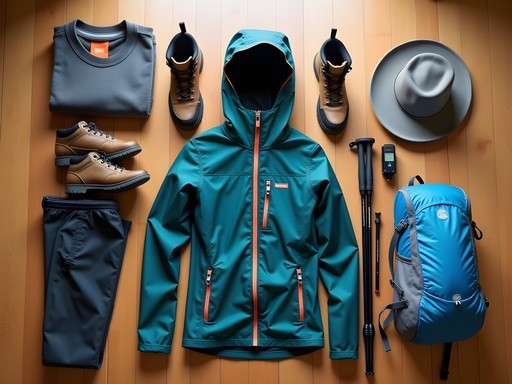
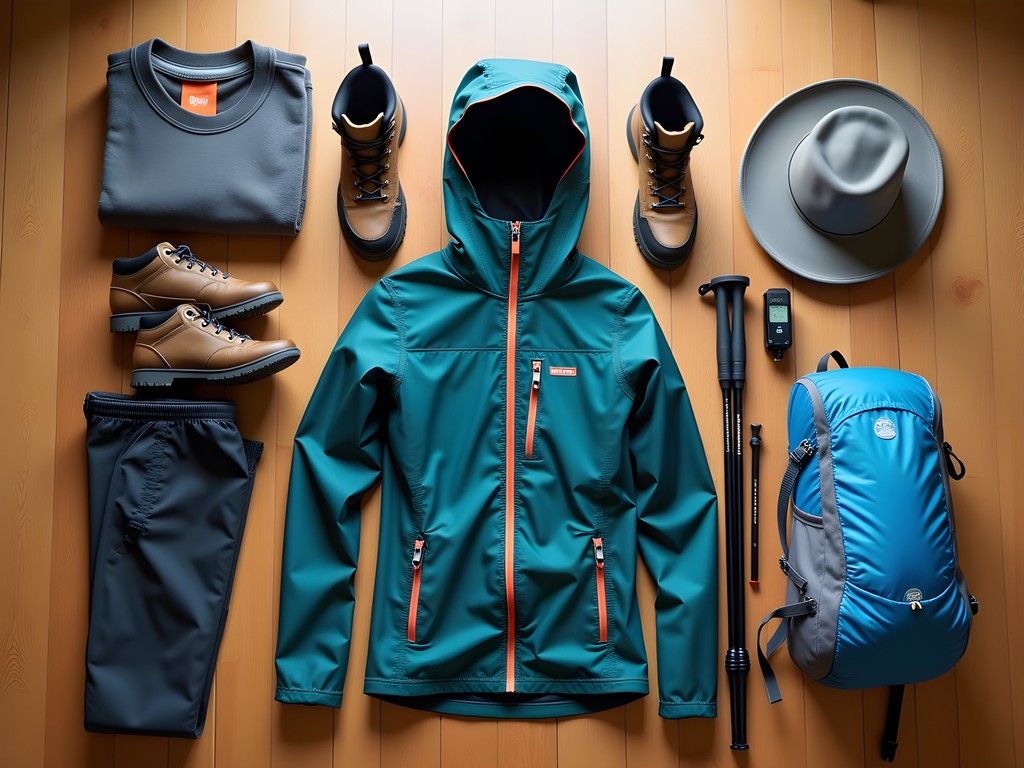
My core kit included moisture-wicking base layers, a reliable mid-layer fleece, and my trusty waterproof jacket which proved invaluable during unexpected Darjeeling downpours. For footwear, I opted for a single pair of hiking boots rather than packing separate pairs. After 20+ years of fieldwork, I've found these strike the perfect balance between ankle support for mountain terrain and comfort for longer Mediterranean coastal walks.
Equally important was my navigation strategy. While cellular coverage in Darjeeling is spotty at best, Corfu offers more reliable connectivity. I downloaded offline maps for both regions using Maps.me and carried a traditional compass as backup—a habit from my early research days that's saved me more than once.
Perhaps most critical was my hydration system. The humidity levels between these regions differ dramatically, affecting how much water you'll need. I carried a 2-liter hydration bladder for Darjeeling's demanding ascents and a collapsible 1-liter bottle for Corfu's more accessible trails where refill points are plentiful.
💡 Pro Tips
- Pack a lightweight down jacket for Darjeeling's chilly mornings that compresses small for Corfu travels
- Invest in quick-dry hiking pants with zip-off legs to adapt to both climates
- Bring electrolyte tablets for Darjeeling's higher altitude hikes to prevent dehydration
Darjeeling: Trekking Through the Clouds
The Singalila Ridge trek in Darjeeling begins as a gentle ascent through villages and quickly transforms into something otherworldly. Unlike the predictable clarity of marine visibility studies I've conducted, the Himalayan foothills play with perception—one moment obscuring views in dense cloud, the next revealing panoramas so vast they defy comprehension.
My five-day route from Maneybhanjang to Phalut (and back) traversed through multiple ecological zones, each with distinct biodiversity markers. The rhododendron forests at 3,000 meters reminded me of specialized marine ecosystems—highly adapted to specific conditions and stunningly beautiful in their resilience.
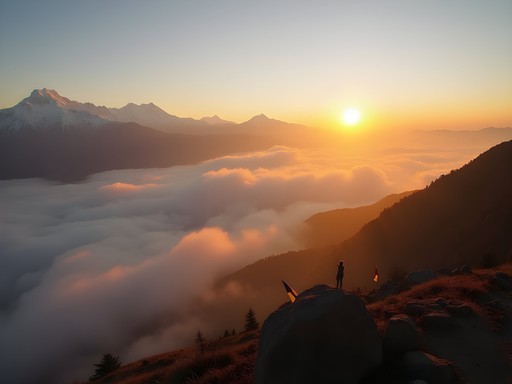
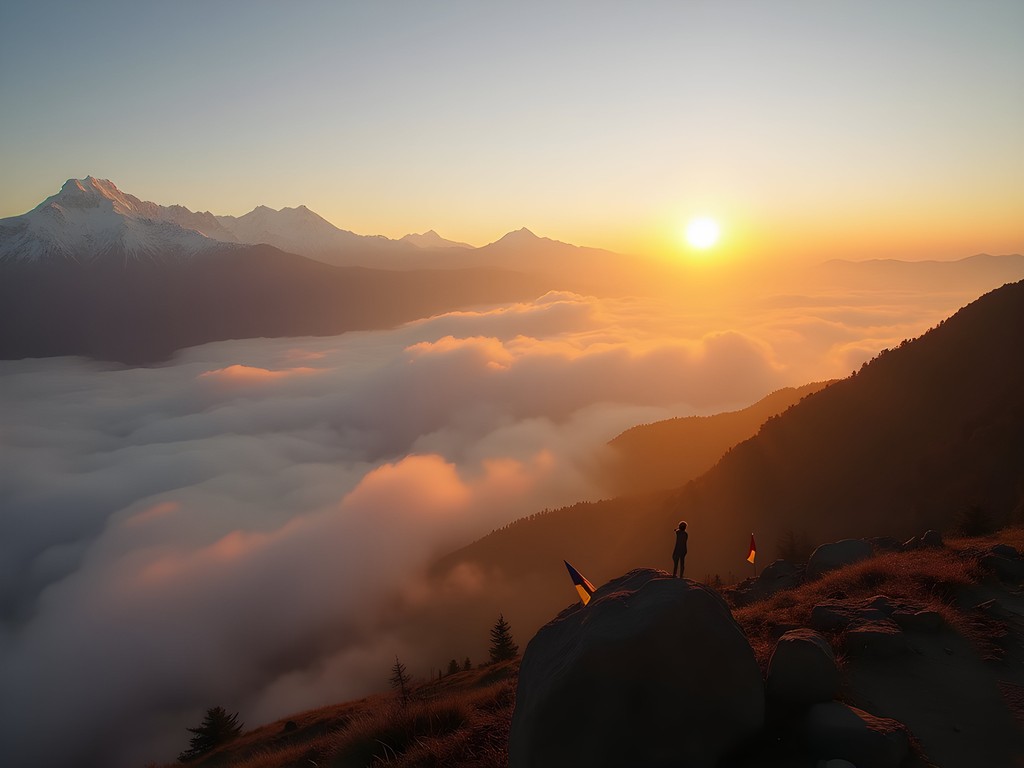
The highlight came at Sandakphu (3,636m), where I awoke at 4:30 AM and hiked to a viewpoint just before sunrise. As first light broke, the clouds parted to reveal four of the world's five highest peaks: Everest, Kanchenjunga, Lhotse, and Makalu. Having studied how mountain runoff affects coastal ecosystems for decades, standing before these water towers—these architects of downstream life—was profoundly moving.
The trek's difficulty shouldn't be underestimated. Even as someone who regularly conducts fieldwork in challenging conditions, I found days three and four physically demanding. The 1,200m elevation gain from Kalipokhri to Phalut tested my endurance, particularly in the thinning air. I monitored my oxygen levels with a small pulse oximeter, a precaution I recommend for solo trekkers at altitude.
The teahouses along this route offered simple but adequate accommodation, though facilities were basic—cold water only and limited electricity. Each evening, I'd join fellow trekkers and local guides around wood stoves, where conversation inevitably turned to the changing climate. Guides in their sixties spoke of receding snowlines and shifting rainfall patterns—observations that align perfectly with the coastal changes I've documented in my research.
💡 Pro Tips
- Book a local guide through Himalayan Travels in Darjeeling town - ask specifically for Dorjee who has exceptional knowledge of local flora
- Start your trek by 7 AM daily to avoid afternoon cloud cover that often obscures mountain views
- Pack extra batteries for all devices - charging opportunities are extremely limited after Tumling
Corfu's Corfu Trail: Where Mountains Meet the Mediterranean
Transitioning from Darjeeling's misty heights to Corfu's sun-drenched coastline created a fascinating ecological contrast. The Corfu Trail—a 220km route traversing the island's diverse landscapes—offers a completely different hiking experience while being equally rewarding.
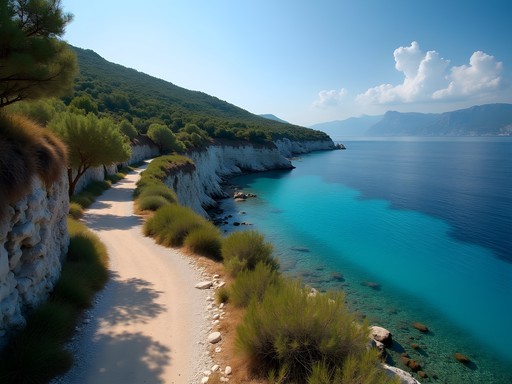
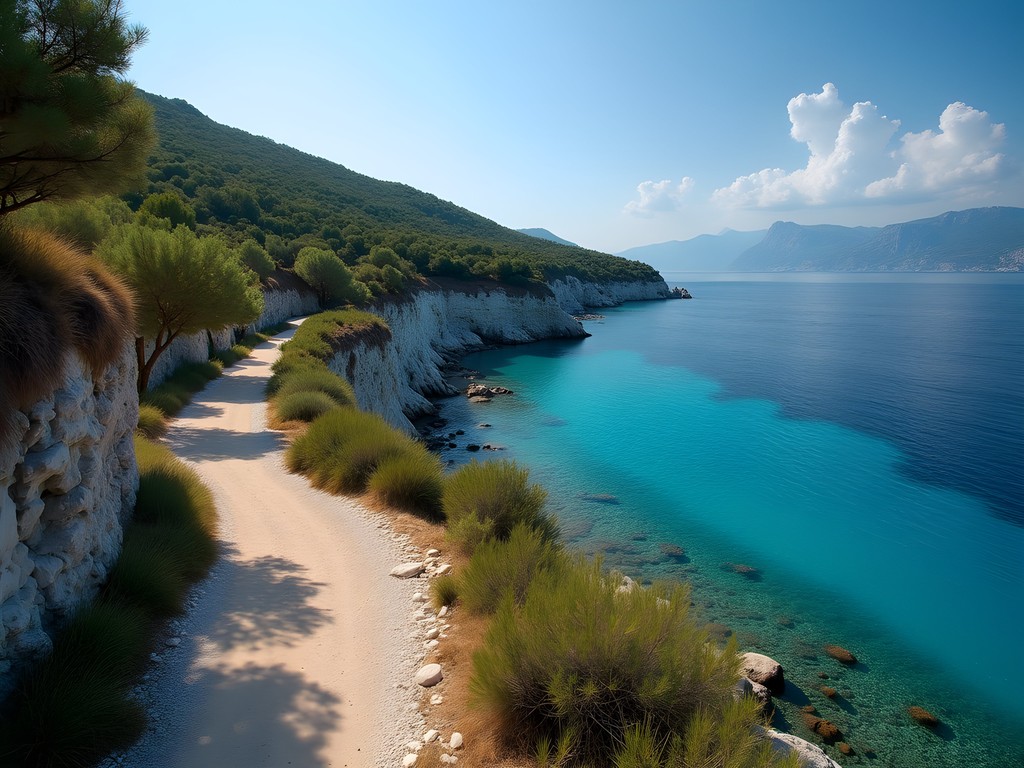
I chose to tackle the northern sections of the trail, focusing on the coastal segments between Agios Spyridonas and Agios Georgios. Here, the path alternates between rugged cliffs and gentle beaches, with the Ionian Sea's striking turquoise waters never far from view. As a marine biologist, I found myself constantly pausing to examine the intertidal zones—these boundary ecosystems reveal so much about marine health and coastal dynamics.
The trail's marking system uses yellow signs with CT lettering and occasional yellow dots on rocks and trees. While generally well-maintained, I found sections near Erimitis Beach where recent landslides had obscured the path. My trekking poles proved invaluable for stability on these eroded sections.
Unlike Darjeeling's teahouses, Corfu offers diverse accommodation options along the route. I alternated between small family-run pensions and camping at designated sites. The Paleokastritsa monastery area provided a particularly memorable overnight stay, with rooms overlooking dramatic limestone cliffs plunging into the sea.
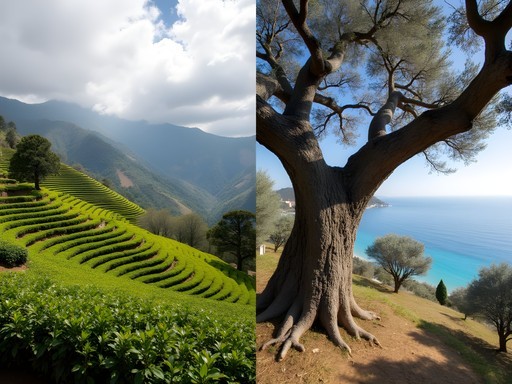
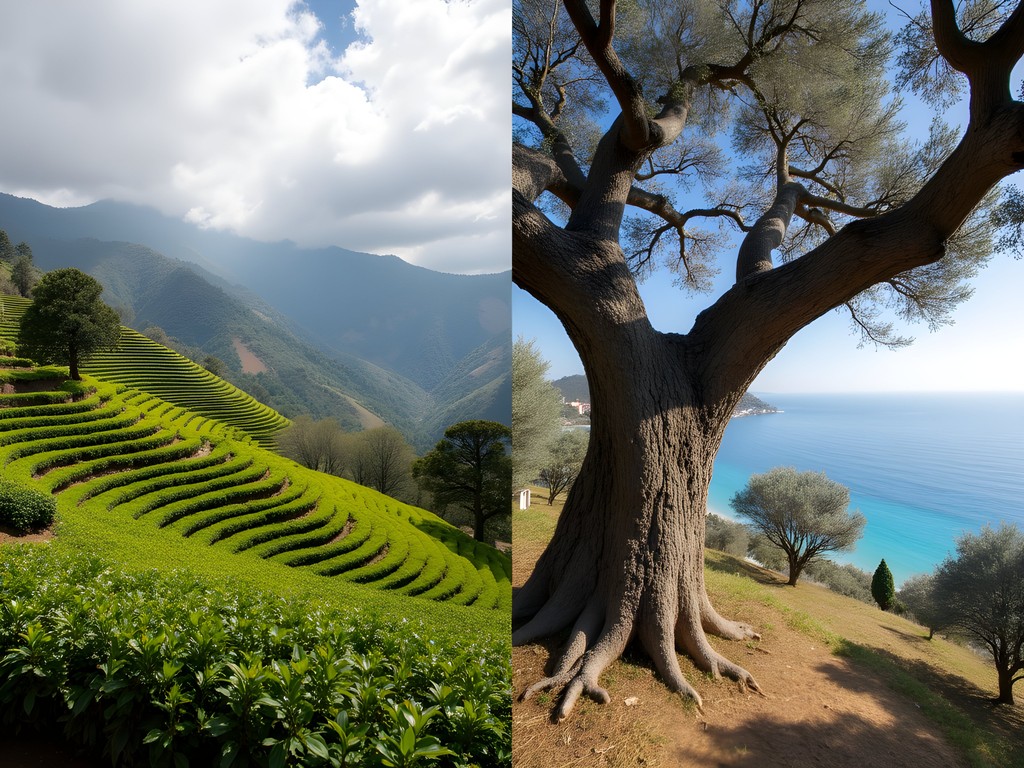
The trail's botanical diversity astounded me—coastal pine forests giving way to olive groves, some containing trees over 400 years old. These ancient groves create unique microclimates and soil conditions that support specialized undergrowth species. I couldn't help drawing parallels to the specialized niches found in coral reef ecosystems I've studied.
Perhaps most striking was experiencing the Mediterranean's seasonal rhythms during fall. With summer tourists departed, I encountered primarily local fishermen and farmers. One elderly olive harvester near Lakones village shared traditional ecological knowledge about predicting winter weather patterns based on olive production—information that resonated with similar predictive ecological relationships I've documented in marine systems.
💡 Pro Tips
- Download the Corfu Trail app which works offline and shows water sources and accommodation options
- Schedule rest days at Paleokastritsa and Myrtiotissa Beach for swimming and snorkeling opportunities
- Carry cash as many smaller villages have limited card facilities, especially in off-season

Ecological Connections: Mountains to Sea
As someone who has spent her career studying the interconnectedness of ecosystems, the juxtaposition of Darjeeling's mountains and Corfu's coastlines provided a living laboratory for observing ecological relationships. What happens in the mountains inevitably affects the seas—a principle that guides both my research and my travel philosophy.
In Darjeeling, I observed how the Himalayan watershed creates a complex hydrological system that eventually feeds into the Bay of Bengal. The region's famous tea plantations, while picturesque, have replaced native forests, altering soil composition and runoff patterns. During my trek through the Singalila National Park, I spoke with forest rangers about their efforts to balance conservation with the economic needs of local communities—a challenge mirrored in marine protected areas worldwide.
Corfu presented the receiving end of similar ecological relationships. The island's coastal formations bear witness to millennia of sedimentation processes, with material originating in distant mountains. The clarity of Corfu's waters in fall—when agricultural runoff is minimal—demonstrates how terrestrial activities directly impact marine visibility and health.
For the scientifically curious hiker, I recommend carrying a basic field microscope to examine soil and water samples along your journey. This simple tool has transformed my understanding of microbial diversity across different elevations and ecosystems.
Both regions face climate change challenges, though manifesting differently. In Darjeeling, guides pointed out how rhododendron flowering seasons have advanced by nearly two weeks over the past decade—a phenological shift consistent with warming trends. In Corfu, local fishermen described changing migration patterns of key fish species and the northward expansion of invasive species from warmer waters.
Perhaps most striking was comparing the human adaptations to these environments. Darjeeling's architecture features steep roofs for shedding snow and rain, while Corfu's whitewashed buildings with blue accents reflect the Mediterranean sun. These adaptations extend to agricultural practices, cuisine, and cultural traditions—all shaped by the unique demands of their respective ecosystems.
💡 Pro Tips
- Keep a field journal comparing soil types and vegetation at different elevations in both locations
- Visit Darjeeling's Himalayan Mountaineering Institute to understand the region's geological formation
- In Corfu, take a guided boat tour focused on marine ecology to see the island from a different perspective
Cultural Immersion Through Local Cuisine
One of my core travel philosophies is that understanding an ecosystem extends to the human cultures it sustains—particularly through food traditions. Both Darjeeling and Corfu offer distinctive culinary experiences that reflect their unique geographical positions and historical influences.
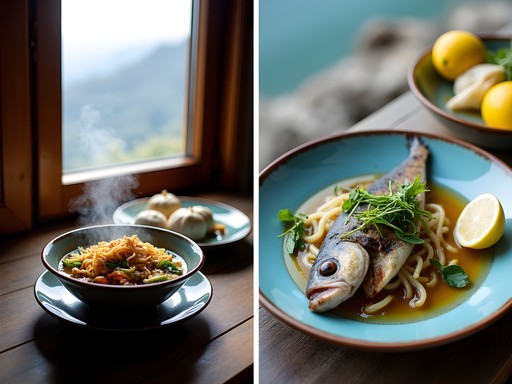
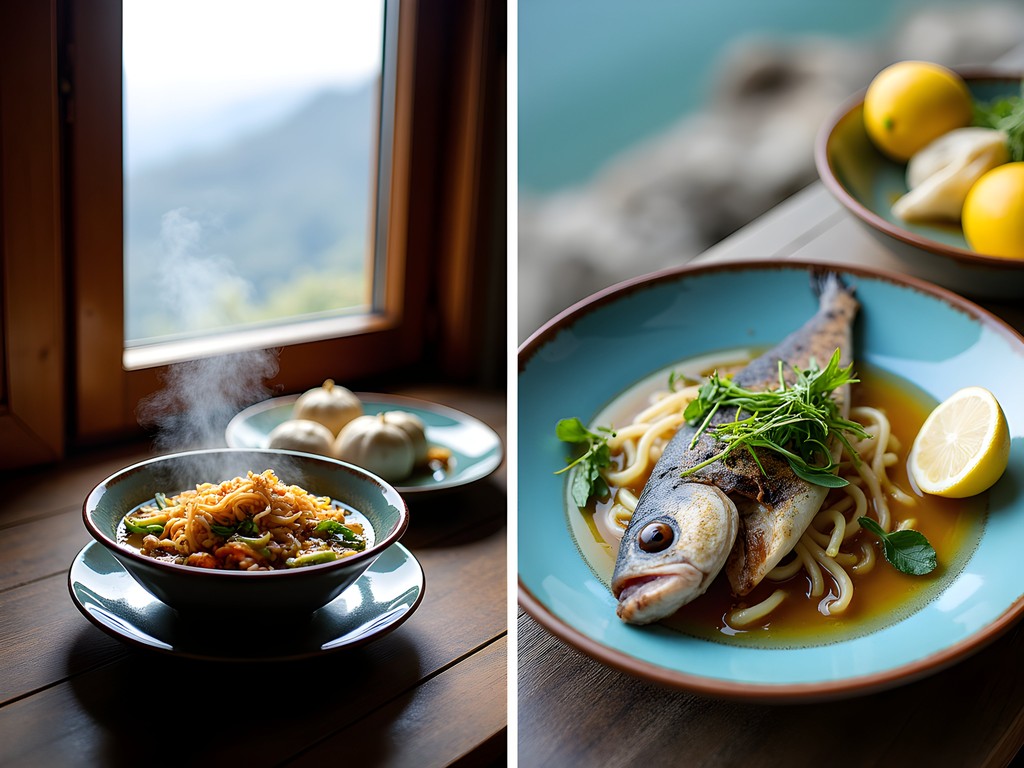
In Darjeeling, the food reveals a fascinating blend of Nepali, Tibetan, and Bengali influences. At higher elevations along the Singalila Ridge, teahouse menus become increasingly simple yet hearty—perfect for refueling after long days on the trail. Thukpa (noodle soup) and momos (dumplings) appear consistently, with variations reflecting available local ingredients. The warming properties of these dishes make perfect sense in the cool mountain climate.
I made a point to document the changing ingredients as I ascended. At lower elevations, fresh vegetables featured prominently, while preserved and dried foods became more common above 3,000 meters. This pattern mirrors what marine biologists observe with depth gradients in oceanic food webs—resource availability shapes adaptation.
Corfu's cuisine, by contrast, celebrates the Mediterranean trinity of olive oil, fresh seafood, and seasonal produce. The island's sofrito (beef in white wine sauce) and bourdeto (spicy fish stew) showcase how proximity to the sea shapes culinary traditions. I spent one memorable evening at a family taverna in Doukades village, where three generations worked together preparing dishes with olive oil pressed from their own centuries-old trees.
For capturing these culinary experiences, my compact camera proved perfect—its advanced food photography mode and discreet size allowed me to document dishes without disrupting the authentic atmosphere.
Perhaps most fascinating were the preservation techniques in both regions. Darjeeling's dried fermented vegetables and Corfu's salt-cured olives represent similar solutions to different environmental challenges. Both approaches developed long before refrigeration but remain relevant today as sustainable food practices—something I've been documenting alongside my marine research for a forthcoming paper on traditional ecological knowledge.
💡 Pro Tips
- In Darjeeling, visit Glenary's Bakery in town before your trek for their excellent trail mix and energy bars made with local ingredients
- Book a cooking class with Vasilis in Corfu Town who focuses specifically on foraged ingredients from the island
- Try Darjeeling's butter tea at least once - it's an acquired taste but perfectly suited to the mountain climate
Final Thoughts
As I flew home to Osaka, reviewing my field notes and photographs from both Darjeeling and Corfu, I was struck by how these seemingly disparate environments tell a unified story of our planet's remarkable adaptability. From the prayer flags fluttering at 3,600 meters to the ancient olive trees clinging to Mediterranean cliffs, both landscapes demonstrate resilience in the face of challenging conditions—a quality increasingly vital in our changing world. For the solo traveler seeking both physical challenge and ecological insight, this mountain-to-Mediterranean journey offers a unique perspective on how elevation, climate, and human history shape our experience of place. Whether you're drawn to misty mountain paths or sun-drenched coastal trails, the contrast between these environments will deepen your understanding of our interconnected world. As both scientist and traveler, I've found that the most meaningful journeys are those that change how we see—not just the landscapes before us, but our place within them.
✨ Key Takeaways
- Combining dramatically different ecosystems in one trip provides unique insights into ecological relationships
- Solo hiking in both Darjeeling and Corfu is manageable with proper preparation and local guidance
- Fall offers ideal conditions for both destinations with fewer crowds and moderate weather
📋 Practical Information
Best Time to Visit
September-November for both destinations
Budget Estimate
$2,000-3,000 excluding international flights
Recommended Duration
Minimum 12-14 days (5-6 days per destination plus travel)
Difficulty Level
Moderate To Challenging
Comments
blueseeker
Adding both to my bucket list!
Sarah Powell
Really appreciate the ecological angle here - it's refreshing to see hiking content that goes beyond just 'beautiful views.' The comparison between mountain and coastal ecosystems is fascinating. I've done extensive solo hiking in both environments and you're right about the gear crossover being minimal. One thing I'd add: the humidity difference is real. Corfu's coastal humidity versus Darjeeling's mountain air means your clothing dries at completely different rates. Pack accordingly! Also curious about your marine biology background - did you notice any interesting coastal species along the Corfu Trail?
coolexplorer
This might be a dumb question but can you do Darjeeling without a guide?
skyace
Not dumb at all! Yes you can for most trails around Darjeeling town. For longer treks like Sandakphu I'd recommend a guide though.
waveguide
Did Darjeeling two years ago and it was amazing! The tea plantations are gorgeous and the people are so friendly. Pro tip - if you go in monsoon season bring GOOD rain gear. I made the mistake of cheap ponchos and regretted it. The trails get super muddy but the clouds rolling through the mountains are worth it. Also the momos in Darjeeling town are incredible, don't skip them!
moonguide1410
Going to Corfu in April - is the Corfu Trail difficult for beginners? How many days did you spend on it?
Sarah Powell
The southern sections are more beginner-friendly! I'd recommend starting there if you're new to hiking. The full trail takes 7-10 days but you can do sections.
moonguide1410
Thanks! That's really helpful
Gregory Boyd
Natalie, really appreciate the ecological perspective here. I did the Singalila Ridge trek out of Darjeeling in 2024 and the altitude adjustment was no joke - took me a solid 48 hours before I felt comfortable pushing any distance. Your point about the gear crossover is spot on. I found my mid-weight hiking boots worked perfectly in both mountain and coastal environments, though I definitely needed different layering systems. The temperature swings in Darjeeling were wild compared to Corfu's more moderate climate. Curious about your timing - did you do these back-to-back or space them out? I'm planning a similar dual-ecosystem trip for early 2027 (Patagonia to coastal Chile) and trying to figure out the logistics.
summergal
Gregory how long did you spend in Darjeeling total?
Gregory Boyd
I was there for 9 days total - 2 for acclimatization in town, 6 for the actual trek, and 1 buffer day. Definitely recommend not rushing it.
cityvibes
Love your photos!!
Casey Andersson
Natalie, I absolutely love this concept! I did something similar last year - combined the Alps with Croatian coast, and the contrast was mind-blowing. The way you've connected the ecological aspects is brilliant. Did you find the altitude adjustment in Darjeeling challenging before starting the treks? I'm planning a similar dual-ecosystem trip and wondering about acclimatization time. Also, your photos from Tiger Hill are stunning - that sunrise must have been incredible in person!
skyace
Not Natalie but I spent 3 days in Darjeeling before trekking and it helped a lot!
summergal
Love this!! Been dreaming about Corfu forever
blueseeker
This is SO cool! Never thought about doing both in one trip!
Venture X
Premium card with 2X miles, $300 travel credit, Priority Pass