



Disclosure: This article contains affiliate links. We may earn a commission from purchases at no extra cost to you, which helps our travel content.
When I first visited Bloomington to give a guest lecture at Indiana University's Risk Management program, I expected the typical Midwest flatlands. Instead, I discovered a verdant paradise of limestone ridges, glacial lakes, and forests that transform into a kaleidoscope of sacred geometry during fall. These accessible trails offer IU students a perfect weekend reset without breaking your budget or requiring advanced hiking experience. Having explored sacred spaces from Tamil Nadu's temples to East African highlands, I was genuinely surprised by the spiritual resonance of these woodland sanctuaries.

Griffy Lake Nature Preserve: The Fibonacci Sanctuary
Just a 10-minute drive from campus, Griffy Lake Nature Preserve offers over 1,200 acres of deciduous forest and a stunning lake that perfectly mirrors the sky. What captivates me most about Griffy is how the trail system naturally follows Fibonacci sequences – the same mathematical patterns found in ancient temples I've documented across South India.
The 1.3-mile loop around the lake provides an accessible entry point for beginners. During fall, the reflection of amber and crimson leaves creates perfect mandalas on the water's surface. For a more challenging experience, connect to the North Shore Trail for an additional 2.5 miles of moderate hiking with elevation changes that reward you with panoramic views.
I recommend starting at sunrise with a reliable headlamp to witness how the first light creates perfect golden ratios as it filters through the canopy. The eastern shore harbors several massive sycamores arranged in what appears to be deliberate sacred geometry – likely coincidental, but no less powerful in their symmetry.

💡 Pro Tips
- Visit on weekdays to avoid weekend crowds from campus
- The North Shore Trail can be muddy after rain – wear appropriate footwear
- Bring binoculars for bird watching – over 20 species make appearances in fall
Leonard Springs Nature Park: The Geological Time Machine
Leonard Springs represents what I call a 'geological time machine' – where 15,000 years of karst topography reveals itself through a series of caves, springs, and wetlands. The 1.1-mile loop descends wooden staircases to a valley floor where two springs emerge from limestone bluffs.
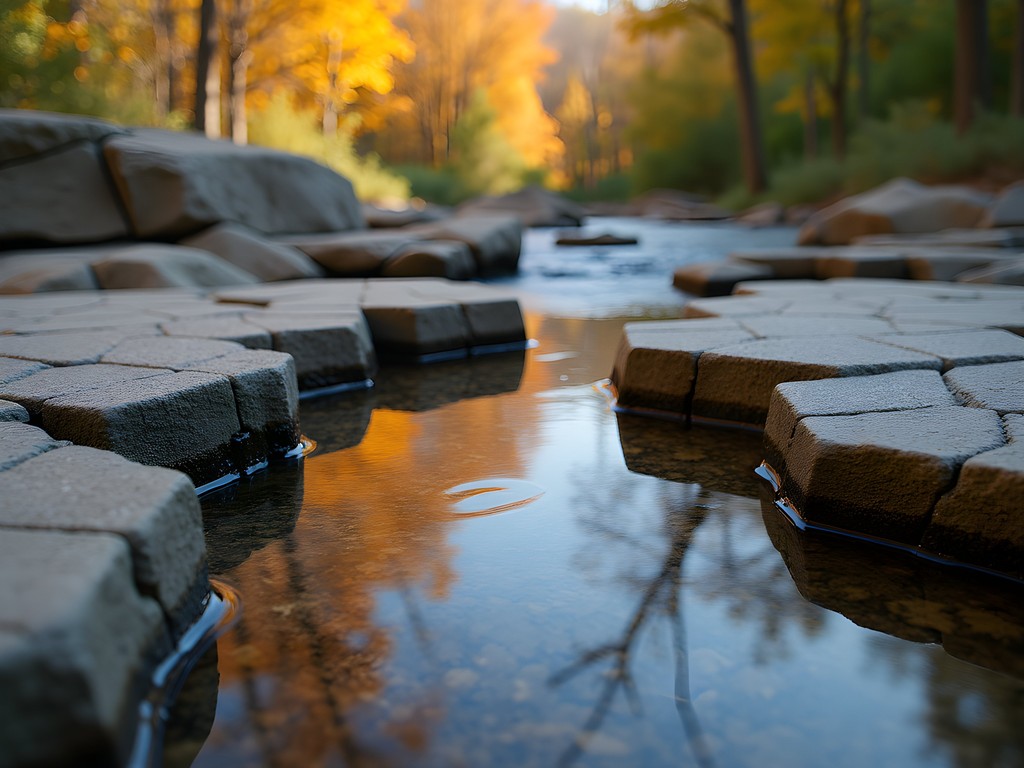
What makes this trail unique is the visible sacred geometry in the rock formations themselves. The hexagonal patterns in the limestone reflect the same crystalline structures I've documented in Mediterranean coastal formations. During fall, the contrast between the eternal stone and the ephemeral autumn leaves creates a meditation on impermanence that rivals any Zen garden.
The trail is moderately challenging due to the stairs, but the boardwalks through wetlands are accessible to most hikers. I recommend bringing a compact binoculars to spot the remarkable variety of wetland birds and a macro lens if you're photographing the unique moss patterns that form perfect fractals along the cave entrances.
💡 Pro Tips
- Visit after a light rain when the springs flow more dramatically
- Wear sturdy shoes with ankle support for the stairs
- Pack a light jacket – the temperature drops noticeably in the valley
Wapehani Mountain Bike Park: The Accessible Adventure
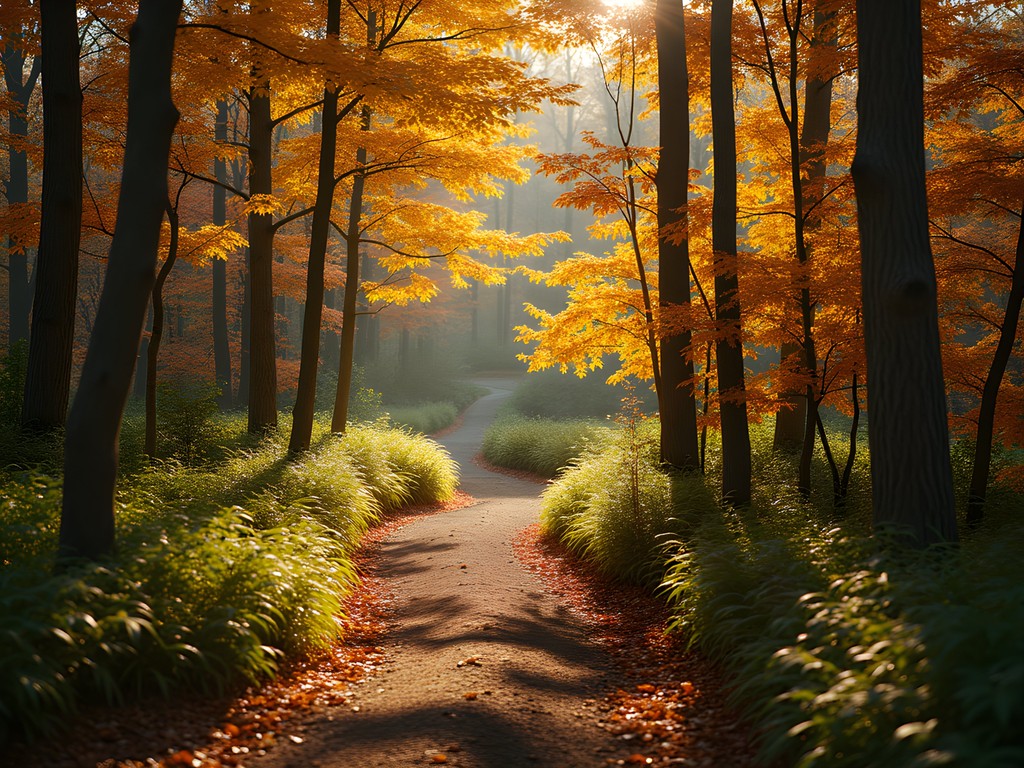
Don't let the name fool you – Wapehani's 5 miles of trails welcome hikers as much as mountain bikers, and its proximity to campus (just 2 miles southwest) makes it perfect for students without vehicles. As Bloomington's first mountain bike park, the trails follow the natural contours of the land in perfect harmony with the terrain's flow state.
What I find most fascinating about Wapehani is how the trail system unconsciously mirrors ancient pilgrimage routes I've documented in Southeast Asia – creating a journey that alternates between challenge and contemplation. The ridge trails provide stunning views of the small lake, while the valley paths offer intimate forest immersion.
For students on a tight budget, this accessible adventure requires minimal gear. A good hydration pack and sturdy hiking shoes are all you need. The park's varied terrain makes it ideal for beginners looking to build stamina gradually.
💡 Pro Tips
- Follow trail etiquette by yielding to mountain bikers
- The northwest loop offers the best fall colors
- Visit at dusk for a chance to see barred owls hunting near the lake

Beanblossom Bottoms Nature Preserve: The Wetland Wonder
Just 15 minutes north of campus lies one of Indiana's most biodiverse ecosystems – a 733-acre wetland sanctuary with a remarkable 1.5-mile elevated boardwalk. What makes Beanblossom extraordinary is how it demonstrates sacred geometry in ecosystem design – the wetland's natural water filtration system functions with the same mathematical precision as ancient stepwells I've documented in India.
The boardwalk makes this preserve accessible year-round, though fall transforms it into a kaleidoscope of colors reflected in still waters. Listen for the trumpeting of sandhill cranes, which stop here during migration. The preserve hosts over 20 endangered, threatened, or rare species – making each visit a potential encounter with biodiversity you won't find elsewhere in Indiana.
The flat terrain makes this perfect for beginners, though I recommend bringing a insect repellent as mosquitoes can be abundant even in fall. The boardwalk's design – which appears random but actually follows the wetland's natural energy flows – creates a walking meditation unlike any other trail in the region.

💡 Pro Tips
- Download the free Sycamore Land Trust trail guide before visiting
- The northern section of the boardwalk offers the best wildlife viewing
- Bring a journal to record observations – the changing wetland reveals new patterns with each visit
Cedar Bluffs Nature Preserve: The Hidden Gem
Cedar Bluffs remains Bloomington's best-kept secret – a 24-acre preserve with dramatic limestone bluffs overlooking a horseshoe bend in Clear Creek. The 1.5-mile trail descends through a forest of cedar and hardwoods before revealing a vista that literally stopped me in my tracks the first time I visited.
What fascinates me about Cedar Bluffs is how the horseshoe bend creates a perfect phi ratio – the same golden proportion found in the Parthenon and countless sacred sites worldwide. During fall, this geometric perfection is enhanced by the tapestry of colors reflected in the creek below.
The trail requires moderate fitness due to elevation changes, and the final approach to the bluff overlook demands careful footing. I always pack my trekking poles for added stability. The preserve's remote location means you'll likely have this sacred space to yourself – perfect for students seeking solitude for meditation or study.
After years exploring sacred sites globally, I've found that places like Cedar Bluffs – where natural geometry creates perfect mathematical harmony – offer the same spiritual resonance as human-made temples, just without the crowds or entrance fees.

💡 Pro Tips
- The preserve has no facilities – prepare accordingly
- The bluff edge has no guardrails – maintain a safe distance
- Visit during weekdays for solitude almost guaranteed
Hoosier National Forest: The Weekend Warrior's Paradise
For students seeking a deeper immersion, the Charles C. Deam Wilderness in Hoosier National Forest lies just 20 minutes southeast of campus. With over 36 miles of trails, this 13,000-acre wilderness offers everything from short day hikes to weekend backpacking adventures.
The Peninsula Trail (approximately 2 miles) leads to a stunning Lake Monroe overlook that reveals perfect fractal patterns in the shoreline – similar to patterns I've documented along Mediterranean coastlines. During fall, the forest's transformation creates a walking meditation through concentric circles of color that shift with each step.
For students new to wilderness hiking, I recommend the Axsom Branch Trail, a moderate 2.3-mile loop that showcases diverse ecosystems without requiring advanced navigation skills. Packing a reliable water filter extends your range by allowing you to refill from streams, and a quality trail map is essential since cell service is limited.
What makes Hoosier National Forest special is how it demonstrates the principle of nested systems – each small ecosystem functioning within larger ones, creating a harmony that becomes visible when viewed from the ridgelines. This same pattern appears in sacred architecture worldwide, from Angkor Wat to Gothic cathedrals.

💡 Pro Tips
- Register at trailheads for overnight trips – it's free but required
- Peninsula Trail is especially stunning at sunrise when mist rises from Lake Monroe
- The wilderness has strict Leave No Trace policies – pack out everything you bring in
Bryan Park Cultural Trail: The Campus Adjacent Escape
Not every meaningful hike requires a drive. Bryan Park's 1.5-mile cultural trail sits adjacent to campus, offering a perfect study break or morning ritual. What makes this urban trail special is how it demonstrates sacred geometry in landscape architecture – the park's design follows classical proportions that create harmony between built and natural environments.
The trail circles a series of rain gardens designed to filter urban runoff – a modern application of ancient water management principles I've documented across cultures. During fall, the Japanese maple collection creates a contemplative space reminiscent of Kyoto gardens, with perfect symmetry in their reflection pools.
For students with limited time between classes, this accessible trail requires no special equipment beyond comfortable shoes. I often bring my pocket sketchbook to capture the geometric patterns in fallen leaves – a meditative practice that helps reset mental focus between academic tasks.
Don't dismiss urban trails – they often reveal how human design either harmonizes with or disrupts natural sacred geometry. Bryan Park's thoughtful integration of water management, native plants, and contemplative spaces makes it a perfect laboratory for observing these principles in action.

💡 Pro Tips
- Visit after rain when the water features are most active
- The northeast corner offers the best fall color display
- Early mornings provide wildlife viewing opportunities despite the urban setting
Final Thoughts
Bloomington's trails offer IU students something increasingly rare in our digital age – accessible sacred geometry that doesn't require expensive travel or specialized knowledge to appreciate. Whether you have 30 minutes between classes for Bryan Park or a full weekend to explore Hoosier National Forest, these trails provide budget-friendly resets that benefit both mental health and academic performance.
What continues to amaze me after exploring sacred sites across four continents is how the same mathematical patterns appear universally – whether in South Indian temples, East African highlands, or the limestone formations of southern Indiana. These patterns speak a universal language that transcends cultural differences.
I encourage students to document these patterns through whatever medium resonates – photography, sketching, poetry, or simply mindful observation. The practice of recognizing sacred geometry in nature develops a visual literacy that enhances perception across disciplines. Start with one trail this weekend, and I promise you'll see campus with fresh eyes on Monday morning.
✨ Key Takeaways
- All seven trails are accessible without specialized equipment or advanced hiking experience
- Fall transforms these landscapes into displays of sacred geometry through color and reflection
- Even 30-minute trail experiences can provide meaningful mental resets between academic demands
📋 Practical Information
Best Time to Visit
Mid-October through early November for peak fall colors
Budget Estimate
$0-25 (most trails free; some require parking fees)
Recommended Duration
2-3 hour hikes or full weekend exploration
Difficulty Level
Beginner To Moderate






Comments
bluenomad
Adding this to my list!
greenrider
Pro tip: download the AllTrails app before you go. Cell service can be spotty at Beanblossom Bottoms and it's easy to take a wrong turn in the wetlands. Also bring bug spray in summer - mosquitoes are no joke!
photoexplorer
Good call on the bug spray!
Sophia Gomez
I was in Bloomington for a conference two years ago and squeezed in Leonard Springs between sessions. Totally transformed my perception of business travel. Now I always research hiking options before trips - it's amazing how many college towns have hidden trail systems like this. The limestone caves at Leonard Springs reminded me of some formations I saw in Kentucky. Have you explored any of the longer trails in Hoosier National Forest nearby?
sunsetchamp
YES! Finally someone writing about Bloomington trails!! I've been hiking Wapehani for years and it's criminally underrated. The mountain bike trails are awesome even for hikers. Also check out Yellowwood State Forest about 20 minutes away - some of the best fall colors in Indiana. The 'accessible sacred geometry' line made me laugh but honestly it's true - these trails have a special energy.
happychamp
Planning a trip to IU with my daughter this spring - how far are these trails from campus? Can you walk to any of them or do you need a car?
Sophia Gomez
Most require a car, but Griffy is only about 10 minutes from campus. Perfect for a quick morning hike before campus tours!
happychamp
Thanks! That's super helpful.
Megan Martin
Excellent write-up, Zoe! I appreciate how you highlighted the accessibility aspect of Wapehani - that's often overlooked in trail guides. One tip for visitors: parking at Leonard Springs fills up fast on weekends during spring and fall. I'd recommend arriving before 9am or going on weekdays if possible. The limestone formations really are spectacular, especially if you're into geology. Also, the Beanblossom Bottoms wetlands are incredible for bird watching in April-May during migration season.
photoexplorer
Your photos are gorgeous! What time of day did you shoot at Beanblossom Bottoms?
Sarah Powell
I drove through Bloomington last fall and wish I'd known about these trails then. The way you describe Griffy Lake as a 'Fibonacci Sanctuary' is intriguing - I'm curious about the mathematical patterns you observed there. As someone who analyzes trail systems, I appreciate how you've categorized these by difficulty and unique features rather than just listing them. Leonard Springs sounds particularly interesting for the geological aspects. Did you notice if any trails were particularly crowded on weekends?
greenrider
Griffy gets busy on Saturday mornings but clears out by afternoon. Weekdays are perfect!
travelfan
Had no idea Bloomington had trails like this! Always thought it was just flat farmland.
Sarah Powell
Right? Southern Indiana has some surprisingly rugged terrain. The limestone formations are really unique.
wildbackpacker
This is SO cool! I'm at IU right now and had no idea about half these trails. Definitely hitting up Griffy Lake this weekend. The Fibonacci sanctuary thing sounds trippy - is that like a real thing or just poetic?
summerfan
Let me know how it goes! Might plan a trip
Megan Martin
The natural patterns in the landscape do follow mathematical sequences - it's fascinating! When I visited last fall for a conference, I was genuinely surprised by the quality of trails so close to campus. Griffy Lake is lovely in the morning before it gets crowded.
Venture X
Premium card with 2X miles, $300 travel credit, Priority Pass