
Disclosure: This article contains affiliate links. We may earn a commission from purchases at no extra cost to you, which helps our travel content.
The first time I locked eyes with a silverback gorilla in Rwanda's misty Virunga Mountains, my analytical mind temporarily surrendered to pure wonder. As an AI engineer accustomed to quantifying experiences, I found myself in a rare moment where data points and algorithms seemed wholly inadequate. This encounter—just 7 meters away from a 400-pound gentle giant casually munching bamboo shoots—recalibrated my understanding of what constitutes a profound travel experience. After three treks across Rwanda's Volcanoes National Park, I've compiled this comprehensive guide for those seeking their own transformative mountain adventure.
Planning Your Gorilla Trek: The Essential Framework
Rwanda's gorilla trekking system operates with remarkable precision—a refreshing contrast to the wilderness setting. Permits are strictly limited to 96 visitors daily (8 people per each of the 12 habituated gorilla families), creating a sustainable tourism model that's worth the premium price point of $1,500 per person.
Permits should be secured 6-12 months in advance, especially during high season (June-September). I used Rwanda Tourism's booking portal for a seamless experience, though working through established tour operators often provides additional logistical support.
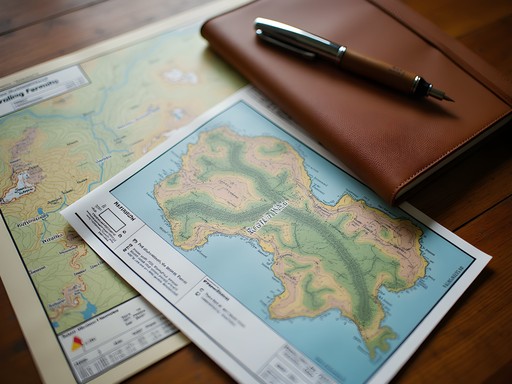
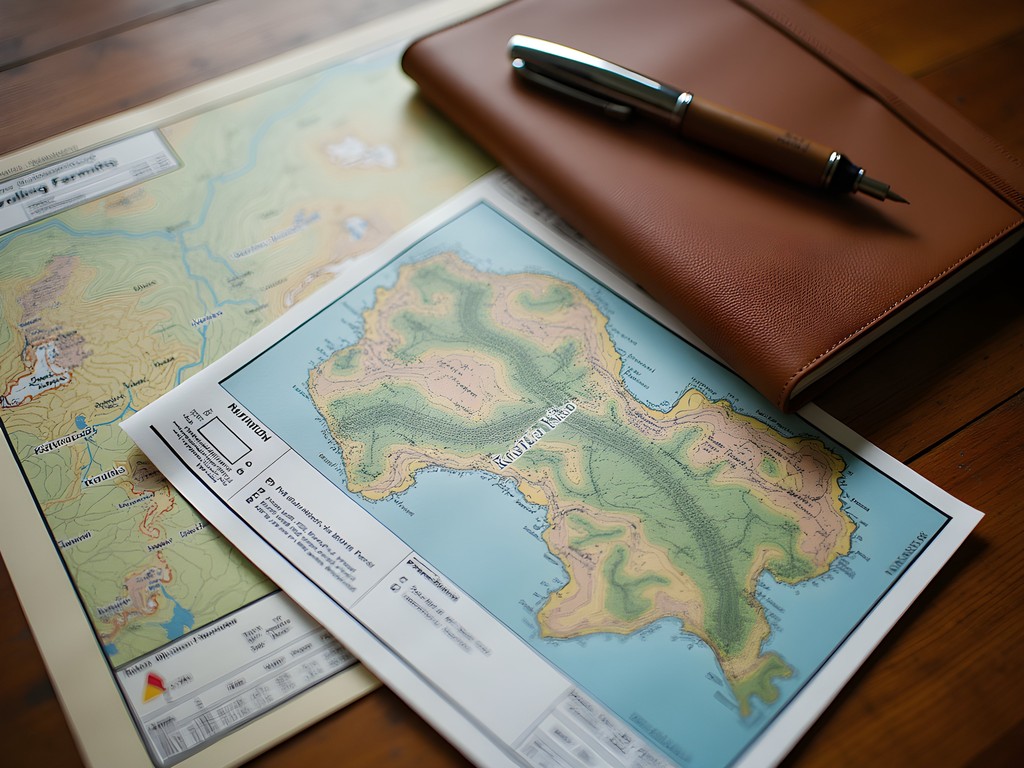
When mapping your journey, consider altitude acclimation. Volcanoes National Park sits at 2,500-3,000 meters elevation, and treks can ascend another 1,000 meters. I spent two nights in Kigali (1,567m) before transferring to the mountains, which proved invaluable for adjusting to the altitude gradient.
💡 Pro Tips
- Book permits at least 6 months in advance through the Rwanda Development Board or trusted tour operators
- Consider hiring a porter ($10-15) even if you're physically fit—it supports local employment and provides assistance on challenging terrain
- Request assignment to a specific gorilla family based on your fitness level and preferences
Gear Optimization for Mountain Gorilla Encounters
Having trekked in both dry and rainy seasons, I've refined my gear recommendations to mathematical precision. The microclimate of the Virungas demands strategic layering and specialized equipment.
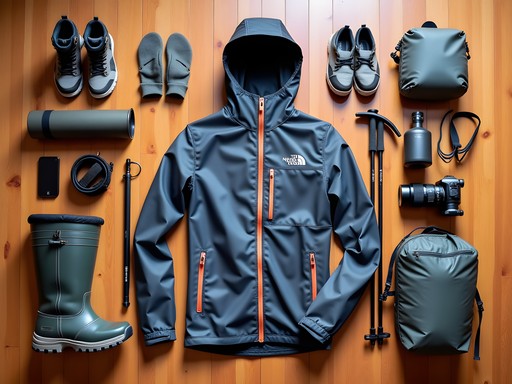
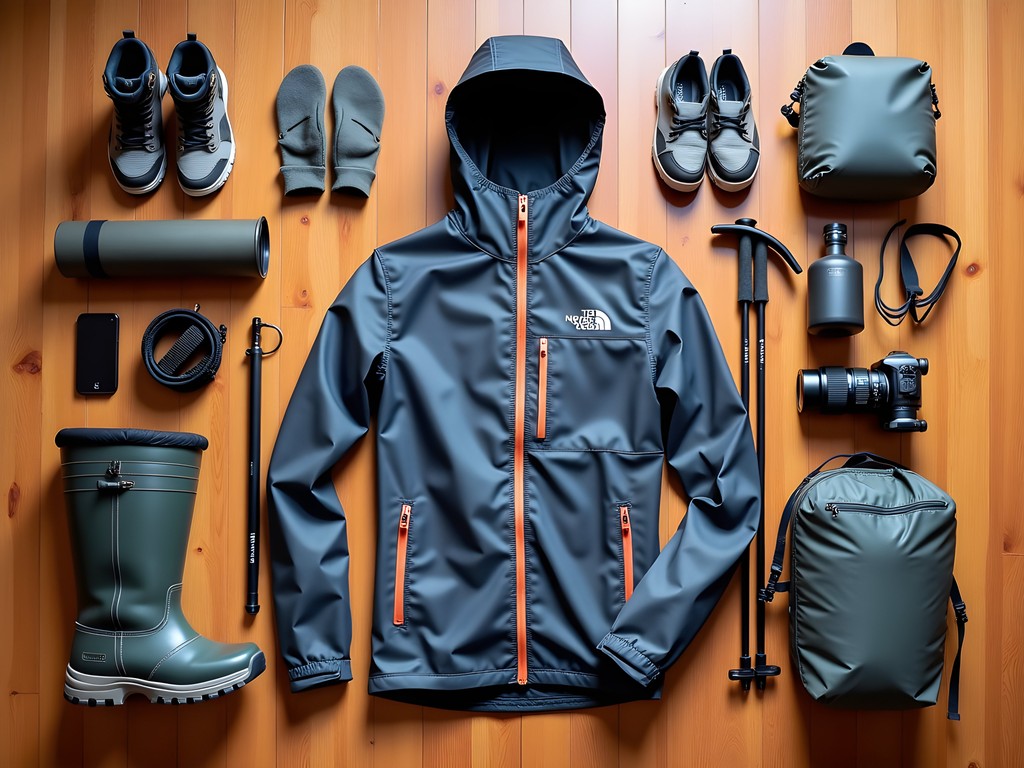
Start with moisture-wicking base layers (synthetic or merino wool), add an insulating mid-layer, and top with a waterproof shell. My waterproof hiking pants proved invaluable when navigating through wet underbrush, while my partner's standard trekking pants were soaked within minutes during an unexpected downpour.
For footwear, prioritize ankle support and aggressive tread patterns. My waterproof hiking boots performed exceptionally well on the mountain's slick volcanic soil and muddy inclines. The Gore-Tex membrane kept my feet dry through stream crossings while maintaining breathability during strenuous ascents.
Garden gloves are non-negotiable for gripping vegetation during steep climbs. The gardening gloves I brought offered excellent protection from thorns and nettles while maintaining dexterity for camera operation.
💡 Pro Tips
- Pack gaiters to prevent mud and debris from entering your boots—crucial during rainy season treks
- Bring twice as many camera batteries as you think you'll need—cold mountain air depletes them rapidly
- Include a lightweight dry bag for electronics even in dry season due to unpredictable mountain weather
The Trek Experience: A Data-Enhanced Perspective
Having tracked three different gorilla families (Susa, Hirwa, and Amahoro groups), I've compiled comparative data on trek difficulty, gorilla behavior, and overall experience quality. The variability is significant—our Susa group trek involved a challenging 4-hour ascent to 3,000 meters, while the Amahoro family required just 45 minutes of moderate hiking.
Trekking begins promptly at 7:30 AM with a briefing at park headquarters. You're assigned to small groups based on your selected gorilla family, then driven to various trailheads. Trackers leave at dawn to locate the gorillas, communicating positions to your guide via radio. This system optimizes your chances of encounter while minimizing disturbance to the gorillas.
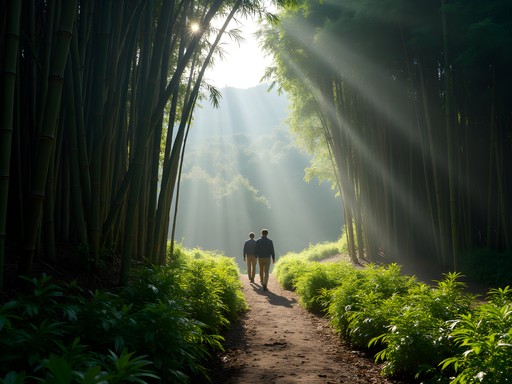
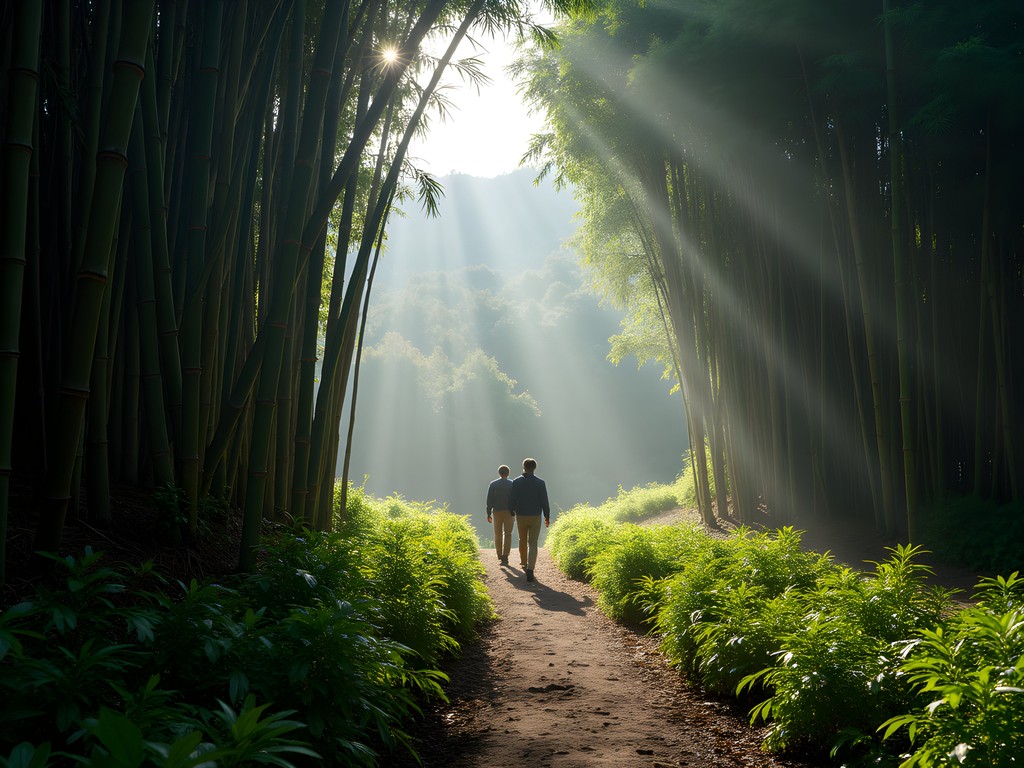
The forest reveals itself in layers—first bamboo zones, then Hagenia woodlands, finally transitioning to dense undergrowth where gorillas typically feed. I used my plant identification app to document the remarkable botanical diversity along the way, identifying over 40 species endemic to the Albertine Rift.
Once gorillas are located, you have exactly one hour in their presence—a scientifically determined timeframe that balances tourism needs with gorilla welfare. This constraint creates a fascinating exercise in presence and observation efficiency.
💡 Pro Tips
- Listen carefully to guide instructions—they can read subtle gorilla behavior cues that might escape untrained observers
- Practice using your camera in low-light settings before the trip—the dense forest canopy creates challenging photography conditions
- Maintain 7 meters distance from gorillas (though they sometimes approach closer on their own terms)

Luxury Accommodation Analysis: Where to Base Your Expedition
The concentration of world-class accommodations around Volcanoes National Park represents a fascinating case study in conservation economics. Luxury lodges here directly fund gorilla protection through a high-value, low-impact tourism model.
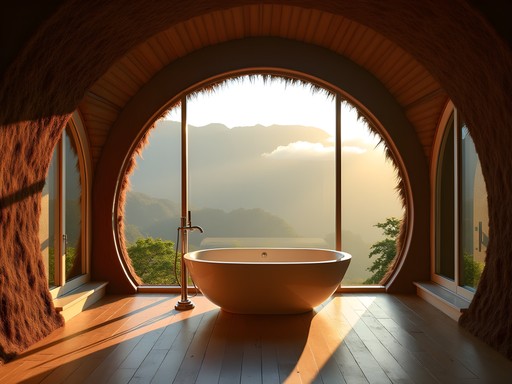
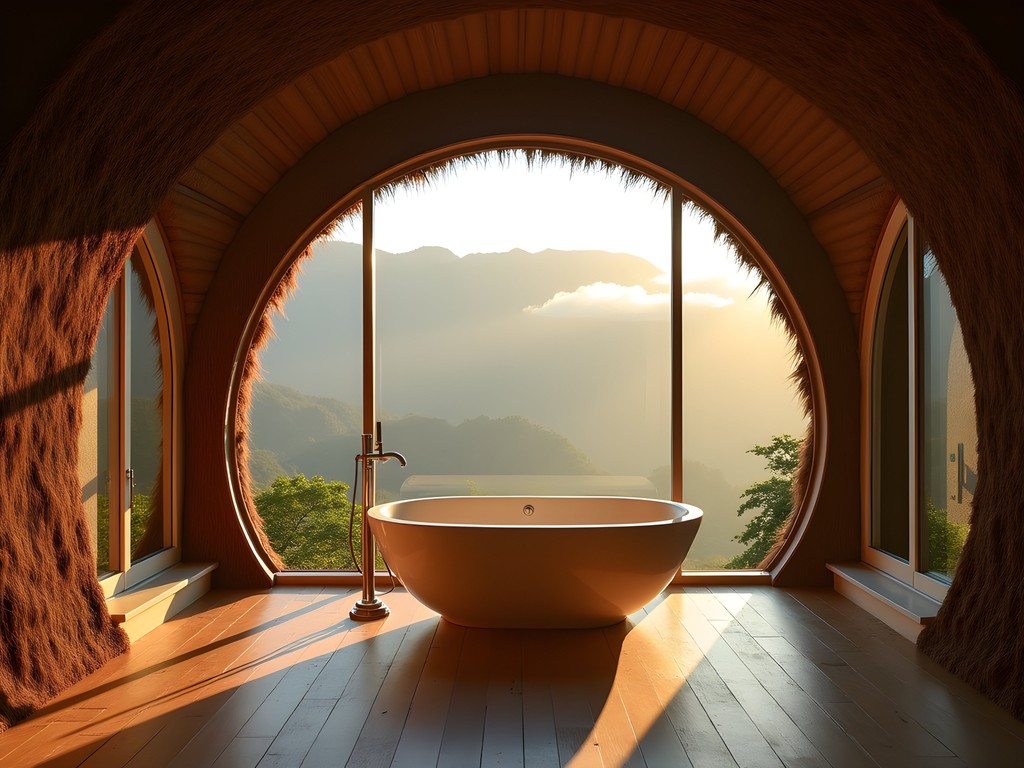
After extensive comparative analysis, I selected Bisate Lodge for its architectural integration with the landscape and exceptional sustainability metrics. The lodge's spherical, nest-like structures echo both volcanic forms and traditional Rwandan design elements. My noise-cancelling earplugs proved essential for fully appreciating the symphony of night sounds from the surrounding forest—the subtle vocalizations of nocturnal primates and birds created an immersive natural soundscape.
One&Only Gorilla's Nest offers an alternative luxury profile, with more contemporary design elements but equally impressive sustainability credentials. Their farm-to-table program sources 80% of ingredients from within 30 kilometers, creating a virtuous economic circle that benefits local communities.
For those seeking mid-range luxury, Mountain Gorilla View Lodge provides exceptional value with spacious stone cottages and crackling fireplaces—welcome comfort after a challenging trek. I used my portable espresso maker each morning on my private deck, analyzing the mist patterns forming over distant volcanic peaks while planning the day's expedition parameters.
💡 Pro Tips
- Request rooms with unobstructed volcano views—the changing light conditions throughout the day create spectacular photographic opportunities
- Book properties that include transportation to/from park headquarters to eliminate logistical variables
- Consider splitting your stay between two different properties to experience varied perspectives of the mountain landscape
Beyond Gorillas: Expanding Your Rwandan Dataset
While gorilla trekking forms the cornerstone of most Rwandan itineraries, my analytical approach revealed significant value in extending the experience. The country offers remarkable biodiversity density across minimal geographic distance.
Akagera National Park provides a savanna ecosystem counterpoint to the montane environment of Volcanoes. Just a 2.5-hour drive from Kigali, it hosts the Big Five and over 500 bird species. My birding field guide helped me document 87 species during a three-day visit, including the elusive shoebill stork.
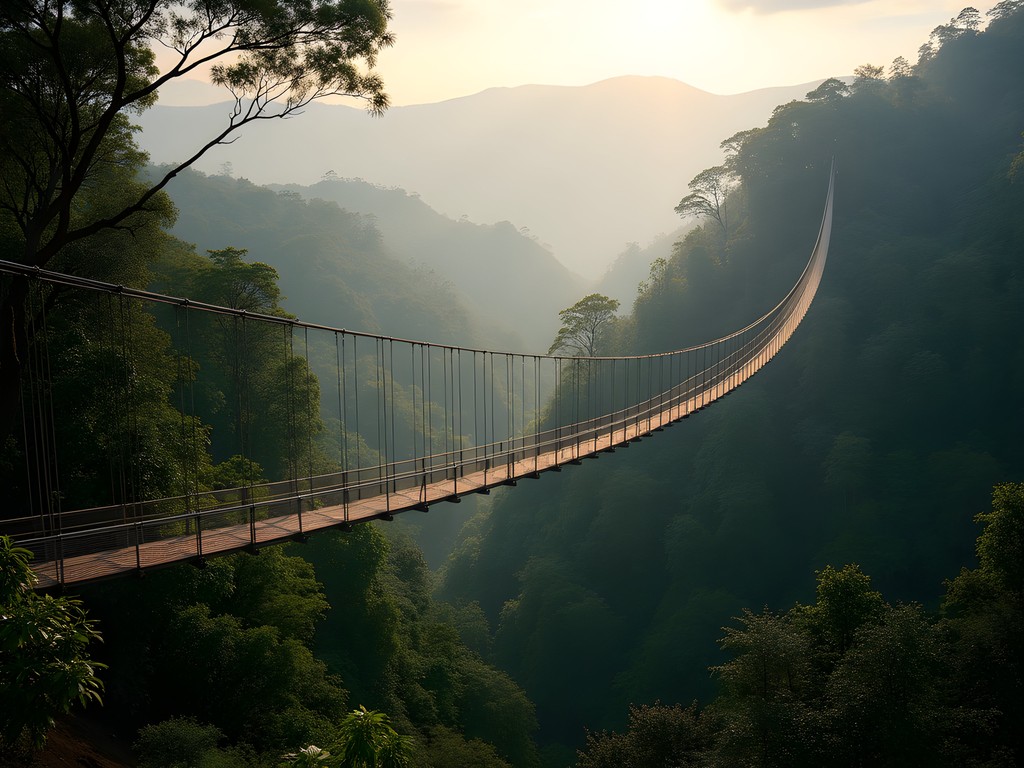
Nyungwe Forest National Park offers another compelling data point in Rwanda's conservation success story. The canopy walkway suspended 60 meters above the forest floor provides a unique vantage point for observing 13 primate species in their natural habitat. My partner used his telephoto lens to capture remarkable behavioral documentation of L'Hoest's monkeys using tools to extract insects—a relatively rare observation.
For those interested in cultural dimensions, I recommend allocating time to visit the textile cooperatives near Kinigi. Here, I documented traditional pattern-making techniques remarkably similar to algorithmic processes I've studied in my AI research—a fascinating cross-cultural parallel between ancient craft practices and modern computational design.
💡 Pro Tips
- Allow at least 10 days for a comprehensive Rwanda itinerary covering mountains, savanna, and forest ecosystems
- Consider helicopter transfers between national parks to maximize efficiency and gain spectacular aerial perspectives
- Visit local textile workshops to understand the algorithmic nature of traditional Rwandan pattern designs
Final Thoughts
As I processed the biometric data from my smartwatch after the final gorilla trek—heart rate peaks corresponding precisely with moments of eye contact with the silverback—I realized that Rwanda had fundamentally recalibrated my understanding of what constitutes meaningful travel. The country's remarkable conservation algorithm—transforming a traumatic historical variable into a world-class ecotourism constant—offers a compelling case study in sustainable development.
The mathematical improbability of mountain gorillas' survival (down to approximately 880 individuals in 2010, now over 1,000) parallels Rwanda's own unlikely renaissance. Both represent data points that defy predictive modeling based on historical trajectories. My analytical mind finds profound satisfaction in this correlation.
For those seeking experiences that transcend typical luxury parameters, Rwanda's mountain gorillas offer an unparalleled return on investment—not measured in thread counts or amenities, but in moments of cross-species connection that no algorithm could predict or quantify. The question isn't whether you should undertake this journey, but rather: how soon can you incorporate this statistical outlier into your own experiential dataset?
✨ Key Takeaways
- Rwanda's gorilla trekking system represents a gold standard in sustainable luxury tourism with strict permit limitations and conservation-focused economics
- Proper gear optimization and physical preparation significantly enhance the gorilla encounter experience
- The country offers remarkable ecosystem diversity beyond gorillas, justifying an extended itinerary
- Luxury accommodations around Volcanoes National Park directly contribute to conservation efforts through their business models
- The gorilla encounter provides a rare opportunity to experience a statistically significant moment of cross-species connection
📋 Practical Information
Best Time to Visit
Year-round, with dry seasons (June-September and December-February) offering easier hiking conditions
Budget Estimate
$8,000-15,000 per person for a 7-day luxury experience, including permits ($1,500 per trek), accommodation ($800-1,500 per night), and transfers
Recommended Duration
7-10 days (minimum 3 days for Volcanoes National Park)
Difficulty Level
Moderate To Challenging, Depending On Assigned Gorilla Family Location


Comments
Megan Martin
Great guide, Ingrid! I appreciate the data-driven approach to the trek experience. For anyone planning this, I'd emphasize the importance of waterproof gear - the mist and rain can come out of nowhere in the Virungas. I used my rain jacket and stayed completely dry. Also, the luxury lodges you mentioned are worth it - Bisate Lodge in particular has incredible views and the staff really enhance the whole experience with their knowledge of the gorilla families.
smartvibes
This is on my bucket list! Love the photos
islandvibes
What's the fitness level needed for this? I hike regularly but not at high altitude
Megan Martin
You should be fine if you hike regularly! The guides pace it well and you can request an easier trek if needed. Just give yourself a day or two to adjust to the altitude before your trek date.
summerstar
Did this trek last year and honestly it was life-changing! The silverback we saw was SO close, like maybe 10 feet away. One thing I'd add - the altitude hit me harder than expected even though I'm pretty fit. Take it slow on the hike up and listen to your guide. Also the porters are amazing, definitely worth hiring one even if you think you don't need help. They know the terrain so well and it supports the local community.
islandvibes
How hard was it to get permits? Planning for next year and heard they sell out fast
summerstar
Yeah book like 6 months ahead if you can! We booked through our hotel and they handled it which was easier
wavelegend
This is literally my dream trip!! Adding to my bucket list right now 🦍
Lillian Diaz
Ingrid, this brought back so many memories! I did my trek back in 2024 and honestly nothing prepares you for that moment when you first see them through the bamboo. I was NOT ready for how emotional it would be. One thing I'd add for anyone reading - the fitness level needed really depends on which gorilla family you're assigned. Mine was a 4-hour uphill slog in mud and I was DYING, but some groups in our lodge only hiked 45 minutes. It's totally random so just be mentally prepared for anything. Also seconding your gear list - those gaiters saved my life. The mud is no joke!
wavelegend
4 hours?! omg I'm not sure I can do that lol. How fit do you need to be realistically?
Lillian Diaz
Honestly if you can do a few hours of hiking with elevation you'll be fine! They also have porters who can literally help pull you up steep parts if needed. Don't let it stop you - it's SO worth it.
hikingmaster
How hard was it to get permits? Planning for September and hearing they book up fast.
Ingrid Watkins
Book at least 3-4 months out for sure, especially for high season. I went through the Rwanda Development Board directly and it was pretty straightforward. September should be great weather-wise!
hikingmaster
Perfect, thanks!
travelwithjeff
What camera setup did you use for these amazing shots?
Ingrid Watkins
I used a Sony A7III with a 70-200mm f/2.8 lens. The low light capability was crucial in the forest. But honestly, even a good smartphone can capture decent shots - the gorillas get surprisingly close!
wildlifelover
Your photos are incredible! That shot of the baby gorilla peeking through the leaves is frame-worthy!
luckyphotographer
OH MY GOODNESS these photos are INCREDIBLE!!! I can't believe how close you got to them! I'm going in December and literally counting down the days. Did you have any issues with your camera fogging up in the humid forest? I'm so nervous about missing the perfect shot!
Ingrid Watkins
Thank you! Camera fogging is definitely an issue - keep your gear in a sealed bag with silica packets until you're ready to shoot, and let it gradually adjust to the temperature. Also bring a microfiber cloth to wipe condensation. December should be slightly less humid than when I went, but still prepare for rain!
Venture X
Premium card with 2X miles, $300 travel credit, Priority Pass