

Disclosure: This article contains affiliate links. We may earn a commission from purchases at no extra cost to you, which helps our travel content.
There's something profoundly humbling about locking eyes with a 400-pound silverback gorilla in the misty forests of Rwanda's Volcanoes National Park. After three decades in the corporate energy sector, I've sat across from countless powerful figures, but nothing prepared me for the soul-stirring connection I felt during my two-week solo journey through Rwanda's volcanic highlands. This wasn't merely a bucket-list wildlife encounter—it became an unexpected pilgrimage that reconnected me with both my Japanese ancestral wisdom and my own inner strength. The Japanese concept of shinrin-yoku (forest bathing) took on new meaning as I trekked through bamboo forests and volcanic terrain, finding unexpected parallels between mountain gorilla society and the leadership principles I've cultivated throughout my career. Join me as I share how Rwanda's endangered gentle giants offered profound lessons in presence, purpose, and perspective that no executive retreat ever could.

Preparing for the Journey: More Than Just Packing
When I decided to trek solo in Rwanda at 53, I approached it with the same methodical planning I bring to our company's renewable energy projects. This wasn't just about packing the right gear—it was about preparing mind, body, and spirit for an encounter that would demand everything from me.
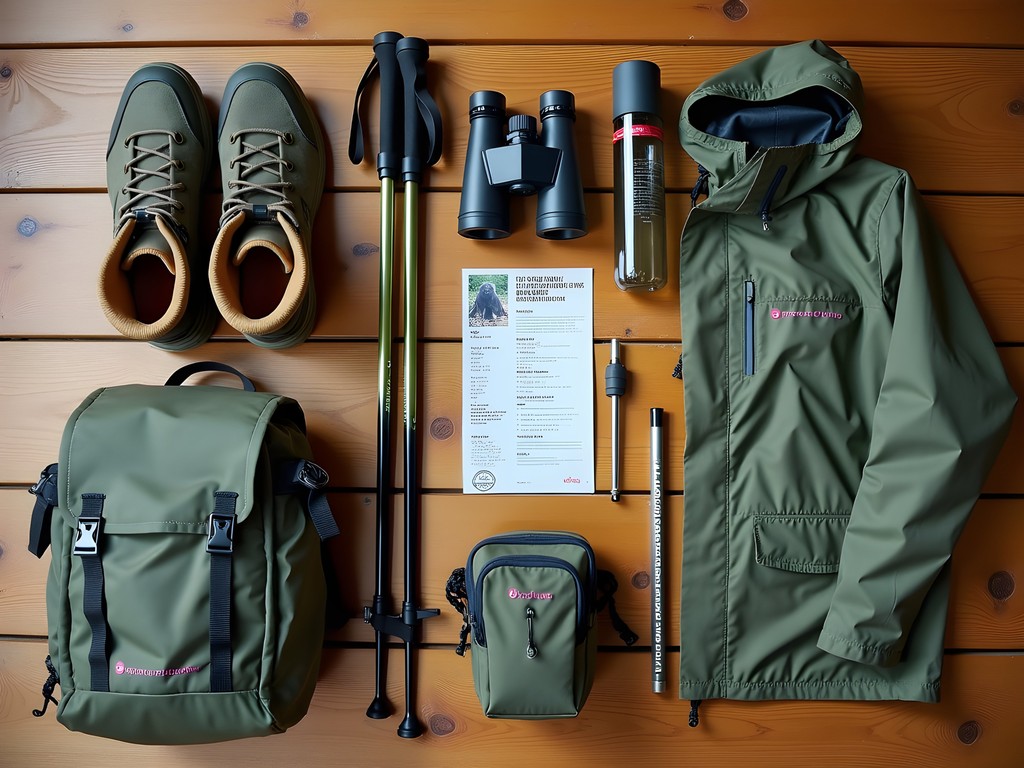
Physical preparation began six months before departure. Living in Oklahoma's relatively flat terrain meant I needed targeted conditioning for Rwanda's 8,000+ foot elevations. I incorporated twice-weekly stair climbs at our office tower and weekend hikes with a weighted pack. My trekking poles became constant companions during training and proved invaluable on the actual gorilla treks.
Mental preparation was equally important. I devoured books about gorilla conservation, Rwandan history (including the devastating genocide), and Dian Fossey's pioneering work. Understanding the cultural context and conservation challenges deepened my eventual experience immeasurably.
The most meaningful preparation, however, came through reconnecting with my father's Japanese heritage. I practiced meditation techniques from my childhood and incorporated the mindfulness principles that had helped me overcome corporate burnout years ago. In Japanese culture, there's profound respect for nature's wisdom—something I would soon experience firsthand in the presence of gorillas.
💡 Pro Tips
- Begin altitude training at least 3-4 months before your trek if you live at low elevation
- Practice hiking with your actual daypack fully loaded to build specific strength
- Read books by Dian Fossey and local Rwandan authors to understand both conservation efforts and cultural context
The Luxury Base: Sustainability Meets Comfort
After a career advocating for renewable energy, I'm perpetually conscious of my environmental footprint, especially in ecologically sensitive areas. Selecting accommodations near Volcanoes National Park became an exercise in finding the intersection of sustainability, luxury, and purpose.
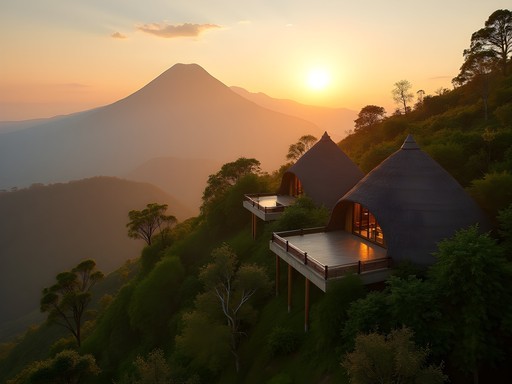
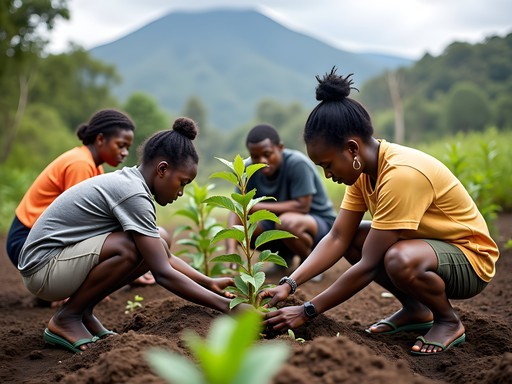
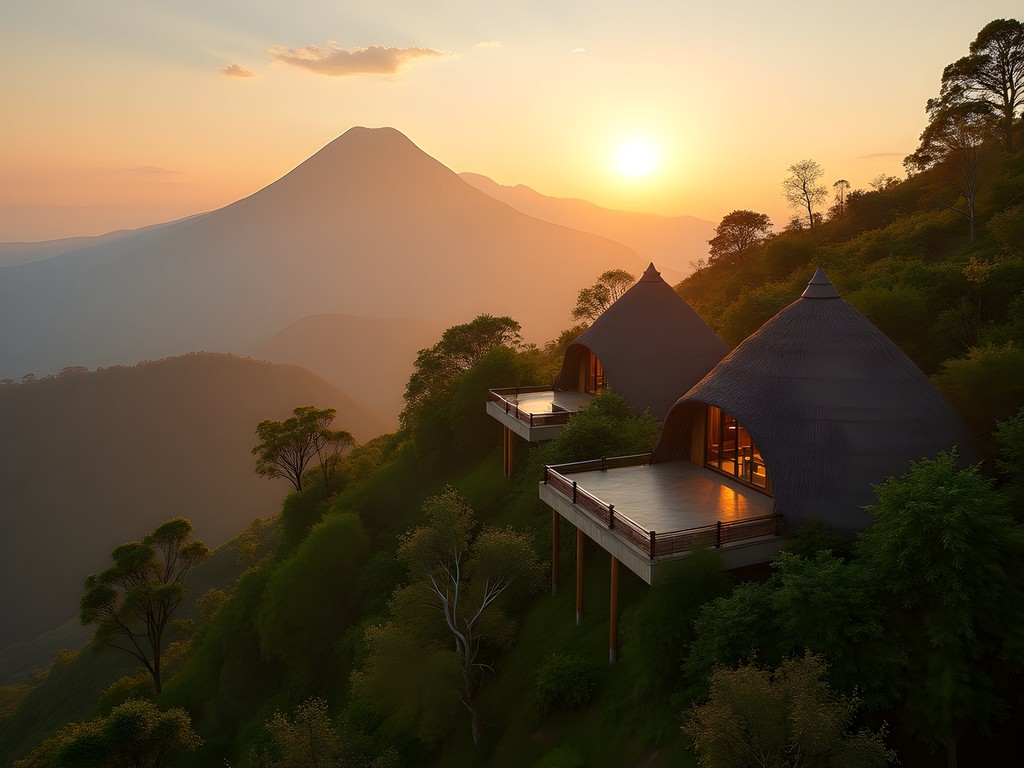
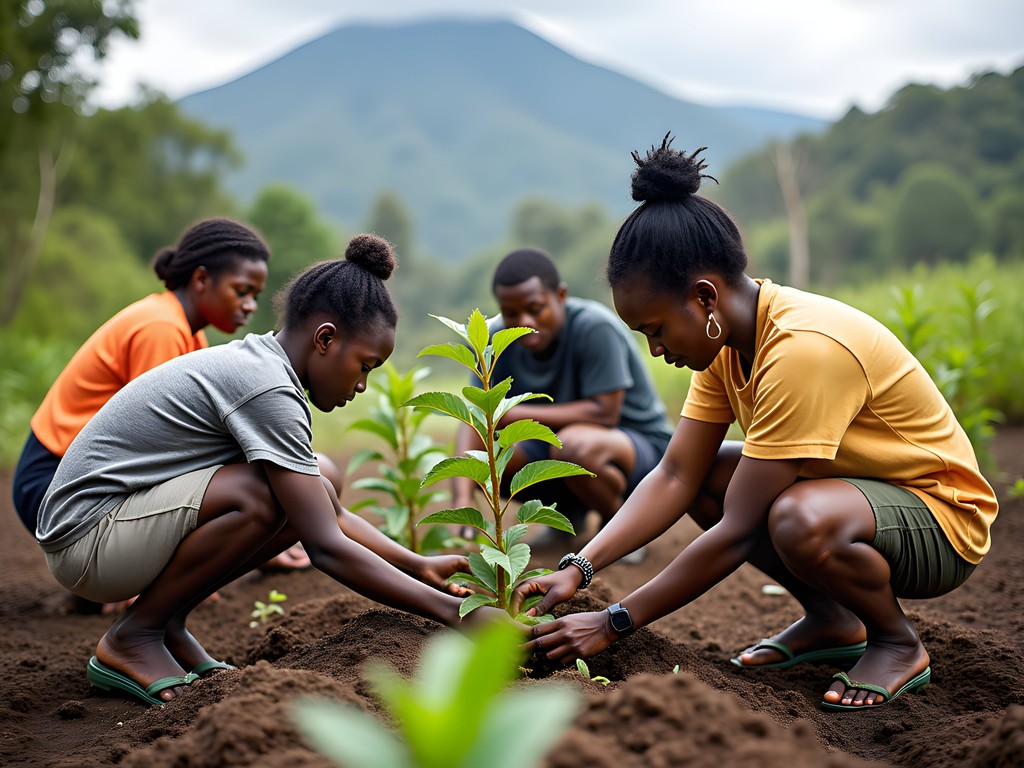
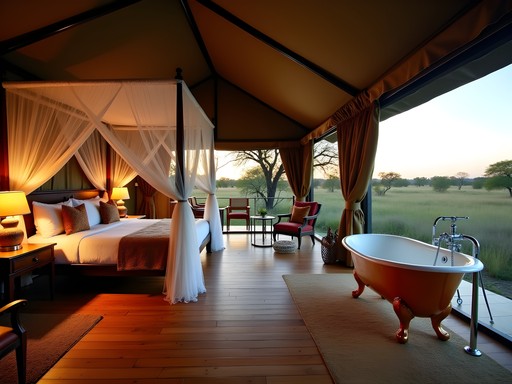
I chose Bisate Lodge, an architectural marvel nestled within an eroded volcanic cone. The spherical, thatched structures echo Rwanda's traditional design while incorporating sophisticated sustainability features. My villa—one of just six—offered panoramic views of Bisate's reforestation project and the mist-shrouded volcanoes beyond. The property has planted over 100,000 indigenous trees, creating a buffer zone that extends gorilla habitat while absorbing carbon.
What impressed me most wasn't the expected luxury touches (though the private deck, fireplace, and farm-to-table cuisine were exceptional), but rather the lodge's integration with local communities. Staff came predominantly from surrounding villages, and the property's conservation initiatives included tangible benefits for local residents.
Each evening after trekking, I'd retreat to my villa's deck with my binoculars to watch golden monkeys swing through newly planted trees. This daily ritual became a moving meditation on regeneration—both of the land and of my own spirit. The lodge provided reusable water bottles and eliminated single-use plastics, aligning perfectly with the values I've championed throughout my corporate sustainability initiatives.
💡 Pro Tips
- Book accommodations at least 8-10 months in advance as luxury lodges near the park have limited capacity
- Request a villa with views of Mount Karisimbi for spectacular sunrise vistas
- Participate in the lodge's tree planting ceremony to contribute personally to habitat restoration
The Gorilla Trek: A Lesson in Presence
The morning of my first gorilla trek dawned misty and cool—nature's perfect setting for what would become a profound life experience. At park headquarters, I was assigned to the Hirwa family group with seven other trekkers and our guide, Jean-Paul, whose 15 years of experience would prove invaluable.
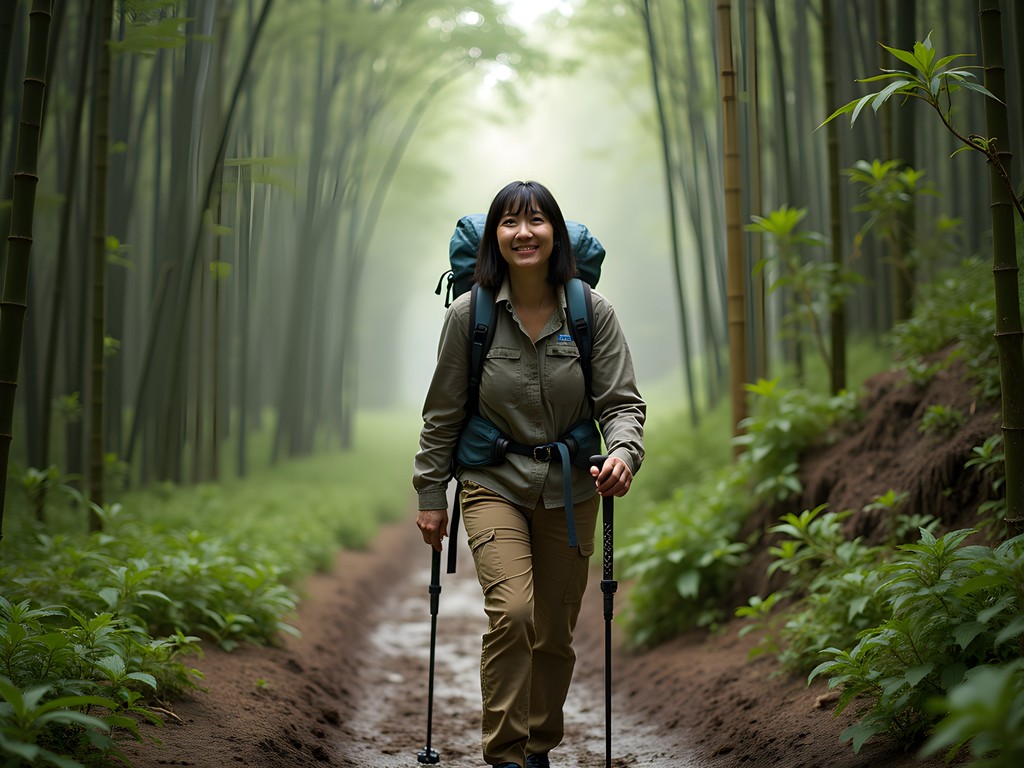
The trek began gently enough through terraced farmland before ascending into dense bamboo forest. As someone who's climbed corporate ladders for decades, I'm no stranger to challenging ascents, but this one demanded a different kind of strength. The altitude (around 8,500 feet) made each step deliberate, each breath intentional. The hiking boots I'd carefully broken in proved their worth on the slick, muddy terrain.
After nearly three hours of trekking, Jean-Paul's radio crackled—the trackers had located the gorilla family. We left our packs with the porters (hiring local porters is both helpful to you and economically beneficial to communities) and continued with just cameras. The forest grew silent as we approached, and then... there they were.
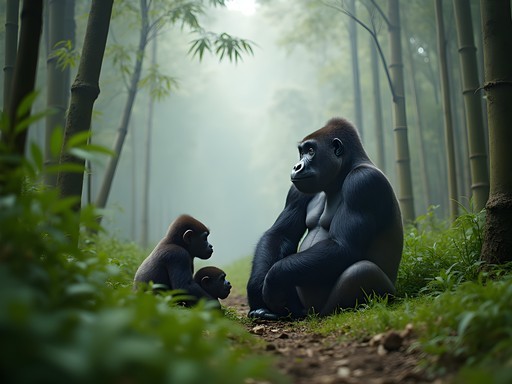
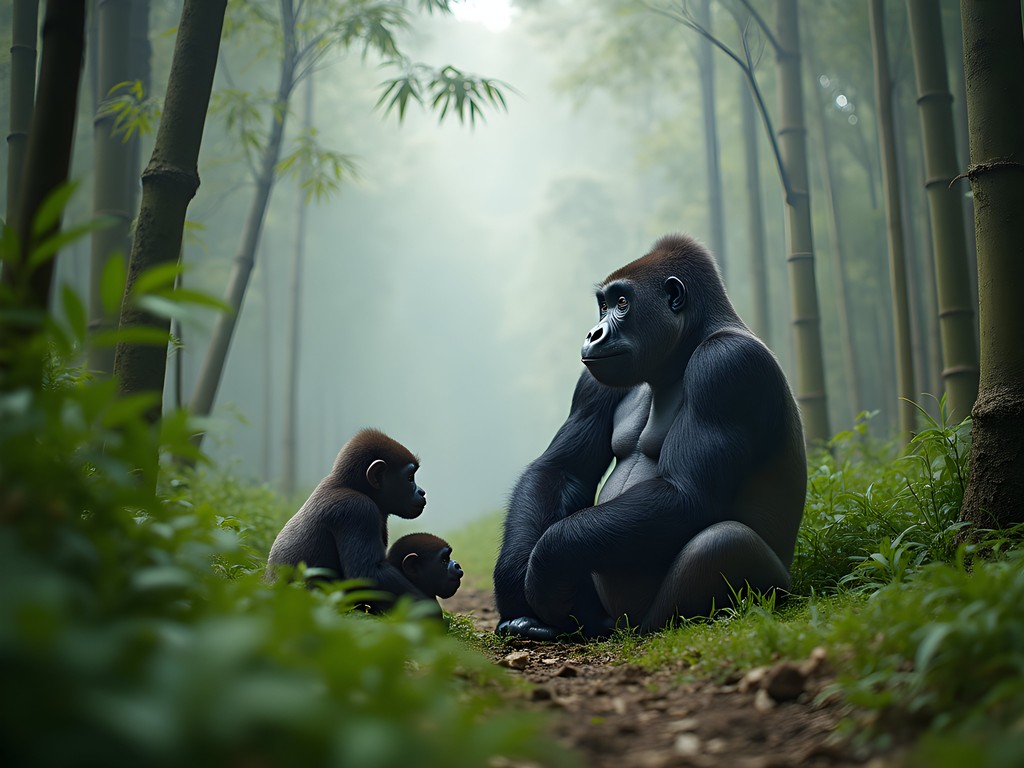
The Hirwa family sprawled before us in a small clearing—a massive silverback methodically stripping bamboo shoots, juveniles wrestling playfully, a mother nursing her infant with such tender attentiveness that I felt like an intruder witnessing something sacred.
What struck me most wasn't their size or strength, but their presence. These beings existed completely in the moment—no strategic planning, no quarterly targets, no digital distractions. The silverback's leadership style was subtle yet commanding, maintaining group harmony with minimal intervention. In 30 years of corporate leadership, I've rarely witnessed such effortless authority.
When a juvenile gorilla approached within feet of me, curious about my camera, our guide whispered to remain still and avoid eye contact. I lowered my gaze respectfully—a gesture that in gorilla society communicates peaceful intentions. In that moment of mutual acknowledgment across species, I experienced what the Japanese call yūgen—a profound awareness of the universe too deep for words.
💡 Pro Tips
- Hire a porter even if you think you don't need one—it provides vital income to local communities and helps on challenging terrain
- Practice using your camera before the trek so you can operate it quickly and quietly
- When encountering gorillas, follow your guide's instructions precisely—maintain 7 meters distance unless they approach you

Beyond Gorillas: Rwanda's Conservation Renaissance
While mountain gorillas were undoubtedly the centerpiece of my journey, Rwanda's broader conservation story proved equally compelling. This nation—smaller than Maryland and devastated by genocide just 29 years ago—has transformed itself into Africa's leading conservation success story through visionary leadership and community involvement.
I dedicated several days to exploring other facets of Rwanda's environmental initiatives. At Akagera National Park in the country's eastern region, I witnessed the successful reintroduction of rhinos and lions after their local extinction. The park's solar-powered electric fence represents an elegant solution that protects both wildlife and surrounding agricultural communities—a balance of interests that resonated with my work in the energy sector.
Most impressive was Rwanda's community-based conservation model. Revenue sharing ensures that 10% of all national park fees go directly to surrounding communities, creating tangible incentives for protection rather than poaching. I visited several community enterprises near Volcanoes National Park—from honey cooperatives to traditional crafts—that provide sustainable livelihoods connected to conservation.
One afternoon, I joined a guided tour of the Iby'Iwacu Cultural Village, where former poachers now work as cultural ambassadors and conservation advocates. Their transformation parallels Rwanda's larger journey from tragedy to renewal—a powerful reminder that regeneration is possible at both individual and national scales.
During these explorations, my travel backpack proved invaluable, comfortably carrying water, rain gear, and photography equipment through varied terrain and unpredictable mountain weather. Its sustainable production practices aligned with the conservation ethos I was experiencing throughout Rwanda.
💡 Pro Tips
- Extend your Rwanda stay beyond gorilla trekking to support the country's broader conservation initiatives
- Visit community enterprises near the park to understand how conservation creates sustainable livelihoods
- Learn basic Kinyarwanda phrases—even simple greetings are deeply appreciated by locals
Finding Yourself in Solitude: The Solo Female Traveler Experience
Traveling alone as a 53-year-old woman in Rwanda proved to be a revelation—not because of challenges, but because of the unexpected ease and profound connections it facilitated. Rwanda's remarkable safety (it ranks among Africa's safest countries) allowed me to focus on inner exploration rather than security concerns.
My Japanese-American heritage often makes me a cultural bridge-builder, and this proved true in Rwanda as well. During solo meals at my lodge, I found myself invited to join conservation researchers, local guides, and fellow travelers—conversations flowing easily across backgrounds and generations. There's something about traveling alone that opens these doors of connection more readily than when we travel in established groups.
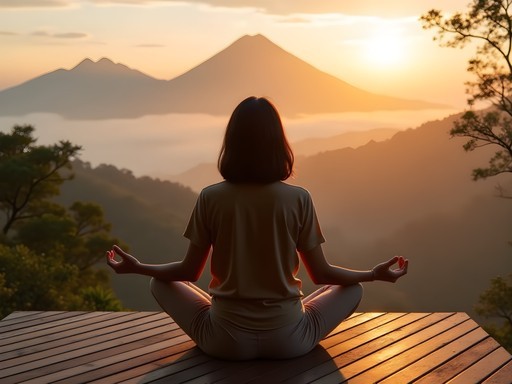
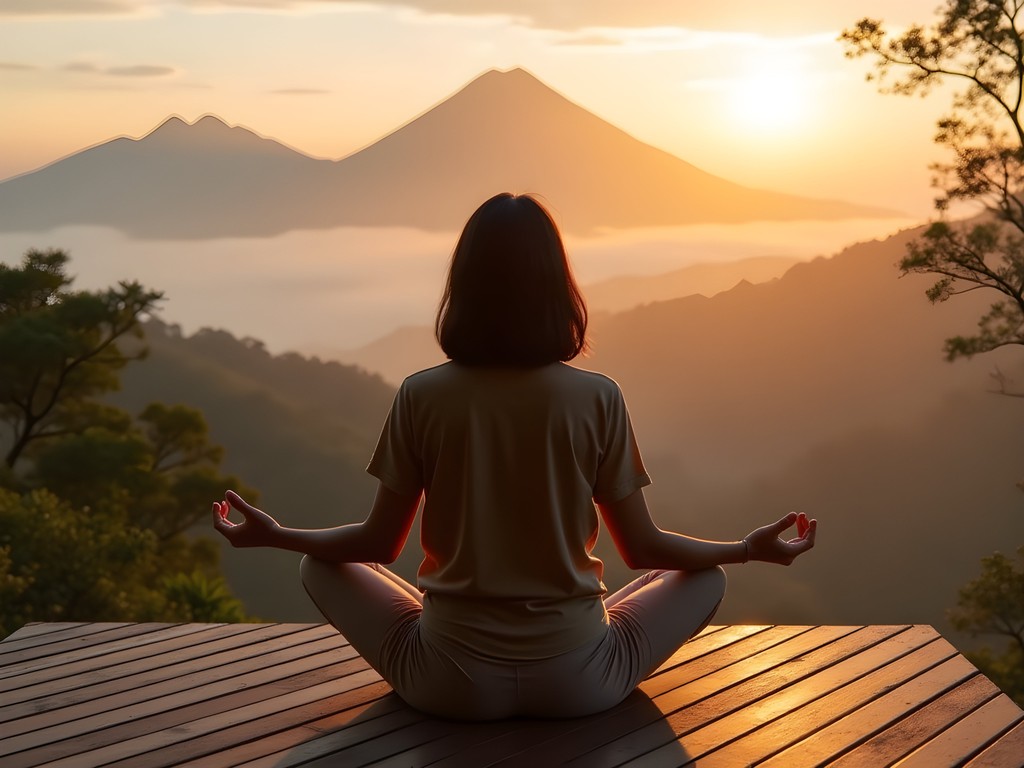
The solitude between these social moments became equally valuable. Each morning, I practiced meditation on my private deck, incorporating elements of both my father's Japanese mindfulness traditions and the present-moment awareness I'd observed in the gorillas. This daily practice helped me process the intense emotions that gorilla encounters inevitably stirred.
One particularly meaningful solo experience came during a hike to Dian Fossey's grave at the Karisoke Research Center. The challenging trail through dense forest provided time for reflection on Fossey's complex legacy and the parallels to my own professional journey. As a woman who's navigated male-dominated energy boardrooms for decades, I found unexpected kinship with Fossey's determination to protect what she valued, regardless of obstacles.
For women considering solo travel to Rwanda, I can offer reassurance that the country's excellent infrastructure, professional tourism industry, and cultural respect for women create an environment where you can focus on experience rather than logistics or safety. The personal growth that comes from navigating such powerful encounters independently is worth every moment of initial uncertainty.
💡 Pro Tips
- As a solo traveler, consider booking a private vehicle and guide for greater flexibility with daily schedules
- Build relationships with lodge staff early in your stay—they'll provide invaluable local insights and enhance your safety
- Schedule intentional alone time to process the emotional impact of gorilla encounters
Final Thoughts
As my two weeks in Rwanda drew to a close, I realized I'd experienced far more than a wildlife encounter—I'd undergone a recalibration of perspective that I'm carrying back into both my personal life and my role as a corporate leader. The gorillas' absolute presence in each moment, the Rwandan people's remarkable resilience, and the tangible success of conservation efforts all offer powerful lessons for navigating our complex world. Perhaps most valuable was the reminder that true connection—whether across species or cultures—requires us to quiet our technological distractions and simply be present. Rwanda has shown me that regeneration is possible at every scale—from reforested hillsides to healing nations to renewed personal purpose. If you're considering this journey, especially as a solo traveler seeking deeper meaning, I can only say: the mountains are calling, and the gorillas have much to teach us all.
✨ Key Takeaways
- Rwanda's gorilla trekking offers profound leadership lessons through observing social structures and communication in gorilla families
- Solo travel in Rwanda is remarkably safe and rewarding for mature women travelers, offering unique opportunities for both connection and reflection
- Supporting Rwanda's community-based conservation model helps ensure gorillas' future while providing sustainable livelihoods
📋 Practical Information
Best Time to Visit
June-September (dry season) or December-February
Budget Estimate
$12,000-$20,000 for a 2-week luxury experience including permits
Recommended Duration
7-14 days (minimum 4-5 days for gorilla region alone)
Difficulty Level
Challenging Due To Altitude, Terrain And Emotional Intensity


Comments
Nicole Russell
Brenda, this post resonates so deeply! I did a similar solo journey to Rwanda last year, and that transition from corporate life to sitting quietly with gorillas is TRANSFORMATIVE. The sustainable tourism aspect you mentioned is so important too - I loved how you highlighted the luxury accommodations that actually benefit local communities. Did you get a chance to visit any of the community projects supported by the park fees? The women's weaving collective near the park entrance was one of the highlights of my trip. Their story of resilience post-genocide while creating beautiful art was just as moving as the gorilla encounter in a different way.
Brenda Takahashi
Nicole! Yes, I visited that same collective - incredible women with such skill and perseverance. I bought several baskets that are now my most treasured souvenirs. Did you also do the community walk? The traditional healer's explanation of medicinal plants was fascinating.
Nicole Russell
I did! That walk was unexpectedly one of my favorite experiences. The traditional healer had such knowledge! Makes me think about how much indigenous wisdom we're losing globally. Rwanda seems to be doing a good job preserving that alongside the wildlife conservation.
luckyseeker
Your description of locking eyes with the silverback gave me chills! I had a similar experience in Uganda last year. There's something so profound about that moment - like they're looking right through you. Did you feel that weird mix of fear and connection too? I still think about that gorilla family almost daily. The way the babies played and the mothers watched us so intelligently... it changes you.
Brenda Takahashi
Exactly! That mix of primal fear and deep recognition is impossible to explain until you've felt it. It's humbling in the truest sense of the word. So glad you had that experience too.
nomadclimber
How physically demanding was the trek? I'm in decent shape but wondering if I need to train specifically before attempting this.
Brenda Takahashi
It varies depending which gorilla family you're assigned to! Some are just an hour's hike, others can be 3-4 hours each way through dense forest and steep terrain. I'd recommend at least a month of cardio and hill training. The guides are amazing at pacing things though!
luckyseeker
I did this trek last year and wasn't in the best shape - it was challenging but doable! Definitely get some good hiking boots with ankle support. The waterproof boots saved me on those muddy trails.
globepro
Amazing post! How much did the gorilla permit cost? I've heard they're expensive but your experience makes it seem worth every penny.
Brenda Takahashi
Thanks! You're right - permits are $1,500 per person. Steep, but 10% goes directly to local communities and the rest to conservation. The moment you're there with those gentle giants, you forget about the cost completely.
globepro
Wow, that's a lot but sounds like a once-in-a-lifetime experience. Definitely adding this to my bucket list!
Jean Wells
Brenda, your reflection on the "recalibration of perspective" really resonates. I did a similar trek in Uganda's Bwindi forest last year, also as a solo traveler in my late 50s. There's something about that moment of eye contact with a silverback that puts everything else in context. I'm curious about the fitness level required for Rwanda's trails compared to Uganda - how would you describe the difficulty? I found Bwindi quite challenging with the altitude and terrain. Also appreciated your notes on the conservation efforts. Rwanda's approach to community-based tourism is something more destinations should study.
Brenda Takahashi
Jean, I'd say moderate fitness is definitely needed. The altitude (around 2,500m) was the hardest part for me - we hiked about 3 hours through bamboo forest and muddy trails. I've heard Bwindi can be even tougher though! How long was your trek? And yes, the community integration model here is remarkable. Seeing how tourism revenue directly supports local villages was almost as moving as the gorillas themselves.
Jean Wells
Mine was about 4.5 hours each way - definitely grueling! Sounds like Rwanda might be slightly more manageable. Adding it to my list for 2027.
cityone
This sounds amazing but how much did the permit cost? Thinking about doing this solo too but worried about the price
Brenda Takahashi
The gorilla permits are $1,500 USD per person. Definitely not cheap, but honestly worth every penny for the experience. If you're traveling solo, you can sometimes find last-minute permits through local operators. The lodge I stayed at helped coordinate everything which took a lot of stress out of planning.
cityone
ok thanks! steep but sounds worth it
luckyclimber
Those photos are incredible! I'm planning a solo trip there next year. Was it easy to get around as a solo traveler? And which lodge did you stay at? Looking for recommendations!
Brenda Takahashi
Thank you! Rwanda is actually one of the safest and easiest countries I've traveled solo in Africa. I stayed at Bisate Lodge - definitely a splurge but worth it for the conservation focus and proximity to the park headquarters. If you're on a tighter budget, Mountain Gorilla View Lodge is also good and more affordable.
redlover
I second what Brenda said about safety! I also traveled solo and felt completely comfortable. I stayed at Sabyinyo Silverback Lodge and loved it. The staff arranges everything for you, which makes solo travel there really seamless.
Douglas Bradley
Brenda, your piece beautifully captures the duality of gorilla trekking - both the external adventure and the internal journey. I spent three weeks in Rwanda last year researching conservation efforts, and was struck by how the country has transformed tragedy into a profound commitment to environmental stewardship. Your observation about the 'luxury base' raises an interesting point about sustainable tourism - these high-end lodges have indeed created an economic model that directly funds conservation. Did you get a chance to visit any of the community projects supported by tourism revenue? The beekeeping initiative near the park boundary was particularly fascinating to me.
Brenda Takahashi
Thank you, Douglas! I did visit the women's cooperative that makes traditional baskets and the community farm project. The beekeeping initiative sounds fascinating - I missed that one! It's remarkable how tourism has been leveraged so thoughtfully for conservation and community development there.
Douglas Bradley
The basket cooperative is incredible! I still have two pieces displayed in my home. If you ever return, definitely check out the beekeeping project - they're using innovative methods that both protect crops from elephants and provide sustainable income.
redlover
I did this trek last year and it was worth every penny! The moment when a baby gorilla tumbled right past me while playing... I'll never forget it. Did you find the hiking difficult? I was worried about the altitude but our guide was so patient. Also loved how you described that 'recalibration of perspective' - felt exactly the same way after leaving Rwanda.
Brenda Takahashi
The baby gorillas were such characters! The hiking was challenging in parts - especially with the altitude and the muddy terrain. I'm glad I trained a bit beforehand and brought my trekking poles - absolute lifesavers on those steep sections!
islandway
This looks amazing! How far in advance did you have to book the gorilla permits? I've heard they sell out super fast.
Brenda Takahashi
I booked mine about 8 months in advance through my lodge, and I'd recommend doing it even earlier if possible. They're limited to just 96 permits per day for the entire park, and they do sell out quickly, especially during high season (June-September).
islandway
Thanks for the tip! Definitely planning ahead for this one.
Venture X
Premium card with 2X miles, $300 travel credit, Priority Pass