

Disclosure: This article contains affiliate links. We may earn a commission from purchases at no extra cost to you, which helps our travel content.
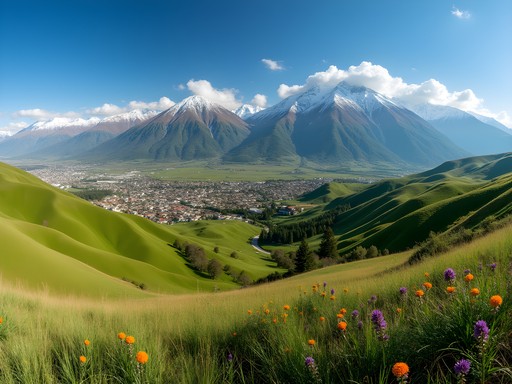
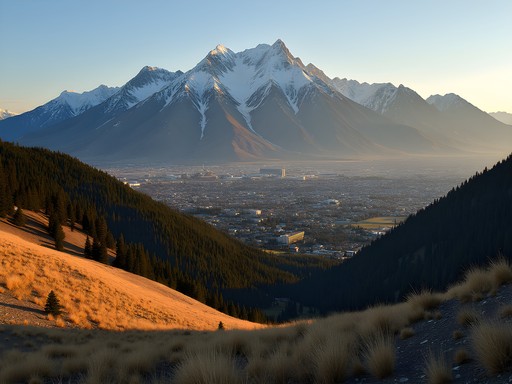
The first time I glimpsed the Aconquija Mountains rising majestically behind San Miguel de Tucumán, I felt that familiar flutter of excitement in my chest. These peaks, part of the pre-Andean range in northern Argentina, hold stories as layered as their geological strata – from ancient indigenous pathways to revolutionary hideouts during Argentina's independence struggles. Having explored mountain ranges across four continents, I can confidently say that Aconquija offers something truly special: a perfect blend of accessible adventure, rich cultural heritage, and landscapes that seem to change personality with every shift of light.

Getting Oriented: Tucumán as Your Base Camp
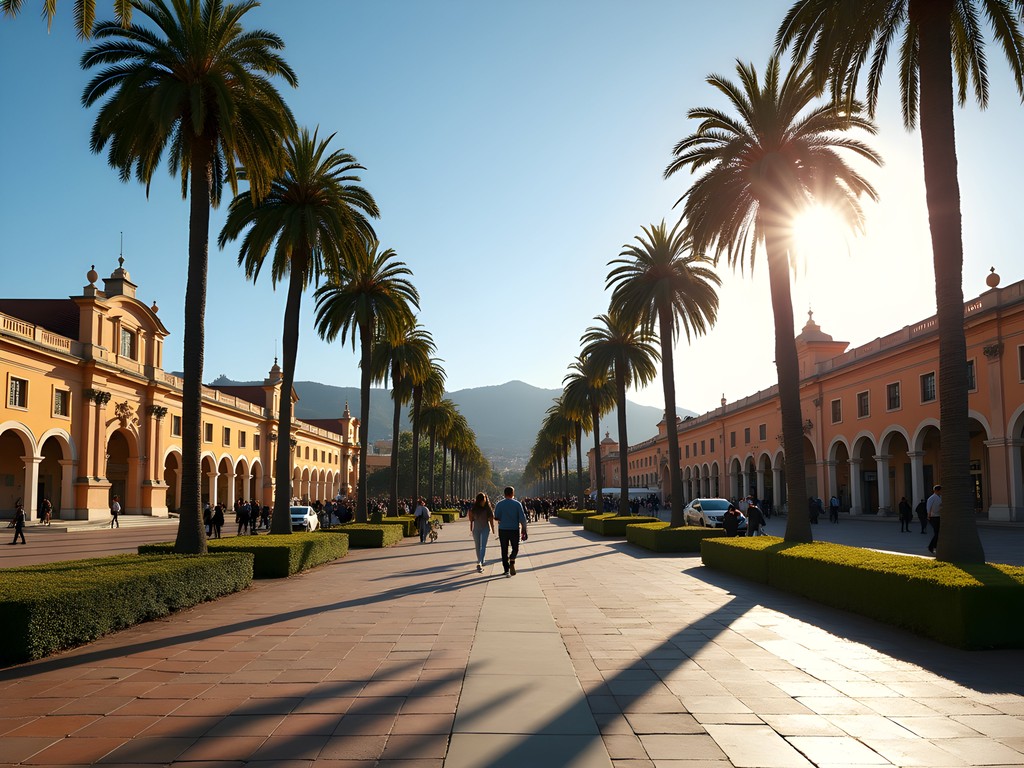
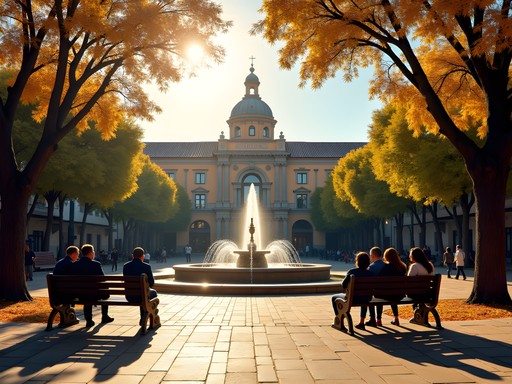
San Miguel de Tucumán makes an ideal launching point for your Aconquija adventure. This historic city, where Argentina declared its independence in 1816, offers comfortable accommodations and excellent regional cuisine to fuel your mountain explorations.
I recommend spending your first day acclimating to the altitude (about 1,500 feet in the city) while exploring the colonial center. The Casa Histórica de la Independencia museum provides crucial context for understanding the region's significance. For dinner, head to any local parrilla serving the region's famous empanadas tucumanas – smaller and juicier than their Buenos Aires counterparts.
Before heading into the mountains, stock up on supplies at Mercado del Norte. I always make sure my hydration pack is ready for long days on the trails. The mountain weather can be unpredictable, so layers are essential – I never regret bringing my packable down jacket even in spring when nights can get surprisingly chilly.
💡 Pro Tips
- Book accommodations in Tucumán's central area for easy access to transportation options
- Exchange currency at official banks rather than street vendors for better rates
- Try local specialties like locro (hearty stew) and humita (corn-based dish) for authentic flavors
Tafí del Valle: Gateway to the Aconquija Range
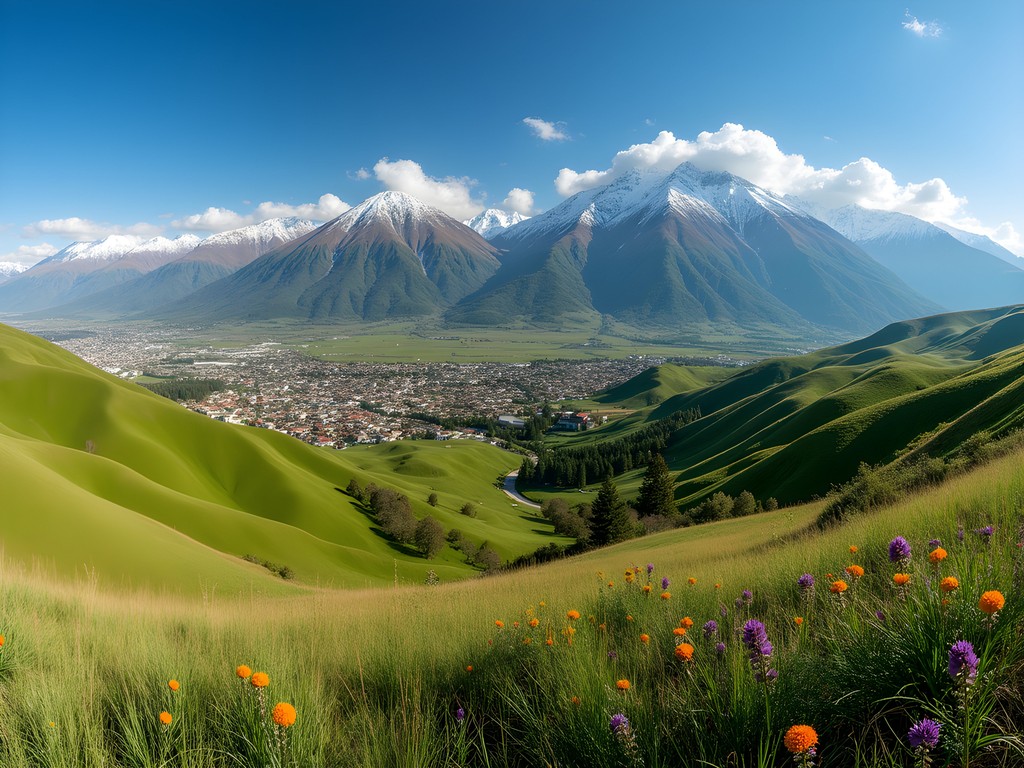
An hour and a half drive from Tucumán brings you to Tafí del Valle, a picturesque mountain town nestled at 6,500 feet elevation. This charming settlement sits in a verdant valley surrounded by the Aconquija peaks and serves as the perfect base for your mountain adventures.
During my last visit with a group of friends from Rome, we stayed at a family-run hostería that offered hearty breakfasts featuring local cheeses – Tafí is famous for its artisanal dairy products. The cool mountain air and slower pace immediately put us in the right mindset for exploration.
From Tafí, numerous hiking trails branch out into the mountains. The Jesuit ruins of La Banda offer a gentle introduction to the area's history and landscapes. For something more challenging, the trail to Cerro Pelao rewards with panoramic views of the entire valley. I recommend wearing proper hiking boots as some paths can be rocky and uneven.
Don't miss the Pre-Columbian ruins of Quilmes, just a day trip away. These ancient stone structures – once home to the indigenous Quilmes people who resisted Spanish colonization until the late 17th century – offer a profound connection to the region's original inhabitants.
💡 Pro Tips
- Rent a car in Tucumán for flexibility in exploring the region
- Bring sun protection even in spring – the mountain sun is intense at higher elevations
- Try the local specialty of quesillo con miel de caña (fresh cheese with sugarcane syrup)
El Infiernillo Pass: Challenge and Reward
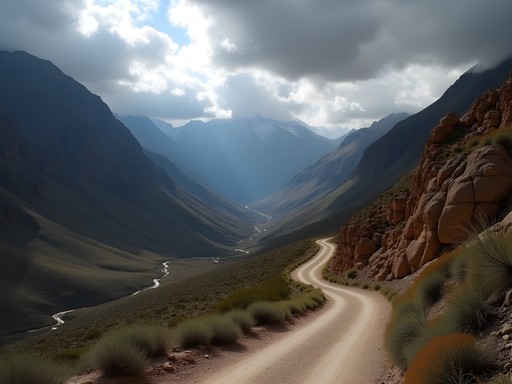
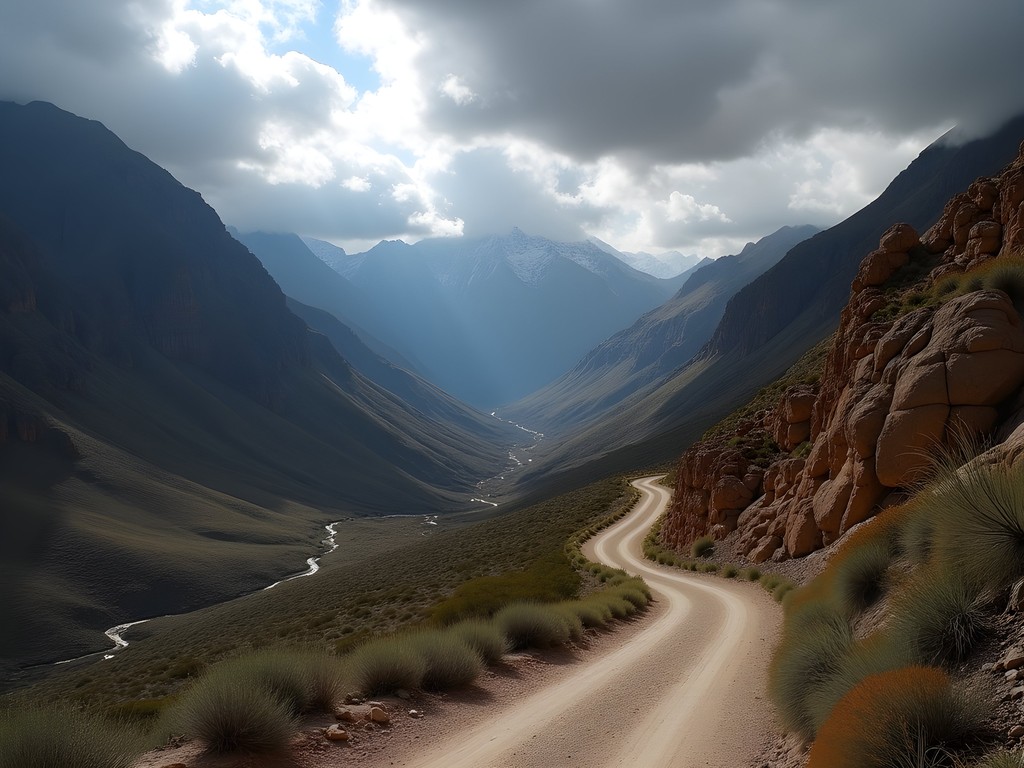
For those seeking a more adventurous experience, El Infiernillo Pass offers one of the most spectacular routes through the Aconquija range. At over 10,000 feet above sea level, this winding mountain road connects Tafí del Valle to the Calchaquí Valleys beyond.
During our spring expedition, my group hired a local guide with a 4x4 vehicle to navigate the pass. The name El Infiernillo (Little Hell) might sound intimidating, but the views are absolutely heavenly. As we climbed higher, the vegetation changed dramatically – from lush valley greenery to high-altitude grasslands dotted with giant cacti.
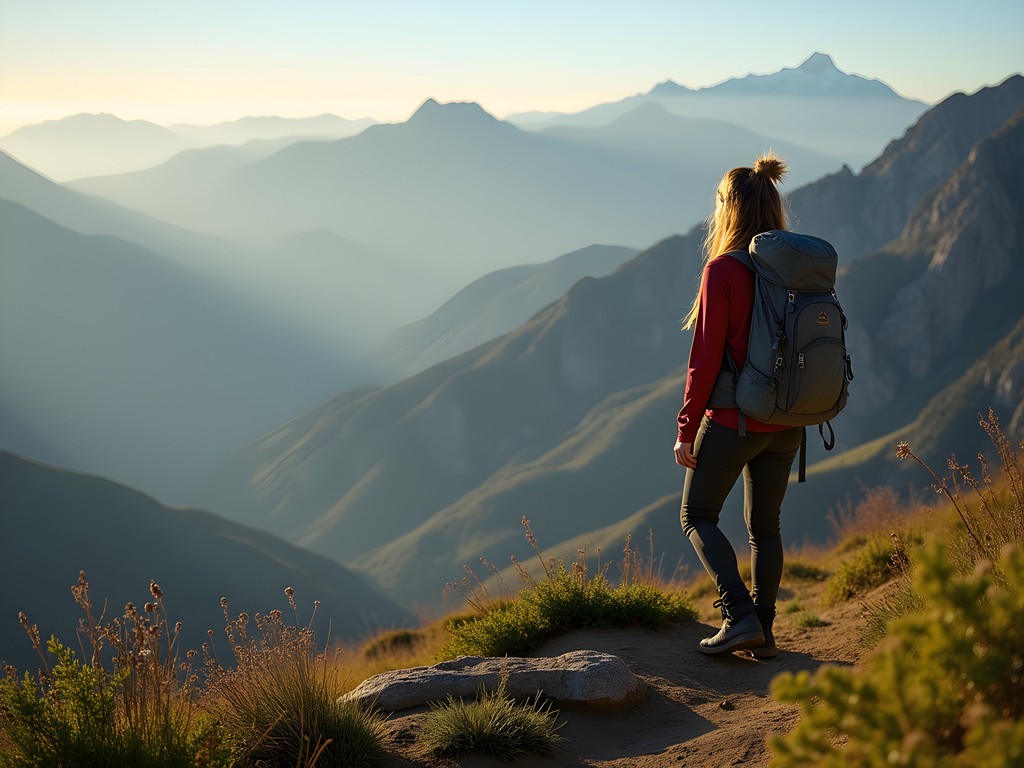
For serious hikers, the trail from El Infiernillo to Cerro Ñuñorco offers a challenging day trek. I always pack my trekking poles for these higher elevation hikes – they're invaluable for the steep sections and stream crossings. The reward at the summit is worth every step: a 360-degree panorama of the Aconquija range and valleys beyond.
The most magical moment of our journey came when we encountered a small gathering of local musicians at a mountain shelter. They were practicing for an upcoming festival, and we spent an unforgettable hour listening to the haunting sounds of Andean flutes and drums echoing across the mountains – a reminder that cultural immersion often happens in the most unexpected places.
💡 Pro Tips
- Start early for mountain hikes to avoid afternoon weather changes
- Carry extra water and high-energy snacks – facilities are limited at higher elevations
- Learn a few basic Spanish phrases to connect with local mountain guides

Cultural Immersion: Festivals and Traditions
What makes the Aconquija region truly special is how the mountains have shaped local culture over centuries. If your timing allows, plan your visit around one of the area's vibrant festivals. During spring (September-November in Argentina), you might catch the Pachamama ceremonies honoring Mother Earth or the Festival Nacional del Quesillo celebrating Tafí's famous cheeses.
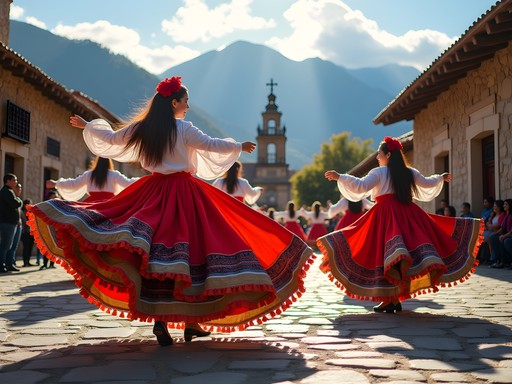
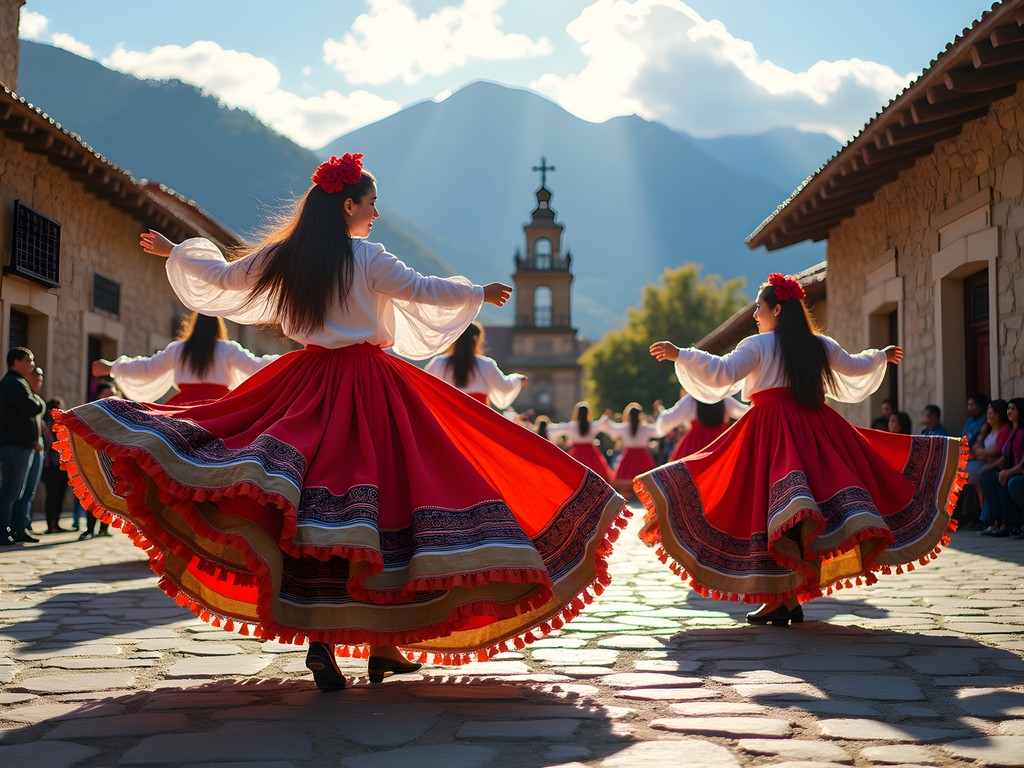
Our group was fortunate to witness preparations for a local dance festival in a small mountain community. Having studied traditional dance forms across Latin America, I was fascinated by the unique choreography that mimics the condors that soar above these peaks. The locals were delighted when I showed interest and even invited me to learn a few steps.
For those interested in traditional crafts, the mountain villages are known for their handwoven textiles using techniques passed down through generations. I purchased a beautiful alpaca scarf from an elderly weaver who explained how the natural dyes are created from local plants – each color representing different mountain elements.
To document these cultural encounters, I rely on my mirrorless camera which captures beautiful images even in challenging lighting conditions. For those interested in local traditions, I recommend picking up a copy of travel guide which offers excellent background on the region's cultural heritage.
💡 Pro Tips
- Learn about Pachamama traditions before participating in ceremonies to show proper respect
- Ask permission before photographing local artisans or their work
- Support community tourism initiatives rather than large tour operators
Final Thoughts
As our week in the Aconquija Mountains drew to a close, I found myself already planning a return trip. These mountains offer so much more than just scenic vistas – they're a living museum where geology, history, and culture intertwine in fascinating ways. Whether you're hiking to ancient ruins, sharing mate tea with local guides, or simply watching the light change across the valleys at sunset, the Aconquija range delivers experiences that resonate long after you've descended back to Tucumán.
For groups seeking a blend of adventure and cultural immersion, this region strikes a perfect balance – challenging enough to feel accomplished, accessible enough to enjoy without extreme preparation. The mountains have a way of bringing people together, and our group left with stronger bonds and a deeper appreciation for Argentina beyond its famous cities and wine regions.
As we say in the dance world, sometimes you need to move to truly understand a place. The Aconquija Mountains invite exactly this kind of full-bodied exploration – one where every sense engages with the landscape and its people. I hope you'll accept their invitation.
✨ Key Takeaways
- The Aconquija Mountains offer accessible adventure with rich cultural context
- Spring (September-November) provides ideal hiking conditions with wildflowers and festivals
- Combining Tucumán city exploration with mountain adventures creates a balanced itinerary
- Local guides enhance the experience with historical knowledge and access to community events
📋 Practical Information
Best Time to Visit
Spring (September-November) or Fall (March-May)
Budget Estimate
$75-150 per person per day including accommodations, transportation, and activities
Recommended Duration
7-10 days
Difficulty Level
Moderate With Options For Both Easy And Challenging Activities


Comments
Douglas Bradley
Excellent write-up, Elena. I visited the Aconquija range back in 2023 and your description of El Infiernillo brought back vivid memories. One thing I'd add for readers is that public transportation from Tucumán to Tafí is reliable and inexpensive, but schedules can be irregular outside peak season. Worth confirming times at the terminal the day before. The cultural festivals you mentioned are truly special - I was fortunate to catch part of the Pachamama celebrations in August and the community involvement was remarkable.
happygal
We went last year and stayed in Tafí for 4 days. The cheese there is AMAZING btw. We did a couple of shorter hikes and it was perfect. Didn't make it to El Infiernillo because of weather but honestly just being in the valley was incredible. The local markets on weekends are worth checking out too!
Douglas Bradley
The artisanal cheese from that region really is exceptional. Did you visit any of the small family-run queseries?
happygal
yes! can't remember the name but it was on the road heading toward the ruins. best goat cheese ever
beachking
How hard is the altitude? Never been that high up before lol
Douglas Bradley
The altitude at Tafí del Valle sits around 2,000m, which is noticeable but manageable for most people. El Infiernillo gets higher though. I'd recommend spending a day or two in Tucumán city first to acclimatize gradually. Stay hydrated and take it slow on your first hikes.
beachking
thanks man, appreciate it!
budget_explorer
How's the public transportation situation for getting around without renting a car?
Elena Gomez
Public buses run regularly between San Miguel and Tafí del Valle (about 2 hours). Once in Tafí, there are local minibuses to smaller villages, but schedules can be limited. For more remote trailheads, you might need to hire a local driver for the day.
budget_explorer
That's super helpful, thanks! Do you remember roughly how much the bus cost from San Miguel to Tafí?
Elena Gomez
It was around 1500-2000 pesos when I went, but prices in Argentina change frequently due to inflation. Best to check current rates when you're there!
escapeseeker
Just got back from Tucumán last month! For anyone planning a trip, don't miss the local food scene in San Miguel before heading to the mountains. The empanadas tucumanas are out of this world, especially at the market stalls. Also, we found that accommodations in Tafí del Valle book up quickly on weekends when locals escape the city heat. The temperature difference between San Miguel and the mountains was dramatic - pack accordingly!
Elena Gomez
Great point about the empanadas! I should have emphasized the food more. And yes, the temperature swings are incredible - I went from tank top to down jacket in the same day!
localfoodie
Your section on local food made me so hungry! Those empanadas tucumanas are the best in Argentina, hands down.
Jean Wells
I visited the Aconquija region last year and can confirm everything Elena says about its beauty. One thing I'd add is that the microclimate variations are fascinating - you can experience four seasons in a single day's hike. The archaeological sites near Tafí del Valle were a highlight for me, especially the menhirs. I found that having my hiking poles was essential for the steeper sections, particularly coming down from El Infiernillo. For those interested in the indigenous culture, try to time your visit with the Pachamama celebrations in August if possible - truly authentic and not yet overrun by tourism.
escapeseeker
Jean - did you rent a car or use public transportation? Trying to figure out the best way to explore the region without being too restricted.
Jean Wells
I used a mix of both. Public buses to Tafí are reliable but for the more remote areas, I rented a car for 3 days. The freedom was worth it, especially for dawn photography.
coffeetime
Those mountain views are absolutely stunning! Bookmarking this for later.
wanderlustmaster
This looks amazing! How difficult would you say the El Infiernillo Pass hike is for someone with moderate hiking experience? And did you need any special permits for the trails?
Elena Gomez
El Infiernillo is moderate to challenging - the altitude is what makes it tough (over 3,000m). No special permits needed for day hikes, but if you're camping overnight, check with local authorities. Start early and bring layers!
wanderlustmaster
Thanks Elena! That's super helpful. Going to add this to my Argentina itinerary for next spring.
wanderone
We did the public transportation to Tafí del Valle too and it was great! Those mountain views from the bus 😍
Venture X
Premium card with 2X miles, $300 travel credit, Priority Pass