
Disclosure: This article contains affiliate links. We may earn a commission from purchases at no extra cost to you, which helps our travel content.
As a healthcare professional constantly seeking the perfect balance between adventure and relaxation, I've found my latest urban sanctuary in Argentina's northern gem. San Miguel de Tucumán captivated me with its blend of colonial architecture, vibrant cultural scene, and surprisingly innovative approach to preserving both tradition and pushing boundaries. Fall brings comfortable temperatures and fewer tourists, making it the perfect time to explore this underrated Argentine city that played a pivotal role in the country's independence.

Day 1: Historic Heart and Cultural Immersion
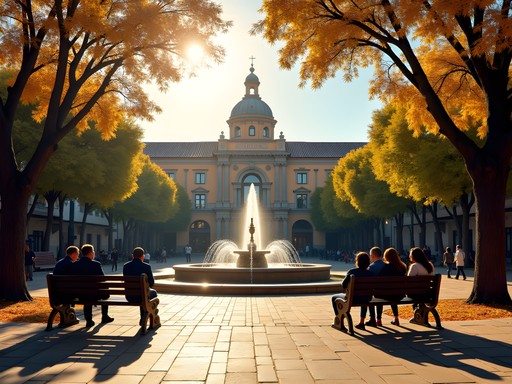
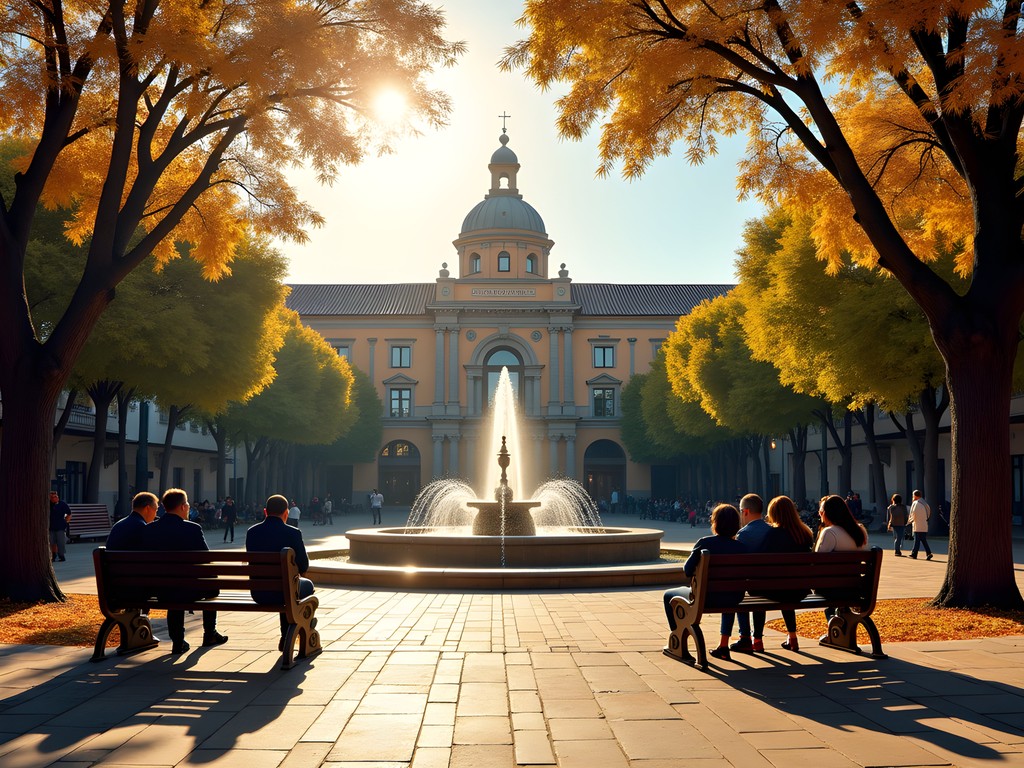
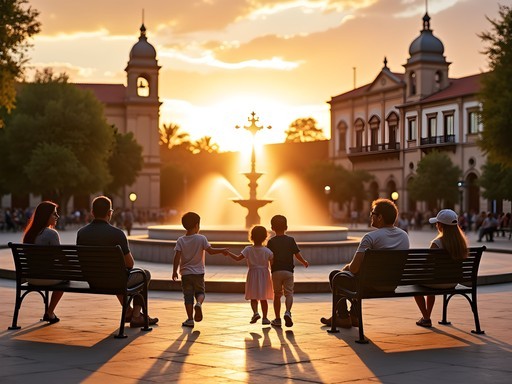
My exploration began in Plaza Independencia, the beating heart of Tucumán where Argentina's independence was declared in 1816. The plaza buzzes with local energy – families strolling, friends sharing mate tea, and students debating on shaded benches. The Casa Histórica de la Independencia museum offers an intimate glimpse into Argentina's birth as a nation, with bilingual guides providing context that brought the revolution to life.
For lunch, I discovered La Aguadita, a local institution serving regional specialties. Their locro (a hearty stew) transported me straight to Argentine home cooking. As a healthcare professional, I'm always fascinated by how traditional foods incorporate local ingredients with nutritional benefits – the quinoa and corn in many dishes here have been dietary staples for centuries.
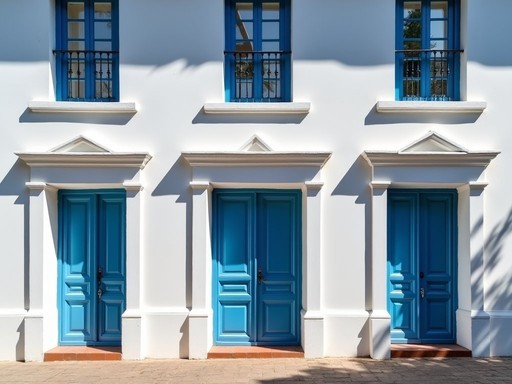
The afternoon called for exploring Tucumán's cathedral and surrounding colonial buildings. I was grateful I'd packed my moisture-wicking shirt as the afternoon sun intensified. The breathable fabric kept me comfortable while providing sun protection as I wandered through historic streets capturing photos of the incredible architecture.
💡 Pro Tips
- Visit Casa Histórica early to avoid crowds and get a more personalized experience from guides
- The regional dish locro is hearty – consider sharing if you're not starving
- Many historic sites close between 1-4pm for siesta – plan accordingly
Day 2: Urban Innovation and Culinary Delights
What surprised me most about Tucumán was its emerging innovation scene. The Cultural Center of the North (CCN) showcases how this historic city embraces the future through interactive exhibits blending art and technology. As someone who works in healthcare, I was particularly drawn to their exhibition on traditional healing practices meeting modern medicine – something that resonated with my own experiences volunteering abroad.
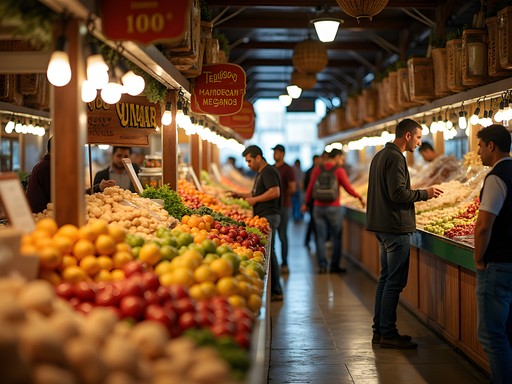
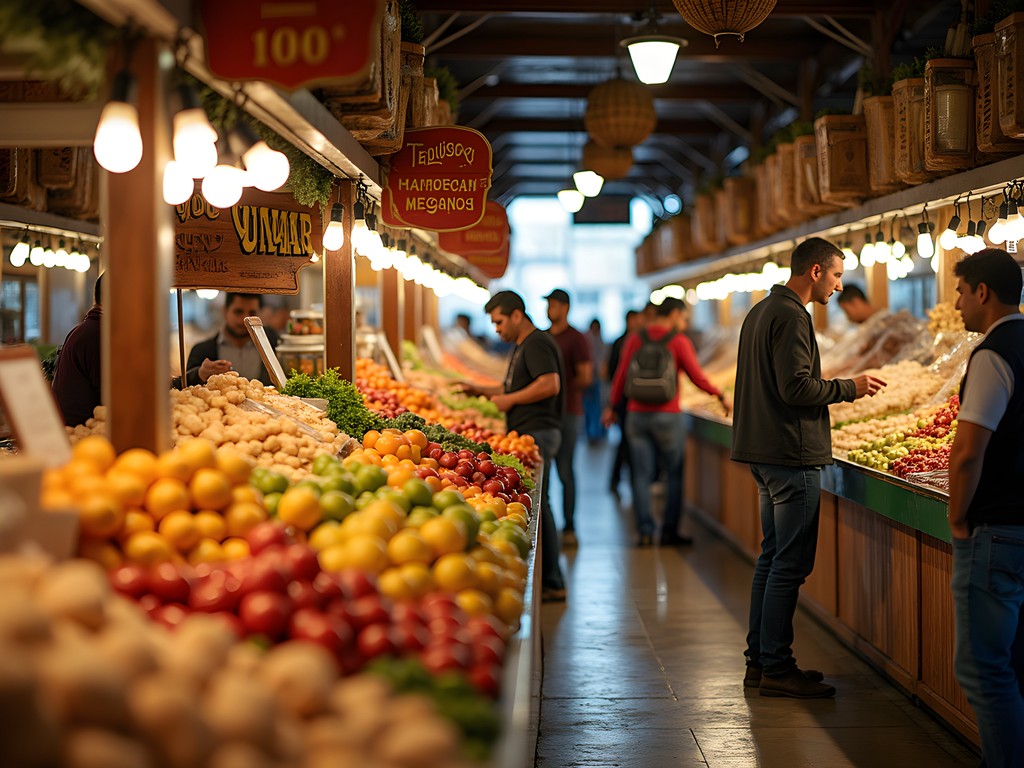
For lunch, I headed to Mercado Norte, where sensory overload awaits in the best possible way. Colorful produce, aromatic spices, and vendors calling out their specialties create an authentic market experience. I recommend bringing a reusable shopping bag to carry any treasures you find – I picked up some local herbs and dulce de batata (sweet potato paste) that's impossible to find back home.
The evening brought an unexpected highlight: Tucumán's burgeoning craft beer scene. At Cervecería Nuevo Mundo, I sampled flights of locally-brewed beers infused with regional ingredients like citrus from nearby orchards. The rooftop setting offered spectacular sunset views over the city, and I found myself in fascinating conversations with locals about how Tucumán balances tradition with forward-thinking development.
💡 Pro Tips
- Download Google Translate or a similar app for easier communication at the market
- Many craft breweries offer tasting flights – perfect for sampling multiple local specialties
- The CCN often hosts evening cultural performances – check their schedule in advance
Day 3: Natural Escapes and Local Connections
My final day began with an early morning trip to Parque 9 de Julio, Tucumán's urban oasis. The park's lake, walking paths, and botanical gardens provide a refreshing contrast to the city's bustle. I was glad I packed my compact water filter which allowed me to refill safely throughout the day while reducing plastic waste – something I'm passionate about as someone who's witnessed the impact of pollution on marine environments during my diving trips.
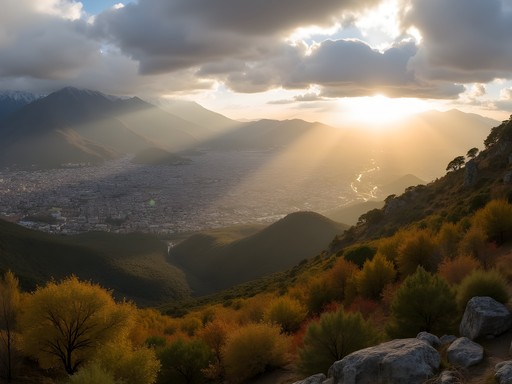
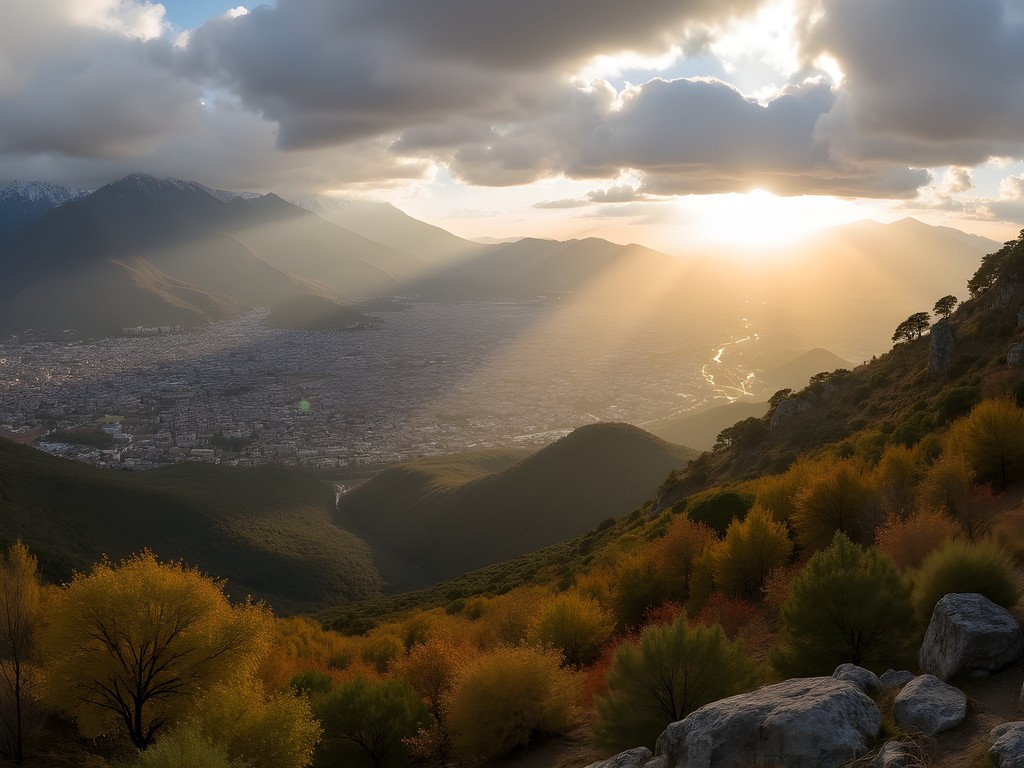
A short drive from the city center, Cerro San Javier offers breathtaking panoramic views of Tucumán and the surrounding Yungas forest. The ecological transition zone creates incredible biodiversity, and I spotted several bird species I'd never seen before. If you're planning this excursion, proper footwear is essential – my hiking sandals provided the perfect balance of support and breathability for the moderate trails.
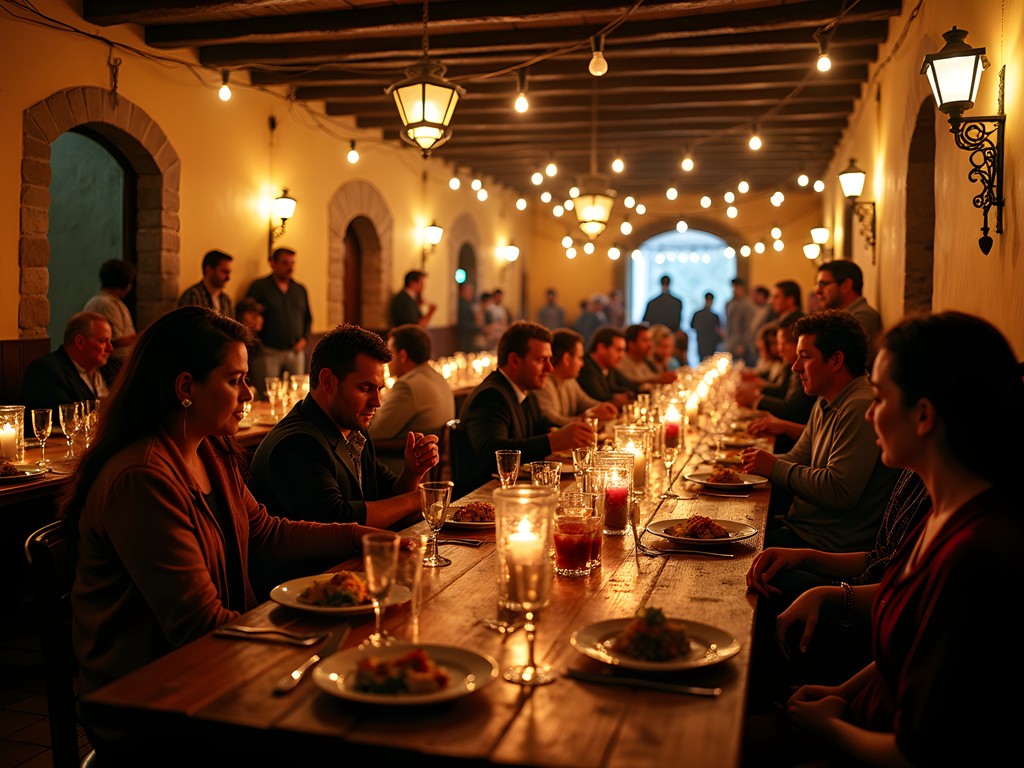
I ended my Tucumán adventure with dinner at a peña, a traditional folk music venue where locals gather to share food, wine, and culture. At Peña El Cardón, I experienced the heartbeat of northern Argentine identity through music and dance while enjoying a family-style meal. What struck me most was how quickly strangers became friends, sharing stories and inviting me to join their tables – a reminder of why community-centered travel experiences are so meaningful.
💡 Pro Tips
- Reserve a taxi for the Cerro San Javier trip or join an organized tour if you don't have a rental car
- Peñas typically get lively after 10pm – adjust your schedule for this late-night cultural experience
- Learn a few basic zamba dance steps before visiting a peña to fully participate

Where to Stay: Comfort Meets Local Character
Finding the right accommodation can make or break a city experience, and in Tucumán, I discovered gems across different budgets. For mid-range travelers, Hotel Bicentenario offers the perfect balance of comfort and location, situated just two blocks from Plaza Independencia. Their rooftop terrace provides stunning sunset views over the city's historic center.
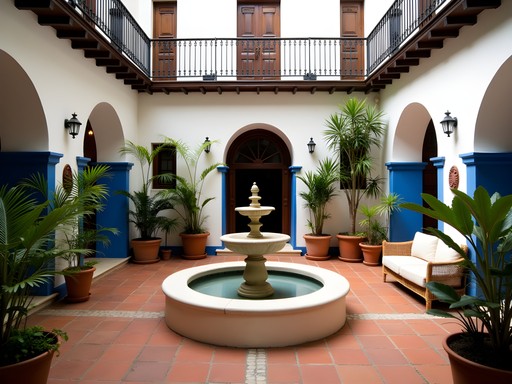
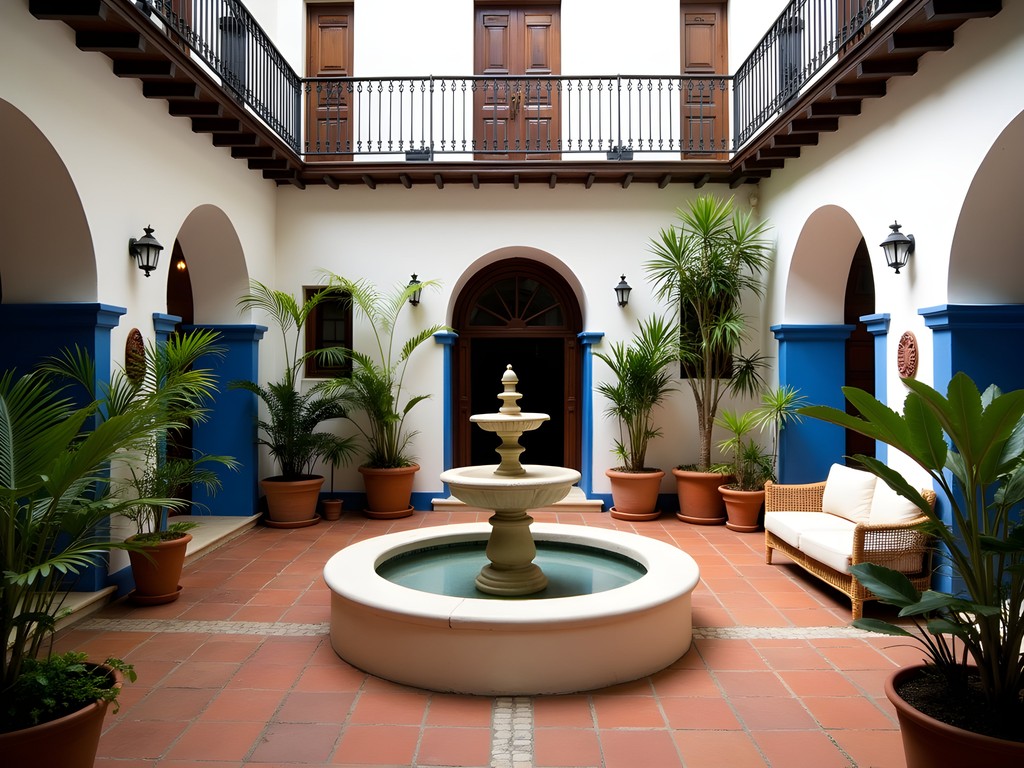
For a more immersive experience, I recommend the family-run Posada del Jardín in the residential San Lorenzo neighborhood. This converted colonial home features just six rooms around a central courtyard garden, where breakfast featuring homemade pastries and local fruits is served each morning. The owners, Martín and Clara, are walking encyclopedias of local knowledge and helped me discover spots I would have missed otherwise.
Whichever accommodation you choose, I suggest packing a white noise machine for better sleep. Like many vibrant Latin American cities, Tucumán's street life can continue late into the evening, and this small device was a lifesaver for maintaining my sleep schedule – something I prioritize as a healthcare professional who understands the importance of rest during active travel days.
💡 Pro Tips
- Book accommodations with air conditioning if visiting during warmer months (October-March)
- Hotels near Plaza Independencia offer convenience but might be noisier – request a room facing the interior courtyard
- Many smaller guesthouses don't appear on major booking sites – check TripAdvisor forums for local recommendations
Final Thoughts
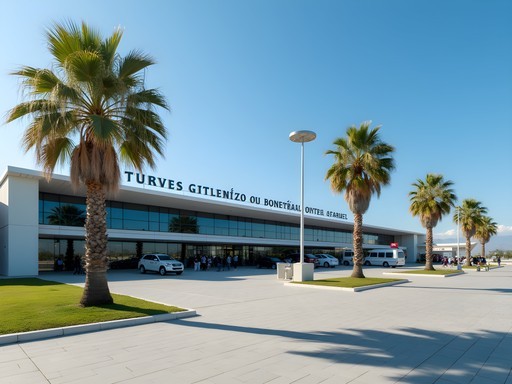
As my flight lifted off from Tucumán, I found myself already planning a return trip – perhaps next time with friends to share in the city's magic. What makes this northern Argentine gem special isn't just its historic significance or architectural beauty, but the way it embodies authentic Argentine life away from the well-trodden tourist path. In San Miguel de Tucumán, I discovered a perfect balance of cultural immersion, culinary exploration, and meaningful human connections.
As both a healthcare professional and passionate traveler, I value destinations that offer genuine experiences while remaining accessible and safe. Tucumán delivers this rare combination with remarkable ease. Whether you're drawn to the revolutionary history, the emerging innovation scene, or simply the pleasure of sipping wine while listening to folk music under starlit skies, this city rewards those willing to venture beyond Argentina's more famous destinations. Pack your curiosity, bring your appetite for adventure (and empanadas), and prepare to fall under the spell of San Miguel de Tucumán.
✨ Key Takeaways
- San Miguel de Tucumán offers a perfect blend of historical significance and authentic contemporary Argentine culture
- Fall (April-June) provides ideal weather and fewer crowds for exploring both the city and surrounding natural areas
- The local food scene goes far beyond steaks – regional specialties like locro and empanadas tucumanas shouldn't be missed
- Building connections with locals through shared experiences at markets, peñas, and plazas creates the most memorable moments
📋 Practical Information
Best Time to Visit
Fall (April-June) or Spring (September-November)
Budget Estimate
$50-100 USD per day excluding flights
Recommended Duration
3-4 days
Difficulty Level
Easy


Comments
roamseeker
Those cafes on Day 2 look amazing! Any that are particularly good for digital nomads needing to work? Wifi situation?
Savannah Torres
Just got back from Tucumán with my husband and 6-year-old twins and your guide was our bible! The kids absolutely loved the interactive exhibits at the House of Independence (didn't expect that to be such a hit). We stayed at Hotel Tucumán Center as you suggested and the staff went above and beyond for the kids. We discovered a fantastic playground in Parque 9 de Julio that wasn't mentioned in your guide - it has this amazing dinosaur-themed section that kept our twins busy for hours while we enjoyed mate nearby. Perfect for families needing a break between sightseeing!
greenvibes5843
@Savannah - Did you feel safe with kids there? Planning a trip with my 8yo daughter.
Savannah Torres
Absolutely! The central areas felt very safe, even in the evenings. Just use normal city precautions. The locals were incredibly kind to our children everywhere we went.
mountainblogger
Love your Day 3 section! How difficult is that hike to Cerro San Javier? Suitable for moderately fit people?
Mason Rice
Absolutely suitable for moderate fitness! There are several trails of varying difficulty. The main path is well-maintained with rest areas. Just bring plenty of water - it gets hot!
Sage Dixon
Mason, you've captured the essence of Tucumán beautifully! I visited last year during their Independence Day celebrations and it was absolutely magical. The parade through the historic center was incredible. One tip I'd add - there's a small family-run empanada shop called 'Doña Clara' about two blocks from Plaza Independencia that wasn't in any guidebooks. The tucumanas there are life-changing! Also, I found my pocket translator super helpful for the more remote areas around San Miguel where fewer people spoke English.
journeywanderer
This guide is perfect timing! I'm heading to Argentina next month but hadn't considered Tucumán. How's the public transportation there? Easy for someone who speaks very basic Spanish?
Mason Rice
The public buses are actually pretty easy to navigate! Most routes are well-marked and there's a local app called 'TucBus' that shows real-time arrivals. Basic Spanish is definitely enough to get by, and many younger locals speak some English too!
journeywanderer
That's so helpful, thanks Mason! Downloading that app now. Really excited to add this to my itinerary!
Claire Hawkins
Mason, this really resonates! We explored northern Argentina with our kids last year and absolutely fell in love with the region. Tucumán wasn't on our itinerary (we focused on Salta and Jujuy), but now I'm kicking myself for missing it! Your Day 3 section about natural escapes particularly caught my eye - we're always looking for cities that balance urban culture with easy access to nature, especially traveling with little ones. The way you described finding that balance between adventure and relaxation is exactly what we aim for as a family. Did you find the city walkable with kids, or would you recommend having a car for families? We're thinking of adding it to our next trip up north.
wanderadventurer
I'd love to know this too! Traveling with my niece in November
wanderadventurer
How's the weather in October? Planning to go around the same time next year!
Claire Hawkins
October is perfect! We were in Salta (just north) last spring and the weather was gorgeous - warm days, cool evenings. Bring layers!
wanderadventurer
Awesome, thanks!
hikingguide
YES! Finally someone covering Tucumán!! The Yungas cloudforest nearby is INCREDIBLE for hiking. If anyone goes, take a day trip to San Javier - the views over the city are unreal and there are some great trails. Also try the locro if you're there in winter, it's perfect comfort food!
springlife
Oh that sounds amazing! How do you get to San Javier?
hikingguide
There's a local bus that goes up the mountain, super cheap! Or you can taxi if you're in a group
Megan Martin
Excellent guide, Mason! I appreciate how you highlighted the balance between urban exploration and natural escapes. Tucumán often gets overlooked in favor of Salta and Mendoza, but it has such rich history and culture. The Casa Histórica is absolutely worth the visit - standing where Argentina's independence was declared gives you chills. For business travelers, I'd add that the city has surprisingly good coworking spaces and reliable wifi in most hotels. The local entrepreneurial scene is quite vibrant too.
moonmate
The photos of the historic district are gorgeous! Really captures the vibe
Venture X
Premium card with 2X miles, $300 travel credit, Priority Pass