


Disclosure: This article contains affiliate links. We may earn a commission from purchases at no extra cost to you, which helps our travel content.
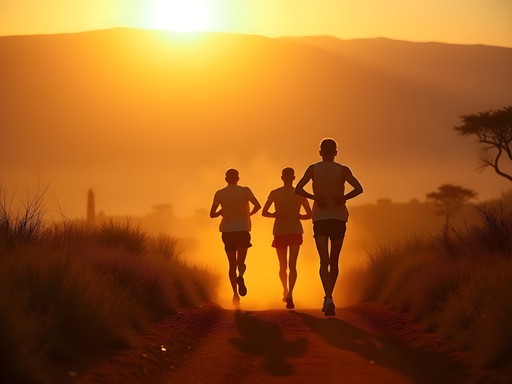
The first time my running shoes touched the rust-colored dirt paths winding through Eldoret, I understood why this place produces marathon legends. The air here at 2,100 meters feels different—thinner yet somehow more nourishing, like the perfect thread tension on my mother's loom. Kenya's 'City of Champions' isn't just a catchy tourism slogan; it's the living, breathing epicenter of distance running excellence. As someone who's chased trails across four continents, I can tell you with absolute certainty: what happens on these high-altitude paths is nothing short of alchemy. The transformation of ordinary runners into extraordinary athletes mirrors the way skilled artisans turn raw materials into treasures. This past fall, I spent a week immersing myself in Eldoret's running culture—not to become a champion myself, but to understand the craftsmanship behind creating them.

Finding Your Rhythm: Eldoret's Training Landscape
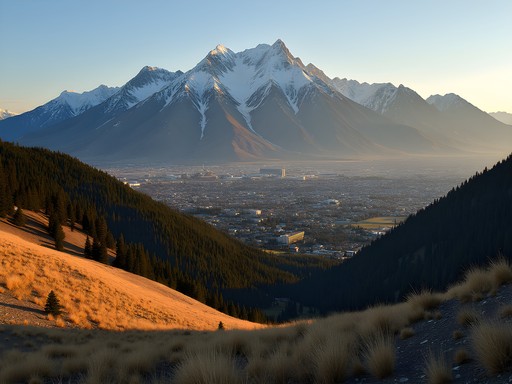
Eldoret sprawls across Kenya's western highlands like an unassuming canvas that conceals artistic brilliance. The city itself isn't particularly remarkable—a bustling regional hub with the expected urban infrastructure—but venture just beyond its edges and you'll discover the workshop where running excellence is forged.
My first morning run began at dawn from my modest guesthouse near Moi University. The landscape unfolds in gentle undulations that belie their difficulty; what looks like a mild slope from a distance becomes a quad-burning challenge up close. These rolling hills create natural interval training that local runners navigate with gazelle-like grace while visitors (like me) quickly discover their respiratory limitations.
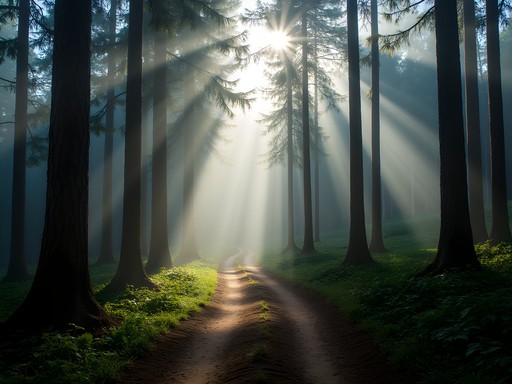
The most famous training area is Kaptagat, about 30km from Eldoret's center, where Eliud Kipchoge's training camp is located. While the camp itself is private, the surrounding forest trails are accessible and absolutely worth the journey. Picture narrow paths cutting through tall pines, the ground cushioned with needles—nature's perfect running surface. The Kaptagat Forest trails range from relatively flat circuits to punishing climbs that have you questioning your life choices by the halfway point.
What struck me most was the communal nature of running here. Unlike the often solitary pursuit it becomes in Western countries, Eldoret's running culture is deeply collective. I joined a group of recreational runners (still absurdly fast by international standards) for a 15km loop near Moiben, and the experience was transformative—we moved as a single organism, adjusting pace for each other, sharing water and stories between breaths.

💡 Pro Tips
- Start your runs before 9am to avoid the midday heat
- Always carry more water than you think you'll need—altitude dehydration is real
- Ask local runners about current trail conditions, as seasonal rains can dramatically alter routes
The High-Altitude Advantage: Training Like Champions
The magic of Eldoret isn't just in its trails but in its air—or rather, the relative lack of it. At 2,100+ meters elevation, your body works overtime to process the available oxygen, triggering adaptations that distance runners crave. This is the natural equivalent of the expensive altitude tents elite athletes use elsewhere; here it's just the default setting.
My first three days were humbling experiences. Paces I could comfortably maintain at sea level left me gasping, and hills I would normally attack became strategic walking opportunities. By day four, though, something shifted—the first hints of adaptation appearing like the initial pattern emerging on a loom.
To properly prepare for this environment, I relied heavily on my heart rate monitor to avoid overtraining. When running at altitude, perceived effort can be wildly misleading, and having concrete data helped me adjust workouts appropriately.
Local coaches I spoke with emphasized that the true benefit comes from spending at least two weeks here, though meaningful adaptations begin after about 10 days. Many international athletes now come for month-long camps, living simply and focusing entirely on training, recovery, and nutrition.
If you're serious about maximizing your training, consider connecting with one of the local training groups. For about $15-20 USD per day, you can arrange simple accommodations, meals, and guided runs with pacers who understand the terrain intimately. These aren't luxury arrangements—expect basic rooms, simple but nutritious food, and cold showers—but they provide authentic immersion into the champion-making process.
One afternoon, I was fortunate enough to observe a track workout at Moi University's facility where several Olympic hopefuls were completing 1000-meter repeats at speeds that seemed to defy physics. What struck me wasn't just their pace but their precision—each interval executed with the same meticulous attention a master woodcarver might give to matching grain patterns across a joint.

💡 Pro Tips
- Give yourself at least 2-3 days to begin acclimating before attempting challenging workouts
- Track your resting heart rate each morning—an elevated rate may signal that you need an easier day
- Focus on effort rather than pace for the first week of running at altitude
Living Simply: Accommodation and Daily Life
The secret to Eldoret's champion factory isn't found in state-of-the-art facilities or cutting-edge technology. In fact, it's quite the opposite—a return to basics that feels refreshingly honest in our over-complicated world.
I stayed at a family-run guesthouse in the Langas area, paying roughly $20 USD per night for a clean, modest room with shared bathroom facilities. My hosts—relatives of a former Commonwealth Games medalist—prepared simple meals centered around ugali (a dense maize porridge), vegetables, and occasional lean proteins. This diet mirrors what many local runners eat, though with perhaps more variety than the most disciplined athletes allow themselves during intensive training blocks.
Most serious runners here live communally in training camps, sharing everything from chores to training insights. I visited one such camp near Iten (a neighboring town also famous for producing champions) where eight runners shared a four-room house. Their lifestyle was monastic in its focus—run, eat, rest, repeat—with minimal distractions.
For solo travelers wanting an authentic experience without sacrificing all comforts, I'd recommend the packing cubes to maximize organization in minimal accommodation spaces. These compression cubes became essential for keeping my running gear separate from everyday clothes in my small room.
During my week, I established a rhythm that somewhat mirrored the local athletes: early morning run, late morning strength work or recovery, afternoon technical session or easy second run, and early bedtime. Without the usual distractions of Wi-Fi and entertainment, I found myself naturally adapting to the sun's schedule—a return to a more intuitive way of living that left me feeling surprisingly centered.
Water is a precious resource here, so expect brief, cold showers. I came to appreciate this as part of the experience—another small hardship that collectively builds the mental fortitude evident in Kenyan runners. By day three, I was actually looking forward to the invigorating shock of cold water on tired muscles.

💡 Pro Tips
- Bring a good headlamp for early morning runs and evening power outages
- Pack a portable water filter to ensure safe drinking water without buying plastic bottles
- Request a room away from the main road if you're a light sleeper—roosters make excellent alarm clocks whether you want them or not

Community and Culture: The Heart of Eldoret Running
What truly distinguishes Eldoret's running scene isn't the trails or altitude—it's the culture surrounding the sport. Running here isn't just an individual pursuit; it's a communal craft passed down through generations, much like the weaving and woodworking traditions I grew up with.
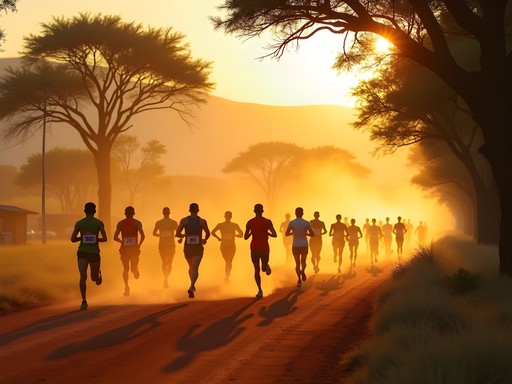
On my third morning, I joined a group of about 20 runners gathering in pre-dawn darkness. Without formal introductions or much discussion, I was simply absorbed into their formation as we set out. The run began with a prayer—a reminder that for many here, running intertwines with spirituality. As the kilometers accumulated, runners naturally formed small clusters based on pace, with everyone finding their place in the organic structure.
What amazed me most was the democratic nature of these groups. Current champions run alongside hopeful teenagers and recreational runners, all sharing the same paths and often the same struggles. There's no special treatment or separation—everyone faces the same hills and breathes the same thin air.
During one particularly challenging hill workout, I found myself struggling to maintain the pace. A national-level marathoner (whose name I later discovered had graced major race results) dropped back from the lead group and simply ran beside me, offering no words but perfect pacing that somehow made the impossible feel manageable. This silent craftsmanship of community support exemplifies what makes Eldoret special.
For capturing these fleeting moments of connection, I relied on my action camera strapped to my chest with a running harness. The stabilization handled the bouncing remarkably well, preserving memories without interrupting the experience.
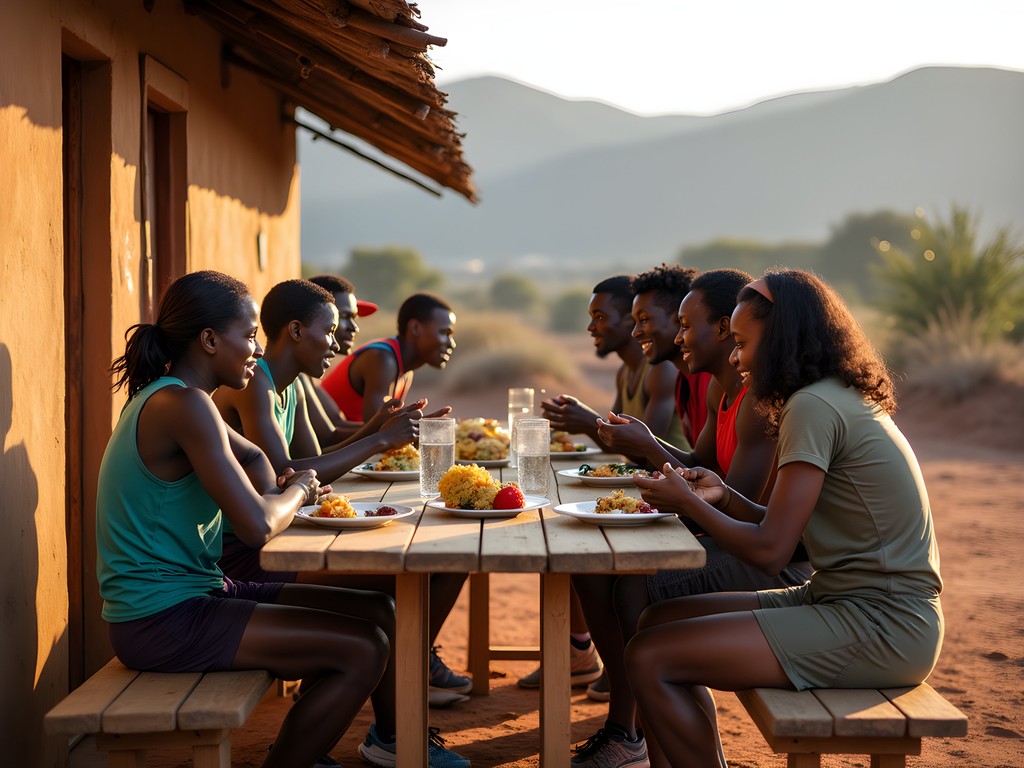
In the evenings, runners often gather to share simple meals and stories. I was invited to one such dinner where the conversation flowed between Swahili, English, and local dialects. The discussion covered training philosophies but also family news, community developments, and occasional political debates—a reminder that even the most focused athletes remain connected to the broader fabric of life.
💡 Pro Tips
- Learn basic Swahili greetings—they go a long way in building connections with local runners
- Respect the group dynamics during community runs—follow the established pace rather than pushing ahead
- Bring small tokens from your home country to share—I distributed maple candies which became instant conversation starters
Essential Gear for Eldoret's Challenging Terrain
The trails around Eldoret demand respect—and appropriate equipment. The terrain varies dramatically from smooth dirt roads to technical forest singletrack, all at altitude that intensifies every effort. After my first run left my road shoes caked in red mud and my feet blistered, I quickly adjusted my approach.
Trail shoes with substantial lugs are non-negotiable during the wet season. I wore my trail running shoes which provided excellent traction on both muddy descents and loose gravel climbs. The aggressive grip pattern proved invaluable when navigating the steep sections that local runners somehow float down effortlessly.
Hydration deserves special attention at this altitude. I carried a 1.5-liter hydration vest for anything beyond an hour, supplemented with electrolyte tablets to replace what constant sweating depleted. The dry air at elevation masks how much you're actually sweating, making dehydration a constant risk.
Sun protection is another consideration often overlooked by visitors. At higher elevations, UV exposure increases significantly even on cloudy days. A running cap with neck coverage, high-SPF sunscreen, and UV-blocking sunglasses are essential rather than optional.
Temperature regulation requires thoughtful layering. Mornings can start around 10°C (50°F) but quickly warm to 25°C (77°F) by mid-morning. I found a lightweight long-sleeve shirt that could be pushed up to the elbows offered the best versatility, protecting from both sun and occasional chill.
For recovery between runs, compression socks became my best friends. The increased circulation helped address the additional stress altitude places on muscles. I'd put these on immediately after my morning shower and wear them until afternoon training.
Perhaps the most important piece of 'equipment' was my willingness to adapt. Watching local runners taught me to modify my stride on different surfaces—shorter steps on uphills, relaxed longer strides on descents—mimicking the efficiency they've perfected through years on these trails.

💡 Pro Tips
- Bring twice as many socks as you think you'll need—the red soil stains permanently
- Test your shoes on steep downhills before committing to long runs—what works on flat terrain might cause blisters on descents
- Carry a small amount of local currency during runs for emergency water purchases from shops along routes
Final Thoughts
As my week in Eldoret came to an end, I found myself changed in ways that transcended physical conditioning. Like watching a master craftsman transform raw materials into something beautiful, I'd witnessed how this place shapes ordinary runners into extraordinary athletes through a perfect combination of geography, culture, and community. The red soil of these trails now permanently stains my running shoes—a souvenir more meaningful than any market trinket. For those willing to embrace discomfort, simplicity, and the humility that comes with being thoroughly outpaced by teenagers, Eldoret offers an unparalleled running pilgrimage. The lessons of this place—patience, consistency, community—extend far beyond running. They remind us that excellence in any craft requires not shortcuts but sustained, focused effort in an environment that demands your best. Will I return? Absolutely. The trails of Eldoret have stories I've only begun to understand, and my own running journey has been forever altered by this brief chapter among champions.
✨ Key Takeaways
- Eldoret's combination of altitude, terrain, and community creates the perfect environment for developing running excellence
- Embrace the simple lifestyle and communal training approach to get the most authentic experience
- Give yourself adequate time to acclimate before attempting challenging workouts
- The cultural aspects of running here are as important as the physical training
📋 Practical Information
Best Time to Visit
September-November (fall) or January-March (dry season)
Budget Estimate
$30-50 USD per day including accommodation, food, and local transport
Recommended Duration
Minimum 1 week, ideally 2+ weeks for physiological adaptation
Difficulty Level
Advanced - Challenging Terrain And High Altitude
Comments
islandfan
Going there in March!! So excited after reading this
George Hayes
Nova, this brought back memories! I took my teenage son to Eldoret three years ago as part of a bigger Kenya trip. He's a cross-country runner and it completely changed his perspective on the sport. We stayed for five days, and watching him train alongside Kenyan runners - kids his age who were running twice his mileage with such joy and ease - was humbling and inspiring. The simplicity of the lifestyle there, the focus on running as community rather than competition... it's something we still talk about. Fair warning though: the altitude kicked both our butts for the first few days!
happynomad
That sounds like an amazing father-son trip!
sunnymaster
This might be a dumb question but is Eldoret safe for solo travelers? I'm not a serious runner but would love to experience this. Also do you need a guide or can you just show up and find the trails?
Nova Perry
Not dumb at all! I felt very safe. The running community is tight-knit and welcoming. I'd recommend connecting with a local running group when you arrive - they'll show you the routes and you'll make friends instantly.
sunnymaster
Thank you!! That's really helpful
vacationguide1693
Love the photos! Especially the sunrise one
happynomad
What was the accommodation situation like? Budget friendly options?
Robert Moreau
I stayed at the Sirikwa Hotel when I passed through last year - beautiful gardens and surprisingly good restaurant. Not budget exactly but reasonable for the quality. There are definitely cheaper guesthouses around the training camps though.
islandfan
This is INCREDIBLE!! I've been dreaming about training in Eldoret for years. The way you describe the dirt paths and the community vibe... just wow. Did you actually get to run with any of the local athletes? And how long did it take to adjust to the altitude? I'm a sea-level runner so this is like my ultimate bucket list trip!
Nova Perry
Yes! I joined some morning group runs and the locals were so welcoming. Altitude adjustment took me about 3-4 days - just take it easy at first and hydrate constantly!
islandfan
Amazing, thank you!! Definitely booking this now
marathon_dreamer
Just got back from Eldoret myself and this post captures the experience perfectly! That thin air is no joke - I thought I was in decent shape until I tried to keep up with some local high school runners. They were practically jogging while I was gasping! The community aspect was the highlight for me though. Everyone stops to chat about running, and I got tons of training advice just from casual conversations. One tip for anyone going: bring layers! It gets surprisingly chilly in the mornings before the sun comes up, which is when most of the training happens. Also, the local market has amazing fresh produce for post-run recovery meals.
summerstar
Did you feel safe running solo on the trails? That's my biggest concern about training there.
marathon_dreamer
I felt completely safe! There are so many runners out early morning that you're never really alone. Everyone looks out for each other. Just stick to the main training routes at first until you get your bearings.
TrailTrekker
Those sunrise photos are absolutely stunning! What camera did you use?
runnerforlife92
This is exactly what I've been looking for! Planning a training trip to Kenya in January. How did you arrange accommodation? Any specific places you'd recommend for a 2-week stay?
Nova Perry
I stayed at a mix of places! For budget, the Veronica Guesthouse is clean and popular with visiting runners. For a treat, Kerio View has amazing scenery. Most important is to stay somewhere within easy access of the dirt roads where everyone trains. Email me if you want specific contacts!
runnerforlife92
Thanks so much! Will definitely check out Veronica Guesthouse. Looking forward to those red dirt trails!
Hunter Thompson
Brilliant post, Nova! I spent three weeks in Eldoret last year and it completely changed my approach to running. The simplicity of the training there is humbling - no fancy gear, just dedication and those brutal hills. I stayed at the Kerio View Hotel which had incredible vistas over the valley, though I also spent a few nights in the more basic accommodations closer to the training camps just to be near the local runners. The most valuable thing I brought was my hydration vest as the routes can be quite remote. Did you get a chance to meet any of the elite training groups? Some of them actually welcomed me to join their easy recovery runs (which were still brutally fast for me!).
Nova Perry
Thanks Hunter! Yes, I was lucky enough to join a group from Kaptagat for a morning run. They were so welcoming even though I was struggling to keep up! Kerio View is amazing - those sunset views after a hard day's training are unforgettable.
Venture X
Premium card with 2X miles, $300 travel credit, Priority Pass